Table of Contents
Precision engine tuning separates weekend hobbyists from serious performance builders, and nothing matters more than getting your ignition timing dialed in perfectly. Whether you’re squeezing extra horsepower from a naturally aspirated street machine or calibrating a forced-induction track monster, an adjustable timing light isn’t just a tool—it’s your window into the combustion chamber. The right device transforms guesswork into measurable science, letting you optimize advance curves, prevent detonation, and unlock hidden potential in any engine combination.
As we look toward 2026, the landscape of performance timing lights continues evolving with brighter displays, wider advance ranges, and smarter diagnostic capabilities. But with so many options flooding the market, understanding what features actually matter for custom tuning becomes critical. This guide cuts through the marketing noise to focus on the specifications, build qualities, and functional characteristics that separate professional-grade equipment from garage-sale disappointments. You’ll learn exactly what to evaluate when selecting a timing light that can handle everything from classic V8s to modern coil-on-plug conversions.
Top 10 Adjustable Timing Lights
Detailed Product Reviews
1. Innova 3568 Digital Timing Light
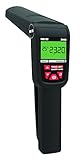
Overview: The Innova 3568 represents a professional-grade digital timing light engineered for comprehensive ignition diagnostics across domestic and import vehicles. This tool combines traditional stroboscopic function with advanced digital measurements, making it suitable for both vintage carbureted engines and modern computer-controlled systems. Its robust construction and precise readings cater to serious automotive enthusiasts and professional mechanics who demand accuracy across diverse ignition platforms.
What Makes It Stand Out: The split-screen LCD display simultaneously shows tachometer and advance readings, eliminating mode switching during tuning. Its patented Skip Circuitry maintains stable readings up to 9,990 RPM—critical for high-performance applications. The 0-90 degree advance range covers virtually all ignition scenarios, while the slim, rotating barrel allows precise aiming in cramped engine bays where traditional lights struggle.
Value for Money: Positioned at the premium tier, the 3568 justifies its price through time-saving digital features that eliminate guesswork. Compared to basic analog lights costing half as much, this tool pays for itself by preventing misdiagnosis and reducing tuning time. For professionals, the durability and accuracy represent a sound investment against cheaper alternatives that lack digital precision.
Strengths and Weaknesses: Pros include exceptional accuracy, wide vehicle compatibility, high-RPM stability, and ergonomic design. The rotating barrel is genuinely useful. Cons involve a steeper learning curve for novices, higher cost than entry-level options, and the display can be difficult to read in direct sunlight.
Bottom Line: The Innova 3568 is an excellent choice for serious DIYers and professionals who regularly work on varied ignition systems. While overkill for occasional tune-ups, its precision and versatility make it indispensable for comprehensive engine diagnostics.
2. KZYEE KT60 Digital Timing Light with Tachometer & Advance Angle, Automotive 12V Inductive Ignition Timing Light Gun for Distributor-Equipped Gasoline Engines

Overview: The KZYEE KT60 delivers digital timing light capabilities with a focus on real-time data visibility and high-RPM stability. Designed specifically for 12V gasoline engines, this tool targets performance enthusiasts and meticulous DIY mechanics who need accurate ignition timing across the full operating range. Its robust construction and clear display make it suitable for classic cars, motorcycles, ATVs, and marine applications.
What Makes It Stand Out: The high-contrast xenon strobe ensures timing marks remain visible even in poorly lit engine bays, while the LCD screen provides simultaneous RPM and advance angle readings without estimation. The inductive pickup maintains stable signals up to 10,000 RPM, preventing flicker that plagues lesser lights. Automatic polarity detection and overload protection add user-friendly safeguards uncommon in this price range.
Value for Money: The KT60 occupies a sweet spot between budget analog lights and premium professional units. It offers digital accuracy and advanced features at a mid-tier price point, making professional-grade timing accessible to serious hobbyists. While lacking the brand recognition of Innova, the feature set rivals tools costing significantly more.
Strengths and Weaknesses: Strengths include excellent display clarity, rugged impact-resistant housing, stable high-RPM performance, and comprehensive safety features. The 0-90° advance range is complete. Weaknesses are limited to gasoline engines only, no support for diesel or hybrid systems, and the lesser-known brand may raise longevity questions.
Bottom Line: For gasoline engine enthusiasts seeking digital precision without professional-grade pricing, the KT60 is compelling. Its stable performance and clear feedback make it ideal for performance tuning, though brand-conscious buyers might prefer established alternatives.
3. Innova 5568 Pro Digital Timing Light Tool with Digital Advance, LED Display, Ignition Timing for 2 and 4 Cycle Engines, Automotive Diagnostic Tool for Cars and Trucks

Overview: The Innova 5568 Pro Digital Timing Light streamlines ignition diagnostics with its emphasis on simplicity and brand reliability. Built on three decades of automotive diagnostic expertise, this tool targets DIY mechanics and professional technicians who want accurate digital timing without complexity. It works seamlessly across domestic and import vehicles, handling both carbureted and fuel-injected 2 and 4-cycle engines.
What Makes It Stand Out: The ability to measure total advance without rotating the distributor saves significant time during tune-ups. The bright LED display remains readable in dim garage environments, while the straightforward two-step setup—battery connection and spark plug wire clamp—gets users operational within minutes. Innova’s established reputation provides confidence in warranty support and product longevity.
Value for Money: The 5568 sits in the upper-mid price range, trading some advanced features of the 3568 for simplified operation. You’re paying for trusted brand engineering and reliable performance rather than cutting-edge specifications. For mechanics who value consistency over complexity, this represents solid value compared to cheaper, less reliable imports.
Strengths and Weaknesses: Pros include rapid setup, clear LED display, broad vehicle compatibility, and dependable brand backing. The advance measurement without distributor rotation is genuinely useful. Cons include a less comprehensive display than the 3568’s split-screen, unspecified patented circuitry details, and a price premium over feature-rich competitors.
Bottom Line: The 5568 Pro is perfect for users wanting digital accuracy wrapped in proven reliability. While not the most feature-packed option, its balance of simplicity, compatibility, and brand trust makes it a smart purchase for regular garage use.
4. Automotive Timing Light 12V, Inductive Ignition Timing Light Gun for 2&4 Stroke Petrol Engine for Old Classical Car Motorcycle
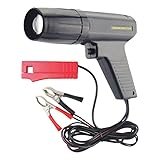
Overview: This generic 12V timing light offers fundamental ignition timing capabilities for classic vehicles and motorcycles at an entry-level price point. Designed for two-stroke and four-stroke gasoline engines, it provides essential stroboscopic function without digital complexity. The tool suits occasional DIYers and owners of older vehicles requiring periodic timing checks rather than comprehensive diagnostics.
What Makes It Stand Out: The ergonomic pistol-grip design with comfortable press keys distinguishes it from basic box-style units, improving handling during extended use. Color-coded red and black sensor clips simplify polarity identification for safer connections. The sliding clamp-on inductive pickup offers straightforward hookup without permanent installation, while the advance function allows basic testing of vacuum and knock suppression systems.
Value for Money: This represents one of the most affordable functional timing lights available, making it accessible to budget-conscious users. The trade-off is minimal: no digital display, limited advanced features, and basic construction. For classic car owners performing annual tune-ups, the cost savings outweigh the lack of sophistication. It delivers core functionality where expensive features would be underutilized.
Strengths and Weaknesses: Strengths include comfortable ergonomics, simple operation, universal 12V gasoline engine compatibility, and clear polarity markings. The pistol grip reduces fatigue. Weaknesses involve lack of digital precision, unknown brand durability, no specified RPM range, and basic strobe intensity that may struggle in bright conditions.
Bottom Line: This timing light serves its niche perfectly—affordable, functional timing for vintage machinery. It’s not for performance tuning or professional use, but represents excellent value for occasional maintenance on older gasoline engines where basic timing verification suffices.
5. Innova 3555 Advance Timing Light
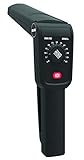
Overview: The Innova 3555 occupies the middle ground between basic timing lights and full digital units, offering reliable analog-style operation with some advanced features. This universal-fit tool works with conventional, electronic, and computer-controlled ignition systems across domestic and import vehicles. It targets regular DIY mechanics who need dependable timing checks without requiring digital readouts.
What Makes It Stand Out: The patented Skip Circuitry maintains accurate timing marks up to 9,990 RPM, a feature typically reserved for premium units. The rotating barrel design allows precise aiming in tight engine compartments, while the advance dial enables checking base, mechanical, and electronic advance without complex setup. This combination of proven analog operation with select digital enhancements creates a practical balance.
Value for Money: Priced below Innova’s digital offerings, the 3555 delivers professional-grade RPM capability and compatibility at a moderate cost. The 0-60 degree advance range covers most street applications, though performance builders might need more. For general maintenance and troubleshooting, it provides 90% of premium functionality at 60% of the price.
Strengths and Weaknesses: Pros include reliable Skip Circuitry, ergonomic rotating barrel, broad ignition system compatibility, and trusted brand quality. The analog display is simple to interpret. Cons include limited 0-60° advance range (versus 0-90° on digital models), no digital tachometer display, and less precision than fully digital alternatives.
Bottom Line: The 3555 is an excellent compromise for mechanics wanting professional reliability without digital complexity. It handles most timing tasks efficiently and represents smart value for regular garage use, though performance tuners should consider digital alternatives.
6. Performance Tool W80578 Self-Powered Timing Light, Black

Overview: The Performance Tool W80578 is a versatile timing light designed for mechanics and DIY enthusiasts working on various gas-powered equipment. This self-contained unit eliminates the hassle of external power connections, featuring a super-bright xenon bulb that ensures clear timing readings even in bright daylight conditions. Its broad compatibility spans motorcycles, snowmobiles, lawn mowers, tractors, and other outdoor power equipment.
What Makes It Stand Out: The self-powered design is the star feature—no battery leads or external power source required, making it exceptionally portable and convenient for field repairs. The detachable inductive pick-up works reliably with magneto systems, a rarity in this price range. Additionally, the integrated work light function illuminates dark engine bays, adding practical value beyond timing duties.
Value for Money: Priced competitively for the casual mechanic, this timing light offers significant savings over professional-grade models while covering most home garage needs. The elimination of external power accessories reduces overall investment, and its multi-equipment versatility means one tool serves numerous vehicles and machines, delivering solid ROI for hobbyists.
Strengths and Weaknesses: Strengths: Truly portable self-powered operation; bright xenon flash visible in sunlight; magneto compatibility; built-in work light; simple one-handed operation. Weaknesses: Self-contained power may limit runtime between charges/refreshes; build quality feels less robust than premium brands; lacks advance timing dial for performance tuning.
Bottom Line: An excellent choice for DIYers and occasional mechanics needing a portable, easy-to-use timing light for basic maintenance across various gas engines. Professionals may want more durable options with advance features.
7. Timing Light Xenon Inductive with 0 to 60 Degree Dial Advance Ignition Spark Checker
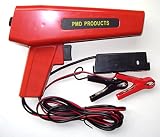
Overview: This inductive timing light targets enthusiasts who need to check and adjust ignition advance without factory degree markings. Featuring a 0-60° advance dial and brilliant xenon flash, it works with all 12-16 volt systems. The package includes two clamp-on inductive pickups with 4-foot leads, providing flexibility for different engine configurations.
What Makes It Stand Out: The advance dial eliminates the need for engine-mounted degree scales, allowing precise timing adjustments on custom or vintage builds. The dual inductive pickups are trigger-activated, making it adaptable for various setups. Its high-impact ABS housing protects the unit in demanding garage environments while maintaining affordability.
Value for Money: This budget-friendly option punches above its weight, offering advance timing capabilities typically found in more expensive units. The inclusion of two pickups effectively provides backup capability, and the 4-foot leads offer adequate reach for most vehicles. For shade-tree mechanics, it delivers professional-style features without the premium price tag.
Strengths and Weaknesses: Strengths: Integrated advance dial simplifies timing adjustments; bright xenon bulb works at all RPMs; dual pickup configuration; long 4-foot leads; affordable pricing. Weaknesses: ABS housing durability concerns for daily professional use; dial accuracy may drift over time; no digital readout; limited documentation included.
Bottom Line: Ideal for hobbyists and budget-conscious DIYers working on classic cars or performance engines. The advance dial feature provides real value, though professionals should invest in more robust equipment for daily shop use.
8. OTC 3365 Professional Advance Timing Light

Overview: The OTC 3365 represents professional-grade equipment for accurate base and advance ignition timing. Built for daily shop use, it features an adjustable knob to measure centrifugal, vacuum, and computer-controlled advance systems. The all-metal inductive pickup and super-bright xenon flash ensure reliable readings across all operating conditions.
What Makes It Stand Out: The sophisticated advance measurement knob tracks multiple timing curves simultaneously, a critical feature for modern and performance engines. The touch-control on/off switch allows one-handed operation, while the durable plated ABS housing with over-molded grips withstands professional abuse. The all-metal pickup ensures consistent signal capture where plastic units fail.
Value for Money: As a premium tool, the OTC 3365 commands a higher price but delivers professional durability and precision that amortizes over years of daily use. It eliminates the need for separate diagnostic equipment for advance curve measurement, making it cost-effective for professional shops. DIYers may find the investment excessive for occasional use.
Strengths and Weaknesses: Strengths: Professional-grade construction; comprehensive advance measurement capabilities; reliable metal inductive pickup; ergonomic over-molded grips; bright xenon flash. Weaknesses: Premium pricing; OBD II connector mention appears to be specification error; heavier than consumer models; may be overkill for basic timing checks.
Bottom Line: A must-have for professional technicians and serious performance engine builders. The durability and advanced features justify the cost for daily shop use, though casual DIYers should consider more affordable options.
9. JEGS 40750 Digital Inductive Timing Light [12-16 Volt]
![JEGS 40750 Digital Inductive Timing Light [12-16 Volt]](https://m.media-amazon.com/images/I/41UUcjNabTL._SL160_.jpg)
Overview: JEGS 40750 blends traditional timing light functionality with modern digital convenience. This inductive unit features a high-visibility LED digital display alongside a super-bright xenon flash, providing precise timing readings for both street vehicles and race applications. It operates across 9-16 volt systems, including magneto-equipped engines.
What Makes It Stand Out: The digital display offers exact numerical timing readings, eliminating interpretation errors from traditional marks. Push-button operation simplifies advance and retard timing adjustments, particularly valuable for performance tuning. Its compatibility with magneto systems and wide voltage range makes it versatile for both automotive and powersports applications.
Value for Money: Positioned in the mid-range price bracket, this timing light offers digital precision typically found in higher-end units. The dual-mode display (digital + xenon flash) provides redundancy and clarity, making it suitable for both novice users and experienced tuners. The magneto compatibility adds value for powersports enthusiasts.
Strengths and Weaknesses: Strengths: Clear digital readout; bright xenon flash; advance/retard functionality; wide voltage compatibility (9-16V); magneto system support; user-friendly push-button controls. Weaknesses: Digital components may be vulnerable to heat and vibration in harsh shop environments; display could be brighter for direct sunlight; slightly bulkier than analog-only models.
Bottom Line: An excellent bridge between basic timing lights and professional equipment. Perfect for performance enthusiasts and DIYers who want digital accuracy without professional-grade pricing. Powersports mechanics will appreciate the magneto compatibility.
10. LEOTER Grow Light for Indoor Plants - Upgraded Version 80 LED Lamps with Full Spectrum & Red Blue Spectrum, 3/9/12H Timer, 10 Dimmable Level, Adjustable Gooseneck,3 Switch Modes

Overview: The LEOTER upgraded grow light addresses indoor gardening challenges with 80 high-efficiency LEDs covering the full 380-800nm spectrum. Designed for home and office use, it features four adjustable heads on 360° goosenecks, providing customizable coverage for multiple plants. The unit combines red, blue, and full-spectrum diodes to support all growth stages from seedlings to flowering.
What Makes It Stand Out: The versatile three-mode system (full spectrum, red+blue, or combined) allows precise spectral tuning for specific growth phases. The upgraded timer function with 3/9/12-hour cycles and memory capability automates daily lighting schedules, crucial for consistent plant development. The aviation-grade aluminum heat sink ensures cool operation and extends LED lifespan significantly compared to budget alternatives.
Value for Money: This grow light offers exceptional value, delivering professional-grade features at a consumer price point. The four independently adjustable heads effectively replace multiple single-lamp units, while the timer function eliminates costly separate controllers. For hobbyist growers, it provides near-commercial capabilities without the premium investment.
Strengths and Weaknesses: Strengths: Comprehensive full-spectrum coverage; intelligent timer with memory; 10 dimmable levels; four flexible heads; efficient heat dissipation; sturdy metal clamp. Weaknesses: Timer requires reset after power outages; not suitable for large-scale growing operations; goosenecks may weaken with frequent adjustment; power adapter could be more robust.
Bottom Line: An outstanding choice for home gardeners, apartment dwellers, and office plant enthusiasts seeking automated, professional-quality lighting. The feature set and build quality far exceed expectations at this price point, making it a smart investment for serious hobbyists.
Understanding Adjustable Timing Lights
What Is an Adjustable Timing Light?
An adjustable timing light is a specialized diagnostic tool that flashes a bright strobe in synchronization with your engine’s ignition events, allowing you to visualize the timing mark on your harmonic balancer relative to fixed reference points on the engine block. Unlike basic fixed lights, adjustable models feature a dial or digital control that lets you offset the flash timing, effectively advancing or retarding the strobe without physically moving the distributor. This capability proves invaluable when mapping out complete advance curves across the entire RPM range rather than just checking static timing at idle.
How Timing Lights Work in Performance Tuning
The fundamental principle relies on inductive pickup technology that clamps around your number one spark plug wire, detecting each high-voltage pulse. When the plug fires, the light flashes instantaneously, freezing the spinning timing mark in place. For performance applications, this visual feedback loop lets you verify that your mechanical advance, vacuum advance, or electronic mapping is delivering the precise ignition point your engine needs for optimal power and safety. Modern units often integrate RPM readouts and dwell angle measurements, providing a comprehensive snapshot of ignition system health during full-throttle pulls.
Why Adjustability Matters for Custom Builds
Static timing checks only tell part of the story. Performance engines operate across vast RPM ranges where optimal timing shifts dramatically. An adjustable dial lets you simulate different advance amounts while the engine runs, helping you identify detonation thresholds, torque peak timing, and the effects of fuel quality without constantly reprogramming ECUs or swapping distributor springs. For forced induction applications, this becomes even more critical as you fine-tune timing retard under boost to prevent catastrophic engine damage while maximizing power output.
Key Features to Evaluate
Advance Dial Range and Precision
The heart of any performance timing light lies in its adjustment range. Professional-grade units typically offer at least 60 degrees of advance control, with some extending to 90 degrees for serious race applications. More important than raw range is resolution—the smallest increment you can reliably adjust. Look for dials with clear detents or digital readouts that change in 1-degree increments. Vague, smooth-spinning knobs without positive stops make repeatable adjustments nearly impossible when you’re trying to document a precise advance curve on your dyno sheet.
Display Readability and Backlighting
Garage lighting rarely cooperates when you’re hunched over a fender, and sunlight can wash out dim displays at the track. High-contrast LCD or LED screens with adjustable backlighting ensure you can read advance settings regardless of conditions. Some advanced models feature color-coded displays that change based on RPM or advance amount, giving you at-a-glance feedback during tuning sessions. The display should be large enough to read from arm’s length without squinting, as you’ll often be holding the light while making distributor adjustments simultaneously.
Inductive Pickup Quality
That clamp connecting to your spark plug wire endures constant heat cycles, oil exposure, and accidental yanks. Professional-grade pickups use high-temperature silicone insulation with robust strain relief where the cable enters the clamp body. The clamp mechanism itself should open wide enough for thick racing wires yet maintain positive contact on smaller factory leads. Look for shielded cables that reject electrical noise from alternators, ignition boxes, and other under-hood electronics that can cause erratic flashing or false RPM readings.
RPM Measurement Capabilities
Integrated tachometer functions eliminate the need for a separate RPM gauge during timing adjustments. Quality timing lights accurately read speeds from 200 to 12,000+ RPM, with rapid update rates that don’t lag during acceleration. This proves essential when checking total mechanical advance, where you need to know exactly when advance stops increasing and starts holding steady. Some units also capture maximum RPM, useful for verifying rev limiter settings or identifying over-rev events after a hard pass.
Compatibility with Modern Ignition Systems
Traditional timing lights struggle with capacitive discharge ignition (CDI) boxes, multi-spark systems, and coil-on-plug (COP) configurations that dominate modern performance builds. Ensure any unit you consider explicitly supports your ignition type. COP-compatible lights often include specialized adapters or high-sensitivity modes that can detect the lower-energy signals from individual coil packs. For MSD, Crane, or other aftermarket ignition boxes, verify the light can handle the ultra-high voltage and multiple spark events without missing flashes or displaying garbage data.
Build Quality and Durability
Professional timing lights survive drops off fenders, exposure to brake fluid, and years of heat cycling. The housing should be impact-resistant plastic or rubberized overmold that absorbs shocks. All seams need proper sealing against moisture ingress, and the trigger switch must feel substantial—cheap, mushy buttons fail quickly with regular use. Heavy-duty leads with thick insulation prevent melting against hot exhaust manifolds, while reinforced connections at the light body stop internal wire fractures that cause intermittent operation.
Power Source Options
Most timing lights draw power through alligator clips attached to the battery, but this creates clutter and potential short circuits if clips touch ground accidentally. Premium units offer alternative power options like cigarette lighter adapters or internal rechargeable batteries. Battery-powered models provide complete isolation from the vehicle’s electrical system, eliminating ground loop issues that can affect accuracy. However, ensure battery life supports extended tuning sessions—nothing’s worse than your light dying mid-adjustment on the dyno.
Additional Diagnostic Functions
Modern timing lights often bundle extra capabilities that reduce the number of tools you need. Dwell angle measurement helps verify points ignition or aftermarket box performance. Voltage display checks battery and charging system health. Some units even include basic oscilloscope functions to visualize spark waveforms, though these features add complexity and cost. Decide which secondary functions genuinely support your tuning workflow versus gimmicks that sound impressive but rarely get used.
Technical Specifications Explained
Timing Advance Range
The specified advance range indicates how far you can offset the strobe from actual ignition timing. For street performance, 0-60 degrees covers most scenarios. Racing applications with locked distributors and crank triggers may need 0-90 degree capability. Pay attention to whether the range is symmetrical (advances and retards) or one-directional. Some lights only advance the strobe, which limits troubleshooting flexibility when you need to verify base timing on engines already set advanced from factory specs.
Flash Rate and Brightness
Flash duration and intensity directly impact how clearly you see timing marks at high RPM. Short, intense flashes freeze fast-moving marks better than longer, dimmer pulses. Xenon bulbs traditionally delivered the brightest flashes, but modern LED technology now matches or exceeds xenon performance with longer lifespan and lower power draw. Look for specifications like “flash energy” or “peak candela” rather than just bulb wattage, as reflector design significantly affects usable brightness where it matters—on the harmonic balancer.
Voltage Requirements
Timing lights must operate reliably across the voltage fluctuations common in performance vehicles. During cranking, battery voltage can drop to 9 volts, while some charging systems spike above 15 volts. Quality units maintain consistent flash brightness and timing accuracy throughout this range. Check the specified operating voltage window—professional tools typically handle 8-18 volts without performance degradation. This becomes crucial when working on 16-volt racing electrical systems or vintage 6-volt conversions.
Clamp and Lead Construction
The inductive clamp’s physical design affects both signal quality and user convenience. A strong spring ensures consistent contact pressure, while smooth, rounded edges prevent wire insulation damage. Lead length matters too—10-12 feet gives you flexibility to position the light comfortably without dragging the battery leads across hot engine parts. Detachable leads with standard connectors simplify replacement if damaged, extending the tool’s service life significantly.
Using Your Timing Light Effectively
Basic Timing Adjustment Procedure
Start by cleaning your timing marks and painting them with white correction fluid for maximum contrast. Connect the inductive clamp to the number one plug wire, ensuring the arrow points toward the spark plug. Attach power leads to the battery, observing correct polarity. With the engine at operating temperature and idle stabilized, aim the light at the harmonic balancer while pulling the trigger. Adjust the distributor until the mark aligns with your desired base timing specification, then tighten the hold-down bolt while verifying the mark doesn’t drift.
Reading Advance Curves
Mapping a complete advance curve requires a helper or remote starter switch. With the engine running, slowly increase RPM while gradually advancing your timing light’s dial to keep the timing mark centered in the window. Record the advance setting required at each 500 RPM increment. When the required advance stops increasing despite rising RPM, you’ve found your total mechanical advance point. Plotting these points reveals whether your advance springs are too light, too heavy, or if your advance stop needs modification for your specific combination.
Troubleshooting Common Issues
Erratic flashing usually indicates a poor inductive pickup connection or electrical interference. Try repositioning the clamp or wrapping it with aluminum foil as a shield. If the light won’t flash on coil-on-plug systems, switch to a specialized high-sensitivity mode or adapter. Dim flashes at high RPM suggest inadequate flash energy—verify your power connections and battery voltage. Inconsistent advance readings often stem from distributor shaft wear or a slipping harmonic balancer, not the timing light itself.
Safety Considerations
Never route timing light leads near moving belts, fans, or hot exhaust components. Keep the light body away from direct contact with the engine to prevent burns and electrical damage. Wear safety glasses to protect against belt debris and fluid spills. When working near the harmonic balancer, tie back loose clothing and remove jewelry that could catch. If you must adjust timing while the engine runs, use insulated tools and maintain three points of contact to prevent accidental grounding through your body.
Performance Tuning Applications
Street Performance Builds
Street engines demand timing curves that balance power, drivability, and emissions compliance. Your adjustable timing light helps verify that vacuum advance adds appropriate timing during cruise for fuel economy without causing detonation under load. For modern EFI conversions, it confirms that your ECU’s timing map matches physical reality at the crank, catching calibration errors before they damage pistons. The ability to check total advance ensures you haven’t exceeded safe limits when combining mechanical, vacuum, and computer-controlled timing.
Racing and Track Applications
Racing engines often run locked distributors or crank triggers where timing doesn’t change with RPM. Here, your timing light confirms absolute ignition timing accuracy—critical when switching between race fuel grades or adjusting for weather conditions. For classes requiring specific timing rules, the adjustable feature lets you quickly verify compliance without external degree wheels. In endurance racing, periodic checks catch timing drift from distributor gear wear or trigger wheel movement that could cost valuable horsepower or cause mid-race failures.
Forced Induction Setups
Supercharged and turbocharged engines require precise timing retard under boost to prevent catastrophic detonation. Your adjustable timing light works in conjunction with a boost gauge to verify that timing actually retards as manifold pressure increases. By measuring timing at various boost levels, you can confirm your ignition controller’s mapping and identify the maximum advance the engine tolerates at each pressure point. This data proves invaluable when switching between pump gas and race fuel or adjusting boost levels for different track conditions.
Classic Car Restorations
Vintage engines with points ignition or early electronic conversions benefit enormously from modern timing light capabilities. The dwell angle function optimizes point gap settings, while RPM measurement helps set idle speed and verify advance curve accuracy against factory specifications. For engines converted to modern ignition boxes, the timing light confirms that new technology integrates correctly with original harmonic balancers and timing pointers that may have degraded accuracy over decades of use.
Maintenance and Care
Storage Best Practices
After each use, wipe down your timing light with a clean cloth to remove oil, coolant, and brake dust that degrades plastics and insulation. Coil the leads loosely—never wrap them tightly around the light body, as this stresses internal conductors. Store in the original case or a dedicated toolbox compartment away from heavy objects that could crush the housing. Keep the inductive clamp in a relaxed position; prolonged compression weakens the spring and reduces signal reliability.
Calibration Checks
While timing lights rarely drift out of calibration, periodic verification ensures accuracy. Connect the light to a known-good ignition system with verified timing, or use a timing light tester that generates precise reference signals. If readings seem off, check for damaged leads or corrosion on battery clips before assuming internal failure. Some high-end units offer user-accessible calibration adjustments, but most require factory service if they lose accuracy.
When to Replace Your Timing Light
Replace your timing light when the flash becomes consistently dim despite fresh power connections, or when the advance dial feels loose and fails to hold settings. Cracked housing, exposed wire conductors, or intermittent operation despite good connections indicate it’s time for retirement. If your ignition system upgrades outpace your light’s capabilities—like switching to coil-on-plug without compatible adapters—investing in a more versatile unit saves frustration and prevents tuning errors that could cost an engine.
Frequently Asked Questions
Can I use a standard timing light on a coil-on-plug ignition system?
Standard timing lights often struggle with the lower-energy signals from individual coil packs. You need a timing light specifically designed for COP systems, typically featuring a high-sensitivity mode or specialized adapters that connect directly to the coil’s signal wire. Some advanced units can detect the trigger signal from the ECU rather than the spark event itself.
What’s the difference between digital and analog adjustable timing lights?
Analog units use a physical dial to offset the strobe timing, while digital models use electronic controls with LCD displays showing the exact advance amount. Digital lights offer more precise repeatability and often include additional functions like RPM readout and dwell measurement. Analog lights appeal to traditionalists who prefer simplicity and never need to worry about digital display failures or battery life.
How accurate do timing marks need to be for performance tuning?
Factory timing marks typically have ±2-degree tolerance, which is unacceptable for serious performance work. For custom builds, verify your harmonic balancer’s TDC mark against piston stop measurements, then create precise reference marks at 10-degree intervals using a degree wheel. This ensures your timing light readings reflect reality, not factory approximation errors.
Can timing lights damage modern ignition systems?
Quality timing lights are completely safe when used correctly. The inductive clamp is passive—it only senses the magnetic field around the plug wire without introducing load. However, cheap units with poor shielding can inject noise into sensitive ignition controllers, potentially causing misfires. Always choose well-shielded professional-grade lights for late-model vehicles with complex engine management.
Why does my timing light show different readings at different RPMs?
This usually indicates actual timing changes from mechanical or vacuum advance mechanisms, not a faulty light. However, if timing appears to drift randomly, check for a loose distributor hold-down, worn distributor shaft bushings, or a slipping harmonic balancer. Electrical interference from alternator whine can also cause erratic readings that mimic timing drift.
What’s the ideal flash brightness for high-RPM engines?
Look for timing lights specifying at least 1 million candela peak brightness or xenon-equivalent LED output. At 8,000+ RPM, timing marks move extremely fast, requiring intense, short-duration flashes to freeze them clearly. Dim flashes create blurry marks that make precise adjustment impossible. Some racing-specific lights offer adjustable flash energy to balance brightness with battery drain.
Should I choose a battery-powered or vehicle-powered timing light?
Battery-powered lights offer complete electrical isolation and cleaner installation, ideal for modern vehicles with sensitive electronics. Vehicle-powered units never need recharging and often deliver more consistent flash intensity during extended tuning sessions. For professional shops, having both covers all scenarios—battery-powered for diagnostics, vehicle-powered for marathon dyno tuning.
How do I verify my timing light’s accuracy?
Use a timing light tester that generates known timing signals, or compare readings against a trusted reference light on the same engine. For a quick field check, verify that static timing at idle matches your base setting, then confirm total advance aligns with your distributor’s mechanical limits. Consistent readings across multiple cylinders suggest good accuracy.
Can one timing light work for both 6-volt and 12-volt systems?
Most modern timing lights operate from 8-18 volts, making them incompatible with 6-volt systems without a separate power supply. Some specialty units include 6-volt compatibility for vintage restorations. Always verify the voltage range in specifications before purchasing, especially if you work on pre-1960s vehicles or 16-volt racing systems.
What’s the most common mistake when using adjustable timing lights?
The number one error is forgetting to zero the advance dial before checking base timing, leading to incorrect initial settings that affect the entire advance curve. Always verify the dial reads zero when first connecting the light, and recheck it periodically during tuning sessions. Another frequent mistake is using the wrong cylinder for pickup—always confirm you’re on number one cylinder according to the engine’s firing order.
See Also
- 10 Best Engine Timing Lights for High-Performance Tuning in 2026
- 10 Expert-Recommended Timing Lights for High-Performance Engines in 2026
- 10 Expert-Recommended Engine Timing Lights for High-Performance Builds in 2026
- The 10 Ultimate Best Electronic Timing Lights for Smooth Idle Tuning in 2026
- 10 Best Adjustable Timing Lights for Variable Engine Setups in 2026