Table of Contents
Your transmission is the unsung hero of your domestic vehicle, tirelessly working behind the scenes to deliver smooth shifts and optimal performance. Yet many car owners treat transmission fluid as an afterthought, only considering it when problems arise. The reality is that selecting the right Automatic Transmission Fluid (ATF) can mean the difference between a transmission that lasts 300,000 miles and one that fails prematurely at 100,000. For domestic vehicles—whether you’re driving a classic Detroit muscle car or a modern American-made sedan—the chemistry inside your transmission matters immensely.
This comprehensive guide walks you through everything you need to know about choosing the ideal ATF for your domestic car without getting lost in brand wars or marketing hype. We’ll decode manufacturer specifications, explore the science behind fluid performance, and arm you with the knowledge to make an informed decision based on your specific vehicle, driving habits, and climate conditions. By understanding what makes transmission fluids different, you’ll be equipped to select a product that protects your investment and keeps your car shifting smoothly for years to come.
Top 10 ATF Transmission Fluid
Detailed Product Reviews
1. Valvoline MaxLife Multi-Vehicle ATF Full Synthetic Automatic Transmission Fluid 1 Gallon

Overview:
Valvoline MaxLife Multi-Vehicle ATF is a full synthetic transmission fluid engineered for high-mileage vehicles, offered in a convenient 1-gallon jug. Designed to service 95% of US light-duty vehicles, including most CVTs, this advanced formulation addresses the specific needs of transmissions with over 75,000 miles. The synthetic base stock provides superior thermal stability compared to conventional fluids.
What Makes It Stand Out:
The MaxLife formula’s high-performance seal conditioners are its signature feature, rejuvenating aging seals to prevent leaks in high-mileage transmissions. Its broad compatibility eliminates the need for multiple fluid types in multi-vehicle households. The anti-wear technology and advanced additive package protect against costly breakdowns while maintaining smooth shifting characteristics across extreme temperature ranges.
Value for Money:
At approximately $25-30 per gallon, this fluid costs significantly less than dealer-branded alternatives while delivering comparable or superior protection. The gallon size provides enough fluid for most complete transmission services, and the preventative maintenance it enables can save thousands in transmission rebuild costs. For vehicles past the warranty period, it offers professional-grade protection without dealership markup.
Strengths and Weaknesses:
Pros include exceptional seal protection for aging transmissions, true full-synthetic formulation, impressive CVT compatibility, and excellent cold-weather flow properties. Cons: May not meet specific OEM requirements for certain European or luxury vehicles, and the MaxLife additives are unnecessary for newer transmissions under 50,000 miles.
Bottom Line:
This is the go-to choice for DIY mechanics maintaining high-mileage vehicles. For aging transmissions showing early shift quality issues or minor seepage, MaxLife provides a cost-effective solution that can extend service life by tens of thousands of miles.
2. Valvoline Multi-Vehicle ATF Full Synthetic Automatic Transmission Fluid 1 Quart

Overview:
This quart-sized container of Valvoline Multi-Vehicle ATF delivers the same full synthetic formulation as its gallon counterpart in a more manageable package. Ideal for transmission top-offs or servicing smaller capacity systems, this 32-ounce bottle provides targeted application for vehicles requiring less than a gallon. The formulation maintains compatibility with 95% of light-duty vehicles, including most CVTs, making it a versatile emergency fluid to keep on hand.
What Makes It Stand Out:
The compact size eliminates waste when only a small amount is needed. It contains identical high-performance seal conditioners and anti-wear technology as larger containers, ensuring no quality compromise. The quart format is perfect for addressing minor leaks or fluid consumption issues between full services, allowing precise measurement without opening a full gallon.
Value for Money:
While the per-ounce cost is higher than bulk purchases, the quart size prevents unnecessary expenditure when servicing single vehicles with modest capacity requirements. For top-offs costing under $10 versus a $30 gallon that may sit partially used, the economics favor smaller containers. However, for complete fluid exchanges, multiple quarts quickly become less economical than a single gallon.
Strengths and Weaknesses:
Pros include convenient storage, reduced waste for small jobs, and same advanced additive technology. The sealed quart ensures freshness for emergency use. Cons: Premium per-unit pricing makes it inefficient for full flushes, and the plastic bottle is less eco-friendly than larger containers for equivalent volume.
Bottom Line:
Purchase this quart for specific top-off needs or to test the fluid’s compatibility and performance before committing to a gallon. For complete services, the larger container remains the smarter financial choice.
3. Valvoline ATF 4 Full Synthetic Automatic Transmission Fluid 1 Gallon…

Overview:
Valvoline ATF 4 is a full synthetic transmission fluid specifically engineered for Chrysler, Dodge, Ram, and other Stellantis vehicles requiring ATF+4 specification. This 1-gallon container provides OEM-exceeding performance for transmissions in Jeep, Chrysler, and Dodge applications. Unlike universal fluids, this formulation is precision-engineered to meet the exact friction characteristics and wear protection demands specified by Stellantis engineers.
What Makes It Stand Out:
The fluid’s Stellantis-specific additive package ensures optimal shift quality and torque converter clutch engagement in Mopar transmissions. It exceeds factory requirements for oxidation resistance, foam suppression, and thermal stability. High-efficiency conditioners protect seals specifically found in Chrysler-designed transmissions, preventing leaks that universal fluids might not address as effectively.
Value for Money:
Priced competitively against dealer Mopar fluid (typically 30-40% less), this aftermarket option delivers certified performance without dealership premiums. For vehicles under warranty, using ATF+4-specified fluid is critical to maintain coverage. The gallon size services most Chrysler transmissions completely, representing significant savings over purchasing individual quarts from the dealer at $8-12 each.
Strengths and Weaknesses:
Pros include exact OEM specification compliance, superior performance in Mopar transmissions, and substantial cost savings over dealer fluid. The full synthetic base ensures excellent temperature performance. Cons: Application-specific nature makes it unsuitable for non-Stellantis vehicles, and the specialized formulation commands a slight premium over universal fluids.
Bottom Line:
For Chrysler, Dodge, Jeep, or Ram owners, this is the definitive aftermarket choice. It provides factory-specified protection at a reasonable price, making it ideal for both warranty maintenance and out-of-warranty service.
4. Valvoline Multi-Vehicle (ATF) Full Synthetic Automatic Transmission Fluid 1 GA, Case of 3

Overview:
This case of three 1-gallon jugs of Valvoline Multi-Vehicle ATF is designed for professional shops, fleet maintenance, or households with multiple vehicles. Each container contains the same full synthetic formulation certified for 95% of light-duty transmissions, including most CVTs. The bulk packaging ensures consistent fluid quality across multiple services while reducing packaging waste per gallon.
What Makes It Stand Out:
The case quantity provides significant per-unit savings and ensures you never run mid-service. For automotive professionals, having multiple gallons on hand eliminates inventory shortages. The formulation includes long-life friction modifiers that maintain shift quality longer than conventional fluids, while high-performance seal conditioners prevent leaks across diverse vehicle makes.
Value for Money:
Bulk purchasing typically reduces cost by 15-20% per gallon compared to individual purchases. For shops performing regular transmission services, this translates to hundreds in annual savings. DIYers maintaining family fleets recoup the higher upfront cost within 2-3 services. The case format also reduces storage footprint compared to equivalent quarts.
Strengths and Weaknesses:
Pros include substantial cost savings, consistent supply for multiple vehicles, reduced per-gallon packaging waste, and professional-grade formulation. The anti-wear technology extends transmission life across various applications. Cons: Requires significant upfront investment and adequate storage space. Not ideal for single-vehicle owners who may not use all three gallons before the 5-year shelf life expires.
Bottom Line:
This case is economical for professional mechanics or multi-vehicle households. If you service more than two vehicles annually, the savings quickly justify the bulk purchase. Single-vehicle owners should stick with individual gallons.
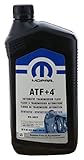
5. Chrysler (68218057AC) Genuine Mopar Fluid ATF+4 Automatic Transmission Fluid - 1 Quart, 32 Ounces
Overview:
This Genuine Mopar ATF+4 is the exact factory-fill fluid specified for Chrysler, Dodge, Jeep, and Ram vehicles. As an OEM product, it represents the baseline against which all aftermarket alternatives are measured. This 1-quart bottle contains the precise formulation originally engineered for Mopar transmissions, ensuring no deviation from factory specifications.
What Makes It Stand Out:
Genuine OEM fluid eliminates any compatibility concerns or warranty questions. It maintains the exact friction modification and viscosity characteristics that Mopar transmissions were designed around. For vehicles still under factory warranty, using this fluid is non-negotiable for transmission-related service to ensure coverage remains intact. The factory-sealed container guarantees authenticity.
Value for Money:
At $12-18 per quart, this premium-priced fluid costs 50-100% more than quality aftermarket alternatives. However, for warranty vehicles, this expense pales compared to potential denied claims worth thousands. Post-warranty, the value proposition diminishes, though perfectionists and those keeping vehicles indefinitely may justify the cost for absolute peace of mind.
Strengths and Weaknesses:
Pros include guaranteed OEM specification compliance, warranty protection, zero compatibility risk, and factory-engineered performance. It’s the reference standard for ATF+4 applications. Cons: Significant price premium over equivalent aftermarket fluids, and limited availability outside dealerships. Offers no measurable performance advantage over certified alternatives like Valvoline ATF 4 in out-of-warranty vehicles.
Bottom Line:
Purchase this fluid exclusively for warranty-maintained Stellantis vehicles. Once warranty expires, certified aftermarket options provide identical protection at substantial savings. For lease returns or vehicles under factory coverage, the premium is mandatory insurance.
6. Castrol Transmax DEX/MERC Automatic Transmission Fluid, 1 Gallon

Overview: Castrol Transmax DEX/MERC is a versatile automatic transmission fluid designed for older vehicles requiring the DEXRON-III/MERCON specification. This one-gallon container provides excellent coverage for most maintenance needs, offering a reliable solution for both DIY enthusiasts and professional workshops servicing legacy transmissions that don’t demand modern synthetic formulations.
What Makes It Stand Out: The fluid’s enhanced friction durability ensures consistent shift quality over extended drain intervals, while superior high-temperature oxidation resistance prevents breakdown in demanding conditions. Its unsurpassed copper corrosion protection safeguards critical transmission components, and the broad vehicle application range makes it an efficient inventory choice for shops working on multiple makes and models.
Value for Money: At approximately $20-25 per gallon, this Castrol offering delivers significant savings compared to purchasing individual quarts. For vehicles requiring regular fluid changes or for mechanics servicing multiple cars, the bulk sizing reduces cost per ounce considerably. While not the cheapest option available, the brand reputation and proven performance justify the modest premium over budget alternatives.
Strengths and Weaknesses: Strengths include excellent corrosion protection, consistent shift performance, wide compatibility with older vehicles, and economical bulk sizing. Weaknesses involve limited suitability for newer transmissions requiring specific OEM fluids, potential warranty concerns in late-model vehicles, and inferior low-temperature flow compared to full synthetics.
Bottom Line: Castrol Transmax DEX/MERC is an excellent choice for maintaining older vehicles or for workshops seeking a reliable, cost-effective fluid for legacy transmissions. It delivers dependable performance where DEX/MERC specifications are appropriate.
7. Toyota 00289-ATFWS Lexus & Automatic Transmission Fluid WS ATF World Standard, Pack of 4

Overview: This genuine Toyota ATF WS is the factory-specified transmission fluid for Lexus and Toyota vehicles requiring the World Standard formulation. Sold as a convenient pack of four one-quart bottles, it ensures exact OEM compliance for proper transmission operation, warranty maintenance, and longevity in affected models from 2004 onward.
What Makes It Stand Out: As an authentic OEM product, this fluid guarantees precise formulation matching exactly what Toyota engineers designed for optimal shift quality and component protection. The four-quart packaging aligns perfectly with typical transmission service capacities, eliminating waste and ensuring you have the correct amount for a complete fluid exchange without leftover partial bottles.
Value for Money: While priced at a premium ($15-20 per quart), using genuine Toyota fluid prevents costly warranty disputes and ensures transmission longevity. The alternative—using universal fluids in these sensitive transmissions—can lead to shift quality issues or premature wear that far exceeds the initial cost savings. For Toyota/Lexus owners, this is cheap insurance.
Strengths and Weaknesses: Strengths include perfect specification match, manufacturer approval, optimal performance in designed applications, and appropriate packaging quantity. Weaknesses are the high cost per quart, complete lack of versatility for non-Toyota vehicles, and the fact that some aftermarket alternatives claim compatibility at lower prices, creating confusion.
Bottom Line: For Toyota and Lexus owners, this OEM fluid is non-negotiable for maintaining warranty compliance and ensuring transmission longevity. The premium price is justified by guaranteed compatibility and peace of mind.
8. Motorcraft - Fluid - Transmission (XT105Q3LV)
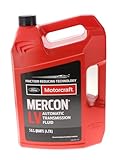
Overview: Motorcraft XT105Q3LV represents Ford’s OEM transmission fluid engineered specifically for select Ford, Lincoln, and Mercury vehicles. This factory-formulated fluid ensures precise compatibility with transmissions designed for this particular specification, delivering the exact friction characteristics and protective qualities Ford engineers intended for optimal performance and durability.
What Makes It Stand Out: As a genuine Motorcraft product, this fluid meets stringent Ford specifications that many aftermarket alternatives cannot match. The formulation provides exact shift feel and component protection for compatible models, eliminating the guesswork and potential issues associated with universal fluids in sensitive Ford transmissions that require this specific fluid type.
Value for Money: Positioned competitively against other OEM fluids, Motorcraft XT105Q3LV offers workshop-grade quality at a reasonable price point. While more expensive than universal alternatives, it prevents expensive transmission problems and warranty complications. The one-gallon size provides adequate volume for most service procedures while minimizing storage requirements.
Strengths and Weaknesses: Strengths include precise OEM formulation, reliable performance in specified applications, brand authenticity, and adequate packaging size. Weaknesses involve extremely limited application scope, vague product description lacking detailed specifications, and the necessity to verify exact vehicle compatibility before purchase, which can cause confusion.
Bottom Line: Motorcraft XT105Q3LV is essential for Ford owners whose vehicles specifically require this fluid specification. Always verify compatibility with your exact model before purchasing to ensure proper transmission function and warranty protection.
9. Valvoline ATF 4 Full Synthetic Automatic Transmission Fluid 1 Quart

Overview: Valvoline ATF+4 Full Synthetic is a premium transmission fluid engineered specifically for Chrysler, Dodge, Ram, and other Stellantis vehicles requiring the ATF+4 specification. This advanced full synthetic formulation delivers superior protection across extreme operating temperatures while maintaining the precise friction characteristics these transmissions demand for crisp, reliable shifting.
What Makes It Stand Out: The full synthetic base oil combined with high-efficiency seal conditioners actively prevents leaks by maintaining seal elasticity. Advanced additive technology significantly reduces wear, oxidation, and foaming compared to conventional fluids. Its exceptional temperature performance ensures reliable operation in both scorching summer traffic and frigid winter starts, protecting transmission performance in all driving situations.
Value for Money: At roughly $10-12 per quart, this synthetic fluid commands a 30-40% premium over conventional alternatives but delivers measurable benefits. The extended protection reduces long-term maintenance costs, while the seal conditioners can prevent expensive leak repairs. For Chrysler/Stellantis owners, it’s a worthwhile investment in transmission longevity.
Strengths and Weaknesses: Strengths include full synthetic formulation, excellent temperature range performance, effective seal conditioning, and exceeding OEM specifications. Weaknesses are the higher price point, limited application to specific vehicle makes, and potential overkill for older transmissions not designed for synthetic fluid benefits.
Bottom Line: Valvoline ATF+4 Full Synthetic is the premium choice for Chrysler, Dodge, and Ram owners seeking maximum transmission protection. The synthetic advantage justifies the cost for vehicles operating in extreme conditions or high mileage applications.
10. Valvoline DEX/MERC (ATF) Automatic Transmission Fluid 1 QT, Case of 6

Overview: Valvoline DEX/MERC Automatic Transmission Fluid offers a practical solution for older vehicles requiring DEXRON-III/MERCON specifications. This case of six one-quart bottles provides convenient packaging for multiple fluid changes or topping off several vehicles, representing a trusted brand’s conventional transmission fluid option for legacy transmissions.
What Makes It Stand Out: The formulation includes enhanced anti-shudder protection that ensures smooth shifting and maximum power transfer, while advanced anti-wear technology improves transmission durability. Its proprietary blend provides better low-temperature flow than many conventional competitors while maintaining robust high-temperature film strength for consistent protection across operating conditions.
Value for Money: Purchasing this six-quart case typically offers 15-20% savings compared to buying individual quarts, making it economical for fleet maintenance or multiple vehicle households. At approximately $5-6 per quart in bulk, it delivers reputable brand quality at a price point competitive with budget alternatives, offering excellent value for conventional fluid.
Strengths and Weaknesses: Strengths include smooth shift performance, good temperature versatility for a conventional fluid, reputable brand backing, and economical bulk packaging. Weaknesses involve not being synthetic, limited to older transmission specifications, and inferior performance in extreme conditions compared to premium synthetic alternatives.
Bottom Line: Valvoline DEX/MERC is a smart, economical choice for maintaining older vehicles that don’t require synthetic fluid. The case quantity provides excellent value for DIYers servicing multiple cars or performing regular maintenance on high-mileage transmissions.
Understanding ATF Basics for Domestic Vehicles
What Is Automatic Transmission Fluid?
Automatic Transmission Fluid serves multiple critical functions beyond simple lubrication. This specialized hydraulic fluid transmits power from the engine to the transmission, operates the valve body, lubricates moving parts, cools internal components, and protects against wear and corrosion. Modern ATFs are sophisticated chemical cocktails containing base oils mixed with precisely engineered additives that control friction, prevent oxidation, and maintain viscosity across extreme temperature ranges. For domestic vehicles, which often feature distinct transmission designs from their foreign counterparts, these formulations must meet specific performance criteria set by American manufacturers.
Why Your Domestic Car Needs Specific ATF
Domestic manufacturers like General Motors, Ford, and Stellantis (formerly Fiat Chrysler) have developed proprietary transmission specifications that reflect unique engineering requirements. GM’s Hydra-Matic transmissions, Ford’s 10-speed designs, and Chrysler’s TorqueFlite units each demand fluids with specific friction characteristics, viscosity profiles, and additive packages. Using the wrong fluid can cause harsh shifts, slippage, overheating, or catastrophic failure. The tolerances in modern electronic transmissions are incredibly tight, with clutch pack clearances measured in thousandths of an inch. The wrong fluid chemistry throws off these carefully calibrated systems, leading to erratic shifting, reduced fuel economy, and premature wear on expensive components.
The Evolution of Transmission Fluid Technology
Transmission fluid technology has advanced dramatically since the days of Type A fluid in the 1940s. Early fluids were simple mineral oils with basic additives. Today’s synthetic and semi-synthetic formulations represent decades of research into friction control, thermal stability, and material compatibility. Modern domestic transmissions operate under higher pressures and temperatures than ever before, with some units generating temperatures exceeding 270°F during normal operation. This evolution means that older fluid specifications become obsolete as new transmissions demand better oxidation resistance, improved low-temperature flow, and enhanced protection for complex electronic components.
Key Specifications and Standards
Decoding GM Dexron Specifications
GM’s Dexron standards represent one of the most common fluid specifications for domestic vehicles. Dexron III, now largely obsolete, has been superseded by Dexron VI, which became the factory fill for most GM vehicles produced after 2006. Dexron VI offers improved oxidation stability, better friction durability, and enhanced low-temperature performance compared to its predecessors. The specification is backward-compatible for most older GM transmissions, though some classic car owners prefer period-correct formulations. Understanding whether your vehicle requires Dexron VI, the older Dexron III, or a specialized specification like Dexron HP for certain performance applications is fundamental to proper transmission maintenance.
Understanding Ford Mercon Standards
Ford’s Mercon specification has undergone similar evolution. Mercon V became the standard for most Ford transmissions built through the mid-2000s, while newer vehicles require Mercon LV (Low Viscosity) or Mercon ULV (Ultra Low Viscosity). These low-viscosity fluids help improve fuel economy but require precise formulation to maintain adequate film strength and protection. Ford also produces specialized fluids like Mercon SP for specific heavy-duty applications. The differences between these specifications are not merely marketing—they reflect genuine differences in friction modification, viscosity index, and additive chemistry that directly impact shift quality and component longevity.
Chrysler ATF Requirements Explained
Chrysler transmissions have historically used ATF+4 as their primary specification, a fluid that remains relevant for many Dodge, Jeep, and Chrysler vehicles. ATF+4 is a synthetic fluid with unique friction modifiers designed specifically for Chrysler torque converter clutches and shift schedules. Using Dexron or Mercon fluids in a Chrysler transmission requiring ATF+4 can cause immediate shift quality issues and long-term damage. Newer Chrysler transmissions may require different specifications, so consulting your owner’s manual is crucial rather than assuming ATF+4 applies universally across the brand’s lineup.
Importance of Licensed vs. Recommended Fluids
Manufacturer specifications fall into two categories: licensed and recommended. Licensed fluids have undergone extensive testing and received formal approval from the manufacturer, typically displaying licensing numbers on the bottle. Recommended fluids meet the specification requirements but haven’t gone through the formal licensing process. For newer vehicles under warranty, using a licensed fluid is essential to maintain warranty coverage. For older vehicles out of warranty, high-quality recommended fluids that meet all performance requirements can offer excellent protection at a more accessible price point.
Types of ATF Available Today
Conventional vs. Synthetic ATF
Conventional ATFs use mineral base stocks refined from crude oil, while synthetic ATFs use chemically engineered base stocks with uniform molecular structures. Synthetic fluids offer superior performance in extreme temperatures, better oxidation resistance, and longer service life. For modern domestic vehicles operating under high thermal stress, full synthetic ATF is often the best choice. However, some older transmissions with worn seals may experience minor leaks when switching from conventional to synthetic fluid due to differences in seal swell characteristics. High-quality synthetic blends offer a middle ground, providing improved performance over conventional fluids while minimizing compatibility concerns.
Multi-Vehicle Formulations
Multi-vehicle ATFs claim compatibility across multiple manufacturer specifications, making them popular for households with different domestic brands. While convenient, these fluids achieve broad compatibility by meeting the minimum requirements of multiple specifications rather than optimizing for any single one. For a daily driver operating under normal conditions, a quality multi-vehicle synthetic ATF can provide adequate protection. However, for performance applications, extreme climates, or transmissions known for sensitivity to fluid characteristics, a specification-specific fluid remains the gold standard.
CVT and Dual-Clutch Specific Fluids
Continuously Variable Transmissions (CVTs) and dual-clutch transmissions (DCTs) require completely different fluid technologies than conventional automatics. CVT fluid must maintain precise friction characteristics for the belt-and-pulley system, while DCT fluid functions more like a manual transmission fluid with specific friction modifiers for wet clutches. Many domestic manufacturers now offer CVT-equipped vehicles, particularly in their compact and midsize lineups. Using conventional ATF in these specialized transmissions causes immediate and severe damage. Always verify your transmission type before purchasing fluid.
High-Mileage Transmission Fluids
High-mileage formulations target vehicles exceeding 75,000 miles, incorporating seal conditioners to reduce minor leaks and restore seal pliability. These fluids also typically contain enhanced anti-wear additives to protect components that have experienced some degree of wear. For older domestic vehicles with well-used transmissions, high-mileage ATF can improve shift quality and reduce fluid consumption. However, they should not be viewed as a fix for mechanically failing transmissions or as a substitute for necessary repairs.
Factors to Consider When Choosing ATF
Your Vehicle’s Model Year and Transmission Type
The most critical factor in selecting ATF is your specific vehicle’s requirements. A 2023 Silverado with a 10-speed transmission needs different fluid than a 2005 F-150 with a 4-speed automatic. Beyond make and model, identify your exact transmission model, typically found on a tag attached to the transmission case or in your vehicle’s service manual. Different transmissions within the same model year may require different fluids based on their design and intended application. Online forums and owner communities can provide valuable real-world insights into which fluids perform best in specific transmission models.
Climate and Driving Conditions Impact
Your geographic location and typical driving conditions significantly influence fluid performance requirements. Vehicles operated in extreme heat—such as desert climates or heavy stop-and-go traffic—benefit from synthetic fluids with exceptional thermal stability and high viscosity index. Cold climate operation demands fluids that maintain proper flow at sub-zero temperatures to prevent delayed engagement and shift harshness during warm-up. If you regularly tow trailers, haul heavy loads, or operate in mountainous terrain, you need fluid with enhanced film strength and anti-wear protection designed for severe service conditions.
Towing and Heavy-Duty Considerations
Domestic trucks and SUVs frequently used for towing place extraordinary demands on transmission fluid. The increased torque and heat generation during towing accelerates fluid oxidation and breakdown. Severe-duty applications may require fluid changes at half the normal interval. Some manufacturers produce specific heavy-duty formulations with enhanced thermal stability and anti-wear packages for vehicles that regularly tow or haul. Installing an auxiliary transmission cooler provides additional protection by reducing operating temperatures, which extends fluid life and improves overall transmission durability.
Compatibility with Seals and Gaskets
Modern ATFs must be compatible with the elastomers used in transmission seals, gaskets, and O-rings. Incompatibility can cause seals to harden, shrink, or swell excessively, leading to leaks or internal pressure loss. Quality ATFs are tested against standard seal materials to ensure compatibility. If you’re switching fluid types in an older vehicle, monitor for leaks during the first few weeks after the change. Minor weeping may resolve as seals recondition, but persistent leaks indicate incompatibility requiring a return to the previous fluid type or seal replacement.
Performance Characteristics to Evaluate
Viscosity and Flow Properties
Viscosity—the fluid’s resistance to flow—directly impacts both fuel economy and component protection. Lower viscosity fluids reduce parasitic drag, improving efficiency but potentially reducing film thickness at high temperatures. Higher viscosity provides better protection under load but may cause sluggish shifting in cold weather. The ideal fluid maintains stable viscosity across the entire operating temperature range. Look for fluids with high viscosity index (VI) numbers, indicating minimal viscosity change with temperature variation. This ensures consistent performance whether you’re starting up on a winter morning or towing a trailer on a summer afternoon.
Friction Modifiers and Shift Quality
Friction modifiers are arguably the most critical additives in ATF, controlling the engagement characteristics of clutch packs. Too little friction modification causes harsh, jerky shifts and clutch chatter. Too much results in slippage and incomplete clutch engagement. Each manufacturer specification requires specific friction modifier chemistry to match transmission calibration. High-quality fluids maintain consistent friction performance throughout their service life, preventing the gradual degradation in shift quality that occurs as fluids age and additives deplete.
Thermal Stability and Oxidation Resistance
Transmission operating temperatures can spike during heavy use, causing conventional fluids to oxidize and form sludge, varnish, and acids. Oxidized fluid loses its lubricating properties and can clog narrow fluid passages and solenoid screens. Synthetic fluids with robust antioxidant packages resist this breakdown, maintaining performance even under severe thermal stress. When evaluating fluids, consider their ability to resist thickening at high temperatures and their total base number (TBN), which indicates resistance to acid formation.
Wear Protection and Anti-Foam Properties
Anti-wear additives protect gear teeth, bearings, and bushings from metal-to-metal contact, while anti-foam agents prevent air entrainment that can cause cavitation and irregular shifting. Quality fluids contain zinc, phosphorus, and other anti-wear compounds that form protective films on metal surfaces. Foam suppression is critical because foamy fluid compresses, leading to delayed or erratic clutch engagement. Premium fluids maintain their anti-foam properties even after extended use and contamination.
Common Mistakes to Avoid
Mixing Different ATF Types
Mixing fluids of different specifications creates a chemical cocktail with unpredictable properties. The additive packages may be incompatible, causing precipitation of additives, seal damage, or altered friction characteristics. If you’re switching fluid types, a complete system flush is preferable to simply adding new fluid to old. While topping off with the correct specification is always better than running low, maintaining fluid purity ensures optimal performance and longevity. Never mix conventional and synthetic fluids if you can avoid it, and never mix CVT, DCT, and conventional ATF fluids.
Overlooking Manufacturer Updates
Manufacturers occasionally update fluid specifications after vehicle production, sometimes superseding original requirements with improved formulations. A fluid that was factory fill in 2010 may have been replaced by an improved specification in subsequent years. Checking technical service bulletins (TSBs) and manufacturer websites can reveal these updates. Using the latest recommended fluid often provides better protection and performance than the original specification, though you should verify backward compatibility, especially for classic or collectible vehicles.
Choosing Based on Price Alone
While budget is always a consideration, the cheapest fluid rarely provides the best value. A premium synthetic fluid that costs twice as much but lasts three times longer and provides superior protection represents better economics than a bargain conventional fluid requiring frequent changes. More importantly, the cost of a quality fluid pales in comparison to transmission rebuild costs. Price should be one factor among many, balanced against specifications met, performance characteristics, and expected service life.
Ignoring Drain Intervals
Even the best ATF degrades over time, with additive packages depleting and contaminants accumulating. Severe service conditions—frequent stop-and-go driving, towing, extreme temperatures—necessitate more frequent changes. Following the manufacturer’s recommended drain interval is minimum due diligence; optimizing the interval based on your actual driving conditions provides better protection. Many modern synthetic fluids allow for extended drain intervals, but this doesn’t mean “lifetime” fluid never needs changing. Regular fluid analysis can help determine the optimal change interval for your specific use case.
Professional vs. DIY Application
When to Consult a Professional Mechanic
While many enthusiasts handle their own fluid changes, certain situations warrant professional service. If your transmission has experienced significant contamination, a professional flush machine provides more complete fluid exchange than a simple drain and fill. Vehicles without dipsticks requiring fluid level checking via fill plugs demand specialized knowledge and tools. If you’ve experienced transmission problems or are switching fluid specifications, a professional can monitor for issues and ensure proper adaptation procedures are performed. Complex transmissions with multiple fill points or temperature-sensitive level checking procedures often justify professional service.
DIY Fluid Change Best Practices
For the DIY enthusiast, successful ATF service requires attention to detail. Always use the exact fluid specification required, measure what you remove to ensure proper fill volume, and change the filter when accessible. Run the engine to operating temperature before checking the final level, as fluid expands significantly when hot. Use a funnel with a filter screen to prevent contamination during filling, and dispose of old fluid properly at recycling centers. Keep detailed records of the fluid type, quantity, and change date for future reference.
Tools Needed for Proper ATF Service
Essential tools include a fluid pump for filling, a catch pan with adequate capacity, basic hand tools for removing drain plugs and pans, and a torque wrench for proper fastener tightening. For vehicles without dipsticks, a scan tool that can read transmission fluid temperature is invaluable. A fluid exchange machine, while expensive, provides the most complete fluid replacement. A simple drain and fill only replaces 30-40% of the fluid, while a machine can exchange 90-95% of the old fluid.
Frequently Asked Questions
How often should I change my transmission fluid?
Most domestic manufacturers recommend transmission fluid changes every 30,000 to 60,000 miles under normal driving conditions, and every 15,000 to 30,000 miles under severe service conditions like towing or extreme heat. However, modern synthetic fluids can sometimes extend these intervals. Always consult your owner’s manual for specific recommendations, and consider having fluid analyzed if you’re unsure about its condition.
Can I use universal ATF in my domestic car?
Multi-vehicle or universal ATFs can work adequately for many domestic vehicles, especially older models operating under normal conditions. However, they represent a compromise, meeting minimum requirements for multiple specifications rather than optimizing for any single one. For best performance, especially in modern transmissions or severe service applications, use the specific fluid recommended by your vehicle manufacturer. Always verify that any universal fluid explicitly lists compatibility with your required specification.
What happens if I use the wrong ATF?
Using incorrect ATF can cause immediate shift quality issues like slipping, harsh shifts, or delayed engagement. Long-term consequences include premature clutch wear, overheating, formation of sludge and varnish, and eventual transmission failure. The wrong friction modifier package can cause clutch chatter or incomplete engagement, while incompatible additives may attack seals or cause deposit formation. In worst cases, using the wrong fluid can cause catastrophic failure within days or weeks.
Is synthetic ATF worth the extra cost?
Synthetic ATF typically costs 50-100% more than conventional fluid but offers superior thermal stability, oxidation resistance, and cold-weather performance. For vehicles operating in extreme temperatures, used for towing, or equipped with modern high-stress transmissions, synthetic fluid is absolutely worth the premium. It often lasts longer between changes, potentially offsetting the higher initial cost. For older, high-mileage vehicles used lightly, a quality conventional fluid may suffice.
Can I mix different brands of the same specification?
If both fluids meet the same manufacturer specification (e.g., both are Dexron VI licensed), mixing brands is generally safe though not ideal. Different additive packages may have minor compatibility issues, and you won’t get the optimized performance of a single formulation. For best results, stick with one brand, but mixing in an emergency is far better than running low on fluid. Always top off with the correct specification, even if it’s a different brand.
How do I know which specification my transmission needs?
The most reliable source is your owner’s manual, which lists the required fluid specification. The transmission identification tag on the transmission case itself often includes fluid requirements. Manufacturer websites and technical hotlines can provide definitive answers. Online owner forums for your specific vehicle can also provide guidance, though always verify information from unofficial sources against manufacturer documentation.
Should I flush or drain and fill my transmission?
A drain and fill replaces 30-40% of the fluid and is safer for high-mileage transmissions that have never been serviced, as it avoids dislodging potentially harmful deposits. A flush exchanges 90-95% of the fluid using a machine, providing more complete fluid replacement but carrying some risk in neglected transmissions. For regularly maintained transmissions, a flush provides the best results. For unknown service history, start with a drain and fill, then repeat in 5,000 miles.
What is the proper way to check transmission fluid level?
With the engine at operating temperature, park on a level surface and shift through all gears before returning to park. For vehicles with dipsticks, check the fluid twice—once immediately after shutting off the engine and again after waiting a minute for fluid to drain back. The correct level should be within the crosshatched area. For dipstick-less transmissions, follow the manufacturer’s specific procedure, which usually involves checking fluid temperature with a scan tool and verifying level through a fill plug at a specific temperature range.
Can changing my transmission fluid fix shifting problems?
Fresh fluid can improve shift quality if the problem stems from degraded fluid or depleted additives. However, fluid changes cannot fix mechanical problems like worn clutch packs, failing solenoids, or damaged valves. In some cases, changing fluid in a severely neglected transmission can reveal underlying issues or cause immediate failure by removing varnish deposits that were sealing internal leaks. If your transmission is slipping or shifting erratically, have it diagnosed before assuming a fluid change will solve the problem.
Are “lifetime” fluids really lifetime?
“Lifetime” fluid marketing is misleading—transmission fluid does wear out and become contaminated over time. While modern synthetic fluids last much longer than older formulations, they still require periodic replacement. “Lifetime” typically means the fluid lasts the lifetime of the transmission under ideal conditions, but following a proper maintenance schedule significantly extends transmission life. Most technicians recommend changing even “lifetime” fluids every 60,000 to 100,000 miles for maximum transmission longevity.
See Also
- Stop Shudder with the 10 Best Dexron Transmission Fluid This Year
- How to Solve Transmission Overheating with the 10 Best ATF Transmission Fluid in 2026
- The 10 Ultimate Best Dexron Transmission Fluid for Classic Cars in 2026
- The 10 Best Transmission Fluid Every Auto Enthusiast Needs This Year
- The 10 Ultimate Best Full Synthetic Transmission Fluid for Performance Cars in 2026