Table of Contents
Winter mornings can feel like a battle against your vehicle when the mercury plummets. That dreaded click instead of an engine roar, the dimming headlights, the sinking realization that your battery has succumbed to the cold – it’s a frustrating experience that leaves you stranded and scrambling. Cold weather is notoriously brutal on automotive batteries, significantly reducing their cranking power and overall capacity. Understanding why this happens and how the right charging solution can be your winter ally isn’t just convenient; it’s essential for reliable transportation when you need it most. Forget hoping your battery will magically survive the freeze; proactive care with the correct equipment makes all the difference between a smooth start and a costly, inconvenient delay.
The key lies not in a specific brand or model, but in understanding the critical features that make a battery charger truly effective in frigid conditions. Generic chargers often fail when temperatures drop because they lack the necessary technology to combat sulfation, deliver sufficient power safely at low temps, or intelligently manage the delicate charging process a cold battery requires. Investing time to learn what actually matters – from amperage profiles and temperature compensation to safety protocols and maintenance capabilities – empowers you to choose a charger that works with the physics of cold weather, not against it. This guide cuts through the marketing noise to focus solely on the engineering and features that ensure your battery stays strong, no matter how low the thermometer falls.
Top 10 Car Battery Chargers
Detailed Product Reviews
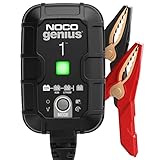
1. NOCO GENIUS1: 1A 6V/12V Smart Battery Charger – Automatic Maintainer, Trickle Charger & Desulfator with Overcharge Protection & Temperature Compensation – for Lead-Acid & Lithium Batteries
Overview:
The NOCO GENIUS1 is a compact, intelligent charger designed for maintaining and reviving 6V/12V lead-acid and lithium (LiFePO4) batteries. It combines charging, maintenance, and desulfation in a single unit, targeting automotive, marine, and powersport applications. Its thermal sensor and automatic operation cater to both occasional users and enthusiasts seeking reliable battery care.
What Makes It Stand Out:
Despite being 35% smaller than predecessors, it delivers 35% more power and uniquely supports lithium batteries alongside traditional lead-acid types. The thermal compensation prevents over/undercharging in extreme temperatures, while “Force Mode” revives dead batteries as low as 0V. Its indefinite safe maintenance mode eliminates overcharge risks, a rarity in budget-friendly chargers.
Value for Money:
Priced mid-range, it outperforms basic trickle chargers with professional-grade features like desulfation and lithium compatibility. While cheaper options lack temperature control, the GENIUS1’s durability and versatility justify its cost for owners of multiple battery types, avoiding the need for separate devices.
Strengths and Weaknesses:
Strengths: Exceptional compactness, broad battery compatibility, true “set-and-forget” maintenance, and robust safety protections. Weaknesses: Limited 1A output slows charging for larger batteries; no display screen obscures real-time status; lithium support excludes standard Li-ion (only LiFePO4).
Bottom Line:
Ideal for owners of small-to-midsize vehicles or seasonal equipment needing reliable, hands-off maintenance. Its lithium support and dead-battery recovery make it a versatile, future-proof investment worth the premium over basic chargers.
2. YONHAN Battery Charger 20A 12V/24V LiFePO4 Lead Acid Fully Automatic Battery Maintainer, Car Battery Trickle Charger Automotive w/Repair, Winter Mode, for AGM, STD, Gel, Deep Cycle Batteries

Overview:
The YONHAN 20A is a high-speed, 7-stage charger for 12V/24V lead-acid and LiFePO4 batteries, targeting trucks, boats, and heavy machinery. It emphasizes rapid charging (20A for 12V), winter/summer modes, and pulse-based battery repair, positioning itself as a workshop-grade solution for demanding use cases.
What Makes It Stand Out:
Its standout feature is the 20A output—significantly faster than 6A–10A competitors—reducing charge times for large batteries. The large LCD displays real-time metrics (voltage, temperature, %), while dual-season modes adapt charging to ambient conditions. The high-efficiency pulse repair mode actively revives sulfated batteries, a feature rare at this price point.
Value for Money:
For fleet owners or users with large batteries (e.g., trucks, boats), the speed justifies the cost versus slower chargers. However, the 24V mode halves amperage (10A), and its non-permanent-connection design limits “maintainer” utility. Cheaper alternatives exist for casual users, but the repair function adds long-term value.
Strengths and Weaknesses:
Strengths: Blazing-fast charging, excellent LCD visibility, robust safety protections (reverse polarity, short-circuit), and effective repair mode. Weaknesses: Not for permanent installation; cannot revive batteries below 0.3V; LiFePO4-only lithium support; winter mode requires manual activation.
Bottom Line:
Best for professionals or heavy-equipment owners needing quick, reliable charging and battery revival. Casual users may find it overpowered, but its repair capabilities and speed deliver strong ROI for high-usage scenarios.
3. YONHAN Battery Charger 10-Amp 12V and 24V Fully-Automatic Smart Car Battery Charger, Battery Maintainer Trickle Charger, and Battery Desulfator with Temperature Compensation

Overview:
This YONHAN 10A model offers a balanced blend of speed and maintenance for 12V/24V lead-acid batteries (AGM, Gel, Flooded). It targets everyday drivers seeking an affordable, all-in-one charger with desulfation and seasonal adaptability, fitting neatly in home garages for cars, motorcycles, or lawn equipment.
What Makes It Stand Out:
The compact design houses a backlit LCD showing detailed metrics (charge %, temperature), alongside automatic winter/summer mode switching. Its memory function resumes pre-outage settings, and the repair mode uses dual-frequency pulses to restore sulfated batteries—uncommon in sub-$50 chargers. Temperature compensation ensures climate-resilient charging.
Value for Money:
Priced accessibly, it outperforms ultra-budget chargers with smart features like desulfation and adaptive charging. While slower than the YONHAN 20A, it’s ideal for standard car batteries. Competitors like NOCO lack displays at this price, though lithium support is absent.
Strengths and Weaknesses:
Strengths: User-friendly backlit display, reliable repair mode, automatic temperature adjustment, and compact size. Weaknesses: Repair mode ineffective on dead/damaged batteries; short output cables (65cm); no lithium compatibility; requires manual voltage check pre-charge.
Bottom Line:
A superb choice for cost-conscious consumers needing dependable maintenance and revival for lead-acid batteries. Its display and repair features eclipse basic models, making it the best value for routine automotive use.
4. Schumacher Electric 6A Car Battery Charger and 100A Engine Starter, 5-in-1 Solution, Maintainer, 30A Boost, for 6V/12V Power Sport, Automotive, and Marine Batteries, SC1281

Overview:
The Schumacher SC1281 is a rugged 5-in-1 unit combining charging, jump-starting (100A), maintenance, testing, and reconditioning. Aimed at mechanics and DIYers, it supports 6V/12V batteries across cars, boats, and lawnmowers, emphasizing heavy-duty utility over portability.
What Makes It Stand Out:
Its jump-start capability (100A engine start) sets it apart from pure chargers, eliminating the need for separate boosters. The reconditioning mode combats sulfation effectively, while multi-stage charging (6A–2A) balances speed and battery longevity. Broad compatibility with AGM, gel, and flooded batteries adds versatility.
Value for Money:
Mid-priced for its feature set, it replaces multiple tools (charger + jump starter), offering excellent workshop value. However, home users might prefer slimmer alternatives, as its bulk and 30A boost (not 100A continuous) limit portability. Durability justifies cost for frequent professional use.
Strengths and Weaknesses:
Strengths: Integrated jump-starting, reliable reconditioning, robust build quality, and 5 functions in one device. Weaknesses: Bulky design; short cables hinder accessibility; no digital display (analog gauges only); boost mode drains battery faster than dedicated jump boxes.
Bottom Line:
Essential for garages needing an all-in-one charging and emergency-start solution. Not ideal for travel, but unmatched for stationary use where jump-starting and battery revival are critical.
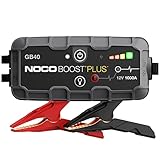
5. NOCO Boost GB40: 1000A UltraSafe Jump Starter – 12V Lithium Battery Booster Pack, Portable Jump Box, Power Bank & Jumper Cables - for 6.0L Gas and 3.0L Diesel Engines
Overview:
The NOCO Boost GB40 is a portable lithium jump starter (not a charger) designed for emergency vehicle restarts. It targets drivers seeking glove-box-ready reliability, combining 1000A peak power, a power bank, and an LED flashlight for gas (6.0L) and diesel (3.0L) engines.
What Makes It Stand Out:
UltraSafe technology prevents sparks and reverse-polarity damage—a critical safety edge over rivals. At just 2.5 lbs, it’s exceptionally compact yet powerful enough for 20+ jumps per charge. The integrated 100-lumen LED (7 modes) and fast 3-hour recharge enhance its emergency utility beyond mere jump-starting.
Value for Money:
Priced higher than basic jump boxes, its safety features, portability, and multi-functionality (power bank + flashlight) justify the cost. Cheaper alternatives lack spark-proofing or reliable diesel support, making the GB40 a premium, life-saving investment for frequent travelers.
Strengths and Weaknesses:
Strengths: Unmatched safety, ultra-portable design, versatile emergency tools, and rapid recharge. Weaknesses: Higher price point; no battery maintenance functions; limited to 12V systems; power bank capacity (6,000mAh) is modest for modern phones.
Bottom Line:
The top choice for drivers prioritizing safety and portability in emergencies. While not a charger, its reliability and added features make it indispensable for road trips or harsh climates despite the premium cost.
6. NOCO GENIUS10: 10A 6V/12V Smart Battery Charger – Automatic Maintainer, Trickle Charger & Desulfator with Overcharge Protection & Temperature Compensation – for Lead-Acid & Lithium Batteries

Overview: The NOCO GENIUS10 is a premium, compact smart charger designed for 6V/12V lead-acid and lithium (LiFePO4) batteries. It combines charging, maintenance, and desulfation in one unit, targeting vehicles, marine applications, and powersports. Its robust build and advanced safety protocols make it ideal for both routine use and reviving neglected batteries.
What Makes It Stand Out: This charger excels with its 115% increased power density (17% smaller than predecessors), temperature-compensated charging, and ability to revive batteries as low as 0V via Force Mode. Full compatibility with AGM, Gel, flooded, and LiFePO4 batteries, plus indefinite safe maintenance without overcharging, sets it apart from budget alternatives.
Value for Money: Priced higher than generic chargers, the GENIUS10 justifies its cost through durability, versatility, and NOCO’s reputation for reliability. Cheaper models often lack true lithium support or dead-battery recovery, making this a cost-effective long-term investment for serious users.
Strengths and Weaknesses: Strengths: Exceptional safety features (overcharge/temp protection), compact design, seamless multi-chemistry support, and true “set-and-forget” maintenance. Weaknesses: No display screen limits real-time monitoring, and the premium price may deter casual users.
Bottom Line: Highly recommended for enthusiasts and professionals needing a foolproof, all-in-one solution for critical batteries. Its reliability and advanced features outweigh the cost for those prioritizing battery longevity and safety.
7. Battery Charger 10A 12V Fully Automatic Smart Car Battery Charger with LCD Display & Temperature Compensation for Car Motorcycle Vans

Overview: This budget-friendly 10A smart charger supports 12V lead-acid and LiFePO4 batteries for cars, motorcycles, and marine use. It emphasizes ease of use with automatic detection and a clear LCD interface, targeting DIY users seeking simplicity without sacrificing basic functionality.
What Makes It Stand Out: The intuitive LCD display shows real-time data (voltage, current, temperature, seasonal modes), while five manual charging modes (AGM, LiFePO4, WET, etc.) offer flexibility. The pulse repair function for sulfation reversal and eight-layer safety protection enhance its practicality for home garages.
Value for Money: An affordable entry point for smart charging, offering features like temperature compensation and LCD feedback often missing in ultra-cheap models. However, its 12-hour unattended use limit reduces convenience versus premium “indefinite maintenance” rivals.
Strengths and Weaknesses: Strengths: Clear display, versatile mode selection, solid safety suite, and pulse repair. Weaknesses: Limited to 12V only, unattended use restricted to 12 hours, and build quality less robust than NOCO equivalents.
Bottom Line: A solid choice for budget-conscious users needing reliable, display-equipped charging for occasional use. Avoid for long-term storage; better suited for periodic maintenance than critical applications.
8. NOCO GENIUS5: 5A 6V/12V Smart Battery Charger – Automatic Maintainer, Trickle Charger & Desulfator with Overcharge Protection & Temperature Compensation – for Lead-Acid & Lithium Batteries

Overview: The GENIUS5 is NOCO’s compact 5A counterpart to the GENIUS10, supporting 6V/12V lead-acid and lithium batteries. It delivers core NOCO intelligence—desulfation, temperature compensation, and zero-volt recovery—in a smaller, more affordable package ideal for motorcycles, ATVs, or smaller vehicles.
What Makes It Stand Out: Despite its reduced size (34% smaller than older models), it retains critical GENIUS features: Force Mode for dead batteries, multi-chemistry compatibility, and indefinite maintenance safety. The precision thermal sensor ensures optimal charging in extreme temperatures, a rarity in sub-$50 chargers.
Value for Money: Positioned as a budget NOCO option, it offers 90% of the GENIUS10’s intelligence at a lower cost. While slower for large automotive batteries, it’s perfect for smaller applications where portability and NOCO reliability matter more than speed.
Strengths and Weaknesses: Strengths: Ultra-compact, trusted NOCO safety/performance, versatile chemistry support, and zero-volt recovery. Weaknesses: Lower amperage slows charging for large batteries; no display limits diagnostics.
Bottom Line: Ideal for powersports owners or as a secondary maintainer. Choose this over generic brands for peace of mind, but opt for the GENIUS10 if you need faster charging for cars/SUVs.
9. NEXPEAK 15A Battery Charger, Trickle Charger 12V/24V Car Battery Charger 9-Stage Smart LiFePO4 Charger Battery Maintainer w/Overcharge Protection Pulse Repair for Car Truck Motorcycle Lawn Mower

Overview: The NEXPEAK 15A charger stands out with 12V/24V support and a vibrant color LCD, targeting trucks, boats, and heavy-duty applications. Its 9-stage charging process, pulse repair, and high 15A output promise rapid, intelligent charging for lead-acid and LiFePO4 batteries up to 24V systems.
What Makes It Stand Out: The large color screen (visible in sunlight), 24V capability, and industry-leading 15A speed for 12V batteries differentiate it. The 1.75A trickle mode ensures safe long-term storage, while pulse repair actively combats sulfation—critical for extending battery life in seasonal vehicles.
Value for Money: Competitive pricing for 24V support and color display. Faster charging than 10A rivals justifies the slight premium, though NOCO offers superior build quality. Best for users needing 24V functionality without commercial-grade costs.
Strengths and Weaknesses: Strengths: 24V versatility, bright display, fast charging, and effective pulse repair. Weaknesses: Cannot revive 0V batteries (unlike NOCO), and high amperage requires caution to avoid overcharging smaller batteries.
Bottom Line: A top pick for truck/RV owners needing 24V charging and real-time visual feedback. Avoid for completely dead batteries, but excellent for routine maintenance and quick top-ups.
10. TowerTop 2/10/25 Amp 12V Smart Car Battery Charger, Fully Automatic Battery Maintainer with Engine Start, Auto Desulfator, Battery Repair, Winter Mode, for AGM, STD, Gel, Deep Cycle Batteries

Overview: The TowerTop 25A charger offers adjustable amperage (2A/10A/25A) for rapid charging of large 12V batteries, featuring an “Engine Start” mode and 8-stage intelligence. It targets users with big rigs, RVs, or deep-cycle systems needing speed without compromising battery health.
What Makes It Stand Out: The max 25A output (85% efficiency) charges a 100Ah battery in 3.5 hours—1640% faster than 2A modes. Unique “Repair” and “Desulfurization” buttons let users manually revive weak batteries, while the HD LCD details all 8 charging stages for transparency.
Value for Money: Excellent value for high-amperage needs, outperforming single-speed rivals. The engine-start function adds emergency utility, though NOCO models offer superior long-term maintenance for smaller batteries.
Strengths and Weaknesses: Strengths: Blazing speed, manual repair modes, adjustable amps, and clear stage monitoring. Weaknesses: Bulky design, no 6V/24V support, and cannot revive fully dead (0V) batteries despite repair claims.
Bottom Line: Unbeatable for quickly charging large automotive or deep-cycle batteries. Choose this for speed-focused scenarios but pair with a dedicated maintainer like the NOCO GENIUS5 for storage.
Understanding the Cold Weather Battery Challenge
Why Cold Temperatures Drain Battery Power
Extreme cold dramatically increases the internal resistance of a lead-acid battery, the most common type in vehicles. This resistance makes it significantly harder for the chemical reactions inside the battery to produce the high current needed to crank the engine. Think of it like trying to run through deep snow versus on a clear path – the same effort yields far less result. A battery that performs adequately at 70°F might deliver only 40-60% of its rated Cold Cranking Amps (CCA) at 0°F, leaving you vulnerable to failure.
The Sulfation Threat in Winter Storage
When a battery isn’t kept at a full state of charge, especially in cold conditions, lead sulfate crystals begin to form on the plates. While small crystals are normal during discharge, cold temperatures accelerate the growth of large, hard crystals (sulfation) that permanently reduce capacity and make the battery harder to recharge. Vehicles stored for extended periods in winter without proper maintenance are particularly susceptible, turning a simple storage solution into a battery killer.
How Engine Oil Viscosity Impacts Starting Demand
Colder temperatures cause engine oil to thicken significantly. This increased viscosity creates much higher resistance against the engine’s moving parts when you try to start it. The starter motor must now work considerably harder, drawing far more current from the battery just to turn the engine over. This double whammy of reduced battery output and increased demand is the primary reason cold-weather starting failures are so common.
Essential Charger Features for Frigid Conditions
Amperage: Matching Power to Need
Selecting the right amperage is crucial. Trickle chargers (1-2 amps) are excellent for long-term maintenance but lack the power to effectively revive a deeply discharged battery in cold weather within a reasonable timeframe. Chargers in the 4-10 amp range offer the best balance for most consumer needs, providing enough power to overcome cold resistance and recharge reasonably quickly without the risks associated with very high amperage chargers. Avoid extremely high amperage (50+ amp) “jump starters” masquerading as chargers for routine maintenance, as they can damage batteries if not used correctly.
Temperature Compensation: The Non-Negotiable Feature
This is arguably the most critical feature for cold-weather effectiveness. As battery temperature drops, the optimal charging voltage increases. A charger without temperature compensation will undercharge a cold battery, leaving it sulfated and weak. Smart chargers use a temperature sensor (either built-in or attached via a probe) to automatically adjust the charging voltage upwards as the ambient temperature falls, ensuring the battery receives the correct charge profile regardless of how cold it gets outside.
Pulse Technology and Desulfation Modes
Advanced chargers often incorporate specialized charging algorithms. Pulse charging sends intermittent high-frequency bursts that can help break down early-stage sulfation crystals, potentially recovering some lost capacity. Dedicated desulfation or reconditioning modes use specific voltage and current patterns over extended periods to tackle more stubborn sulfation. While not a guaranteed fix for a dead battery, these features are invaluable for maintaining battery health during winter storage or reviving batteries showing early signs of sulfation.
Safety and Protection Mechanisms
Reverse Polarity Protection
Accidentally connecting the charger clamps backwards (positive to negative terminal) is a common mistake, especially in poor light or with stiff gloves. A charger equipped with reverse polarity protection will simply shut down or flash an error light, preventing catastrophic damage to the charger, your vehicle’s electrical system, or the battery itself. This is a fundamental safety must-have.
Spark-Proof Connection Technology
Connecting clamps to a battery can cause sparks, which is dangerous near battery gases, especially in enclosed spaces like a garage. Spark-proof technology ensures the charger only delivers power after the clamps are securely connected to the battery terminals and detects a stable connection, significantly reducing ignition risk. Look for chargers explicitly stating this feature.
Overcharge, Overheat, and Short-Circuit Safeguards
A quality charger continuously monitors the charging process. Overcharge protection prevents the charger from continuing to force current into a fully charged battery, which causes gassing, heat, and damage. Overheat protection shuts the unit down if internal components get too hot. Short-circuit protection immediately cuts power if the positive and negative clamps touch accidentally. These layered safeguards are essential for unattended charging, which is often necessary during long winter nights.
Charger Types and Their Winter Suitability
Smart Multi-Stage Chargers: The Winter Workhorse
These represent the gold standard for cold-weather battery care. They automatically progress through distinct charging stages: bulk (high current to quickly restore capacity), absorption (voltage held constant while current tapers), and float/maintenance (low voltage to keep the battery full without overcharging). Crucially, they incorporate temperature compensation and often desulfation modes. Their intelligence makes them safe for long-term connection, ideal for vehicles stored over winter or for daily maintenance in harsh climates.
Trickle Chargers: Limited Winter Role
Basic trickle chargers deliver a constant, very low amperage (usually 1-2A). While useful for maintaining a fully charged battery during short-term storage in moderate cold, they lack the power to effectively recharge a significantly depleted battery in freezing temps and almost never have temperature compensation. They risk undercharging in severe cold and can even cause damage if left connected indefinitely on some battery types. Their role in genuine cold-weather starting preparation is very limited.
Manual/Transformer Chargers: High Risk, Low Reward
Older-style “dumb” chargers deliver a fixed voltage/amperage and require constant user monitoring. They lack any automatic shutoff or temperature adjustment. Using these in cold weather is highly inadvisable – the risk of severe overcharging (boiling the electrolyte, warping plates) or dangerous undercharging leading to sulfation is extremely high, especially when left unattended. Modern smart chargers have rendered these obsolete for safe, effective battery maintenance.
Optimizing Charger Use in Winter
Pre-Conditioning Before Extreme Cold
Don’t wait for the first deep freeze. As temperatures begin to drop consistently below 40°F, connect your smart charger to bring the battery to a full state of charge before the coldest weather hits. A fully charged battery has a lower freezing point (around -75°F for a full charge vs. -10°F for a dead one) and maximum available cranking power when you need it most.
The Critical Role of Proper Connection
Ensure battery terminals are clean, tight, and free of corrosion before connecting any charger. Corrosion creates resistance, hindering the charging process and generating heat. Use a wire brush to clean terminals thoroughly. Connect the charger’s positive (red) clamp to the battery’s positive terminal first, then the negative (black) clamp to the battery’s negative terminal (or a solid, unpainted engine ground point away from the battery for safety). Reverse the order when disconnecting.
Understanding Charge Times in the Cold
Be patient. Charging a cold battery takes significantly longer than charging a warm one due to increased internal resistance. A charger that might take 4 hours on a room-temperature battery could easily take 8-12 hours or more when the battery is near freezing. Never rush the process by using an excessively high amp setting; follow the charger’s indicators and allow it to complete its cycle, especially the crucial absorption stage.
Long-Term Battery Health Strategies
Regular Voltage Checks as Winter Approaches
Invest in a simple digital multimeter. Check your battery’s resting voltage (vehicle off for several hours) monthly as winter nears. 12.6V or higher indicates a full charge. 12.4V is about 75% charged – time to connect the charger. Anything below 12.2V signals significant discharge and potential sulfation risk; immediate charging is necessary. This proactive check prevents deep discharges that kill batteries in cold weather.
The Importance of Consistent Maintenance Charging
For vehicles driven infrequently during winter months (weekend cars, seasonal vehicles), connecting a smart maintenance charger (often 1-2A with temperature compensation) is non-negotiable. This keeps the battery at 100% state of charge, preventing the slow discharge and sulfation that occurs even when the vehicle isn’t used. A battery left unattended for weeks in cold weather will almost certainly be too weak to start when needed.
Recognizing When Replacement is Inevitable
Even with perfect care, batteries have a finite lifespan, typically 3-5 years. Cold weather accelerates aging. Signs it’s time for a new battery include: significantly slower cranking even after a full charge, needing frequent jump-starts, the battery case appearing swollen, or if it’s more than 4 years old and struggling in the cold. Don’t rely on a weak battery through another winter; replace it proactively in the fall.
Selecting the Right Charger for Your Specific Needs
Assessing Your Vehicle and Usage Patterns
Consider your primary vehicle(s). A large diesel truck with massive batteries needs a higher amp charger (10A+) than a compact car. How often is the vehicle driven? Daily drivers might only need occasional top-ups, while stored classics require continuous maintenance charging. Do you have multiple vehicles? Some chargers offer multiple bank outputs. Honestly evaluating your situation prevents buying an underpowered or overly complex unit.
Prioritizing Portability vs. Permanent Installation
Will you move the charger between vehicles or store it in a garage? A compact, lightweight charger is ideal. Do you have a dedicated parking spot for a stored vehicle? Consider a permanently installed “on-board” charger/maintainer that plugs into a wall outlet near the vehicle, eliminating the need to run extension cords through doors or windows. Both approaches are valid; choose based on your setup.
Evaluating Cable Length and Clamp Quality
Short cables are frustrating, especially in tight garages or when the battery isn’t easily accessible. Look for chargers with cables at least 3-4 feet long per lead. The clamps themselves should be robust, with strong springs and secure jaws that won’t slip off terminals. Corrosion-resistant materials (like coated steel or brass) are a plus for longevity in harsh environments.
Frequently Asked Questions
How low can the temperature go before a standard charger becomes ineffective?
Most basic chargers without temperature compensation become significantly less effective below 40°F (4°C) and can be outright dangerous or damaging below freezing (32°F/0°C). Smart chargers with active temperature compensation are designed to operate safely and effectively down to at least -20°F (-29°C), often lower – always check the specific charger’s specifications.
Can I leave a smart charger connected to my battery all winter?
Yes, this is one of the primary benefits of a true smart multi-stage charger with temperature compensation and automatic float/maintenance mode. Once the battery is fully charged, it switches to a safe, low-level maintenance voltage that keeps the battery topped up indefinitely without overcharging or causing damage, which is ideal for seasonal vehicles.
Why does my battery die overnight in winter even if I drove it the day before?
Short trips, especially in very cold weather, prevent the alternator from fully recharging the battery used during starting. The cold increases parasitic drain from the vehicle’s electronics (clock, ECU memory, alarms). A combination of insufficient charge recovery and increased drain can leave the battery too weak to start the next morning, even after recent use.
Is it safe to charge a frozen battery?
Absolutely not. Attempting to charge a battery with frozen electrolyte can cause it to crack, leak, or even explode due to the expansion of gases. If you suspect your battery is frozen (typically if left deeply discharged in extreme cold), move it to a warm location (above 40°F/4°C) and allow it to thaw completely before even attempting to check its voltage or connect a charger. Thawing can take 12-24 hours.
What’s the difference between a battery maintainer and a charger?
A “battery maintainer” is typically a low-amp (1-2A) smart charger specifically designed for long-term, unattended connection to keep a battery at 100% charge. A “battery charger” often implies a higher amp unit capable of recharging a depleted battery faster, though many modern “smart chargers” combine both rapid recharge and long-term maintenance capabilities in one unit.
How long should I charge a cold battery before attempting to start the car?
This depends entirely on the battery’s state of charge and the charger’s amperage. A deeply discharged battery (below 12.0V) on a 4A charger might need 6-12 hours in freezing temps just to reach a level where starting is possible. Never try to jump-start based on guesswork; use the charger’s indicator lights or a voltmeter to confirm the battery has reached at least 12.4V (75% charge) before attempting to start.
Do lithium (LiFePO4) vehicle batteries need special chargers in cold weather?
Yes. Standard lead-acid chargers are generally not compatible with lithium vehicle batteries, especially in cold weather. Lithium batteries often have built-in Battery Management Systems (BMS) that may prevent charging altogether if the battery temperature is below freezing (typically 32°F/0°C) to avoid damage. They require chargers specifically designed for lithium chemistry with the correct voltage profiles and often integrated low-temperature cutoffs.
Can extreme cold damage a battery charger itself?
Yes. While quality chargers are built for tough conditions, exposing them to moisture, snow, or extreme cold below their specified operating range (check the manual) can cause internal components to fail. Always use chargers in a dry, sheltered location (like a garage), protected from direct precipitation and freezing winds, even if the battery is outside. Never use a charger with wet hands or in standing water.
Why does my charger show “fault” or error when it’s very cold?
This is often a safety feature. Common reasons include: the battery voltage is too low to safely initiate charging (requires a jump-start first), a poor connection due to corrosion or loose clamps exacerbated by cold, the battery is frozen, or the charger’s internal temperature is too low to operate safely. Check connections, ensure the battery isn’t frozen, and verify the charger’s ambient operating temperature range.
How can I tell if cold weather has permanently damaged my battery?
Signs of cold-induced permanent damage include: inability to hold a charge even after a full, slow charge cycle (voltage drops rapidly), significantly reduced cranking power despite a full charge (slow engine turnover), visible swelling or bulging of the battery case, or excessive heat during charging. If a battery fails a professional load test after being properly charged and warmed, it’s likely damaged and needs replacement.
See Also
- 10 Best Jump Starters for Cold Weather Starting Issues in 2026
- 10 Premium Car Battery Chargers for Professional Auto Shops (Worth the Investment)
- 10 Essential Multi-Stage Battery Chargers Every Car Owner Needs in 2026
- Best Car Battery Chargers for Seniors: 10 Expert Picks for 2026
- 10 Game-Changing Multi-Stage Battery Chargers for Car Enthusiasts in 2026