Table of Contents
That first check engine light can send even the most confident new car owner into a spiral. One moment you’re cruising, filled with that new-car excitement, and the next, a confusing symbol glows ominously on the dashboard. For many beginners, this triggers immediate thoughts of expensive dealer visits, intimidating mechanics, and feeling utterly powerless over a significant investment. The truth is, modern vehicles are incredibly complex computers on wheels, and that little warning light is often the tip of an iceberg you don’t need to dive into alone. Understanding how to approach these moments is the first step towards regaining control and avoiding unnecessary stress and expense.
This is where the humble car diagnostic tool becomes your new best friend – not as a magic fix-all, but as a crucial translator between your car’s complex language and your understanding. Think of it as your personal automotive interpreter, turning cryptic error codes into actionable insights. For the new car owner navigating the overwhelming world of vehicle maintenance, having the right diagnostic capability isn’t about becoming a mechanic overnight; it’s about empowerment, informed decision-making, and building confidence. It shifts you from passive passenger to proactive caretaker, helping you discern a minor sensor glitch from a genuine problem requiring professional help, potentially saving you time, money, and frustration right from the start of your ownership journey.
Top 10 Car Diagnostic Tools for New Car Owners
Detailed Product Reviews
1. ANCEL AD310 Classic Enhanced Universal OBD II Scanner Car Engine Fault Code Reader CAN Diagnostic Scan Tool, Read and Clear Error Codes for 1996 or Newer OBD2 Protocol Vehicle (Black)

Overview:
The ANCEL AD310 is a widely recommended, entry-level OBD2 scanner designed for DIYers and casual users. It reads and clears engine fault codes, displays live data, and checks emissions readiness for most 1996+ gasoline vehicles. Its popularity stems from endorsements by automotive experts like Scotty Kilmer.
What Makes It Stand Out:
Its standout features include robust build quality with a thick, flexible 2.5-foot cable, a clear large display, and intuitive button layout. It reliably supports all OBD2 protocols (CAN, KWP2000, etc.) and offers freeze frame data viewing—rare at this price point. The tool draws power directly from the OBD2 port, eliminating battery needs.
Value for Money:
Priced affordably, the AD310 delivers exceptional value for basic diagnostics. It outperforms cheaper scanners with incomplete protocol support and matches pricier models in core functionality (code reading/clearing, live data). Ideal for occasional users who prioritize reliability over advanced features like ABS scanning.
Strengths and Weaknesses:
Strengths: Durable construction; easy one-button operation; fast code clearing; broad vehicle compatibility; compact portability.
Weaknesses: Limited to engine/emissions systems (no ABS/SRS); no smartphone connectivity; basic live data without graphing; may require pre-purchase compatibility checks for some imports.
Bottom Line:
A reliable, no-frills code reader perfect for beginners or as a garage essential. It excels at solving check engine light mysteries affordably but lacks advanced diagnostics. Highly recommended for straightforward fault code management.
2. FOXWELL NT301 OBD2 Scanner Live Data Professional Mechanic OBDII Diagnostic Code Reader Tool for Check Engine Light

Overview:
The FOXWELL NT301 is a professional-grade OBD2 scanner targeting DIYers focused on emissions testing and basic engine diagnostics. It reads/clears codes, displays live sensor data with graphing, and checks I/M readiness—key for smog inspections.
What Makes It Stand Out:
Its real-time data graphing and logging capabilities allow users to visualize sensor trends, aiding in diagnosing intermittent issues. The dedicated I/M readiness hotkeys and LED indicators simplify emissions test preparation. It reliably supports all major OBD2 protocols and covers most 1996+ US/EU/Asian vehicles.
Value for Money:
Competitively priced for its professional features, especially the graphing function uncommon in budget scanners. While not the cheapest, it justifies cost for users needing detailed live data analysis beyond basic code reading, though alternatives like ANCEL offer similar core functions slightly cheaper.
Strengths and Weaknesses:
Strengths: Excellent live data graphing; clear I/M readiness status; robust protocol support; intuitive menu navigation; durable build.
Weaknesses: No ABS/SRS/transmission scanning; lacks freeze frame data; limited to engine diagnostics; requires precise menu selection for accurate results; no smartphone integration.
Bottom Line:
An outstanding tool for emissions-focused diagnostics and live sensor analysis. Best suited for users prioritizing smog test readiness and engine data visualization over comprehensive system coverage. Recommended for emission-conscious owners.
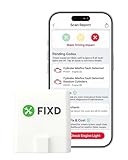
3. FIXD Bluetooth OBD2 Scanner for iPhone & Android - Diagnostic Scan Tool for Repairs and Car Buying - Check Engine Code Reader & Enhanced Codes - (1 Pack w/Free 14-Day FIXD Premium Bundle)
Overview:
The FIXD scanner is a compact Bluetooth dongle that pairs with a smartphone app, transforming your phone into a diagnostic tool. It decodes check engine lights into plain-English explanations and tracks vehicle health across multiple cars.
What Makes It Stand Out:
Its seamless smartphone integration delivers user-friendly, jargon-free diagnostics via the free FIXD app. Features like maintenance reminders, multi-vehicle management, and severe-issue alerts make it uniquely accessible for non-technical users. The sensor stays permanently installed for instant scans.
Value for Money:
Offers exceptional value through its free app (unlike subscription-heavy competitors). The $10–$20 price point is unbeatable for continuous monitoring and basic diagnostics. While the Premium trial adds repair insights, the free tier covers core needs effectively for casual users.
Strengths and Weaknesses:
Strengths: Intuitive app with plain-English code explanations; permanent installation; multi-car support; free unlimited scans; real-time severe-issue alerts.
Weaknesses: Requires constant phone use; limited to app functionality (no standalone operation); weaker live data depth than dedicated scanners; compatibility gaps with some diesel/hybrid models.
Bottom Line:
Ideal for tech-savvy beginners wanting effortless, ongoing vehicle health monitoring. Its simplicity and app-driven approach shine for routine checks, though professionals may need more robust tools. Highly recommended for hassle-free diagnostics.
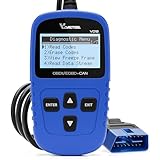
4. VDIAGTOOL VD10 OBD2 Scanner Code Reader Car Diagnostic Tool Engine Fault Code Reader for Turn Off CEL with Freeze Frame/I/M Readiness for All OBDII Protocol Cars, OBD2 Scanner Diagnostic Tool
Overview:
The VDIAGTOOL VD10 is a standalone OBD2 scanner with a built-in TFT color screen, designed for DIYers seeking detailed diagnostics without smartphone dependency. It reads/clears codes, displays freeze frame data, and checks emissions readiness.
What Makes It Stand Out:
Its integrated 2.8-inch TFT screen shows DTC definitions instantly (3,000+ codes in its database), eliminating online lookups. Freeze frame data retrieval and real-time sensor monitoring (fuel trims, RPM) provide deeper insights than basic scanners, rivaling higher-end models.
Value for Money:
Priced mid-range, it offers strong value with its self-contained screen and comprehensive diagnostics. Cheaper than Bluetooth scanners with premium apps, yet more feature-rich than entry-level tools like the ANCEL AD310—especially for freeze frame analysis critical for intermittent faults.
Strengths and Weaknesses:
Strengths: Built-in screen with clear code definitions; robust freeze frame support; I/M readiness testing; durable design; no phone/app required.
Weaknesses: Bulkier than pocket scanners; no live data graphing; limited to engine systems (no ABS/SRS); screen resolution could be sharper; less intuitive menu than FOXWELL.
Bottom Line:
A capable, screen-equipped scanner perfect for users wanting detailed diagnostics offline. Its freeze frame feature and instant code explanations make it a smart upgrade from basic tools. Recommended for hands-on DIYers prioritizing depth over portability.
5. Innova 5210 OBD2 Scanner & Engine Code Reader, Battery Tester, Live Data, Oil Reset, Car Diagnostic Tool for Most Vehicles, Bluetooth Compatible with America’s Top Car Repair App

Overview:
The Innova 5210 merges OBD2 diagnostics with battery/alternator testing in one device. It reads/clears engine and ABS codes (coverage varies), resets oil lights, and pairs with a repair-focused app—positioned as a versatile shop-grade tool for serious DIYers.
What Makes It Stand Out:
Its dual functionality as a battery tester sets it apart, diagnosing charging system issues that trigger check engine lights. The RepairSolutions2 app (free, no subscriptions) provides ASE-certified repair guides—a major advantage over competitors requiring paid subscriptions for similar insights.
Value for Money:
At a premium price, it justifies cost through multi-functionality: battery diagnostics, oil reset, and comprehensive app support. While pricier than basic scanners, it replaces multiple tools and avoids recurring fees, offering long-term savings for frequent users.
Strengths and Weaknesses:
Strengths: Integrated battery/alternator tester; oil light reset; free repair app with verified fixes; ABS code support (select vehicles); smog readiness monitoring.
Weaknesses: Higher initial cost; ABS coverage inconsistent across models; app requires Bluetooth pairing; bulkier than code readers alone.
Bottom Line:
A powerhouse for advanced DIYers needing battery diagnostics and repair guidance without subscriptions. Its unique testing capabilities and free app make it a worthy investment for those tackling complex repairs. Highly recommended for well-equipped home garages.
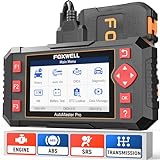
6. FOXWELL Car Scanner NT604 Elite OBD2 Scanner ABS SRS Transmission, Check Engine Code Reader for Cars and Trucks, Diagnostic Scan Tool with SRS Airbag, Automotive Diagnostic Tool with Live Data
Overview:
The FOXWELL NT604 Elite is a 2026-updated OBD2 scanner targeting DIY car owners, offering multi-system diagnostics (ABS, SRS, engine, transmission) with preloaded software for immediate use. It identifies root causes behind warning lights without requiring initial downloads.
What Makes It Stand Out:
Its 5-in-1 capability (OBD2, ABS, SRS, transmission, check engine) surpasses basic $50–$100 scanners. The AUTOVIN feature rapidly retrieves vehicle data, and the rugged protective case—uncommon at this price—enhances durability. Lifetime software updates and compatibility with 60+ global car makes add significant value.
Value for Money:
Priced moderately higher than entry-level tools, it justifies cost through comprehensive diagnostics and longevity. While not repair-capable (fault lights require physical fixes first), it eliminates dealership fees for diagnostics, making it economical for frequent users compared to pricier professional tools.
Strengths and Weaknesses:
Strengths: Out-of-box readiness; robust case; extensive vehicle coverage; live data and DTC library; no hidden software fees. Weaknesses: Lacks maintenance resets/relearns; not a repair tool (only clears codes post-fix); ABS/SRS diagnostics may have limitations on older models.
Bottom Line:
Ideal for cost-conscious DIYers needing reliable, multi-system diagnostics without recurring fees. Avoid if you require reset functions, but highly recommended for thorough pre-repair analysis.
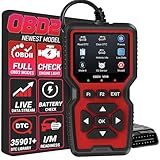
7. WEJOWE OBD2 Scanner Diagnostic Tool, Check Engine Code Reader OBD2 Scanner with Reset, Mode 6, Mode 8 & I/M Readiness, Auto Check Engine Light Car Diagnostic Scan Tool for All OBDII Car Since 1996
Overview:
The WEJOWE OBD2 Scanner is a compact, entry-level diagnostic tool for post-1996 vehicles, featuring reset capabilities, extensive code lookup, and multi-language support. It targets beginners seeking an affordable solution for check engine light issues.
What Makes It Stand Out:
Its massive built-in DTC library (35,901 codes)—tripling typical scanners—provides detailed fault explanations without internet searches. The data printing function (via computer) helps dispute repair shop charges, while lifetime free updates ensure longevity. Ten-language support broadens accessibility.
Value for Money:
Exceptional for budget-conscious users, offering reset functions and I/M readiness checks at a low price. Though less durable than premium models, its comprehensive diagnostics for 98% of OBDII vehicles outperform cheaper alternatives lacking reset or printing features.
Strengths and Weaknesses:
Strengths: Huge DTC database; reset capability; data printing; multi-language; compact design. Weaknesses: Basic plastic build; no ABS/SRS diagnostics; printing requires computer connection; limited live data depth versus pro tools.
Bottom Line:
A top value pick for novices needing core OBD2 functions like reset and code clearing. Skip if you require advanced system coverage, but perfect for straightforward check engine diagnostics.
8. VDIAGTOOL VD30 Pro Car Code Reader, OBD2 Scanner Diagnostic Tool for Cars and Trucks, Check Engine Code Reader, OBD2 Scanner with Reset, escaner automotriz I/M Readiness for All OBDII Vehicles

Overview:
The VDIAGTOOL VD30 Pro is a rugged OBD2 scanner delivering full-system diagnostics for post-1996 vehicles. It emphasizes ease of use, smog check readiness, and professional reporting features at a mid-range price point.
What Makes It Stand Out:
The one-click I/M readiness function simplifies emission checks, while the 98,000+ DTC library explains faults in plain English. Its drop-resistant housing and lifetime updates (via USB) ensure reliability, and data printing creates shareable service reports—uncommon in this tier.
Value for Money:
Offers near-professional capabilities at a DIY-friendly cost. Outperforms basic scanners (e.g., FIXD) with reset functions, voltage testing, and comprehensive live data. Justifies its price by replacing multiple tools and avoiding dealership diagnostics for common issues.
Strengths and Weaknesses:
Strengths: Intuitive one-click scanning; rugged build; superior DTC explanations; data printing; smog check focus. Weaknesses: No ABS/SRS diagnostics; limited to OBD2 systems; screen smaller than premium competitors; no wireless connectivity.
Bottom Line:
Highly recommended for users prioritizing smog checks and clear diagnostics. Best for OBD2-only needs; choose higher-end models if ABS/SRS coverage is essential.
9. TOPDON Bidirectional Scan Tool, 2026 New ArtiDiag900 Lite Automotive Diagnostic Tool for Full System, Scanner for Car with Active Test, 8 Reset, Wireless OBD2 Scanner Diagnostic Tool for All Vehicles

Overview:
The TOPDON ArtiDiag900 Lite is a 2026-upgraded wireless diagnostic tablet for full-system vehicle analysis. Targeting pros and serious DIYers, it features bidirectional control, active testing, and OE-level diagnostics across all modules.
What Makes It Stand Out:
True bidirectional communication allows commanding ECUs (e.g., testing injectors or windows), while Bluetooth 5.0 enables 33-foot wireless operation. The 8-inch touchscreen, 12-hour battery, and DTC repair guides (for select brands) streamline complex diagnostics beyond basic scanners.
Value for Money:
Priced premium but justified for workshops needing efficiency. The active testing reduces diagnostic time significantly versus unidirectional tools. Lifetime software updates and full-system coverage (ABS, airbag, etc.) deliver long-term value, though overkill for casual users.
Strengths and Weaknesses:
Strengths: Bidirectional control; wireless freedom; comprehensive module coverage; repair guides; robust hardware. Weaknesses: High cost; limited DTC guide compatibility (Chrysler/Fiat 2010–2014); steep learning curve for beginners.
Bottom Line:
A powerhouse for technicians or enthusiasts tackling advanced repairs. Avoid if you only need basic OBD2 scans, but indispensable for full-system diagnostics and active testing.
10. MOTOPOWER MP69033 Car OBD2 Scanner Code Reader Engine Fault Scanner CAN Diagnostic Scan Tool for All OBD II Protocol Cars Since 1996, Yellow

Overview:
The MOTOPOWER MP69033 is a no-frills, budget OBD2 scanner for basic engine diagnostics. It reads/clears check engine codes and displays live data but omits critical systems like ABS or airbags.
What Makes It Stand Out:
Its ultra-affordability and plug-and-play simplicity suit absolute beginners. The 2.8" LCD with adjustable contrast provides clear readings, and its cable draws power directly from the vehicle—no batteries needed. Six dedicated buttons streamline core functions.
Value for Money:
The cheapest option here, ideal for occasional use. However, its exclusion of non-OBD2 systems (ABS/airbag) limits utility versus similarly priced scanners with broader coverage. Only cost-effective if you exclusively need engine light diagnostics.
Strengths and Weaknesses:
Strengths: Extremely budget-friendly; simple interface; vehicle-powered; compact design; multi-language support. Weaknesses: No ABS/airbag/oil reset support; basic live data; no printing or advanced tests; fragile build quality.
Bottom Line:
A bare-minimum tool for emergency check engine light resets. Not recommended for regular use—opt for WEJOWE or VDIAGTOOL for better long-term value and features.
Understanding the Basics: What Diagnostic Tools Actually Do
Decoding the OBD-II Standard
Every car sold in the US since 1996 (and most globally for similar periods) uses the On-Board Diagnostics II (OBD-II) system. This standardized port, usually found under the dashboard near the steering column, is your gateway. It allows a compatible tool to communicate directly with your car’s main computer (ECU) and other control modules. Understanding that this port exists and is universal is fundamental – it means the tool you choose will work across nearly all modern vehicles you might own.
Interpreting Diagnostic Trouble Codes (DTCs)
When a problem occurs, the car’s computer stores specific Diagnostic Trouble Codes (DTCs). These alphanumeric codes (like P0301) are the starting point. A basic tool retrieves these codes, but the real value comes from understanding what they mean. Generic codes (starting with P, B, C, or U) point to general systems (Powertrain, Body, Chassis, Network), while manufacturer-specific codes offer deeper insight. The tool’s role is to fetch these codes accurately and provide clear, understandable definitions, moving beyond the vague “check engine” light.
Beyond Just Reading Codes: Live Data Streams
Advanced functionality involves accessing live data streams. This means seeing real-time information the car’s sensors are reporting – things like engine RPM, coolant temperature, fuel trim values, oxygen sensor readings, and throttle position. For the new owner, this isn’t about deep diagnostics immediately, but it provides context. Seeing live data can help verify if a sensor reading seems reasonable (e.g., is the coolant temp actually spiking?) or if a code might be intermittent.
Key Features to Prioritize for New Owners
User-Friendly Interface and Display
As a beginner, a cluttered screen or complex menu system is your enemy. Prioritize tools with intuitive navigation, clear icons, and a high-contrast, backlit display that’s easy to read in varying light conditions (like a dim garage). Menus should logically group functions, and code definitions should be plain-language explanations, not just technical jargon. A simple, well-designed interface drastically reduces the learning curve and frustration.
Essential Connectivity Options
Consider how you want to interact with the tool. Basic Bluetooth or WiFi connectivity paired with a smartphone app offers significant advantages: a larger, familiar screen, potential for richer visuals (like wiring diagrams), easier software updates, and the ability to save/share data logs. However, a dedicated handheld device with its own screen provides independence from your phone and often better battery life for extended use. Weigh the convenience of your phone against the reliability of a standalone unit.
Core Functionality Must-Haves
Don’t get dazzled by niche features you won’t use. Ensure the tool absolutely covers the fundamentals: reading and clearing generic and manufacturer-specific codes for all major systems (engine, transmission, ABS, airbags), accessing basic live data parameters, and performing essential resets (like the oil change light or tire pressure monitoring system - TPMS). The ability to view freeze frame data (a snapshot of conditions when a code was set) is also highly valuable for diagnosing intermittent issues.
Evaluating Value and Long-Term Usefulness
Software Updates and Database Coverage
Vehicle technology evolves rapidly. A tool that can’t receive regular software updates will become obsolete quickly, especially as we move further into 2026 with more complex hybrid, electric, and connected vehicle systems. Ensure the manufacturer provides clear update paths (ideally free or low-cost) and has a reputation for timely coverage of new model years and emerging technologies. Broad database coverage for both domestic and import vehicles is essential if you plan to keep the tool long-term.
Build Quality and Durability
You’ll likely be using this tool in less-than-ideal environments – garages, driveways, maybe even roadside. Look for a sturdy, well-constructed device with a protective case or boot. The cable connecting to the OBD-II port should be robust and sufficiently long. A tool that feels cheap or flimsy is more likely to fail when you need it most, negating any initial cost savings.
Future-Proofing for Evolving Vehicles
The automotive landscape is shifting towards electrification and advanced driver-assistance systems (ADAS). While a basic OBD-II scanner won’t diagnose high-voltage EV systems directly, consider if the tool manufacturer is expanding capabilities towards hybrid systems, battery monitoring basics, or ADAS calibration support (even if just diagnostic code reading for these systems). A platform showing commitment to evolving with the industry offers better long-term value.
Practical Usage Scenarios for Beginners
Diagnosing the Dreaded Check Engine Light
This is the most common use case. Instead of panicking or immediately heading to the shop, plug in your tool. Retrieve the code(s), read the clear explanation, and check the live data if possible. Many issues causing the light (like a loose gas cap triggering an evaporative system code) are simple fixes you can handle yourself. If the code points to something complex, you now have specific information to discuss with a mechanic, avoiding vague “check engine” descriptions and potential upsells.
Performing Basic Maintenance Resets
After routine services like an oil change or new brake pads, many modern cars require electronic resets to clear maintenance reminders or adapt to new components. A capable diagnostic tool allows you to perform these resets yourself, avoiding the need for a trip to the dealer or shop just for this simple procedure. This applies to resetting the TPMS system after rotating tires or replacing a sensor.
Monitoring Vehicle Health Proactively
Don’t wait for a warning light! Periodically connect your tool to check for pending codes (issues the car has detected but haven’t yet triggered the light) and review key live data parameters. Monitoring things like fuel trims or coolant temperature trends over time can provide early warnings of developing problems, allowing for preventative maintenance before minor issues become major, costly repairs.
Navigating Connectivity and App Integration
Weighing Standalone vs. App-Dependent Tools
Standalone scanners offer immediacy – turn it on, plug it in, get results. No phone needed, no battery drain on your device. App-based tools leverage your phone’s power, offering richer visuals, community support within the app, and easier data logging/sharing. However, they depend on your phone’s battery, signal (for cloud features), and can sometimes have compatibility hiccups with OS updates. Consider your comfort level with relying on your phone for this critical function.
Understanding App Capabilities and Limitations
Not all app integrations are equal. Some apps are mere mirrors of the scanner’s basic functions, while others offer advanced graphing, historical data logging, community troubleshooting forums, or even guided repair procedures. Investigate the specific app’s features and user reviews. Be wary of apps that require expensive recurring subscriptions for core functionality that should be included with the hardware purchase.
Security and Data Privacy Considerations
Connecting a tool (especially app-based) to your vehicle involves accessing sensitive data. Research the manufacturer’s data privacy policy. Does the app collect your vehicle data, driving habits, or location? How is this data stored and used? Opt for reputable brands with transparent privacy practices. Avoid tools or apps from unknown sources that might pose security risks to your vehicle’s systems or your personal information.
Safety, Limitations, and Knowing When to Call a Pro
Understanding What Tools Cannot Do
It’s critical to grasp the limitations. Diagnostic tools read and interpret data; they don’t fix problems. They identify symptoms (codes) but not always the root cause (a code might point to a sensor, but the issue could be wiring or another component). They generally cannot perform complex adaptations, programming, or calibrations required for many modern repairs (like ADAS sensor alignment after windshield replacement). Don’t expect miracles.
Prioritizing Safety Always
Vehicle diagnostics involve working near moving parts, electrical systems, and potentially hot components. Never attempt diagnostics while the engine is running in an enclosed space without proper ventilation. Always engage the parking brake. If a procedure feels unsafe or beyond your skill level (like working near high-voltage systems in hybrids/EVs), stop immediately. Your safety is paramount – diagnostic tools are aids, not permission to take unnecessary risks.
Recognizing the Need for Professional Expertise
A diagnostic tool empowers you to gather information, but interpreting complex data streams, performing intricate repairs, or handling specialized systems often requires professional training and equipment. If the diagnosis points to major engine, transmission, electrical, or safety-critical systems (like airbags or ABS), or if the problem persists after basic troubleshooting, seeking a qualified technician is the smart and safe choice. Use the tool to get informed, not to replace qualified expertise.
Making Your Informed Choice Without the Hype
Defining Your Realistic Needs and Budget
Be brutally honest. Are you solely interested in reading/clearing check engine lights and doing simple resets? Or do you envision deeper dives into live data for hobbyist tinkering? Your actual usage frequency and depth should dictate your budget. A $30 basic scanner suffices for occasional light checks, while a $200+ advanced tool makes sense for frequent users wanting live data and broader system coverage. Avoid overspending on features you’ll never utilize.
Researching Reputable Brands and Support
Focus on established manufacturers known for reliability and customer support in the automotive diagnostics space. Look for companies that provide clear documentation, responsive customer service channels, and active user communities (forums, social media groups). Read recent, detailed user reviews focusing on longevity, update reliability, and real-world usability, not just initial impressions. Avoid obscure brands with no track record.
Avoiding Common Marketing Traps
Beware of tools boasting “100% coverage” or “works on everything” – this is often misleading. Understand the difference between generic OBD-II compliance and advanced manufacturer-specific protocols. Don’t be swayed by flashy claims of “resetting airbags” or “reprogramming ECUs” on ultra-cheap tools; these functions require specialized, expensive equipment and expertise. Focus on core functionality, reliability, and clear communication of actual capabilities.
Frequently Asked Questions
What exactly is an OBD-II port and where do I find it?
The OBD-II port is a standardized 16-pin connector required on all cars and light trucks sold in the US since 1996. It’s your vehicle’s diagnostic access point, usually located under the dashboard on the driver’s side, within easy reach of the steering column. Look for a trapezoid-shaped socket, often near your knees when seated.
Can a basic diagnostic tool really save me money?
Absolutely. By accurately identifying the cause of a warning light, you avoid unnecessary repairs suggested due to vague descriptions. You can often fix simple issues yourself (like a loose gas cap) and prevent minor problems from escalating. Knowing the specific code also gives you leverage and clearer communication when you do need professional service, reducing the chance of being upsold.
Do I need a different tool for hybrid or electric vehicles?
Basic OBD-II scanners will read standard powertrain codes on hybrids (like engine-related issues), but they cannot safely or effectively diagnose the high-voltage battery or electric motor systems. For deeper hybrid/EV diagnostics, specialized, often manufacturer-specific tools are required. A good general scanner is still valuable for conventional systems on hybrids.
Is it difficult to use a diagnostic tool as a complete beginner?
Modern tools designed for consumers prioritize simplicity. Reading a code is typically as simple as plugging in, turning the key to “on” (engine off), and pressing a button. The hardest part is often understanding what the code means, which is why clear, plain-language definitions in the tool or app are crucial. Start with basic functions; complexity comes later.
Can using a diagnostic tool void my new car warranty?
No. Federal law (the Magnuson-Moss Warranty Act) in the US, and similar regulations in many other regions, protects your right to use aftermarket parts and tools without voiding your vehicle’s warranty. The dealer must prove that a specific aftermarket part or tool caused the failure in question to deny coverage. Using a scanner to read codes poses no risk to your warranty.
What’s the difference between “reading” and “clearing” codes?
Reading codes retrieves the stored Diagnostic Trouble Codes (DTCs) from your car’s computer, showing you what problems it has detected. Clearing codes erases these stored codes and typically turns off the warning light (like the Check Engine Light). Crucially, clearing a code does not fix the underlying problem; it only resets the indicator. If the problem persists, the light will come back.
Can a diagnostic tool reset my oil change or tire pressure lights?
Yes, this is a very common and valuable function for new owners. Many vehicles require an electronic reset after an oil change to acknowledge the service and reset the maintenance interval counter. Similarly, after rotating tires or replacing a TPMS sensor, a reset is often needed for the system to relearn positions. Ensure the tool you choose explicitly lists these reset functions.
Are Bluetooth/WiFi scanners as reliable as corded handheld units?
Reliability depends more on the specific brand and model than the connectivity type. Modern Bluetooth scanners from reputable brands are generally very reliable for standard diagnostic tasks. Potential downsides include dependence on your phone’s battery and occasional pairing issues. Corded handhelds offer independence from your phone but might have shorter cables. Both types can be excellent choices.
How often should I check my car with a diagnostic tool?
You don’t need to check it daily. A good practice is to scan for codes whenever a warning light illuminates, before and after any major trip, and perhaps every few months during routine maintenance checks (like when you check tire pressure or oil level). This helps catch “pending” codes before they trigger a light and monitor overall system health.
Can a diagnostic tool tell me if my car is about to break down?
Not precisely. It can identify existing or developing faults by detecting codes or abnormal live data readings (like rising coolant temperature). This allows for proactive maintenance before a breakdown occurs. However, it cannot predict entirely unforeseen mechanical failures with certainty; it responds to issues the car’s sensors detect. Regular checks significantly improve your odds of catching problems early.
See Also
- 10 Essential Car Diagnostic Scanners Every New Car Owner Needs in 2026
- 10 Car Diagnostic Tools That Solve Hard-Starting Issues in 2026
- 10 Best Car Diagnostic Tools for Mobile Mechanics in 2026
- 10 Car Diagnostic Tools That Solve Hard-to-Diagnose Electrical Issues in 2026
- Stop Guessing with Engine Codes: 10 Best Car Diagnostic Tools That Solve Misfires in 2026