Table of Contents
Working on modern engines feels like performing surgery in a shoebox. With turbochargers crammed against firewall bulkheads, intake manifolds snaking through every available inch, and sensors protruding from blocks like metallic mushrooms, achieving proper torque specifications has become an exercise in mechanical yoga. Standard-length torque wrenches simply can’t navigate these cramped quarters, leaving critical fasteners either under-torqued (inviting leaks and failures) or over-torqued (risking stripped threads and cracked components).
Compact torque wrenches have evolved from specialty tools into essential equipment for anyone turning wrenches on contemporary vehicles. These scaled-down instruments deliver the same precision as their full-sized counterparts while slipping into gaps that would make a contortionist proud. This guide explores what separates genuinely useful compact torque wrenches from gimmicky pretenders, focusing on the design features, specifications, and selection criteria that matter most when you’re working blind with one hand wedged between a catalytic converter and a motor mount.
Top 10 Compact Torque Wrenches
Detailed Product Reviews
1. LEXIVON Inch Pound Torque Wrench 1/4-Inch Dr. | 72-Tooth Gear Dual-Direction Click Type | Micro-Adjustment 10150 in-lb (1.116.9 Nm) | Zippered Protective Case (LX-180)
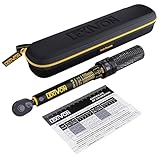
Overview: The LEXIVON LX-180 is a precision 1/4-inch drive torque wrench engineered for light-duty applications requiring finesse rather than brute force. With a torque range of 10-150 inch-pounds (1.1-16.9 Nm), this tool targets bicycle components, electronic devices, and small engine repairs. The 72-tooth ratchet mechanism provides a minimal 5-degree swing arc, making it ideal for tight spaces where larger wrenches cannot maneuver effectively.
What Makes It Stand Out: The dual-direction functionality sets this wrench apart from entry-level models, allowing torque measurement in both clockwise and counterclockwise directions. The micro-adjustment feature enables precise torque setting with exceptional granularity, crucial for sensitive components like carbon fiber bike parts or firearm scope mounts. The included zippered protective case adds professional-grade storage and transport protection rarely found in this price category.
Value for Money: Positioned in the mid-range price segment, the LX-180 competes favorably against premium brands like Snap-On and CDI. While lacking a formal calibration certificate, the tool delivers professional features—dual-direction measurement, fine adjustment, and protective storage—at approximately half the cost of industrial equivalents, making it accessible to serious DIY enthusiasts.
Strengths and Weaknesses: Strengths include the compact 72-tooth head for tight access, reversible operation, smooth micro-adjustment mechanism, and robust protective case. The primary weakness is the 1/4-inch drive limitation, restricting its use to smaller fasteners. The 150 in-lb maximum torque may be insufficient for some automotive applications, and the absence of a calibration certificate might concern professional mechanics requiring documentation.
Bottom Line: The LEXIVON LX-180 excels for precision work on bicycles, motorcycles, and light machinery. For applications requiring inch-pound accuracy in confined spaces, it offers professional functionality without the premium price tag, though professionals needing certified calibration should verify tolerances independently.
2. LEXIVON 3/8-Inch Drive Click Torque Wrench 1080 Ft-Lb/13.6108.5 Nm (LX-182)

Overview: The LEXIVON LX-182 is a versatile 3/8-inch drive click torque wrench engineered for automotive and mechanical applications demanding reliable torque specification. Delivering 10-80 foot-pounds (13.6-108.5 Nm) of calibrated force, this tool bridges the gap between light-duty bicycle work and heavier automotive maintenance. The reinforced ratchet head and professional-grade construction position it as a dependable choice for both home mechanics and trade professionals.
What Makes It Stand Out: Factory pre-calibration to ±4% accuracy with an included traceable serial number certificate distinguishes this wrench from competitors requiring initial professional calibration. The innovative Electro-Black finish treatment provides superior corrosion resistance compared to traditional chrome plating, extending tool lifespan in harsh garage environments. The highlighted yellow print dual-range scale ensures visibility even in dimly lit engine bays, a thoughtful ergonomic detail.
Value for Money: At its price point, the LX-182 delivers exceptional value by eliminating the $30-50 calibration expense typically required for new torque wrenches. The hardened Chrome Vanadium alloy steel construction matches durability specifications of tools costing twice as much, while the reversible ratchet head adds functional versatility uncommon in budget alternatives.
Strengths and Weaknesses: Strengths include certified accuracy out-of-the-box, exceptional corrosion resistance, high-contrast scale readability, and robust alloy steel construction. The reversible head enhances versatility. Weaknesses include an 80 ft-lb ceiling that may prove limiting for suspension work or larger automotive fasteners. The product description omits mention of a storage case, potentially necessitating separate purchase for protection.
Bottom Line: The LEXIVON LX-182 represents a smart investment for DIY mechanics and professional technicians seeking certified accuracy without premium pricing. Its corrosion-resistant finish and clear scale markings demonstrate attention to durability and usability, making it a reliable workhorse for most automotive and mechanical tasks.
3. SUERCUP 3/8-Inch Drive Click Torque Wrench - 5-45 Ft-Lb/6.8-61Nm, Dual-Direction Adjustable 72 Tooth Click Torque Wrench for Bike, Motorcycle and Car Repair
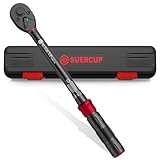
Overview: The SUERCUP 3/8-inch drive torque wrench enters the market as a budget-conscious solution for cyclists and light automotive enthusiasts. Offering a 5-45 foot-pound range (6.8-61 Nm), this tool targets the sweet spot for bicycle repairs, motorcycle maintenance, and smaller car components like spark plugs. The manufacturer emphasizes rigorous testing, claiming 20,000 validation cycles with approximately 3% accuracy, positioning it as a surprisingly precise option for its class.
What Makes It Stand Out: The distinctive flashlight-inspired knurled handle design provides exceptional grip comfort during extended use, differentiating it from traditional smooth-handled competitors. The red anodized tail plug not only adds visual appeal but enhances corrosion resistance at a critical wear point. The bidirectional measurement capability, typically reserved for higher-end models, allows both clockwise and counterclockwise torque application, expanding its utility for left-hand threaded components.
Value for Money: This wrench dramatically undercuts established brands while including a sturdy plastic storage case—an accessory often costing $15-25 separately. For hobbyists performing occasional maintenance, it eliminates the financial barrier to proper torque specification, though professionals might question long-term reliability compared to industrial-grade alternatives costing three times more.
Strengths and Weaknesses: Strengths include the ergonomic handle design, included storage case, bidirectional functionality, and competitive accuracy claims. The hardened chromium vanadium steel and chromium molybdenum ratchet head promise durability. Weaknesses involve SUERCUP’s limited brand recognition and unverified long-term calibration stability. The 45 ft-lb maximum restricts heavy-duty use, and the plastic case, while functional, lacks the premium feel of molded foam inserts.
Bottom Line: The SUERCUP torque wrench delivers remarkable value for bicycle owners and casual DIY mechanics. While it may not replace professional-grade tools in commercial settings, its accuracy claims, ergonomic design, and comprehensive package make it an intelligent entry-level purchase for those prioritizing function over brand prestige.
4. MESGS 3/8-Inch Drive Torque Wrench, 5–45 Ft-Lb (6.8–61 Nm), ±3% Accuracy, 72-Tooth Dual-Direction Mini Torque Wrench with Reversible Head, Quick Release, Dual Scale for Bike (3/8-Inch, 5-45 FT.LB)

Overview: The MESGS 3/8-inch drive torque wrench positions itself as a precision instrument for discerning mechanics who demand laboratory-grade accuracy in a compact package. With a 5-45 foot-pound range (6.8-61 Nm), this tool targets sensitive applications where over-torquing risks component damage. The manufacturer claims over 50,000 test cycles verifying ±3% accuracy, suggesting rigorous quality control exceeding typical consumer-grade standards.
What Makes It Stand Out: The laser-etched dual-range scale on a black background delivers permanent, high-contrast markings immune to wear and chemical exposure, unlike painted scales that fade over time. The crisp 45dB audible click provides unmistakable feedback, particularly valuable in noisy shop environments where subtle clicks go unnoticed. The quick-release mechanism and 72-tooth reversible ratchet combine to create a tool adept at navigating cramped engine bays and bicycle frames with minimal swing clearance.
Value for Money: Positioned above budget alternatives but below premium industrial brands, the MESGS justifies its cost through exceptional testing protocols and professional features. The laser-etched scale alone extends usable lifespan significantly, while the compact design reduces fatigue during repetitive tasks. For serious DIYers and professional bicycle mechanics, the precision and durability offset the moderate price premium.
Strengths and Weaknesses: Strengths include extensive testing validation, permanent laser-etched markings, loud audible feedback, compact 72-tooth head, and ergonomic orange-black anodized handle. The quick-release function enhances efficiency. Weaknesses center on the limited torque range, precluding use on larger automotive fasteners. The premium pricing may deter casual users, and brand recognition remains limited compared to established competitors.
Bottom Line: The MESGS torque wrench excels for technicians prioritizing precision and durability in a compact form factor. Its validated accuracy and permanent scale markings make it ideal for bicycle shops and automotive detail work, though those requiring higher torque ranges should consider complementary tools.
5. DANGKIY Torque Wrench, 1/4-Inch Lightweight Dual-direction Drive Click Torque Wrench 20-240IN.LB/2.3-27.1N.M, 72 tooth High Precision Bike Torque Wrenches with Dual Range Scales for bicycle

Overview: The DANGKIY 1/4-inch torque wrench emerges as a premium lightweight solution specifically engineered for bicycle enthusiasts and precision assembly work. Delivering 20-240 inch-pounds (2.3-27.1 Nm) through a 72-tooth mechanism, this tool balances high accuracy claims with ergonomic innovation. The manufacturer emphasizes over 30,000 test cycles maintaining ±3% accuracy, backed by an exceptional three-year unconditional warranty that signals confidence in long-term reliability.
What Makes It Stand Out: The 3-degree ratchet curved head design provides unparalleled access to recessed fasteners common on modern bicycle components, where traditional straight heads prove awkward. The aluminum-titanium alloy handle with square knurling offers superior grip comfort while reducing overall weight, addressing fatigue during extended tuning sessions. The quick-release button enhances workflow efficiency, a feature often omitted in compact wrenches.
Value for Money: While priced at the upper end of the consumer spectrum, the DANGKIY justifies investment through premium materials, extensive testing, and industry-leading warranty coverage. Comparable features from established brands like Park Tool or Pedro’s command 40-60% higher prices, making this an attractive proposition for serious cyclists seeking professional-grade precision without boutique brand premiums.
Strengths and Weaknesses: Strengths include the lightweight curved head design, ergonomic alloy handle, verified accuracy, quick-release mechanism, and exceptional three-year warranty. The ±3% precision matches professional standards. Weaknesses involve the 1/4-inch drive limitation for larger fasteners and premium pricing that may exceed casual hobbyist budgets. Brand recognition remains developing, potentially affecting resale value.
Bottom Line: The DANGKIY torque wrench represents an excellent investment for dedicated cyclists and precision mechanics. Its innovative curved head and comprehensive warranty distinguish it from competitors, while the accuracy and ergonomic design justify the premium for those who regularly work with torque-sensitive components.
6. VANPO 1/4-inch Drive Click Torque Wrench, 20-240 in. lb/2.3-27.1 Nm, Inch Pound Torque Wrench Set with 1/4" to 3/8" Adapter, 10cm Extension Bar, Small Bike Torque Wrench for MTB, Bicycle Maintenance
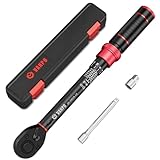
Overview: The VANPO 1/4-inch Drive Click Torque Wrench is a precision tool designed for delicate fastening tasks where over-tightening can cause costly damage. With its 20-240 in.lb range, it’s particularly well-suited for bicycle maintenance, electronics, and light machinery work.
What Makes It Stand Out: The aluminum shaft construction provides superior fatigue resistance compared to traditional steel designs, ensuring consistent accuracy over repeated use. The distinct “click” feedback mechanism offers both audible and tactile confirmation when reaching your target torque, while the included 1/4" to 3/8" adapter and 10cm extension bar expand its versatility beyond basic applications.
Value for Money: Priced competitively for a single-drive torque wrench, the VANPO includes valuable accessories and a sturdy storage case that many competitors sell separately. The 24-month warranty and dedicated customer support provide additional peace of mind, making it a solid investment for hobbyists rather than just a bare-bones tool.
Strengths and Weaknesses: Strengths include its lightweight aluminum construction, clear dual-range scale, secure locking knob mechanism, and bike-focused accessory package. The compact size excels in tight spaces. However, the 1/4-inch drive limits its use for heavier automotive work, and the 240 in.lb maximum may be insufficient for some applications. The plastic storage case, while functional, lacks the premium feel of metal alternatives.
Bottom Line: This VANPO torque wrench is an excellent choice for cyclists and DIY enthusiasts who need reliable precision for light-duty tasks. It’s not built for professional heavy-duty use, but for its intended audience, it delivers accuracy and convenience at a fair price.
7. BULLTOOLS 1/4-inch Drive Click Torque Wrench Set Dual-Direction Adjustable 90-tooth Torque Wrench with Buckle (20-200in.lb / 2.26-22.6Nm)
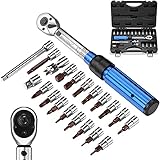
Overview: The BULLTOOLS torque wrench set positions itself as a professional-grade precision tool with industrial-level accuracy. Covering 20-200 in.lb, it’s engineered for tasks demanding exact torque specifications in electrical work, bicycle maintenance, and equipment installation.
What Makes It Stand Out: The 90-tooth ratchet mechanism requiring only 4 degrees of swing is exceptional for confined spaces, surpassing typical 72-tooth designs. The hardened chromium-molybdenum alloy head offers superior strength over standard Cr-V steel, while the aluminum-titanium handle provides an ergonomic, corrosion-resistant grip. The included formal calibration certificate validates its ±3% accuracy claim.
Value for Money: While priced higher than entry-level options, this set includes 16 sockets, a 3/8" conversion head, extension bar, universal joint, and Allen key—essentially a complete starter kit. This eliminates additional purchases, offering genuine savings for users needing comprehensive coverage. The build quality justifies the premium over budget alternatives.
Strengths and Weaknesses: Strengths include outstanding 90-tooth precision, premium material construction, dual-direction capability, quick-release button, and extensive accessory package. The laser-etched scale remains legible under heavy use. Weaknesses include a slightly lower maximum torque (200 in.lb) than some competitors and a complexity that may overwhelm occasional users. The storage solution isn’t described as robustly as the tool itself.
Bottom Line: This BULLTOOLS set is ideal for serious DIY enthusiasts and professionals seeking verified accuracy and versatility. The comprehensive accessory bundle and superior ratchet mechanism make it worth the investment for frequent users who demand precision.
8. DISEN 9PCS Click Torque Wrench Set 1/4" 3/8" 1/2" Drive 20-220 In.lb, 5-45 Ft.lb, 10-170 Ft.lb with 6 Adapters, ±3% Accuracy, 72-Tooth, Dual Scale, Storage Case for Bike, Motorcycle, Car, Truck Repair

Overview: The DISEN 9PCS set delivers a complete torque solution across three drive sizes, covering everything from delicate bike components to heavy truck lug nuts. This comprehensive kit eliminates the need for multiple separate purchases, offering 1/4", 3/8", and 1/2" drives with overlapping torque ranges.
What Makes It Stand Out: Having three calibrated wrenches in one organized case is the primary advantage, but the upgraded click mechanism deserves mention—providing a loud, unmistakable signal above 5 N.m while offering subtle feedback for lower settings. The 72-tooth ratchet’s 5-degree arc swing balances accessibility with durability, and the six included adapters maximize versatility.
Value for Money: This set represents exceptional value, essentially providing three torque wrenches plus accessories for less than many single professional-grade tools cost. The factory calibration certificate and 24-month support add professional credibility without the premium price tag, making it accessible to serious DIYers.
Strengths and Weaknesses: Strengths include comprehensive drive size coverage, excellent torque range spread, audible click feedback system, quick-release mechanisms, and a truly portable storage solution. The hardened Cr-V steel and phosphated adapters resist wear effectively. Potential weaknesses include the fact that individual wrenches may not match the longevity of ultra-premium single-drive alternatives, and the 1/4" drive’s 10-220 in.lb range starts slightly higher than some bike-specific tools.
Bottom Line: For multi-vehicle households or DIY mechanics needing broad capability, this DISEN set is unbeatable. It sacrifices some premium feel for comprehensive coverage and value, making it a smart purchase for versatile home garages.
9. SUZUME 3PCS Torque Wrench Set 72 Teeth Dual-Direction Adjustable Torque Wrench Dual-Scales 1/4 & 3/8 & 1/2-Inch ±3% Accuracy Click Torque Wrenches for Bicycle, Motorcycle, Car,Maintenance

Overview: The SUZUME 3PCS set combines functional precision with striking aesthetics, offering 1/4", 3/8", and 1/2" drives in a package that emphasizes both performance and appearance. Engineered for versatility across bicycles, motorcycles, and automotive work, it targets users who appreciate tools that look as good as they perform.
What Makes It Stand Out: The mirror-like chrome-plated CR-V steel construction provides exceptional corrosion resistance while creating a premium aesthetic rarely seen in this price category. The lightweight aluminum alloy handles reduce fatigue during extended use. The bi-directional ratchet heads with simultaneous audible click and vibration feedback ensure you never miss the torque threshold, even in noisy environments.
Value for Money: This three-wrench set offers solid value for enthusiasts wanting comprehensive drive coverage without purchasing individual tools. While it lacks the extensive accessories of some competitors, the build quality and aesthetic appeal justify the price point. The claimed 10,000-use accuracy lifespan suggests good long-term value.
Strengths and Weaknesses: Strengths include the beautiful chrome finish, lightweight ergonomic design, dual-direction functionality, clear laser-etched dual scales, and reliable ±3% accuracy. The vibration-enhanced click feedback is particularly useful. Weaknesses include the absence of mentioned accessories or adapters, potentially requiring separate purchases. The marketing’s gift-focused approach may overshadow technical specifications, and storage solutions aren’t detailed.
Bottom Line: The SUZUME set is perfect for DIY enthusiasts who value both form and function. It’s an excellent gift option that doesn’t compromise on performance, though serious mechanics may need to supplement it with additional accessories.
10. MESGS 1/4-Inch Drive Click Torque Wrench, 20-240 In-Lb / 2.3-27.1 Nm Mini Torque Wrench, Dual-Direction 72 Tooth, Dual Scale for Bike, Motorcycle, Car Repair (1/4-Inch, 20-240 IN.LB)
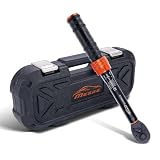
Overview: The MESGS mini torque wrench packs professional-grade precision into a compact 1/4-inch drive tool. With a 20-240 in.lb range and ±3% accuracy verified through 50,000+ tests, it’s engineered for critical applications like spark plug installation, bicycle component adjustment, and motorcycle maintenance where space is limited.
What Makes It Stand Out: The specified 45dB click volume demonstrates attention to audible feedback detail, ensuring the alert is crisp and recognizable without being jarring. Laser-etched dual scales on a high-contrast black surface provide exceptional readability across lighting conditions. The 72-tooth ratchet’s dual-direction capability with quick-release function excels in confined engine bays and underbody locations.
Value for Money: As a single-drive wrench, it competes directly with specialty bike tools while offering automotive-grade durability claims. The extensive testing validation and professional calibration justify its mid-range price point. While accessories are minimal, the core tool’s robustness represents good value for users prioritizing precision over comprehensive kits.
Strengths and Weaknesses: Strengths include the impressive 50,000-cycle testing validation, loud and precise click feedback, superior scale legibility, compact ergonomic design with anti-slip handle, and versatile 240 in.lb maximum torque. The aerospace-inspired black-orange finish adds durability. Weaknesses include the lack of included adapters or extension bars, requiring separate purchases for maximum versatility. The 1/4-inch drive limits heavy-duty applications.
Bottom Line: The MESGS torque wrench is a top-tier single-drive tool for precision-focused users. Its validated durability and excellent feedback mechanism make it ideal for mechanics who need reliable performance in tight spaces and demand professional consistency.
Understanding Compact Torque Wrenches for Engine Work
What Makes a Torque Wrench “Compact”?
Compact torque wrenches aren’t simply shorter versions of standard tools. True compact design involves proportional scaling of the entire mechanism, reduced head profiles, and optimized internal geometry. The most effective models typically measure between 8 and 14 inches in overall length, compared to 18-24 inches for conventional wrenches. However, length alone doesn’t define compactness—head thickness, handle diameter, and ratchet swing arc all contribute to real-world maneuverability in tight engine spaces.
Why Standard Wrenches Fail in Tight Spaces
When you’re reaching between a valve cover and a strut tower, a standard torque wrench becomes a lever working against you. The extended handle bumps against adjacent components before you achieve proper engagement, forcing you to compromise on angle and apply side loads that destroy accuracy. Additionally, the larger ratchet heads on standard wrenches require more clearance to swing, making it impossible to click off fasteners in 15-degree increments when you’re surrounded by obstructions.
Key Design Features for Tight Engine Bays
Overall Length and Profile
The sweet spot for engine bay work lies in wrenches measuring 10-12 inches overall. This length provides adequate leverage for most automotive torque values (typically 8-75 ft-lbs) while allowing you to snake the tool along serpentine belt routes and behind timing covers. Look for models with tapered handles that narrow toward the head, creating clearance for your fingers when gripping near the mechanism.
Swivel Head Designs
Swivel or flex-head configurations that pivot 15-90 degrees transform inaccessible fasteners into routine jobs. The best designs lock securely at common angles (15, 30, 45, 60, and 90 degrees) with positive detents that prevent slippage under load. Avoid heads that flex under torque—they’re indicators of weak pivot pins that’ll destroy accuracy and eventually fail catastrophically.
Low-Profile Ratchet Mechanisms
Standard ratchet heads require 30-40 degrees of swing arc to engage the next tooth. Low-profile designs with 72-tooth mechanisms reduce this to just 5 degrees, crucial when you’re working between intake runners or against a firewall. These fine-tooth ratchets also produce less kickback when the torque mechanism releases, protecting your knuckles from violent impacts in confined spaces.
Drive Size Selection Strategy
1/4-Inch Drive for Precision Work
The 1/4-inch drive compact torque wrench shines for valve cover bolts, throttle body fasteners, and sensor mounting screws in the 20-200 inch-pound range. These featherweights typically measure under 10 inches and can slip into gaps between camshaft position sensors and wiring harnesses. The trade-off? Limited torque capacity means you’ll need complementary tools for larger fasteners.
3/8-Inch Drive: The Versatile Middle Ground
This drive size represents the workhorse for engine bay tasks, handling everything from intake manifold bolts (18-25 ft-lbs) to cylinder head fasteners in some applications. Compact 3/8-inch drive models around 12 inches long deliver the versatility to tackle 90% of engine fasteners while still navigating most spatial constraints. Most technicians start here when building a compact torque wrench collection.
When to Use 1/2-Inch Drive in Compact Form
Don’t assume 1/2-inch drive means full-sized. Compact versions measuring 14-16 inches handle critical high-torque applications like harmonic balancer bolts and some main bearing caps. While less maneuverable than smaller drives, they prove invaluable when you need 150+ ft-lbs in a space where a standard 24-inch wrench simply won’t fit.
Torque Range Considerations
Low-Range Wrenches for Sensitive Components
Modern engines with aluminum threads and plastic components demand precision in the 5-20 ft-lb range. Compact low-range wrenches feature finer spring rates and more sensitive click mechanisms, preventing over-torquing of fragile thermostat housings and oil pan bolts. Using a high-range wrench for these values is like measuring flour with a bathroom scale—technically possible but dangerously inaccurate.
Mid-Range Options for General Engine Work
The 10-80 ft-lb range covers most engine assembly tasks, from cam caps to connecting rod bolts. Compact wrenches in this category balance sensitivity at the low end with enough capacity for critical fasteners. Look for models where your typical values fall in the middle third of the tool’s range—this is where accuracy peaks and mechanism wear is minimized.
High-Range Compact Models for Specific Applications
Some compact 1/2-inch drive models reach 250 ft-lbs, handling diesel engine head bolts and heavy-duty truck components. These specialized tools sacrifice low-end sensitivity for high-torque capacity, making them single-purpose purchases rather than daily drivers. Consider your specific vehicle fleet before investing in this category.
Accuracy and Calibration Standards
Understanding Tolerance Ratings
Professional-grade compact torque wrenches typically advertise ±3% accuracy clockwise and ±6% counterclockwise. For engine work, this translates to ±0.6 ft-lbs at 20 ft-lbs—a critical difference when sealing a stamped steel oil pan. Budget options may stretch to ±5%, which becomes problematic on small fasteners where 1 ft-lb can mean the difference between sealed and stripped.
Importance of Regular Calibration
The compact mechanism’s shorter lever arm means internal springs work harder, potentially drifting out of calibration faster than full-sized tools. Professional shops recalibrate every 5,000 cycles or annually, whichever comes first. Home mechanics should verify calibration every two years, especially if the wrench has been dropped or stored under tension—common occurrences in cramped engine bays.
Digital vs Mechanical Accuracy
Digital compact torque wrenches offer ±2% accuracy and programmable presets, but their electronics add bulk and create failure points in oily, hot environments. Mechanical click-types provide bombproof reliability at the cost of slightly wider tolerances. For tight spaces, the reduced head size of mechanical wrenches often outweighs digital precision benefits.
Material Selection and Durability
Chrome Vanadium Steel Construction
The best compact torque wrenches use chrome vanadium (Cr-V) steel forgings for the ratchet head and handle core. This alloy offers 30% higher strength-to-weight ratio than carbon steel, allowing thinner profiles without sacrificing durability. Avoid tools using zinc alloy castings for critical components—they’re lighter but crack under shock loads.
Anti-Corrosion Coatings
Engine bays combine heat, oil, and road salt into a corrosion cocktail. Premium compact wrenches feature micro-satin chrome plating that’s 50% thinner than decorative chrome, maintaining tight tolerances while resisting oxidation. Some models add titanium nitride (TiN) coatings to ratchet pawls, reducing friction and preventing galling in the presence of oil contamination.
Weight vs Strength Trade-offs
Every ounce matters when you’re holding a wrench overhead with one hand while balancing on an engine bay brace. The sweet spot for a 3/8-inch drive compact wrench is 1.5-2.5 pounds—light enough for extended use but heavy enough to feel substantial and dampen vibration when the mechanism releases.
Handle and Grip Design
Slip-Resistant Materials
Textured thermoplastic elastomer (TPE) grips maintain friction even when coated in 5W-30. Look for handles with raised ribs or diamond patterns rather than smooth rubber sleeves that become slippery when oil-soaked. Some premium designs incorporate recessed grooves that channel fluids away from gripping surfaces.
Contoured vs Straight Handles
Contoured handles with finger grooves feel comfortable initially but force your hand into one position, reducing adaptability in tight spaces. Straight, slightly tapered handles allow you to choke up on the tool for delicate work or grip the end for maximum leverage, proving more versatile when you’re working around alternator brackets and coolant hoses.
Impact of Grip Diameter on Control
Compact torque wrenches with 1.0-1.25 inch grip diameters fit most hands comfortably while allowing precise torque application. Oversized grips (1.5+ inches) reduce feel and make it harder to detect when the mechanism begins to load, increasing the risk of sudden over-torquing in sensitive applications.
Signal Mechanisms Explained
Click-Type Feedback Systems
The classic click mechanism uses a cam and spring system that breaks overcenter at the set torque, creating tactile and audible feedback. In compact wrenches, listen for a crisp, distinct click rather than a mushy or gradual release. The best mechanisms click at exactly 90 degrees to the handle, preventing torque twist from affecting the reading.
Beam-Type Visual Indicators
Beam-type compact wrenches use a simple bending beam and pointer, offering ultimate reliability with zero maintenance. However, reading a tiny pointer while peering behind an exhaust manifold requires three hands and perfect lighting. Reserve beam types for well-lit, accessible fasteners where you can maintain direct line-of-sight.
Digital Alerts and Displays
Digital compact wrenches provide visual progress bars, audible beeps, and vibration alerts as you approach target torque. The trade-off is increased head height from the display module and battery compartments that can swell handle diameter. For 2026, look for models with OLED displays that remain visible at extreme viewing angles—crucial when you’re sighting down between fuel rails.
Space-Saving Head Variations
Fixed Head Simplicity
Fixed-head compact wrenches offer the thinnest possible profile and highest accuracy since there are no pivot points to introduce flex. Use these when you have straight-line access to fasteners, such as spark plugs on inline engines or accessory brackets on the front of the block.
Flex-Head Angles
Flex heads that lock every 15 degrees provide maximum adaptability for reaching bolts on the backside of cylinder heads and intake plenums. The mechanism should lock positively with a spring-loaded pin that requires deliberate force to adjust—heads that drift under vibration will destroy your accuracy and confidence.
Ratcheting Head Benefits
Ratcheting heads combine the low profile of a fixed head with the convenience of a ratchet, but they add complexity and potential failure points. For engine work, the 5-degree swing arc of a 72-tooth ratcheting head justifies the slight increase in thickness, especially when you’re working against a firewall with only 20 degrees of total swing available.
Price Tiers and Value Expectations
Budget-Friendly Options (What to Expect)
Sub-$50 compact torque wrenches typically use lower-grade steel and wider accuracy tolerances (±5-7%). They’re suitable for occasional use on non-critical fasteners like plastic engine covers and battery hold-downs, but avoid them for head bolts or main caps where precision determines engine longevity. Expect 2-3 years of light-duty service before mechanism wear becomes noticeable.
Mid-Range Investment Sweet Spot
The $75-150 range delivers chrome vanadium construction, ±3% accuracy, and robust click mechanisms. These tools represent the best value for serious DIY mechanics and professional technicians alike, offering decade-long durability with proper maintenance. Most include protective cases and calibration certificates—essential features for tools that will live in a toolbox drawer.
Premium Professional Grade
Professional-grade compact torque wrenches above $150 feature exotic materials, ±2% accuracy, and ergonomic refinements like dual-material grips. While the accuracy gains are marginal for most engine work, the durability and warranty support (often lifetime with free annual recalibration) justify the cost for daily professional use. These are investments that outlast multiple vehicles.
Maintenance for Longevity
Proper Storage Solutions
Always return your compact torque wrench to its lowest setting after use to relieve spring tension. Store it in the original case or a dedicated foam cutout—ratchet heads banging against other tools in a toolbox drawer will knock the mechanism out of calibration faster than actual use. For mobile mechanics, consider a hard-shell case with custom foam inserts that protect the tool while fitting in a roller cabinet.
Cleaning After Engine Bay Use
Engine oil and brake fluid degrade TPE grips and seep into ratchet mechanisms. Wipe down your wrench with a clean shop towel after each use, and monthly apply a drop of light machine oil to the ratchet pawl while working the mechanism. Avoid harsh solvents that strip protective coatings; instead use mild soap and water on grips, drying thoroughly to prevent rust on underlying steel.
Calibration Check Frequency
The cramped conditions of engine bays increase the likelihood of dropping or impacting your torque wrench. Perform a simple calibration check monthly by clicking the wrench at a known torque on a vise or bolt you’ve pre-torqued with a calibrated reference. If the click point drifts more than 5% from the setting, send the tool for professional recalibration. Many tool trucks offer free verification services.
Common User Mistakes
Over-Torquing in Confined Spaces
The natural tendency when fighting limited swing arc is to push harder, attempting to accelerate through the click point. This destroys accuracy and risks component damage. Instead, apply slow, steady pressure and pause for a full second after the click to ensure the mechanism has fully released. In extremely tight spaces, consider using a torque angle gauge after initial seating torque.
Using Extensions Incorrectly
Extensions between the torque wrench and socket change the effective length of the tool, altering the applied torque. In tight spaces, you might need a short 1-2 inch extension to clear obstructions. When doing so, apply torque slowly and maintain the extension at 90 degrees to the wrench handle to minimize error. For critical fasteners, recalculate the required wrench setting using the extension length formula: New Setting = Desired Torque × (Wrench Length ÷ (Wrench Length + Extension Length)).
Ignoring Temperature Effects
Torque specifications assume room temperature (around 70°F). Engine bays can exceed 200°F during operation, and torquing hot fasteners leads to inaccurate clamping loads. Always allow components to cool to ambient temperature before final torque, or use temperature-compensated torque values if the manufacturer provides them. Cold conditions (below 40°F) also affect readings, as grease in the mechanism stiffens and spring rates change slightly.
Making Your Final Selection
Assessing Your Specific Engine Layout
Before purchasing, crawl your engine bay with a flashlight and identify the five most inaccessible fasteners you regularly encounter. Measure the available clearance around each, noting width, height, and swing arc limitations. Choose a compact torque wrench that handles 80% of these problem areas rather than buying multiple specialized tools initially.
Building a Complementary Set
No single compact torque wrench covers every engine bay scenario. A practical starter set includes a 1/4-inch drive for 20-200 in-lbs and a 3/8-inch drive for 5-75 ft-lbs, both in compact lengths. Add a flex-head version in your most-used drive size for the backside bolts that always seem to hide behind wiring harnesses. This three-wrench arsenal handles 95% of engine work while fitting in a single drawer.
Warranty and Support Considerations
The best compact torque wrenches include at least a one-year warranty covering calibration drift and mechanism failure. Professional brands extend this to lifetime coverage with free annual recalibration—a service that costs $25-40 per tool otherwise. When evaluating warranty terms, check whether the company requires original purchase receipts or uses serial numbers for verification, as tool purchases often happen years before problems arise.
Frequently Asked Questions
What’s the minimum swing arc needed for a compact torque wrench to be effective in tight engine spaces?
A 72-tooth ratchet mechanism requiring only 5 degrees of swing arc proves most effective. However, you also need clearance to move the handle through the torque application stroke, which typically requires 30-45 degrees of total space for comfortable, accurate use.
Can I use a compact torque wrench for both engine work and general automotive tasks?
Absolutely. Compact torque wrenches deliver the same accuracy as full-sized versions; they simply sacrifice some high-torque capacity for maneuverability. A 3/8-inch drive compact model handles everything from engine internals to suspension components and brake calipers, making it an excellent all-around choice.
How do I verify my compact torque wrench is accurate without expensive equipment?
Use the “click test” method: Secure a bolt in a vise and torque it to a specific value with your wrench, marking the position. Then use a calibrated reference wrench (borrowed from a shop if needed) to check the breakaway torque. If the values differ by more than 5%, your wrench needs professional calibration.
Are digital compact torque wrenches worth the extra cost for engine work?
Digital models excel in low-light conditions and provide programmable presets that speed repetitive work. However, they add bulk and introduce electronic failure points. For most users, a quality mechanical click-type offers better value, with digital versions making sense only if you regularly work in poorly lit engine bays or need data logging for warranty work.
What’s the best way to clean oil and grease from my torque wrench’s grip?
Use a mild degreaser like diluted Simple Green and a soft brush, working gently to avoid forcing contaminants into the ratchet mechanism. Rinse with a damp cloth (never submerge), then dry immediately with compressed air or a clean towel. Apply a light coat of silicone-free protectant to the grip monthly to prevent drying and cracking.
Can extensions affect the accuracy of compact torque wrenches?
Yes, any extension changes the effective length of the torque application. Short extensions (1-2 inches) introduce minimal error if kept at 90 degrees to the wrench handle. Longer extensions require recalculating your torque setting using the formula: New Setting = Desired Torque × (Wrench Length ÷ Total Length).
How often should I recalibrate a compact torque wrench used weekly in a professional shop?
Professional shops should recalibrate every 5,000 cycles or quarterly, whichever comes first. Weekly use in tight engine bays increases the likelihood of impacts and side loads that drift calibration. Many tool trucks offer free quarterly checks for professional accounts, making regular verification convenient.
What’s the difference between a flex-head and a swivel-head torque wrench?
Flex heads lock at specific angles with a positive detent mechanism, providing rigidity under torque. Swivel heads rotate freely through a range, requiring you to hold the angle manually. For engine work, flex heads are superior as they maintain position when you’re focused on applying torque rather than fighting the tool geometry.
Are beam-type torque wrenches suitable for extremely tight engine spaces?
Beam types offer the thinnest profile and simplest mechanism, but require direct line-of-sight to read the pointer. In practice, this makes them difficult to use behind manifolds or under brackets. Reserve beam types for accessible fasteners where you can maintain proper viewing angle throughout the torque application.
What torque range should I prioritize for a first compact torque wrench purchase?
A 3/8-inch drive compact wrench covering 5-75 ft-lbs handles the widest variety of engine fasteners, from valve covers to intake manifolds. This range covers 80% of typical engine work while remaining manageable in tight spaces, making it the ideal starting point before expanding your collection with more specialized ranges.
See Also
- 10 Expert-Recommended Compact Torque Wrenches for Tight Engine Spaces in 2026
- 10 Premium Compact Torque Wrenches for Tight Engine Spaces (Worth the Investment)
- 10 Expert-Recommended Compact Torque Wrenches for Tight Spaces in 2026
- 10 Best Click Torque Wrenches for Precision Engine Work This Year
- The 10 Ultimate Best Micrometer Torque Wrenches for Engine Builders in 2026