Table of Contents
Ever stared under the hood after your temperature gauge creeps into the red zone? That sinking feeling is all too familiar for car owners who’ve neglected their cooling system. Coolant isn’t just fancy-colored water; it’s the lifeblood protecting your engine from catastrophic overheating and internal corrosion. Ignoring its condition leads to cracked heads, warped blocks, and repair bills that dwarf the cost of simple preventative maintenance. The good news? Performing a proper coolant flush isn’t reserved for the dealership anymore. With the right knowledge and tools, this crucial service is firmly within reach for the determined DIY mechanic, saving significant money while giving you unparalleled peace of mind about your vehicle’s health.
Think of your cooling system as a complex, pressurized circulatory network. Over time, coolant breaks down, loses its protective additives, and becomes contaminated with rust, scale, and old antifreeze residue. Simply draining and refilling often leaves 30-50% of the old, degraded fluid behind, especially in modern engines with intricate heater cores and small passages. A proper flush actively circulates fresh fluid to dislodge and remove these harmful deposits, ensuring optimal heat transfer and corrosion protection. Using the correct flush kit transforms this potentially messy, incomplete task into a controlled, thorough process. It’s not just about changing the fluid; it’s about restoring the system’s integrity, potentially adding years of reliable service to your engine. Let’s dive into what makes a flush kit truly effective for your toolbox.
Top 10 Coolant Flush Kits
Detailed Product Reviews
1. Dorman 47016 Coolant Service Kit Universal Fit

Overview: This universal kit provides essential hardware for coolant system maintenance, including two clamps, multiple tees, a garden hose adapter, an elbow, and a cap. Designed for straightforward coolant replacement or top-ups, it helps maintain proper cooling system function across various vehicles without complex tools.
What Makes It Stand Out: Its universal fit covers a broad range of applications, simplifying DIY coolant servicing. The inclusion of an ASE Blue Seal Certified technical support team adds significant value, offering expert guidance unavailable with generic kits. It focuses on foundational hardware reliability.
Value for Money: Priced affordably, it’s ideal for basic coolant changes or repairs where new clamps or adapters are needed. While not a complete flush solution, it outperforms single-component purchases and justifies its cost through versatility and Dorman’s trusted backing.
Strengths and Weaknesses: Strengths: Comprehensive hardware selection; genuine Dorman support; prevents leaks with quality parts. Weaknesses: Lacks flush functionality; no instructions for complex systems; not suitable for deep-cleaning clogged heaters.
Bottom Line: A practical, budget-friendly solution for routine coolant service tasks. Best for DIYers needing reliable replacement parts, though not a substitute for dedicated flush tools. Recommended for preventative maintenance.
2. QUFYSK Coolant Flush Gun, Lever Action Heater Core Flush Kit, Coolant Flush Kit for Automotive Coolant Flush, Air and Water Radiator Flush Kit with Nozzles for 19-40mm Hoses
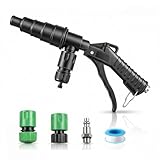
Overview: This lever-action flush kit combines water and compressed air to clean radiator, coolant, and heater core systems. It includes a flush gun, 3 hose adapters, an air fitting, PTFE tape, and 5 vent adapters (19–40mm), targeting stubborn debris like rust and scale.
What Makes It Stand Out: Its dual-action flushing—using both water flow and compressed air—delivers aggressive cleaning unmatched by manual methods. The ergonomic trigger lock enables fatigue-free continuous operation, while extensive adapter compatibility ensures fitment for most vehicles.
Value for Money: Competitively priced for its professional-grade performance. It eliminates costly shop visits for heater core clogs and outperforms basic chemical cleaners, offering immediate ROI for frequent maintainers or mechanics.
Strengths and Weaknesses: Strengths: Powerful debris removal; wide hose/vent compatibility; leak-resistant PTFE tape; intuitive setup. Weaknesses: Requires air compressor (not included); bulky for tight engine bays; adapters may not fit all European models.
Bottom Line: An exceptionally effective DIY solution for restoring heating/cooling efficiency. Worth every penny for tackling clogged systems, especially with air compressor access. Highly recommended for serious home mechanics.
3. Liqui Moly Radiator Cleaner | 300 ml | Cooler additive | SKU: 2051

Overview: A concentrated chemical additive designed to dissolve sludge, rust, and deposits in cooling systems. This 300ml bottle treats standard passenger vehicles, requiring no additional tools—simply add to coolant, run the engine, then flush.
What Makes It Stand Out: As a trusted German brand, Liqui Moly prioritizes engine safety, using non-acidic, biodegradable formulas that won’t harm seals or metals. It’s ideal for preventative maintenance between major services, requiring zero disassembly.
Value for Money: Extremely cost-effective for its simplicity and brand reliability. At a fraction of flush-kit prices, it’s a low-risk first step for mild cooling issues, though it lacks mechanical cleaning power.
Strengths and Weaknesses: Strengths: Easy application; safe for all cooling components; prevents corrosion; compact size. Weaknesses: Limited efficacy on severe clogs; requires full system flush post-treatment; no hardware included for physical access.
Bottom Line: A smart supplementary product for routine upkeep, not a standalone fix for major blockages. Best paired with mechanical flushing. Recommended for light maintenance or pre-flush treatment.
4. Gulfmew Coolant System Flush Gun, Lever Action Heater Core Flush Kit, Radiator/Cooling System Flusher, Air and Water Combo Flushing Set with Nozzles for 19-40 mm Hoses (Yellow)

Overview: This yellow lever-action flush gun kit cleans coolant systems using water-air combo pressure. Includes a corrosion-resistant gun, garden hose connector, air fitting, PTFE tape, and 5 vent nozzles (19–40mm) for radiator or heater core servicing.
What Makes It Stand Out: Built with industrial-grade materials for durability in harsh environments, it emphasizes pressure control via an adjustable trigger and lock latch. The streamlined design focuses on leak-proof connections and consistent performance during extended use.
Value for Money: Matches QUFYSK’s functionality at similar pricing but highlights ruggedness for workshops. Justifies cost through longevity and efficient debris removal, though air compressor dependency remains a shared limitation.
Strengths and Weaknesses: Strengths: Robust construction; ergonomic pressure control; comprehensive nozzle set; reliable sealing with PTFE tape. Weaknesses: No unique features over competitors; air compressor essential; minor fitment gaps on older vehicles.
Bottom Line: A solid, dependable flush kit rivaling QUFYSK. Choose Gulfmew for heavy-duty use; otherwise, opt based on color preference or minor stock differences. Recommended for mechanics prioritizing tool longevity.
5. EPAuto Spill Proof Radiator Coolant Filling Funnel Kit

Overview: This patented funnel system (USPTO #US10519019B2) simplifies coolant refills while preventing spills and air pockets. It features color-matched caps, a 5” extension bar, and a 45° elbow for hard-to-reach radiator or coolant reservoirs.
What Makes It Stand Out: The spill-proof design actively vents air to eliminate trapped pockets—a common cause of overheating—while the modular extensions provide unmatched access under crowded hoods. Color-coded caps reduce cross-contamination risks.
Value for Money: Affordable yet ingeniously engineered. It prevents costly air-related cooling failures and outperforms basic funnels, making it indispensable for precise refills after any service.
Strengths and Weaknesses: Strengths: Eliminates air locks; versatile positioning; spill containment; patent-backed innovation. Weaknesses: Plastic durability concerns under high heat; no flush capability; limited capacity for large systems.
Bottom Line: A must-have for error-free coolant top-offs, especially post-flush. Its problem-solving design justifies the modest price. Essential for DIYers tackling modern tight-engine bays. Highly recommended.
6. Orion Motor Tech Coolant Vacuum Refill Kit, Cooling System Vacuum Fill Tool with Leak Detector 5 Round Adapters 1 Conical Adapter, Radiator Coolant Fill Kit with Dual-Movement Gauge for Vacuum Leak

Overview: This professional-grade vacuum refill kit streamlines coolant system maintenance by eliminating air pockets and preventing overheating. Designed for DIYers and mechanics, it uses vacuum technology to pull coolant efficiently while integrating leak detection capabilities. Its robust build targets users seeking precision in radiator servicing.
What Makes It Stand Out: The dual-function design—combining -27 inHg vacuum filling with precise leak detection—is exceptional. The comprehensive adapter set (5 round + 1 conical) ensures compatibility across US, EU, and Japanese vehicles, while the corrosion-resistant aluminum body and dual-scale gauge enhance durability and usability. Vacuum-assisted filling is significantly faster than traditional methods.
Value for Money: At a mid-range price, it outperforms basic funnels and competes with premium kits. The included blow-molded case and multi-vehicle adaptability justify the cost, potentially saving hundreds in avoided overheating repairs. Cheaper alternatives lack integrated leak detection and universal fitment.
Strengths and Weaknesses: Strengths: Eliminates airlocks effectively; prevents spills; versatile adapter coverage; durable construction; leak detection adds diagnostic value. Weaknesses: Steeper learning curve for beginners; hose length (76.8 in) may limit some engine bay access; conical adapter fit can be finicky on worn radiators.
Bottom Line: An indispensable upgrade for serious coolant servicing, especially for modern tightly packed engines. Its efficiency and leak-detection dual role make it worth the investment for frequent users, though novices may need practice to master vacuum techniques.
7. Lisle 60900 Heater Core Backflush Tool

Overview: A straightforward, heavy-duty tool for flushing heater cores and cooling systems using standard water pressure. Its simplicity targets mechanics needing reliable, no-frills backflushing without complex setups or additional air compressors. Ideal for routine maintenance and clog removal.
What Makes It Stand Out: The ergonomic, insulated handle allows safe one-handed operation with hot water—a rarity in budget tools. The heavy-duty spray gun’s precise pressure control and 3-in-1 tip (fitting 1/2", 5/8", and 3/4" hoses) deliver versatility without adapters. Direct garden hose compatibility streamlines setup.
Value for Money: Exceptional for its ultra-affordable price. Outperforms generic flush guns with its insulated grip and robust build, making it a cost-effective staple for home garages. While lacking air-combo functionality of pricier kits, it excels at core water-flushing tasks.
Strengths and Weaknesses: Strengths: Simple, foolproof operation; comfortable insulated handle; durable construction; effortless garden hose hookup; effective for basic flushes. Weaknesses: Limited to water-only flushing (no air assist); less effective on severe debris buildup; no pressure gauge for precision control.
Bottom Line: A highly recommended, no-nonsense solution for basic heater core maintenance. Perfect for DIYers prioritizing simplicity and heat resistance, though those battling stubborn clogs should consider air-combo kits for tougher jobs.
8. Gulfmew Coolant System Flush Gun, Lever Action Heater Core Flush Kit, Radiator/Cooling System Flusher, Air and Water Combo Flushing Set with Nozzles for 19-40 mm Hoses (Blue)

Overview: This lever-action flush gun combines water and compressed air for deep-cleaning heater cores and radiators. Targeting DIYers tackling stubborn debris, its air-water synergy and multi-nozzle system promise thorough flushing in one compact kit. The blue variant offers identical functionality to standard models.
What Makes It Stand Out: The air-water combo flushing is its standout feature, dislodging rust and sludge more effectively than water-only tools. The locking latch enables fatigue-free continuous operation, while the 5 included nozzles (19–40mm) cover nearly all domestic and import hoses. Corrosion-resistant materials ensure longevity.
Value for Money: Priced competitively, it delivers professional results at a fraction of shop costs. The inclusion of PTFE tape, dual inlets (garden hose + air line), and versatile nozzles provides excellent utility. Slightly pricier than basic flush guns but justified by its dual-action superiority.
Strengths and Weaknesses: Strengths: Air-assist removes顽固 debris; comfortable trigger with lock; broad hose compatibility; easy setup; leak-resistant connections. Weaknesses: Requires an air compressor (not included); initial setup takes longer than single-medium tools; blue color offers no functional advantage.
Bottom Line: A top choice for comprehensive cooling system maintenance, especially for older vehicles prone to clogs. Its air-water efficiency makes it worth buying if you own a compressor, though water-only users should opt for simpler alternatives.
9. OEMTOOLS No-Spill Coolant Funnel Kit, 15 Piece Fluid and Oil Funnel Set, Allows Access To Hard-To-Reach Radiators

Overview: A meticulously designed funnel system preventing spills and airlocks during coolant refills. With 15 components, it tackles awkward radiator necks common in modern vehicles, prioritizing cleanliness and precision for DIY coolant changes and burping.
What Makes It Stand Out: The 45° angled adapter and 5-inch extension access cramped filler necks unreachable by standard funnels. The integrated fluid stopper eliminates post-refill drips—a game-changer for tidy jobs. Its direct-fit radiator adapters (5 included) and cap adapters (4) ensure universal compatibility without guesswork.
Value for Money: Highly cost-effective for its scope. Replaces multiple single-use funnels, and the spill prevention saves wasted coolant and cleanup time. Cheaper kits lack the angled adapter and stopper, making this a smarter long-term investment despite moderate pricing.
Strengths and Weaknesses: Strengths: Eliminates spills and air bubbles; exceptional reach for tight spaces; fluid stopper prevents mess; comprehensive adapter set; transparent funnel aids visibility. Weaknesses: Plastic components feel less durable than metal alternatives; assembly requires tracking small parts; not suitable for vacuum filling.
Bottom Line: Essential for clean, frustration-free coolant refills in modern cars. Its spill-proof design and accessibility features justify purchase for any home mechanic, though it’s supplementary to—not a replacement for—vacuum fill tools.
10. Gulfmew Coolant System Flush Gun, Lever Action Heater Core Flush Kit, Radiator/Cooling System Flusher, Air and Water Combo Flushing Set with Nozzles for 19-40 mm Hoses

Overview: An upgraded variant of Gulfmew’s flush gun, identical to Product 8 but including two garden hose connectors for enhanced flexibility. It leverages air-water combo flushing to purge debris from cooling systems, targeting users with workshop compressors seeking thorough maintenance.
What Makes It Stand Out: The dual garden hose connectors simplify switching between water sources, a practical improvement over single-connector models. Like its sibling, it excels with air-assisted flushing via 5 nozzles (19–40mm) and a locking trigger—ideal for dislodging tenacious sludge without disassembly. Corrosion-resistant materials ensure reliability.
Value for Money: Marginally better value than Product 8 due to the extra hose connector, though the core functionality is identical. Still outperforms water-only tools for deep cleaning, justifying its price for those frequently servicing older vehicles. The minor upgrade makes it the preferred Gulfmew choice.
Strengths and Weaknesses: Strengths: Extra hose connector adds convenience; air-water synergy cleans effectively; ergonomic lockable trigger; broad nozzle compatibility; includes PTFE tape for secure seals. Weaknesses: Air compressor dependency; plastic construction may not withstand heavy commercial use; redundant for simple flushes.
Bottom Line: The definitive Gulfmew flush kit for serious cooling system maintenance. Buy this over Product 8 for the added connector flexibility, but only if you own an air compressor—otherwise, water-only tools suffice for basic tasks.
Understanding the Critical Role of a Proper Coolant Flush
Why Draining Alone Isn’t Enough
Simply opening the petcock and letting old coolant drain out leaves significant contamination trapped within the engine block, heater core, and radiator fins. Sediment, sludge, and degraded coolant cling to internal surfaces, reducing cooling efficiency and accelerating corrosion. A true flush actively pushes fresh fluid through these passages, dislodging and carrying away debris that passive draining misses. This thorough cleaning is essential for restoring peak thermal performance and preventing future hot spots that lead to engine damage.
The Dangers of Degraded Coolant
Coolant is a sophisticated chemical cocktail. Its inhibitors that prevent rust and corrosion deplete over time, typically after 2-5 years depending on the type. Once depleted, metal components inside the cooling system begin to corrode rapidly. Rust particles act like sandpaper, damaging water pump seals and clogging narrow passages. Old coolant can also become acidic, further accelerating internal damage. Neglecting a flush with degraded fluid is essentially rolling the dice on expensive engine repairs down the road.
How Flushing Extends Engine Life
A comprehensive coolant flush removes the corrosive byproducts and replenishes vital protective additives. This significantly reduces the stress on critical components like the water pump, thermostat, radiator, and heater core. By ensuring efficient heat transfer and preventing internal corrosion, a properly executed flush minimizes the risk of overheating events and the catastrophic engine failures they cause. It’s one of the most cost-effective maintenance tasks for preserving long-term engine health.
Essential Components of an Effective Flush Kit
Pressure Source Mechanisms Explained
The heart of any flush kit is its ability to generate controlled pressure. Options range from simple hand pumps requiring manual effort to integrated air compressor adapters or even specialized electric pumps. Hand pumps offer portability and simplicity but demand physical exertion. Compressor-driven systems are powerful and efficient but require access to an air source. Electric pumps provide consistent, hands-free operation but add cost and complexity. The ideal mechanism balances power, ease of use, and your specific workshop setup.
Reservoir Design and Capacity Considerations
The reservoir holds the fresh fluid (water, cleaner, or new coolant) during the flush process. Adequate capacity (typically 1-2 gallons) prevents constant refilling during a single flush cycle. Look for reservoirs made from durable, chemical-resistant plastic with clear level markings. Easy-fill ports and secure, leak-proof connections to the pump and vehicle are crucial. Some advanced designs incorporate filters to catch dislodged debris before it recirculates, enhancing cleaning effectiveness.
Adapter Compatibility is Non-Negotiable
This is arguably the most critical feature. Your kit must include a comprehensive set of high-quality, universal adapters that fit the vast majority of radiator necks, heater hoses, and overflow tank connections across different vehicle makes and models. Poorly fitting adapters lead to frustrating leaks, pressure loss, and incomplete flushing. Seek kits with numerous rubber or silicone adapters in various diameters, often featuring adjustable collars or clamps for a secure, leak-free seal on both metal and plastic components.
Key Features to Evaluate Before You Buy
Pressure Regulation and Safety Valves
Uncontrolled pressure is dangerous and can damage radiator hoses, the heater core, or plastic components. A quality kit includes a reliable pressure regulator to maintain a safe, consistent operating pressure (usually between 10-15 PSI, mimicking the system’s normal cap pressure). An integrated pressure relief valve is essential safety equipment, automatically venting excess pressure if the regulator fails or the system becomes blocked, preventing potential ruptures.
Flow Control and Directional Valves
The ability to precisely control fluid flow direction and rate is vital. Look for kits with valves that allow you to easily switch between filling the system, circulating fluid for flushing, and draining contaminants. Some advanced kits offer reverse-flow capability, allowing you to flush the heater core or specific passages in the opposite direction of normal operation, which is highly effective for dislodging stubborn blockages.
Material Durability and Chemical Resistance
Every component that contacts coolant, water, or cleaning solutions must withstand exposure without degrading. Hoses should be reinforced rubber or high-grade plastic resistant to heat and chemicals. Connectors and valves need to be made from robust nylon, metal, or specialized plastics. Avoid kits with flimsy, thin-walled components that crack easily or swell when exposed to coolant additives. Durability ensures the kit lasts for multiple flushes across different vehicles.
Safety Protocols Every DIYer Must Follow
Handling Hot Coolant and System Pressure
Never attempt to open a cooling system when the engine is hot or the system is under pressure. Scalding coolant can erupt violently, causing severe burns. Always allow the engine to cool completely (overnight is safest) before starting. Even when cool, carefully release the radiator cap by turning it slowly to the first stop to vent any residual pressure before fully removing it. Treat all coolant as potentially hazardous.
Proper Disposal of Used Coolant is Mandatory
Used coolant is toxic and environmentally harmful. It contains ethylene glycol (poisonous) and heavy metals from corrosion. Never pour it down drains, onto the ground, or into storm sewers. Check local regulations – most areas require disposal at designated hazardous waste collection centers, auto parts stores with take-back programs, or licensed recycling facilities. Many shops charge a small fee; it’s a non-negotiable part of responsible maintenance.
Personal Protective Equipment (PPE) Essentials
Always wear safety glasses to protect your eyes from splashes of hot or contaminated fluid. Nitrile gloves are essential to prevent skin contact with toxic coolant and cleaning chemicals. Consider old clothing or an apron, as coolant stains are difficult to remove. Working in a well-ventilated area is also important, especially if using chemical flush additives. Skipping PPE turns a routine task into an unnecessary risk.
Optimizing Your Flush Technique for Maximum Results
Pre-Flush Inspection and Preparation Steps
Before connecting the kit, perform a visual inspection. Check for obvious leaks, cracked hoses, or a bulging radiator. Ensure the overflow tank is clean. Locate all drain points (radiator petcock, engine block drain plugs if accessible). Remove the old radiator cap and thermostat housing if possible for a more complete flush (replacing the thermostat during this service is often recommended). Having the right tools and replacement coolant ready streamlines the process.
Choosing the Right Flush Medium
While plain water is common for a basic flush, consider using a dedicated cooling system cleaner for heavily contaminated systems or those with sludge buildup. These cleaners dissolve rust and scale more effectively. Crucially: if you use a chemical cleaner, you must follow with a thorough water flush to remove all residue before adding new coolant, as cleaner left in the system can damage seals and contaminate the fresh fluid. Some mechanics prefer distilled water for the final flush stages to minimize mineral deposits.
Circulation Techniques for Stubborn Contaminants
For severe buildup, circulation time matters. Don’t just push fluid through once. Run the engine (carefully, with the cap off and kit connected) for 5-10 minutes after initial filling to circulate warm (not hot!) fluid, which loosens deposits more effectively than cold water. Periodically rev the engine slightly to increase water pump flow. If using reverse flow, alternate directions. Continue circulating clean water until the outflow runs completely clear, indicating all contaminants are removed.
Avoiding Common DIY Coolant Flush Mistakes
Skipping the Thorough Final Rinse
Rushing the final water flush is a major error. Stopping too soon leaves traces of old coolant, cleaner, or contaminants in the system. These residues can react with the new coolant, reducing its effectiveness and potentially causing gelling or accelerated corrosion. Flush with clean water until the outflow is absolutely clear and matches the color of the water you’re putting in. This step cannot be abbreviated.
Incorrect Coolant Mixing Ratios
Using pure concentrate or straight water instead of the correct 50/50 mix (or the specific ratio recommended for your climate/vehicle) compromises performance. Too much water lowers the boiling point and reduces freeze protection; too much concentrate reduces heat transfer efficiency. Always mix pre-diluted coolant or use distilled water with concentrate according to the manufacturer’s specifications. Using tap water introduces minerals that cause scaling.
Neglecting Air Bleeding Procedures
Modern cooling systems often have specific air bleeding procedures after a flush. Air pockets trapped in the system, especially around the thermostat or in the heater core, cause inaccurate temperature readings, poor heater performance, and localized overheating. Consult your vehicle’s service information. This usually involves running the engine with the radiator cap off (carefully!), squeezing upper radiator hoses, or using designated bleeder valves until a steady stream of coolant flows without bubbles.
Environmental Responsibility and Legal Compliance
Understanding Local Coolant Disposal Regulations
Laws governing used coolant disposal vary significantly by state, county, and municipality. What’s acceptable in one area might be illegal elsewhere. Fines for improper disposal can be substantial. Take the time to research your local requirements through your city/county waste management website or by calling a local auto recycler. Responsible disposal isn’t optional; it’s a legal and ethical obligation of vehicle ownership.
Identifying Recycling Opportunities
Many auto parts retailers (like O’Reilly, AutoZone, Advance Auto Parts) and quick-lube chains accept small quantities of used coolant for recycling, often for a nominal fee. Dedicated hazardous waste collection events are common in many communities. Some municipalities have permanent drop-off facilities. Building relationships with local shops can simplify this process. Recycling recovers valuable glycol and metals, reducing environmental impact.
Minimizing Waste During the Process
Plan your flush to minimize spillage. Use drip pans strategically. Ensure all connections are tight before pressurizing. Measure the old coolant volume as it drains – this helps you know roughly how much new fluid you’ll need, reducing the chance of overfilling or mixing errors. A clean, organized workspace prevents accidental spills that complicate cleanup and disposal.
Frequently Asked Questions
How often should I perform a coolant flush?
Most manufacturers recommend a complete coolant flush every 30,000 to 60,000 miles or every 2-5 years, depending heavily on the coolant type (IAT, OAT, HOAT) specified for your vehicle. Always consult your owner’s manual for the precise interval, as exceeding it significantly increases corrosion risk.
Can I just drain and refill without a flush kit?
While draining and refilling is better than nothing, it leaves a large percentage of old, contaminated coolant in the system. A true flush with circulating fluid is necessary to remove sludge and deposits for optimal protection. A basic kit makes this achievable for DIYers.
Is it safe to flush with just tap water?
Using tap water for the flush itself is generally acceptable, but never leave tap water in the system as the final coolant. The minerals in tap water cause scaling and corrosion. Always finish with a proper 50/50 mix of coolant and distilled water, or pre-diluted coolant.
What’s the difference between a flush and a drain/fill?
A drain/fill only replaces the coolant that readily flows out. A flush actively circulates fluid under pressure to clean the entire system, removing contaminants and old fluid residue that a simple drain misses, resulting in a much cleaner system.
Do I need to use a chemical flush additive?
For routine maintenance on a relatively clean system, plain water circulation is often sufficient. Chemical cleaners are recommended only for systems showing signs of contamination (rusty fluid, overheating) as they tackle stubborn sludge and scale, but require extra rinsing.
Can a coolant flush fix an overheating problem?
A flush can resolve overheating caused by clogged passages or degraded coolant, but it won’t fix issues like a failed thermostat, broken water pump, faulty radiator fan, or a blown head gasket. Diagnosis is key before assuming a flush is the solution.
How do I know when the flush is complete?
The flush is complete when the water draining from the system runs completely clear and matches the clarity of the water you’re pumping in. This usually takes several gallons of water. If using a cleaner, follow the product’s specific instructions for completion.
Is it necessary to replace the thermostat during a flush?
It’s not strictly mandatory, but it’s highly recommended and cost-effective to do so while the housing is accessible. Thermostats are relatively inexpensive and a common failure point; replacing it proactively during maintenance prevents future overheating issues.
Why is distilled water required for mixing coolant?
Distilled water lacks the minerals (calcium, magnesium) found in tap water that cause scaling and corrosion inside the cooling system over time. Using it ensures the longevity and effectiveness of your new coolant mixture.
What happens if I mix different coolant types?
Mixing incompatible coolant types (e.g., traditional green IAT with modern OAT orange) can cause the inhibitors to react, forming a gel-like substance that clogs the system and destroys the protective properties of both coolants. Always use the type specified in your owner’s manual.
See Also
- 10 Essential Coolant Flush Adapters Every DIY Mechanic Needs in 2026
- Stop Corrosion Build-Up with the 10 Best Coolant Flush Kits This Year
- Stop Coolant Leaks with the 10 Best Radiator Flush Tools This Year
- The 10 Ultimate Best Coolant Replacement Kits for DIY Auto Care in 2026
- The 10 Most Revolutionary Coolant Flush Hose Kits of 2026