Table of Contents
There’s nothing more frustrating than turning the key on a frigid winter morning only to hear your diesel engine sputter and stall. That sinking feeling when you realize the fuel has thickened into a waxy sludge, refusing to flow through the vital components that keep your vehicle moving, is all too familiar for many diesel owners. Cold weather transforms routine commutes into potential breakdowns, turning what should be reliable workhorses into immobilized burdens. Understanding why this happens and how to prevent it isn’t just convenient—it’s essential for keeping your diesel-powered life on track when temperatures plummet.
The culprit isn’t magic; it’s chemistry. Diesel fuel contains natural paraffin waxes that solidify as temperatures drop, a phenomenon known as gelling. Once these crystals form and multiply, they clog fuel filters and starve the engine of the vital fuel it needs to run. While modern refineries produce winterized blends, extreme cold or prolonged exposure can still overwhelm even these formulations. This is where the right fuel treatment becomes your diesel engine’s best defense, working silently within the tank to keep fuel flowing freely and components clean, ensuring reliability isn’t sacrificed to the season. Choosing the correct additive, however, requires understanding the science behind cold-weather diesel challenges.
Top 10 Diesel Fuel Cleaners
Detailed Product Reviews
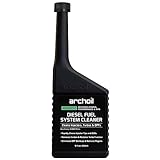
1. Archoil AR6400-D Diesel Fuel System Cleaner - Cleans Injectors, Turbo, DPF & EGR
Overview:
The Archoil AR6400-D is a concentrated 12 oz. diesel fuel additive targeting critical system components. Designed for preventative maintenance, it cleans injectors, turbos, DPFs, and EGR systems with straightforward application—simply add to the fuel tank every 5,000 miles. It addresses performance-robbing deposits common in modern diesel engines.
What Makes It Stand Out:
Its rapid-acting formula specifically targets DPF and turbo deposits, which many competitors overlook. By restoring injector spray patterns and reducing DPF regeneration frequency, it tackles issues directly linked to costly repairs. The focus on multiple high-stress components in a single treatment offers comprehensive protection beyond basic injector cleaning.
Value for Money:
Priced moderately, it treats 30-40 gallons per bottle, making it cost-effective for regular use. While lacking cetane-boosting benefits found in some rivals, its specialized DPF and turbo cleaning justifies the investment for owners of DPF-equipped vehicles seeking to avoid expensive regenerations or part replacements.
Strengths and Weaknesses:
Strengths: Excellent DPF/turbo deposit control; easy pour-and-drive application; reduces regeneration frequency; restores injector performance.
Weaknesses: No cetane improvement; limited fuel stabilization; smaller treatment capacity per ounce than concentrated alternatives.
Bottom Line:
Ideal for diesel owners prioritizing DPF and turbo maintenance. While it doesn’t enhance fuel economy via cetane, its targeted cleaning delivers tangible long-term value for engines prone to deposit-related issues. Recommended for routine preventive use.
2. Hot Shot’s Secret Diesel Extreme 1 Gallon – Treats 320 Gallons – Concentrated Diesel Fuel Additive, Fuel System Cleaner and Injector Cleaner, Restores Engine Performance

Overview:
Hot Shot’s Secret Diesel Extreme (1-gallon size) is a heavy-duty diesel additive treating up to 320 gallons. It positions itself as a comprehensive solution for cleaning, lubricating, and protecting the entire fuel system, including injectors, pumps, and DPF components, with cetane enhancement.
What Makes It Stand Out:
Its military-grade corrosion inhibitors and non-alcohol water dispersant address moisture-related issues uniquely. The potent 7-point cetane boost significantly improves combustion efficiency and power, while its formulation specifically targets stubborn Internal/External Diesel Injector Deposits (IDIDs/EDIDs) better than many budget options.
Value for Money:
The 1-gallon size offers exceptional bulk value, treating 320 gallons at a competitive per-treatment cost. Though pricier upfront than smaller bottles, its concentrated formula (8 oz. per 20 gallons) and multi-functional benefits—cleaning, cetane boost, corrosion prevention—deliver superior long-term savings versus single-purpose additives.
Strengths and Weaknesses:
Strengths: High cetane boost; excellent moisture control; robust injector deposit removal; bulk size reduces cost per use; reduces DPF regen frequency.
Weaknesses: Overkill for minor maintenance; strong formula may not suit all engines; larger size less convenient for occasional users.
Bottom Line:
A top-tier choice for fleet operators or diesel enthusiasts needing maximum cleaning power and cetane improvement. The bulk size maximizes value, making it a cost-effective investment for serious engine care and performance restoration.
3. Hot Shot’s Secret Everyday Diesel Treatment (HSSEDT16ZS) 6-in-1 Diesel Fuel Additive - Treats 400 Gallons, Diesel Injector Cleaner, Diesel Fuel System Cleaner, Diesel Additive Boosts Cetane, 16oz

Overview:
This 16oz “Everyday Diesel Treatment” (EDT) is Hot Shot’s maintenance-focused additive, treating 400 gallons. It’s designed for routine use at every fill-up to sustain engine health, combining injector cleaning, cetane boosting, and corrosion prevention in one formula.
What Makes It Stand Out:
Its 6-in-1 versatility stands out—simultaneously boosting cetane (up to 7 points), enhancing lubricity, demulsifying water, stabilizing fuel, and preventing rust. The “every fill-up” recommendation ensures continuous protection, differentiating it from corrective-only cleaners like Archoil.
Value for Money:
At 16oz treating 400 gallons, it offers excellent per-treatment value for regular users. While the upfront cost is higher than single-use products, the comprehensive protection reduces long-term maintenance costs and improves fuel economy. Ideal for drivers prioritizing prevention over repair.
Strengths and Weaknesses:
Strengths: Daily-use formulation prevents deposits; significant cetane/fuel economy gains; superior moisture control; extends engine life; user-friendly dosage (1-2 oz per 25 gal).
Weaknesses: Less aggressive on severe deposits than Diesel Extreme; smaller bottle requires frequent repurchasing for high-mileage drivers.
Bottom Line:
The optimal choice for proactive diesel owners seeking consistent performance and longevity. Its balanced approach to maintenance delivers outstanding value, making it a highly recommended staple for regular fueling.
4. Hot Shot’s Secret Everyday Diesel Treatment EDT 1 Gallon – Treats 3200 Gallons – 6-in-1 Diesel Fuel Additive, Injector and Fuel System Cleaner, Boosts Cetane

Overview:
This 1-gallon EDT variant scales up Hot Shot’s popular maintenance formula to treat a massive 3,200 gallons. It retains all core 6-in-1 benefits—cetane boost, injector cleaning, corrosion inhibition—for long-term engine health with minimal top-ups.
What Makes It Stand Out:
The colossal treatment capacity (3,200 gallons) is unmatched, offering near-zero maintenance for years. Identical in formulation to the 16oz EDT but vastly more economical for high-mileage or fleet use, it provides continuous protection without frequent repurchasing.
Value for Money:
Exceptional bulk value. The 1-gallon size drastically reduces the per-gallon cost versus smaller bottles (e.g., Product 3), making it the most cost-efficient option for trucks exceeding 20,000 annual miles. Savings on fuel economy and avoided repairs justify the initial investment rapidly.
Strengths and Weaknesses:
Strengths: Unbeatable cost-per-treatment; long-lasting supply; full 6-in-1 protection; cetane boost improves MPG; ideal for fleets.
Weaknesses: Overwhelming size for casual users; potential storage issues; same mild formula may not fix existing severe issues.
Bottom Line:
A must-buy for commercial fleets or high-mileage drivers prioritizing hassle-free, economical maintenance. Its sheer longevity and protective benefits make it the ultimate value play in diesel care.
5. Hot Shot’s Secret Diesel Extreme 16 oz – Treats 40 Gallons – Concentrated Diesel Fuel Additive, Fuel System Cleaner and Injector Cleaner, Restores Engine Performance

Overview:
This compact 16oz Diesel Extreme delivers the same heavy-duty cleaning power as its gallon-sized counterpart (Product 2), treating 40 gallons. It targets severe deposits, cetane improvement, and moisture-related issues for quick performance restoration.
What Makes It Stand Out:
Its concentrated strength in a portable size makes it ideal for targeted interventions—like fixing rough idling or failed regenerations—without committing to bulk. The 7-point cetane boost and military-grade corrosion inhibitors offer disproportionate power for its size.
Value for Money:
Perfect for occasional deep cleans or emergencies. While cost-per-gallon is higher than the gallon size (Product 2), its efficacy in resolving acute issues (e.g., restoring turbo response) provides immediate ROI. More economical than dealer diagnostics for minor deposit-related problems.
Strengths and Weaknesses:
Strengths: Potent cleaning for severe deposits; rapid cetane/fuel economy gains; compact for storage; fixes moisture-related stalling; reduces DPF regen needs.
Weaknesses: Short treatment life (40 gal); expensive for routine use; overkill if only maintenance is needed.
Bottom Line:
A critical “repair kit” for diesel owners facing performance dips. Best used reactively for deposit removal—not daily maintenance—where its power justifies the price for restoring lost power and efficiency.
6. Power Service 09280-06 Clear-Diesel Fuel & Tank Cleaner - 80 oz.
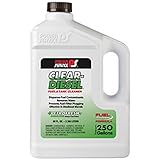
Overview: This 80-ounce concentrate targets diesel fuel contamination and storage issues. Formulated for all diesel engines, including ULSD and biodiesel blends, it combats water, microbial slime, and tank corrosion while stabilizing fuel during long-term storage without using alcohol. What Makes It Stand Out: Its unique dual action disperses contaminants and removes water/slime, preventing filter clogs and corrosion. The inclusion of Petro fresh ensures exceptional fuel stability for storage, and it synergizes effectively with biocides for severe microbial clean-ups, setting it apart for preventative maintenance and remediation. Value for Money: At 80 oz, it treats a significant volume (exact treat rate varies), offering solid value for routine maintenance or addressing specific contamination. While not a cetane booster, its focus on tank health and storage stability provides targeted value where basic additives fall short, justifying its price for users in humid climates or with infrequently used equipment. Strengths and Weaknesses: Strengths: Excellent water/slime removal, superior storage stability, safe for all diesel types, alcohol-free, prevents filter plugging. Weaknesses: Lacks cetane improvement or injector cleaning focus, treat rate less specified than competitors, not designed for performance enhancement. Bottom Line: An essential choice for preventing fuel degradation and microbial growth, especially for stored fuel or problematic tanks. Ideal for preventative care but not for boosting performance; highly recommended for fleet managers or seasonal equipment owners prioritizing fuel integrity.
7. Archoil Diesel Fuel System Kit - AR6500 Diesel Treatment (40 oz) + AR6400-D Diesel Fuel System Cleaner

Overview: This comprehensive two-step kit (AR6400-D cleaner + AR6500 treatment) delivers a deep clean followed by ongoing protection for modern diesel fuel systems, including sensitive HPCR injectors. It’s designed for a complete system reset and maintenance. What Makes It Stand Out: The precise two-step methodology is key: AR6400-D performs a potent deep clean (12 oz/30-40 gal), while AR6500 provides continuous lubricity (ASTM proven 43% improvement) and protection at every fill-up (40 oz/400 gal). This systematic approach effectively tackles deposits and safeguards critical components like the CP4 pump. Value for Money: The bundled kit offers significant savings versus buying separately. The high treat rate of AR6500 (400 gal per bottle) provides exceptional long-term value for ongoing maintenance, while the initial deep clean addresses existing issues cost-effectively. It’s a premium investment justified by component protection. Strengths and Weaknesses: Strengths: Proven lubricity boost critical for HPCR systems, effective deep clean + maintenance combo, high treat rates, excellent injector deposit removal, CP4 pump protection. Weaknesses: Requires correct two-step usage sequence, higher upfront cost than single additives, AR6500 lacks strong cetane boost. Bottom Line: The top recommendation for owners of modern diesels, especially those with HPCR systems seeking maximum injector cleanliness and critical wear protection. The systematic approach delivers unmatched long-term system health, making it worth the investment for serious diesel owners.
8. Chevron Techron D Concentrate Diesel Fuel System Cleaner, 20 oz., Pack of 1

Overview: Chevron’s single-dose 20 oz concentrate is designed for a thorough cleaning of the entire diesel fuel system, targeting injector deposits and restoring performance. It’s a well-established brand solution for deposit-related issues. What Makes It Stand Out: Leveraging Chevron’s refinery expertise, it focuses on dissolving pre-existing internal injector deposits that cause sticking and poor spray patterns. It also provides a cetane boost to improve combustion efficiency, cold starts, and reduce emissions, addressing multiple common diesel ailments in one treatment. Value for Money: As a single-use treatment (typically 20 oz treats one full tank), it’s competitively priced for a concentrated clean-up dose from a major oil company. While not for continuous use, it offers good value for periodic deep cleaning compared to lesser-known brands, especially for restoring lost performance. Strengths and Weaknesses: Strengths: Effective at cleaning stubborn injector deposits, improves cetane for better combustion/cold starts, reduces emissions, restores drivability and quietness, trusted brand. Weaknesses: Single treatment only (not for maintenance), limited lubricity/corrosion protection focus, lower treat rate than some concentrates. Bottom Line: A reliable, effective solution for fixing existing injector deposit problems and boosting combustion. Best used as a periodic deep cleaner rather than maintenance; highly recommended when noticing rough idle, power loss, or hard starts to restore optimal engine function.
9. Hot Shot’s Secret Diesel Extreme 32 oz – Treats 80 Gallons – Concentrated Diesel Fuel Additive, Fuel System Cleaner and Injector Cleaner, Restores Engine Performance

Overview: This heavy-duty 32 oz concentrate (treats 80 gal) delivers a potent one-time treatment focused on deep cleaning, cetane boosting, and moisture control to restore lost diesel performance and protect the entire fuel system. What Makes It Stand Out: Its high concentration tackles severe deposits (IDIDs/EDIDs) and boosts cetane significantly (up to 7 points), improving power and fuel economy. The non-alcohol water dispersant with military-grade corrosion inhibitors effectively handles moisture and prevents rust, while reducing DPF regen frequency is a major operational benefit. Value for Money: The 80-gallon treat rate provides excellent value per use for a premium, multi-functional concentrate. Its ability to address severe contamination, boost performance, and protect against moisture/corrosion in one treatment justifies the price, especially compared to buying separate additives. Strengths and Weaknesses: Strengths: Powerful cetane boost (7 pts), excellent deep cleaning for severe deposits, effective non-alcohol water dispersant, reduces DPF regens, strong corrosion inhibition. Weaknesses: Not designed for continuous maintenance (use interval ~6k miles), higher dose per use than maintenance additives, can be overkill for minor issues. Bottom Line: The go-to solution for restoring performance in neglected or heavily used diesels suffering from deposits, low cetane, or moisture issues. Highly recommended as a periodic intensive treatment when symptoms appear, but pair with a maintenance additive for ongoing care.
10. Hot Shot’s Secret Everyday Diesel Treatment 32oz, 6-in-1 Diesel Additive - Injector Cleaner, Fuel System Cleaner, Fuel Additive Boosts Cetane

Overview: This 32 oz maintenance-focused additive is designed for every fill-up use, providing continuous protection and performance enhancement. It combines injector cleaning, cetane boosting, lubricity, and corrosion prevention in a single, easy-to-use formula. What Makes It Stand Out: Its true “everyday” design (1-2 oz per 25 gal) sets it apart, offering constant defense against deposit formation. The significant cetane boost (up to 7 points) improves fuel economy and power during regular use, while the 6-in-1 formula (cleaning, lubricating, boosting, stabilizing, demulsifying, corrosion inhibiting) provides comprehensive protection in one step. Value for Money: The high treat rate (32 oz treats 400-800 gal depending on dose) delivers outstanding long-term value. Regular use prevents costly repairs and maintains peak efficiency, making the per-gallon cost very low. It’s a cost-effective insurance policy compared to reactive deep cleans. Strengths and Weaknesses: Strengths: Ideal for continuous maintenance, strong cetane boost improves MPG/power daily, excellent lubricity and corrosion protection, prevents deposit formation, easy every-fill routine, demulsifies water. Weaknesses: Less potent for removing severe existing deposits than “Extreme” type cleaners, cetane boost requires consistent use. Bottom Line: The definitive recommendation for proactive diesel maintenance. Using it at every fill-up is the most effective and economical way to preserve injector health, maximize fuel economy, protect components, and ensure smooth, reliable operation long-term. Essential for any diesel owner.
Understanding Diesel Fuel Behavior in Cold Temperatures
The Science Behind Diesel Gelling
Diesel fuel naturally contains paraffin waxes that remain dissolved at warmer temperatures. As the mercury drops, these waxes begin to crystallize. Initially, these crystals are small and harmless, but as temperatures fall further, they grow and interlock, forming a gel-like substance that restricts fuel flow. This process doesn’t happen instantly at a single temperature; it’s a gradual thickening that worsens with sustained cold, ultimately leading to complete filter blockage and engine failure if unchecked.
Cold Filter Plugging Point (CFPP) Explained
The Cold Filter Plugging Point is a critical industry standard measurement. It indicates the highest temperature at which a specific diesel fuel sample will begin to clog a standardized filter under test conditions. Essentially, it’s the temperature where wax crystals become large and numerous enough to obstruct fuel flow. A lower CFPP rating signifies better cold-weather performance. Fuel treatments primarily work by modifying the size and structure of these wax crystals, effectively lowering the practical CFPP of the fuel in your tank.
Why Winterized Fuel Isn’t Always Enough
Refineries produce seasonal “winter blend” diesel with a lower inherent CFPP, achieved by reducing the paraffin content. However, this standard blend is typically only designed for moderate seasonal cold. Unexpected arctic blasts, prolonged sub-zero conditions, or fuel that has been sitting in storage (where separation can occur) can easily push standard winterized fuel beyond its limits. Relying solely on the base fuel without supplemental treatment leaves you vulnerable when temperatures drop below the blend’s designed threshold.
Key Functions of Effective Cold Weather Fuel Treatments
Cold Flow Improvers: The Primary Defense
These specialized chemical additives are the cornerstone of cold-weather performance. They work by interacting with the wax crystals as they begin to form. Instead of allowing crystals to grow large and interlock, cold flow improvers modify their shape and size, keeping them smaller and more spherical. This prevents the crystals from meshing together into a gel, allowing the fuel to continue flowing through filters and fuel lines even at temperatures significantly below the untreated fuel’s CFPP.
Anti-Gel Agents vs. Cold Flow Improvers
While often used interchangeably, there’s a subtle but important distinction. “Anti-gel” is a broader, more marketing-oriented term. True Cold Flow Improvers (CFIs) are a specific, highly effective class of chemicals designed precisely to modify wax crystal formation. Some lower-quality additives might be labeled “anti-gel” but lack the sophisticated chemistry of genuine CFIs, offering only marginal improvement. Understanding this helps focus your search on formulations proven to deliver substantial CFPP depression.
Lubricity Restoration for Modern Ultra-Low Sulfur Diesel (ULSD)
The removal of sulfur from modern diesel fuel, while environmentally necessary, also stripped away natural lubricants vital for fuel injection system components. Cold temperatures can exacerbate wear in these high-precision parts. Quality cold-weather additives almost always include robust lubricity enhancers. These form a protective film on metal surfaces within the pump and injectors, reducing friction and wear, which is crucial for longevity, especially when the fuel itself is thicker and less lubricating in the cold.
Essential Features to Evaluate in a Winter Fuel Additive
Measured CFPP Depression Capability
Don’t just look for claims of “works in extreme cold.” Seek products that specify how much they lower the CFPP, typically expressed in degrees Fahrenheit or Celsius (e.g., “depresses CFPP by 20°F”). Reputable manufacturers provide this data based on standardized testing. A significant depression rating (e.g., 15°F or more) gives you tangible confidence for facing severe cold snaps beyond what standard winter diesel offers.
Compatibility with Ultra-Low Sulfur Diesel (ULSD)
This is non-negotiable. Any additive you consider must be explicitly formulated and certified for use with today’s ULSD, which constitutes virtually all diesel sold at retail pumps. Using an additive not designed for ULSD can cause compatibility issues, potentially leading to filter plugging or injector deposits, counteracting the very benefits you seek. Always check the product label or technical data sheet for ULSD compatibility statements.
Multi-Functional Formulation Benefits
The best cold-weather treatments go beyond just preventing gelling. Look for additives that also deliver:
- Strong Detergency: Continuous cleaning of injectors and combustion chambers prevents power loss and maintains efficiency, which is harder to achieve when the engine is cold.
- Water Demulsification & Dispersal: Cold weather increases the risk of condensation in the fuel tank. Effective additives help separate free water or disperse bound water, preventing ice crystal formation that can also clog filters.
- Corrosion Inhibition: Protects the entire fuel system, especially important with water present in cold conditions.
The Critical Importance of Timing and Application
Pre-Treatment is Paramount
Adding a fuel treatment after gelling has already started is often ineffective and can sometimes worsen the situation. The absolute best practice is to treat the fuel before temperatures drop to critical levels. Adding the treatment when the fuel is still fully liquid (ideally when refueling on a relatively mild day before a cold front hits) allows the chemicals to disperse evenly and be ready to modify wax crystals as they begin to form. Waiting until the engine struggles is usually too late.
Correct Dosage: More Isn’t Always Better
Strictly adhere to the manufacturer’s recommended dosage rates, typically specified per gallon or liter of fuel. Under-dosing provides inadequate protection. Over-dosing can lead to negative consequences like injector deposits, filter clogging from excess chemical byproducts, or even fuel system component damage. Dosage is precisely calibrated based on the chemical concentration; doubling up won’t double the protection and might cause harm. Measure carefully using the provided dosing cup or nozzle.
Tank Mixing Considerations
For optimal effectiveness, the additive needs to be thoroughly mixed with the fuel. Adding it directly to the tank as you are filling up (during refueling) is the ideal method. The turbulence of the incoming fuel ensures rapid and uniform dispersion throughout the entire tank volume. Adding it to a nearly full tank or a nearly empty tank reduces mixing efficiency. Avoid adding concentrated treatment to a small amount of fuel and expecting it to mix adequately on its own.
Beyond the Additive: Holistic Cold Weather Preparedness
Fuel Tank Maintenance and Management
Keep your fuel tank as full as possible during cold weather. A fuller tank minimizes the air space where condensation can form, reducing the amount of water introduced into the fuel system. Water is a major contributor to winter fuel problems, as it can freeze and block filters independently of gelling. Regularly using a fuel/water separator drain (if equipped) is also crucial.
Filter Selection and Replacement Schedule
Standard fuel filters may not be sufficient in extreme cold, even with treatment. Consider upgrading to a filter specifically rated for winter use or with a lower micron rating designed for cold flow. More importantly, adhere strictly to, or even shorten, your fuel filter replacement intervals during winter months. A filter working hard to catch modified wax crystals and potential contaminants will clog faster. Don’t wait for a warning light; replace proactively.
Engine Block and Fuel Heater Utilization
While fuel additives are vital, they work best as part of a comprehensive strategy. Utilize engine block heaters to warm the entire engine, making starting easier and helping the engine reach operating temperature faster. Fuel filter/water separator heaters are also highly effective, preventing the critical filter element itself from becoming the coldest point where gelling or ice can initiate. These physical heaters complement the chemical action of the fuel treatment.
Debunking Common Winter Diesel Myths
Myth: Kerosene is a Reliable Winterizer
Adding kerosene (often called “number 1 diesel”) to regular diesel (“number 2 diesel”) was a historical practice. However, modern ultra-low sulfur diesel formulations and complex engine fuel systems make this risky. Kerosene lacks the lubricity of diesel, potentially damaging high-pressure fuel pumps. It also has lower energy content, reducing fuel economy and power. Furthermore, improper blending ratios can create unstable fuel mixtures. Dedicated, properly dosed cold flow improvers are a far safer and more effective solution.
Myth: All “Anti-Gel” Additives Work the Same
The market is flooded with products making bold claims. Performance varies dramatically based on the specific chemistry, concentration, and quality control. Some budget additives offer minimal CFPP depression. Others might contain solvents that temporarily break up gels but provide no preventative action and can harm seals or sensors. Researching the active ingredients (like specific polymers used in CFIs) and looking for independent test data or manufacturer certifications provides a much clearer picture than generic marketing terms.
Myth: Fuel Treatment is Only Needed in Extreme Cold
Gelling begins well above the temperature where your engine stalls. Even temperatures in the 20s or low 30s Fahrenheit can initiate wax crystal formation, leading to reduced fuel flow, harder starting, and increased filter loading over time. Consistent use of a quality additive throughout the entire cold season, not just during record-breaking lows, ensures smooth operation, protects your fuel system, and prevents the gradual buildup of issues that can culminate in a failure.
Selecting the Right Product for Your Needs
Matching Additive Strength to Climate Severity
Consider your typical winter conditions. If you routinely face temperatures below 0°F (-18°C), prioritize additives boasting significant CFPP depression (e.g., 25-30°F or more). For milder climates where lows rarely dip below 20°F (-7°C), a standard winter treatment might suffice. However, if you occasionally travel to much colder regions, having a high-performance additive on hand is prudent. Don’t base your choice solely on average temperatures; prepare for the worst-case scenario you might encounter.
Considering Vehicle Age and Usage Patterns
Older diesel engines, particularly those with mechanical injection pumps, can be more sensitive to certain chemical additives. Look for formulations explicitly stating compatibility with older systems. High-mileage vehicles or those used for frequent short trips (which don’t let the engine fully warm up) benefit immensely from the continuous cleaning and lubricity provided by multi-functional additives, as carbon deposits and wear are more prevalent in these scenarios. Fleets with diverse vehicle ages might need a versatile product.
Evaluating Cost vs. Value and Protection Level
While price is a factor, focus on cost-per-gallon of protected fuel. A slightly more expensive additive that offers superior CFPP depression, robust detergency, and lubricity might provide better long-term value by preventing costly breakdowns, reducing maintenance, and improving fuel economy, than a cheap product that only offers marginal cold flow improvement. Calculate the cost based on the required dosage for your typical tank size and the level of protection you realistically need.
Integrating Fuel Treatment into Your Winter Routine
Establishing a Consistent Treatment Schedule
Make adding fuel treatment part of your regular refueling habit during cold months, just like checking tire pressure. Don’t wait until you see frost on the ground. Begin treatment when average daytime highs consistently fall below 50°F (10°C), as overnight lows will already be dipping into critical gelling ranges. Consistency ensures the treatment is always present and active in the fuel system before cold becomes a problem.
Safe Storage and Handling Practices
Store fuel additives in their original containers, tightly sealed, in a cool, dry place away from direct sunlight and out of reach of children and pets. Note expiration dates; while many are stable for years, effectiveness can diminish over very long periods. Always wash hands after handling. Never use containers intended for food or drink to store or measure additives. Follow all safety instructions on the product label meticulously.
Monitoring Performance and System Health
Pay attention to how your vehicle starts and runs as temperatures change. Noticeable improvements in cold-start smoothness, reduced white smoke on startup, or consistent power delivery can indicate the additive is working effectively. Conversely, persistent hard starting or rough running despite treatment might signal other issues (like a weak battery, failing glow plugs, or a clogged filter) that need attention. Regularly inspect your fuel filter for excessive wax or debris.
The Role of Fuel Quality and Source
Variability in Retail Diesel Winter Blends
Not all “winter diesel” is created equal. Refineries and distributors adjust blends based on regional forecasts and regulations, but the exact CFPP can vary between stations and even between deliveries at the same station. Fuel sourced from smaller terminals or rural locations might not be as aggressively winterized as fuel in major metropolitan areas expecting extreme cold. This inherent variability is another strong reason to use a reliable fuel treatment as a consistent safeguard.
Risks of Long-Term Fuel Storage
Diesel fuel degrades over time, especially in cold conditions. Oxidation leads to sludge and sediment formation, and microbial growth (“diesel bug”) thrives in the presence of water, which is more common in colder tanks due to condensation. If you store diesel for extended periods (e.g., in a backup generator tank), standard cold flow improvers aren’t sufficient. You need a comprehensive fuel stabilizer specifically designed for long-term storage that also addresses biocides and oxidation control, alongside your cold flow protection when the stored fuel is eventually used.
Importance of Reputable Fueling Locations
While harder to control, the quality of the base diesel matters. Fuel from high-volume, reputable truck stops or major branded stations is generally subject to stricter quality control and more consistent winter blending than fuel from very small, infrequently used stations. If possible, establish a routine at reliable locations, especially during the volatile transition periods between summer and winter blends.
Frequently Asked Questions
How early should I start using a cold weather fuel additive before winter arrives?
Begin adding treatment when average daytime temperatures consistently fall below 50°F (10°C), typically in late fall. This ensures the additive is fully mixed and active in your tank before overnight lows reach temperatures where gelling can initiate (often in the 30s°F / 0-5°C range).
Can I use a summer fuel injector cleaner as my winter additive?
No. Summer cleaners focus primarily on detergency and lack the specific cold flow improver (CFI) chemistry needed to modify wax crystals and prevent gelling. Using only a summer cleaner leaves you unprotected against cold-weather fuel flow issues.
What’s the difference between a “fuel conditioner” and a “cold flow improver”?
“Fuel conditioner” is a broad term that can include detergents, lubricity agents, and water controllers. A dedicated “cold flow improver” (CFI) is a specific type of chemical within conditioners designed solely to lower the Cold Filter Plugging Point (CFPP) by modifying wax crystals. Effective winter additives contain potent CFIs.
Will a fuel additive fix my engine if it’s already gelled?
Generally, no. Once significant gelling occurs and filters are clogged, the additive usually cannot reverse the process quickly enough. Prevention is key. If gelled, you typically need to drain the affected fuel system components, replace filters, and add fresh treated fuel. Some additives claim “gel dissolving” properties, but effectiveness varies and prevention is vastly preferable.
Do I need to treat every tank of fuel throughout winter?
Yes, for consistent protection. The additive is consumed and diluted as you use fuel. Treating only the first tank of the season leaves later tanks vulnerable as untreated fuel mixes in. Make it a standard part of your refueling routine during cold months.
Can using too much fuel additive damage my engine?
Yes, absolutely. Over-dosing can cause injector deposits, clogged filters from excess chemical byproducts, reduced lubricity, or even damage to fuel system sensors and components. Always follow the manufacturer’s dosage instructions precisely per gallon of fuel.
Are there additives safe for use with diesel particulate filters (DPFs)?
Reputable cold weather additives designed for modern diesel engines are formulated to be DPF-safe. They avoid metallic compounds (like magnesium) that can ash up and clog the DPF. Look for explicit statements of DPF compatibility on the product label or technical data sheet.
How do I know if the additive I chose is actually working?
Signs of effectiveness include easier cold starts, reduced white smoke on startup, consistent engine power delivery in cold weather, and potentially longer intervals between fuel filter changes. While you won’t see the wax crystals, smooth operation below temperatures where you previously had issues is the best indicator.
Can I mix different brands or types of fuel additives?
It’s generally not recommended. Combining additives can cause chemical interactions that reduce effectiveness or create harmful byproducts like sludge or deposits. Stick to one high-quality, multi-functional product designed for cold weather use. If switching products, ideally use up the current treated tank first.
Do modern “winter diesel” blends eliminate the need for additives?
No. While winter blends have a lower inherent CFPP than summer blends, they are typically only formulated for moderate seasonal cold (e.g., down to 10-20°F). Extreme cold snaps, prolonged sub-zero temperatures, or fuel that has been sitting can still cause gelling. Additives provide an essential extra layer of protection beyond the base fuel specification.
See Also
- 10 Best Value Diesel Fuel Cleaners for Fleet Maintenance in 2026
- 2026’s Top 10 Fuel System Treatments for High-Performance Engines
- 10 Essential Fuel System Treatments Every Diesel Truck Owner Needs in 2026
- We Tested 50 Cold Air Intake Filters - Here are the 10 Best for Street Performance in 2026
- How to Choose the 10 Best Diesel Cetane Boosters for Better Combustion in 2026