Table of Contents
Classic muscle cars represent more than just transportation—they’re rolling pieces of automotive history that demand specialized care. These vintage powerplants were engineered in an era when motor oil formulations were radically different, featuring higher levels of critical anti-wear additives and simpler base stocks that complemented their looser tolerances and flat-tappet cam designs. As we approach 2026, the landscape of lubrication technology continues to evolve, presenting both opportunities and challenges for enthusiasts seeking to protect their prized investments.
Selecting the appropriate engine oil for your classic muscle car isn’t merely about grabbing the highest-rated modern synthetic off the shelf. These legendary engines—whether they’re big-block torque monsters or high-revving small-block screamers—have unique requirements that don’t always align with contemporary passenger car standards. Understanding viscosity needs, additive packages, and compatibility issues becomes crucial for preserving both performance and longevity while navigating increasingly stringent environmental regulations that have fundamentally altered modern oil formulations.
Top 10 Engine Oil for Classic Muscle Cars
Detailed Product Reviews
1. Lucas Oil 10679 Hot Rod & Classic Car SAE 10W-30 Motor Oil - 5 Quart
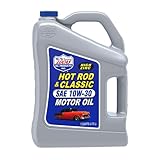
Overview: Lucas Oil 10679 Hot Rod & Classic Car SAE 10W-30 Motor Oil is engineered specifically for vintage and performance engines lacking modern emissions equipment. This 5-quart jug contains a high-zinc formulation designed to protect flat tappet camshafts and other critical components in classic muscle cars and hot rods. The paraffinic base oil foundation delivers robust lubrication for engines operating under demanding conditions.
What Makes It Stand Out: The standout feature is the elevated levels of zinc, molybdenum, and phosphorus—critical anti-wear agents that modern low-SAP oils have eliminated for catalytic converter protection. Lucas’s proprietary additive package creates a demonstrably tougher, thicker protective film that maintains integrity between cylinder walls and piston rings, particularly vital for worn engines with looser tolerances. This formulation actively improves oil pressure in aging powerplants while reducing consumption and smoking.
Value for Money: Priced at a premium over conventional motor oils, this product justifies its cost through specialized protection that could prevent catastrophic camshaft failure in a classic engine. Compared to standard off-the-shelf oils that lack adequate ZDDP content, the investment is minimal versus potential engine rebuild costs. For enthusiasts running $5,000+ engines, the price difference is negligible insurance.
Strengths and Weaknesses: Strengths include exceptional anti-wear protection for vintage engines, improved oil pressure in worn motors, reduced oil burning, and proven compatibility with high-performance applications. Weaknesses: unsuitable for vehicles with catalytic converters, higher price point than conventional oils, and limited availability at mass-market retailers.
Bottom Line: For classic car and hot rod owners seeking maximum protection for irreplaceable vintage engines, this oil delivers peace of mind. It’s an essential maintenance item, not an optional upgrade.
2. Lucas Oil 10683 Hot Rod & Classic Car SAE 10W-40 Motor Oil - 5 Quart

Overview: Lucas Oil 10683 Hot Rod & Classic Car SAE 10W-40 Motor Oil offers a heavier viscosity alternative for high-performance vintage engines operating in extreme temperature conditions. This 5-quart formulation targets muscle cars, showroom vehicles, and trophy cars without catalytic converters, providing robust protection across a broader operating range than its 10W-30 sibling.
What Makes It Stand Out: The 10W-40 grade excels in high-temperature stability while maintaining excellent cold-start flow characteristics. Its unique additive package delivers the same elevated zinc, molybdenum, and phosphorus content critical for flat tappet cam protection, plus enhanced rust and corrosion inhibitors. The formula’s versatility shines through methanol and racing fuel compatibility, making it ideal for track-day classics and alcohol-fed drag cars. It also blends seamlessly with existing synthetic or conventional oils during top-offs.
Value for Money: The pricing mirrors the 10W-30 variant, positioning it as a mid-tier specialty oil. For engines operating in hot climates or under heavy load, the thicker hot-viscosity provides additional protection margins without the cost jump to full synthetic racing oils. The multi-fuel compatibility eliminates the need for separate oils for different racing disciplines.
Strengths and Weaknesses: Strengths include superior high-temperature protection, excellent cold-start performance, comprehensive fuel compatibility, built-in rust prevention, and flexible mixing capabilities. Weaknesses remain catalytic converter incompatibility, premium pricing over standard oils, and potential over-viscosity for some mild vintage engines.
Bottom Line: This is the go-to choice for performance-oriented classic cars facing temperature extremes or running alternative fuels. The versatility justifies keeping it in your garage.
3. Lucas Oil 10687 Hot Rod & Classic Car SAE 10W-30 Motor Oil - 1 Quart (Pack of 6)

Overview: Lucas Oil 10687 Hot Rod & Classic Car SAE 10W-30 Motor Oil delivers identical protection to its 5-quart counterpart but in six individual quart bottles. This packaging format serves owners who prefer measuring precise quantities or storing oil in smaller containers. The formulation maintains the high-zinc additive package vital for vintage engines with flat tappet camshafts.
What Makes It Stand Out: The individual quart packaging eliminates the need for a separate funnel and jug when servicing vehicles with hard-to-reach fill points. Each bottle contains the same temperature-lowering additive technology and pressure-improving compounds that benefit worn engines. The multi-pack format ensures you always have fresh oil on hand for top-offs between changes, critical for engines that consume oil.
Value for Money: Per-quart pricing typically runs 15-20% higher than the single 5-quart jug, reflecting packaging costs. However, the convenience factor and reduced waste from spills can offset the premium for many users. For those needing exactly six quarts, it eliminates leftover partial jugs cluttering the garage.
Strengths and Weaknesses: Strengths include convenient single-use bottles, precise measuring capability, identical performance to bulk packaging, and reduced spill risk. Weaknesses involve higher cost per ounce, increased plastic waste, and the need to open multiple containers during a full oil change.
Bottom Line: Choose this six-quart pack if convenience and storage flexibility outweigh minor cost premiums. It’s functionally identical to the jug but better suited for precise applications and incremental top-offs.
4. Driven Racing Oil HR-5 Hot Rod Conventional 10w-40 Motor Oil (12 Quarts)

Overview: Driven Racing Oil HR-5 Hot Rod Conventional 10W-40 Motor Oil arrives as a case of twelve quart bottles targeting serious racers and collectors. This conventional oil focuses on storage protection and straightforward performance for engines calling for 10W-40 viscosity. The HR-5 formulation emphasizes rust and corrosion prevention during extended periods of inactivity.
What Makes It Stand Out: The bulk dozen-quart packaging provides substantial quantity for multiple oil changes or servicing a small fleet. Its claim of requiring “no ZDDP or additives required” suggests a complete, ready-to-use formulation specifically balanced for vintage performance engines. The storage protection additives are particularly valuable for winterized show cars and seasonal racers, preventing internal corrosion when engines sit idle for months.
Value for Money: Sold by the case, this oil offers significant per-quart savings versus buying individual bottles. For shops, racers, or owners of multiple vehicles, the bulk pricing structure makes economic sense. The storage protection feature potentially saves additional costs from fogging oils or other preservatives.
Strengths and Weaknesses: Strengths include bulk quantity pricing, excellent storage protection, racing-oriented formulation, and straightforward application. Weaknesses: conventional base oil may require more frequent changes than synthetics, limited technical specification disclosure, and overkill for single-vehicle owners.
Bottom Line: Ideal for racers, collectors, and multi-car garages prioritizing seasonal storage protection and bulk value. Single-vehicle owners should consider smaller quantities despite the savings.
5. Genuine Mercedes Engine Oil (5W-40) 1 Quart, (Pack of 6) MB SPEC 229.5

Overview: Genuine Mercedes Engine Oil (5W-40) represents the factory-specification lubricant for modern Mercedes-Benz vehicles requiring MB 229.5 certification. This six-quart pack of fully synthetic oil maintains warranty compliance and ensures optimal performance in late-model Mercedes engines equipped with advanced emissions systems and turbochargers.
What Makes It Stand Out: As an OEM product, it guarantees exact specification compliance, eliminating guesswork about approvals. The MB 229.5 rating signifies exceptional soot handling, turbocharger protection, and extended drain interval capability. The fully synthetic formulation provides superior thermal stability and fuel economy benefits compared to conventional alternatives. Using genuine oil simplifies service records for leased or warrantied vehicles.
Value for Money: Commanding a significant premium over aftermarket equivalents, the value proposition centers on warranty preservation and engineered compatibility. For newer Mercedes vehicles under factory warranty, the cost is mandatory insurance. Post-warranty, quality synthetic alternatives meeting the same spec offer better value.
Strengths and Weaknesses: Strengths include guaranteed specification compliance, warranty protection, advanced synthetic formulation, and manufacturer backing. Weaknesses: prohibitive cost, unsuitable for classic cars (low zinc content), and equivalent aftermarket options exist at lower prices.
Bottom Line: Non-negotiable for warranty-maintained Mercedes vehicles. For out-of-warranty cars, consider approved synthetic alternatives that match performance at lower cost. Absolutely wrong for classic/hot rod applications.
6. STP Premium Small Engine 4 Cycle Oil Formula, SAE10W-30 Small Engine Oil Engine Care Formula Reduces Wear for Lawnmower, Push Mower, Tractor, 32 Oz, STP

Overview: STP’s Premium Synthetic Blend 4 Cycle Oil delivers targeted protection for small engines in lawnmowers, generators, tractors, and snow blowers. This 32-ounce bottle of SAE 10W-30 oil combines synthetic and conventional base stocks with an advanced additive package designed specifically for the harsh operating conditions of outdoor power equipment that experiences frequent starts, stops, and seasonal storage.
What Makes It Stand Out: The all-weather formulation ensures reliable cold-weather starts while maintaining stable viscosity in summer heat. Anti-wear technology creates a protective barrier against metal-to-metal contact, while powerful antioxidants resist thermal breakdown during extended high-temperature operation. Detergent additives actively prevent carbon deposits and sludge buildup—a critical feature for engines that often sit unused between seasons, preventing varnishing and sticking components.
Value for Money: Priced competitively for a synthetic blend, this STP offering bridges the gap between budget conventional oils and premium full synthetics. For seasonal equipment that sees intermittent use, it provides excellent protection without the full synthetic premium. The 32-ounce size perfectly matches most small engine crankcase capacities, eliminating waste and the need to store partially used quarts.
Strengths and Weaknesses: Strengths include excellent seasonal versatility, robust anti-wear protection, deposit control, and wide equipment compatibility. The synthetic blend formulation offers meaningful performance gains over conventional oil. Weaknesses include not being a full synthetic (which some high-end equipment specifies), limited availability in larger bulk sizes for multiple equipment owners, and the bottle size may be insufficient for larger tractor engines requiring multiple quarts.
Bottom Line: For homeowners maintaining seasonal outdoor power equipment, STP Premium Small Engine Oil represents a smart balance of protection and price. It addresses the specific challenges small engines face—storage periods, temperature extremes, and deposit formation—making it a reliable choice for most residential applications.
7. Briggs & Stratton SAE 5W-30 Synthetic Small Engine Motor Oil - 32 Oz. 100074
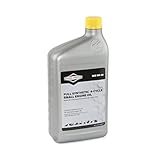
Overview: Briggs & Stratton’s 100% Synthetic SAE 5W-30 Motor Oil provides premium lubrication specifically engineered for air-cooled 4-cycle small engines. This 32-ounce bottle delivers factory-approved protection for the brand’s extensive lineup of engines while remaining compatible with other manufacturers’ air-cooled equipment requiring this viscosity grade, making it a versatile choice for quality-conscious owners.
What Makes It Stand Out: As a full synthetic formulation, this oil offers superior cold-flow properties compared to conventional and synthetic blends, ensuring easier starts in freezing temperatures. The 5W-30 viscosity provides exceptional wear protection during critical warm-up periods while maintaining film strength under high-load, high-temperature operating conditions typical of air-cooled engines that lack liquid cooling systems and rely entirely on airflow for temperature management.
Value for Money: While priced at a premium over conventional small engine oils, the full synthetic formulation justifies the cost through extended oil life, reduced engine wear, and improved fuel efficiency. For equipment owners in cold climates or those seeking maximum protection for expensive machinery, the investment pays dividends in longevity and reliability, potentially extending engine life by hundreds of hours.
Strengths and Weaknesses: Strengths include genuine OEM approval, exceptional low-temperature performance, thermal stability, and reduced oil consumption. The 100% synthetic base resists breakdown far better than conventional alternatives. Weaknesses include limited published technical specifications, no mention of advanced detergent packages, and the single-quart size proves inconvenient for larger engines or fleet maintenance. The narrow marketing focus may deter owners of mixed equipment brands.
Bottom Line: This oil excels for Briggs & Stratton engines and any air-cooled 4-cycle small engine operating in temperature extremes. The synthetic formulation provides measurable performance benefits that justify the premium price for serious equipment owners who prioritize engine longevity and reliable cold-weather starting.
8. Royal Purple 11487 High Performance Engine Break-in Oil - 1 Quart Bottle

Overview: Royal Purple’s High Performance Break-In Oil serves a critical specialized purpose during engine rebuilds, providing the extreme-pressure protection necessary for proper component seating. This one-quart formulation contains elevated levels of zinc and phosphorus (ZDDP) essential for protecting flat tappet and roller camshafts during the critical initial operating hours when metal-on-metal wear is most severe and can cause catastrophic failure.
What Makes It Stand Out: Unlike regular motor oils that have reduced ZDDP content due to catalytic converter compatibility requirements, this break-in oil maintains high anti-wear additive concentrations specifically for vintage and performance engine rebuilds. The formulation accelerates piston ring seating while protecting cam lobes and lifters from the micro-welding and premature wear that can destroy a fresh engine build in minutes, ensuring proper break-in without sacrificing longevity.
Value for Money: While significantly more expensive per quart than conventional oil, its value is measured in catastrophic failure prevention. Using this oil during break-in is infinitesimally cheaper than rebuilding an engine damaged by insufficient protection. For performance builds, classic car restorations, or any engine with high-pressure valve trains, this is non-negotiable cheap insurance that protects thousands of dollars in machine work.
Strengths and Weaknesses: Strengths include optimal ZDDP levels for break-in, Royal Purple’s proven additive technology, and compatibility with both flat tappet and roller setups. The oil effectively prevents camshaft failures and promotes proper ring seal. Weaknesses include its single-purpose nature—not suitable for extended use, requires changing after break-in period, limited volume may necessitate multiple bottles, and its premium price point for a short-term-use product.
Bottom Line: For any engine rebuild involving a flat tappet or performance camshaft, Royal Purple Break-In Oil is mandatory equipment. Skimping on break-in lubrication invites catastrophic failure; this specialized oil ensures your investment in machine work pays off with a properly seated, long-lasting engine that delivers its full performance potential.
9. Lucas Oil 10110 Semi-Synthetic 2-Cycle Oil - 1 Quart Bottle (Pack of 1)

Overview: Lucas Oil’s Semi-Synthetic 2-Cycle Oil delivers advanced lubrication for two-stroke marine and outdoor equipment. This one-quart formulation blends synthetic and conventional base stocks to meet the stringent demands of high-revving, high-compression two-stroke engines in outboard motors, chainsaws, and other mixed-fuel applications where oil is burned with gasoline and must lubricate while minimizing deposits.
What Makes It Stand Out: The oil’s exceptional mixing stability ensures consistent lubrication at all temperatures and fuel ratios, preventing the separation that can cause catastrophic engine seizures. It surpasses Mercury, Evinrude, and Johnson OEM requirements while delivering “low smoke” performance that reduces visible emissions and carbon buildup on pistons, rings, and exhaust ports. The semi-synthetic formulation provides enhanced protection against piston scuffing and bearing wear compared to conventional 2-cycle oils.
Value for Money: Positioned as a performance upgrade over basic TC-W3 oils without reaching full synthetic pricing, this Lucas product offers compelling value. The promised benefits of longer ring life, reduced fuel consumption, and prevented filter clogging translate to measurable operational savings. For recreational boaters and professional landscapers alike, the mid-range price delivers premium protection that extends engine life and maintains performance.
Strengths and Weaknesses: Strengths include superior mixability, OEM approvals, low-smoke formulation, and enhanced engine protection. The oil’s detergency prevents power-robbing deposits and plugged exhaust ports. Weaknesses include being semi-synthetic rather than full synthetic (which some modern injectors specify), the single-quart packaging proves inconvenient for commercial users, and it’s specifically formulated for two-stroke applications only—cannot be used in four-stroke engines.
Bottom Line: Lucas Semi-Synthetic 2-Cycle Oil excels in demanding two-stroke applications where reliability matters. For outboard motors, personal watercraft, and commercial two-stroke equipment, it provides excellent protection and performance at a reasonable price point, making it a smart upgrade from conventional two-stroke oils.
10. Silscvtt Aluminum Oil Pan Kit Low Profile Ls Oil Pan Replacement for Classic Car Muscle Car Trucks LS1 LS2 LS3 LS6 LSX Engines 1955-1987 302-1

Overview: The Silscvtt Low-Profile Aluminum Oil Pan addresses a critical challenge in LS engine swaps into classic GM muscle cars, trucks, and vintage vehicles from 1955-1987. This 302-1 kit provides the necessary clearance for chassis and steering components while maintaining adequate oil capacity and pickup positioning for Gen III and Gen IV LS V8 engines ranging from 4.8L to 6.2L displacements.
What Makes It Stand Out: The aluminum construction saves significant weight over stock steel pans while improving heat dissipation. Its low-profile design specifically solves ground clearance and steering linkage interference issues common when installing modern LS powerplants in vintage chassis. The pan’s internal baffling and windage tray provisions maintain oil control during aggressive driving, addressing starvation concerns that plague shallow sump designs and ensuring consistent oil pressure.
Value for Money: Compared to custom fabrication costing hundreds of dollars, this mass-produced solution delivers exceptional value. It eliminates expensive engineering and welding while providing a bolt-on solution that integrates with factory LS pickup tubes and gaskets. For budget-conscious builders, it transforms a complex fabrication project into a straightforward bolt-on operation, saving both time and money while achieving professional results.
Strengths and Weaknesses: Strengths include precise fitment for targeted year ranges, lightweight aluminum construction, integrated baffling, and comprehensive LS engine family compatibility. It effectively resolves clearance and oiling issues. Weaknesses include requiring careful verification of part numbers and specific vehicle compatibility, potential quality control inconsistencies with aftermarket brands, and the need to purchase separate pickup tubes and gaskets for complete installation. The “kit” designation may mislead buyers expecting a complete package.
Bottom Line: For LS swap projects in 1955-1987 GM vehicles, this Silscvtt oil pan is an essential problem-solver. It provides professional-grade clearance solutions at a fraction of custom fabrication costs, making modern LS power accessible to vintage car enthusiasts while ensuring reliable oiling and ground clearance.
Understanding Classic Muscle Car Engine Requirements
Classic muscle car engines differ fundamentally from modern powerplants in ways that directly impact lubrication needs. These differences aren’t just minor variations—they represent entirely different engineering philosophies that shaped how these engines interact with motor oil.
The Flat Tappet Camshaft Challenge
Most pre-1980s muscle cars utilized flat tappet camshafts that require significantly higher levels of zinc dialkyldithiophosphate (ZDDP) for proper protection. Modern oils have reduced ZDDP content to protect catalytic converters, creating a potential wear issue for vintage engines. The direct metal-to-metal contact between cam lobes and lifters generates extreme pressure that only robust anti-wear chemistry can prevent from causing catastrophic failure.
Looser Factory Tolerances
Vintage American V8s were built with considerably looser clearances than today’s engines. Main bearings, rod journals, and piston-to-wall clearances often measured 0.002-0.004 inches—nearly double modern specifications. These generous tolerances demand specific viscosity characteristics to maintain proper oil pressure while ensuring adequate flow during cold starts and high-temperature operation.
Key Viscosity Considerations for Vintage Powerplants
Viscosity selection for classic muscle cars involves balancing protection with flow characteristics that match the engine’s original design parameters. Getting this wrong can lead to oil pressure issues, increased wear, or even oil starvation.
Single-Grade vs Multi-Grade Oils
Your classic’s owner’s manual likely specifies a single-grade oil like SAE 30 or 40, but modern multi-grade oils offer superior year-round protection. The key is selecting a multi-grade that maintains appropriate high-temperature viscosity while providing improved cold-flow properties. A 15W-40 or 20W-50 often provides the perfect compromise, delivering thick-film strength at operating temperature while ensuring adequate circulation during startup.
Temperature and Climate Factors
Operating environment dramatically influences viscosity needs. Cars in Arizona summers may require heavier protection, while garage-kept show cars in Minnesota need better cold-start performance. Consider your typical driving conditions, storage situation, and whether the engine remains stock or features performance modifications that alter operating temperatures.
The Synthetic vs Conventional Debate for Classics
The synthetic versus conventional oil discussion takes on new dimensions when applied to engines that predate modern lubrication technology. Both options present compelling arguments for classic applications.
Benefits of Modern Synthetic Technology
Full synthetic oils offer superior thermal stability, reduced volatility, and exceptional detergent packages that keep vintage engines remarkably clean. Their uniform molecular structure provides consistent performance across temperature extremes and resists breakdown during extended storage periods. For freshly rebuilt engines with modern seals and gaskets, synthetics can deliver unparalleled protection.
When Conventional Oil Makes Sense
Original, unrestored engines with decades-old seals sometimes fare better with conventional or synthetic-blend oils. The slightly different seal-swelling characteristics of conventional formulations may reduce leakage in engines that haven’t been refreshed. Additionally, the higher cost of synthetics may not provide proportional benefits for engines that see limited annual mileage.
Essential Additives for Aging Engines
Beyond base oil quality, the additive package determines real-world protection for classic muscle car engines. Modern oils have evolved away from formulations ideal for vintage powerplants.
Phosphorus and Zinc Content
ZDDP levels between 1,200-1,500 ppm provide optimal protection for flat tappet cams while avoiding excessive deposits. Many oils marketed specifically for classic cars maintain these elevated levels. Understanding how to identify phosphorus content on product data sheets helps ensure you’re getting adequate anti-wear protection without resorting to supplemental additives that may disrupt oil balance.
Detergent vs Non-Detergent Formulations
While non-detergent oils were common in the 1960s, modern detergents provide crucial sludge prevention without harming classic engines. The key is selecting oils with appropriate detergent levels—not too aggressive for engines that may have existing deposits, but sufficient to prevent new formation. High-quality oils strike this balance while maintaining compatibility with vintage materials.
API Ratings and What They Mean for Your Classic
The American Petroleum Institute (API) service classification system helps identify oils suitable for specific engine eras, though the ratings have evolved in ways that complicate classic car applications.
Obsolete API Ratings Explained
Your 1970 Chevelle’s manual likely specifies API SC, SD, or SE ratings—classifications now considered obsolete. Modern SN, SP, and upcoming 2026 ratings prioritize fuel economy and emissions over the anti-wear needs of vintage engines. Understanding this disconnect explains why modern off-the-shelf oils may not provide adequate protection for unrestored classics.
Navigating Current API Standards
While current API ratings don’t necessarily disqualify an oil for classic use, they indicate formulation priorities. Oils carrying both current and legacy certifications often represent compromises, while specialty classic car formulations may omit modern API ratings entirely to maintain higher ZDDP levels without violating certification requirements.
ZDDP Levels: Why They Matter
Zinc dialkyldithiophosphate represents perhaps the most critical component for classic muscle car engine longevity, yet its levels have been systematically reduced in mainstream oils.
The Chemistry Behind Camshaft Protection
ZDDP creates a sacrificial protective layer on high-pressure metal surfaces, preventing the welding and tearing that leads to cam lobe and lifter failure. This chemistry activates under extreme pressure and temperature, precisely the conditions found at the cam-tappet interface. Without adequate ZDDP, even properly broken-in flat tappet cams can fail within hours.
How to Verify ZDDP Content
Product data sheets and technical specifications reveal actual additive levels, though this information isn’t always displayed on consumer packaging. Contacting manufacturers directly or consulting enthusiast forums with documented oil analyses provides reliable data. Some companies explicitly market high-ZDDP formulations for classic cars, making selection more straightforward.
High-Mileage Formulations: Are They Right?
High-mileage oils address specific issues common in well-worn engines, but their suitability for classic muscle cars requires careful evaluation.
Seal Conditioners and Their Effects
These oils contain additives designed to soften and swell aging seals, potentially reducing minor leaks in engines with original gaskets. For museum-quality restorations with fresh seals, these conditioners offer no benefit and could theoretically cause over-swelling. However, for driver-quality cars with unknown maintenance history, they may provide worthwhile leak prevention.
Wear Patterns in Vintage Engines
Classic V8s often exhibit specific wear patterns—timing chain stretch, distributor gear wear, and rear main seal leaks—that high-mileage formulations target. The enhanced anti-wear packages and slightly higher viscosity can compensate for bearing clearances that have increased over decades of use, making these oils worth considering for unrestored drivers.
Break-In Oils for Freshly Rebuilt Engines
The break-in period establishes critical wear patterns and surface finishes that determine rebuilt engine longevity, making oil selection during this phase uniquely important.
Why Standard Oils Fail During Break-In
Modern oils with friction modifiers and aggressive detergents can prevent proper ring seating and cam break-in, leading to permanent loss of compression and power. Break-in requires controlled wear to establish mating surfaces, a process that specialized break-in oils facilitate by using specific additive packages that protect while allowing necessary friction.
Transitioning to Regular Oil
After the initial 500-1,000-mile break-in period, switching to a high-ZDDP regular oil maintains protection for the newly established surfaces. Some builders recommend a specific sequence: break-in oil, then conventional high-ZDDP oil for several thousand miles, finally transitioning to synthetic if desired. This graduated approach ensures all components properly mate before exposing them to synthetic’s superior detergency.
Seasonal Oil Selection Strategies
Classic muscle cars often see limited seasonal use, creating unique lubrication challenges that year-round daily drivers don’t face.
Winter Storage Considerations
For six-month storage periods, oil selection impacts both preservation and initial startup. Slightly heavier viscosity resists draining from bearings, while excellent anti-corrosion additives prevent rust formation on internal surfaces. Some enthusiasts use specialized storage fogging oils for maximum protection, though high-quality modern oils with robust additive packages often suffice.
Summer Driving Demands
High ambient temperatures combined with spirited driving stress oil films and accelerate additive depletion. Oils maintaining viscosity under extreme heat while resisting oxidation become crucial. Consider stepping up one viscosity grade during summer touring seasons, especially for big-block engines generating significant heat in crowded engine bays.
Storage and Preservation Oils
Long-term storage presents unique threats to engine internals that regular driving oils aren’t specifically designed to address.
Corrosion Prevention Chemistry
Storage oils contain enhanced rust and corrosion inhibitors that protect ferrous metals during periods of inactivity. While regular oils provide some protection, formulations designed for preservation create more durable anti-corrosion films that withstand months of temperature cycling and humidity changes in typical garage environments.
Pre-Storage Preparation Procedures
Changing to fresh preservation oil before storage removes contaminants and acids that accumulated during driving season. Running the engine to operating temperature ensures the protective oil reaches all internal surfaces. For maximum protection, some owners supplement with cylinder fogging treatments that deposit additional corrosion inhibitors directly on cylinder walls and valve components.
Oil Change Intervals for Classic Cars
Low annual mileage and intermittent use patterns common with classic muscle cars complicate traditional mileage-based oil change recommendations.
Time vs Mileage Debate
Even with only 500 miles driven annually, oil changes every 6-12 months remain critical. Combustion byproducts, moisture accumulation, and additive depletion occur regardless of mileage. Oil analysis can determine actual condition, but for most enthusiasts, annual changes provide cheap insurance against internal corrosion and sludge formation.
Severe Service Considerations
Occasional track days, high-RPM operation, and extended idling in parade traffic constitute severe service that degrades oil faster than gentle cruising. Shortening change intervals after such events prevents worn oil from circulating and causing premature wear. For engines with unknown history or recent rebuilds, more frequent changes help flush potential contaminants.
Common Oil-Related Issues in Classic Engines
Recognizing oil-related problems specific to vintage muscle cars helps diagnose issues before they cause catastrophic damage.
Oil Pressure Fluctuations
Classic cars often exhibit oil pressure readings that seem alarming by modern standards. Cold-start pressures of 60-80 PSI dropping to 15-20 PSI at hot idle can be normal for loose-tolerance vintage engines. However, sudden changes from established baselines indicate problems—worn bearings, oil pump issues, or viscosity breakdown requiring immediate attention.
Leakage vs Seepage
Determining whether oil loss represents problematic leaks or harmless seepage affects oil selection decisions. Genuine leaks requiring seal replacement won’t be solved by oil changes, while minor seepage may respond to high-mileage formulations. Understanding the difference prevents wasted money on inappropriate oil upgrades that can’t fix mechanical problems.
How to Read an Oil Label Like a Pro
Product labels contain coded information that reveals far more than marketing claims suggest. Learning to decode these details ensures informed decisions.
Decoding Viscosity Ratings
The “W” rating indicates cold-flow performance, not literal weight. A 20W oil flows like a 20-weight at winter temperatures, while the second number represents hot viscosity. For classics, the hot rating matters most—most vintage engines need 40- or 50-weight viscosity at operating temperature, regardless of cold-start performance.
Understanding Additive Declarations
Terms like “racing formula” or “classic car blend” lack regulatory definitions and mean whatever the manufacturer chooses. Instead, look for specific technical claims about ZDDP content, shear stability, and API licensing. Reputable companies provide detailed product data sheets that reveal actual performance characteristics rather than relying on vague marketing language.
Budget vs Premium: What You’re Paying For
Price differences between economy and premium oils reflect more than brand prestige—they represent distinct formulation philosophies with real performance implications.
Base Oil Quality Differences
Group III, IV, and V base stocks offer progressively better thermal stability, volatility resistance, and cleanliness. Budget oils often use Group II or lower-quality Group III bases that suffice for basic protection but degrade faster under classic car operating conditions. Premium oils invest in superior base stocks that maintain performance longer, justifying higher cost for low-mileage, high-value engines.
Additive Package Investments
Premium formulations contain more sophisticated additive blends with better ZDDP chemistry, enhanced detergents, and superior corrosion inhibitors. These packages cost more to produce but deliver measurable benefits in wear prevention and engine cleanliness. For engines representing significant financial investments, premium oil costs pale compared to rebuild expenses.
Future-Proofing Your Classic’s Lubrication
As automotive technology advances, classic car owners must adapt their maintenance approaches to ensure long-term parts availability and optimal protection.
Emerging 2026 Formulation Trends
Next-generation oils will emphasize even lower emissions and improved fuel economy, potentially further reducing ZDDP levels. Classic-specific formulations will likely become more specialized and expensive as mainstream products diverge further from vintage engine needs. Building relationships with suppliers now ensures access to appropriate lubricants as market dynamics shift.
Building a Lubrication Strategy
Documenting your engine’s specific needs—clearances, cam type, seal materials, driving patterns—creates a personalized oil selection framework. This strategy evolves with your car’s condition and usage, ensuring you always use appropriate lubrication rather than chasing trends or marketing claims. Smart enthusiasts purchase suitable oils in bulk when finding ideal formulations, protecting against formulation changes or discontinuations.
Frequently Asked Questions
What viscosity should I use in my classic muscle car?
Most stock classic V8s perform excellently with 15W-40 or 20W-50 multi-grade oils. These provide adequate cold-flow for occasional driving while maintaining the thick-film protection loose-tolerance vintage engines require. Consider your climate and engine condition—heavier 20W-50 suits hot climates or worn engines, while 15W-40 works better for cooler regions or tight rebuilds.
Can I use modern synthetic oil in my numbers-matching survivor?
Yes, but with caveats. If your engine retains original seals and shows no leaks, consider a high-mileage synthetic blend first. Full synthetics may find paths through aged seals that conventional oils don’t. For freshly rebuilt engines with modern seals, full synthetic provides superior protection, especially for limited-use cars that sit between drives.
How do I know if an oil has enough ZDDP for my flat tappet cam?
Look for oils explicitly marketed for classic cars or racing applications, then verify with the manufacturer. Reputable companies provide ZDDP content in product data sheets—aim for 1,200-1,500 ppm. Avoid oils that only list “adequate anti-wear additives” without specific numbers, as mainstream modern oils typically contain insufficient ZDDP for vintage cams.
Should I use a break-in oil for my rebuilt engine?
Absolutely. Proper break-in oil is non-negotiable for flat tappet cam engines and highly recommended for all rebuilds. Standard oils contain friction modifiers that prevent proper ring seating and cam break-in. Use break-in oil for the first 500-1,000 miles, then switch to a high-ZDDP regular oil for several thousand miles before considering synthetic.
How often should I change oil if I only drive 500 miles per year?
Change annually regardless of mileage. Moisture accumulation from short drives and combustion byproducts cause acid formation and corrosion even without mileage. Time-based degradation of additives means oil loses protective capability sitting in the pan. Annual changes with quality filters provide cheap insurance for your investment.
Will high-mileage oil stop my small leaks?
High-mileage oils contain seal conditioners that may reduce minor seepage by softening aged seals. They won’t fix genuine leaks requiring mechanical repair, but can minimize weeping from dried gaskets in driver-quality cars. For show cars with fresh seals, these conditioners offer no benefit and could potentially cause over-swelling.
Is thicker oil always better for worn engines?
Not necessarily. While slightly heavier oil can compensate for increased bearing clearances, excessively thick oil causes oil starvation at startup and increased pumping losses. A worn engine needing 30-weight oil doesn’t benefit from 50-weight—it may actually receive less protection due to poor cold-flow and inadequate splash lubrication. Match viscosity to actual measured clearances, not just mileage.
Can I mix synthetic and conventional oils?
While physically compatible, mixing defeats the purpose of using synthetic and creates an unknown blend. In emergencies, mixing won’t cause immediate damage, but for planned oil selection, choose one type and stick with it. If switching from conventional to synthetic, drain completely and change the filter to realize full synthetic benefits.
What oil should I use for winter storage?
Use fresh, high-quality oil with robust anti-corrosion additives before storage. Some enthusiasts prefer slightly heavier viscosity to maintain bearing coatings. For maximum protection in long-term storage, consider specialized storage oils or cylinder fogging treatments that deposit additional corrosion inhibitors on internal surfaces.
Will using diesel oil in my gas engine provide extra protection?
Some diesel oils contain higher ZDDP levels suitable for classic car use, but formulation differences exist. Diesel oils have enhanced soot dispersants and alkalinity reserves unnecessary in gasoline engines. While some work well, they’re not universally ideal. Choose oils specifically formulated for classic gasoline engines unless diesel oil specifications exactly match your engine’s needs.
See Also
- 10 Best Budget Conventional Engine Oil Under $30 for Classic Cars
- 10 Best Budget Engine Oil Under $30 for Compact Cars in 2026
- 10 Best Engine Oil for Classic Car Enthusiasts in 2026
- 10 Best Engine Oil for Classic Car Preservation in 2026
- 10 Expert-Recommended Conventional Engine Oil for Classic Car Owners in 2026