Table of Contents
A timing light might look like a simple strobe tool, but it’s actually your engine’s best friend when it comes to preventing those frustrating misfires that can leave you stranded or facing expensive repairs. As we move into 2026, these devices have evolved far beyond their basic functionality, incorporating digital displays, wireless connectivity, and advanced diagnostic features that make them indispensable for both professional mechanics and weekend warriors. Understanding how to choose and use the right timing light isn’t just about having another tool in your garage—it’s about gaining the power to diagnose and prevent ignition problems before they escalate into serious engine damage.
Misfires don’t just cause rough idling and poor fuel economy; they can lead to catalytic converter failure, increased emissions, and even permanent engine damage if left unchecked. The connection between proper ignition timing and misfire prevention is direct and undeniable. When your spark plugs fire at precisely the right moment, your engine runs smoothly, efficiently, and reliably. A quality timing light gives you the visual feedback needed to ensure this precision, making it one of the most cost-effective investments you can make in your vehicle’s long-term health. Let’s explore everything you need to know about selecting the perfect timing light for your needs in 2026.
Top 10 Engine Timing Lights
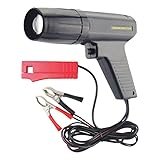

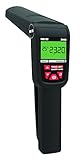


Detailed Product Reviews
Understanding Engine Timing Lights and Misfire Prevention
What Is an Engine Timing Light?
An engine timing light is a specialized diagnostic tool that uses a xenon strobe bulb or LED technology to illuminate the timing marks on your engine’s crankshaft pulley or flywheel. When you pull the trigger, the light flashes in sync with the spark plug firing, creating the illusion that the timing marks are frozen in place. This visual freeze-frame allows you to see exactly where the piston is in its stroke when ignition occurs. Modern units have evolved to include digital readouts, advance functions, and even RPM displays, but the fundamental principle remains the same: providing a visual representation of your engine’s ignition timing.
How Timing Lights Prevent Misfires
The relationship between timing lights and misfire prevention is all about precision. When ignition timing is too advanced or too retarded, your engine experiences incomplete combustion, which manifests as a misfire. By using a timing light, you can verify that your spark is occurring at the manufacturer-specified degree before top dead center (BTDC). This ensures complete combustion of the fuel-air mixture, eliminating the unburned fuel that causes misfires. Advanced timing lights can also detect irregular spark patterns that indicate failing ignition coils, worn distributor caps, or faulty crank position sensors—all common misfire culprits.
The Connection Between Ignition Timing and Engine Performance
Proper ignition timing is the difference between an engine that purrs like a kitten and one that coughs and sputters. When timing is spot-on, you get maximum power output, optimal fuel efficiency, and minimal emissions. Retarded timing leads to incomplete combustion, causing misfires, overheating, and carbon buildup. Advanced timing can cause detonation and pre-ignition, which also feel like misfires but are actually more damaging. A timing light helps you find that sweet spot where combustion happens at the ideal moment for your specific engine configuration and fuel type.
Key Features to Consider in 2026
Digital vs. Analog Display Technology
The debate between digital and analog timing lights has shifted heavily toward digital in recent years. Analog models with simple timing advance knobs still have their place for quick checks, but digital displays offer precise numerical readouts that eliminate guesswork. In 2026, look for high-contrast LCD or OLED screens that remain visible even in bright sunlight. Digital models can store timing specifications for multiple vehicles, display RPM data, and even show dwell angle on older ignition systems. The clarity of a digital display becomes especially valuable when working in awkward positions where reading a spinning timing mark is difficult.
Advanced Timing Advance Functions
Modern timing lights have revolutionized the advance function. Instead of manually rotating a dial and calculating offsets, advanced units can electronically retard or advance the strobe flash to show you timing at various RPM ranges without revving the engine. This is crucial for diagnosing misfires that only occur under specific load conditions. Some sophisticated models can simulate timing curves, allowing you to verify that your mechanical or vacuum advance is functioning properly throughout the entire RPM range. This feature alone can save hours of troubleshooting intermittent misfires.
Compatibility with Modern Ignition Systems
Gone are the days when timing lights only worked on simple distributor-based systems. In 2026, you need a timing light that can handle coil-on-plug (COP) systems, multi-spark ignition, and even hybrid powertrains. Look for models with adjustable sensitivity settings that can detect sparks across different voltage ranges. Some advanced units include specialized adapters for COP systems, allowing you to tap into the ignition signal without back-probing connectors. Universal inductive pickups that clamp onto spark plug wires of any thickness are also essential for modern applications.
Build Quality and Durability Factors
Your timing light will inevitably take a beating in the garage environment. Professional-grade models feature impact-resistant housings, reinforced cables, and heavy-duty battery compartments. The trigger switch should be rated for thousands of cycles, and the inductive pickup must withstand high under-hood temperatures. In 2026, look for IP-rated dust and moisture resistance, especially if you work in less-than-ideal conditions. The connection points between cables and the main unit are common failure points, so strain relief and robust connectors are worth prioritizing.
Power Source Options and Battery Life
Timing lights draw significant power, and nothing’s more frustrating than a dead battery mid-diagnosis. Modern options include self-powered models that draw from the vehicle’s battery, rechargeable lithium-ion units, and traditional battery-powered designs. Self-powered lights offer unlimited runtime but require a stable 12V connection. Rechargeable models with USB-C charging and 20+ hour battery life provide the best portability. Some 2026 models feature solar-assisted charging or power-saving modes that extend battery life during intermittent use.
Types of Timing Lights Available
Inductive Timing Lights
Inductive timing lights represent the most common and user-friendly design. A simple clamp placed around a spark plug wire detects the magnetic pulse created when the plug fires. This non-invasive method works on virtually any gasoline engine and requires no wire piercing or connector disassembly. The best inductive models have adjustable clamps that fit everything from skinny motorcycle plug wires to thick high-performance suppression wires. They should also include shielding to prevent interference from nearby wires or ignition components.
Digital Timing Lights with LCD Screens
Digital timing lights have transformed timing adjustment from an interpretive art into a precise science. These units display exact timing degrees, RPM, and sometimes even dwell angle on a clear LCD screen. The display updates in real-time as you make adjustments, eliminating the need to squint at rotating marks. High-end digital models can store timing curves, compare readings to factory specifications, and even log data for later analysis. The screen should have a backlight for dark engine bays and be positioned for easy viewing while you’re positioned at the front of the vehicle.
Self-Powered vs. Battery-Dependent Models
Self-powered timing lights connect directly to your vehicle’s battery for power, ensuring they never run out of juice during a critical timing session. This design is ideal for professional shops where the light sees constant daily use. Battery-powered models offer greater portability and simplicity—no need to run power leads to the battery. However, they require diligent battery management. The emerging hybrid category includes models with rechargeable batteries that can also tap into vehicle power when available, giving you the best of both worlds.
Professional-Grade vs. DIY-Friendly Options
Professional timing lights justify their higher price through superior accuracy, durability, and advanced features like multi-spark recognition and data logging. They’re built to withstand daily use and often include calibration certificates. DIY-focused models prioritize ease of use, affordability, and straightforward operation. They may lack some advanced functions but still provide accurate timing readings for occasional use. The key is honestly assessing how often you’ll use the tool and whether features like Bluetooth connectivity or advanced advance functions will genuinely benefit your workflow.
How to Use a Timing Light Effectively
Safety Precautions Before Starting
Working around a running engine requires respect for moving parts and hot surfaces. Always secure loose clothing and jewelry, and keep the timing light’s cables away from the fan, belts, and pulleys. Ensure the engine is at normal operating temperature before checking timing, as timing can shift significantly when cold. Have a fire extinguisher nearby, and never disable safety features like the parking brake or neutral safety switch. The inductive pickup should be placed on the number one cylinder’s spark plug wire unless your manual specifies otherwise.
Connecting the Timing Light Correctly
Proper connection is crucial for accurate readings. The inductive pickup clamp must fully close around the spark plug wire with the arrow or marking pointing toward the spark plug. Poor connections cause weak signals and erratic flashes. For self-powered units, connect the red lead to positive battery terminal and black to negative—reversed polarity can damage the unit. Ensure all connections are secure and that cables won’t be pulled into moving parts when the engine runs. Some modern vehicles require special adapters for COP systems; never pierce ignition wires to get a signal.
Reading and Interpreting the Strobe Pattern
The magic happens when you pull the trigger and see the timing marks appear to stand still. Most engines have a notch on the crankshaft pulley that should align with degree markings on the timing cover. At idle, this typically shows 8-12 degrees BTDC. If the mark appears to drift or waver, you likely have ignition system inconsistencies causing misfires. A stable, clear mark indicates consistent spark delivery. Learn to recognize your engine’s specific timing mark pattern—some use a single notch, others use a series of marks or a graduated scale.
Adjusting Timing to Manufacturer Specifications
Once you’ve verified the current timing, compare it to the spec listed on your vehicle’s emissions sticker or service manual. To adjust, loosen the distributor hold-down bolt (if equipped) and slowly rotate the distributor while watching the timing marks. Turn in the direction that advances timing if you’re retarded, or the opposite direction if you’re too advanced. Make small adjustments—1/8 inch of distributor rotation equals several degrees of timing change. After adjusting, tighten the hold-down bolt and rev the engine to verify the mechanical advance works smoothly without causing misfires.
Troubleshooting Common Issues
When the Timing Light Won’t Trigger
If your timing light refuses to flash, start with the basics. Check that the inductive pickup is fully closed around the plug wire and oriented correctly. Test the pickup on a different cylinder to isolate whether the problem is the light or that specific wire. For digital models, verify the battery is charged and the unit powers on. Self-powered models need solid battery connections—clean any corrosion from the terminals. If using a COP adapter, ensure it’s making proper contact. Sometimes, extremely high-performance ignition systems output pulses too brief for basic timing lights to detect.
Dealing with Inconsistent Strobe Flashes
Erratic flashing usually indicates ignition system problems rather than a faulty timing light. Check for loose connections at the distributor, coil, or spark plugs. Worn spark plug wires can cause intermittent firing that shows up as an unstable timing mark. If the flash is consistent at idle but breaks up when revving, suspect a failing ignition coil or module. Some digital timing lights have sensitivity adjustments that can stabilize the flash pattern on weak signals. Inconsistent flashes are often the first visual clue that you’re dealing with the very misfire you’re trying to diagnose.
Addressing Readings That Don’t Make Sense
When timing marks show values far outside normal ranges, question your setup before assuming engine damage. Verify you’re reading the correct mark on the pulley—many engines have multiple notches for different purposes. Check that the harmonic balancer hasn’t slipped its outer ring, which would make all timing marks inaccurate. Ensure the engine is truly at idle and not being held at higher RPM by a stuck throttle or vacuum leak. For distributorless systems, timing may be computer-controlled and non-adjustable, making manual timing checks unnecessary.
Recognizing When Timing Isn’t the Misfire Culprit
Not all misfires are timing-related. If your timing checks out perfectly but misfires persist, look elsewhere. Fuel delivery issues, vacuum leaks, compression problems, and faulty sensors can all cause misfire symptoms. A timing light helps you rule out ignition timing as the cause, narrowing your diagnostic focus. Advanced timing lights with RPM monitoring can help identify misfires that occur only under specific load conditions. Sometimes, the timing light reveals that the ignition system is working perfectly, directing you toward fuel or mechanical issues instead.
Advanced Features for 2026
Bluetooth Connectivity and App Integration
The newest generation of timing lights includes Bluetooth connectivity that streams data to your smartphone or tablet. These apps can overlay timing data on engine specifications, log adjustments over time, and even provide step-by-step timing procedures for specific vehicles. Some apps include video recording features that let you capture the timing marks while you concentrate on making adjustments. This technology is particularly valuable for documenting work on customer vehicles or tracking performance modifications. Look for apps that receive regular updates with new vehicle specifications.
Data Logging and Diagnostic Capabilities
Professional-grade timing lights now include internal memory that can record timing curves, RPM fluctuations, and even dwell periods. This data can be exported to diagnostic software for detailed analysis of ignition system performance. You can identify timing drift as engines warm up, verify that advance mechanisms operate smoothly, and document baseline performance for future comparisons. Some units can store multiple timing curves for different fuel types or performance settings, allowing quick switching between street and race configurations without manual recalibration.
Multi-Spark Recognition Technology
Modern high-performance ignition systems often fire each spark plug multiple times per combustion cycle, especially at low RPM. Basic timing lights get confused by these multi-spark events, showing erratic or inaccurate readings. Advanced timing lights with multi-spark recognition can identify and sync with the primary spark event, providing stable readings even on these sophisticated systems. This technology uses digital signal processing to filter out the secondary sparks and focus on the one that matters for timing measurement. If you work on late-model performance vehicles, this feature is becoming essential rather than optional.
RPM Measurement and Tachometer Functions
Integrated tachometer functions turn your timing light into a dual-purpose diagnostic tool. By displaying engine RPM alongside timing degrees, you can verify that your idle speed is correct before checking timing, ensuring accurate results. The RPM function also helps diagnose misfires that occur at specific engine speeds. During timing adjustment, you can watch for RPM fluctuations that indicate engine strain from incorrect timing. Some models include shift light functions or RPM logging, making them valuable for performance tuning beyond basic timing checks.
Buying Guide for Different Users
For Professional Mechanics
Professional users should prioritize durability, accuracy, and advanced diagnostic features. Look for timing lights with metal housings, reinforced cables, and high-quality connectors. Accuracy should be within ±1 degree, and the unit should include a calibration certificate. Features like data logging, multi-spark recognition, and COP system compatibility are worth the investment when you’re diagnosing vehicles daily. Consider models with interchangeable pickup leads and repairable components that extend the tool’s service life beyond the typical 2-3 year warranty period.
For Home Garage Enthusiasts
DIY mechanics need a balance of functionality, ease of use, and value. A mid-range digital timing light with clear display, reliable inductive pickup, and simple operation will serve most home projects. You probably don’t need Bluetooth connectivity or data logging unless you’re deeply into performance tuning. Focus on units with good battery life, intuitive controls, and compatibility with your specific vehicles. A timing light that can handle both your classic car and modern daily driver provides the best versatility for limited garage space.
For Classic Car Restorers
Restoring vintage vehicles requires a timing light that works with points-style distributors and understands dwell angle. Look for models that explicitly support conventional ignition systems and can measure dwell in addition to timing. A timing light with a traditional advance knob helps when setting up distributors with mechanical advance mechanisms. Since many classic cars have difficult-to-access timing marks, a bright xenon strobe and long pickup cable are valuable features. Some restorers prefer analog models for their simplicity and period-correct feel when working on vintage machinery.
For High-Performance Engine Builders
Performance applications demand precision and advanced features. You need a timing light accurate to at least ±0.5 degrees with multi-spark recognition for modern performance ignitions. Data logging capabilities help track timing changes across the entire RPM range, essential for dyno tuning. Look for models that can handle high-RPM readings without losing sync, and those with programmable advance curves for testing different timing maps. The ability to store multiple timing settings lets you quickly switch between pump gas and race fuel configurations during tuning sessions.
Maintenance and Care Tips
Proper Storage Practices
Your timing light’s longevity depends heavily on how you store it. Always coil cables loosely without sharp bends that can break internal wires. Store the unit in its original case or a dedicated drawer away from moisture, extreme temperatures, and solvents that can degrade plastic housings. Remove batteries from battery-powered models during long-term storage to prevent corrosion. Keep the inductive pickup clamp slightly open to prevent the spring from taking a set and losing tension. A silica gel packet in the storage case helps control humidity.
Battery Maintenance for Digital Models
Rechargeable timing lights perform best when you maintain proper battery health. Avoid letting lithium-ion batteries fully discharge; recharge when you hit 20-30% capacity. For models with replaceable batteries, use high-quality alkaline cells and remove them if the tool won’t be used for months. Some 2026 models feature battery health indicators—pay attention to these warnings and replace batteries before they fail during an important job. Extreme cold and heat degrade battery performance, so store your timing light in climate-controlled spaces when possible.
Keeping Sensors and Cables in Good Condition
The inductive pickup is your timing light’s most vulnerable component. Keep the clamp jaws clean and ensure they close completely with good spring tension. Inspect cables regularly for nicks, cuts, or crushed sections that can affect signal quality. The high-voltage protection circuitry in the pickup can be damaged by extreme heat, so let hot engines cool before attaching the clamp. If your timing light starts acting erratically, clean the pickup’s contacts with electronics cleaner and inspect the cable for internal breaks by gently flexing it while testing.
Calibration Considerations
Professional-grade timing lights should come with a calibration certificate, but accuracy can drift over time. If you suspect your readings are off, compare them against a known-good timing light or a diagnostic tool with timing capabilities. Some manufacturers offer recalibration services, typically recommended every 2-3 years for professional use. For most DIY users, comparing readings across multiple cylinders can verify consistency. If cylinder #1 shows 10 degrees BTDC but cylinder #2 shows 12 degrees with the same pickup placement, your timing light needs service.
Future Trends in Timing Light Technology
AI-Assisted Timing Adjustments
The horizon for 2026 and beyond includes artificial intelligence that can analyze timing patterns and suggest optimal adjustments based on engine behavior. These systems would compare your engine’s timing curve against ideal profiles for your specific vehicle, fuel type, and modifications. While still emerging, AI-assisted timing lights could revolutionize how quickly and accurately misfires are diagnosed by correlating timing data with other engine parameters. Expect to see prototype models with machine learning capabilities that improve their diagnostic accuracy the more you use them.
Integration with Vehicle ECU Systems
Future timing lights may communicate directly with vehicle ECUs through OBD-III protocols, accessing real-time timing data and adjustment capabilities. This would allow you to verify mechanical timing against the computer’s commanded timing, identifying discrepancies that cause misfires. Some manufacturers are developing timing lights that can temporarily override ECU timing for testing purposes, then automatically restore original settings. This level of integration would make timing lights even more valuable for diagnosing intermittent misfires that only occur under specific driving conditions.
Wireless and Cordless Innovations
The ultimate goal for many manufacturers is a completely wireless timing light system. Current models still require a cable to the inductive pickup, but emerging technology uses wireless sensors that clamp onto plug wires and transmit data to a handheld display or smartphone app. This eliminates cable management issues and reduces the risk of cables getting caught in moving parts. Battery technology is advancing to support these systems, with energy-harvesting pickups that generate power from the ignition pulse itself, potentially creating timing lights that never need charging.
Frequently Asked Questions
What causes engine misfires if timing is set correctly?
Even with perfect timing, misfires can stem from fuel delivery issues, vacuum leaks, compression problems, faulty spark plugs or wires, failing ignition coils, or sensor malfunctions. A timing light helps rule out timing-related causes so you can focus on these other possibilities.
Can I use a timing light on distributorless ignition systems?
Yes, but you need a timing light compatible with coil-on-plug (COP) or coil-near-plug systems. These require specialized adapters or inductive pickups that can detect the unique signal patterns. Some modern timing lights have adjustable sensitivity for these applications.
How often should I check my engine’s timing?
Check timing whenever you experience misfires, after any distributor work, or during major tune-ups. For vehicles with adjustable distributors, annual timing checks are wise. Modern computer-controlled timing systems don’t require regular checks unless modified.
Why does my timing mark appear to move around?
A wandering timing mark usually indicates ignition system inconsistency—likely the misfire you’re diagnosing. Check for loose distributor shafts, worn spark plugs, failing ignition modules, or weak coil output. The timing light is revealing the problem, not causing it.
What’s the difference between static and dynamic timing?
Static timing is set with the engine off using a test light or multimeter. Dynamic timing is checked with the engine running using a timing light. Dynamic timing shows actual operating conditions including mechanical and vacuum advance, making it far more accurate for diagnosing running issues.
Can timing lights diagnose other problems besides misfires?
Absolutely. Timing lights can identify faulty advance mechanisms, vacuum leaks affecting timing, worn timing chains or belts, and camshaft timing issues. Advanced models can also test dwell angle on points systems and verify ignition coil output consistency.
Are digital timing lights worth the extra cost?
For most users, yes. Digital displays eliminate interpretation errors, provide exact numerical values, and often include additional functions like RPM measurement. The precision and reduced eye strain justify the modest price difference, especially if you time engines regularly.
What should I do if my timing light shows no reading?
First verify all connections and power sources. Test the pickup on a different cylinder. If still no reading, the ignition system may be too weak to trigger the light, or the pickup could be faulty. Try the light on a known-good vehicle to isolate whether the problem is the tool or the vehicle’s ignition.
Can I damage my engine by checking timing incorrectly?
No, simply checking timing with a properly connected light cannot damage your engine. However, making wild timing adjustments without understanding the consequences can cause detonation or overheating. Always make small adjustments and verify results.
Do I need different timing lights for different vehicles?
Most quality timing lights work on any gasoline engine, but you may need vehicle-specific adapters for COP systems or motorcycles. If you work on both classic and modern vehicles, choose a timing light with adjustable sensitivity and both analog and digital display modes for maximum versatility.
See Also
- 10 Best Engine Timing Lights for High-Performance Tuning in 2026
- 2026’s Top 10 Strobe Timing Lights for High-RPM Engine Calibration
- 10 Expert-Recommended Engine Timing Lights for High-Performance Builds in 2026
- 10 Must-Have Digital Timing Lights for Modern Engine Calibration in 2026
- How to Solve Misfires with the 10 Best Electronic Timing Lights in 2026