Table of Contents
Stepping into the world of car diagnostics can feel overwhelming when that dreaded check engine light illuminates your dashboard. For beginners, the good news is that modern OBD2 code readers have transformed from bulky, expensive tools reserved for professional mechanics into compact, user-friendly devices that put diagnostic power directly in your hands. Understanding what these tools can—and cannot—do is the first step toward making an informed decision that matches your comfort level and automotive needs.
As we look toward 2026, the landscape of OBD2 scanners continues to evolve with enhanced wireless connectivity, more intuitive smartphone integration, and expanded vehicle coverage that even newcomers can navigate with confidence. Whether you’re looking to save money on basic diagnostics, gain insight into your vehicle’s health before visiting a mechanic, or simply satisfy your curiosity about what’s happening under the hood, the right entry-level scanner can be an invaluable addition to your automotive toolkit. This guide focuses on helping you identify the features that matter most for beginners without getting lost in technical jargon or paying for professional-grade capabilities you may never use.
Top 10 OBD2 Code Readers for Beginners
Detailed Product Reviews
1. ANCEL AD310 Classic Enhanced Universal OBD II Scanner Car Engine Fault Code Reader CAN Diagnostic Scan Tool, Read and Clear Error Codes for 1996 or Newer OBD2 Protocol Vehicle (Black)

Overview: The ANCEL AD310 stands as one of the market’s bestselling OBDII scanners, earning endorsements from automotive expert Scotty Kilmer. This compact diagnostic tool efficiently diagnoses check engine light issues across 1996+ US vehicles and 2000+ EU/Asian models, delivering professional-grade insights without overwhelming complexity for home mechanics.
What Makes It Stand Out: Its exceptional durability features a rugged 2.5-foot cable with thick, flexible insulation engineered to survive workshop drops. Universal protocol support encompassing KWP2000, J1850 VPW/PWM, ISO9141, and CAN ensures compatibility with virtually all OBDII vehicles. The scanner delivers remarkably fast readings—displaying live data, freeze frame snapshots, I/M readiness status, and comprehensive vehicle information on a generously sized, clear screen while weighing only 12 ounces.
Value for Money: This scanner pays for itself after a single dealer diagnostic fee. Competitively positioned in the entry-level segment, it outperforms cheaper alternatives with unreliable protocol support and flimsy construction. The robust build quality eliminates replacement costs, making it a wise long-term investment that continues delivering value through years of home garage use.
Strengths and Weaknesses: Strengths include lightning-fast diagnostics, comprehensive protocol coverage, rugged drop-resistant design, intuitively labeled controls, and credible expert endorsement. It draws power directly from the OBDII port—no batteries required. Weaknesses: restricted to engine codes only; no ABS, SRS, or transmission diagnostics. The screen technology is functional but lacks modern color displays found in premium models.
Bottom Line: The AD310 is a must-have for DIY enthusiasts seeking reliable, straightforward engine diagnostics. Its exceptional durability and speed make it perfect for home garages, though professionals requiring advanced system coverage should consider higher-tier alternatives.
2. VDIAGTOOL VD10 OBD2 Scanner Code Reader Car Diagnostic Tool Engine Fault Code Reader for Turn Off CEL with Freeze Frame/I/M Readiness for All OBDII Protocol Cars, OBD2 Scanner Diagnostic Tool
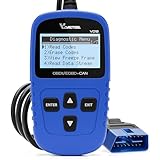
Overview: The VDIAGTOOL VD10 positions itself as an indispensable DIY diagnostic companion, offering straightforward check engine light troubleshooting for novices and seasoned users alike. This scanner handles 1996+ OBDII vehicles with remarkable efficiency, focusing on simplicity and rapid results without sacrificing essential functionality.
What Makes It Stand Out: Its integrated DTC library containing over 3,000 trouble code definitions eliminates time-consuming online searches, displaying causes directly on screen. The scanner provides comprehensive core functions: reading and clearing codes, live data streaming, freeze frame capture, and I/M readiness monitoring crucial for smog checks. Operating without batteries or smartphone apps, it delivers instant diagnostics through pure plug-and-play simplicity that even absolute beginners master immediately.
Value for Money: As a budget-friendly alternative to professional scanners, the VD10 offers impressive functionality that matches pricier competitors in core features while saving users hundreds in diagnostic fees. The integrated code library adds exceptional value for beginners who would otherwise waste hours researching definitions, making it a cost-effective learning tool that pays dividends through avoided shop visits.
Strengths and Weaknesses: Strengths include remarkably user-friendly operation, extensive built-in code database, rapid result delivery, and dedicated smog check preparation features. The tool requires no external power or Bluetooth pairing. Weaknesses: basic LCD display quality, limited to engine OBDII functions only, and lacks advanced data graphing capabilities. Build quality is adequate but not as rugged as premium alternatives designed for daily professional use.
Bottom Line: The VD10 perfectly suits cost-conscious car owners wanting quick, comprehensible diagnostics. While it cannot replace professional equipment for complex issues, it excels as an excellent first scanner for basic troubleshooting and pre-inspection readiness verification.
3. VEKOOTO VK310 OBD2 Scanner Diagnostic Tool – Check Engine Code Reader for All OBDII Protocols (CAN/KWP2000/J1850/ISO9141), Live Data, Freeze Frame, I/M Readiness, for 1996+ Cars, SUVs, Light Trucks
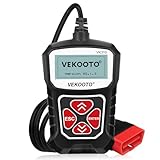
Overview: The VEKOOTO VK310 is a streamlined OBDII scanner engineered for universal compatibility across 1996+ vehicles. This no-frills diagnostic tool focuses exclusively on delivering essential check engine light diagnostics with maximum simplicity and minimal user complexity.
What Makes It Stand Out: Its pure plug-and-play operation requires absolutely no batteries, mobile apps, or Bluetooth pairing—simply connect for instant power and diagnostics. The scanner supports all major OBDII protocols and delivers valuable real-time sensor data including RPM, coolant temperature, and fuel system status. A 2.5-inch LCD provides surprisingly clear readings, while freeze frame and I/M readiness functions help prepare vehicles for mandatory emissions testing.
Value for Money: Positioned as an ultra-affordable option, the VK310 significantly undercuts many competitors while maintaining reliable core functionality. It eliminates costly shop visits for basic code reading, offering exceptional return on investment for casual users. The tool’s inherent simplicity reduces the learning curve dramatically, saving considerable time and frustration for first-time scanner owners.
Strengths and Weaknesses: Strengths include absolute operational simplicity, broad vehicle coverage, instant-on functionality, and clear data presentation. The compact size stores easily in glove compartments for emergency use. Weaknesses: basic monochrome display, no advanced graphing capabilities, limited cable length options, and minimal built-in code definitions compared to scanners with integrated libraries. Not suitable for professional-grade diagnostic needs.
Bottom Line: The VK310 serves ideally for beginners wanting the simplest possible scanner experience. It reliably handles basic engine codes but lacks advanced features—perfect as an entry-level tool or emergency glove-box diagnostic device for unexpected check engine lights.
4. FOXWELL NT301 OBD2 Scanner Live Data Professional Mechanic OBDII Diagnostic Code Reader Tool for Check Engine Light

Overview: The FOXWELL NT301 targets serious DIY enthusiasts and professional mechanics requiring sophisticated OBDII diagnostics beyond basic code reading. This advanced tool provides comprehensive data visualization capabilities for 1996+ US and 2000+ EU/Asian vehicles.
What Makes It Stand Out: Live data graphing and logging capabilities enable users to identify subtle trends and intermittent issues that basic scanners completely miss. The dedicated smog check function utilizes red-yellow-green LEDs and audible alerts for instant emissions readiness status. It automatically retrieves VIN numbers and provides detailed freeze frame analysis, making it superior for complex diagnostics while maintaining user-friendly hotkeys for common functions.
Value for Money: The NT301 commands a moderate price premium over basic readers but thoroughly justifies it through genuinely professional features. Data graphing alone saves hours of diagnostic time, while the smog check helper prevents costly inspection failures. It successfully bridges the gap between consumer and professional tools without requiring a four-figure investment.
Strengths and Weaknesses: Strengths include advanced live data graphing, intuitive LED readiness indicators, robust feature set, and comprehensive OBDII protocol support. The tool reads codes accurately and only clears them after proper repairs. Weaknesses: explicitly does NOT support ABS, SRS, transmission diagnostics, or special functions like battery registration. The learning curve is noticeably steeper than basic scanners, potentially intimidating absolute beginners.
Bottom Line: The NT301 suits serious DIYers and mechanics needing advanced diagnostics without professional scanner prices. Its graphing capabilities prove invaluable for troubleshooting elusive issues, but those requiring ABS/SRS coverage must consider higher-end FOXWELL models.
5. MOTOPOWER MP69033 Car OBD2 Scanner Code Reader Engine Fault Scanner CAN Diagnostic Scan Tool for All OBD II Protocol Cars Since 1996, Yellow

Overview: The MOTOPOWER MP69033 is a feature-rich OBDII scanner distinguished by its bright yellow housing, offering multi-language support and enhanced display capabilities for 1996+ vehicles across nine different protocols.
What Makes It Stand Out: Its 2.8-inch LCD with adjustable white backlight and contrast provides superior visibility compared to smaller, dimmer displays common in this price range. The scanner supports six languages (English, German, Dutch, Spanish, French, Italian), making it uniquely accessible to diverse international users. Dedicated quick-query buttons for VIN and DTCs streamline operation, while real-time curve display and data flow analysis offer intermediate-level diagnostics beyond simple code reading.
Value for Money: This scanner delivers premium features at a competitive mid-range price point. The large, clear display and multi-language support add significant value for users requiring better readability or sharing tools across language barriers. It competes effectively against scanners costing substantially more while comprehensively covering essential OBDII functions.
Strengths and Weaknesses: Strengths include excellent display quality, extensive language options, intuitive six-button interface, real-time data graphing, and sturdy 2.5-foot cable construction. The tool reliably covers all basic OBDII functions. Weaknesses: does not support ABS, airbag, or oil service light systems; limited strictly to engine codes. The distinctive yellow color, while helpful for visibility, may not appeal aesthetically to all users.
Bottom Line: The MP69033 represents an excellent mid-range choice for users prioritizing display clarity and language flexibility. It offers substantially more features than entry-level scanners without reaching professional pricing, making it ideal for multi-lingual households or those wanting superior visual feedback during diagnostics.
6. ANCEL AD410 Enhanced OBD2 Scanner, Vehicle Code Reader for Check Engine Light, Automotive OBD II Scanner Fault Diagnosis, OBDII Scan Tool for All OBDII Cars 1996+, Black/Yellow
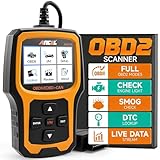
Overview: The ANCEL AD410 is a wired OBD2 scanner delivering essential diagnostic capabilities for vehicles from 1996 onward. This handheld device connects directly to your car’s OBDII port, drawing power from the vehicle without requiring batteries. It targets DIY enthusiasts seeking reliable engine diagnostics without professional-level complexity.
What Makes It Stand Out: Endorsed by mechanic YouTuber Scotty Kilmer, the AD410 features an impressive library of over 42,000 built-in DTC definitions, eliminating internet dependency. Its 2.4-inch TFT color display presents data clearly, while the intuitive UI makes navigation straightforward. The scanner performs enhanced diagnostics including O2 sensor and EVAP system tests, helping users optimize fuel efficiency and identify emissions issues before costly repairs.
Value for Money: Priced in the mid-range, the AD410 offers excellent value for DIYers needing reliable engine diagnostics without paying for unused professional features. It competes favorably against basic code readers while providing significantly more functionality, though it lacks wireless convenience. The direct vehicle power eliminates battery replacement costs.
Strengths and Weaknesses: Strengths include wide vehicle compatibility, comprehensive DTC library, color display, and ease of use. It performs all essential OBDII functions including reading/clearing codes, I/M readiness checks, and freeze frame data. Weaknesses are its limitation to engine systems only (no ABS/SRS support), wired connection restricting mobility, and lack of advanced live data graphing found in premium models.
Bottom Line: The ANCEL AD410 is an excellent choice for car owners seeking reliable, straightforward engine diagnostics. It’s particularly valuable for those intimidated by complex scanners but wanting more than basic code reading capabilities.
7. BlueDriver Bluetooth Pro OBDII Scan Tool for iPhone & Android - No Subscription Fee - OBD2 Car Scanner and Code Reader - Diagnose Check Engine, ABS, SRS, Airbag & 7000+ Issues on Vehicles 1996+
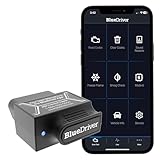
Overview: The BlueDriver Bluetooth Pro transforms your smartphone into a professional-grade scan tool. This compact adapter plugs into your OBDII port and wirelessly connects to iOS or Android devices, eliminating cables while delivering comprehensive diagnostics for vehicles from 1996 onward.
What Makes It Stand Out: Unlike engine-only scanners, BlueDriver reads and clears codes from ABS, SRS, airbag, and TPMS systems—functionality typically reserved for expensive professional tools. Its standout feature is unlimited access to detailed repair reports with possible causes and fixes, plus a vast database of repair videos with step-by-step instructions. Live data monitoring allows real-time health tracking while driving.
Value for Money: While priced higher than basic wired scanners, BlueDriver justifies its cost by eliminating subscription fees common with similar wireless tools. It provides professional mechanic-level diagnostics at a fraction of shop-grade equipment cost, making it cost-effective for serious DIYers and independent mechanics who need comprehensive system coverage.
Strengths and Weaknesses: Major strengths include wireless convenience, comprehensive system coverage beyond engine codes, user-friendly app interface, and extensive repair resources. Live data graphing and detailed report generation are invaluable. The primary weakness is smartphone dependency—if your device dies or lacks compatibility, the tool becomes useless. Initial setup may be slightly more complex than plug-and-play wired alternatives for technophobes.
Bottom Line: BlueDriver is the ideal solution for users wanting maximum diagnostic capability without wires. It’s perfect for tech-savvy car owners and budding mechanics who need professional features and detailed repair guidance.
8. VDIAGTOOL VD30 Pro Car Code Reader, OBD2 Scanner Diagnostic Tool for Cars and Trucks, Check Engine Code Reader, OBD2 Scanner with Reset, escaner automotriz I/M Readiness for All OBDII Vehicles

Overview: The VDIAGTOOL VD30 Pro positions itself as a professional-grade wired OBD2 scanner for serious DIYers and independent mechanics. This handheld diagnostic tool performs all ten essential OBD2 tests, offering comprehensive vehicle health assessment in a rugged, portable package designed for harsh garage conditions.
What Makes It Stand Out: The VD30 Pro’s most impressive feature is its built-in library of over 98,000 DTC definitions—more than double most competitors. Its one-click I/M readiness hotkey simplifies smog check preparation, displaying all monitor statuses on a single screen. Unique bonus features include integrated voltage testing, data playback, and printing capabilities for generating professional service reports. The ruggedized housing and upgraded processing chip ensure reliable performance.
Value for Money: This scanner delivers exceptional value, packing professional features typically found in tools costing twice as much. It directly competes with devices like FIXD but offers significantly more functionality including data printing and advanced diagnostics. Lifetime free updates via USB ensure the tool remains relevant as vehicle technology evolves.
Strengths and Weaknesses: Strengths include comprehensive test coverage, massive DTC database, one-click smog check, data printing capabilities, and durable construction. Full-text feedback eliminates guesswork common with LED-only scanners. Weaknesses include its wired design limiting mobility and a potentially overwhelming feature set for casual users who only need basic code reading. The lack of wireless connectivity may disappoint those preferring smartphone-based diagnostics.
Bottom Line: The VD30 Pro is a powerhouse for enthusiasts and professionals needing comprehensive diagnostics without subscription fees. Its printing capabilities and extensive DTC library make it invaluable for those maintaining multiple vehicles or running a small shop.
9. ZMOON ZM201 Professional OBD2 Scanner Diagnostic Tool, Enhanced Check Engine Code Reader with Reset OBDII/EOBD Car Diagnostic Scan Tools for All Vehicles After 1996, 2026 Upgraded

Overview: The ZMOON ZM201 balances advanced features with user-friendly design in a wired OBD2 scanner. Targeting DIY car owners and experienced users, this 2026-upgraded model delivers essential engine diagnostics through a vibrant color display and intuitive interface for vehicles from 1996 onward.
What Makes It Stand Out: The ZM201’s 2.8-inch color screen with adjustable brightness and light/dark modes ensures excellent visibility in any environment. Its over 50,000 built-in DTC definitions provide comprehensive fault explanations without internet dependency. The scanner excels at live data streaming with graph view capabilities, freeze frame analysis, and EVAP system testing—features rarely found in this price range. Visual vehicle status indicators and shortcut keys enable rapid diagnostics.
Value for Money: Positioned as an affordable mid-tier option, the ZM201 offers remarkable value by combining premium display quality with extensive diagnostic features. It costs less than wireless alternatives while providing comparable engine diagnostic capabilities, making it ideal for budget-conscious buyers who don’t mind a wired connection and want professional-grade features.
Strengths and Weaknesses: Strengths include the large, clear color display, intuitive UI, comprehensive live data graphing, and lifetime free updates. Plug-and-play operation delivers results within seconds without app dependencies. Weaknesses are its limitation to engine systems only (no ABS/SRS support) and lack of wireless connectivity. Unlike some competitors, it doesn’t offer repair report generation or video guides, requiring users to research fixes independently.
Bottom Line: The ZM201 is perfect for DIY enthusiasts prioritizing display quality and live data analysis. It offers professional-grade engine diagnostics at an accessible price, making it an excellent investment for home mechanics focused on powertrain issues.
10. BluSon YM319 OBD2 Scanner Diagnostic Tool with Battery Tester, Check Engine Fault Code Reader with Live Data, Cloud Printing, DTC Lookup, Freeze Frame, Scan Tool for All OBDII Protocol Cars Since 1996

Overview: The BluSon YM319 distinguishes itself by integrating battery health testing with comprehensive OBD2 diagnostics. This wired tool serves as a complete vehicle health monitor for cars and trucks since 1996, offering unique preventative maintenance features alongside standard engine diagnostics.
What Makes It Stand Out: The exclusive one-click BAT battery diagnostic continuously monitors voltage and health status, visualizing potential failure risks before they strand you. Its innovative cloud printing generates professional diagnostic reports without requiring a physical printer connection. The scanner boasts 63,000 built-in fault codes, customizable F1/F2 shortcut keys, and a 2.4-inch HD color screen with traffic-light status indicators for instant vehicle health assessment.
Value for Money: The YM319 offers outstanding value by combining two tools in one: a full-featured OBD2 scanner and battery tester. This eliminates separate battery testing equipment costs. Priced competitively with mid-range scanners, it delivers unique features like cloud printing rarely found in this class, making it cost-effective for comprehensive vehicle monitoring.
Strengths and Weaknesses: Strengths include the unique battery testing feature, cloud printing capability, extensive DTC library, multi-language support (13 languages), and intuitive traffic-light indicators. Customizable shortcut keys enhance efficiency. Weaknesses include its wired-only design and limitation to engine diagnostics (no ABS/SRS). The cloud printing feature requires internet connectivity that may not be available in all garage settings. Some users may find the feature set overwhelming for basic code reading needs.
Bottom Line: The BluSon YM319 is ideal for drivers wanting proactive battery monitoring alongside standard diagnostics. Its unique combination of features makes it perfect for maintaining older vehicles where battery health is critical, offering exceptional utility for the price.
Understanding OBD2 Technology for Beginners
What is OBD2 and How Does It Work?
OBD2 (On-Board Diagnostics II) represents the standardized system that monitors your vehicle’s engine and emissions-related components. Every car sold in the United States since 1996 comes equipped with this universal diagnostic port, typically located beneath the dashboard on the driver’s side. When your vehicle’s computer detects a problem, it stores a specific trouble code that can be retrieved through this port using a code reader.
The Evolution of OBD2 Standards
The transition from OBD1 to OBD2 created a universal language across all vehicle manufacturers. This standardization means beginners don’t need separate tools for different car brands. Modern 2026-ready scanners build upon this foundation with faster processors and more comprehensive databases, but the core communication protocol remains consistent, ensuring your investment works across multiple vehicles in your household.
Why Every Driver Should Understand OBD2
Learning to use an OBD2 scanner empowers you to have informed conversations with mechanics and potentially avoid unnecessary repairs. For beginners, this doesn’t mean becoming a certified technician—it means understanding whether that check engine light signals a loose gas cap or a serious engine problem requiring immediate attention. This knowledge alone can save hundreds of dollars and countless hours of anxiety.
Key Features to Look for in 2026 Models
Display Quality and User Interface
Beginners should prioritize scanners with clear, backlit displays and straightforward menu navigation. Touchscreen interfaces are becoming more common in entry-level models, offering smartphone-like familiarity. Look for devices that display code definitions in plain English rather than just alphanumeric codes, eliminating the need to reference separate manuals or websites while you’re standing in your garage.
Code Database Depth and Updates
The most valuable scanner for beginners includes an extensive built-in database that explains codes in simple terms. 2026 models increasingly offer lifetime free updates, ensuring your device recognizes new codes as vehicle technology evolves. Consider whether updates require a computer connection or can be performed wirelessly through your home Wi-Fi network.
Wireless Connectivity Options
Bluetooth and Wi-Fi connectivity have revolutionized the OBD2 scanner market for beginners. These wireless options allow you to use your smartphone or tablet as the display, leveraging devices you already own and understand. Wired connections remain reliable and don’t require charging, but wireless models offer greater flexibility for reading codes while the engine is running.
Multi-Protocol Support
While OBD2 is a standard, vehicles communicate using several different protocols. Quality entry-level scanners automatically detect and switch between these protocols without user intervention. This feature ensures compatibility with your current vehicle and any future purchases, including both domestic and imported makes.
Live Data Streaming Capabilities
Even basic scanners now offer some form of live data streaming, displaying real-time information like engine RPM, coolant temperature, and oxygen sensor readings. For beginners, this feature helps verify that repairs actually resolved issues and provides educational insight into how different driving conditions affect your vehicle’s performance.
Types of OBD2 Code Readers for Different Needs
Basic Code Readers for Simple Diagnostics
These no-frills devices focus exclusively on reading and clearing diagnostic trouble codes. They typically feature a small LCD screen, minimal buttons, and straightforward operation. For beginners who only want to check why the check engine light is on and reset it after repairs, these represent the most economical and least intimidating option.
DIY Scanner Tools for Home Mechanics
Step-up models designed for enthusiastic beginners include additional functions like emissions readiness testing, freeze frame data, and basic live data displays. These tools strike the perfect balance between simplicity and capability, offering enough features to grow into without overwhelming new users with professional-level complexity.
Professional-Grade Consumer Models
The premium beginner category includes scanners that approach professional capability while maintaining user-friendly interfaces. These often feature color displays, graphing capabilities, and access to advanced systems like ABS and airbags. While more expensive, they serve as long-term investments for beginners who plan to tackle increasingly complex repairs.
Bluetooth vs. Wi-Fi vs. Wired Connections
Bluetooth scanners pair with dedicated apps on your smartphone, offering portability and familiar controls. Wi-Fi models create their own network, sometimes providing more stable connections and broader device compatibility. Wired units plug directly into the port with an integrated cable, eliminating connectivity concerns but limiting where you can position yourself while reading codes.
Essential Functions Beginners Actually Need
Reading and Clearing Diagnostic Trouble Codes
The fundamental purpose of any OBD2 scanner is retrieving stored trouble codes and clearing them after repairs. Beginners should look for devices that not only show the code but provide a plain-language description and indicate whether the code is current or historical. This distinction helps prioritize which issues need immediate attention versus those that may have been resolved.
Emissions Readiness Monitoring
For beginners in states requiring emissions testing, this feature is invaluable. Scanners display the status of various monitored systems, letting you know whether your vehicle is ready for testing or if you need to complete more drive cycles. This prevents the frustration of failing an emissions test due to incomplete system checks.
Freeze Frame Data Analysis
When a trouble code is triggered, freeze frame data captures a snapshot of engine conditions at that exact moment. This information—including engine temperature, vehicle speed, and fuel trim—helps beginners understand the circumstances surrounding a fault. Even basic scanners increasingly include this feature, providing context that makes diagnostics more meaningful.
Vehicle Information Retrieval
Most scanners can display your vehicle identification number (VIN), calibration IDs, and other manufacturer-specific data. For beginners, this confirms the tool is communicating correctly with your vehicle and provides useful information when ordering parts or discussing issues with service professionals.
Advanced Features Worth Considering
Bi-Directional Controls and Active Tests
While typically found in more advanced units, some beginner-friendly scanners now include limited bi-directional capability. This allows you to send commands to your vehicle, such as cycling the fuel pump or activating individual components for testing. For committed beginners, this represents a significant step up in diagnostic capability.
Graphing and Data Logging Functions
Visual learners benefit greatly from graphing capabilities that plot sensor data over time. This feature helps identify intermittent problems that might not trigger codes but affect performance. Data logging allows you to record drives and review the information later, particularly useful for issues that only occur under specific driving conditions.
Battery and Alternator Testing
Many modern scanners include basic battery and charging system testing, providing voltage readings with the engine off and running. For beginners, this consolidates multiple tools into one device and helps distinguish between engine problems and electrical system issues.
ABS and Airbag System Access
Entry into these critical safety systems represents the upper tier of beginner scanners. While not essential for basic engine diagnostics, the ability to read and clear ABS and airbag codes adds significant value. This feature appeals to beginners who want comprehensive coverage without jumping to professional-grade prices.
Budget Considerations and Value
Price Ranges and What They Include
Beginner OBD2 scanners typically fall into three price tiers. Budget models under $50 offer core code reading and clearing functions. Mid-range options between $50 and $150 add enhanced features like live data and emissions testing. Premium beginner scanners from $150 to $300 include advanced functions like ABS access and bi-directional controls. Understanding what each tier offers helps you avoid paying for unnecessary capabilities.
Subscription Models vs. One-Time Purchases
Some scanners, particularly app-based models, operate on subscription models for advanced features or regular updates. Others offer lifetime updates with the initial purchase. Beginners should calculate long-term costs—while subscriptions seem affordable initially, they can exceed the cost of a premium one-time-purchase scanner within a few years.
Warranty and Customer Support Factors
A generous warranty and accessible customer support prove invaluable for beginners encountering their first diagnostic challenge. Look for manufacturers offering at least a one-year warranty and multiple support channels including phone, email, and online chat. User-friendly companies often provide tutorial videos and comprehensive FAQ sections specifically designed for newcomers.
Compatibility Matters
Vehicle Make and Model Coverage
While OBD2 provides a universal foundation, manufacturers implement proprietary codes beyond the standard set. Quality beginner scanners include expanded databases covering major domestic and import brands. Before purchasing, verify the scanner explicitly supports your vehicle’s make, model, and year to ensure you can access manufacturer-specific codes.
Gasoline vs. Diesel Engine Support
Not all entry-level scanners fully support diesel engines, which use different communication protocols and monitoring systems. Diesel owners should specifically seek scanners advertising heavy-duty or diesel compatibility. These models handle the unique aspects of diesel emissions systems and compression ignition diagnostics.
Hybrid and Electric Vehicle Compatibility
As hybrid and electric vehicles become more common, forward-thinking beginners should consider scanners with EV capabilities. These specialized tools can access battery management systems, electric motor controllers, and high-voltage system diagnostics—features that will only increase in importance through 2026 and beyond.
Setup and Ease of Use
Plug-and-Play Simplicity
The best beginner scanners require no complex setup—simply plug them into the OBD2 port and they power on automatically. Look for models that don’t require separate batteries or charging before first use. This immediate functionality builds confidence and ensures the tool is ready when you need it most.
App Integration and Software Updates
For wireless scanners, the quality of the companion app directly impacts your experience. Beginner-friendly apps feature intuitive layouts, clear code definitions, and helpful repair suggestions. Check app store ratings and recent update histories to ensure the developer actively maintains and improves the software.
Learning Resources and Tutorials
Manufacturers who invest in beginner education demonstrate commitment to user success. Seek companies offering video tutorials, detailed user manuals written in plain language, and active online communities. Some premium scanners even include built-in help systems that guide you through common diagnostic procedures step-by-step.
Common Mistakes Beginners Make
Misinterpreting Code Severity
One of the most frequent errors involves assuming all codes indicate serious problems. Beginners often panic over codes related to minor emissions system variations while ignoring pending codes that could develop into major issues. Learning to distinguish between critical faults and informational codes prevents unnecessary repairs and reduces anxiety.
Ignoring Pending Codes
Pending codes represent problems the vehicle’s computer has detected but hasn’t confirmed through repeated testing. Beginners frequently clear these without addressing underlying issues, only to have the check engine light return days later. Understanding that pending codes often develop into permanent codes helps prioritize preventive maintenance.
Forgetting to Check Emissions Readiness
After clearing codes, many beginners immediately assume their vehicle is ready for emissions testing. However, the vehicle must complete specific drive cycles before monitors run their full diagnostics. Attempting emissions testing too soon results in automatic failure and wasted testing fees, regardless of whether actual problems exist.
Frequently Asked Questions
What is the difference between an OBD2 code reader and a scanner?
An OBD2 code reader typically only reads and clears basic diagnostic trouble codes, while a scanner offers additional functions like live data streaming, freeze frame analysis, and access to advanced vehicle systems. For most beginners, a basic scanner provides the best balance of capability and simplicity.
Can I damage my vehicle using an OBD2 scanner?
No, OBD2 scanners are read-only devices that cannot modify your vehicle’s computer or cause damage. They simply retrieve information the vehicle’s systems have already recorded. However, clearing codes without addressing underlying issues may temporarily hide serious problems.
Do I need a different scanner for each vehicle I own?
No, OBD2 scanners work across all compatible vehicles. A single quality scanner can diagnose any OBD2-compliant vehicle (1996 and newer for most vehicles). This universal compatibility makes them excellent value for multi-car households.
How often should I scan my vehicle even if the check engine light isn’t on?
Consider scanning your vehicle every three to six months as preventive maintenance. This helps identify pending codes before they trigger the check engine light and allows you to monitor long-term system health through live data trends.
Are smartphone app scanners as reliable as standalone units?
Modern app-based scanners offer comparable reliability to standalone units, often with more intuitive interfaces. The key difference is that app quality varies significantly between developers. Research the specific app and its update history before purchasing a Bluetooth or Wi-Fi adapter.
What does “emissions readiness” mean and why does it matter?
Emissions readiness indicates whether your vehicle’s monitors have completed their self-tests. All monitors must show “ready” status to pass state emissions inspections. Checking readiness before testing prevents failures and identifies which systems haven’t completed their diagnostic cycles.
Can beginners really fix problems found by OBD2 scanners?
Many OBD2-identified issues are beginner-friendly, such as replacing a faulty gas cap, oxygen sensor, or spark plugs. The scanner provides the diagnostic direction, while online tutorials and repair manuals guide the actual fix. Start with simple repairs and gradually build your skills.
Why do some codes clear themselves while others don’t?
Codes related to intermittent issues may clear automatically if the problem doesn’t recur after several drive cycles. Permanent codes remain until manually cleared and typically indicate persistent problems requiring attention. Understanding this difference helps prioritize repairs.
Is it worth buying a more expensive scanner as a beginner?
Invest in a scanner that matches your planned involvement level. If you only want to check codes occasionally, a basic model suffices. If you plan to tackle home repairs and grow your skills, a mid-range scanner with live data and ABS access offers better long-term value.
What should I do if my scanner shows a code I don’t understand?
Most scanners provide basic code definitions. For deeper understanding, search the specific code along with your vehicle make and model online. Reputable automotive forums, manufacturer technical service bulletins, and video tutorials offer valuable context. When in doubt, consult a professional mechanic for interpretation.
See Also
- Best OBD2 Code Readers for Enthusiasts: 10 Expert Picks for 2026
- 10 Expert-Recommended OBD2 Code Readers with ABS/SRS Support for Full Diagnostics in 2026
- 10 Best OBD2 Code Readers for Beginners Learning Auto Repair
- 10 Best Budget OBD2 Code Readers Under $100 for Beginners in 2026
- 10 Best Budget OBD2 Code Readers Under $50 for Beginners in 2026