Table of Contents
Modern vehicles have evolved into sophisticated computers on wheels, with dozens of sensors and control modules working in harmony to keep you moving safely. When something goes wrong, that dreaded check engine light illuminates, leaving most drivers wondering whether it’s a loose gas cap or a catastrophic engine failure. This is where OBD2 code readers with color displays have revolutionized automotive diagnostics, transforming cryptic alphanumeric codes into visual, actionable information that even novice users can understand.
The leap from monochrome to color screens represents far more than aesthetic improvement—it fundamentally changes how we interact with vehicle data. In 2026, these devices have become increasingly accessible, with vibrant displays making it easier to spot trends in live data, differentiate between trouble codes at a glance, and navigate complex menus without squinting at dim, low-contrast screens. Whether you’re a DIY enthusiast looking to save on repair costs or a professional technician needing reliable field diagnostics, understanding what makes these tools valuable will help you make an informed investment.
Top 10 OBD2 Code Readers with Color Display
Detailed Product Reviews
1. BluSon YM319 OBD2 Scanner Diagnostic Tool with Battery Tester, Check Engine Fault Code Reader with Live Data, Cloud Printing, DTC Lookup, Freeze Frame, Scan Tool for All OBDII Protocol Cars Since 1996

Overview: The BluSon YM319 positions itself as a comprehensive diagnostic companion for modern vehicles, combining traditional OBDII scanning with innovative cloud-based features. This tool targets both DIY enthusiasts and semi-professional mechanics who need more than basic code reading. With support for all OBDII protocols since 1996 and multi-language capabilities, it promises global applicability for a wide range of cars, trucks, and SUVs.
What Makes It Stand Out: The integrated one-click battery health diagnostic sets this scanner apart from budget competitors, providing continuous voltage monitoring that prevents roadside surprises. Its cloud printing functionality is genuinely innovative—generating professional diagnostic reports without physical printer connections, perfect for sharing data with remote technicians or maintaining digital service records. The 2.4-inch HD color screen with customizable F1/F2 shortcut keys streamlines workflow, while the massive 63,000-code database delivers manufacturer-level diagnostic depth that cheaper tools simply cannot match.
Value for Money: Priced in the mid-range category, the YM319 delivers exceptional value by bundling battery testing and cloud connectivity typically found in professional-grade scanners costing twice as much. While basic code readers under $30 exist, they lack the live data graphing, freeze frame analysis, and comprehensive DTC lookup that justify this unit’s premium. For home mechanics performing regular maintenance, the feature set eliminates multiple tool purchases.
Strengths and Weaknesses: Strengths: Integrated battery diagnostics; cloud printing capability; massive fault code database; customizable shortcut keys; bright color display; extensive language support. Weaknesses: Cloud features require internet connectivity; steeper learning curve for absolute beginners; no ABS/SRS system support; build quality may not match professional shop-grade durability.
Bottom Line: The BluSon YM319 is an excellent choice for serious DIYers who want professional-level engine diagnostics and battery monitoring without the professional price tag. Its cloud printing and extensive code library make it a standout value, provided you don’t need ABS or airbag system access.
2. FOXWELL NT301 OBD2 Scanner Live Data Professional Mechanic OBDII Diagnostic Code Reader Tool for Check Engine Light

Overview: The FOXWELL NT301 serves as a reliable workhorse for mechanics who need fast, accurate engine diagnostics without unnecessary complexity. This dedicated OBDII scanner focuses on core functionality—reading and clearing codes, monitoring emissions readiness, and providing live data streams. Its straightforward design emphasizes practical utility over flashy features, making it a staple tool for daily garage use and pre-inspection smog checks.
What Makes It Stand Out: The NT301 excels with its live data graphing and logging capabilities, allowing technicians to identify intermittent issues through trend analysis rather than snapshots. Dedicated I/M readiness hotkeys with LED indicators provide instant visual feedback for emissions testing, streamlining the inspection process. FOXWELL’s reputation for protocol accuracy ensures reliable communication with even finicky vehicle ECUs, while the device accurately retrieves VIN data for quick vehicle identification during busy shop workflows.
Value for Money: This scanner hits the sweet spot between budget readers and expensive professional units. While it lacks advanced system coverage, its robust construction and accurate live data graphing justify the moderate price point for professional use. DIYers might find cheaper alternatives sufficient, but mechanics benefit from its speed and reliability. The tool’s focused feature set eliminates paying for functions many users never access, making it a cost-effective primary scanner for engine-specific work.
Strengths and Weaknesses: Strengths: Excellent live data graphing; rugged build quality; dedicated smog check functions; fast boot-up; reliable protocol support; clear LED status indicators. Weaknesses: No ABS, SRS, or transmission support; limited to engine/emissions only; no battery diagnostics; basic screen resolution; cannot perform special functions like oil reset or bi-directional control.
Bottom Line: The FOXWELL NT301 is a dependable, professional-grade engine scanner that delivers exactly what mechanics need for daily diagnostics and smog prep. It’s not feature-rich, but its accuracy and durability make it a smart investment for shops specializing in engine work and emissions troubleshooting.
3. VDIAGTOOL VD10 OBD2 Scanner Code Reader Car Diagnostic Tool Engine Fault Code Reader for Turn Off CEL with Freeze Frame/I/M Readiness for All OBDII Protocol Cars, OBD2 Scanner Diagnostic Tool
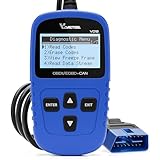
Overview: The VDIAGTOOL VD10 targets entry-level users seeking an uncomplicated, budget-friendly diagnostic solution. Designed for car owners with minimal mechanical experience, this scanner prioritizes simplicity while covering essential OBDII functions. It handles basic code reading, clearing, and live data monitoring for most 1996+ vehicles, making it an accessible first tool for understanding check engine lights and performing preliminary diagnostics before shop visits.
What Makes It Stand Out: The VD10’s primary differentiator is its absolute simplicity—true plug-and-play operation with intuitive menus that eliminate the learning curve plaguing more complex scanners. Its built-in DTC lookup database, though smaller than premium models, provides instant code definitions on-screen without requiring internet searches or manual lookups. The direct comparison to FIXD devices in marketing materials highlights its smartphone-like ease of use, while the I/M readiness monitor specifically helps users prepare for mandatory emissions testing without professional assistance.
Value for Money: As one of the most affordable scanners with legitimate OBDII compliance, the VD10 delivers remarkable value for casual users. It sacrifices advanced features like battery testing, graphing, or cloud connectivity to maintain its low price point, but retains core functionality that solves 80% of consumer diagnostic needs. For drivers who simply want to check codes before deciding whether a shop visit is necessary, this tool pays for itself with a single use. Professional mechanics will find it underpowered, but DIYers on a tight budget get reliable basic diagnostics.
Strengths and Weaknesses: Strengths: Extremely affordable; dead-simple operation; instant DTC definitions; compact size; effective I/M readiness checks; sufficient for basic troubleshooting. Weaknesses: Only 3,000-code database; no advanced graphing; no battery diagnostics; limited live data parameters; plastic construction feels cheap; no special functions or system coverage beyond engine.
Bottom Line: The VDIAGTOOL VD10 is the perfect entry-level scanner for budget-conscious drivers who need basic code reading and emissions prep without complexity. It won’t replace professional tools, but it’s an excellent first diagnostic device that delivers exactly what it promises at an unbeatable price.
4. OBD2 Scanner with Color Screen – Engine Diagnostic Tool to Read & Clear Check Engine Light, Live Data & VIN Scan, I/M Readiness & Battery Voltage Monitor for Most OBD2 Vehicles

Overview: This generic-branded OBD2 scanner focuses on delivering core engine diagnostics through an accessible color-screen interface. Marketed explicitly toward everyday drivers and DIY users, it strips away professional complexities while maintaining essential functionality like code reading, live data viewing, and emissions readiness checks. The product makes its limitations transparent, clearly stating it supports only engine and emissions systems—a refreshing honesty that helps buyers make informed decisions.
What Makes It Stand Out: The dashboard-style gauge display transforms raw live data into visually intuitive readouts, making it easier for non-technical users to understand vehicle performance metrics like coolant temperature, RPM, and intake pressure. Its plug-and-play design requires no apps, Bluetooth pairing, or smartphone dependencies, appealing to users who prefer standalone devices. The battery voltage monitoring feature, though basic, provides useful system health insights during diagnostics, while the bright color LCD ensures readability in various lighting conditions without the premium price of high-end displays.
Value for Money: Positioned as a mid-tier consumer scanner, this tool offers solid value by balancing functionality and affordability. It costs slightly more than bare-bones code readers but provides superior user experience through its color screen and gauge visualization. However, its limited system support means buyers must accept trade-offs—paying for engine-only diagnostics when similarly priced competitors might offer broader coverage. For users exclusively needing engine and emissions work, it’s fairly priced; those wanting ABS or airbag capabilities should look elsewhere.
Strengths and Weaknesses: Strengths: Clear color display; intuitive gauge-style data presentation; simple standalone operation; battery voltage monitoring; honest marketing about limitations; fast code retrieval. Weaknesses: No ABS, SRS, TPMS, or body control support; limited code definitions; no advanced graphing or logging; generic brand raises durability questions; no special maintenance functions.
Bottom Line: This scanner is ideal for drivers wanting straightforward engine diagnostics with a modern display without professional complexity. Its transparency about limitations and user-friendly interface make it a dependable choice, provided you only need basic OBDII functions and appreciate standalone operation.
5. ScanGauge 3 All New Touch Screen OBD2 Code Reader, Digital Gauges & Trip Computer with WiFi Updates SG3

Overview: The ScanGauge 3 represents the premium end of consumer OBDII tools, evolving beyond basic diagnostics into a full-featured vehicle monitoring system. With its capacitive touchscreen and 16-million-color display, it functions as both a code reader and a sophisticated digital gauge cluster. This device targets automotive enthusiasts who want continuous performance monitoring alongside traditional diagnostic capabilities, effectively serving as a permanent in-vehicle display rather than an occasional troubleshooting tool.
What Makes It Stand Out: The ScanGauge 3’s vibrant touchscreen interface and customizable multi-page gauge layouts deliver an experience unmatched by button-based scanners, allowing users to monitor up to nine parameters simultaneously. Its free wireless update system ensures the device stays current with new vehicle protocols without cable connections or paid subscriptions. Visual and audible alarms for user-defined thresholds transform it into a proactive warning system, alerting drivers to overheating, low voltage, or performance issues before they cause damage—functionality typically requiring expensive permanent installations.
Value for Money: While significantly more expensive than basic scanners, the ScanGauge 3 justifies its premium price through dual-purpose utility. It replaces both a diagnostic tool and aftermarket gauge cluster, saving enthusiasts hundreds of dollars on separate purchases. The free lifetime updates and robust build quality provide long-term value absent in cheaper alternatives that become obsolete. However, budget-conscious buyers may find its advanced monitoring overkill for occasional code reading, making it best suited for tech-savvy users who will leverage its full capabilities.
Strengths and Weaknesses: Strengths: Stunning capacitive touchscreen; highly customizable gauge displays; free wireless updates; visual/audible alarms; monitors multiple parameters simultaneously; excellent build quality; enthusiast-focused features. Weaknesses: Premium pricing; limited to engine/emissions diagnostics; overkill for casual users; requires more setup time; no ABS/SRS support; screen may wash out in direct sunlight.
Bottom Line: The ScanGauge 3 is the ultimate OBDII tool for automotive enthusiasts wanting permanent vehicle monitoring with diagnostic capabilities. Its touchscreen interface and customizable gauges justify the premium price for serious users, though casual drivers should opt for simpler, cheaper alternatives.
6. BlueDriver Bluetooth Pro OBDII Scan Tool for iPhone & Android - No Subscription Fee - OBD2 Car Scanner and Code Reader - Diagnose Check Engine, ABS, SRS, Airbag & 7000+ Issues on Vehicles 1996+
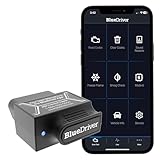
Overview: The BlueDriver Bluetooth Pro transforms your smartphone into a professional-grade diagnostic scanner. This wireless OBDII tool connects via Bluetooth to read and clear trouble codes beyond basic engine diagnostics, including ABS, SRS, and airbag systems. Compatible with vehicles from 1996 onward, it offers real-time data monitoring and repair guidance through its comprehensive mobile app.
What Makes It Stand Out: Unlike wired scanners, BlueDriver eliminates cable clutter while delivering professional-level diagnostics. The standout feature is its unlimited repair reports with verified fixes drawn from a database of over 7 million repairs. The live data streaming capability lets you monitor vehicle health while driving, and the built-in repair video library provides visual step-by-step guidance for DIY repairs.
Value for Money: Priced around $100-120, BlueDriver offers exceptional value by eliminating subscription fees common with professional tools. Comparable wired scanners with similar capabilities cost significantly more, while cheaper alternatives lack ABS/SRS support and repair databases. The free lifetime app updates and no hidden costs make it a one-time investment that pays for itself after a single avoided dealership visit.
Strengths and Weaknesses: Strengths: Wireless Bluetooth convenience; comprehensive system coverage including ABS/SRS; professional-grade repair reports; user-friendly app interface; no subscription fees; live data monitoring; repair video library.
Weaknesses: Requires compatible smartphone/tablet; initial Bluetooth pairing can be finicky; some vehicle-specific codes may not be supported; app occasionally has connectivity hiccups.
Bottom Line: The BlueDriver is an excellent choice for DIY enthusiasts seeking professional diagnostics without the professional price tag. Its wireless design, extensive code library, and actionable repair guidance make it ideal for home mechanics. While smartphone dependency may deter some, the feature set and cost savings make it a top recommendation for most vehicle owners.
7. ANCEL AD410 Enhanced OBD2 Scanner, Vehicle Code Reader for Check Engine Light, Automotive OBD II Scanner Fault Diagnosis, OBDII Scan Tool for All OBDII Cars 1996+, Black/Yellow
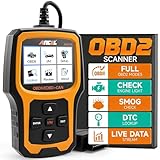
Overview: The ANCEL AD410 is a handheld OBDII scanner offering enhanced engine diagnostics for vehicles from 1996 onward. Powered directly from the OBDII port, this compact tool features a 2.4-inch color display and supports multiple protocols including KWP2000, ISO9141, and CAN. It provides critical functionality for emissions-related troubleshooting with over 42,000 built-in DTC definitions.
What Makes It Stand Out: The AD410 excels with its EVAP system leak testing and O2 sensor monitoring capabilities—features rarely found in budget scanners. The intuitive user interface eliminates manual reading, while multilingual support makes it accessible internationally. Its direct OBDII power means no batteries or charging, and the QVGA display presents data clearly without smartphone dependency.
Value for Money: At approximately $50-60, the AD410 delivers professional-grade engine diagnostics at entry-level pricing. While it lacks ABS/SRS support found in pricier units, its specialized EVAP and O2 sensor tests provide value beyond basic code readers costing $30-40. For emissions-focused troubleshooting and pre-smog checks, it outperforms competitors in its price range.
Strengths and Weaknesses: Strengths: Excellent EVAP and O2 sensor testing; 42,000 DTC database; clear color display; no batteries required; multilingual support; straightforward operation; great for smog test preparation.
Weaknesses: Engine codes only—no ABS, SRS, or transmission support; display is smaller than some competitors; plastic construction feels basic; limited live data parameters compared to premium scanners.
Bottom Line: The ANCEL AD410 is a specialized tool perfect for DIYers focused on engine performance and emissions issues. Its EVAP and O2 sensor capabilities justify the modest price premium over basic scanners. However, if you need comprehensive system diagnostics, invest in a more advanced unit. For pre-smog testing and engine troubleshooting, it’s an outstanding value.
8. MOTOPOWER MP69033 Car OBD2 Scanner Code Reader Engine Fault Scanner CAN Diagnostic Scan Tool for All OBD II Protocol Cars Since 1996, Yellow

Overview: The MOTOPOWER MP69033 is a budget-friendly handheld OBDII scanner designed for basic engine diagnostics. Compatible with most 1996+ US vehicles and 2000+ EU/Asian cars, this compact tool features a 2.8-inch LCD display and supports nine OBDII protocols. It reads and clears check engine lights, views freeze frame data, and checks I/M readiness without requiring batteries.
What Makes It Stand Out: This scanner’s 2.8-inch display is larger than many budget competitors, offering better visibility for real-time data streams and vehicle information. The six-button navigation includes quick-access VIN and DTC lookup functions, simplifying operation. Its 2.5-foot cable provides flexibility while the yellow housing makes it easy to locate in a toolbox.
Value for Money: Priced around $30-40, the MP69033 is among the most affordable functional OBDII scanners available. It covers essential functions like code reading, clearing, and I/M readiness—sufficient for basic troubleshooting. While lacking advanced features, it costs half as much as mid-tier scanners and delivers reliable core functionality for casual DIY users.
Strengths and Weaknesses: Strengths: Very affordable price point; large 2.8-inch display; no batteries needed; simple six-button operation; supports nine protocols; six-language support; compact and portable design.
Weaknesses: Cannot read ABS or airbag codes; limited to basic OBDII functions; no live graphing capabilities; cable could be longer; build quality is functional but not durable; no repair guidance.
Bottom Line: The MOTOPOWER MP69033 is ideal for budget-conscious users needing basic code reading and clearing. It’s perfect for checking engine lights before dealership visits or verifying repairs. However, its limitations become apparent for complex diagnostics. Purchase this for simple tasks, but upgrade if you need comprehensive system coverage or repair assistance. It delivers exactly what it promises at an unbeatable price.
9. SAZDOLN SL103 OBD2 Scanner Diagnostic Tool, Professional Diagnostic Tool with DPF Function, Universal Car Code Reader for Gasoline and Diesel Vehicles, 2.8-inch Color Display, 11 Languages Support

Overview: The SAZDOLN SL103 is a versatile diagnostic tool supporting both 12V and 24V vehicles, including gasoline, diesel, and natural gas engines. Its standout feature is specialized DPF (Diesel Particulate Filter) regeneration capability for maintaining diesel engine performance. The 2.8-inch TFT color display and ARM 32-bit processor provide responsive operation across all OBDII protocols for vehicles from 1996 onward.
What Makes It Stand Out: DPF regeneration functionality sets the SL103 apart from most consumer scanners, making it invaluable for diesel vehicle owners. The tool supports 11 languages and offers real-time data monitoring for both standard and heavy-duty applications. Its professional-grade hardware handles complex diagnostics while remaining accessible to DIY users through intuitive menu navigation.
Value for Money: At approximately $60-80, the SL103 offers unique value for diesel owners who would otherwise pay hundreds for DPF service tools. For gasoline vehicles, it’s competitively priced against mid-tier scanners. The dual-voltage capability essentially provides two tools in one, justifying the cost for users with mixed vehicle fleets or diesel trucks.
Strengths and Weaknesses: Strengths: Specialized DPF regeneration; supports 12V and 24V systems; diesel and gasoline compatibility; 11-language support; responsive color display; professional hardware; comprehensive OBDII protocol coverage.
Weaknesses: Lesser-known brand with limited support resources; DPF function may not work on all diesel models; interface less polished than major brands; no wireless connectivity; sparse repair guidance documentation.
Bottom Line: The SAZDOLN SL103 is a niche product excelling for diesel vehicle owners needing DPF maintenance capabilities. Its dual-voltage support makes it uniquely versatile, but gasoline-only vehicle owners may find better-supported alternatives. If you own a diesel car or truck, this tool can save significant service costs. For others, consider more established brands with proven track records.
10. WEJOWE OBD2 Scanner Diagnostic Tool, Check Engine Code Reader OBD2 Scanner with Reset, Mode 6, Mode 8 & I/M Readiness, Auto Check Engine Light Car Diagnostic Scan Tool for All OBDII Car Since 1996
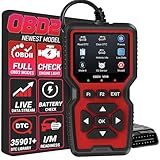
Overview: The WEJOWE OBD2 scanner is a feature-rich diagnostic tool offering advanced functions typically found in professional equipment. With a built-in library of 35,901 DTC definitions, it reads and clears codes, performs component testing, and supports Mode 6 and Mode 8 diagnostics. The tool includes battery voltage testing, live data streaming, and unique data printing capabilities via computer connection.
What Makes It Stand Out: The standout feature is the ability to print diagnostic reports directly from the device, providing documented evidence for repair shops and preventing unnecessary charges. Mode 6 and Mode 8 support offers advanced onboard monitoring beyond standard scanners. Lifetime free updates ensure the tool stays current with new vehicle models, while the included canvas storage bag adds professional presentation.
Value for Money: Priced around $40-50, the WEJOWE punches above its weight class with features matching $80-100 scanners. The massive DTC database and printing capability alone justify the cost. Lifetime updates eliminate future expenses, making it a smart long-term investment for DIYers who want professional documentation without recurring fees.
Strengths and Weaknesses: Strengths: 35,901 DTC database; Mode 6 and Mode 8 support; data printing functionality; lifetime free updates; battery voltage testing; compact with storage bag; 10-language support; excellent value for advanced features.
Weaknesses: Brand lacks recognition; build quality inconsistent in some units; printing requires computer connection; interface has learning curve; limited repair guidance compared to app-based tools; no ABS/SRS support.
Bottom Line: The WEJOWE scanner is a hidden gem for detail-oriented DIY mechanics wanting advanced diagnostic modes and documentation capabilities. Its feature set rivals pricier alternatives, though brand reliability concerns suggest purchasing from retailers with good return policies. If you value data printing and comprehensive code definitions over brand name, this tool delivers exceptional functionality for the price.
Why Color Displays Transform Diagnostic Work
Visual Information Processing Advantages
Your brain processes color information 60,000 times faster than text alone, which is why color displays dramatically reduce diagnostic time. Critical codes can appear in red, pending codes in yellow, and cleared systems in green, creating an instant visual hierarchy that eliminates interpretation errors. This color-coding system becomes invaluable when you’re working in a dimly lit garage or outdoors in bright sunlight where reading tiny text would be challenging.
Modern User Interface Expectations
Today’s automotive technicians and DIYers grew up with smartphones and tablets, creating an expectation for intuitive, app-like interfaces. Color displays support graphical elements like gauge clusters, line graphs, and icon-based navigation that feel natural and reduce the learning curve. A well-designed interface can turn hours of manual flipping through code definitions into a few taps on a responsive screen.
Multi-Data Stream Comprehension
When monitoring live data streams—like oxygen sensor voltages, fuel trims, and engine RPM simultaneously—color displays allow each parameter to be assigned a unique color. This makes it instantly obvious which sensor is fluctuating abnormally, even when you’re viewing a dozen parameters at once. Monochrome screens force you to read each label carefully, increasing the chance of missing critical correlations.
Essential Screen Quality Metrics to Evaluate
Resolution and Pixel Density Standards
A 3.5-inch screen with 320x240 resolution might suffice for basic code reading, but modern color displays should offer at least 480x320 pixels for comfortable viewing of graphs and detailed parameter data. Higher pixel density ensures that text remains sharp when displaying multiple data points simultaneously. Look for screens that maintain clarity when viewing from different angles, as you’ll often be leaning over a fender or working in cramped engine bays.
Brightness and Outdoor Visibility
Measured in nits, screen brightness determines whether you can actually see the display in direct sunlight. Quality units offer 400+ nits of brightness with anti-glare coatings. Some premium models include ambient light sensors that automatically adjust brightness, preserving battery life during indoor use while remaining visible outdoors. This feature alone can prevent the frustration of shading the screen with your hand just to read a code.
Touchscreen Responsiveness Factors
Resistive touchscreens work with gloves but often feel sluggish, while capacitive screens offer smartphone-like responsiveness but require bare fingers or special conductive gloves. The best implementations provide haptic feedback—subtle vibrations that confirm your selections without forcing you to look away from the vehicle. Screen lag should be minimal; a delay of more than 200 milliseconds between tap and response becomes noticeably frustrating during extended diagnostic sessions.
Diagnostic Capability Tiers Explained
Basic Code Reading Functions
All OBD2 scanners read generic powertrain codes (P0xxx), but color displays enhance this basic function by showing code definitions directly on screen rather than forcing you to look them up manually. Quality units display not just the code, but also its frequency of occurrence, the conditions when it was set, and whether it’s currently active or historical. This context helps determine if that evaporative emissions code is a one-time glitch or a recurring problem requiring attention.
Enhanced Manufacturer-Specific Codes
Mid-tier devices access proprietary codes for ABS, airbag, transmission, and body control modules. Color displays excel here by organizing these systems into distinct tabs or color-coded sections, preventing confusion between powertrain and chassis codes. The ability to read and clear ABS wheel speed sensor codes or airbag deployment circuit faults represents a significant step up from basic readers, and the visual organization makes these advanced functions less intimidating.
Bidirectional Control Capabilities
Professional-grade units can command vehicle components—activating cooling fans, cycling ABS solenoids, or running EVAP system tests. Color interfaces shine by providing visual confirmation of these actions, showing real-time feedback as components respond to your commands. A progress bar turning from red to green as a test completes provides confidence that the command executed properly, something text-only displays cannot convey effectively.
Connectivity Options and Their Implications
Bluetooth and Wi-Fi Integration
Wireless connectivity transforms how you interact with diagnostic data. Bluetooth 5.0 offers stable connections up to 30 feet, allowing you to monitor live data from the driver’s seat while a colleague works under the hood. Wi-Fi enables faster firmware updates and cloud-based code lookups with expanded repair information. Color displays complement this by showing connection strength indicators and data transfer rates, helping diagnose connectivity issues at a glance.
USB and Wired Connections
Despite wireless advances, wired connections remain valuable for guaranteed stability during lengthy programming sessions or when dealing with vehicles in radio-frequency shielded areas. USB-C ports with fast charging capabilities can power the unit while in use, eliminating battery concerns during all-day diagnostic marathons. The port location matters—side-mounted ports prevent cable interference when the unit hangs from the OBD2 port.
Mobile App Ecosystems
Some color display units function as standalone displays for smartphone apps, combining the tactile feel of a dedicated device with the processing power and connectivity of your phone. These hybrids typically offer superior graphing capabilities and repair database access. The color screen serves as a focused diagnostic display while your phone handles data logging and report generation, creating a powerful two-screen workflow.
Power Management Considerations
OBD2 Port Power Draw Specifications
The OBD2 port provides limited power—typically 12V at 4 amps maximum. Quality scanners monitor their power consumption, displaying a battery voltage indicator that warns if you’re approaching the limit. Color displays with efficient LED backlighting consume less power than older LCD technologies, preventing battery drain during extended diagnostic sessions. Some units include automatic sleep modes that dim the screen when idle but wake instantly with a tap.
Internal Battery Life Expectations
For wireless units with internal batteries, realistic runtime ranges from 4-8 hours of continuous use. However, screen brightness settings dramatically impact this—running at 100% brightness outdoors might halve your battery life compared to indoor use at 50%. Premium models display accurate battery percentage remaining and estimated runtime based on current usage patterns, preventing unexpected shutdowns mid-diagnosis.
Power Saving Features
Advanced power management includes motion sensors that wake the device when picked up and dim the screen when set down. Some units can draw power from a USB power bank while connected to the vehicle, creating a hybrid power system that extends runtime indefinitely. The color display can show a power flow diagram, indicating whether the unit is drawing from the vehicle, internal battery, or external source.
Live Data Visualization Excellence
Graphing Capabilities
Static numbers tell only part of the story; visual graphs reveal trends and patterns. Color displays enable multi-color line graphs showing how oxygen sensor voltages correlate with short-term fuel trims, or how throttle position relates to mass airflow sensor readings. The ability to overlay multiple parameters with distinct colors turns raw data into diagnostic insight, making intermittent problems visible that would be invisible in text-only formats.
Gauge Cluster Simulations
Digital gauge clusters mimicking analog gauges provide intuitive understanding for mechanics familiar with traditional test equipment. A colored tachometer that turns red at redline, or a coolant temperature gauge that shifts from blue to orange to red as the engine warms, provides instant situational awareness without reading specific numbers. This visual language transcends language barriers and reduces cognitive load during complex diagnostics.
Freeze Frame Data Presentation
When a code sets, freeze frame data captures dozens of parameters at that exact moment. Color displays organize this overwhelming amount of information by highlighting out-of-range values in red, borderline values in yellow, and normal values in green. This immediate visual prioritization lets you focus on what actually caused the code rather than sifting through pages of normal data.
Build Quality and Ergonomic Factors
Ruggedization Levels
Professional tools face harsh environments—drops onto concrete, exposure to engine fluids, and temperature extremes from -4°F to 140°F. Quality units feature rubberized armor, IP54 or higher dust/water resistance ratings, and screens made from chemically strengthened glass. The housing should feel solid, with no creaking when squeezed, and buttons (if present) should have tactile feedback that works even when wearing nitrile gloves.
Cable and Connector Durability
The OBD2 cable experiences constant flexing and strain. Look for cables with strain relief at both ends, thick insulation resistant to oil and coolant, and connectors with locking tabs that engage positively. Premium cables use coiled designs that stretch without dangling excessively. The connector housing should have a comfortable grip surface, as you’ll be connecting and disconnecting it hundreds of times.
Portability and Storage
A tool you leave behind is useless. Compact units under 8 inches fit in glove boxes or center consoles, while larger tablet-style readers need dedicated tool bags. Consider whether the unit includes a protective case or if you’ll need to purchase one separately. Some models feature magnetic backs that stick to hoods or fender wells, keeping the display visible while freeing both hands for testing.
Software and Update Policies
Firmware Update Frequency
Vehicle manufacturers release new models with updated protocols annually. Quality scanner manufacturers provide firmware updates for 3-5 years, with some offering lifetime updates. Color displays show update progress with visual indicators, and the best units can update directly over Wi-Fi without connecting to a computer. Beware of devices that require paid updates after the first year—these hidden costs can exceed the initial purchase price over time.
Code Database Comprehensiveness
The best tools don’t just show codes; they provide symptom descriptions, probable causes, and suggested repair procedures. These databases should include technical service bulletins (TSBs) and wiring diagrams for common issues. Color displays enhance this by showing component location photos and wiring schematics in full color, making it easier to identify the correct sensor or connector under the hood.
Multi-Language Support
For multilingual users or shops serving diverse communities, support for Spanish, French, German, and other languages is valuable. Color interfaces help here too—icons and color coding reduce reliance on text, making the tool more intuitive regardless of language settings. Some units allow switching languages on the fly without rebooting, useful when explaining issues to customers in their native language.
Advanced Features Worth Considering
Smog and Emissions Readiness
Pre-inspection readiness checks have become crucial as emissions testing grows stricter. Color displays show readiness monitors as a dashboard—green checkmarks for complete tests, yellow clocks for tests in progress, and red X marks for failed monitors. This visual representation prevents the common mistake of clearing codes right before an inspection, which resets all readiness monitors and guarantees a failed test.
ABS and Airbag System Access
Brake and safety system diagnostics require manufacturer-specific protocols. Quality units access these systems, displaying wheel speed sensor data as color-coded graphs or showing airbag module status with intuitive icons. The color screen can display circuit diagrams for ABS modulators or airbag deployment loops, turning complex electrical diagnostics into visual troubleshooting.
TPMS and Service Resets
Modern vehicles require tool-based resets after oil changes, brake service, or battery replacement. Color displays guide you through these procedures with step-by-step animations, showing which buttons to press on the dashboard or which fuse to pull. This visual hand-holding prevents the frustration of following text-only instructions that assume familiarity with every vehicle’s menu system.
Matching Features to Your Skill Level
Beginner-Friendly Characteristics
If you’re new to diagnostics, prioritize devices with intuitive icon-based navigation, extensive built-in help systems, and automatic vehicle identification. Color displays should feature simple gauge layouts and plain-language code descriptions. Avoid units overwhelming you with advanced functions you’ll rarely use—the best beginner tool is one you’ll actually reach for instead of fearing.
Intermediate DIY Enthusiast Needs
Home mechanics tackling complex repairs need live data graphing, manufacturer-specific codes, and service reset functions. Look for customizable data screens that let you save favorite parameter groups for different vehicles. Color coding helps you spot trends during test drives, like watching fuel trims shift as engine load changes, developing your diagnostic intuition.
Professional Technician Requirements
Pros need speed, reliability, and comprehensive coverage. Bidirectional controls, fast boot times under 30 seconds, and the ability to print or email diagnostic reports directly from the tool are non-negotiable. The color display should support split-screen modes, showing live data on one side and repair information on the other, maximizing efficiency during flat-rate work.
Price vs. Value Analysis
Budget Tier Expectations
Sub-$100 color display units typically offer basic code reading with limited live data and no enhanced functions. Screens may be smaller (2.8-3.5 inches) with lower resolution, but still provide significant advantages over monochrome units. These are perfect for occasional use, pre-purchase inspections, or clearing codes after simple repairs. Expect plastic construction and potentially paid updates after the first year.
Mid-Range Sweet Spot
$150-$300 devices represent the best value for most users, offering 4-5 inch color screens, full live data graphing, ABS/SRS access, and lifetime updates. Build quality improves with rubberized grips and better cables. This tier often includes Wi-Fi connectivity and cloud-based code lookups, providing professional capabilities without the professional price tag. The color displays in this range offer good outdoor visibility and responsive touch interfaces.
Professional Investment Levels
$400+ units feature large tablet-style screens (7-10 inches), comprehensive bidirectional controls, and advanced functions like ECU programming. These are overkill for home use but essential for shops. The color displays support high resolutions suitable for viewing wiring diagrams and technical documents. You’re paying for speed, coverage of exotic vehicles, and reliability that won’t leave you stranded during critical diagnostics.
Hidden Costs to Factor
Consider update subscriptions, replacement cable costs, and optional accessories like carrying cases or extended warranties. Some manufacturers charge $50-$100 annually for premium features or new vehicle coverage. Color displays with non-standard resolutions may require proprietary screen protectors. Factor in these long-term costs when comparing initial purchase prices—a cheaper unit with paid updates often costs more over three years than a pricier tool with lifetime support.
Future-Proofing Your Investment
Electric Vehicle Compatibility
As EVs proliferate, diagnostic tools must adapt. Look for units advertising hybrid/EV support, which includes battery pack diagnostics, high-voltage system isolation tests, and electric motor control modules. Color displays are crucial here, showing battery state-of-charge graphics, cell voltage heat maps, and energy flow animations that make abstract electrical concepts tangible.
CAN FD and DoIP Protocol Support
Newer vehicles use CAN FD (Flexible Data-rate) and DoIP (Diagnostics over IP) protocols for faster communication. While not essential for 2026 model year vehicles, this capability ensures your tool remains relevant as these protocols become standard. The color display can show protocol status indicators, confirming you’re connecting at full speed rather than falling back to slower legacy protocols.
Expandable Software Architecture
Some units allow downloading manufacturer-specific apps or purchasing individual system access (like Mercedes-Benz SCN coding) as needed. This modular approach lets you expand capabilities as your skills grow or as you acquire new vehicle types. Color displays support app stores and visual purchase confirmations, making expansion intuitive without requiring computer-based software management.
Frequently Asked Questions
What screen size is optimal for OBD2 code readers with color displays?
For most users, a 4.5 to 5.5-inch screen hits the sweet spot—large enough to view graphs comfortably without making the unit bulky. Professional technicians working on complex diagnostics may prefer 7-10 inch tablet-style displays, while casual DIYers can manage with 3.5-4 inch screens for basic code reading.
How important is touchscreen capability versus physical buttons?
Touchscreens offer faster navigation and better graph interaction, but physical buttons provide reliable operation when wearing gloves or working with dirty hands. The best designs include both—touchscreen for primary interaction with redundant buttons for common functions like returning to the main menu or capturing freeze frame data.
Can color display OBD2 scanners drain my car battery?
Quality units draw less than 0.5 amps during operation and enter sleep modes drawing under 0.05 amps when idle. However, leaving any scanner connected for days can drain a weak battery. Premium devices display real-time current draw and include automatic shutoff timers that disconnect after 30 minutes of inactivity.
Do I really need ABS and airbag system access?
If you only perform basic maintenance and clear check engine lights after repairs, enhanced functions may be unnecessary. However, ABS and airbag codes often appear after accidents, brake work, or sensor failures. Having this capability prevents trips to the shop for simple issues like a dirty wheel speed sensor, making it valuable for intermediate DIYers.
How often should I update my scanner’s software?
Check for updates quarterly or whenever working on a new model year vehicle. Most manufacturers release updates 2-4 times annually. Set a calendar reminder to connect your device and check for updates. Color displays often show update notifications on startup, making it harder to forget this critical maintenance.
Are wireless OBD2 scanners with color displays reliable?
Bluetooth 5.0 and Wi-Fi connections are highly stable within 10-15 feet of the vehicle. Issues arise when phones enter power-saving modes or when multiple wireless devices cause interference. Premium units include signal strength indicators on the color display, letting you position the device optimally for uninterrupted connectivity.
What’s the difference between TFT and OLED screens in scanners?
TFT LCDs are more common, offering good brightness and color accuracy at lower cost. OLED screens provide perfect blacks and infinite contrast ratios, making them easier to read in bright sunlight and reducing power consumption. However, OLEDs cost significantly more and may suffer burn-in with static menu elements over years of use.
Can I use these scanners on hybrid or electric vehicles?
Only scanners specifically advertising hybrid/EV compatibility should be used on high-voltage systems. Standard OBD2 scanners can read basic powertrain codes on hybrids but cannot safely access battery management systems. Color displays are particularly valuable for EVs, showing battery state-of-health graphics and cell balancing data that would be incomprehensible as raw numbers.
How do I know if a scanner supports my specific vehicle?
Check the manufacturer’s vehicle coverage list, typically available on their website. Color display units often include a vehicle identification feature that scans the VIN and confirms compatibility before you purchase enhanced functions. For uncommon makes like Lotus or exotic brands, verify support through user forums before buying.
Is it worth paying extra for lifetime updates?
If you plan to keep the tool more than two years or work on vehicles newer than 5 years old, lifetime updates typically pay for themselves. Paid update plans often cost $75-$125 annually, so a $200 premium for lifetime coverage breaks even in under two years. Color displays with update expiration warnings help you avoid accidentally using outdated software that might misdiagnose newer vehicles.
See Also
- 10 Premium OBD2 Code Readers with Color Display (Worth the Investment)
- 10 Premium OBD2 Code Readers with Color Display for Luxury Car Owners (Worth the Investment)
- Top 10 Best OBD2 Code Readers for DIY Mechanics in 2026
- 10 Expert-Recommended OBD2 Code Readers with ABS/SRS Support for Full Diagnostics in 2026
- 10 Game-Changing WiFi OBD2 Code Readers for Smart Garage Setups in 2026