Table of Contents
As vehicles become increasingly complex rolling computers, the ability to diagnose issues across multiple makes and models has transformed from a professional mechanic’s luxury to an everyday car owner’s necessity. Whether you’re managing a family fleet of different brands or you’re an automotive enthusiast with a diverse garage, finding the right OBD2 code reader that speaks every vehicle’s language is crucial for 2026. The market has exploded with options ranging from basic code-clearing dongles to sophisticated diagnostic platforms that rival dealership equipment.
But here’s the challenge: not all “universal” scanners are truly universal, and the features that make a device perfect for one user might be overkill—or underwhelming—for another. The landscape is further complicated by evolving vehicle technologies, new communication protocols, and the shift toward subscription-based software models. This comprehensive guide cuts through the marketing noise to help you understand what actually matters when selecting a multi-vehicle OBD2 scanner, ensuring your investment pays dividends for years to come.
Top 10 OBD2 Code Readers for Multiple Vehicles
Detailed Product Reviews
1. ANCEL AD310 Classic Enhanced Universal OBD II Scanner Car Engine Fault Code Reader CAN Diagnostic Scan Tool, Read and Clear Error Codes for 1996 or Newer OBD2 Protocol Vehicle (Black)
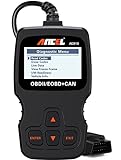
Overview: The ANCEL AD310 is a bestselling entry-level OBD2 scanner that has earned its reputation through reliability and simplicity. Designed for 1996 and newer vehicles, this compact tool reads and clears check engine light codes, displays live data, freeze frame information, and I/M readiness status. Powered directly from your vehicle’s OBDII port, it requires no batteries or charging, making it always ready when you need it.
What Makes It Stand Out: Endorsed by popular mechanic YouTuber Scotty Kilmer, the AD310’s standout feature is its exceptional build quality for the price. The 2.5-foot cable features thick, flexible insulation designed to withstand drops and garage abuse. Its support for all five OBDII protocols (including KWP2000, J1850, ISO9141, and CAN) ensures compatibility with virtually any 1996+ US or 2000+ EU/Asian vehicle. The straightforward button layout and clear display make it accessible to complete beginners.
Value for Money: Priced under $40, the AD310 delivers professional-grade code reading capabilities at a fraction of the cost of shop scanners. It eliminates costly diagnostic visits for basic check engine issues and quickly pays for itself after a single use. While it lacks advanced features of pricier models, its core functionality represents exceptional value for DIY mechanics and home users who need reliable basic diagnostics.
Strengths and Weaknesses: Strengths include rock-solid reliability, broad protocol support, sturdy construction, lightning-fast operation, and zero learning curve. The compact size makes it highly portable for road trips. Weaknesses are its basic monochrome display, lack of ABS/SRS/TPMS support, limited built-in code definitions compared to newer models, and no data logging capabilities. It’s strictly an engine/emissions tool.
Bottom Line: The ANCEL AD310 is the ideal first scanner for any car owner. It excels at its core mission—reading and clearing engine codes quickly and accurately. While feature-limited compared to premium scanners, its unbeatable combination of reliability, compatibility, and affordability makes it a must-have garage essential for basic diagnostics and pre-smog checks.
2. ANCEL AD410 Enhanced OBD2 Scanner, Vehicle Code Reader for Check Engine Light, Automotive OBD II Scanner Fault Diagnosis, OBDII Scan Tool for All OBDII Cars 1996+, Black/Yellow
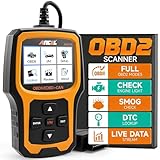
Overview: The AD410 is ANCEL’s enhanced version of their popular scanner, featuring a color display and expanded diagnostics while maintaining the brand’s reputation for affordability and ease of use. This tool covers all basic OBDII functions plus advanced tests for 1996+ vehicles, making it a solid step-up for serious DIYers who need more diagnostic depth without complexity.
What Makes It Stand Out: The vibrant 2.4-inch TFT color display (262K colors) immediately sets it apart from entry-level monochrome scanners. Its most valuable enhancement is the built-in library of 42,000 DTC definitions, eliminating time-consuming online searches. The AD410 also offers specialized O2 sensor and EVAP system testing—critical for diagnosing fuel efficiency and emissions issues that basic scanners miss, making it particularly useful for older vehicles.
Value for Money: At roughly $50-60, the AD410 costs only slightly more than the AD310 while adding significant capabilities. The color display and extensive code library alone justify the upgrade, but the addition of EVAP and O2 sensor tests makes it particularly valuable for owners dealing with persistent emissions problems. It bridges the gap between basic code readers and professional-grade tools, offering genuine utility for the price increase.
Strengths and Weaknesses: Strengths include the excellent color display, massive DTC database, comprehensive protocol support, EVAP/O2 testing capabilities, and intuitive UI. It maintains ANCEL’s trademark durability and plug-and-play simplicity. Weaknesses: despite being “enhanced,” it still only reads engine codes—no ABS, SRS, or transmission support. The multilingual menu can be confusing if accidentally switched, and the USB update process could be more streamlined.
Bottom Line: The ANCEL AD410 hits the sweet spot for enthusiasts wanting more than basic code reading without breaking the bank. The color display and enhanced diagnostics provide genuine utility, while the vast code library saves hours of research. It’s the perfect middle-ground scanner for DIYers who occasionally tackle complex emissions issues but don’t need full-system coverage, offering clear advantages over entry-level models for minimal extra cost.
3. VDIAGTOOL VD10 OBD2 Scanner Code Reader Car Diagnostic Tool Engine Fault Code Reader for Turn Off CEL with Freeze Frame/I/M Readiness for All OBDII Protocol Cars, OBD2 Scanner Diagnostic Tool
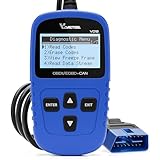
Overview: The VDIAGTOOL VD10 positions itself as an ultra-accessible diagnostic tool for novice car owners, emphasizing simplicity and smog check readiness. This compact scanner handles all essential OBDII functions for 1996+ vehicles, making it a direct competitor to phone-app-based solutions like FIXD, but in a traditional handheld form factor that doesn’t require smartphone pairing or apps.
What Makes It Stand Out: The VD10’s primary differentiator is its focus on the DIY beginner market, with marketing that heavily emphasizes “no experience required.” Its I/M readiness monitoring is particularly robust, providing clear pass/fail indicators for annual emissions inspections. The built-in database of 3,000+ code definitions, while smaller than premium models, covers the most common issues without overwhelming users with overly technical information, making it approachable for non-mechanics.
Value for Money: Typically priced under $30, the VD10 is one of the most affordable true OBDII scanners available. For owners of newer vehicles who simply need to check codes before a smog test or verify if a repair cleared the check engine light, it offers sufficient functionality at a bargain price. However, the limited code library may require supplemental online research for less common DTCs, slightly diminishing its out-of-the-box convenience.
Strengths and Weaknesses: Strengths include unbeatable price, straightforward operation, lightweight portability, and focused feature set that prevents beginner confusion. The live data streaming is surprisingly responsive for the price tier. Weaknesses are the small code database, basic monochrome display, lack of advanced diagnostics (no O2/EVAP testing), no support for ABS/SRS systems, and build quality that feels less robust than ANCEL alternatives. The cable is shorter than some competitors.
Bottom Line: The VD10 is a no-frills, budget-friendly scanner perfect for casual users who prioritize simplicity and cost savings over advanced features. While it won’t replace a professional tool, it reliably handles basic code reading and smog prep. Choose it if you’re a first-time scanner buyer with a newer vehicle who needs occasional check engine diagnostics without investment or complexity, but consider spending slightly more for enhanced durability and code coverage if you plan regular use.
4. BlueDriver Bluetooth Pro OBDII Scan Tool for iPhone & Android - No Subscription Fee - OBD2 Car Scanner and Code Reader - Diagnose Check Engine, ABS, SRS, Airbag & 7000+ Issues on Vehicles 1996+
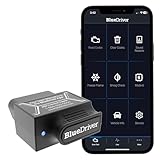
Overview: BlueDriver revolutionizes the scanner market by transforming your smartphone into a professional-grade diagnostic tool. This Bluetooth-enabled dongle pairs with iOS and Android apps to deliver capabilities typically found in $500+ shop scanners, including ABS, SRS, and airbag codes for most 1996+ vehicles, all without subscription fees—a rare value proposition in the connected diagnostics space.
What Makes It Stand Out: The wireless Bluetooth connection eliminates cable clutter while providing unparalleled diagnostic depth. Unlike basic scanners, BlueDriver reads codes from multiple vehicle systems beyond just the engine. Its standout feature is the unlimited repair reports generated from a database of over 7 million verified fixes, complete with step-by-step instructions and video tutorials directly in the app, essentially providing a digital mechanic’s assistant.
Value for Money: At approximately $120, BlueDriver costs more than entry-level handhelds but delivers exponentially more value. The absence of subscription fees (common with professional apps) means the one-time purchase provides lifetime access to updates and the repair database. For serious DIYers, it replaces multiple tools and countless hours of online research, paying for itself after one major repair that would otherwise require a shop visit.
Strengths and Weaknesses: Strengths include comprehensive system coverage (ABS/SRS/Airbag/TPMS), excellent app interface, vast repair database, live data graphing, smog check readiness, and continuous updates. The wireless design is incredibly convenient for test drives. Weaknesses: requires a smartphone (excludes non-smartphone users), occasional Bluetooth connectivity hiccups, some vehicle-specific functions may be limited compared to OEM tools, and the initial setup is slightly more complex than plug-and-play handhelds. App performance varies by phone model.
Bottom Line: BlueDriver is the ultimate scanner for tech-savvy car owners and serious DIY mechanics. Its smartphone integration and professional-grade capabilities make it far more powerful than similarly priced handheld units. While the smartphone requirement may deter some, the depth of diagnostics and repair guidance is unmatched. This is the best value for those wanting shop-level capabilities at home, particularly for diagnosing complex issues across multiple vehicle systems.
5. MOTOPOWER MP69033 Car OBD2 Scanner Code Reader Engine Fault Scanner CAN Diagnostic Scan Tool for All OBD II Protocol Cars Since 1996, Yellow

Overview: The MOTOPOWER MP69033 is a mid-tier handheld OBD2 scanner that balances enhanced display features with essential diagnostic functions. Its 2.8-inch LCD screen and real-time curve graphing capabilities distinguish it from basic entry-level models, while maintaining straightforward operation for 1996+ vehicles across multiple protocols. The bright yellow housing improves visibility in busy garage environments.
What Makes It Stand Out: The larger 2.8-inch display with white backlighting and contrast adjustment provides superior visibility compared to smaller screens. Its real-time curve function graphically displays sensor data like engine RPM and coolant temperature, helping users visualize performance issues that raw numbers might obscure. The six-button interface includes dedicated quick-access keys for VIN and DTC lookup, streamlining common tasks and reducing menu navigation time.
Value for Money: Priced around $40-50, the MP69033 competes directly with the ANCEL AD310 but offers a larger display and graphical data representation. For users who prefer visual feedback over text-only readouts, this represents solid value. However, it lacks the AD410’s color screen and extensive code library, making it a side-grade rather than a clear upgrade. The yellow color scheme is a minor aesthetic perk that aids tool organization.
Strengths and Weaknesses: Strengths include the spacious display, graphical data visualization, multilingual support, sturdy 2.5-foot cable, and comprehensive protocol coverage. The dedicated function buttons improve workflow efficiency. Weaknesses: no color display, limited to engine/OBDII codes only (explicitly states no ABS/Airbag support), smaller DTC library than premium competitors, and the menu system feels dated compared to newer UI designs. The brand recognition lags behind ANCEL.
Bottom Line: The MOTOPOWER MP69033 is a solid choice for visual learners who want more than a basic code reader but don’t need smartphone connectivity. The graphical data display is genuinely useful for diagnosing intermittent issues, and the large screen reduces eye strain. While it doesn’t revolutionize the category, it’s a dependable workhorse that covers all essential OBDII functions with enhanced presentation. Consider it if display size matters, but compare closely with ANCEL AD410 for overall feature set.
6. VDIAGTOOL VD30 Pro Car Code Reader, OBD2 Scanner Diagnostic Tool for Cars and Trucks, Check Engine Code Reader, OBD2 Scanner with Reset, escaner automotriz I/M Readiness for All OBDII Vehicles

Overview: The VDIAGTOOL VD30 Pro positions itself as a comprehensive diagnostic powerhouse for both professional mechanics and serious DIY enthusiasts. This handheld unit performs all ten essential OBD2 tests, offering functionality that rivals more expensive dealership tools. With capabilities ranging from basic code reading to advanced data graphing, it aims to be a one-stop solution for vehicle diagnostics across a wide range of OBDII-compliant cars and trucks.
What Makes It Stand Out: The VD30 Pro’s most impressive feature is its built-in library of over 98,000 DTC definitions, translating cryptic fault codes into plain English. The 4-in-1 live data graphing provides simultaneous parameter monitoring, while the dedicated I/M readiness hotkey streamlines emissions testing preparation. Unique bonus features include integrated voltage testing, data playback, and PC printing capabilities—functions typically found in premium scanners costing significantly more.
Value for Money: Compared to subscription-based alternatives like FIXD, the VD30 Pro offers lifetime free updates via USB, eliminating ongoing costs. Its rugged, drop-resistant construction ensures longevity in harsh garage environments. For under $100, you get professional-grade features including component testing, Mode 06 onboard monitoring, and comprehensive reporting tools that would cost 3-5x more from Snap-on or Autel.
Strengths and Weaknesses: Strengths include the massive DTC database, intuitive one-click scanning, durable build quality, and lifetime updates. The full-text feedback eliminates guesswork for beginners. Weaknesses are the lack of wireless connectivity, requiring a PC for printing and updates, and the potentially overwhelming feature set for casual users who just need basic code reading. The repeated FIXD comparisons in marketing may also raise skepticism.
Bottom Line: The VD30 Pro is an exceptional value for shade-tree mechanics and professionals needing comprehensive OBDII diagnostics without the premium price tag. While overkill for occasional users, its depth of features and lifetime support make it a smart long-term investment for anyone serious about vehicle maintenance.
7. WEJOWE OBD2 Scanner Diagnostic Tool, Check Engine Code Reader OBD2 Scanner with Reset, Mode 6, Mode 8 & I/M Readiness, Auto Check Engine Light Car Diagnostic Scan Tool for All OBDII Car Since 1996
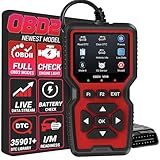
Overview: The WEJOWE OBD2 scanner targets international users and frequent travelers with its compact design and extensive multilingual support. This professional-grade tool covers all essential OBDII functions for vehicles manufactured from 1996 onward, emphasizing portability without sacrificing core diagnostic capabilities. It aims to democratize vehicle diagnostics across language barriers.
What Makes It Stand Out: With a built-in library of 35,901 DTC definitions—substantially more than entry-level scanners—the WEJOWE device provides detailed fault explanations without requiring internet searches. Its standout feature is support for ten languages, including Russian, Japanese, and Portuguese, making it uniquely accessible globally. The included canvas storage bag and Type-C cable for PC connectivity demonstrate thoughtful attention to portability and modern connectivity standards.
Value for Money: Offering lifetime free updates and data printing capabilities at a mid-range price point, the WEJOWE scanner presents solid value. The compact form factor reduces workspace clutter, while the extensive DTC database rivals more expensive units. For multi-lingual households or professional shops serving diverse clientele, the language support alone justifies the investment.
Strengths and Weaknesses: Strengths include the massive DTC library, ten-language support, compact portability, lifetime updates, and convenient printing functionality. The canvas bag is a nice touch for organization. Weaknesses include a less-known brand reputation compared to Innova or Autel, potentially slower update support, and fewer advanced features like battery testing or ABS support. The display quality and graphing capabilities aren’t emphasized, suggesting basic visualization.
Bottom Line: The WEJOWE scanner excels for users needing multilingual support and portability. It’s an excellent choice for international DIYers or shops serving diverse communities, though brand recognition and advanced system coverage lag behind established competitors. Consider it if language flexibility outweighs brand prestige.
8. ZMOON ZM201 Professional OBD2 Scanner Diagnostic Tool, Enhanced Check Engine Code Reader with Reset OBDII/EOBD Car Diagnostic Scan Tools for All Vehicles After 1996, 2026 Upgraded

Overview: The ZMOON ZM201 focuses exclusively on engine diagnostics, providing a streamlined experience for DIYers overwhelmed by overly complex scanners. Compatible with vehicles from 1996 (US), 2002 (EU), and 2008 (Asia), this 2026-upgraded model emphasizes clarity and ease of use. It deliberately excludes ABS, SRS, and transmission systems to maintain simplicity and affordability.
What Makes It Stand Out: The 2.8-inch color display with adjustable brightness and light/dark modes ensures excellent visibility in any garage environment. Its intuitive UI features shortcut keys and visual status indicators, eliminating the learning curve plaguing many diagnostic tools. The inclusion of EVAP system checks and onboard monitoring (Mode 06) provides depth typically reserved for professional-grade equipment, while the 50,000-code DTC database offers comprehensive fault explanations.
Value for Money: With lifetime software updates and essential engine diagnostics at a sub-$80 price point, the ZM201 delivers exceptional value. The plug-and-play operation requires no apps or subscriptions, saving ongoing costs. While PC printing is Windows-only, the core functionality rivals scanners costing twice as much. For engine-specific troubleshooting, it avoids paying for unnecessary system coverage.
Strengths and Weaknesses: Strengths include the vibrant color screen, user-friendly interface, comprehensive engine diagnostics, EVAP testing, and lifetime updates. The dedicated focus prevents feature bloat. Weaknesses are the intentional lack of ABS/SRS/transmission support, limiting its scope for modern vehicles with complex integrated systems. Windows-only PC connectivity excludes Mac users, and the brand lacks the long-term track record of Innova or Autel.
Bottom Line: The ZM201 is ideal for DIYers wanting professional engine diagnostics without complexity or cost. Its color display and focused feature set make it perfect for home mechanics, though those needing full-system coverage should look elsewhere. A smart choice for engine-specific troubleshooting.
9. 2025 New OBD2 Scanner Diagnostic Tool - Check Engine Light Code Reader with Reset, Battery Voltage Tester, Modes 6 & 8, Suitable for All OBD II Protocol Car & Truck Since 1996

Overview: This generically branded “2025 New OBD2 Scanner” offers essential diagnostic functions for budget-conscious users. Covering most vehicles from 1996 onward with standard OBDII protocols, it provides fundamental code reading, live data, and emissions testing support. The tool targets DIY beginners seeking straightforward check engine light diagnostics without advanced complexity or premium pricing.
What Makes It Stand Out: The scanner’s primary distinguishing feature is its “2025” designation, suggesting recent firmware and updated vehicle coverage. The inclusion of both Mode 6 (onboard monitoring) and Mode 8 (control of onboard systems) at this price point exceeds typical entry-level capabilities. Its large LCD display and one-click I/M readiness function simplify smog check preparation, while the battery voltage tester adds practical value beyond basic code reading.
Value for Money: Positioned as an affordable entry-level option, this scanner delivers core OBDII functionality without subscription fees. The durable, compact design suits occasional use, and the inclusion of Modes 6 and 8 provides unexpected depth for the price. However, the unspecified DTC library size and generic branding raise questions about long-term support compared to established manufacturers offering lifetime updates.
Strengths and Weaknesses: Strengths include broad vehicle compatibility, user-friendly one-click operation, battery voltage testing, and portable durability. The 2025 model year suggests current software. Weaknesses are the vague DTC database specifications, lack of printing capabilities, absence of update promises, and incompatibility with hybrids and EVs. The generic brand may offer limited customer support, and advanced features like graphing or component testing aren’t mentioned.
Bottom Line: This scanner serves as a competent entry-level tool for basic diagnostics and emissions prep. While suitable for casual DIYers, its generic nature and unspecified long-term support make it a risky long-term investment compared to similarly priced options from verified brands. Purchase for simplicity, not longevity.
10. Innova 5210 OBD2 Scanner & Engine Code Reader, Battery Tester, Live Data, Oil Reset, Car Diagnostic Tool for Most Vehicles, Bluetooth Compatible with America’s Top Car Repair App

Overview: The Innova 5210 leverages decades of brand reputation by combining OBDII scanning with battery testing and app-based repair guidance. This tool targets DIYers wanting more than just codes—it provides actionable repair solutions through the RepairSolutions2 app. Compatible with most 1996+ vehicles, it bridges the gap between basic readers and professional scan tools through smart connectivity.
What Makes It Stand Out: Unique among these scanners, the 5210 functions as a battery and alternator tester, preventing no-start surprises. The oil reset feature adds maintenance capability, while Bluetooth connectivity to the RepairSolutions2 app provides ASE-certified repair recommendations, parts suggestions, and cost estimates—transforming raw data into actionable intelligence. With 4 million users, the app’s verified fix database offers crowdsourced wisdom that generic scanners cannot match.
Value for Money: While pricier than basic units, the 5210 eliminates subscription fees and includes professional-grade features like ABS code reading (coverage varies) and battery testing. The free app access alone saves hundreds in diagnostic fees. For DIYers who would otherwise rely on YouTube or forums for repair guidance, the verified fix database provides confidence and efficiency that justifies the premium.
Strengths and Weaknesses: Strengths include battery/alternator testing, oil reset capability, trusted brand reputation, Bluetooth app integration with verified fixes, and ABS support. The no-subscription model is refreshing. Weaknesses include variable ABS coverage requiring pre-purchase verification, reliance on smartphone apps for full functionality, and potentially higher cost than feature-rich competitors. The app experience may vary by vehicle make.
Bottom Line: The Innova 5210 is the best choice for DIYers wanting guided repairs rather than just raw data. Its battery testing and app-based recommendations provide exceptional value, though verifying ABS coverage for your specific vehicle is essential. The premium is justified by the trusted brand and actionable intelligence.
Understanding OBD2 Technology and Multi-Vehicle Compatibility
What is OBD2 and Why Universal Compatibility Matters
OBD2 (On-Board Diagnostics II) represents the standardized system implemented in vehicles sold in the United States since 1996. This universal port allows diagnostic tools to communicate with your vehicle’s computer systems. However, “standardized” doesn’t mean identical—manufacturers implement proprietary codes and systems beyond the basic engine diagnostics. A truly effective multi-vehicle reader must navigate this complex web of generic and manufacturer-specific protocols, interpreting everything from powertrain issues in a 1998 Honda to advanced body control modules in a 2026 electric SUV.
The Evolution of OBD2 Standards Across Vehicle Makes
While the physical connector remains consistent, the software language varies dramatically between manufacturers. Ford uses different command structures than Toyota, which differs from BMW’s approach. Modern vehicles may employ multiple CAN (Controller Area Network) buses, requiring scanners that can address different modules simultaneously. The best multi-vehicle readers continuously update their software libraries to include new protocols as automakers release them, ensuring your tool remains relevant as you add newer vehicles to your fleet.
How Multi-Vehicle Readers Differ from Single-Brand Tools
Manufacturer-specific scanners, like those used at dealerships, dive deep into proprietary systems but only for one brand. Multi-vehicle tools sacrifice some brand-specific depth for breadth of coverage. The key differentiator lies in how well they balance this trade-off. Premium universal scanners achieve 85-90% of the functionality of dealer tools across dozens of brands, while budget options might only read basic engine codes. Understanding this spectrum helps set realistic expectations for what your chosen device can accomplish.
Key Features That Define Top-Tier Multi-Vehicle Scanners
Diagnostic Depth: Code Reading vs. Full System Access
Basic code readers simply display trouble codes and allow you to clear them. Advanced scanners access multiple control modules—ABS, airbag, transmission, body control, and more. For multi-vehicle households, this depth becomes essential. A transmission fault in a Chevrolet requires different diagnostic approaches than an airbag issue in a Subaru. Look for tools that explicitly advertise “all-systems” or “full-function” diagnostics rather than just engine code reading.
Live Data Streaming Capabilities
Real-time data streaming transforms diagnostic guesswork into scientific analysis. Quality scanners display multiple parameter IDs (PIDs) simultaneously—engine RPM, oxygen sensor readings, fuel trim values, and temperature data. The best devices allow you to graph this data, compare it against known good values, and even merge data streams from different modules. This feature proves invaluable when diagnosing intermittent issues that don’t trigger permanent codes.
Bi-Directional Control and Active Testing
Bi-directional functionality lets you send commands to vehicle systems—activating individual components, running system tests, or performing calibrations. This might include cycling ABS solenoids, running EVAP system tests, or performing throttle body relearn procedures. For multi-vehicle use, ensure the scanner supports these functions across various brands, not just one or two. This capability separates hobbyist tools from professional-grade equipment.
Wireless Connectivity Options
Modern scanners offer Bluetooth, Wi-Fi, or USB-C connections to smartphones, tablets, or laptops. Wireless dongles provide convenience and portability, while wired connections ensure stable data transfer during complex procedures. Consider your workflow: do you prefer diagnosing from the driver’s seat with your phone, or do you need a dedicated tablet with a rugged case for shop use? The connection method significantly impacts user experience and diagnostic speed.
Software Update Policies and Longevity
A scanner is only as good as its software database. Manufacturers constantly release updates to cover new models, fix bugs, and add features. Investigate update costs—some brands offer lifetime free updates, while others charge annual subscriptions exceeding $100. For multi-vehicle users, free updates aren’t just nice; they’re essential for maintaining compatibility as you purchase newer vehicles. A tool with expensive updates quickly becomes obsolete or costly.
Compatibility Considerations for 2026 and Beyond
Domestic vs. Import Vehicle Coverage
American, European, and Asian vehicles often use different communication protocols and coding structures. Ford, GM, and Chrysler have historically used similar systems, but modern vehicles diverge significantly. European brands (BMW, Mercedes, VW) implement complex coding requirements, while Japanese manufacturers (Toyota, Honda, Nissan) maintain relatively straightforward architectures. Korean brands (Hyundai, Kia) have evolved rapidly, requiring modern software. Verify your scanner explicitly covers all regions where your vehicles originate.
Hybrid and Electric Vehicle Support
EV and hybrid diagnostics require specialized knowledge beyond traditional OBD2. Battery management systems, electric motor controllers, and high-voltage safety protocols demand scanners with specific EV capabilities. As these vehicles dominate 2026’s market, ensure your tool can access hybrid battery health data, charging system diagnostics, and electric drivetrain codes. Generic engine scanners will leave you blind to the most critical systems in these vehicles.
Exotic and Luxury Brand Accessibility
Ferrari, Lamborghini, McLaren, and other exotics often use modified or completely proprietary systems that standard OBD2 readers can’t access. Some multi-vehicle scanners offer exotic car packages as add-ons. If your garage includes premium brands like Porsche, Maserati, or Aston Martin, verify the scanner’s coverage specifically for these marques. The investment in a tool that handles both your daily driver BMW and weekend Porsche pays off in diagnostic capability and resale value.
Older Vehicle Protocol Support
While focusing on 2026 capabilities, don’t forget your classic vehicles. Pre-2008 cars may use OBD2 but with earlier communication protocols like ISO 9141 or KWP2000. Some modern scanners have dropped support for these older systems. If you’re diagnosing a 2002 truck alongside a 2026 sedan, confirm the tool supports legacy protocols. This backward compatibility ensures one device handles your entire collection.
User Experience Factors
Display Quality and Interface Design
A scanner’s physical interface dramatically affects diagnostic efficiency. Small, monochrome screens with cryptic menus slow down even simple code checks. Modern color displays with intuitive icons, touchscreen functionality, and logical menu structures reduce learning curves. For multi-vehicle use, look for devices that automatically identify the vehicle and present relevant diagnostic options rather than forcing you to navigate generic menus.
Mobile App Integration vs. Standalone Units
Smartphone-based scanners offer convenience and regular app updates but depend on your phone’s battery and screen size. Dedicated standalone units provide ruggedness, longer battery life, and purpose-built interfaces but cost more. Consider your environment: DIYers in home garages often prefer phone-based systems, while professional technicians need standalone units that withstand shop conditions. Some premium tools offer both capabilities.
Learning Curve and User Resources
Even the most capable scanner is useless if you can’t operate it. Quality manufacturers provide video tutorials, detailed manuals, and active user communities. For multi-vehicle diagnostics, look for tools with built-in code definitions, repair suggestions, and wiring diagrams. Some advanced units integrate with repair databases, offering step-by-step troubleshooting guides specific to the detected code and vehicle—a game-changer for complex diagnostics.
Portability and Build Quality
Frequent use across multiple vehicles demands durability. Cheap plastic housings crack, short cables fray, and flimsy connectors fail. Professional-grade scanners feature reinforced cables, rubberized bumpers, and quality connectors that withstand thousands of insertions. Consider the tool’s size—will it fit in your glove box for roadside diagnostics, or does it belong in a toolbox? Weight, cable length, and carrying case quality all impact real-world usability.
Advanced Functions for Professional Use
Coding and Programming Capabilities
Advanced scanners can code new components to your vehicle—essential when replacing modules, sensors, or even batteries in modern cars. BMW requires battery registration; VW needs component protection removal; Ford demands PCM reprogramming. These functions separate comprehensive multi-vehicle tools from basic code readers. Verify the scanner supports coding for your specific vehicles, as this capability varies widely even within premium tool categories.
Service Reset Functions
Oil changes, brake services, and battery replacements now require electronic reset procedures in most vehicles. A quality multi-vehicle scanner includes service reset functions for dozens of brands—from Audi’s oil service indicator to Honda’s TPMS calibration. Without this feature, you’ll still need separate tools or dealership visits for routine maintenance resets, defeating the purpose of a universal device.
Emissions Testing Readiness
For states with strict emissions testing, scanners must accurately display readiness monitors and identify which tests have completed. Some tools can even force readiness monitor completion through specific drive cycles. This feature proves invaluable when preparing vehicles for inspection, especially if you’ve recently cleared codes or disconnected the battery. Ensure the scanner provides clear readiness status for all monitored systems.
Data Logging and Reporting
Professional diagnostics often requires sharing information with clients, technicians, or online forums. Advanced scanners export data in formats like CSV or PDF, generate detailed reports with graphs, and allow you to annotate findings. For multi-vehicle owners maintaining service records, this documentation becomes invaluable. Some tools even sync with cloud services, creating a diagnostic history for each vehicle in your fleet.
Price Tiers and Value Assessment
Budget-Friendly Options Under $100
Entry-level multi-vehicle readers typically offer basic engine code reading, code clearing, and limited live data. They work adequately for pre-2010 vehicles but struggle with newer models’ advanced systems. While tempting, these tools often lack update support and may not cover all your vehicles. Consider this tier only if you own older, simpler vehicles and perform basic diagnostics. The savings evaporate quickly when you need a second tool for modern cars.
Mid-Range Powerhouses ($100-$300)
This sweet spot offers the best value for most multi-vehicle owners. Tools in this range provide comprehensive code coverage, full-system access for most brands, live data graphing, and regular software updates. They typically include service reset functions and support vehicles through 2026. Build quality improves significantly, and many offer wireless connectivity. For families with 2-4 vehicles of different makes, this tier delivers professional capabilities without professional prices.
Professional-Grade Investment ($300+)
Premium scanners justify their cost through exhaustive vehicle coverage, bi-directional controls, coding capabilities, and robust construction. They often include specialized functions like injector coding, key programming, and advanced calibration procedures. For enthusiasts managing diverse collections or small repair shops serving multiple brands, this tier provides near-dealership functionality. The higher upfront cost pays for itself by eliminating multiple brand-specific tools and reducing diagnostic time.
Hidden Costs to Consider
Beyond the purchase price, factor in update subscriptions, additional vehicle packages, and replacement parts. Some scanners require paid “unlocking” for specific brands. Others charge for technical support after the warranty period. Battery replacement for standalone units, cable upgrades, and protective cases add to long-term costs. Calculate the total cost of ownership over 3-5 years, not just the initial investment, to make an informed decision.
Making Your Final Decision
Assessing Your Specific Vehicle Fleet
Create a detailed list of your vehicles: year, make, model, and trim. Note specific diagnostic needs—does your BMW need battery registration? Does your Ford require ABS bleeding procedures? Prioritize tools that explicitly cover your most complex vehicle. A scanner that excels on your 2026 Hyundai Ioniq 5 but can’t access your 2015 Mercedes transmission codes isn’t truly multi-vehicle capable. Match tool capabilities to your actual needs, not hypothetical future purchases.
Matching Features to Your Skill Level
Be realistic about your technical expertise. A scanner with 500 bi-directional functions is wasted if you only read and clear codes. Conversely, a basic reader frustrates advanced users needing deeper diagnostics. Many professional-grade tools offer “beginner modes” that simplify interfaces while preserving advanced functions for growth. Consider tools with strong educational resources if you’re expanding your skills. The best scanner grows with your abilities.
Warranty and Customer Support Evaluation
Multi-vehicle scanners are complex electronics that can fail. Standard warranties range from one to three years, but support quality varies dramatically. Test customer service before purchasing—send a question about vehicle coverage and gauge response time and knowledge. Active online communities, video libraries, and live chat support indicate a company that stands behind its product. Avoid brands with poor support reputations, as you’ll need help navigating complex multi-vehicle diagnostics.
Future-Proofing Your Investment
Vehicle technology evolves rapidly. A scanner compatible with 2026 models may struggle with 2028 vehicles without updates. Prioritize tools with strong update histories and clear roadmaps for new protocol support. Some manufacturers commit to supporting new vehicles for 5+ years after purchase. Consider USB-C connectivity over older ports, adequate memory for growing software, and hardware specs that can handle increasingly complex diagnostic procedures. The right tool should serve your fleet for at least 5-7 years.
Frequently Asked Questions
Can one OBD2 scanner really work on all my vehicles?
Truly universal scanners exist but with limitations. Quality multi-vehicle tools cover engine, transmission, ABS, and airbag systems across dozens of brands. However, extremely proprietary functions like advanced coding or brand-specific calibrations may still require manufacturer tools. For 90% of diagnostic needs, a premium universal scanner suffices.
What’s the difference between OBD2 and OBD1 compatibility?
OBD1 was a pre-1996 system without standardization—each manufacturer used different connectors and protocols. Some modern scanners include OBD1 adapters for specific brands, but this is rare. If you own pre-1996 vehicles, you’ll likely need separate OBD1 tools or brand-specific adapters. Most multi-vehicle scanners focus exclusively on OBD2 systems (1996+).
Do I need a scanner with electric vehicle support if I only own one EV?
Yes. EVs require specialized diagnostics for battery management, charging systems, and high-voltage components that standard scanners can’t access. Even basic functions like brake system bleeding require EV-specific procedures. A scanner without EV capabilities leaves you blind to the most critical systems in your electric vehicle.
How often should I update my scanner’s software?
Update immediately when you purchase a new vehicle and at least annually otherwise. Automakers release new codes and procedures regularly. Some scanners auto-update when connected to Wi-Fi, while others require manual downloads. Set calendar reminders—outdated software may miss critical codes or fail to connect to newer vehicle modules.
Can wireless scanners be as reliable as wired units?
Modern Bluetooth 5.0 and Wi-Fi 6 connections offer excellent stability for most diagnostics. However, complex procedures like ECU programming or lengthy data logging sessions benefit from wired connections’ uninterrupted bandwidth. Premium wireless scanners include both options, allowing you to choose based on the task’s demands.
What are readiness monitors and why do they matter?
Readiness monitors are self-checks your vehicle performs on emissions systems. After clearing codes or disconnecting the battery, these monitors reset and must complete specific drive cycles before passing emissions testing. Quality scanners display readiness status clearly, helping you determine if your vehicle is inspection-ready.
Is it worth paying extra for bi-directional control?
For DIYers performing their own repairs, bi-directional functions save hundreds in labor costs. Activating components for testing, running system self-tests, and performing calibrations are essential for proper repairs. If you only read codes, skip this feature. If you replace parts or diagnose complex issues, bi-directional control is invaluable.
Can scanners damage my vehicle’s computer?
Reputable scanners cannot damage properly functioning vehicles—they only read data and send approved commands. However, incorrect use of bi-directional functions (like improper coding) can cause issues. Always follow procedures exactly, especially on luxury or exotic vehicles. Quality scanners include safeguards and warnings before executing critical functions.
What’s the best scanner type for a beginner with multiple vehicles?
Start with a mid-range wireless scanner paired with a robust mobile app. This provides excellent vehicle coverage, clear code definitions, and guided diagnostics without overwhelming complexity. Choose a brand with strong educational resources and an active user forum. As skills grow, you can upgrade to more advanced hardware while retaining familiar software.
How do I verify a scanner covers my specific vehicles before buying?
Check the manufacturer’s website for detailed vehicle coverage lists—reputable brands provide searchable databases. Contact customer service with your VIN for confirmation. Search online forums for real-user experiences with your exact vehicle models. Avoid brands with vague “covers most vehicles” claims without specific documentation. A legitimate multi-vehicle scanner proudly displays its coverage.
See Also
- The 10 Ultimate Best OBD2 Code Readers for Multiple Vehicles in 2026
- 10 Best Value OBD2 Code Readers for Multiple Vehicles in 2026
- How to Choose the 10 Best OBD2 Code Readers for Fleet Vehicles in 2026
- Top 10 Best OBD2 Code Readers for DIY Mechanics in 2026
- 10 Expert-Recommended OBD2 Code Readers with ABS/SRS Support for Full Diagnostics in 2026