Table of Contents
That dreaded orange symbol—the check engine light—can turn even a smooth drive into a knot of anxiety. One moment you’re cruising down the highway, and the next, your dashboard delivers that unwelcome glow, leaving you wondering: Is it serious? How much will it cost? Can I even fix it myself? For countless drivers, this small warning light represents uncertainty and potential expense, often leading to rushed trips to the mechanic and unnecessary bills. But what if you could cut through the panic and take control right from your driveway? The good news is, you absolutely can, and the right OBD2 scanner is your key to unlocking that peace of mind and saving significant money over time.
Gone are the days when only mechanics held the keys to your car’s computer system. Modern OBD2 technology puts diagnostic power directly into your hands, allowing you to read, interpret, and yes—crucially—clear those pesky check engine lights yourself. However, not all scanners are created equal, and choosing the wrong one can leave you frustrated, still in the dark, or worse, accidentally causing more issues. This guide cuts through the marketing hype to focus on exactly what matters when selecting a scanner specifically for clearing diagnostic trouble codes (DTCs). We’ll break down the essential features, clarify confusing terminology, and empower you to make a confident, informed decision that matches your real-world needs—not someone else’s sales pitch.
Top 10 OBD2 Scanners
Detailed Product Reviews
1. ANCEL AD310 Classic Enhanced Universal OBD II Scanner Car Engine Fault Code Reader CAN Diagnostic Scan Tool, Read and Clear Error Codes for 1996 or Newer OBD2 Protocol Vehicle (Black)
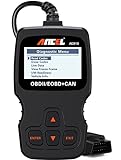
Overview: The ANCEL AD310 is a budget-friendly OBD2 scanner designed for DIYers and mechanics to diagnose engine issues. It reads and clears check engine light codes, displays live data, and supports all major OBDII protocols for vehicles from 1996 onward.
What Makes It Stand Out: Its standout features include Scotty Kilmer’s endorsement, exceptional sturdiness with a thick 2.5-foot cable, and a clear display with intuitive button layout. It powers directly from the vehicle, eliminating battery needs, and covers broad compatibility (US/EU/Asian models).
Value for Money: Priced affordably under $50, it outperforms cheaper scanners with reliable accuracy and durability. While it lacks advanced features like ABS diagnostics, it excels as a no-frills tool for basic code reading/clearing—ideal for occasional use.
Strengths and Weaknesses: Strengths: Rugged build, fast code clearing, multi-protocol support, and portability. Weaknesses: No ABS/SRS functionality, limited live data depth, and compatibility requires pre-purchase verification for some vehicles.
Bottom Line: A dependable entry-level scanner for DIYers needing reliable check engine light diagnostics without frills. Highly recommended for basic troubleshooting at an unbeatable price.
2. MOTOPOWER MP69033 Car OBD2 Scanner Code Reader Engine Fault Scanner CAN Diagnostic Scan Tool for All OBD II Protocol Cars Since 1996, Yellow

Overview: This compact yellow scanner offers essential OBD2 diagnostics for post-1996 vehicles, focusing on engine code reading, clearing, and live data monitoring via a user-friendly interface.
What Makes It Stand Out: Its 2.8-inch adjustable-backlight LCD ensures readability in any light, while six dedicated buttons streamline navigation. Supporting nine protocols and six languages, it’s ideal for multilingual users and covers most domestic/import vehicles.
Value for Money: At $40–$50, it delivers solid functionality for its cost. The bright display and cable durability justify the price over no-name brands, though it’s outclassed by pricier tools with graphing or advanced diagnostics.
Strengths and Weaknesses: Strengths: Excellent screen visibility, robust cable, multilingual support, and instant plug-and-play operation. Weaknesses: Cannot read ABS/airbag codes, lacks data logging, and has minimal freeze-frame analysis.
Bottom Line: A practical, no-nonsense scanner for budget-conscious users needing core engine diagnostics. Avoid if ABS/SRS support is required, but otherwise a worthy basic investment.
3. FOXWELL NT301 OBD2 Scanner Live Data Professional Mechanic OBDII Diagnostic Code Reader Tool for Check Engine Light

Overview: Aimed at semi-professionals, the FOXWELL NT301 provides engine diagnostics with live data graphing, freeze-frame support, and emissions testing readiness checks for OBD2-compliant vehicles.
What Makes It Stand Out: Real-time sensor data graphing is its crown jewel, allowing trend analysis for intermittent issues. The red-yellow-green LED system simplifies I/M readiness checks, and its professional build suits workshop use.
Value for Money: Priced around $60, it bridges DIY and pro tiers. The graphing feature justifies the cost for enthusiasts tackling complex diagnostics, though casual users may find it overkill compared to $30 scanners.
Strengths and Weaknesses: Strengths: Intuitive graphing, accurate code reading, and emissions-focused tools. Weaknesses: No ABS/transmission support, no bi-directional controls, and compatibility quirks with some Asian models.
Bottom Line: Best for hands-on users diagnosing stubborn engine issues via live data trends. Skip if you only need basic code clearing, but invaluable for deeper analysis at this price.
4. VDIAGTOOL VD10 OBD2 Scanner Code Reader Car Diagnostic Tool Engine Fault Code Reader for Turn Off CEL with Freeze Frame/I/M Readiness for All OBDII Protocol Cars, OBD2 Scanner Diagnostic Tool
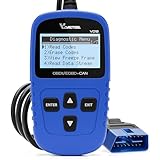
Overview: The VDIAGTOOL VD10 is a feature-rich scanner emphasizing user-friendliness, with a built-in DTC database and freeze-frame analysis for DIY troubleshooting of check engine lights.
What Makes It Stand Out: Its 3,000+ fault code library displays definitions instantly on-screen—no internet needed—saving research time. The TFT screen enhances readability, and I/M readiness tracking simplifies smog test prep.
Value for Money: At $50–$65, it offers exceptional utility for beginners. The integrated code lookup eliminates guesswork, outperforming cheaper scanners that require manual code searches online.
Strengths and Weaknesses: Strengths: Comprehensive DTC database, clear freeze-frame data, and smog-test readiness monitoring. Weaknesses: No ABS/SRS capabilities, plasticky build quality, and occasional software hiccups.
Bottom Line: The top choice for novices wanting instant code explanations. Prioritize this over basic readers if understanding fault causes quickly is your priority.
5. BlueDriver Bluetooth Pro OBDII Scan Tool for iPhone & Android - No Subscription Fee - OBD2 Car Scanner and Code Reader - Diagnose Check Engine, ABS, SRS, Airbag & 7000+ Issues on Vehicles 1996+

Overview: BlueDriver is a wireless Bluetooth scanner that pairs with a smartphone app, offering comprehensive diagnostics including ABS, SRS, and live data streaming for vehicles from 1996+.
What Makes It Stand Out: It uniquely diagnoses ABS/SRS systems (unlike most budget scanners) and provides unlimited repair reports with fix videos. The wireless design and intuitive app mimic professional tools, while zero subscription fees add value.
Value for Money: At $100+, it’s pricier but justifies cost with pro-grade features. Cheaper scanners can’t match its ABS/SRS coverage or repair guidance—ideal for owners of modern vehicles with complex systems.
Strengths and Weaknesses: Strengths: Wireless convenience, ABS/SRS support, repair videos, and no recurring fees. Weaknesses: Requires a phone/tablet, occasional app connectivity issues, and limited to newer vehicles for advanced functions.
Bottom Line: The premium pick for tech-savvy users needing full-system diagnostics. Worth the investment if you demand ABS/SRS access and repair insights beyond basic code reading.
6. FOXWELL Car Scanner NT604 Elite OBD2 Scanner ABS SRS Transmission, Check Engine Code Reader for Cars and Trucks, Diagnostic Scan Tool with SRS Airbag, Automotive Diagnostic Tool with Live Data
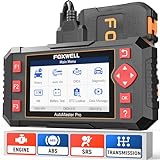
Overview: The FOXWELL NT604 Elite is a 2026-updated OBD2 scanner targeting car owners needing comprehensive diagnostics beyond basic engine codes. It covers ABS, SRS, transmission, and engine systems out of the box with preloaded software.
What Makes It Stand Out: Its standout feature is true 5-in-1 functionality (OBD2 plus ABS/SRS/transmission/scanner), rare at this price point. The solid protective case (unlike competitors’ flimsy bags), lifetime free updates, and AUTOVIN system for instant vehicle identification add significant value. Live data streaming and DTC playback further enhance diagnostics.
Value for Money: Priced competitively against basic OBD2 scanners ($50–$100), it delivers professional-grade multi-system coverage without hidden software fees. The included case and lifetime updates justify its cost versus tools requiring aftermarket purchases.
Strengths and Weaknesses: Strengths: Broad compatibility (60+ global makes), no setup needed, durable case, extensive diagnostics. Weaknesses: Cannot reset warning lights without physical repairs; lacks maintenance resets (e.g., oil/service); SRS/ABS coverage may vary by model.
Bottom Line: Ideal for DIYers seeking deep diagnostics without dealership costs. Its multi-system capability and rugged design offer exceptional value, though it’s not a repair solution—recommended for thorough pre-repair analysis.
7. ANCEL AD410 Enhanced OBD2 Scanner, Vehicle Code Reader for Check Engine Light, Automotive OBD II Scanner Fault Diagnosis, OBDII Scan Tool for All OBDII Cars 1996+, Black/Yellow

Overview: The ANCEL AD410 is a streamlined OBD2 scanner focused exclusively on engine diagnostics for 1996+ vehicles, emphasizing ease of use and critical code management without multi-system support.
What Makes It Stand Out: Its 42,000+ built-in DTC library eliminates online lookups, while EVAP and O2 sensor testing provide actionable insights for emissions and fuel efficiency. The QVGA color display and intuitive UI make it exceptionally beginner-friendly, and it draws power directly from the OBD2 port—no batteries required.
Value for Money: At a mid-range price, it outperforms budget scanners with advanced diagnostics like EVAP leak testing. However, its engine-only limitation reduces value versus multi-system tools, though multilingual support broadens its appeal.
Strengths and Weaknesses: Strengths: Plug-and-play simplicity, robust DTC database, EVAP/O2 diagnostics, vibrant display. Weaknesses: Supports engine codes only (no ABS/SRS); cannot clear codes without repairs; limited to OBD2 protocols (no specialized resets).
Bottom Line: A superb choice for cost-conscious users needing reliable engine diagnostics and smog test prep. Avoid if ABS/SRS scanning is required; otherwise, it’s a no-fuss, highly effective entry-level tool.
8. Innova 5210 OBD2 Scanner & Engine Code Reader, Battery Tester, Live Data, Oil Reset, Car Diagnostic Tool for Most Vehicles, Bluetooth Compatible with America’s Top Car Repair App

Overview: The Innova 5210 merges OBD2 diagnostics with battery testing and oil reset functionality, targeting DIYers who want holistic vehicle health insights via Bluetooth and a free repair app.
What Makes It Stand Out: Unique dual functionality as an OBD2 scanner and battery/alternator tester prevents unexpected breakdowns. Its RepairSolutions2 app delivers ASE-certified repair guides (no subscriptions), while oil reset and I/M readiness features cover common maintenance needs.
Value for Money: Priced higher than basic scanners, it justifies cost through battery diagnostics, oil reset, and the app’s verified repair data. Bluetooth connectivity and no hidden fees offer long-term savings versus paid-subscription competitors.
Strengths and Weaknesses: Strengths: Battery health monitoring, free repair app, oil reset, broad vehicle coverage. Weaknesses: ABS coverage is inconsistent; Bluetooth pairing can be finicky; app requires smartphone dependency.
Bottom Line: Highly recommended for proactive maintenance—especially battery/oil resets—thanks to its repair app and dual diagnostics. Choose this over single-function tools if you prioritize actionable repair guidance and avoiding shop markups.
9. OBD2 Scanner Diagnostic Tool, Check Engine Code Reader OBD2 Scanner with Reset, Mode 6, Mode 8 & I/M Readiness, Auto Check Engine Light Car Diagnostic Scan Tool for All OBDII Car Since 1996

Overview: This WEJOWE OBD2 scanner emphasizes an extensive DTC library and data-printing capabilities for users seeking detailed diagnostics and documentation without recurring costs.
What Makes It Stand Out: Its massive 35,901 DTC database (tripling typical scanners) enables precise fault identification. The standout feature is PC connectivity for printing live data/DTCs—ideal for disputing repair shop charges—and lifetime free updates ensure ongoing relevance.
Value for Money: Affordable yet packed with features rarely seen at this tier (e.g., printing, Mode 6/8 tests). The canvas bag and Type-C cable add practicality, though build quality may trail premium brands.
Strengths and Weaknesses: Strengths: Huge DTC library, data printing, multi-language support, compact design. Weaknesses: Printing requires PC (not mobile); inconsistent ABS coverage; interface feels dated versus app-based tools.
Bottom Line: A budget powerhouse for data-focused users who value documentation and DTC depth. Skip if you prefer mobile apps, but otherwise, it’s a steal for code clearing, smog checks, and avoiding diagnostic disputes.
10. OBD2 Scanner Reader Bluetooth Wireless Auto Diagnostic Scan Tool for iOS & Android for Performance Test Bluetooth 5.4 Car Check Engine Car Code Reader, Clear Error Code Live Data Reset Exclusive APP

Overview: The V011 is a Bluetooth 5.4 wireless scanner leveraging a dedicated app for iOS/Android, prioritizing intuitive data visualization and broad compatibility for real-time performance monitoring.
What Makes It Stand Out: Bluetooth 5.4 ensures rapid, stable connections, while app-based chart visualizations (coolant temp, RPM, etc.) simplify interpreting live data. Its exclusive app offers video guides and repair estimates—unlike generic Bluetooth dongles.
Value for Money: Competitive pricing for wireless convenience and app features, though subscription-free rivals like Innova 5210 offer deeper diagnostics. Ideal for tech-savvy users valuing mobile integration over standalone hardware.
Strengths and Weaknesses: Strengths: Seamless Bluetooth 5.4, user-friendly charts, 96% vehicle coverage, multilingual app. Weaknesses: Requires phone dependency; Apple pairing quirks; no battery/ABS testing; codes clear only post-repair.
Bottom Line: Best for smartphone-reliant users wanting effortless connectivity and visual diagnostics. Avoid for complex repairs, but perfect for quick checks, smog prep, and understanding check-engine-light causes on the go.
Understanding OBD2 and Check Engine Light Clearing
How OBD2 Systems Communicate with Scanners
Your vehicle’s On-Board Diagnostics system (OBD2) is a standardized network that monitors engine performance, emissions, and critical systems. When a problem occurs, the car’s computer logs a specific Diagnostic Trouble Code (DTC) and triggers the check engine light. A scanner plugs into the OBD2 port (usually under the dashboard) and communicates with this computer using standardized protocols. To clear a light, the scanner sends a specific command requesting the computer to erase stored codes and reset the light—but only if the underlying issue has been resolved. Understanding this communication process is vital; scanners merely relay commands, they don’t “fix” problems.
Why Clearing Codes Isn’t Always the Solution
Clearing a check engine light should never be your first reaction. The light exists to alert you to potential problems affecting performance, safety, or emissions. Clearing the code without diagnosing the root cause—like a failing oxygen sensor or a loose gas cap—means the problem persists. The light will often return, sometimes after multiple drive cycles, and you might miss critical warnings. True value comes from using the scanner to read and interpret the codes first, understand what they mean, address the actual malfunction, then clear the light to confirm the repair worked. Scanners that only clear lights without robust code reading are practically useless for meaningful diagnostics.
The Critical Difference Between Generic and Manufacturer-Specific Codes
While OBD2 ensures basic standardization (like P0xxx codes for engine issues), modern cars also use manufacturer-specific codes (P1xxx, P2xxx, etc.) for systems beyond the engine—think transmissions, ABS, or advanced driver aids. A scanner capable only of reading generic codes might clear the main check engine light but miss underlying system-specific faults that could cause the light to reappear. For comprehensive clearing, especially on newer vehicles, ensure your scanner supports both generic and manufacturer-specific codes. This prevents partial clearing where the light goes off temporarily but returns because a deeper issue remains logged.
Key Features for Effective Check Engine Light Clearing
Core Code Reading and Clearing Capability
This is non-negotiable. Any scanner marketed for clearing lights must reliably read all stored DTCs (including pending and permanent codes) and provide a one-step function to clear them. Verify that the clearing function works consistently across different vehicle makes and model years you own or anticipate using it with. Some low-end tools claim clearing ability but fail on certain protocols or require multiple restarts. Look for user feedback specifically mentioning successful clearing—it’s the bare minimum requirement.
Real-Time Data Stream for Post-Clear Verification
Simply clearing the light isn’t enough; you need to confirm the repair stuck. A scanner displaying real-time data (like engine RPM, coolant temperature, oxygen sensor voltages, or fuel trims) allows you to monitor system behavior after clearing the code and while driving. If parameters normalize and stay stable, the fix likely worked. If they drift back to fault levels, the problem persists. This feature transforms your scanner from a simple light-eraser into a genuine diagnostic ally, preventing wasted time and repeated clearing attempts.
Freeze Frame Data Capture for Accurate Diagnosis
When a check engine light triggers, the car’s computer often captures a “freeze frame”—a snapshot of critical sensor data at the exact moment the fault occurred. Accessing this data is invaluable. It shows conditions like vehicle speed, engine load, and temperature when the problem happened, helping pinpoint intermittent issues (e.g., a misfire only under acceleration). Scanners without freeze frame access force you to guess based on generic codes, making accurate diagnosis—and thus effective clearing after repair—much harder. Prioritize tools that retrieve and display this data clearly.
User-Friendly Interface and Code Definitions
Clearing a light is simple, but understanding why it came on requires deciphering cryptic codes. Built-in, plain-English code definitions (like “P0171 - System Too Lean (Bank 1)”) save you from frantic Google searches. An intuitive menu structure matters too—navigating complex, cluttered interfaces when you’re stressed about a warning light is counterproductive. Look for scanners with clear screens, logical button layouts (or responsive touchscreens), and minimal steps to reach the clear function. If you can’t easily find the clear option, the tool defeats its purpose.
Advanced Capabilities That Enhance Clearing Reliability
Multi-System Coverage Beyond the Engine
Modern vehicles have dozens of computer modules. While the primary check engine light relates to the engine (PCM), issues in other systems (like emissions controls, transmission, or EVAP) can indirectly trigger it or cause related warnings. Scanners that access additional modules (ABS, SRS, Body Control) provide a fuller picture. For example, a persistent check engine light might stem from a transmission fault logged separately. Clearing the engine light without addressing the root cause elsewhere is futile. Broader system access ensures you’re clearing the correct codes after fixing the actual problem.
Readiness Monitors Status Check
After clearing codes, your car’s computer runs a series of self-tests called “readiness monitors” during normal driving. These must complete successfully before an emissions test will pass. A scanner showing readiness monitor status (e.g., “Catalyst Monitor: Not Ready”) is crucial. If you clear the light but monitors haven’t reset, the light may stay off temporarily, but your vehicle will fail inspection. Monitoring this status helps you know when it’s safe to clear codes and ensures you don’t get stuck with a failed test due to incomplete monitor cycles.
Live Graphing for Complex Diagnostics
For persistent or intermittent issues, static data isn’t enough. Advanced scanners plot real-time sensor data as graphs over time. Seeing how parameters like throttle position or fuel trims behave during a specific driving condition (e.g., acceleration) reveals patterns invisible in numerical data alone. This is critical for verifying fixes before clearing codes. If a graph shows erratic oxygen sensor behavior only at highway speeds, clearing the light without resolving that behavior guarantees the light returns. Graphing turns guesswork into evidence-based clearing.
Connectivity and Usability Considerations
Wired vs. Wireless (Bluetooth/Wi-Fi) Options
Wired scanners (USB or direct cable) are generally cheaper, more reliable for immediate clearing, and don’t rely on your phone’s battery. However, they tether you to the port. Wireless scanners (Bluetooth or Wi-Fi) pair with smartphone apps, offering larger screens, easier data logging, and community support within the app—but introduce potential pairing issues, app subscription costs, and phone battery drain. For pure, quick clearing, wired often wins. For deeper diagnostics alongside clearing, wireless offers flexibility. Ensure wireless options have a reliable app with free core functions (reading/clearing codes).
Smartphone App Integration Quality
If choosing wireless, scrutinize the companion app. Does it work reliably with your phone OS (iOS/Android)? Are core functions (code reading, clearing, live data) truly free, or locked behind subscriptions? Clunky interfaces or apps that crash during clearing defeat the purpose. Look for apps with offline code definitions, easy one-tap clearing, and positive reviews specifically mentioning stability. Avoid tools where clearing requires a paid upgrade—this is a fundamental feature that should never be gated.
Portability and Durability for Real-World Use
You’ll likely use this scanner in your garage, driveway, or even roadside. A compact, rugged design withstands bumps and spills better than flimsy units. Consider screen visibility in sunlight—a critical factor when you’re stressed about a warning light. Long battery life (for wireless) or reliable car power (for wired) matters for extended diagnostics. Prioritize tools built for actual automotive environments, not just desk use. A scanner that’s hard to see or easily breaks won’t get used when you need it most.
Practical Considerations Before You Buy
Vehicle Compatibility Checklists
OBD2 is standardized since 1996 for gasoline cars and 2007 for diesels in the US, but nuances exist. Confirm the scanner explicitly supports your vehicle’s make, model year, and fuel type. Older European or Asian models sometimes use non-standard protocols. Check manufacturer compatibility lists rigorously—don’t assume “OBD2” means universal. A scanner incompatible with your car’s specific protocol will fail to communicate properly, making clearing impossible. When in doubt, contact the scanner maker with your VIN before purchasing.
Budget vs. Long-Term Value Assessment
While basic code readers exist under $20, they often lack reliable clearing, freeze frame data, or accurate definitions—leading to frustration and eventual replacement. Mid-range tools ($50-$150) typically offer the best balance for DIYers: robust clearing, essential live data, and good usability. Avoid the cheapest options if clearing is your primary goal; they’re false economies. Investing slightly more ensures reliability when you need it, turning a one-time purchase into years of saved mechanic fees for simple light-clearing tasks.
Making Your Choice: Matching Features to Your Needs
Evaluating “Clearing-Only” Tools Honestly
Some ultra-budget scanners advertise “check engine light clearing” as their main feature. Proceed with extreme caution. These often lack code reading depth, have no definitions, and may clear lights temporarily while ignoring underlying permanent codes or manufacturer-specific faults. The result? The light returns within minutes, leaving you no closer to a solution. True clearing requires understanding the codes first. If a tool doesn’t provide meaningful diagnostic data alongside clearing, it’s not worth the risk—it might even violate emissions regulations in some areas by masking unresolved issues.
When Advanced Features Become Necessary
For most common check engine lights (loose gas cap, minor sensor glitches), a solid mid-tier scanner suffices. However, if you own a newer luxury vehicle, hybrid, or frequently tackle complex repairs, features like bi-directional control (activating components for testing), advanced ABS/SRS access, or updated software subscriptions become valuable. They ensure compatibility with evolving vehicle tech and provide deeper verification before clearing. Assess your typical vehicle fleet and repair confidence—don’t overpay for unused features, but don’t underbuy for your actual use cases.
Future-Proofing Your Investment
Vehicle diagnostics evolve. Consider scanners with free firmware updates or modular designs. A tool that can’t update for newer protocols (like CAN FD in late 2020s cars) will become obsolete quickly, forcing replacement. Check the manufacturer’s update policy—do they routinely add support for new models? This longevity is crucial for a tool you’ll rely on for years. Spending a little more upfront for a brand committed to updates saves money and hassle down the road.
Frequently Asked Questions
Frequently Asked Questions
Can I clear a check engine light without fixing the problem? Yes, physically the light will turn off, but the underlying issue remains. The car’s computer will typically detect the fault again within a few drive cycles, and the light will reappear. Clearing without repair is temporary and can mask serious problems affecting safety or emissions.
Will clearing the check engine light reset my car’s computer completely? Clearing DTCs resets the specific fault memory related to the light, but it doesn’t fully “reset” the car’s entire computer system. Adaptive settings (like fuel trims or transmission shift points) usually remain intact. A full ECU reset requires specific procedures beyond standard code clearing.
Do I need to disconnect the battery after clearing codes? No, and it’s generally not recommended. Disconnecting the battery can cause other issues like radio lockouts, loss of learned idle settings, or temporary drivability problems as systems re-learn. Proper code clearing via the OBD2 port is safe and targeted.
Can a cheap scanner clear all types of check engine lights? Basic scanners often fail on manufacturer-specific codes or newer vehicle protocols. If the light relates to non-engine systems (like hybrid components), low-end tools may not access or clear those codes. Invest in a scanner with broad protocol support for reliable results.
Why did my check engine light come back immediately after clearing? This usually means the root cause wasn’t fixed. The car detected the same fault during its next self-test cycle. Check freeze frame data or live parameters to understand why the issue persists before clearing again.
Is it legal to clear a check engine light before an emissions test? No. Clearing codes to pass an emissions test without repairing the fault is illegal in many regions and defeats the purpose of emissions control. Tests check readiness monitor status; if monitors are incomplete due to recent clearing, you’ll fail anyway.
Can clearing codes harm my vehicle? The clearing process itself is harmless—it’s a standard function built into your car’s computer. However, clearing without diagnosis might cause you to overlook a serious issue (like a failing catalytic converter), leading to further damage if ignored.
How long does it take for readiness monitors to reset after clearing? It varies by vehicle and monitor type, but typically requires 1-2 weeks of mixed driving (city/highway). Drive normally; don’t force cycles. Scanners showing monitor status help track progress without repeated clearing attempts.
Do I need an internet connection to clear codes? No. Basic code reading and clearing functions work offline via the scanner’s internal database. Internet is only needed for some wireless apps to download code definitions or updates—but core clearing should function without it.
What happens if I clear codes while the problem is still present? The car will usually detect the fault again quickly, often within the next drive cycle. Persistent clearing without repair wastes time and risks component damage (e.g., ignoring a misfire can harm the catalytic converter). Always diagnose first.
See Also
- 10 Best OBD2 Code Readers for Clearing Check Engine Lights in 2026
- How to Solve Intermittent Check Engine Lights with the 10 Best OBD2 Code Readers in 2026
- How to Solve Intermittent Engine Lights with the 10 Best OBD2 Scanners in 2026
- How to Solve Check Engine Light Woes with the 10 Best OBD2 Code Readers in 2026
- 10 OBD2 Scanners with Diagnostic Lights That Solve No-Power Issues in 2026