Table of Contents
When your shop’s reputation hinges on diagnostic precision and turnaround time, the tools you choose become more than just equipment—they’re investments in customer satisfaction and profitability. In the modern automotive landscape of 2026, where classic carbureted engines share workspace with sophisticated hybrid powertrains, the humble timing light remains an indispensable diagnostic ally. Yet not all timing lights are created equal, and selecting the right professional-grade unit can mean the difference between a five-minute adjustment and a frustrating hour of guesswork.
This comprehensive guide cuts through the marketing noise to examine what truly separates professional timing lights from their consumer-grade counterparts. We’ll explore the critical features that impact shop efficiency, discuss how different technologies serve various diagnostic scenarios, and provide practical insights for making an informed purchasing decision. Whether you’re outfitting a new bay or upgrading aging equipment, understanding these key factors will help you invest wisely in tools that deliver reliable performance for years to come.
Top 10 Professional Timing Lights
Detailed Product Reviews
1. Innova 5568 Pro Digital Timing Light Tool with Digital Advance, LED Display, Ignition Timing for 2 and 4 Cycle Engines, Automotive Diagnostic Tool for Cars and Trucks

Overview: The Innova 5568 Pro represents the brand’s flagship digital timing light, engineered for precision tuning across a vast range of vehicles. This professional-grade tool eliminates traditional guesswork by offering built-in digital advance up to 90 degrees, allowing mechanics to measure base and total timing without physically rotating the distributor. The bright LED display ensures crisp visibility in dimly lit garages, while its broad compatibility spans domestic and import vehicles with both carbureted and fuel-injected systems.
What Makes It Stand Out: The digital advance feature is the star here—enabling faster, more accurate tuning by displaying real-time advance measurements without manual distributor manipulation. The LED display outshines traditional analog lights in low-light conditions, and the tool’s 30-year heritage from Innova inspires confidence. Setup is remarkably straightforward: simply connect to the battery and clamp onto the #1 spark plug wire for immediate readings.
Value for Money: Priced in the mid-range for professional timing lights, the 5568 Pro delivers exceptional value by saving significant diagnostic time. While cheaper analog options exist, the digital accuracy and convenience justify the premium for serious DIYers and professionals who regularly perform ignition tuning.
Strengths and Weaknesses: Pros: Excellent digital accuracy, bright LED display, wide vehicle compatibility, trusted brand reputation, quick setup. Cons: Lacks integrated tachometer display, no cordless option, plastic housing could be more robust for heavy shop use.
Bottom Line: The Innova 5568 Pro is a reliable workhorse that streamlines ignition timing tasks. It’s an ideal investment for home mechanics and professionals seeking digital precision without breaking the bank.
2. KZYEE KT60 Digital Timing Light with Tachometer & Advance Angle, Automotive 12V Inductive Ignition Timing Light Gun for Distributor-Equipped Gasoline Engines

Overview: The KZYEE KT60 elevates timing light functionality by integrating a digital tachometer and advance angle display into a single, user-friendly package. Designed specifically for 12V gasoline engines, this tool provides real-time RPM readings alongside adjustable 0–90° advance timing, making it invaluable for diagnosing issues that manifest under load rather than at idle. The xenon strobe delivers crisp timing marks even in crowded engine bays.
What Makes It Stand Out: Unlike basic timing lights, the KT60’s LCD screen simultaneously displays engine RPM and selected advance angle, eliminating estimation errors. The high-sensitivity inductive pickup maintains stable signal capture up to 10,000 RPM without flicker—a critical advantage when tuning performance engines. Its ability to verify timing across the full RPM range helps diagnose hesitation, knock, and efficiency problems.
Value for Money: Positioned competitively, the KT60 offers professional-grade features at an enthusiast-friendly price point. The combination of tachometer and advance functions typically requires separate tools, making this a cost-effective solution for comprehensive ignition diagnostics.
Strengths and Weaknesses: Pros: Clear digital display, stable high-RPM readings, dual-function capability, bright xenon strobe, good build quality. Cons: Xenon bulb has shorter lifespan than modern LEDs, limited to gasoline engines only, no voltage or dwell testing.
Bottom Line: The KT60 is an excellent choice for serious enthusiasts and mechanics working exclusively on gasoline engines. Its dual-display functionality and high-RPM stability make it a versatile, reliable tuning companion.
3. Innova 3568 Digital Timing Light
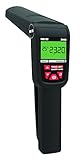
Overview: The Innova 3568 sits at the top of Innova’s timing light lineup, featuring a sophisticated split-screen LCD that revolutionizes how mechanics monitor engine parameters. This premium tool combines direct-reading advance scale adjustment (0-90°) with a digital tachometer capable of measuring up to 9,990 RPM using patented skip circuitry. Its ergonomic rotating barrel design allows precise aiming at timing marks in cramped engine compartments.
What Makes It Stand Out: The split-screen display is a game-changer, showing tachometer and advance functions simultaneously without toggling. Patented skip circuitry ensures accurate RPM readings even at high engine speeds where conventional lights falter. The slim, rotating barrel provides superior maneuverability compared to bulkier designs, reducing user fatigue during extended tuning sessions.
Value for Money: As a premium offering, the 3568 commands a higher price but delivers professional features that justify the investment for full-time mechanics. It essentially replaces separate timing lights and tachometers, consolidating essential functions into one durable package.
Strengths and Weaknesses: Pros: Innovative split-screen display, patented high-RPM circuitry, excellent ergonomics, wide system compatibility, robust construction. Cons: Premium pricing may deter casual DIYers, no cordless operation, display can be overwhelming for beginners.
Bottom Line: For professional mechanics demanding the best in accuracy and convenience, the Innova 3568 is worth every penny. Its dual-display design and high-RPM capability make it an indispensable shop tool.
4. Automotive Timing Light 12V, Inductive Ignition Timing Light Gun for 2&4 Stroke Petrol Engine for Old Classical Car Motorcycle
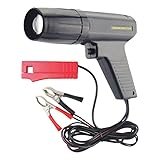
Overview: This generic timing light offers a no-frills approach to ignition timing for budget-conscious mechanics and classic car enthusiasts. Designed for all 12V two- and four-stroke gasoline engines, it provides essential timing verification capabilities without the complexity or cost of digital displays. The pistol-grip design emphasizes simplicity and straightforward operation for occasional use, making it particularly suitable for older vehicles with accessible timing marks.
What Makes It Stand Out: Its primary appeal lies in simplicity and affordability. The ergonomic pistol-type handle with comfortable press keys makes it intuitive for beginners, while color-coded sensor clips (red for positive, black for negative) prevent connection errors. The sliding clamp-on inductive pickup ensures safe, tool-free installation on spark plug wires, and the advance function allows basic timing scale testing on flywheels or pulleys.
Value for Money: Extremely budget-friendly, this tool delivers core functionality at a fraction of premium model prices. For owners of classic cars or motorcycles needing occasional timing checks, it represents unbeatable value—though professionals will find its capabilities limited compared to digital alternatives.
Strengths and Weaknesses: Pros: Very affordable, simple operation, ergonomic design, color-coded safety clips, adequate for basic timing tasks. Cons: No digital display or advance readout, basic build quality, limited features, unclear brand support, no tachometer function.
Bottom Line: This timing light is perfect for hobbyists and classic vehicle owners who need occasional, basic timing checks. While lacking advanced features, its low cost and simplicity make it an accessible entry-level tool.
5. ANCEL LT70 Digital Timing Light Automotive with Tachometer (RPM), Advance, Dwell & Voltage Test, Self-Powered Inductive Ignition LED Timing Gun with Type-C Charging & 12V Backup for Gas Engines

Overview: The ANCEL LT70 redefines timing light versatility by consolidating four critical diagnostic functions into one self-powered unit. This advanced tool measures ignition timing, RPM, dwell angle, and voltage (0-35V) while offering cordless operation via a built-in rechargeable battery. The industrial-grade LED strobe provides over one million flashes, ensuring longevity far beyond traditional xenon bulbs. Designed for comprehensive engine tuning, it eliminates the need for multiple separate diagnostic tools.
What Makes It Stand Out: True cordless freedom sets the LT70 apart—its Type-C rechargeable battery allows operation without vehicle power, while 12V backup ensures uninterrupted sessions. The integrated dwell angle detection prevents costly ignition failures by identifying weak coils early, and the built-in voltmeter diagnoses electrical health instantly. The adjustable 60° head provides clear sightlines in cramped engine bays.
Value for Money: Though priced at a premium, the LT70 replaces four separate tools, delivering exceptional long-term value. The LED strobe’s million-flash lifespan and robust ABS housing ensure durability in professional environments, making it a wise investment for serious tuners.
Strengths and Weaknesses: Pros: 4-in-1 functionality, cordless operation, LED longevity, dwell/voltage testing, adjustable head, rugged construction. Cons: Higher price point, complexity may overwhelm novices, primarily for gasoline engines.
Bottom Line: For professionals and dedicated enthusiasts seeking the ultimate all-in-one ignition diagnostic tool, the ANCEL LT70 is unmatched. Its versatility and cordless design justify the premium, making it a future-proof workshop essential.
6. Performance Tool W80578 Self-Powered Timing Light, Black

Overview: The Performance Tool W80578 is a self-contained timing light designed for versatility across gas-powered equipment. It eliminates external power requirements through its integrated design, making it particularly useful for fieldwork on motorcycles, snowmobiles, lawn equipment, and tractors.
What Makes It Stand Out: Its self-powered architecture removes the hassle of battery leads and external power sources. The detachable inductive pick-up works with magneto systems—a rare feature in this price class. The integrated work light function adds practical value for low-light garage conditions. The xenon bulb provides daylight-visible flashes, ensuring accurate timing marks reading in any environment.
Value for Money: Positioned in the mid-range segment, this tool justifies its cost through exceptional portability and multi-equipment compatibility. While basic timing lights start around $30-40, the W80578’s self-contained design and work light functionality represent good value for DIY enthusiasts who maintain various gas engines. It eliminates the need for separate 12V power connections, saving time and frustration.
Strengths and Weaknesses: Strengths include true portability, magneto compatibility, bright xenon flash, and the useful work light feature. The self-contained power system is convenient for outdoor equipment. Weaknesses include potentially shorter operational life compared to battery-powered units, fewer advanced features like RPM readout or advance measurement, and limited documentation for troubleshooting power issues.
Bottom Line: Ideal for homeowners and DIY mechanics who service multiple gas-powered machines. The self-powered design shines for outdoor power equipment where 12V access is inconvenient. While it lacks digital sophistication, its versatility and convenience make it a practical addition to any garage focused on small engine maintenance.
7. Innova 3555 Advance Timing Light
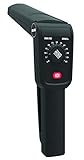
Overview: The Innova 3555 is a professional-grade timing light engineered for comprehensive ignition system diagnostics. It features an advance dial that allows mechanics to check base timing plus mechanical and electronic advance/retard functions across domestic and import vehicles.
What Makes It Stand Out: The patented Skip Circuitry enables accurate readings up to 9,990 RPM, far exceeding standard timing lights. Its direct-reading advance scale adjusts from 0-60 degrees, providing precise measurements without separate calculations. The slim, rotating barrel design allows easy aiming at timing marks in cramped engine bays. Universal compatibility with conventional, electronic, and computer-controlled systems makes it exceptionally versatile.
Value for Money: Priced in the professional tier ($80-120 range), the 3555 delivers features that justify the investment for serious mechanics. Entry-level lights cost half as much but lack advance measurement and high-RPM capabilities. For professionals who regularly diagnose performance issues, the time saved and diagnostic depth provide excellent ROI compared to basic models.
Strengths and Weaknesses: Strengths include high RPM range, accurate advance dial, robust construction, and wide system compatibility. The rotating barrel enhances usability. Weaknesses include higher price point that may deter casual DIYers, no digital display for RPM verification, and reliance on user interpretation of analog scales.
Bottom Line: A top choice for professional technicians and advanced DIY enthusiasts. The advance dial and high-RPM capability make it indispensable for performance tuning and comprehensive diagnostics. While overkill for basic timing checks, its precision and versatility earn its place in any serious mechanic’s arsenal.
8. Digital Automotive Timing Light 12V, Inductive Ignition Timing Light Gun with Tachometer for 2&4 Stroke Petrol Engine for Classical Car Motorcycle Marine

Overview: This digital timing light represents the modern evolution of ignition timing tools, combining traditional xenon flash with a high-definition data display. It provides real-time monitoring of ignition advance angle (0-90°) and RPM (249-9,990) for precise engine calibration across 2 and 4-stroke gasoline engines.
What Makes It Stand Out: The integrated tachometer and digital advance readout eliminate guesswork entirely. Users can actively adjust advance angles while viewing real-time data—a capability typically requiring separate diagnostic tools. The bright linear xenon tube ensures visibility even in direct sunlight. Polarity protection and impact-resistant housing demonstrate robust engineering. The 2/4-stroke mode switching adds versatility for marine and powersport applications.
Value for Money: Positioned as a premium tool, it justifies its cost by replacing multiple instruments (timing light, tachometer, advance meter). While priced higher than analog alternatives, the digital precision and combined functionality offer significant value for performance tuners and professional mechanics who require absolute accuracy.
Strengths and Weaknesses: Strengths include precise digital readouts, wide measurement ranges, advance adjustment capability, and comprehensive system compatibility. The protective features enhance durability. Weaknesses include higher complexity requiring careful sensor placement, premium pricing, and potential for electronic failure in harsh shop environments. The arrow orientation requirement is critical and easily overlooked.
Bottom Line: Perfect for performance enthusiasts and professional technicians who demand precision. The digital feedback transforms timing from an interpretive art to exact science. While overkill for casual users, its multi-functionality and accuracy make it an invaluable tool for serious engine diagnostics and tuning.
9. Innova 3551 Inductive Timing Light
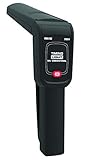
Overview: The Innova 3551 is a streamlined, reliable timing light designed for essential ignition system checks. It handles basic timing verification, no-spark diagnostics, and electronic advance/retard detection across most domestic and import vehicles with conventional, electronic, or computer-controlled systems.
What Makes It Stand Out: The patented Skip Circuitry maintains accuracy up to 9,990 RPM—a feature uncommon in budget-friendly timing lights. The protective hand guard enables safe one-handed operation, improving maneuverability in tight engine compartments. The slim, rotating barrel provides flexible aiming at timing marks. Its broad compatibility covers DIS systems alongside traditional ignition setups.
Value for Money: This entry-level professional tool typically costs 30-40% less than advanced models while retaining core functionality. For DIY mechanics performing occasional timing checks, it offers Innova’s reliability without premium features they won’t use. It outperforms generic discount-store lights in durability and RPM range, representing smart value for semi-regular use.
Strengths and Weaknesses: Strengths include high RPM capability, ergonomic hand guard, rotating barrel, and trusted brand reputation. The simple operation requires minimal learning curve. Weaknesses include lack of advance dial for measuring mechanical/electronic advance curves, no digital display, and basic construction compared to professional-grade units.
Bottom Line: An excellent choice for home mechanics and entry-level technicians. It performs essential timing light functions reliably without unnecessary complexity. While it won’t replace advanced diagnostic tools, its solid construction, safety features, and high-RPM capability make it a dependable workhorse for standard timing maintenance tasks.
10. KADAMS Visual Timer for Kids with Audio Pre-Alarm - Traffic Light Alarm for Kids Toddler Teachers Classroom Home Time Management Tool 24hr Countdown Pause Memory Function

Overview: The KADAMS Visual Timer transforms time management into an intuitive, gamified experience using traffic light colors. Designed for children, classrooms, and individuals with special needs, it provides both visual and audible cues to structure activities, transitions, and learning sessions effectively.
What Makes It Stand Out: The innovative traffic light system (green=go, yellow=nearly there, red=stop) creates intuitive understanding without requiring reading skills. Six volume levels (silent to 85dB) accommodate sensory sensitivities, making it ideal for autism and ADHD support. The memory function retains previous settings, streamlining repeated routines. The pre-alarm feature provides advance warning before time expires, reducing anxiety and supporting smoother transitions.
Value for Money: Competitively priced against basic visual timers, it delivers specialized features that justify a modest premium. The inclusive design eliminates the need for separate adaptive tools, offering excellent value for parents, teachers, and therapists working with neurodivergent children. Its durability and versatility across age groups extend its useful lifespan.
Strengths and Weaknesses: Strengths include intuitive visual design, flexible volume control, memory function, and broad applicability for special needs. The 24-hour countdown range handles various activities. Weaknesses include battery compartment requiring a screwdriver (child safety feature that inconveniences adults), initial setup learning curve, and plastic construction that may not withstand heavy abuse.
Bottom Line: An outstanding time management tool for families and educators. The traffic light concept resonates with children while supporting executive function challenges. Its thoughtful design considerations for sensory needs and routine-building make it far more than a simple timer—it’s a behavioral support tool that fosters independence and reduces transition conflicts.
Understanding Professional Timing Light Technology
Professional timing lights operate on principles that have remained consistent for decades, but the implementation has evolved dramatically. The core function—illuminating timing marks to show ignition timing relative to piston position—now comes packaged with features that would seem futuristic just a few years ago. Understanding these underlying technologies helps you evaluate which capabilities genuinely enhance your workflow versus those that simply add complexity.
Xenon vs. LED vs. Digital: Understanding the Core Technologies
Xenon flash technology has long been the industry standard, delivering brilliant, short-duration flashes that freeze timing marks reliably even at high RPMs. The intense white light cuts through grease and grime on harmonic balancers, making marks visible in dimly lit engine bays. However, xenon tubes generate significant heat and have finite lifespans, requiring eventual replacement.
LED technology has revolutionized timing lights with cooler operation, instant-on capability, and exceptional durability. Modern professional LED units produce strobes with precise timing control, though some technicians argue they lack the sheer intensity of xenon flashes in challenging lighting conditions. The trade-off comes in longevity and power efficiency—LEDs typically outlast xenon tubes by thousands of hours.
Digital timing lights represent the newest category, using microprocessor-controlled flashes and often incorporating LCD screens that display numerical timing values directly. These units eliminate the need to physically read marks on spinning pulleys, instead calculating and displaying timing digitally. While this reduces eye strain and potential reading errors, purists maintain that direct visual confirmation remains the gold standard.
Accuracy and Precision: Why Timing Matters
In 2026’s automotive ecosystem, timing accuracy requirements have never been more stringent. Modern engines with knock sensors and variable valve timing rely on precise ignition timing to prevent catastrophic damage. Even a two-degree deviation can trigger check engine lights, reduce fuel efficiency by 5-10%, or cause long-term catalytic converter damage.
Professional timing lights must maintain accuracy across their entire operational range, typically from 300 to 9,000+ RPM. The flash timing should remain stable within ±1 degree regardless of engine speed, temperature fluctuations, or electromagnetic interference from modern ignition systems. This precision becomes particularly critical when diagnosing intermittent issues that only appear under specific load conditions.
Essential Features for Auto Shop Efficiency
Beyond basic functionality, certain features transform a timing light from a simple diagnostic tool into a force multiplier for shop productivity. These capabilities reduce diagnostic time, minimize technician frustration, and adapt to the diverse vehicle mix that modern shops encounter daily.
Display Technology: Readability in Bright Shop EnEnvironment
Bright LED shop lighting and sun-soaked service bays create challenging conditions for reading timing marks. Professional units address this with high-intensity flashes, contrast-enhancing filters, or digital readouts. Some advanced models feature adjustable flash duration—shorter bursts for high-RPM readings, longer flashes for easier mark identification at idle.
Anti-glare screens on digital models have become standard in 2026, using polarized layers or high-brightness LCDs that remain visible even when hit directly by overhead lighting. Backlit displays ensure readability during evening service calls or in dim corners of the shop where older vehicles often reside.
Durability and Build Quality: Professional-Grade Construction
Daily shop life subjects tools to drops, chemical exposure, and temperature extremes. Professional timing lights feature reinforced housings—typically high-impact ABS or aluminum alloys—that survive falls from fender heights. Strain relief at cable entry points prevents internal wire breakage from repeated flexing during use.
Internal components matter equally. Military-grade circuit boards with conformal coatings resist moisture and chemical vapors. Heavy-duty switches rated for 50,000+ cycles ensure reliability years into service. The inductive pickup clamp should feature robust hinges and secure cable connections, as this component sees the most mechanical stress during typical use.
Power Source Options: Battery, Corded, and Hybrid Models
Corded timing lights offer unlimited runtime and consistent power delivery, crucial during lengthy diagnostic sessions. However, tangled cords create trip hazards and limit maneuverability around engine bays. Modern professional cords use oil-resistant jackets and reinforced connections to prevent premature failure.
Battery-powered units provide freedom of movement but require careful power management. In 2026, lithium-ion batteries deliver 8-12 hours of continuous use, with quick-swap packs minimizing downtime. Smart power management systems automatically reduce flash intensity during idle periods to extend battery life.
Hybrid models combine both approaches, operating cordless for most tasks while offering a tethered option when batteries deplete. These units often include USB-C charging ports, allowing technicians to top off batteries using shop power stations or vehicle USB ports during road tests.
Advance Timing Features: Beyond Basic Functionality
Advance timing capability allows technicians to check centrifugal and vacuum advance mechanisms without manual calculations. By dialing in a specified advance amount on the timing light, the flash occurs earlier, making the timing mark appear at TDC when advance is functioning correctly. This feature proves invaluable when diagnosing drivability issues on older vehicles or performance builds.
Professional-grade advance lights typically offer ranges from 0 to 90 degrees, with fine adjustment increments of 1 degree or less. Digital models may store multiple advance curves, allowing quick comparison against manufacturer specifications for different vehicle models.
RPM Readout Capabilities: Multifunctionality Benefits
Integrated tachometer functionality eliminates the need for a separate RPM measurement tool during timing adjustments. The timing light’s inductive pickup doubles as an RPM sensor, displaying engine speed on the unit’s screen or through a digital readout. This integration streamlines the workflow and reduces diagnostic time.
Advanced units display RPM with ±10 accuracy, updating in real-time as engine speed changes. Some models log RPM data, allowing technicians to review engine speed stability during test drives or identify misfire patterns that correlate with specific RPM ranges.
Dwell Angle Measurement: For Older Vehicle Systems
While increasingly rare in 2026, points-style ignition systems still appear in restoration shops and classic vehicle specialists. Dwell angle measurement capability allows technicians to set point gap correctly, ensuring proper coil saturation and preventing premature point wear.
Timing lights with dwell functionality typically measure angles from 0 to 60 degrees, displaying values on a separate scale or through digital readout. This feature often includes an audible tone that changes pitch as dwell approaches specification, allowing adjustments without constantly watching the display.
Detachable Inductive Pickup: Flexibility and Replacement
The inductive pickup clamp endures significant mechanical stress and occasionally fails. Professional timing lights feature detachable pickup cables with robust connectors, allowing quick field replacement without sending the entire unit for repair. This design also enables use of different cable lengths—short cables for cramped engine bays, longer ones for trucks or machinery.
Magnetic pickup options provide alternatives for difficult-to-access plug wires, clamping directly to spark plug bodies or distributor terminals. Some premium pickups include built-in signal amplifiers for improved reliability with low-energy ignition systems.
Warranty and Support: Long-Term Investment Protection
Professional timing lights represent significant investments, often costing several hundred dollars. Manufacturer warranties ranging from two to five years indicate confidence in build quality and provide financial protection against premature failures. Evaluate warranty terms carefully—some cover everything including accidental damage, while others exclude common wear items like cables and clamps.
Technical support availability matters equally. Manufacturers offering direct phone support from experienced technicians help resolve diagnostic uncertainties and confirm whether observed readings indicate tool issues or actual engine problems. Online resources like video tutorials and specification databases add further value.
Choosing the Right Timing Light for Your Shop’s Needs
Selecting the ideal timing light requires honest assessment of your shop’s specific requirements rather than simply choosing the most feature-rich model available. The right tool aligns with your vehicle demographics, technician skill levels, and service mix.
Assessing Your Shop’s Vehicle Demographics
Shops specializing in pre-OBDII vehicles benefit most from traditional xenon timing lights with broad advance ranges and dwell measurement capabilities. The intense flash and analog nature of these units prove reliable across varied ignition systems, from six-volt classics to early electronic ignitions.
General repair shops serving mixed vehicle populations need versatile digital units that adapt to everything from classic cars to modern direct-injection engines. Look for models with automatic ignition system detection, adjustable sensitivity for different coil types, and both visual and digital readout options.
Performance and tuning shops require timing lights with exceptional accuracy, data logging capabilities, and the ability to handle high-RPM applications. Advanced features like cylinder-specific timing measurement and integration with dynamometer systems justify premium pricing in these specialized environments.
Budget Considerations: Balancing Cost and Capability
Entry-level professional timing lights ($150-$300) provide reliable basic functionality with some digital features, suitable for shops performing occasional timing work. These units typically lack advance measurement and may have shorter warranties, but deliver accurate readings for standard diagnostics.
Mid-range models ($300-$600) offer the sweet spot for most general repair shops, combining durability, advance timing features, RPM readout, and good warranty coverage. These tools handle 90% of diagnostic scenarios while remaining affordable enough to equip multiple bays.
Premium timing lights ($600+) target specialists and high-volume shops where diagnostic speed and advanced capabilities directly impact profitability. Features like wireless operation, data logging, and integration with shop management systems justify costs through time savings and enhanced diagnostic capabilities.
Proper Usage Techniques and Best Practices
Even the most sophisticated timing light produces inaccurate results when used improperly. Mastering connection techniques and interpretation methods ensures you extract maximum value from your investment while avoiding costly misdiagnoses.
Proper Connection Techniques: Ensuring Accurate Readings
Always connect the inductive pickup to the number one cylinder spark plug wire, orienting the clamp arrow toward the spark plug. Ensure the clamp closes fully—poor connections produce weak signals and erratic flashing. For coil-on-plug systems, use adapter probes that connect directly to the coil primary circuit, maintaining signal integrity.
Ground the timing light’s black lead to a clean, unpainted engine surface near the distributor or ignition coils. Poor grounds introduce electrical noise that affects flash timing accuracy. Avoid grounding to battery terminals or painted surfaces, as these connections may be intermittent or introduce resistance.
Connect the power leads last, observing correct polarity. Reversed polarity won’t damage modern timing lights but prevents operation. Some units feature reverse-polarity protection indicators that alert you to incorrect connections before you begin diagnostics.
Interpreting Timing Marks: A Practical Guide
Clean timing marks thoroughly before attempting readings. Use brake cleaner and a wire brush to remove grease and rust, then apply white or yellow paint marker to make marks stand out against harmonic balancer backgrounds. This simple preparation saves countless minutes of squinting and guesswork.
Position yourself to view marks directly—angled viewing parallax causes apparent timing shifts of several degrees. Professional technicians often use small inspection mirrors or borescope cameras to view marks from optimal angles in cramped engine bays, ensuring accurate interpretation.
Understand that timing marks indicate ignition timing at the moment of flash. At idle, you see base timing. When checking advance, you must hold RPM steady at specified test points (typically 1500, 2500, and 3500 RPM) and observe how the mark moves relative to stationary reference pointers.
Common Diagnostic Scenarios: When Timing Lights Are Essential
Intermittent misfires often stem from erratic timing advance. By connecting a timing light and observing flash patterns during test drives, you can identify whether timing jumps correlate with misfire events. This diagnosis distinguishes mechanical distributor issues from ignition module failures or wiring problems.
Detonation complaints require verifying total advance timing under load. With a helper driving while you observe the timing light, you can see if advance exceeds specifications during acceleration, indicating faulty vacuum advance mechanisms or incorrect advance curve programming in electronic systems.
No-start conditions on vintage vehicles sometimes result from 180-degree timing installation errors. A timing light immediately reveals whether spark occurs during compression stroke (correct) or exhaust stroke (incorrect), saving hours of component swapping and frustration.
Maintenance, Care, and Longevity
Professional timing lights represent significant capital investments that deserve proper maintenance. Simple care routines extend operational life and ensure consistent accuracy, protecting your shop’s diagnostic capabilities.
Storage and Handling: Protecting Your Investment
Store timing lights in their original cases or padded tool bags when not in use. Avoid leaving units hanging by their cables or tossed into general toolboxes where heavy items can damage displays or controls. Dedicated storage prevents accidental damage and ensures the tool remains ready for immediate use.
Cable management proves critical for longevity. Coil cables loosely—never wrap them tightly around the unit, as this stresses internal conductors and causes eventual failure. Use Velcro straps or cable ties to keep leads organized without creating sharp bends at connection points.
Temperature extremes degrade electronic components. Avoid storing timing lights in unheated shops during winter or in vehicles during summer heat waves. Allow units to acclimate to shop temperature before use if they’ve been in cold or hot environments, preventing condensation inside housings.
Calibration and Accuracy Verification: Maintaining Precision
Verify timing light accuracy quarterly using a known-good reference engine or timing light comparator. These specialized tools generate precise timing signals that confirm your light flashes within specification. While not commonly found in general shops, investing in a comparator ensures diagnostic confidence or sharing one among multiple shops provides cost-effective verification.
Check flash intensity regularly—dim flashes indicate weakening power supplies, aging xenon tubes, or failing LED drivers. Compare brightness against a new unit or manufacturer specifications. Dim flashes make timing marks difficult to read, leading to inaccurate adjustments and customer comebacks.
Test inductive pickup sensitivity using a known-good spark plug wire. The pickup should trigger reliably at idle and maintain signal integrity up to redline RPMs. Intermittent triggering or missed flashes at high RPMs indicate pickup cable deterioration requiring replacement.
Future Trends in Timing Light Technology (2026 and Beyond)
Automotive diagnostic tools evolve rapidly, and timing lights are no exception. Understanding emerging technologies helps you invest in tools that remain relevant as vehicle systems become increasingly complex.
Smart Features and Connectivity
Bluetooth and Wi-Fi connectivity now enable timing lights to communicate with tablets and smartphones, displaying timing data in graphical formats and logging readings over time. These apps can overlay timing curves on manufacturer specifications, automatically flagging deviations and suggesting corrective actions.
Cloud integration allows shops to store timing data in customer vehicle records, creating diagnostic histories that help identify gradual timing drift or intermittent issues. Some advanced systems automatically retrieve vehicle specifications based on VIN scanning, eliminating manual lookup time and reducing specification errors.
Advanced Display Technologies
Augmented reality (AR) integration represents the cutting edge of timing light evolution. AR glasses or heads-up displays project timing marks and digital readouts directly into the technician’s field of view, eliminating the need to simultaneously watch pulleys and handheld displays. This technology proves particularly valuable when working alone on large engines or in confined spaces.
Holographic displays are emerging in premium timing lights, creating floating 3D timing marks that remain visible regardless of viewing angle. While currently expensive, this technology promises to eliminate parallax errors and make timing adjustments accessible to less experienced technicians.
Frequently Asked Questions
What makes a timing light “professional grade”?
Professional timing lights distinguish themselves through accuracy, durability, and feature sets that support daily commercial use. They maintain ±1 degree accuracy across extended RPM ranges, survive drops and chemical exposure, and include capabilities like advance timing measurement and RPM readout. Warranty terms typically exceed two years, and manufacturers provide direct technical support. Professional units also feature replaceable cables and robust strain relief, acknowledging that commercial environments stress tools far beyond typical DIY usage.
Can I use a basic timing light for modern vehicles?
Basic timing lights work for base timing checks on modern vehicles but fall short for complete diagnostics. Modern engines often lack accessible timing marks, requiring digital readouts or specialized adapters. Additionally, coil-on-plug and direct ignition systems need sensitive pickups that basic lights may not provide. While you can verify base timing on some modern vehicles, diagnosing advance curve issues or intermittent problems requires professional features like data logging and adjustable sensitivity.
How often should timing light accuracy be verified?
Verify accuracy quarterly in commercial environments, or monthly if the tool sees daily use. Heavy vibration, temperature cycling, and occasional drops can affect calibration over time. Implement a verification schedule tied to other shop maintenance routines, such as when torque wrenches are calibrated. Always verify accuracy after any significant impact or if readings seem inconsistent with expected results. For shops performing warranty work or state inspections, documented accuracy verification may be required for compliance.
What’s the difference between inductive and capacitive pickup?
Inductive pickups clamp around spark plug wires, detecting the magnetic field created when current flows to fire the plug. They’re non-invasive and work with most ignition systems but can be affected by nearby electrical noise. Capacitive pickups connect directly to ignition components, measuring voltage changes through physical contact. They provide cleaner signals with low-energy systems but require direct connection, making them less convenient. Professional timing lights typically include both options or hybrid pickups that adapt to various ignition types.
Are wireless timing lights reliable for professional use?
Wireless timing lights have matured significantly, with 2026 models offering reliable connectivity and battery life suitable for professional use. They eliminate cable management issues and reduce trip hazards, particularly beneficial in busy multi-bay shops. However, they require disciplined charging routines to prevent unexpected downtime. Most professionals keep a corded backup for critical jobs. When selecting wireless units, prioritize models with battery level indicators and quick-charge capabilities that restore significant power in 15-30 minutes.
How do I troubleshoot inconsistent timing readings?
First, inspect all connections—ensure the pickup clamp closes fully and grounds are clean. Check for damaged cables, especially near strain relief points. Test on a known-good engine to isolate whether the issue is tool-related or engine-specific. Interference from other shop equipment can affect readings; try operating away from battery chargers or welders. If using a digital unit, verify firmware is updated. Erratic flashing at high RPM often indicates weak power supply or failing pickup cable. Replace cables before assuming internal unit failure.
What safety precautions are essential when using timing lights?
Never route timing light cables near moving parts like fan belts or pulleys. Keep cables away from hot exhaust components to prevent melting insulation. Wear safety glasses to protect against debris when working near rotating assemblies. Ensure the engine is properly supported if you must lean over it for mark visibility. With coil-on-plug systems, use insulated pickup adapters to prevent accidental shorts. Always set the parking brake and block wheels when performing timing checks during test drives. Keep loose clothing and jewelry away from engine compartments.
Can timing lights diagnose issues other than ignition timing?
Yes, timing lights serve as versatile diagnostic tools. They can identify misfiring cylinders by comparing flash patterns across all plug wires. Erratic flashing indicates ignition system instability, helping isolate module or sensor failures. By observing flash intensity, you can detect weak spark conditions. Some technicians use timing lights to verify camshaft timing on engines with timing chain/belt issues—improper valve timing causes the mark to appear at wrong crankshaft positions. Advanced digital units can even detect subtle RPM fluctuations that suggest fuel delivery problems.
What’s the typical lifespan of a professional timing light?
With proper care, professional timing lights last 5-10 years in commercial environments. Xenon tube models may require tube replacement every 3-5 years depending on usage intensity. LED units often last the tool’s lifetime, though battery packs in cordless models typically need replacement after 3-4 years. Cables and pickups represent the most common failure points, usually requiring replacement every 2-3 years with heavy use. Investing in models with replaceable components significantly extends overall tool lifespan beyond that of sealed disposable units.
Should I invest in multiple timing lights for my shop?
Most shops benefit from having at least two timing lights—a primary professional unit and a backup basic model. This ensures diagnostics continue if the primary tool fails or is borrowed by another bay. Shops with multiple technicians should equip each bay with its own timing light to eliminate borrowing delays. Consider specialty timing lights for specific services—dedicated advance lights for restoration work or high-RPM models for performance tuning. The cost of additional units quickly pays for itself through reduced diagnostic time and eliminated wait times between bays.
See Also
- 10 Premium Professional Timing Lights for Auto Shop Use (Worth the Investment)
- 10 Premium Timing Lights for Professional Auto Repair Shops (Worth the Investment)
- 10 Essential Professional Timing Lights Every Mechanic Needs in 2026
- 10 Game-Changing Handheld Timing Lights for Mobile Auto Technicians in 2026
- 10 Best Engine Timing Lights for High-Performance Tuning in 2026