Table of Contents
Ever notice how your trusty vehicle starts feeling a bit sluggish after racking up serious miles? That familiar hum might develop a slight hesitation, fuel efficiency could take a dip, or you might experience rough idling on cold mornings. High-mileage engines face unique challenges – accumulated carbon deposits, potential wear on internal components, and seals that aren’t quite as supple as they once were. While many factors contribute to this aging process, one critical component often overlooked until problems arise is the humble spark plug. It’s the tiny powerhouse responsible for igniting the air-fuel mixture millions of times, and when it’s not performing optimally in an older engine, the effects are noticeable and can accelerate wear.
Choosing the right spark plug isn’t just about swapping out an old part; it’s a strategic decision for preserving the health and performance of a high-mileage workhorse. The wrong plug can exacerbate existing issues like oil consumption or carbon buildup, leading to misfires, poor fuel economy, and even damage to sensitive components like oxygen sensors or the catalytic converter. Conversely, selecting a plug engineered with the specific demands of older engines in mind can restore smooth operation, improve efficiency, and potentially extend the vehicle’s reliable service life. Understanding the nuances of spark plug technology becomes paramount when your engine has seen significant road time. Let’s delve into the key considerations that matter most when selecting spark plugs for high-mileage vehicles.
Top 10 Spark Plugs
Detailed Product Reviews
1. ACDelco 41-962 Professional Platinum Spark Plug, (8)

Overview:
This 8-pack of ACDelco Professional Platinum spark plugs delivers OEM-equivalent performance for GM vehicles, prioritizing longevity and consistent ignition in standard engines. Designed as a direct replacement for factory units, it targets everyday drivers seeking reliability without premium pricing.
What Makes It Stand Out:
The one-piece fired-in suppressor seal combats radio interference and compression leaks, while double platinum electrodes on both center and ground tips minimize wear. A pure copper core ensures cooler operation, reducing fouling risks and extending service life beyond basic copper plugs.
Value for Money:
Priced moderately above economy plugs but below iridium options, it offers exceptional durability for non-performance applications. The extended lifespan justifies the cost for routine maintenance, outperforming cheaper alternatives in longevity without the iridium premium.
Strengths and Weaknesses:
Strengths: Superior sealing reduces misfires; copper core enhances thermal management; ideal for high-mileage daily drivers; widely compatible with GM models.
Weaknesses: Less suited for high-performance engines; slightly higher upfront cost than copper plugs; no significant power gains over stock.
Bottom Line:
A dependable, cost-effective choice for GM owners prioritizing reliability and longevity in standard driving conditions. Avoid for performance builds, but ideal for hassle-free OEM replacements.
2. NGK 6619 Iridium Spark Plugs LFR6AIX-11-6 Pack

Overview:
NGK’s 6-pack iridium plugs cater to modern fuel-injected engines demanding precision ignition. Engineered for optimal combustion efficiency, they target drivers seeking smoother operation and reduced maintenance intervals without sacrificing reliability.
What Makes It Stand Out:
Iridium’s ultra-fine 0.6mm center electrode enables a wider heat range, resisting carbon buildup and pre-ignition. The patented triple-gasket seal guarantees zero combustion leakage, while iridium’s high melting point ensures exceptional durability under extreme conditions.
Value for Money:
Though pricier than platinum plugs, the 25-30% longer lifespan and fuel-efficiency gains justify the investment. Outlasts standard plugs significantly, reducing long-term replacement costs for tech-savvy owners focused on engine health.
Strengths and Weaknesses:
Strengths: Superior anti-fouling properties; consistent spark for smoother idle; extended service life; triple seal prevents gas leaks; ideal for turbocharged/sensitive engines.
Weaknesses: Overkill for very basic engines; requires precise gap checking; higher initial cost than copper/platinum.
Bottom Line:
A top-tier upgrade for drivers wanting enhanced efficiency and longevity. Highly recommended for modern engines where reliability and clean combustion are priorities, despite the premium price.
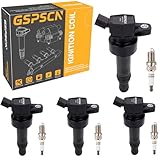
3. GSPSCN Set of 4 Ignition Coil Pack UF652 and Iridium Spark Plug Compatible with 2012-2019 Hyundai Accent Veloster丨Kia Soul Rio 1.6L 14,Replaces# C1803,5C1860,273012B100,GN10634
Overview:
This complete kit bundles 4 ignition coils and iridium spark plugs tailored for specific 2012-2019 Hyundai/Kia 1.6L models. It addresses common issues like misfires and rough idling with a unified solution, targeting owners of these vehicles seeking a targeted fix.
What Makes It Stand Out:
The iridium plugs promise triple the lifespan of standard plugs, while coils deliver 60-100 mJ energy for complete combustion. Features like RF interference shielding, corrosion resistance, and ultra-fast ignition tackle misfires and fuel economy simultaneously.
Value for Money:
Costing less than dealer parts, this kit offers substantial savings for replacing both coils and plugs. The performance gains (smoother idle, better mileage) and elimination of check-engine lights deliver immediate ROI for affected models.
Strengths and Weaknesses:
Strengths: Vehicle-specific compatibility; solves multiple ignition issues; iridium longevity; robust coil construction; noticeable fuel economy improvement.
Weaknesses: Limited to narrow vehicle range; “100% spark boost” claims are exaggerated; quality control variability vs. OEM.
Bottom Line:
An excellent, budget-friendly solution for Hyundai/Kia 1.6L owners battling misfires. Prioritize if experiencing symptoms, but verify exact fitment before purchase due to model specificity.
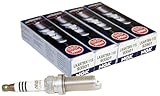
4. NGK LKAR7BIX-11S Iridium IX Spark Plug (93501 Iridium Ix), 4 Pack
Overview:
NGK’s performance-focused Iridium IX plugs target enthusiasts seeking throttle response and power gains. Crafted for high-compression and turbocharged engines, this 4-pack emphasizes extreme ignitability and resistance to extreme operating conditions.
What Makes It Stand Out:
The 0.6mm laser-welded iridium tip paired with a tapered ground electrode minimizes quenching for a stronger spark. Features like a longer insulator nose (anti-fouling), corrugated ribs (flashover prevention), and trivalent plating (anti-seizing) define its race-ready design.
Value for Money:
Premium-priced but justified for performance applications. Delivers measurable gains in responsiveness and power over stock plugs, making it cost-effective for tuners versus frequent replacements of lesser plugs under stress.
Strengths and Weaknesses:
Strengths: Exceptional throttle response; superior anti-fouling; robust against heat/electrical wear; enhanced combustion efficiency; ideal for modified engines.
Weaknesses: Over-engineered for stock daily drivers; highest price point here; requires professional gap verification.
Bottom Line:
The go-to choice for performance builds where ignition precision is critical. Skip for standard commuting, but essential for maximizing output in tuned or high-stress engines.
5. NGK 3951 Spark Plugs TR55 (8 Pack)

Overview:
This 8-pack of NGK TR55 plugs serves as reliable OEM-specified replacements for numerous mainstream vehicles. Focused on consistent performance and durability, it’s designed for mechanics and owners prioritizing factory-matched reliability in standard applications.
What Makes It Stand Out:
As the world’s largest OEM plug supplier, NGK leverages manufacturing expertise for optimal electrode geometry and materials. The TR55 ensures precise gap consistency and thermal stability, minimizing misfires in engines designed for this specification.
Value for Money:
Offers the best balance of affordability and OEM trustworthiness. Slightly pricier than no-name brands but significantly cheaper than iridium, with proven longevity that avoids premature failures common in budget plugs.
Strengths and Weaknesses:
Strengths: Trusted OEM fit/performance; excellent durability for stock engines; wide vehicle compatibility; consistent spark quality; easy installation.
Weaknesses: No performance enhancements; shorter lifespan than iridium; requires strict vehicle verification pre-purchase.
Bottom Line:
A no-nonsense, dependable choice for routine maintenance on compatible vehicles. Ideal when OEM reliability matters most, but confirm your engine specs match before buying.
6. NGK # 3186 G-Power Platinum Spark Plugs TR5GP - 8 PCSNEW

Overview:
The NGK #3186 G-Power Platinum Spark Plugs are an 8-pack of premium replacement plugs designed for reliable ignition performance in compatible vehicles. Engineered as direct OEM replacements, they target drivers seeking consistent starts and reduced maintenance issues over standard copper plugs.
What Makes It Stand Out:
These plugs feature NGK’s G-Power Platinum technology, operating across a significantly wider heat range than conventional plugs. The platinum center electrode resists carbon buildup and pre-ignition, while the patented triple gasket sealing process guarantees zero combustion gas leakage—a critical durability advantage often overlooked in budget options.
Value for Money:
Priced moderately above basic copper plugs but below iridium alternatives, they deliver exceptional longevity for the cost. The 8-pack suits multi-cylinder engines, offering better value per plug than buying singles. While not the cheapest, their resistance to fouling reduces long-term replacement frequency, justifying the investment for daily drivers.
Strengths and Weaknesses:
Strengths: Superior heat range versatility, strong anti-fouling properties, leak-proof sealing, and proven NGK reliability. Weaknesses: Shorter lifespan than iridium plugs, and limited performance gains for high-output engines compared to premium iridium options.
Bottom Line:
An excellent mid-tier choice for dependable, trouble-free operation in standard vehicles. Ideal for cost-conscious owners prioritizing durability over peak performance, though iridium seekers should look elsewhere.
7. GSPSCN Set of 4 Ignition Coil Pack UF582 and Iridium Spark Plug Compatible with 2006 2007 2008 2009 2010 2011 Honda Civic 1.8L L4,Replaces# 5C1637,C1580,GN10324,30520RNAA01

Overview:
This GSPSCN kit combines 4 ignition coils (UF582) and iridium spark plugs specifically engineered for 2006–2011 Honda Civic 1.8L engines. It targets owners battling misfires, rough idling, or check engine lights by addressing two critical ignition components simultaneously.
What Makes It Stand Out:
The iridium plugs promise triple the lifespan of standard plugs, enhancing fuel efficiency and throttle response. Paired with coils boasting 60–100 mJ energy output, RF interference shielding, and extreme-temperature resilience (–40°C to 150°C), this integrated solution tackles misfires at the source more comprehensively than standalone parts.
Value for Money:
Competitively priced for a matched coil-and-plug set, it eliminates guesswork in compatibility. While pricier than buying plugs alone, the bundle saves time and ensures optimal synergy between components. For Civic owners with aging ignition systems, it’s a cost-effective alternative to OEM replacements.
Strengths and Weaknesses:
Strengths: Direct-fit solution for common Civic issues, iridium longevity, robust coil construction, and tangible improvements in idle smoothness/fuel economy. Weaknesses: Limited to specific Honda models, and coil quality may not match top-tier OEM brands long-term.
Bottom Line:
A highly recommended upgrade for Honda Civic owners experiencing ignition woes. The cohesive design delivers immediate drivability benefits and solid value, making it a smart preventative or corrective investment.
8. NGK ILZKAR8J8SY Laser Iridium Spark Plug (95660 Laser Iridium), 4 Pack

Overview:
NGK’s ILZKAR8J8SY Laser Iridium plugs are a 4-pack of OEM-specified iridium units, often factory-installed in performance and efficiency-focused modern vehicles. This review covers the renowned 95660 part number, emphasizing precision engineering for optimal combustion.
What Makes It Stand Out:
As the world’s largest OEM spark plug supplier, NGK leverages motorsport-derived Laser Iridium technology: a 0.6mm laser-welded iridium center electrode ensures ultra-precise sparks, exceptional durability, and consistent performance. This translates to quicker starts, smoother idle, and maintained fuel efficiency—key for modern direct-injection engines.
Value for Money:
Premium-priced but justified by iridium’s 25%–50% longer life versus platinum counterparts. While cheaper plugs exist, the reduced replacement frequency and proven OEM pedigree make these cost-effective for critical applications where misfires are unacceptable.
Strengths and Weaknesses:
Strengths: Industry-leading longevity, OEM reliability, superior ignitability for efficient combustion, and minimal voltage requirements. Weaknesses: Overkill for older engines, requires exact vehicle fitment verification, and higher upfront cost than basic plugs.
Bottom Line:
The definitive choice for vehicles originally equipped with Laser Iridium plugs. Prioritize fitment research, but when matched correctly, these deliver unmatched longevity and performance—worth every penny for modern engines.
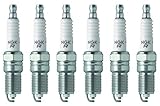
9. NGK 3951 Spark Plugs TR55 (6 Pack)
Overview:
The NGK 3951 TR55 is a 6-pack of standard copper-core spark plugs designed for dependable, economical performance in a wide range of older or non-high-performance vehicles. These are foundational plugs emphasizing reliability over cutting-edge tech.
What Makes It Stand Out:
Leveraging NGK’s decades of OEM experience, these plugs feature a robust copper core for excellent heat conduction and a triple-sealed shell to prevent gas leakage. They’re optimized for stable operation across diverse conditions, resisting carbon fouling better than many entry-level alternatives.
Value for Money:
Exceptionally affordable for a trusted brand, especially in this 6-pack configuration. Ideal for budget-conscious owners of older cars where advanced iridium/platinum benefits are less critical. Significantly cheaper per plug than premium options while offering superior quality to no-name brands.
Strengths and Weaknesses:
Strengths: Low cost, excellent heat dissipation, reliable sealing, and wide availability. Weaknesses: Shorter service life (15k–30k miles) than platinum/iridium, more prone to electrode wear in demanding conditions, and no notable performance gains.
Bottom Line:
A no-frills, dependable workhorse for older or low-mileage vehicles. Choose these for cost-effective maintenance where extended longevity isn’t a priority—avoid for high-performance or modern efficiency-focused engines.
10. Iridium Platinum Spark Plugs 4 Pack 91970 ILNAR8B7G Compatible with Chevrolet Chevy Cruze Equinox Malibu Trax & Buick Encore Cascada & GMC Terrain 2016 2017 2018 2019 2020 L4 1.4 1.5 Bujías

Overview:
This 4-pack of iridium-platinum hybrid plugs (91970 ILNAR8B7G) targets 2016–2024 GM/Buick/GMC 1.4L–1.6L engines, including Cruze, Equinox, and Terrain models. It promises enhanced efficiency and reliability for common modern compact SUVs and sedans.
What Makes It Stand Out:
A 0.6mm iridium center electrode paired with platinum ground tip optimizes ignitability and durability. Rigorous QC targets specific GM issues like misfires, rough idling, and poor fuel economy. The design emphasizes fuel efficiency gains through precise combustion, backed by a 12-month warranty.
Value for Money:
Aggressively priced for an iridium-platinum hybrid, undercutting NGK’s pure iridium equivalents. The comprehensive fitment list and warranty add confidence. While not OEM-spec, it delivers compelling value for owners seeking an affordable upgrade over factory plugs without compromising reliability.
Strengths and Weaknesses:
Strengths: Strong fuel economy focus, effective misfire reduction, broad GM compatibility, and solid warranty support. Weaknesses: Potential fitment confusion due to extensive vehicle list, and long-term durability unproven against OEM leaders like NGK.
Bottom Line:
A highly viable budget-friendly upgrade for GM owners. Delivers tangible efficiency and smoothness improvements at a fraction of OEM iridium costs—ideal for preventative maintenance or resolving common ignition issues. Verify exact part number fitment first.
Why High-Mileage Engines Demand Special Spark Plug Considerations
High-mileage engines operate in a different environment than their newer counterparts. Years of combustion cycles leave their mark, creating conditions that standard plugs might struggle with. Recognizing these unique challenges is the first step toward making an informed choice.
Combating Increased Oil Consumption
As piston rings and valve seals wear over time, older engines often consume more oil. This oil can find its way into the combustion chamber, coating the spark plug electrodes. Standard plugs can quickly foul under these conditions, leading to misfires and poor performance. Specialized plugs designed for high-mileage applications often feature design elements that resist fouling from oil and carbon deposits, maintaining a cleaner firing surface for more reliable ignition.
Managing Carbon and Deposit Buildup
Decades of fuel combustion inevitably lead to carbon deposits accumulating on pistons, valves, and crucially, spark plug electrodes. This buildup can insulate the plug, reduce spark energy, and cause misfires. High-mileage optimized plugs frequently incorporate features like specific insulator nose designs or surface coatings that help shed deposits or operate at temperatures less conducive to heavy carbon formation, promoting cleaner operation.
Addressing Compression Variations
Wear on cylinder walls, rings, and valves can lead to slight variations in cylinder compression across the engine. This inconsistency makes consistent ignition more difficult. Plugs designed for these conditions often prioritize a robust spark character and stable performance across a wider range of combustion chamber pressures and temperatures, helping to compensate for minor compression differences and maintain smooth engine running.
Understanding Spark Plug Materials and Their Impact
The materials used in a spark plug’s construction directly influence its performance, longevity, and suitability for high-mileage engines. Moving beyond basic copper plugs, modern materials offer significant advantages for older vehicles facing tougher conditions.
Copper Core Plugs: The Budget Baseline
Traditional copper core plugs offer excellent electrical conductivity, generating a strong initial spark. However, their relatively soft nickel alloy electrodes wear down much faster than premium materials. While cost-effective upfront, their shorter lifespan makes them generally less suitable for high-mileage applications where longevity and consistent performance between changes are key priorities. Frequent replacement intervals negate the initial cost savings.
Iridium: Precision and Longevity
Iridium is an extremely hard, dense metal with a very high melting point. Iridium-tipped plugs feature a much finer center electrode (often 0.4mm or less) compared to other types. This fine wire requires less voltage to fire, creating a more precise, concentrated spark that ignites the mixture more efficiently, even in challenging combustion environments common in older engines. Crucially, iridium’s hardness provides exceptional wear resistance, leading to significantly longer service life – a major benefit for high-mileage vehicles where minimizing maintenance frequency is desirable.
Platinum: Durability and Consistency
Platinum-tipped plugs (single or double) offer a strong balance of durability and performance. Platinum is harder than nickel alloys but not quite as hard as iridium. Double-platinum plugs, featuring platinum on both the center and ground electrodes, are particularly valued for their longevity and consistent spark performance over extended periods. They resist electrode wear and deposit buildup better than copper plugs, making them a reliable and often cost-effective choice for high-mileage engines seeking dependable operation without the premium price of iridium.
Ruthenium: The Emerging Contender
A newer player, ruthenium alloy plugs, are gaining attention for high-mileage applications. Ruthenium offers wear resistance comparable to iridium but at a potentially lower cost point. Its properties allow for fine-wire electrode designs similar to iridium, promising strong ignition performance and extended lifespan. While not yet as ubiquitous as iridium or platinum, ruthenium represents an advanced option worth considering for longevity in aging engines.
Key Features to Prioritize for High-Mileage Performance
Beyond the core electrode material, several specific design features significantly impact how well a spark plug performs in an engine that’s seen substantial use. Focusing on these characteristics ensures you select a plug that addresses the common pitfalls of older vehicles.
Optimized Heat Range Selection
The heat range determines how effectively the plug dissipates heat from the tip into the cylinder head. For high-mileage engines prone to oil consumption or carbon buildup, selecting the correct heat range is critical. A plug that runs too cold (high heat range number) can foul easily with oil and carbon. Conversely, a plug that runs too hot (low heat range number) risks pre-ignition or electrode damage. Consult your vehicle manufacturer’s specifications; sometimes, a slightly colder plug than original might be recommended for high-mileage engines with oil consumption issues to prevent fouling.
Refined Electrode Design and Gap Stability
The shape and size of the ground electrode significantly affect spark accessibility to the air-fuel mixture. High-mileage optimized plugs often feature cut-back ground electrodes (like V-cut or U-cut designs) that minimize the “shadow” effect, allowing the spark to form more freely into the combustion chamber – crucial for reliable ignition when deposits might be present. Additionally, premium plugs maintain their specified electrode gap more consistently over time due to superior materials, ensuring optimal spark performance throughout their lifespan.
Advanced Insulator Nose Geometry
The shape and length of the ceramic insulator nose play a vital role in self-cleaning and resistance to fouling. Some high-mileage plugs feature extended or specially contoured insulator noses designed to operate at temperatures that help burn off carbon deposits during normal driving, promoting cleaner operation. This geometry can be particularly beneficial in engines that frequently take short trips where the plug might not reach optimal self-cleaning temperature.
Anti-Fouling and Corrosion Resistant Coatings
Certain premium plugs incorporate specialized surface treatments or coatings on the insulator and shell. These can include anti-fouling coatings designed to repel oil and carbon, or corrosion-resistant plating on the metal shell to prevent seizing in the cylinder head – a common and frustrating problem during spark plug changes on older vehicles. These features directly address pain points associated with high-mileage maintenance.
Installation and Compatibility Essentials
Even the most perfectly chosen spark plug won’t deliver its benefits if not installed correctly or if it’s incompatible with your specific high-mileage engine. Paying close attention to these details is non-negotiable.
Meticulous Thread Engagement and Torque
Cross-threading a spark plug in an older aluminum cylinder head can be catastrophic. Always start the plug by hand, ensuring it threads in smoothly and straight. Using a torque wrench to achieve the manufacturer’s specified torque is absolutely essential. Under-torquing can lead to poor heat transfer (causing overheating and pre-ignition) and potential plug ejection. Over-torquing can strip threads in the cylinder head or crack the insulator, both expensive repairs. This step is even more critical on high-mileage engines where threads might be slightly worn.
Verifying Correct Reach and Projection
The reach (length of the threaded portion) and projection (how far the insulator tip extends into the combustion chamber) must match your engine’s specifications exactly. An incorrect reach can cause the plug to protrude too far (risking piston contact) or not far enough (leading to poor combustion and potential overheating). High-mileage engines with carbon buildup might be more sensitive to incorrect projection. Always double-check the part number compatibility for your specific year, make, model, and engine size.
Addressing Seized Plugs Proactively
High-mileage engines are notorious for seized spark plugs due to corrosion and thermal cycling. Before attempting removal, ensure the engine is completely cold. Generously applying penetrating oil to the plug base and letting it soak for an extended period (even overnight) can significantly increase the chances of a clean removal. Using a high-quality, well-fitting spark plug socket and extension is vital. If significant resistance is met, stop and seek professional help to avoid breaking the plug off in the head – a major repair job.
Maximizing Longevity and Performance Post-Installation
Selecting and installing the right plug is only half the battle. How you drive and maintain your high-mileage vehicle plays a significant role in how long those plugs perform optimally and how well your engine runs.
Driving Habits That Support Plug Health
While modern engines are robust, consistently short-trip driving (trips under 10-15 minutes) prevents the engine, and crucially the spark plugs, from reaching their optimal operating temperature. This prevents the plugs from self-cleaning carbon deposits. Whenever possible, take longer drives to allow the engine to fully warm up and the plugs to burn off accumulated residues. Avoiding excessive idling also helps maintain cleaner combustion.
The Critical Role of Supporting Maintenance
Spark plugs don’t operate in isolation. Worn ignition coils, faulty spark plug wires (if applicable), clogged fuel injectors, or a malfunctioning mass airflow sensor can all put extra strain on the spark plugs, causing them to wear prematurely or foul faster. Ensure your entire ignition system and fuel delivery system are in good health. Regular air filter changes are also essential, as dirty air filters disrupt the optimal air-fuel ratio, impacting combustion efficiency and plug life.
Monitoring Performance Indicators
Be attentive to changes in your vehicle’s behavior after a plug change. Signs that the plugs (or another component) might be struggling include increased fuel consumption, noticeable hesitation or stumbling during acceleration, rough idling, difficulty starting (especially when cold), or the illumination of the check engine light (often accompanied by misfire codes). Catching these issues early can prevent more serious damage.
Frequently Asked Questions
Frequently Asked Questions
How often should I replace spark plugs in a high-mileage vehicle? While manufacturer intervals (often 30,000-100,000+ miles) provide a baseline, high-mileage engines may benefit from slightly earlier replacement, especially if using standard copper plugs or if symptoms like rough idling appear. Premium iridium or platinum plugs often reach or exceed the upper end of the recommended interval, but vigilance is key.
Can the wrong spark plug damage my high-mileage engine? Absolutely. A plug with an incorrect heat range can cause pre-ignition (damaging pistons) or severe fouling leading to misfires that harm the catalytic converter. Incorrect reach can cause physical contact with pistons. Always use the specified plug.
Do expensive iridium or platinum plugs last significantly longer in older cars? Yes, typically 2-4 times longer than standard copper plugs. Their superior electrode materials resist wear and maintain gap stability far better, making the higher initial cost worthwhile over time, especially given the labor involved in replacement on many vehicles.
Will new spark plugs fix poor fuel economy in my high-mileage car? They can contribute, especially if old plugs were fouled or worn, causing misfires. However, fuel economy is influenced by many factors (tires, alignment, airflow, engine wear). New plugs alone might not restore original MPG but can help optimize current performance.
Are “high-mileage” labeled spark plugs worth the extra cost? Generally, yes. They often incorporate specific features like anti-fouling coatings, optimized heat ranges for older engines, or corrosion-resistant shells designed to address common high-mileage issues, potentially saving headaches and extending service life.
How can I tell if my spark plugs are fouled due to oil consumption? Oil-fouled plugs typically have a thick, black, oily, or ashy deposit coating the insulator tip and electrodes. This contrasts with dry, fluffy black carbon (fuel mixture issue) or white/tan deposits (coolant leak or overheating).
Should I gap new spark plugs before installing them in my older car? Always check the gap against your vehicle’s specification. While pre-gapped plugs are common, handling during shipping can alter the gap. High-mileage engines are often more sensitive to incorrect gaps, so verifying and carefully adjusting (if necessary) is crucial.
Can I mix different types of spark plugs (e.g., iridium and platinum) in the same engine? No, it’s strongly discouraged. Different materials and designs have varying heat ranges and electrical characteristics. Mixing can cause inconsistent combustion, leading to poor performance, misfires, and potential damage. Always use a complete set of identical plugs.
Why do spark plugs sometimes seize in high-mileage engines? Corrosion between the steel plug shell and the aluminum cylinder head, combined with thermal cycling over many years, causes the threads to fuse. Infrequent changes and exposure to moisture accelerate this. Using anti-seize compound (sparingly and correctly) during installation can help prevent future seizing.
Is it necessary to use a torque wrench when installing spark plugs? Yes, it is critical. Proper torque ensures optimal heat transfer from the plug to the cylinder head (preventing overheating) and prevents thread damage or plug ejection. Guessing the torque often leads to costly problems, especially on older engines.
See Also
- 10 Premium Heavy Duty Spark Plugs for Commercial Fleet Vehicles (Worth the Investment)
- 2026’s Top 10 Racing Spark Plugs for Turbocharged Vehicles
- 10 Best Spark Plugs for Older Vehicles in 2026
- 10 Game-Changing Surface Discharge Spark Plugs for High-Compression Engines in 2026
- 10 Game-Changing Extended Tip Spark Plugs for Off-Road Vehicles in 2026