Table of Contents
When winter temperatures plummet below freezing or summer heat waves push your engine to its limits, the oil flowing through your vehicle’s heart becomes your most critical line of defense. Many drivers don’t realize that extreme temperatures can break down conventional motor oils, leading to increased wear, reduced fuel efficiency, and potentially catastrophic engine damage. The molecular structure of synthetic oils offers superior stability across temperature extremes, maintaining protective properties when you need them most.
Choosing the right synthetic engine oil isn’t just about picking the most expensive option on the shelf—it’s about understanding your vehicle’s specific needs, your local climate challenges, and the scientific properties that separate good oils from great ones. Whether you’re navigating sub-zero morning startups or towing heavy loads through desert heat, making an informed decision can add years to your engine’s life and save you thousands in preventable repairs.
Top 10 Synthetic Engine Oil for Extreme Temperatures
Detailed Product Reviews
1. Valvoline Premium Blue Extreme SAE 5W-40 Full Synthetic Diesel Engine Oil 1 GA

Overview: Valvoline Premium Blue Extreme represents a premium tier full synthetic 5W-40 diesel engine oil specifically formulated for severe-duty commercial applications. This one-gallon container delivers advanced lubrication technology designed to protect critical engine components in long-haul trucks, heavy equipment, and commercial vehicles operating under high-stress conditions where reliability is paramount and downtime is costly.
What Makes It Stand Out: The oil’s claim to fame is its Cummins-specific validation permitting 5,000-mile drain interval extensions in X15/X12 engines achieving 7mpg or better—a game-changer for fleet efficiency. Its synthetic composition provides up to 1.5% fuel economy improvement over traditional 15W-40 conventional oils, while specialized inhibitors combat oxidation and sludge formation. The formulation excels at soot control during cold starts and extended idle periods, addressing real-world heavy-duty challenges that conventional oils struggle to manage.
Value for Money: Though commanding a premium price point, the oil delivers compelling economic justification. Fleet operators benefit from reduced service frequency, lower oil consumption, and measurable fuel savings that collectively offset the higher per-gallon cost. For high-mileage operations, the total cost of ownership advantage becomes significant compared to standard diesel oils requiring more frequent changes.
Strengths and Weaknesses: Pros: Superior wear protection for critical internals; exceptional oxidation and deposit resistance; validated extended drain intervals; excellent cold-start flow; quantifiable fuel economy gains; outstanding soot management. Cons: Premium pricing unsuitable for budget-conscious users; primarily benefits commercial operators; over-engineered for light-duty or recreational diesel applications; specific viscosity limits universal compatibility.
Bottom Line: This oil is an exceptional investment for commercial diesel fleet operators, particularly those with Cummins X15/X12 powerplants. The validated drain extension and fuel economy benefits deliver tangible ROI. However, for light-duty diesel owners or occasional-use equipment, the premium cost cannot be justified—conventional synthetics offer sufficient protection at a fraction of the price.
2. Polaris PS-4 EXTREME 0W-50 4 Cycle Full Synthetic Oil for Specific RANGER, GENERAL, RZR, Sportsman, Scrambler, INDY, Voyageur, TITAN Models With 4 Stroke Engine, 1 Quart, Qty 1-2889395

Overview: Polaris PS-4 EXTREME is a manufacturer-engineered full synthetic 0W-50 oil crafted specifically for Polaris powersports vehicles. This quart-sized formulation serves the demanding requirements of off-road 4-stroke engines found in RANGER, GENERAL, RZR, and other specified models, delivering factory-specified protection for high-performance recreational and utility applications.
What Makes It Stand Out: The oil’s extreme temperature capability spanning -45°F to over 130°F sets it apart, utilizing premium PAO and Ester synthetic base stocks for unmatched thermal stability. Polaris’s proprietary Clean Engine Additive System with moly-boost and ZDDP technology actively minimizes deposits while maximizing wear protection. This formulation specifically addresses intermittent use patterns common in powersports, preventing rust and corrosion during storage periods while maintaining performance during extreme operational swings.
Value for Money: As an OEM-branded product, it commands a premium over universal synthetics, but the manufacturer approval eliminates warranty concerns and ensures optimal performance. For Polaris owners operating in extreme climates or pushing equipment hard, the specialized formulation justifies the cost. Cost-conscious users might consider quality alternatives, but risk compromising the precise additive balance engineered for Polaris powertrains.
Strengths and Weaknesses: Pros: Exceptional extreme temperature performance; manufacturer engineering approval; superior wear protection with moly-boost; excellent oxidation resistance; rust prevention for intermittent use; wide viscosity range. Cons: Premium OEM pricing; limited to Polaris 4-stroke applications; single-quart packaging requires multiple purchases; overkill for temperate climate casual riding.
Bottom Line: For Polaris enthusiasts riding in extreme temperatures or demanding maximum engine longevity, PS-4 EXTREME is the definitive choice. The manufacturer-specific formulation provides peace of mind. However, recreational riders in moderate climates can achieve adequate protection with less expensive universal full synthetics, making this premium oil best suited for severe-duty applications.
3. STP Premium Small Engine 4 Cycle Oil Formula, SAE10W-30 Small Engine Oil Engine Care Formula Reduces Wear for Lawnmower, Push Mower, Tractor, 32 Oz, STP

Overview: STP Premium Small Engine Oil is a synthetic blend 10W-30 formulation engineered specifically for the unique demands of outdoor power equipment. This 32-ounce bottle provides targeted lubrication for lawnmowers, generators, tractors, and snow blowers, addressing the seasonal use patterns and operational stresses inherent to small four-cycle engines that power homeowner and light commercial equipment.
What Makes It Stand Out: The all-weather synthetic blend formulation ensures reliable cold-weather starting while maintaining stability during high-temperature summer operation. Anti-Wear Technology combined with viscosity index improvers reduces metal-on-metal contact and minimizes oil consumption across varying temperature ranges. The detergent package actively controls carbon deposit formation—a critical benefit for small engines that often operate at constant speeds under load and are prone to buildup that degrades performance and complicates starting.
Value for Money: Positioned as an affordable premium option, this oil delivers professional-grade protection at a price accessible to homeowners. The 32-ounce size conveniently matches most small engine capacities, eliminating waste. Compared to generic single-grade oils or automotive oils misapplied to small engines, the specialized formulation offers superior deposit control and wear protection, justifying the modest price premium through enhanced equipment longevity and reduced maintenance.
Strengths and Weaknesses: Pros: Excellent all-season versatility; effective anti-wear protection; carbon deposit prevention; affordable pricing; convenient size for small engines; improves cold-weather starting. Cons: Synthetic blend lacks full synthetic longevity; not suitable for high-performance small engines; 32-ounce size insufficient for larger equipment; limited viscosity options.
Bottom Line: STP’s small engine oil is an excellent value for homeowners maintaining seasonal power equipment. The specialized formulation addresses specific small engine challenges at a reasonable price. While not a full synthetic, it provides ample protection for typical residential use. Professionals or those operating equipment in extreme conditions should consider full synthetic alternatives, but for routine lawn and garden applications, this oil delivers reliable performance without unnecessary expense.
4. Valvoline Extended Protection Full Synthetic Motor Oil SAE 0W-20 5 QT

Overview: Valvoline Extended Protection is a full synthetic 0W-20 motor oil delivering advanced defense against the four primary engine failure modes: deposits, wear, heat, and friction. Packaged in a convenient 5-quart container, this formulation targets modern gasoline engines requiring low-viscosity oils, providing robust protection for daily drivers and high-performance applications where maintaining factory specifications is critical for longevity.
What Makes It Stand Out: Dual Defense Additive Technology merges advanced wear-resistant boosters with a fortified detergent system, achieving 60% better wear protection and 40% superior deposit defense versus industry standards. The formulation’s exceptional thermal stability provides 20 times better heat protection, maintaining viscosity and lubricating properties under severe operating conditions. This science-backed approach directly addresses real-world concerns like stop-and-go driving, towing, and high-temperature operation that accelerate engine degradation.
Value for Money: The 5-quart packaging offers excellent economy for standard passenger vehicle oil changes, positioning it competitively against premium synthetics like Mobil 1 and Pennzoil Platinum. While not the cheapest option, the quantified performance advantages and proven additive technology deliver legitimate value. For owners of newer vehicles under warranty, the certified performance specifications provide assurance that justifies the moderate price premium over budget synthetic blends.
Strengths and Weaknesses: Pros: Superior wear and deposit protection; exceptional heat resistance; convenient 5-quart size; strong brand reputation; proven additive technology; suitable for modern turbocharged engines. Cons: 0W-20 viscosity limits compatibility to newer engines; performance claims difficult for consumers to verify; not ideal for high-mileage or older engines; premium over house-brand synthetics.
Bottom Line: Valvoline Extended Protection 0W-20 is an excellent choice for owners of modern vehicles requiring this viscosity. The robust additive package and competitive pricing make it a smart balance of performance and value. However, those with older vehicles or seeking the absolute lowest cost should look elsewhere. For maintaining newer engines under demanding conditions, this oil provides compelling, data-backed protection.
5. Polaris PS4 All-Season 4 Cycle 5W50 Full Synthetic Motor Oil for Specific RANGER, GENERAL, RZR, Sportsman, Scrambler Models With 4 Stroke Engine, PS-4 Oil for UTV SxS ATV, 1 Quart, Qty 1-2876244

Overview: Polaris PS-4 All-Season is a full synthetic 5W-50 oil engineered exclusively for Polaris off-road 4-stroke engines. This quart-sized formulation delivers year-round protection across RANGER, GENERAL, RZR, and Sportsman applications, providing a versatile solution for powersports enthusiasts seeking manufacturer-approved lubrication that performs consistently from winter through summer operating conditions.
What Makes It Stand Out: The broad 5W-50 viscosity range offers exceptional flexibility, maintaining flow characteristics at -40°F while providing stable lubrication at temperatures up to 100°F. Polaris’s custom additive system specifically targets powersports challenges: reducing engine deposits, controlling moisture to prevent corrosion during storage, and minimizing critical component wear under high-load off-road conditions. This engineering-approved formulation ensures the precise additive balance required for Polaris engine tolerances and operating parameters.
Value for Money: As an OEM-branded lubricant, PS-4 commands a premium over universal alternatives, but eliminates warranty compliance concerns and guarantees optimal performance. For riders operating in variable climates, the all-season capability removes the need for seasonal oil changes, offsetting some cost. While budget-conscious owners might consider quality third-party synthetics, the manufacturer-specific formulation provides confidence that generic oils cannot match, particularly for high-value Polaris equipment.
Strengths and Weaknesses: Pros: Excellent all-season temperature versatility; manufacturer engineering approval; wide viscosity range for varied climates; effective deposit and corrosion control; powersports-specific additive package. Cons: Premium OEM pricing; restricted to Polaris 4-stroke applications; single-quart packaging inconvenient for multiple vehicles; performance overlap with less expensive alternatives.
Bottom Line: Polaris PS-4 All-Season is the ideal year-round lubricant for dedicated Polaris owners operating in climates with significant temperature variation. The manufacturer approval and broad viscosity range justify the premium for those wanting hassle-free, season-to-season protection. Casual riders in stable climates can save money with quality universal synthetics, but enthusiasts seeking optimal performance and warranty compliance will find this oil delivers reliable value.
6. Valvoline Premium Blue Extreme SAE 5W-40 Full Synthetic Diesel Engine Oil 1 GA, Case of 3
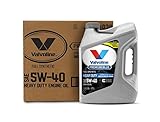
Overview:
Valvoline Premium Blue Extreme 5W-40 is a full synthetic diesel engine oil engineered for heavy-duty commercial applications. This case of three one-gallon jugs delivers advanced protection for modern diesel engines, particularly those operating in severe conditions. Formulated with high-quality synthetic base stocks and specialized additives, it addresses the unique challenges faced by commercial vehicles, including extended idle periods and demanding operational cycles.
What Makes It Stand Out:
The oil’s standout feature is its Cummins-approved 5,000-mile drain extension for X15/X12 engines achieving 7+ mpg—a significant operational cost savings for fleet managers. Its advanced formulation provides up to 1.5% fuel economy improvement over conventional 15W-40 oils, translating to measurable savings across a fleet. The exceptional oxidation resistance and deposit control ensure engine cleanliness even under extended service intervals, while superior cold-flow properties protect critical components during cold starts when soot loading is highest.
Value for Money:
Priced at a premium over conventional diesel oils, this three-gallon case represents solid value for commercial operators. The extended drain intervals reduce maintenance downtime and oil disposal costs, while fuel economy gains offset the higher initial investment. Compared to competitors like Shell Rotella T6 or Mobil Delvac, Valvoline’s specific Cummins approvals and proven fleet performance justify the price for heavy-duty applications.
Strengths and Weaknesses:
Strengths include outstanding wear protection, extended drain capability, verified fuel economy improvements, excellent cold-start performance, and strong soot control. Weaknesses involve premium pricing unsuitable for light-duty trucks, limited applicability for non-Cummins engines regarding drain extensions, and potential availability issues in remote areas.
Bottom Line:
For fleet operators and owner-operators with modern Cummins diesel engines, this oil delivers measurable ROI through extended drains and fuel savings. The premium is justified for commercial applications where downtime costs exceed oil price differences.
7. Ariens SAE 0W-30 Extreme Cold Engine Oil 20oz 00077600

Overview:
Ariens SAE 0W-30 Extreme Cold Engine Oil is a purpose-built full synthetic lubricant designed specifically for snow blowers and other cold-weather equipment. Packaged in a convenient 20-ounce bottle, this Sno-Thro oil addresses the unique challenges of winter operation where conventional oils fail. The 0W-30 viscosity rating ensures reliable lubrication in sub-zero temperatures, preventing the engine damage that can occur when standard oils become too viscous to flow properly.
What Makes It Stand Out:
This oil’s primary distinction is its manufacturer-specific formulation for Ariens snow equipment, ensuring perfect compatibility and warranty compliance. The extreme cold formula dramatically reduces starter motor strain and battery drain during frigid startups, while providing immediate lubrication to critical engine components. Unlike multi-purpose small engine oils, this product is engineered with additives that combat moisture contamination and fuel dilution common in seasonal snow blower use.
Value for Money:
At approximately $8-10 per 20oz bottle, the per-ounce cost exceeds generic synthetic oils, but the specialized formulation justifies the premium for equipment that operates in extreme conditions. For homeowners in northern climates who depend on reliable snow removal, the cost represents minimal annual investment compared to potential starter or engine repairs from cold-weather starts on improper oil.
Strengths and Weaknesses:
Strengths include exceptional cold-weather flow properties, manufacturer endorsement, moisture resistance, and convenient sizing for single-season changes. Weaknesses involve limited applicability beyond snow blowers, higher cost per ounce than generic alternatives, and insufficient quantity for larger engines requiring more than 20oz.
Bottom Line:
For Ariens snow blower owners in cold climates, this manufacturer-approved oil is a wise investment that ensures reliable winter starting and long-term engine protection. Don’t risk expensive repairs with improper lubricants.
8. Polaris PS-4 EXTREME 0W-50 4 Cycle Full Synthetic Oil for Specific RANGER, GENERAL, RZR, Sportsman, Scrambler, INDY, Voyageur, TITAN Models With 4 Stroke Engine, 1 Gallon, Qty 1-2889396

Overview:
Polaris PS-4 EXTREME 0W-50 is a premium full synthetic engine oil engineered exclusively for Polaris off-road vehicles and youth snowmobiles. This one-gallon formulation combines PAO and Ester synthetic base oils with a proprietary additive package to deliver exceptional performance across the widest temperature spectrum in powersports applications. Designed for 4-stroke engines in RANGER, RZR, GENERAL, and other specified models, it addresses the severe operating conditions unique to off-road and seasonal use.
What Makes It Stand Out:
The oil’s remarkable -45°F to 130°F operational range sets it apart from conventional powersports oils, ensuring reliable startups in Arctic conditions and thermal stability in desert heat. Polaris’s custom additive system features moly-boost and high ZDDP (zinc/phosphorus) levels for superior wear protection under high-load, high-RPM operation. The formulation specifically combats corrosion and oxidation during intermittent storage—a critical feature for seasonal vehicles that sit for months between uses.
Value for Money:
While priced 40-50% higher than generic full synthetics, PS-4 EXTREME is essential for maintaining Polaris factory warranty coverage. The cost premium is offset by reduced engine wear in extreme conditions and peace of mind for owners of $15,000+ vehicles. Using non-approved oils risks catastrophic engine failure and warranty denial, making this a necessary investment rather than an optional upgrade.
Strengths and Weaknesses:
Strengths include unmatched temperature versatility, manufacturer-specific formulation, exceptional deposit control, superior anti-wear chemistry, and corrosion prevention. Weaknesses involve premium pricing, limited cross-compatibility with other brands, potential over-engineering for mild climate users, and required adherence to Polaris maintenance schedules.
Bottom Line:
For Polaris owners, this oil is mandatory for warranty compliance and delivers genuine protection benefits in extreme conditions. The premium is justified when protecting high-value powersports equipment from temperature extremes and intermittent use patterns.
9. Briggs & Stratton SAE 5W-30 Synthetic Small Engine Motor Oil - 32 Oz. 100074
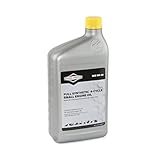
Overview:
Briggs & Stratton SAE 5W-30 Synthetic Small Engine Motor Oil is a 32-ounce bottle of fully synthetic lubricant specifically formulated for air-cooled 4-cycle engines. This manufacturer-developed oil addresses the unique thermal stresses of small engines found in lawnmowers, generators, pressure washers, and other outdoor power equipment. The synthetic formulation provides consistent viscosity across operating temperatures, protecting engines that experience rapid temperature fluctuations and extended high-heat operation.
What Makes It Stand Out:
Unlike automotive oils that may contain friction modifiers harmful to small engines, this formula is purpose-built without additives that could damage wet-clutch systems or create excessive deposits in air-cooled powerplants. The 5W-30 viscosity offers excellent cold-weather starting while maintaining film strength during hot summer operation. Briggs & Stratton’s tribological expertise ensures optimal protection for engines that often operate at maximum power output for extended periods, a common stress point in commercial landscaping applications.
Value for Money:
Priced competitively at $7-9 per quart, this oil costs only marginally more than conventional small engine oil while delivering measurable benefits in engine cleanliness and wear reduction. For homeowners maintaining multiple pieces of equipment, the synthetic formulation allows for extended change intervals compared to conventional oil, effectively balancing the upfront cost. Generic 5W-30 synthetics may lack the specific additive package optimized for small engine air cooling.
Strengths and Weaknesses:
Strengths include manufacturer-specific formulation for air-cooled engines, excellent temperature stability, reduced deposit formation, and broad compatibility across small engine brands. Weaknesses involve limited quantity for larger engines, premium pricing over conventional oil, and potential over-specification for infrequently used equipment.
Bottom Line:
This is the ideal upgrade for anyone seeking maximum protection for their small engine investments. The modest premium over conventional oil pays dividends in extended engine life and reliable seasonal performance.
10. Ariens Pack of 2 SAE 0W-30 Extreme Cold Engine Oil Quart 00077900 and Fuel Treatment
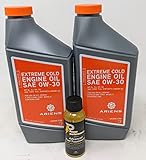
Overview:
This Ariens bundle packages two quarts of SAE 0W-30 Extreme Cold Full Synthetic Engine Oil with a 2-ounce bottle of 3-in-1 Advanced Fuel Treatment, providing a comprehensive winter maintenance solution for snow blower owners. The quart-sized bottles offer proper capacity for most Sno-Thro models, while the included fuel treatment stabilizes gasoline and prevents moisture-related issues during storage. This combination addresses the two most critical aspects of reliable cold-weather equipment operation.
What Makes It Stand Out:
The integrated package eliminates guesswork for seasonal maintenance, ensuring users have both the correct oil and fuel treatment in one purchase. The 3-in-1 fuel treatment stabilizes fuel for up to 24 months, cleans injectors, and removes water—critical for equipment that sits idle for months. The 0W-30 synthetic oil provides exceptional cold-start protection down to -40°F, while the quart sizing matches the capacity of most Ariens engines, eliminating the need to purchase multiple smaller bottles.
Value for Money:
At approximately $25-30 for the bundle, purchasers save 15-20% compared to buying the oil and treatment separately. The fuel treatment treats up to 10 gallons, sufficient for an entire winter season’s fuel supply. For Ariens owners, this represents convenient one-stop shopping with manufacturer-approved products, avoiding compatibility concerns that could arise from aftermarket alternatives.
Strengths and Weaknesses:
Strengths include convenient bundled packaging, proper oil quantity for most applications, included fuel treatment for complete winterization, manufacturer-specific formulation, and cost savings over separate purchases. Weaknesses involve annual purchase cycle limiting bulk savings, potential waste if fuel treatment isn’t needed, and premium pricing over generic synthetic oil options.
Bottom Line:
This bundle offers exceptional convenience and value for Ariens snow blower owners preparing for winter. The manufacturer-approved combination ensures reliable starting and long-term engine protection while saving money over individual component purchases.
Understanding Synthetic Engine Oil Fundamentals
What Makes Synthetic Oil Different from Conventional Oil?
Synthetic engine oils aren’t just refined crude oil—they’re engineered from chemically modified petroleum components rather than whole crude oil. The manufacturing process removes impurities and tailors molecular structures to create uniform molecules that behave predictably under stress. This engineering advantage means synthetic oils maintain their viscosity across extreme temperature ranges, resist oxidation breakdown, and flow more easily during cold starts while maintaining protection during high-heat operations.
How Extreme Heat Affects Engine Performance
When ambient temperatures soar above 90°F and engine operating temperatures climb even higher, conventional oils begin to thin excessively and evaporate. This thermal breakdown leaves critical components vulnerable to metal-on-metal contact. Synthetics resist this volatility through stable base stocks that maintain proper lubricating film strength even when your oil temperature gauge shows concerning numbers. The result is consistent protection whether you’re stuck in traffic or climbing mountain grades.
How Extreme Cold Impacts Engine Startup and Protection
Sub-zero temperatures turn conventional oils into thick, honey-like substances that struggle to circulate during those first critical seconds after ignition. Nearly 75% of engine wear occurs during startup, and cold, thick oil exacerbates this problem. Synthetic oils flow up to seven times faster at -40°F compared to conventional oils, ensuring immediate lubrication reaches your camshaft, bearings, and cylinder walls when your engine needs it most.
Key Features to Evaluate When Shopping
Understanding Viscosity Ratings: What Those Numbers Really Mean
That “5W-30” or “0W-40” label isn’t just marketing—it’s a scientific measurement of flow characteristics. The first number (followed by “W” for winter) indicates cold-weather flowability, with lower numbers meaning better cold-start performance. The second number represents the oil’s viscosity at normal operating temperature (212°F). For extreme cold, 0W or 5W ratings provide superior protection, while hot climates might benefit from 40 or 50 weight oils that maintain thickness under intense heat.
Key Certifications and Standards to Look For
Industry certifications ensure you’re getting genuine performance, not just promises. The American Petroleum Institute (API) “SP” rating represents the latest gasoline engine standard, while diesel owners should seek API CK-4 or FA-4 ratings. The International Lubricant Specification Advisory Committee (ILSAC) GF-6 standard indicates fuel economy and emission system compatibility. For European vehicles, ACEA ratings (A3/B4, C5, etc.) specify exact performance requirements. Always check your owner’s manual for manufacturer-specific approvals like GM’s dexos or Ford’s WSS specifications.
The Role of Additive Packages in Temperature Resistance
Base oils alone don’t provide complete protection—sophisticated additive packages make the difference. Look for oils with robust antioxidant packages that prevent sludge formation during high-heat operations. Quality detergents keep deposits from forming on pistons and valves. Anti-wear additives like zinc and phosphorus create protective chemical layers on metal surfaces. Pour point depressants help maintain fluidity in extreme cold, while viscosity index improvers ensure stable thickness across temperature ranges.
Matching Oil to Your Specific Needs
Full Synthetic vs Synthetic Blend: Making the Right Choice
Full synthetic oils use the highest quality base stocks and provide maximum extreme-temperature protection, typically lasting 10,000-15,000 miles between changes. Synthetic blends combine synthetic and conventional base stocks, offering moderate improvement over conventional oil at a lower price point. For extreme temperatures, the investment in full synthetic pays dividends through superior protection and extended drain intervals, especially if you live in regions with temperature swings exceeding 100°F between seasons.
High-Mileage Considerations for Extreme Temperatures
Engines with over 75,000 miles have different needs. Seal conditioners in high-mileage formulations help prevent leaks that extreme temperatures can exacerbate. These oils contain slightly higher viscosity to compensate for internal wear and maintain proper oil pressure. However, they shouldn’t be used as a fix for mechanical problems—if your engine burns oil excessively, address the root cause rather than expecting thicker oil to solve the issue.
Diesel vs Gasoline Engine Requirements
Diesel engines operate under higher compression and generate more soot, requiring oils with higher total base number (TBN) to neutralize acids and superior dispersants to keep contaminants suspended. Gasoline engines, particularly direct-injection models, need oils that prevent low-speed pre-ignition and protect timing chains. Never interchange diesel and gasoline engine oils—the additive packages are specifically formulated for each engine type’s combustion characteristics.
Turbocharged and High-Performance Engine Needs
Turbochargers can spin at 200,000 RPM and generate temperatures exceeding 1,000°F in the turbine housing. This extreme heat cooks oil in the turbo’s bearing housing, making thermal stability non-negotiable. High-performance engines with tight tolerances and high power density require low-volatility synthetics that resist coking and deposit formation. Look for oils specifically mentioning turbocharger protection and high-temperature deposit control.
Practical Buying Considerations
Seasonal vs Year-Round Oils: Pros and Cons
Some enthusiasts switch between winter and summer formulations, but modern full-synthetic 0W-40 or 5W-40 oils often provide year-round protection in extreme climates. The advantage of seasonal switching is optimized performance for specific conditions—thin 0W-20 for brutal winters, thick 20W-50 for scorching summers. The downside is the cost and inconvenience of seasonal changes, plus potential confusion during spring and fall transitions. For most drivers, a premium full-synthetic with wide viscosity range offers the best compromise.
Debunking Common Myths About Synthetic Oils
Myth: Synthetic oils cause leaks in older engines. Reality: Synthetics clean deposits that may have been sealing marginal gaskets, revealing existing problems but not creating new ones. Myth: You can’t switch back to conventional oil after using synthetic. Reality: You can switch freely, though you’ll lose the performance benefits. Myth: All synthetics are the same. Reality: There’s significant quality variation between base oil groups and additive packages—Group III, IV, and V base stocks offer different performance levels.
Proper Storage and Handling for Maximum Effectiveness
Even the best synthetic oil degrades if stored improperly. Keep unopened containers in a cool, dry place away from direct sunlight, which can break down additives through UV exposure. Extreme cold can cause separation of some additive packages, so allow cold-stored oil to warm to room temperature before use. Once opened, use within one year as exposure to air introduces moisture and contamination. Never store oil in your trunk long-term—temperature fluctuations accelerate degradation.
Reading and Interpreting Product Data Sheets
Technical data sheets reveal the real story beyond marketing claims. Look for pour point (the lowest temperature at which oil flows)—quality synthetics pour below -40°F. The flash point indicates heat resistance, with higher numbers (above 440°F) indicating better high-temperature stability. NOACK volatility measures evaporation loss at high heat—lower percentages (under 10%) mean less oil consumption. TBN values above 8 indicate strong acid-neutralizing capacity for extended drain intervals.
Maintenance and Value Considerations
When to Change Your Oil in Extreme Conditions
Severe service schedules apply when regularly driving in extreme temperatures. Most manufacturers define severe service as temperatures consistently below 0°F or above 100°F. Under these conditions, consider reducing your normal drain interval by 25-30%. Pay attention to oil analysis if you push extended drain intervals—testing reveals when additives deplete or contamination occurs. Don’t rely solely on your oil life monitor, as these systems often base calculations on normal driving conditions.
Cost-Benefit Analysis: Investing in Quality Protection
Premium synthetic oils cost 2-3 times more than conventional oil, but the math often works in your favor. Extended drain intervals reduce total oil consumption over time. Improved fuel efficiency (typically 2-3% with quality synthetics) saves money at the pump. Most importantly, superior wear protection extends engine life, potentially avoiding a $5,000+ rebuild. When evaluating cost, calculate price per mile rather than price per quart—an $80 synthetic that lasts 15,000 miles costs less per mile than a $30 conventional oil changed every 5,000 miles.
Environmental Impact and Disposal Considerations
Using longer-lasting synthetic oils reduces waste oil generation by 50-70% compared to frequent conventional changes. However, used synthetic oil still requires proper disposal—never pour it down drains or on the ground. Many auto parts stores and service centers accept used oil for recycling. Some premium synthetics use bio-based or recycled base stocks, offering reduced environmental impact without sacrificing performance. Consider the complete lifecycle impact when making your selection.
Making Your Final Decision
Creating a Personal Checklist for Your Situation
Before purchasing, document your specific requirements: vehicle make/model/year, engine type, mileage, typical driving conditions, temperature range in your region, manufacturer specifications, and budget. Cross-reference this list against oil certifications and technical specifications. Prioritize API/ACEA approvals and viscosity requirements over brand loyalty. Remember that the “best” oil is the one that meets your engine’s exact specifications while providing margin for your climate’s extreme conditions.
Frequently Asked Questions
How do I know if my vehicle actually needs synthetic oil for extreme temperatures?
Check your owner’s manual for manufacturer requirements—many modern vehicles, especially turbocharged models, mandate synthetic oil. If you regularly experience temperatures below 0°F or above 100°F, or if you tow heavy loads in hot weather, synthetic oil provides measurable protection benefits even if not required. Consider your engine’s age and condition; high-mileage engines benefit from synthetic’s superior cleaning properties.
Can using the wrong viscosity grade in extreme temperatures damage my engine?
Yes, significant viscosity mismatches can cause serious damage. Too thin in extreme heat leads to metal-on-metal contact and bearing failure. Too thick in extreme cold causes oil starvation during startup and can crack oil filters. Always follow manufacturer viscosity recommendations, adjusting only within approved ranges for your climate. Never use a viscosity not listed in your owner’s manual.
What’s the difference between “synthetic” and “full synthetic” labeling?
This is largely marketing terminology. In the United States, the FDA doesn’t regulate these terms for motor oil. “Full synthetic” typically indicates 100% synthetic base stock, while “synthetic” might be a blend. However, some high-quality Group III base stocks are legally labeled “full synthetic.” Focus on certifications and performance data rather than label wording—API SP, ILSAC GF-6, and ACEA ratings guarantee specific performance levels regardless of marketing terms.
How often should I check my oil level when driving in extreme temperatures?
Extreme heat increases oil consumption through evaporation and potential minor leaks as seals expand and contract. Check your oil level every 1,000 miles during summer heat waves or when towing in high temperatures. Cold weather can cause condensation buildup in short-trip driving, contaminating oil—check monthly in winter. Always check when the engine is cold and the vehicle is on level ground for accurate readings.
Will switching to synthetic oil improve my cold-weather starting problems?
Synthetic oil can significantly improve cold-weather starting by flowing faster to critical components, reducing battery and starter strain. However, if your vehicle struggles to start in cold weather, also check your battery health (cold cranking amps decline with temperature), glow plugs or ignition system, and fuel quality. Synthetic oil helps but won’t fix underlying mechanical or electrical issues causing hard starts.
Are there any vehicles that shouldn’t use synthetic oil in extreme temperatures?
Most modern vehicles benefit from synthetics, but some classic cars with original seals may experience leaks due to synthetics’ cleaning action. Very old engines with excessive clearances might require thicker conventional oils to maintain oil pressure. Always consult your owner’s manual and consider your engine’s condition. If your vehicle has never used synthetic and has over 150,000 miles, monitor closely after switching for the first 3,000 miles.
How does altitude affect my synthetic oil choice for extreme temperatures?
High altitude reduces air density and engine cooling efficiency, making effective heat dissipation more critical. At elevations above 5,000 feet, consider using oil on the higher end of your manufacturer’s viscosity range. The reduced atmospheric pressure also lowers the boiling point of oil, making high flash point and low volatility more important. Standard synthetic oil recommendations apply, but pay extra attention to thermal stability specifications.
Can I mix different brands of synthetic oil if I’m in a pinch during a road trip?
In emergency situations, mixing synthetic oils of the same viscosity and certification level won’t cause immediate damage. All API SP 5W-30 oils, for example, must meet the same minimum standards. However, different additive packages may be incompatible, potentially reducing overall performance or causing sludge over time. If you must mix, plan a complete oil change as soon as possible using your preferred brand. Never mix synthetic with conventional oil if your engine requires synthetic.
What should I do if my synthetic oil turns dark very quickly in extreme heat?
Rapid darkening in extreme heat often indicates the oil is doing its job—cleaning existing deposits and suspending contaminants. However, if the oil becomes black within 2,000 miles and smells burnt, you may be overheating or experiencing fuel dilution. Check your cooling system, air filter, and driving habits. Consider having an oil analysis done to determine if the oil is actually breaking down prematurely or if it’s just cleaning effectively.
Do electric or hybrid vehicles need special synthetic oils for temperature extremes?
Hybrid vehicles still have gasoline engines that require oil meeting manufacturer specifications, often with special additives for frequent start-stop cycles. Electric vehicles don’t have traditional engines but use synthetic fluids in their reduction gearboxes and battery cooling systems. These EV-specific fluids have different viscosity requirements and thermal properties. Never use engine oil in EV gearboxes—always use manufacturer-specified fluids designed for electric drivetrain components.
See Also
- The 10 Best Motorcycle Engine Oil Every Rider Needs This Year
- 10 Must-Have Full Synthetic Motor Oil for Long-Term Engine Protection in 2026
- Stop Oil Breakdown Under Pressure with the 10 Best Performance Engine Oil This Year
- The 10 Best Performance Engine Oil Every Tuner Needs This Year
- 2026’s Top 10 Synthetic Transmission Fluid for Extreme Temperatures