Table of Contents
Precision engine tuning demands tools that deliver unwavering accuracy, and in 2026, timing lights have evolved far beyond their humble beginnings as simple stroboscopic devices. Whether you’re a weekend warrior restoring a classic muscle car or a professional technician working on modern performance engines, understanding how to select and utilize the right timing light can mean the difference between a perfectly running machine and a costly mechanical failure. The market now offers sophisticated options featuring digital displays, wireless connectivity, and advanced diagnostic capabilities that would have seemed like science fiction just a decade ago.
The landscape of engine tuning has grown increasingly complex with the proliferation of hybrid systems, variable valve timing, and computer-controlled ignition systems. Yet the fundamental principle remains unchanged: precise ignition timing is the cornerstone of optimal combustion, fuel efficiency, and power delivery. This comprehensive guide walks you through everything you need to know about choosing a timing light that matches your specific needs, skill level, and the types of engines you’ll be working on—without getting lost in marketing hype or unnecessary features you’ll never use.
Top 10 Timing Lights
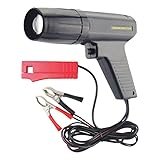

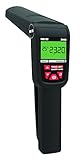




Detailed Product Reviews
Understanding Timing Lights and Their Role in Modern Engine Tuning
What Is a Timing Light and How Does It Work?
A timing light is fundamentally a stroboscopic device that flashes in synchronization with your engine’s ignition system, freezing the motion of the crankshaft pulley at specific moments. When you point it at the timing marks on your engine, the flashing effect creates the illusion that the pulley is standing still, allowing you to see exactly where the ignition spark occurs in relation to piston position. Modern units accomplish this by clamping an inductive pickup around the number one spark plug wire, which detects the electrical pulse and triggers the strobe.
Why Proper Ignition Timing Matters for Engine Performance
Ignition timing directly controls when the spark plug fires during the compression stroke, and even minor deviations from manufacturer specifications can cascade into major problems. Too advanced, and you risk destructive detonation that can hammer pistons and bearings into premature failure. Too retarded, and you’ll sacrifice power, encounter overheating issues, and dump unburned fuel into your exhaust system. The sweet spot varies based on engine speed, load, fuel quality, and countless other variables—making a reliable timing light absolutely essential for dialing in performance.
Evolution of Timing Light Technology Through 2026
The timing lights of yesteryear were simple xenon flash tubes with analog dials, requiring you to manually adjust for advance curves. Today’s models incorporate microprocessors that can calculate and display advance automatically, connect to smartphone apps for data logging, and even compensate for different cylinder firing patterns. The most cutting-edge 2026 designs feature OLED displays visible in direct sunlight, lithium-ion batteries that last for weeks, and Bluetooth connectivity that streams real-time timing data to diagnostic tablets.
Key Features to Evaluate When Choosing a Timing Light
Brightness and Visibility Considerations
The fundamental job of a timing light is to be seen clearly against the grime and shadows of an engine bay. Look for units boasting at least 1,000 lumens of LED output—anything dimmer becomes nearly useless in bright garage lighting or outdoor conditions. The beam pattern matters too; a focused spotlight helps isolate timing marks on crowded pulleys, while a slightly wider angle proves more forgiving for beginners struggling to hold the gun steady. Some premium models now feature adjustable intensity settings to prevent washout on reflective surfaces.
Advance Timing Functionality Explained
Basic timing lights show you static timing at idle, but modern engines require understanding advance curves that change with RPM. Advance timing lights include internal circuitry that measures engine speed and calculates how many degrees the timing has advanced beyond base timing. This eliminates the mental math and guesswork that plagued tuners for decades. When evaluating this feature, check whether the unit displays both initial and total advance simultaneously, and whether it can handle the high-RPM ranges your specific engine might reach.
Compatibility with Different Ignition Systems
Your timing light must speak the same language as your ignition system. Traditional inductive pickups work perfectly with conventional distributor-based systems, but coil-on-plug (COP) and coil-near-plug (CNP) arrangements require specialized adapters or capacitive pickups that sense the trigger signal without direct wire contact. Many 2026 models now feature automatic detection that switches modes based on the signal strength and pattern, saving you from manual configuration headaches when jumping between different vehicles.
Build Quality and Durability Factors
Professional technicians know that tools get dropped, soaked in fluids, and baked in hot engine bays. A quality timing light features a housing made from impact-resistant ABS or reinforced polycarbonate, with rubber overmolding on high-stress areas. The trigger switch should feel substantial, rated for hundreds of thousands of cycles. Check the strain relief where the cord enters the body—this is a common failure point on budget models. Water and dust resistance ratings (IP65 or higher) indicate a tool built for real-world abuse, not just pristine garage displays.
Power Source Options: Battery vs. AC Corded
Corded models draw power directly from the vehicle’s battery through alligator clips, ensuring you’ll never run out of juice mid-tune. However, wrestling with cords around spinning fans and hot exhaust manifolds introduces safety concerns. Battery-powered units offer freedom of movement and cleaner setups, but require diligent charging discipline. The best compromise? Hybrid models that offer both options, with a rechargeable lithium battery that automatically engages when the cord is unplugged, giving you backup power and mobility.
Display Technology and Readability
Squinting at tiny numbers while bent over a fender is nobody’s idea of fun. Modern timing lights feature backlit LCD or OLED screens that remain visible from multiple angles and in various lighting conditions. Some units mount the display directly on the timing light body, while others place it on a separate module you can position for optimal viewing. Touchscreen interfaces might seem futuristic, but physical buttons often prove more reliable when your hands are slick with oil. Consider whether the display shows all relevant data at once or requires cycling through menus—simple is usually better during complex tuning sessions.
Connectivity and Digital Integration Features
The newest generation of timing lights can sync with your smartphone or diagnostic scanner via Bluetooth or Wi-Fi, logging timing curves you can review later on a larger screen. This proves invaluable when fine-tuning advance curves across the entire RPM range. Look for companion apps that allow you to overlay timing data with air-fuel ratios, boost pressure, and other parameters. Some advanced units even support firmware updates, ensuring your tool stays current as new engine technologies emerge. Just remember that connectivity features should enhance, not replace, the core functionality of the timing light.
Types of Timing Lights for Different Applications
Traditional Inductive Timing Lights
These workhorse tools remain the entry point for many enthusiasts, using a simple inductive clamp to detect spark plug firing. They excel at basic static timing checks and work reliably on most conventional ignition systems. While they lack digital displays and automatic advance calculation, their simplicity means fewer components to fail. For carbureted classics and basic fuel-injected vehicles, these represent a cost-effective solution that gets the job done without unnecessary complexity.
Digital Advance Timing Lights
Digital models revolutionize the tuning process by automatically calculating and displaying advance timing as you rev the engine. They typically feature microprocessors that measure the time between spark events to determine RPM, then compare current timing to base timing to show real-time advance. This category splits into two sub-types: those with fixed displays on the gun itself, and those with remote displays you can mount on your dashboard. The latter proves especially useful for solo tuning when you can’t have an assistant read the display.
Self-Powered and Wireless Models
Cutting the cord entirely, these battery-powered units offer ultimate freedom of movement. They typically use high-capacity lithium-ion cells that provide weeks of standby time and hours of continuous use. The trade-off is the need to remember charging, and potentially reduced brightness compared to corded counterparts. However, advances in LED efficiency have largely closed this gap. Wireless models often include Bluetooth connectivity, turning your phone into both display and data logger—perfect for trackside tuning where space is limited.
Professional-Grade Diagnostic Timing Lights
Built for technicians who work on diverse vehicle portfolios daily, these heavy-duty units combine timing light functionality with broader diagnostic capabilities. They might include features like cylinder balance tests, dwell angle measurement, and integrated tachometers. Their construction prioritizes durability over compactness, with reinforced cables, metal housings, and serviceable components. While overkill for the occasional user, they pay dividends in busy shops where tool failure means lost revenue.
How to Use a Timing Light Safely and Effectively
Preparing Your Vehicle for Timing Checks
Never start adjusting timing without first verifying that your engine is in good mechanical condition. Check that your timing marks are clean and visible—apply white paint or timing tape if they’re worn. Ensure all vacuum lines are properly connected and not leaking, as vacuum leaks will skew timing readings. Disable any idle compensation circuits or electronic timing controls that might interfere with base timing adjustments. Always warm the engine to operating temperature first, as timing specifications are given for hot engines.
Step-by-Step Timing Adjustment Process
Start by connecting the timing light’s inductive pickup to the number one cylinder’s spark plug wire, ensuring the arrow on the clamp points toward the spark plug. Attach the power leads to the battery, observing correct polarity. Start the engine and point the timing light at the crankshaft pulley. The strobe will illuminate the timing marks—adjust the distributor slowly while watching the marks move relative to the fixed pointer on the engine block. Once aligned with the specified base timing, tighten the distributor hold-down bolt and recheck. Rev the engine to verify the advance curve moves smoothly and reaches the specified total advance.
Common Mistakes to Avoid During Timing
The number one error is adjusting timing with the vacuum advance connected—this gives false readings that will leave your engine running poorly under load. Another frequent mistake is failing to verify that the harmonic balancer hasn’t slipped; a slipped outer ring makes timing marks meaningless. Don’t forget to check for electrical interference from other tools—running a high-amperage charger near your timing light can cause erratic readings. Finally, never rev the engine excessively while the timing light is connected if you’re unsure of the advance curve—over-advanced timing at high RPM can cause immediate catastrophic damage.
Interpreting Timing Marks and Specifications
Timing marks typically appear as notches or lines on the harmonic balancer, with a stationary pointer on the timing cover. The numbers represent degrees before top dead center (BTDC), with most engines timing somewhere between 8-12 degrees BTDC at idle. Performance applications might run more initial timing for better throttle response. When you rev the engine, you should see the marks move counterclockwise (advancing) smoothly without jumping or hesitation. Any irregular movement suggests worn distributor components or a faulty advance mechanism that must be addressed before fine-tuning.
Advanced Timing Techniques for Performance Tuning
Understanding Vacuum and Mechanical Advance
Total ignition timing consists of three components: initial timing (set at idle), mechanical advance (centrifugal weights in the distributor), and vacuum advance (ported vacuum from the carburetor or throttle body). For performance tuning, you’ll want to map how these three elements interact across the RPM range. Disconnect vacuum advance first to set and check mechanical advance, then reconnect it to verify proper operation under part-throttle cruise conditions. Many modern performance distributors allow you to limit total mechanical advance by changing springs and stop bushings.
Dialing in Performance Ignition Curves
Creating a custom advance curve involves tailoring when and how quickly timing increases with engine speed. Start conservative—less total advance, coming in later—and gradually increase until you detect slight detonation under load, then back off 2-4 degrees for safety. Use a timing light with RPM readout to plot your curve at 500 RPM intervals. Performance engines often benefit from more aggressive initial timing (14-16 degrees) with limited total advance (32-36 degrees) to prevent detonation at high RPM when cylinder pressures peak.
Timing for Forced Induction Applications
Turbocharged and supercharged engines require special timing considerations due to increased cylinder pressure and heat. Typically, these engines run less total timing (often 20-28 degrees) compared to naturally aspirated counterparts. Many tuners employ timing retard systems that pull timing back under boost, sometimes using a timing light with a boost-referenced signal input to verify proper retard curves. The key is ensuring timing advances smoothly up to the point where boost begins, then either stops advancing or actively retards as manifold pressure increases.
Fine-Tuning for Different Fuel Types
Different fuels have varying octane ratings and burn rates, directly impacting optimal timing. E85 and other ethanol blends tolerate more timing advance due to their high octane and cooling effect, often allowing 4-6 degrees more total timing than gasoline. Race fuels vary widely—some are designed for maximum power with aggressive timing, while others prioritize consistency. Always start with conservative timing when switching fuels, then gradually advance while monitoring for detonation. A timing light with precise readout becomes even more critical when chasing small power gains through timing optimization.
Maintenance and Care for Your Timing Light
Proper Storage Practices
The inductive pickup cable is particularly vulnerable to damage from repeated bending and heat exposure. Always coil it loosely without sharp kinks, and never wrap it tightly around the timing light body. Store the unit in its original case or a dedicated drawer away from direct sunlight, which degrades plastic housings and cable insulation over time. Keep the lens clean using only soft cloths and mild cleaners—abrasive materials scratch the surface, reducing brightness. If your model uses a xenon flash tube, minimize unnecessary triggering that wears the tube prematurely.
Battery Maintenance for Wireless Models
Lithium-ion batteries perform best when stored at approximately 50% charge, not fully depleted or topped off. If you won’t use your timing light for months, charge it to half capacity before storage. Avoid extreme temperatures—don’t leave it in a freezing garage or hot car trunk. Most modern batteries have no “memory effect,” but they do have limited charge cycles. If you notice significantly reduced run time, it’s better to replace the battery than deal with a dead tool mid-project. Some premium models feature user-replaceable battery packs, extending the tool’s service life.
Troubleshooting Common Issues
If your timing light fails to trigger, first check that the inductive clamp is fully closed and positioned correctly on the plug wire. Weak or erratic flashing often indicates a dying battery or poor electrical connections. Intermittent operation might mean a break in the pickup cable—flex it gently while watching for changes. If the display shows gibberish or won’t power on, remove and reinsert the battery to reset the microprocessor. For persistent problems, consult the manufacturer’s service manual—many issues stem from simple fixes like dirty battery contacts or loose internal connections.
When to Recalibrate or Service Your Tool
Timing lights can drift out of calibration over time, especially if dropped or exposed to extreme temperatures. If you suspect inaccurate readings, compare your timing light against a known-good unit on the same engine. Professional-grade tools often include a calibration mode or self-test function. For serious tuners, sending the unit back to the manufacturer annually for professional calibration ensures accuracy within a fraction of a degree. Budget models typically aren’t serviceable and should be replaced if they show signs of inaccuracy. Consider the cost of calibration versus replacement when investing in your next timing light.
Future Trends in Timing Light Technology
Smart Features and App Integration
The next generation of timing lights increasingly functions as part of a broader diagnostic ecosystem rather than standalone tools. Expect deeper integration with OBD-II scanners, allowing the timing light to automatically pull engine parameters and recommended specs directly from the vehicle’s computer. Machine learning algorithms in companion apps might soon analyze your timing curves and suggest optimizations based on thousands of similar engine builds. Voice-activated controls could allow hands-free operation when you’re elbow-deep in an engine bay.
AI-Assisted Timing Recommendations
Artificial intelligence is beginning to creep into performance tuning, with timing lights that can suggest optimal advance curves based on your specific combination of camshaft, compression ratio, and fuel type. These systems would compare your real-time timing data against cloud-based databases of successful tunes, flagging potentially dangerous combinations before they cause damage. While not a replacement for human expertise, AI assistance could dramatically shorten the learning curve for novice tuners and provide experienced builders with data-driven starting points.
Enhanced Safety Features in 2026 Models
Manufacturers are incorporating more safety protections into their designs. Automatic shutoff features prevent overheating if the trigger is held too long. Improved electrical isolation protects sensitive engine computers from voltage spikes. Some prototypes even include thermal imaging cameras to monitor component temperatures while you tune, alerting you if headers or other parts exceed safe limits. As engines become more complex and expensive to repair, these protective features transform the timing light from a simple measurement tool into a comprehensive engine health monitoring system.
Frequently Asked Questions
What is the difference between a basic timing light and an advance timing light?
A basic timing light only shows static timing at idle, requiring you to manually calculate advance by comparing marks at different RPMs. An advance timing light automatically calculates and displays the total advance timing as engine speed increases, making it essential for tuning performance engines with complex advance curves. The digital display eliminates guesswork and provides precise readings throughout the entire RPM range.
Can I use a timing light on coil-on-plug ignition systems?
Yes, but you need either a specialized capacitive pickup that clamps around the coil’s trigger wire or an adapter that provides a traditional spark plug wire signal. Some modern timing lights feature automatic detection modes that work with both conventional and COP systems. Always verify compatibility with your specific ignition type before purchasing, as using the wrong pickup can damage sensitive coil drivers.
Why does my timing mark appear to jump around instead of holding steady?
Erratic timing marks usually indicate electrical interference, a weak spark, or mechanical issues within the distributor. Check that your inductive pickup is securely clamped and away from other plug wires. Worn distributor bushings, a loose advance mechanism, or a failing ignition module can cause timing scatter. Address these mechanical issues before attempting to set timing, as no amount of adjustment will fix a worn distributor.
How often should I check my engine’s timing?
Check timing whenever you perform a tune-up, replace distributor components, or notice performance issues like pinging, poor fuel economy, or hard starting. Performance engines should have timing verified after any modifications to camshaft, compression, or fuel system. For daily drivers, an annual timing check during routine maintenance catches gradual distributor wear before it causes drivability problems.
What safety precautions should I follow when using a timing light?
Always route cables away from hot exhaust components and moving parts like the cooling fan and belts. Wear eye protection to guard against debris and bright flashes. Keep the timing light’s power leads away from the alternator output terminal to prevent voltage spikes. Work with a partner when possible, and never wear loose clothing or jewelry that could get caught in rotating components. Ensure the engine is at operating temperature but not overheating before starting adjustments.
Can timing lights damage modern engine computers?
Quality timing lights from reputable manufacturers include voltage spike protection and electrical isolation that prevents damage to sensitive ECUs. However, cheap or malfunctioning units can potentially introduce interference. Always connect the power leads directly to the battery, not random ground points or fuse boxes. If you’re working on a very modern vehicle, consider using a timing light specifically rated for use with electronic engine management systems.
What should I do if my timing light shows no reading?
First, verify the power connections are secure and correctly polarized. Check that the inductive clamp is fully closed around the spark plug wire and oriented in the right direction. Test the pickup on a different cylinder or vehicle to isolate whether the problem is the timing light or the ignition system. If the unit still doesn’t trigger, the flash tube or internal circuitry may have failed, requiring professional service or replacement.
How accurate do timing marks need to be for performance applications?
For street performance, timing within 1-2 degrees of target is usually acceptable. Race engines demand tighter tolerances—within half a degree—to maximize power while avoiding detonation. The accuracy of your timing light becomes more critical as your engine’s specific output increases. High-compression, forced induction, or nitrous applications require precision timing control, making a high-quality advance timing light with clear, stable readings essential.
Will a timing light work on diesel engines?
Standard timing lights designed for gasoline engines won’t work on diesel engines because diesels don’t use spark plugs. Diesel timing requires specialized tools that detect injection pulses or use optical sensors on the crankshaft. Some multi-function diagnostic tools include diesel timing capabilities, but these are fundamentally different devices from gasoline timing lights. Always verify your tool is appropriate for your engine type before attempting to use it.
What features are worth paying extra for in a 2026 timing light?
Invest in brightness and display clarity first—a dim or hard-to-read timing light is useless regardless of other features. Automatic advance calculation saves tremendous time and reduces errors. Wireless operation enhances safety and convenience. If you tune regularly, app connectivity for data logging justifies the premium. For professional use, durability and serviceability matter more than gadget features. Skip unnecessary frills like color-changing cases or excessive menu complexity that slow down your workflow.
See Also
- 10 Best Engine Timing Lights for High-Performance Tuning in 2026
- 2026’s Top 10 Strobe Timing Lights for High-RPM Engine Calibration
- 10 Expert-Recommended Engine Timing Lights for High-Performance Builds in 2026
- 10 Must-Have Digital Timing Lights for Modern Engine Calibration in 2026
- 10 Best Engine Timing Lights for Preventing Misfires in 2026