Table of Contents
Peering into a cramped engine compartment with only a dim flashlight can turn routine maintenance into a frustrating, even hazardous, ordeal. Modern vehicles pack sophisticated components into increasingly compact spaces, leaving little room for error—or visibility. Without proper illumination, you might miss critical issues like a slow coolant leak, a frayed wire, or an early sign of belt wear, potentially leading to costly repairs down the road. But it’s not just about convenience; inadequate lighting increases the risk of accidental slips with tools, misdiagnosis of problems, or even injury from sharp edges hidden in shadow. In tight engine bays, where every millimeter counts, the right underhood lighting transforms a guessing game into a precise, confident operation.
Imagine trying to replace a spark plug in near-darkness while contorting your body around a turbocharger and intercooler—that’s the reality for many DIY mechanics and professionals alike. The challenge isn’t just finding any light; it’s identifying solutions engineered specifically for the brutal environment under your hood. Extreme heat, constant vibration, oil splatter, and limited mounting real estate demand more than a generic work light. This guide cuts through the noise to focus exclusively on what matters when selecting underhood lighting for constrained spaces. We’ll explore the non-negotiable features, installation nuances, and safety considerations that separate functional tools from clutter gathering dust in your toolbox. Whether you’re a weekend warrior or a seasoned technician, understanding these fundamentals ensures you’ll never wrestle with shadows again.
Top 10 Underhood Lights
Detailed Product Reviews
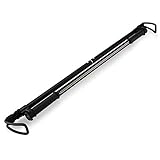
1. NEIKO 40447A Rechargeable Cordless Underhood Work Light, 202 SMD LED Light Bar with Max 1,200 Lumens, Li-Ion Battery, and 2 Brightness Modes
Overview:
The NEIKO 40447A is a versatile cordless underhood work light engineered for automotive mechanics. Featuring a telescoping arm and magnetic hooks, it delivers targeted illumination for engine bay repairs without power cord constraints. Its focus on durability and ease of positioning makes it ideal for both professional garages and DIY enthusiasts tackling vehicle maintenance.
What Makes It Stand Out:
Its standout feature is the 47–76-inch adjustable polycarbonate light bar with foam-cushioned J-hooks, preventing vehicle scratches while accommodating any hood size. The 202 SMD LEDs produce a robust 1,200 lumens, and the 8,000mAh Li-ion battery offers 3–6 hours of runtime (high/low modes). UL-certified charging with overcharge protection adds safety.
Value for Money:
Priced mid-range, it outperforms basic fixed-position lights by eliminating tripping hazards and offering superior reach. The heavy-duty build justifies its cost compared to cheaper, less durable alternatives, though budget strips like the Nilight offer lower initial investment for simpler tasks.
Strengths and Weaknesses:
Strengths: Exceptional adjustability, impact-resistant housing, long battery life, and non-marring hooks. Weaknesses: No magnetic mounting option, and the 1,200 lumens may feel dim for large engine bays compared to higher-output competitors.
Bottom Line:
A reliable, well-built cordless light for mechanics needing flexible hood clearance and solid brightness. Best for users prioritizing reach and durability over raw lumens or magnetic versatility. Highly recommended for routine underhood work.
2. Nilight 2pcs Under Hood Light Strip 42LED Waterproof Underhood Work Light with On/Off Switch Blade Fuse Engine Bay Repair Light White 12V for Car Truck SUV

Overview:
The Nilight Under Hood Light Strip kit provides an affordable, permanent lighting solution for engine bays. This 12V hardwired system uses two 40cm LED strips with 42 SMD 5050 LEDs total, designed for nighttime repairs. Its simplicity targets DIYers seeking a fixed, weatherproof upgrade without complex setup.
What Makes It Stand Out:
Fully silicone-sealed IP67 waterproofing ensures resilience against rain, snow, and grime. The peel-and-stick installation with strong adhesive tape, combined with an on/off toggle switch and automatic pin switch (activates when hood opens), offers effortless usability. The 6000K white light evenly floods the engine compartment.
Value for Money:
Exceptional value for budget-conscious users. At a fraction of cordless light prices, it delivers permanent, bright illumination without battery replacements. Lacks portability but excels as a cost-effective “set-and-forget” solution for frequent night work.
Strengths and Weaknesses:
Strengths: Waterproof design, easy DIY installation, automatic hood-activated switching, and bright 6000K output. Weaknesses: Requires vehicle wiring (no battery option), limited adjustability, and strips are fixed once mounted.
Bottom Line:
An unbeatable budget pick for permanent engine bay lighting. Ideal for owners wanting reliable, hands-free illumination during hood-up repairs. Skip if you need portability, but highly recommended for its price-to-performance ratio in stationary applications.
3. ATD Tools atd-80357 2000 Lumen LED Corded/Cordless Underhood Light with 25’ Removable Cord, 1 Pack,red / black / LED,Large

Overview:
The ATD Tools 80357 bridges corded reliability and cordless convenience with a 2000-lumen LED light. Its unique 25-foot removable cord allows flexible power options, while the compact design targets mechanics needing bright, stable illumination in confined spaces without frequent repositioning.
What Makes It Stand Out:
The swappable power system—run corded for unlimited runtime or cordless via internal battery—is its defining trait. The 25’ cord eliminates outlet proximity issues, and the 2000 lumens significantly outshine basic models. The large, rugged housing suggests durability for shop environments.
Value for Money:
Mid-to-high pricing is justified by dual-power versatility and strong output. It competes with premium cordless lights but adds corded reliability. Better value than single-mode lights if your workspace has unpredictable outlet access, though less portable than fully cordless rivals.
Strengths and Weaknesses:
Strengths: High 2000-lumen output, dual corded/cordless functionality, long 25’ cord, and robust build. Weaknesses: Short cordless runtime (1.6h high/3h low), heavy design, and no details on mounting flexibility or magnetic features.
Bottom Line:
A practical hybrid for mechanics prioritizing brightness and power flexibility over portability. Choose this if corded operation suits your garage layout, but consider lighter cordless options for mobile use. Recommended for stationary shop setups.
4. Aaleds Underhood Work Light, 2000LM Super Bright, 5200mAh Rechargeable LED Work Lights for Mechanics, Magnetic Automotive Under Hood Light Bar Cordless Touble Light for Car Repairing/Garage/Workshop

Overview:
The Aaleds 2000LM work light combines extendable reach, magnetic versatility, and dual charging options for mechanics. This cordless bar light targets users needing adaptable positioning—from engine bays to workshops—with a focus on hands-free operation and extended runtime.
What Makes It Stand Out:
Its spring-loaded telescopic arm (52–80.3 inches) and sliding light body allow precise horizontal/vertical adjustment without remounting. Dual charging cables (1.9ft/9.8ft) and 5200mAh battery support 3.3–6+ hours runtime. Strong rubber-cushioned J-hooks and swivel magnetic bases enable versatile mounting on metal or hood edges.
Value for Money:
Priced competitively against similar cordless lights, it delivers exceptional utility with the longest reach (80.3") and dual-cable convenience. The magnetic bases add workshop versatility beyond underhood use, offering better multi-scenario value than single-purpose competitors.
Strengths and Weaknesses:
Strengths: Unmatched adjustability, dual charging cables, strong magnets, and multi-environment use (garage, attic, etc.). Weaknesses: 2000 lumens trails top rivals (e.g., JINLITE’s 3000LM), and the telescopic mechanism may feel less sturdy than fixed bars.
Bottom Line:
A top-tier choice for mechanics needing maximum positioning flexibility and reliable cordless operation. Its workshop adaptability justifies the price, making it ideal for both vehicle repairs and home projects. Highly recommended for versatile lighting needs.
5. JINLITE Magnetic Work Light - 3000LM Rechargeable LED Work Light Bar, 5200mAh Under Hood Mechanic Light for Garage, Workshop, Vehicle Inspection (1 Pack Green)

Overview:
The JINLITE 3000LM work light is a premium, ultra-bright magnetic light bar built for demanding mechanics. With industrial-grade durability, 360° rotation, and power bank functionality, it targets professionals needing reliable, high-output lighting for complex repairs in harsh environments.
What Makes It Stand Out:
Its 3000 lumens (highest here) and SOS emergency mode are critical for safety. N50 magnets with silicone bases prevent scratches, while the IP54/IK07 ratings ensure resilience against water, dust, and impacts. The 5200mAh battery doubles as a power bank—charging devices via USB during long jobs.
Value for Money:
Premium-priced but justified by unmatched brightness, ruggedness, and utility. Outperforms cheaper lights in professional settings where reliability is non-negotiable. The power bank feature adds unique value, making it a smarter investment than basic lights for frequent users.
Strengths and Weaknesses:
Strengths: Industry-leading 3000LM output, power bank capability, IP54/IK07 durability, and strong magnetic versatility. Weaknesses: Higher cost, bulkier design, and no telescopic arm for hood clearance like Aaleds/NEIKO.
Bottom Line:
The best choice for pros prioritizing maximum brightness, durability, and emergency features. Worth the splurge for mechanics working in challenging conditions or needing on-the-go device charging. Wholeheartedly recommended as a professional-grade essential.
6. Milwaukee 2125-20 M12 LED Bare Underhood Light (Tool Only)

Overview:
This professional-grade underhood light operates exclusively on Milwaukee’s M12 battery system (battery not included). Designed for mechanics requiring reliability in demanding environments, it delivers focused, high-intensity illumination directly where needed under vehicle hoods or in tight workshop spaces.
What Makes It Stand Out:
Its standout feature is seamless integration with Milwaukee’s vast M12 ecosystem, ensuring instant power compatibility for users already invested in the brand. The rugged, compact design withstands drops and grease, while the pivoting head offers precise beam direction. As a bare tool, it prioritizes flexibility for buyers with existing batteries.
Value for Money:
While the upfront cost is moderate and requires a separate battery investment, it offers exceptional long-term value for Milwaukee system owners. Avoiding battery inclusion keeps the price lower than bundled kits, making it cost-effective for professionals seeking to expand their tool fleet without redundancy.
Strengths and Weaknesses:
Strengths: Unmatched durability, consistent M12 power output, precise articulation, and trusted brand reliability. Weaknesses: No battery included (mandatory extra cost), lacks versatile mounting options like hooks or dual-light modes found in competitors, and limited brightness adjustability.
Bottom Line:
Ideal for Milwaukee M12 users prioritizing ruggedness and ecosystem synergy; less suitable for beginners needing a complete, feature-rich solution. A dependable pro workhorse if you already own compatible batteries.
7. SYLSTAR Mechanic Work Light Bar with Upgraded Sensor Control - 2400LM LED, 4400mAh Rechargeable Underhood Work Light with Hooks & Magnetic Base for Car Repairing, Garage Workshop, Emergency

Overview:
This versatile 2-in-1 rechargeable work light bar combines two magnetic, hook-equipped sections for flexible illumination. Offering 2400 lumens and sensor-controlled operation, it targets DIYers and mechanics needing adaptable lighting for garages, car repairs, or emergency use.
What Makes It Stand Out:
The infrared wave sensor for hands-free activation is a major innovation, especially useful with greasy hands. Its dual-light design (separate or combined), 3 brightness modes including strobe, and robust 4400mAh battery with Type-C charging provide unmatched adaptability for diverse tasks and environments.
Value for Money:
Priced competitively, it delivers exceptional value with its dual functionality, sensor tech, and long runtime (4+ hours). It outperforms single-light alternatives and eliminates battery costs, making it a smarter investment than basic magnetic lights despite a slightly higher initial outlay.
Strengths and Weaknesses:
Strengths: Hands-free sensor control, flexible 2-light configuration, strong magnets/hooks, IP54 rating, and clear power indicators. Weaknesses: Strobe mode may be niche, magnetic attachment limited to ferrous metals, and combined unit can feel bulky for very tight spaces.
Bottom Line:
A top choice for versatile, user-friendly lighting; the sensor feature and dual-light system justify its price for most home mechanics and pros seeking convenience. Highly recommended for its innovative design.
8. MechaniLite Under Hood Work Light Bar, 3000LM LED Magnetic Light Bar with Hooks, 5200mAh Cordless Rechargeable Hood Light for Mechanic/Car Repairing/Garage-Green

Overview:
Boasting 3000 lumens from an 81-LED COB board, this high-output work light targets users needing intense, wide illumination for engine bays or workshops. Its 5200mAh battery, 360° adjustability, and dual mounting options (magnets/hooks) emphasize power and flexibility.
What Makes It Stand Out:
The standout feature is its class-leading 3000-lumen output, significantly brighter than most competitors, cutting through deep shadows. The extended battery life (6.5 hours low mode) and rapid 3.5-hour recharge via USB-C cater to prolonged or remote use, while rugged construction ensures workshop durability.
Value for Money:
Though priced slightly higher, the superior brightness, largest battery capacity here, and fast charging deliver strong value. It’s ideal for users prioritizing runtime and intensity over compactness, outperforming lower-lumen lights in demanding scenarios without excessive cost.
Strengths and Weaknesses:
Strengths: Exceptional brightness, longest runtime, robust build, versatile 360° positioning, and safety-certified battery. Weaknesses: Heavier than rivals, magnets ineffective on non-ferrous metals (explicitly noted), and high-brightness mode drains battery faster (3.5 hours).
Bottom Line:
Best for mechanics needing maximum illumination and endurance; the brightness and battery life justify the premium. A solid buy if raw power and runtime are critical, despite size limitations.
9. SYLSTAR Work Light for Mechanic, 2400LM LED, 4400mAh Rechargeable, Magnetic, Underhood Work Light with Hooks for Car Repairing/Inspection/Garage/Workshop/Emergency

Overview:
This ultra-slim, dual-section magnetic work light offers 2400 lumens and 4400mAh capacity, designed for portability and adaptability in automotive or workshop settings. Its compact form and multi-mount options cater to mechanics needing reliable, on-the-go illumination.
What Makes It Stand Out:
The slim, ergonomic design with hard-rubber armor makes it uniquely portable and comfortable to handle. Dual independent lights with concealed hooks, 360° rotation, and IP54 rating provide versatile mounting and weather resistance in a low-profile package ideal for cramped engine bays.
Value for Money:
Competitively priced, it offers excellent value through its space-saving design and dual-light flexibility without compromising on brightness or battery life (4 hours high mode). It’s a cost-efficient upgrade from single, bulkier lights, especially for mobile technicians.
Strengths and Weaknesses:
Strengths: Ultra-portable slim design, durable rubberized grip, flexible mounting (magnets/hooks), and reliable 4400mAh battery. Weaknesses: Lacks the wave sensor of SYLSTAR’s Product 7, red flash mode is less practical than strobe, and magnets won’t stick to aluminum hoods.
Bottom Line:
Perfect for mechanics valuing portability and compactness; the slim build and dual functionality make it a practical daily driver. Recommended for DIYers and pros needing a nimble, reliable light.
10. ATD Tools 80050A LED Under Hood Light (1500L) , White

Overview:
A straightforward, non-rechargeable underhood light delivering 1500 lumens. Its telescoping, ratcheting brackets and UL/CUL certification target users needing simple, adjustable task lighting for garages or basic automotive repairs.
What Makes It Stand Out:
The key differentiator is its mechanical ratcheting bracket system, allowing precise, tool-free positioning and locking at any angle. This no-frills adjustability, combined with UL safety certification, suits users preferring reliable, corded operation without battery concerns.
Value for Money:
As an affordable, plug-in option, it offers solid value for occasional use where cord access isn’t an issue. It’s significantly cheaper than rechargeable models but lacks their portability, making it ideal for fixed workshop stations rather than mobile repairs.
Strengths and Weaknesses:
Strengths: Simple plug-and-play use, highly adjustable ratcheting arms, UL safety certified, and low purchase price. Weaknesses: Requires constant power (no battery), lower brightness (1500L) than LED alternatives, no magnetic/hooks for metal surfaces, and limited mobility.
Bottom Line:
A reliable budget choice for stationary workshop use; best for users with easy outlet access prioritizing adjustability over portability. Not recommended for field repairs or cord-free convenience.
Understanding the Unique Challenges of Engine Compartment Lighting
The Space Conundrum: Why Engine Bays Are Tough
Modern engine compartments resemble high-density circuit boards rather than open mechanical landscapes. With components squeezed together for aerodynamics and efficiency, traditional bulky lights simply won’t fit. You need illumination that operates within millimeters of hoses, wiring harnesses, and structural supports without obstructing access. Consider how proximity to the radiator or battery limits where you can mount hardware—every fraction of an inch matters when threading a socket wrench into a blind spot. This spatial pressure demands lights designed with surgical precision, not just brightness.
Heat and Vibration: The Invisible Enemies
Your engine bay isn’t just cramped; it’s a thermal battlefield. Temperatures can exceed 200°F near exhaust manifolds, while constant vibration from the engine threatens to loosen connections or crack housings. Standard LEDs might survive brief exposure, but sustained heat degrades electronics and shortens lifespans dramatically. Similarly, vibration fatigue can cause solder joints to fail or lenses to fog. True engine bay lighting must undergo rigorous thermal cycling and shake testing to maintain integrity where lesser lights would fail catastrophically.
Moisture and Contaminants: Environmental Factors
Rain, car washes, road grime, and chemical splashes create a corrosive cocktail under your hood. Unlike interior lights, underhood fixtures face direct exposure to water jets, degreasers, and acidic residues. Seals must withstand pressure washing without allowing moisture ingress, while materials should resist degradation from oils and coolants. A single compromised seal can lead to electrical shorts or complete failure—making IP67 or higher waterproofing essential, not optional.
Essential Features for Underhood Lighting in Constrained Spaces
Compact Design: The Non-Negotiable Factor
In tight quarters, size isn’t secondary—it’s primary. Look for lights under 2 inches in critical dimensions (length/width/height) with low-profile mounting brackets. Flexible gooseneck designs or flat-panel configurations often outperform cylindrical units by slipping into gaps alongside wiring looms. Prioritize modular systems where the light head separates from the power source; this allows strategic placement of the slim emitter while tucking bulkier components out of the way.
Heat Resistance: Surviving the Engine Bay
Don’t just check wattage—examine thermal management. Lights with aluminum heat sinks dissipate warmth more effectively than plastic housings, but in cramped spaces, passive cooling alone may suffice. Verify operating temperature ranges exceed 220°F, and avoid units with enclosed electronics that trap heat. Some advanced models use thermal cutoffs that temporarily dim during extreme conditions, preserving longevity without sudden failure.
Vibration Tolerance: Staying Secure Under Stress
Mounting hardware deserves as much scrutiny as the light itself. Rubberized grommets, silicone shock absorbers, or spring-loaded clamps absorb engine harmonics better than rigid screws. Testimonials often reveal whether clips stay put during highway driving—look for designs with multiple contact points to distribute stress. Remember: a light that vibrates loose isn’t just useless; it could rattle against hot surfaces and cause damage.
Weatherproofing: Defending Against the Elements
IP ratings are your first filter, but don’t stop at “waterproof.” True engine bay readiness means resistance to high-pressure washes (IP67/IP68), UV degradation from sun exposure, and chemical attacks from oil or coolant. Check if seals use silicone instead of rubber for better longevity, and ensure wiring connectors have locking mechanisms to prevent accidental disconnection during maintenance.
Brightness and Color Temperature: Seeing Clearly
Raw lumens mislead in confined spaces—focus on lux (light intensity per square meter) at 6-12 inches. For engine work, 3000-5000K color temperature provides optimal contrast: cooler light (5000K+) reduces eye strain during prolonged tasks but can wash out details, while warmer tones (3000K) enhance fluid leak visibility. Adjustable brightness is crucial; too much glare creates shadows that obscure components, defeating the purpose.
Power and Installation Considerations
Wiring Solutions for Limited Space
Long, dangling wires are trip hazards and snag risks. Opt for minimal cable runs with conduit-friendly routing paths—some lights integrate wiring into existing harness channels. Consider wireless options powered by batteries, but weigh trade-offs: corded systems offer unlimited runtime, while battery packs must fit discreetly in tight nooks. Always choose connectors rated for automotive use (e.g., Deutsch-style) that won’t corrode or loosen over time.
Power Sources: Tapping into Your Vehicle’s System
Direct battery connections provide reliability but require careful fuse integration. Accessory port (cigarette lighter) adapters simplify installation but may lack sufficient current for high-output LEDs. For intermittent use, hood-activated switches that draw power only when the hood is open conserve energy. Professional installations often splice into the hood light circuit, but verify your vehicle’s wiring can handle the additional load without overloading fuses.
Switching Options: Convenience Meets Functionality
Manual switches work, but magnetic hood-activated sensors eliminate fumbling. Remote controls add flexibility but introduce complexity in cramped bays. The sweet spot? Lights with motion sensors or proximity triggers that auto-illuminate as you lean in—ideal when both hands are busy with tools. Ensure switch mechanisms won’t accidentally activate during driving, causing electrical drain.
Advanced Features Worth Considering
Adjustable Beam Angles: Precision Illumination
Fixed beams often cast light where it’s not needed. Look for 30-90° adjustable heads or multi-directional panels that focus light exactly on spark plugs or fuse boxes. Magnetic pivot mounts allow on-the-fly repositioning without tools—a game-changer when diagnosing intermittent issues deep within the engine bay.
Remote Control Capabilities: Modern Convenience
Bluetooth or RF remotes let you activate lights before popping the hood, but prioritize simplicity over smart features. Excessive app integration adds failure points in harsh environments. Basic remotes with 10+ foot range suffice for most users, avoiding the need to crawl under the hood just to toggle the light.
Color Options: Beyond Basic White Light
While white dominates, some specialized tasks benefit from color modes. Red preserves night vision during dusk work, while blue enhances contrast for spotting oil leaks. However, avoid gimmicky RGB cycles—stick to purpose-driven options with dedicated single-color modes for reliability.
Installation Tips for Tight Quarters
Planning Your Layout: Measure Twice, Install Once
Before mounting anything, map your engine bay with a tape measure. Note clearance around moving parts (like fan blades) and heat sources. Dry-fit the light using cardboard templates to visualize shadows and obstructions. Prioritize locations near the firewall or strut towers where space is marginally more generous, rather than directly above the engine block.
Securing Without Interference: Mounting Techniques
Avoid adhesive-only mounts—they fail under heat cycles. Combine mechanical fasteners (zip ties through existing bolt holes) with high-temp silicone adhesive for redundancy. When using suction cups, choose automotive-grade versions rated for -40°F to 300°F. Always test stability by gently shaking components before final tightening.
Testing and Troubleshooting: Getting It Right
After installation, simulate real-world conditions: start the engine, rev gently, and check for vibration shifts. Use a thermal gun to spot hotspots near the light housing. If flickering occurs, inspect ground connections—poor grounding is the #1 culprit in electrical gremlins. Keep spare fuses on hand for quick diagnostics.
Maintenance and Longevity
Routine Checks: Ensuring Continued Performance
Schedule light inspections with oil changes. Verify lens clarity (hazing reduces output by 50%), check for connector corrosion, and ensure mounts haven’t loosened. Wipe lenses with isopropyl alcohol to remove oil film—never abrasive cleaners that scratch coatings.
Cleaning Safely: Preserving Your Investment
Never pressure-wash lights directly. Use soft microfiber cloths and neutral pH cleaners. For stubborn grime, apply degreaser to a cloth first—spraying chemicals risks forcing contaminants past seals. Always disconnect power before cleaning to prevent short circuits.
Safety First: Critical Precautions
Avoiding Electrical Hazards: Professional Standards
Never splice into high-current circuits like the starter motor. Use inline fuses rated 125% of the light’s amperage, placed within 18 inches of the power source. Insulate all connections with heat-shrink tubing, not electrical tape. If you’re uncomfortable with wiring, consult a professional—safety trumps DIY pride.
Preventing Fire Risks: Choosing Safe Components
Reject lights with unlabeled power adapters or suspiciously low prices—these often bypass critical safety certifications. Look for UL, ETL, or SAE markings indicating overheat protection. Ensure wiring uses stranded copper (not solid core) for flexibility and has 18-gauge thickness minimum to handle current without overheating.
Frequently Asked Questions
How do I know if an underhood light will fit my compact engine bay?
Measure critical clearances around your target mounting zone with calipers, focusing on height constraints. Prioritize lights marketed specifically for “tight spaces” with dimensions under 2" x 2" x 1". Check product specs for minimum bend radii if using flexible mounts.
Can standard LED work lights handle engine compartment conditions?
Most generic work lights lack the thermal management and vibration resistance for sustained engine bay use. They often overheat within weeks or develop micro-fractures from vibration. Invest in purpose-built automotive-grade units with IP67+ ratings.
What’s the safest way to power underhood lights without drilling?
Utilize existing hood light wiring through a relay harness—this avoids permanent modifications. Alternatively, magnetic battery terminals provide temporary connections but require manual activation before each use.
Why do my underhood lights flicker when the engine runs?
Flickering usually indicates insufficient grounding. Clean the mounting surface to bare metal and use star washers for better contact. If using an accessory port, the circuit may be overloaded—switch to a direct battery connection with proper fusing.
How often should I replace underhood lighting components?
Quality units last 3-5 years with routine maintenance. Replace immediately if you notice discoloration (heat damage), inconsistent brightness, or moisture inside the lens. Don’t wait for total failure—degraded lights compromise safety.
Are wireless underhood lights reliable in tight spaces?
Battery-powered options work well for intermittent use but struggle in extreme cold. Choose models with replaceable lithium-ion packs rated for -20°F operation. Avoid Bluetooth-dependent lights where metal engine components may block signals.
What color temperature is best for spotting fluid leaks?
Aim for 3500K-4000K “neutral white” light. Cooler temperatures (5000K+) enhance contrast for coolant leaks against dark hoses, while warmer tones (3000K) make oil stains more visible. Adjustable units offer versatility for different tasks.
Can I install underhood lighting myself without electrical experience?
Basic plug-and-play kits (e.g., hood-activated sensors) are DIY-friendly. However, complex wiring should involve a professional—improper installation risks fire or ECU damage. When in doubt, prioritize certified pre-wired systems.
How do I prevent underhood lights from melting nearby components?
Maintain 2+ inches of clearance from exhaust manifolds and turbochargers. Use infrared thermometers to verify surface temperatures stay below the light’s max rating. Avoid mounting above the radiator where coolant spray could cause thermal shock.
Are brighter lights always better for engine compartment visibility?
Excessive brightness creates glare that washes out details and casts harsh shadows. Opt for 500-1000 lumens with diffused optics—this provides even illumination without reflection off polished surfaces like aluminum intakes.
See Also
- 10 Best LED Underhood Lights for Clear Engine Bay Visibility This Year
- How to Solve Poor Engine Lighting with the 10 Best Flex-Neck Underhood Lights in 2026
- 10 Best Budget Compact Underhood Lights Under $30 for Tight Spaces
- 10 Best Battery-Powered Underhood Lights for Power Outages in 2026
- 10 Best Underhood Lights for Classic Car Enthusiasts in 2026