Table of Contents
Gone are the days when diagnosing a check engine light meant an expensive trip to the dealership or mechanic. In 2026, having a reliable OBD2 code reader in your glove box has become as essential as a tire pressure gauge—a simple tool that empowers you to understand what your vehicle is trying to tell you before it becomes a major problem. Whether you’re a daily commuter trying to avoid unexpected breakdowns or a budget-conscious driver who wants to make informed decisions about repairs, the right diagnostic tool can save you hundreds of dollars and countless headaches.
But with the market flooded with options ranging from basic code readers to professional-grade scanners, finding true value requires more than just picking the cheapest device on the shelf. Value means balancing affordability with reliability, essential features with usability, and future-proof technology with compatibility for your specific vehicle. This guide walks you through everything you need to know to select an OBD2 scanner that will serve you faithfully for daily use without breaking the bank.
Top 10 OBD2 Code Readers
Detailed Product Reviews
1. ANCEL AD310 Classic Enhanced Universal OBD II Scanner Car Engine Fault Code Reader CAN Diagnostic Scan Tool, Read and Clear Error Codes for 1996 or Newer OBD2 Protocol Vehicle (Black)
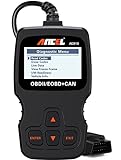
Overview: The ANCEL AD310 is a bestselling entry-level OBD2 scanner trusted by DIYers and professionals alike. This compact diagnostic tool reads and clears check engine light codes, accesses live data, freeze frames, and I/M readiness monitors for virtually any 1996+ OBDII-compliant vehicle. Powered directly from the vehicle’s diagnostic port, it requires no batteries or charging, making it a reliable glovebox companion for quick diagnostics.
What Makes It Stand Out: Endorsed by popular mechanic YouTuber Scotty Kilmer, the AD310 distinguishes itself with exceptional build quality and broad protocol support including KWP2000, J1850 VPW/PWM, ISO9141, and CAN. Its 2.5-foot heavily-insulated cable withstands garage abuse, while the large, clear display shows results without squinting. The intuitive button layout and lightning-fast code retrieval make it accessible to complete novices yet robust enough for seasoned mechanics.
Value for Money: Priced in the sub-$50 range, this scanner delivers professional-grade accuracy at a fraction of dealership diagnostic fees. Single use at a shop typically costs $75-100, so the AD310 pays for itself immediately. Competing budget scanners often lack complete protocol support or skimp on cable quality, making this a rare blend of durability and comprehensive functionality that won’t need replacement.
Strengths and Weaknesses: Strengths: Rock-solid construction; instant code definitions; extensive vehicle compatibility; no batteries required; excellent display readability; backed by credible endorsement. Weaknesses: Lacks advanced features like ABS/SRS diagnostics; no graphical data display; limited to engine/emissions codes only; cannot perform bi-directional controls.
Bottom Line: The ANCEL AD310 is the ideal first scanner for any car owner. It flawlessly executes essential diagnostics with professional reliability, making it a smart investment that saves hundreds in diagnostic fees while empowering users to understand their vehicle’s health.
2. VDIAGTOOL VD10 OBD2 Scanner Code Reader Car Diagnostic Tool Engine Fault Code Reader for Turn Off CEL with Freeze Frame/I/M Readiness for All OBDII Protocol Cars, OBD2 Scanner Diagnostic Tool
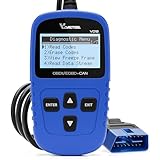
Overview: The VDIAGTOOL VD10 positions itself as the ultimate DIY-friendly OBD2 scanner, emphasizing simplicity without sacrificing capability. This plug-and-play device instantly reads and clears engine fault codes, displays live sensor data, retrieves freeze frames, and checks I/M readiness for smog compliance. Its built-in library of over 3,000 trouble codes eliminates online searching, streamlining troubleshooting for beginners.
What Makes It Stand Out: The VD10’s standout feature is its FIXD-like simplicity combined with a robust on-screen DTC lookup database. Rather than requiring users to Google obscure codes, it provides instant definitions directly on its TFT screen. The I/M readiness function is particularly valuable for pre-inspection checks, ensuring vehicles won’t fail smog tests due to incomplete drive cycles. Its ability to graph live data helps diagnose intermittent issues that static code reading misses.
Value for Money: Competitively priced against entry-level scanners, the VD10 offers exceptional value through its integrated code library and user-focused design. While basic scanners require constant phone lookups, this standalone solution saves time and frustration. The cost equals one professional diagnostic fee, yet provides unlimited use across multiple vehicles, making it a financially sound choice for multi-car households.
Strengths and Weaknesses: Strengths: Built-in 3000+ code definitions; excellent for smog check preparation; real-time data streaming; beginner-friendly operation; compact and portable; no external power needed. Weaknesses: No advanced system coverage (ABS, SRS); limited graphing capabilities compared to professional tools; plastic construction feels less durable; smaller display than some competitors.
Bottom Line: The VDIAGTOOL VD10 is perfect for novice users wanting immediate answers without technical complexity. Its integrated code library and smog-focused features make it a practical, time-saving tool that demystifies check engine lights for the average driver.
3. FOXWELL NT301 OBD2 Scanner Live Data Professional Mechanic OBDII Diagnostic Code Reader Tool for Check Engine Light

Overview: The FOXWELL NT301 targets the sweet spot between consumer-grade and professional diagnostic tools, offering mechanics and advanced DIYers enhanced capabilities beyond basic code reading. This scanner provides comprehensive engine diagnostics including live data graphing, freeze frame analysis, I/M readiness checks, and VIN retrieval. Its LED indicators and audible alerts provide at-a-glance emissions status, streamlining pre-inspection workflows.
What Makes It Stand Out: Unlike basic readers, the NT301 graphs live sensor data in real-time, allowing users to spot trends and anomalies that indicate pending failures. The red-yellow-green LED system and built-in speaker deliver instant readiness feedback without navigating menus. Professional technicians appreciate its ability to log data for later analysis and its support for 12V diesel engines, expanding beyond typical gasoline-only scanners in this price tier.
Value for Money: Positioned slightly above entry-level scanners, the NT301 justifies its premium through graphing capabilities and professional-oriented features typically found in $200+ tools. For serious DIYers or mobile mechanics, the ability to visualize data patterns and log diagnostics offsets the modest price increase. It eliminates guesswork and prevents unnecessary parts replacement, delivering ROI after a single sophisticated diagnosis.
Strengths and Weaknesses: Strengths: Live data graphing and logging; visual/audio readiness indicators; diesel compatibility; durable construction; faster processing than budget alternatives; professional feature set. Weaknesses: Explicitly lacks ABS, SRS, and transmission diagnostics; no bi-directional controls; steeper learning curve for beginners; cannot reset oil service lights; limited to OBDII engine codes only.
Bottom Line: The FOXWELL NT301 suits experienced enthusiasts and professional mechanics needing data visualization capabilities. While beginners may find it overwhelming, those who understand engine dynamics will leverage its graphing features to diagnose complex issues that simpler scanners cannot address.
4. MOTOPOWER MP69033 Car OBD2 Scanner Code Reader Engine Fault Scanner CAN Diagnostic Scan Tool for All OBD II Protocol Cars Since 1996, Yellow

Overview: The MOTOPOWER MP69033 is a feature-rich budget scanner that punches above its weight class with an impressive array of functions typically reserved for pricier units. This bright yellow diagnostic tool reads and clears engine codes, displays freeze frame data, monitors I/M readiness, and uniquely offers real-time curve displays for data streams. Supporting nine OBDII protocols and six languages, it serves a broad international user base with 1996+ vehicles.
What Makes It Stand Out: The MP69033’s real-time curve display functionality sets it apart from monochrome text-only competitors, visually plotting sensor data like engine RPM, coolant temperature, and fuel trims. Its dedicated quick-query buttons for VIN and DTC codes accelerate common tasks. The 2.8-inch adjustable LCD with white backlight ensures readability in dim garage conditions, while the multi-language support makes it accessible to non-English speakers—a rarity in this price segment.
Value for Money: This scanner redefines budget diagnostics by offering graphical data representation usually found in $100+ tools. The comprehensive feature set eliminates the need for phone apps or computer software, providing a complete standalone solution. For under $40, users receive capabilities that justify a much higher price, making it arguably the best value proposition for cost-conscious buyers who refuse to compromise on functionality.
Strengths and Weaknesses: Strengths: Real-time data curve display; large 2.8-inch adjustable screen; six-language support; quick-access function buttons; extensive protocol compatibility; excellent visibility in low light. Weaknesses: Cannot read ABS or airbag codes; plastic housing feels less premium; cable length is shorter than ideal; no advanced diagnostics beyond OBDII; limited graphing detail versus professional tools.
Bottom Line: The MOTOPOWER MP69033 is the value champion for users wanting graphical data without premium pricing. Its curve display and multilingual interface make it an exceptional choice for international DIYers and visual learners who need more than basic code reading.
5. ANCEL AD410 Enhanced OBD2 Scanner, Vehicle Code Reader for Check Engine Light, Automotive OBD II Scanner Fault Diagnosis, OBDII Scan Tool for All OBDII Cars 1996+, Black/Yellow
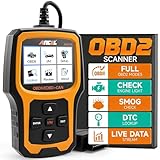
Overview: The ANCEL AD410 represents a significant step up from basic scanners, offering enhanced diagnostics including O2 sensor testing and EVAP system leak detection. This upgraded model maintains the brand’s reputation for reliability while adding advanced features that help fine-tune engine performance and reduce emissions. With a vibrant 2.4-inch TFT color display and intuitive new UI, it bridges the gap between consumer and professional tools.
What Makes It Stand Out: The AD410’s EVAP leak test and O2 sensor monitoring capabilities are game-changers for this price class, allowing users to diagnose emissions system integrity and optimize fuel mixture. Its massive 42,000-code DTC library dwarfs competitors’ databases, providing rare code definitions without internet connectivity. The QVGA color display presents data clearly, while the streamlined interface eliminates manual reading, making complex diagnostics accessible to intermediate users.
Value for Money: Though priced higher than the AD310, the AD410 delivers exceptional value through emissions-specific tests that prevent costly failed inspections and improve fuel economy. The comprehensive code library and enhanced diagnostics justify the premium over entry-level scanners, offering $300+ tool capabilities at a fraction of the cost. For drivers in strict emissions states, this scanner pays for itself by ensuring smog readiness.
Strengths and Weaknesses: Strengths: Advanced O2 sensor and EVAP testing; massive 42,000-code database; vibrant color display; user-friendly interface; extensive vehicle compatibility; multilingual support; robust construction. Weaknesses: Still limited to engine OBDII codes (no ABS/SRS); cannot perform service resets; requires engine running for some tests; USB cable for updates only; slightly higher learning curve for absolute beginners.
Bottom Line: The ANCEL AD410 is the smart choice for environmentally-conscious drivers and those in emissions-regulated areas. Its specialized testing capabilities and comprehensive code library make it a future-proof investment that grows with your diagnostic skills while ensuring your vehicle stays inspection-ready.
6. BlueDriver Bluetooth Pro OBDII Scan Tool for iPhone & Android - No Subscription Fee - OBD2 Car Scanner and Code Reader - Diagnose Check Engine, ABS, SRS, Airbag & 7000+ Issues on Vehicles 1996+
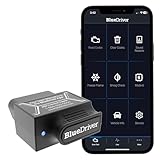
Overview: The BlueDriver Bluetooth Pro transforms your smartphone into a professional-grade OBDII diagnostic tool. This wireless scanner connects via Bluetooth to iOS and Android devices, offering comprehensive diagnostics for vehicles manufactured from 1996 onward without any subscription fees. Its compact sensor plugs directly into your vehicle’s OBDII port, providing mechanics-level insights through an intuitive mobile interface.
What Makes It Stand Out: Unlike traditional handheld scanners, BlueDriver’s app-based approach provides unlimited repair reports with detailed causes and fixes. It reads and clears enhanced codes including ABS, SRS, airbag, and TPMS systems—capabilities typically reserved for expensive shop equipment. The integrated repair video library offers step-by-step guidance for complex repairs, while live data monitoring tracks vehicle health during real-world driving conditions.
Value for Money: At its price point, BlueDriver delivers exceptional value by eliminating costly subscription models while providing professional-level diagnostics. Comparable wired scanners with similar functionality cost significantly more, and the continuous app updates ensure your tool stays current without additional investment. The live data monitoring feature alone justifies the cost for serious DIY mechanics.
Strengths and Weaknesses: Strengths include completely wireless operation, intuitive smartphone interface, extensive code coverage, and valuable repair reports. The main weakness is dependence on a smartphone and potential Bluetooth connectivity issues in areas with interference. Some users may prefer a dedicated screen over phone reliance, and older users might find the app interface less familiar than traditional buttons.
Bottom Line: The BlueDriver Bluetooth Pro is ideal for DIY enthusiasts seeking professional diagnostic capabilities without the professional price tag. Its wireless convenience and comprehensive features make it a top choice for modern vehicle owners who want to understand and resolve issues independently while leveraging their existing devices.
7. Y2 2.8’’ Color Graphing Screen OBD2 Scanner Diagnostic Tool,Enhanced PRO Check and Reset Engine Fault Code,DTC Lookup,O2 Sensor Test,Live Data,Freeze Frame,OBDII Code Reader Tool for All Cars

Overview: The Y2 OBD2 Scanner combines beginner-friendly operation with advanced diagnostic capabilities in a compact handheld unit. Featuring a 2.8-inch color graphing screen, this tool simplifies vehicle diagnostics for owners of 1996 and newer vehicles across major global markets, covering 99% of cars through multiple OBDII protocols.
What Makes It Stand Out: The vibrant HD color display with smartphone-like icon interface sets it apart from basic monochrome scanners. Dedicated hotkeys provide instant access to fault codes, VIN information, and I/M readiness status. Advanced functions include O2 sensor testing, Mode 6 in-depth diagnostics, Mode 8 component testing, and battery performance evaluation—features rarely found at this price point. Nine language options enhance global usability.
Value for Money: This scanner offers remarkable cost-effectiveness by integrating professional-grade functions into an affordable package. While entry-level readers only show basic codes, the Y2 provides freeze frame analysis, EVAP leak detection, and live data graphing, eliminating the need for multiple tools or costly shop visits. The inclusion of screenshot capture and data playback adds documentation capabilities.
Strengths and Weaknesses: Strengths include the intuitive color interface, comprehensive function set, wide protocol compatibility, and portable lightweight design. The self-check function ensures device accuracy. Potential weaknesses include a less established brand name and possibly slower update cycles compared to premium competitors. Some advanced brand-specific codes may not be accessible.
Bottom Line: Perfect for DIY beginners and seasoned enthusiasts alike, the Y2 scanner delivers exceptional functionality without complexity. Its color display and advanced features make it an excellent investment for proactive vehicle maintenance and troubleshooting, especially for users wanting more than basic code reading without smartphone dependency.
8. WEJOWE OBD2 Scanner Diagnostic Tool, Check Engine Code Reader OBD2 Scanner with Reset, Mode 6, Mode 8 & I/M Readiness, Auto Check Engine Light Car Diagnostic Scan Tool for All OBDII Car Since 1996
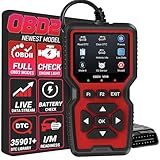
Overview: The WEJOWE OBD2 Scanner distinguishes itself with an industry-leading database of 35,901 diagnostic trouble codes—far exceeding typical scanners that offer only 3,000-10,000 definitions. This comprehensive tool provides professional diagnostics for vehicles from 1996 onward, combining extensive code coverage with practical features like data printing and lifetime updates.
What Makes It Stand Out: The massive built-in DTC library eliminates time-consuming internet searches, providing instant definitions for tens of thousands of faults. Unique printing capabilities allow connection to computers for hardcopy reports, empowering users to verify shop recommendations and avoid unnecessary charges. Lifetime free upgrades ensure continuous improvement without recurring costs, while Mode 6 and Mode 8 functions enable deep component testing.
Value for Money: Despite its modest price, this scanner rivals premium brands through sheer database depth and functionality. The inclusion of component testing, battery voltage analysis, and freeze frame data delivers exceptional value. The canvas storage bag and Type-C cable add professional touches that competitors often omit, enhancing overall utility for both personal and commercial use.
Strengths and Weaknesses: Strengths include the unparalleled DTC library, data printing functionality, lifetime upgrades, multi-language support, and compact portability. The 98% vehicle compatibility covers most domestic and import needs. Weaknesses involve a less recognizable brand and potentially less polished user interface compared to market leaders. The monochrome display may feel dated to some users.
Bottom Line: For users prioritizing comprehensive code definitions and documentation capabilities, the WEJOWE scanner is outstanding. Its extensive database and printing features make it ideal for meticulous DIY mechanics and small shop owners seeking thorough diagnostics without ongoing subscription costs or premium brand pricing.
9. OBD2 Scanner, CGSULIT SC103 Car Code Reader Diagnose Check Engine Light Smog Check DTCs Scan Tool Live Data Stream Voltage Test for Vehicles Since 1996

Overview: Endorsed by renowned YouTuber Scotty Kilmer, the CGSULIT SC103 positions itself as a reliable check engine light specialist for DIY mechanics. This handheld scanner covers vehicles from 1996 onward, offering essential diagnostics through a clear 2.8-inch TFT color display powered by an industrial-grade chip for rapid performance.
What Makes It Stand Out: The SC103 combines text and graphical data presentation, allowing users to monitor vehicle sensors through multiple visualization modes. Its industrial-grade chip ensures rapid performance, while freeze frame comparison capabilities help isolate intermittent issues. The built-in comprehensive DTC library provides immediate code definitions without internet dependency, streamlining troubleshooting. Voltage testing adds electrical system diagnostics.
Value for Money: As a mid-range option from a manufacturer trusted by professional mechanics, this scanner delivers solid performance without premium pricing. The dual-mode display and voltage testing capabilities add value beyond basic code readers, making it suitable for both troubleshooting and preventive maintenance across a wide range of vehicles including light trucks and SUVs.
Strengths and Weaknesses: Strengths include the reputable brand endorsement, vibrant color screen, versatile data display options, and broad protocol support. The tool excels at basic to intermediate diagnostics with reliable performance. Weaknesses include lack of advanced functions like ABS/SRS codes and incompatibility with new energy vehicles, limiting its appeal for hybrid/electric car owners. The feature set is less comprehensive than premium scanners.
Bottom Line: The CGSULIT SC103 is an excellent choice for fans of Scotty Kilmer and DIYers wanting a trustworthy, straightforward scanner. Its clear display and reliable performance make it perfect for conventional vehicle owners focused primarily on engine diagnostics and smog check preparation, offering professional credibility without complexity.
10. Autel OBD2 Scanner MS309 Universal Car Engine Fault Code Reader, Check Engine Light and Emission Monitor Status, OBDII CAN Diagnostic Scan Tool
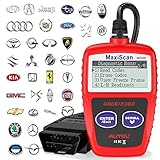
Overview: The Autel MS309 represents entry-level reliability from one of the diagnostic industry’s most respected brands. This plug-and-play scanner requires no registration, offering fundamental OBDII diagnostics for vehicles manufactured from 1996 onward through a straightforward monochrome interface that prioritizes simplicity and ease of use.
What Makes It Stand Out: Autel’s reputation for quality ensures dependable performance even in this basic model. The scanner displays DTC definitions directly on-screen from its 1,000+ code database, eliminating manual lookups. Its ability to retrieve freeze frame data and vehicle identification information (VIN, Calibration IDs, CVNs) makes it particularly useful for used car inspections and basic troubleshooting, providing documentation for pre-purchase evaluations.
Value for Money: Positioned as the most affordable Autel scanner, the MS309 provides brand credibility and reliability at a budget price. While lacking advanced features, it delivers accurate code reading and clearing capabilities that surpass generic no-name alternatives, making it ideal for casual users needing basic diagnostics without investment in professional tools or subscription fees.
Strengths and Weaknesses: Strengths include the trusted Autel brand, true plug-and-play simplicity, on-screen code definitions, and reliable basic functionality. Significant weaknesses include inability to access codes on post-2017 FCA vehicles due to security gateways, lack of ABS/SRS support, and absence of advanced service functions. The monochrome display feels dated compared to color competitors, and the limited code library requires occasional internet verification.
Bottom Line: The Autel MS309 is perfect for budget-conscious buyers wanting a reliable brand name for basic check engine light diagnostics. It’s best suited for owners of older vehicles who need simple, dependable code reading without advanced features or wireless connectivity, serving as an entry point into the trusted Autel ecosystem.
Understanding OBD2 Technology for Everyday Drivers
What OBD2 Actually Does for Your Vehicle
On-Board Diagnostics II (OBD2) is the standardized system that monitors your vehicle’s performance and emissions. Since 1996, all vehicles sold in the United States have been required to include this universal port, typically located under the dashboard. Your car’s computer continuously runs tests on everything from engine misfires to catalytic converter efficiency, storing diagnostic trouble codes when something falls outside normal parameters. A code reader simply accesses this information, translating cryptic computer data into understandable language.
Why Daily Use Requires Different Features Than Occasional Diagnostics
If you’re only pulling codes once a year when a warning light appears, almost any basic reader will suffice. Daily use, however, demands durability, faster processing, and features that make regular checks worthwhile. Think of it like the difference between a kitchen gadget you use annually versus one you reach for every morning—it needs to withstand repetitive handling, provide quick results, and offer enough utility to justify its place in your routine. Daily drivers benefit from real-time monitoring capabilities, battery health tracking, and intuitive interfaces that don’t require relearning each time.
Key Features That Define Value in 2026
Essential Code Reading and Clearing Functions
At its core, any OBD2 scanner must reliably read and clear diagnostic trouble codes (DTCs). Value comes from accurate code interpretation that goes beyond just displaying a number. Look for devices that provide not just the code itself but also a brief description of what it means in plain English. The ability to clear codes after repairs is equally important, allowing you to verify fixes and reset the check engine light without a shop visit.
Live Data Streaming Capabilities
For daily use, live data transforms your code reader from a reactive tool into a proactive one. Watching parameters like fuel trim, oxygen sensor readings, and coolant temperature in real-time helps you spot trends before they trigger a code. Value-oriented scanners should display at least 3-4 parameters simultaneously without lag, letting you monitor engine behavior during your regular commute and catch subtle performance changes.
Battery and Charging System Monitoring
Modern vehicles place enormous electrical demands on their batteries, and a dead battery remains one of the most common causes of being stranded. Scanners with battery voltage monitoring and alternator output testing provide daily peace of mind. The best value devices include this feature without requiring a premium price tag, typically showing voltage readings both with the engine off and running.
Budget Considerations and Price Tiers
What to Expect Under $50
Entry-level scanners in this range handle basic code reading and clearing admirably. They typically feature small monochrome displays, limited live data, and may lack advanced manufacturer-specific codes. For daily use, prioritize build quality over fancy features here—a well-constructed basic reader beats a fragile feature-packed device. Expect plastic construction but look for reinforced connectors and cables that won’t fray after a month of use.
The $50-$150 Sweet Spot for Daily Drivers
This middle tier represents the best value for most daily users. Devices here offer color displays, comprehensive code libraries, full live data streaming, and often include enhanced diagnostics for ABS and airbag systems. You’ll find better screen resolution, faster processors, and more intuitive menu systems. For 2026, many scanners in this range also include Bluetooth connectivity for smartphone integration without subscription fees.
When to Consider Premium Features Above $150
Higher-priced scanners justify their cost through professional-grade features like bi-directional control (allowing you to activate components for testing), extensive manufacturer-specific coverage, and advanced coding capabilities. For daily use, these are typically overkill unless you maintain multiple vehicles or enjoy deep DIY diagnostics. The value proposition diminishes unless you’re saving significant money on complex repairs.
Connectivity Options That Matter
Traditional Wired Connections
Wired OBD2 scanners plug directly into your vehicle’s port and draw power from it, ensuring they work even with a weak phone battery. For daily use, this reliability is invaluable—you’re never dependent on charging another device. The cable should be at least 2-3 feet long for comfortable reading while sitting in the driver’s seat. Look for strain relief at both connector ends to prevent internal wire breakage.
Bluetooth and Wi-Fi Advantages
Wireless dongles pair with your smartphone or tablet, leveraging devices you already own for display and processing. This approach offers larger screens, easier software updates, and often more intuitive interfaces. For daily drivers, the key value factor is whether the app requires ongoing subscriptions. One-time purchase apps provide better long-term value than those demanding monthly fees for full functionality.
Hybrid Models for Maximum Flexibility
Some scanners combine a dedicated display unit with optional smartphone connectivity, giving you the best of both worlds. Use the built-in screen for quick checks and the app for detailed analysis. While typically pricier, this flexibility can represent excellent value if you appreciate having backup options and want to avoid being locked into a single ecosystem.
Display and User Interface Factors
Screen Size and Readability
A 2.8-inch color display hits the sweet spot for portability and readability. For daily use, you need something you can glance at quickly without squinting. TFT color screens outperform basic LCDs in bright sunlight—a crucial factor if you often diagnose issues in parking lots during the day. Backlit displays are non-negotiable for evening or garage use.
Menu Navigation and Button Layout
Physical buttons often prove more reliable than touchscreens for greasy-handed garage use, but responsive touch interfaces work well for smartphone-based apps. Look for intuitive iconography and logical menu flows. The best value scanners let you access basic functions (read codes, clear codes, view live data) within two button presses from the main screen.
Language and Code Description Quality
Value isn’t just about hardware—it’s about how well the device explains problems. Quality scanners provide code definitions in multiple languages and include “freeze frame” data showing exactly when the code triggered. For daily use, this context helps you determine if that P0420 code appeared during highway cruising or stop-and-go traffic, influencing your troubleshooting approach.
Software Update Policies and Longevity
Free Lifetime Updates vs. Subscription Models
Manufacturers handle software updates differently, and this dramatically impacts long-term value. Free lifetime updates ensure your scanner stays current with new vehicle models and code definitions without hidden costs. Subscription models might seem cheaper initially but can cost more over the device’s lifespan. For daily use, factor in three to five years of potential subscription fees when calculating true value.
How Often Updates Are Released
Check whether the manufacturer regularly updates their code database. Vehicle manufacturers introduce new codes and protocols annually. A scanner receiving quarterly updates will serve you better in 2026 than one updated sporadically. User forums and reviews often reveal update frequency patterns that manufacturers don’t advertise.
Compatibility with Future Vehicle Protocols
As vehicles become more complex, OBD2 scanners must support newer protocols like CAN FD (Flexible Data-rate) used in modern cars. Investing in a scanner that supports emerging standards ensures it won’t become obsolete when you upgrade your vehicle. Value-oriented buyers should look for “CAN FD ready” or similar future-proofing claims without paying premium prices.
Vehicle Compatibility and Coverage
Universal OBD2 Functions vs. Manufacturer-Specific Codes
All OBD2 scanners handle universal powertrain codes required by law. Value comes from enhanced coverage that accesses manufacturer-specific modules (ABS, airbag, transmission, etc.). For daily use across different vehicles, prioritize scanners with broad enhanced coverage rather than deep single-brand specialization. A device that reads Ford, Toyota, and GM enhanced codes provides more practical value than one that only does deep diagnostics on BMWs.
Hybrid and Electric Vehicle Support
If you own or plan to own a hybrid or EV, compatibility becomes crucial. These vehicles use unique codes and parameters. Many traditional scanners only partially support electrified vehicles. For forward-looking value in 2026, ensure any scanner you consider explicitly mentions hybrid/EV support, even if you don’t currently own one—your next vehicle likely will be electrified to some degree.
Reading Permanent vs. Pending Codes
Sophisticated scanners distinguish between pending codes (early warnings that haven’t triggered the light yet) and permanent codes (which require specific drive cycles to clear). This distinction is invaluable for daily monitoring, letting you address issues before they become failures. Value scanners include this feature without requiring professional-grade pricing.
Advanced Features Worth Paying Extra For
ABS and Airbag System Access
Brake and safety system diagnostics typically cost extra but provide tremendous value for daily drivers. Being able to read ABS codes during a snowy winter or check why your airbag light is on before a family road trip justifies a moderate price increase. These systems use manufacturer-specific protocols, so verify coverage includes your vehicle make.
Emissions Readiness and Smog Check Preparation
For drivers in states with strict emissions testing, readiness monitors show whether your vehicle will pass before you pay for the test. A good value scanner clearly indicates which monitors are ready and which need more drive cycles. Some even estimate your likelihood of passing, saving you time and money on failed inspections.
Performance Testing and Data Logging
0-60 mph timing, quarter-mile estimates, and data logging might seem like toys, but they help you quantify performance changes over time. Noticing your acceleration has slowed by half a second could indicate developing issues. For daily drivers who want to track vehicle health trends, these features add value without significant cost premiums.
Evaluating Build Quality and Durability
Connector and Cable Construction
The OBD2 connector endures constant plugging and unplugging. Look for gold-plated pins that resist corrosion and thick cable jackets that withstand garage temperatures. For daily use, a 6-foot cable provides flexibility without being cumbersome. Some value scanners feature replaceable cables—an excellent design choice that extends the device’s lifespan.
Housing and Drop Protection
Your scanner will likely take occasional falls from the hood or dashboard. Rubberized armor or at least reinforced corners prevent damage. While no scanner is truly drop-proof, those designed for daily handling include practical protection without military-grade pricing. Check user reviews specifically mentioning durability after months of regular use.
Warranty and Customer Support Length
A one-year warranty is standard, but two-year coverage indicates manufacturer confidence. For daily-use tools, warranty length directly correlates with value. Also research support responsiveness—can you reach a human if the device malfunctions? Some budget brands offer great features but zero support, making them expensive paperweights when problems arise.
Common Mistakes That Destroy Value
Overspending on Professional Features You’ll Never Use
Bidirectional control, ECU programming, and dealer-level functions sound impressive but remain unused by 95% of daily drivers. Paying for capabilities you’ll never access destroys value. Be honest about your technical comfort level and typical repair needs. A $200 scanner used monthly provides less value than a $75 scanner used weekly.
Ignoring App Store Ratings for Wireless Models
Bluetooth scanners are only as good as their companion apps. A $30 dongle paired with a buggy, ad-filled app offers terrible value. Check recent app store reviews before purchasing, focusing on update frequency and developer responsiveness. Apps with 4+ stars and recent updates within 3 months indicate ongoing support.
Choosing Obscure Brands Without Community Support
Popular scanners develop user communities that share tips, troubleshooting, and vehicle-specific advice. An unknown brand might save you $20 initially but leave you stranded when you encounter a strange code. Value includes access to collective knowledge—established brands with active forums provide free expertise that no manual can match.
Maintenance and Care for Longevity
Proper Storage and Temperature Considerations
Extreme heat and cold degrade electronic components. Store your scanner in your home rather than your glove box during temperature extremes. The OBD2 port itself is protected, but your handheld device isn’t. For daily winter use, let the scanner warm up in your house before connecting to a freezing-cold vehicle to prevent condensation damage.
Cleaning and Connector Care
Dust and corrosion on the OBD2 connector pins cause intermittent connections and false readings. Use electronic contact cleaner on your vehicle’s port annually. Keep the scanner’s connector covered when not in use. These simple habits ensure reliable daily operation and prevent the frustration of “no connection” errors.
Battery Replacement in Self-Powered Units
Some scanners include internal batteries for off-car code review. These batteries typically last 2-3 years. When performance degrades, replace them promptly—leaking batteries can destroy the device. Value-conscious users should check battery replacement costs before buying; some units require proprietary cells while use standard AAAs.
Future-Proofing Your 2026 Purchase
CAN FD and DoIP Protocol Support
Controller Area Network Flexible Data-rate and Diagnostics over Internet Protocol are emerging standards in newer vehicles. While not essential for a 2015 Camry, they’ll be critical for 2024+ models. A scanner advertising these protocols will remain useful longer, providing better value over a 5-7 year ownership period. The premium is usually modest—$10-20 more for future compatibility.
Over-the-Air Update Capabilities
Scanners that update via Wi-Fi without requiring a computer connection save time and ensure you actually perform updates. Bluetooth models that update through their apps are even more convenient. For daily use, this convenience translates to better maintained tools and more accurate diagnostics year after year.
Integration with Emerging Vehicle Technologies
As cars add more modules for driver assistance, hybrid systems, and connectivity, scanner manufacturers must keep pace. Research whether your chosen brand has a track record of adding new vehicle support quickly. Companies that regularly expand coverage provide better long-term value than those that release a product and abandon it.
Making Your Final Decision
Creating a Personal Feature Priority List
Rank features by how often you’ll use them: daily, weekly, monthly, or rarely. A basic code reader used daily provides more value than an advanced scanner collecting dust. Be realistic—if you’ve never changed your own oil, you probably don’t need bidirectional control. Focus your budget on features that match your actual maintenance habits.
Calculating Total Cost of Ownership
Add the purchase price to potential subscription fees over three years. A $40 scanner with a $5/month app subscription costs $220 over three years—far more than a $100 scanner with free updates. For daily use, this long-term math reveals true value. Also factor in time costs; a scanner that saves you one unnecessary mechanic visit pays for itself.
Where to Buy for Best Value and Support
Authorized dealers provide warranty support and sometimes bundle extended warranties. Large online retailers offer easy returns if the scanner doesn’t work with your vehicle. Avoid marketplace sellers with no return policy—the savings aren’t worth the risk. For daily drivers, buying from a source with 30-day returns lets you test compatibility thoroughly.
Frequently Asked Questions
Will a budget OBD2 scanner damage my vehicle’s computer?
No, OBD2 scanners are read-only devices that cannot modify or harm your vehicle’s ECU. They simply query the computer for stored information. The only risk comes from physically damaged connectors causing short circuits, which is why build quality matters more than price for safety.
How do I know if a scanner will work with my specific car?
Check the manufacturer’s vehicle coverage list, usually available on their website. For daily drivers, verify coverage for your make, model, and year before purchasing. Most scanners work with all OBD2-compliant vehicles (1996+), but enhanced features like ABS reading vary by manufacturer.
Can I use one scanner for multiple vehicles?
Absolutely, and this is where value really shines. A single scanner can service every OBD2 vehicle you own. For families with different makes, prioritize scanners with broad enhanced coverage rather than brand-specific deep diagnostics. This multiplies your savings across all household vehicles.
Do I need a smartphone to use a modern OBD2 scanner?
No, many excellent scanners have built-in displays and work independently. However, smartphone-connected models often provide larger screens and better data visualization at lower prices. Choose based on your tech comfort and whether you want to involve your phone in vehicle maintenance.
How often should I scan my vehicle if there are no warning lights?
For daily drivers, a monthly preventive scan catches pending codes before they trigger the check engine light. Also scan after any noticeable performance change, unusual noise, or before long trips. This routine takes less than five minutes but provides early warning of developing issues.
What’s the difference between pending and permanent codes?
Pending codes indicate a problem that hasn’t occurred enough times to trigger the check engine light—essentially an early warning system. Permanent codes are stored after repairs and require specific driving conditions to clear, ensuring the fix was legitimate. Both are valuable for daily monitoring.
Will my scanner become obsolete as vehicles get more complex?
Quality scanners with free lifetime updates remain relevant for many years. However, truly new protocols (like CAN FD) require hardware support. Buying a scanner that advertises future protocol support extends its useful life, making it a better value despite a slightly higher initial cost.
Are wireless scanners less reliable than wired ones?
Not inherently, but they depend on your smartphone’s battery and Bluetooth stability. For daily use, wired scanners offer more consistent reliability. However, wireless models provide better displays and easier updates. Many users keep a basic wired unit as backup even when primarily using wireless.
Can a scanner tell me exactly what’s broken?
Scanners identify which system is reporting a problem, not necessarily the failed part. A P0171 code (system too lean) could mean a vacuum leak, failing sensor, or fuel delivery issue. The scanner points you in the right direction, but further diagnosis is usually needed—think of it as a starting point, not a final answer.
Is it worth buying a scanner with bidirectional control for daily use?
For most daily drivers, no. Bidirectional control lets you activate components (like running a fuel pump test) but requires diagnostic knowledge most owners don’t have. Unless you’re performing complex repairs regularly, this feature adds cost without practical daily value. Focus on excellent code reading and live data instead.
See Also
- 10 Best Value OBD2 Code Readers for Reliable Fault Detection in 2026
- 10 Best Value OBD2 Code Readers for Reliable Diagnostics in 2026
- How to Choose the 10 Best OBD2 Code Readers for Long-Term Use in 2026
- 10 Best Value OBD2 Scanners for Reliable Long-Term Use in 2026
- 10 Best Value OBD2 Code Readers for Multiple Vehicles in 2026