Table of Contents
Gone are the days when diagnosing a check engine light meant a costly trip to the dealership or mechanic. Today’s home garage warriors have access to sophisticated diagnostic tools that were once reserved for professional shops, and the OBD2 code reader market in 2026 offers incredible value for every skill level and budget. Whether you’re a weekend warrior tackling basic maintenance or an aspiring DIY master building your diagnostic arsenal, understanding what separates a bargain from a true value can save you hundreds in unnecessary repairs and guesswork.
The landscape of OBD2 scanners has evolved dramatically, with features like bi-directional control, wireless connectivity, and advanced system access becoming increasingly common even in affordable units. But with so many options flooding the market, making the right choice requires looking beyond flashy marketing claims and understanding which capabilities genuinely matter for your specific vehicles and mechanical ambitions. This comprehensive guide cuts through the noise to help you identify the perfect balance of functionality, reliability, and price for your home garage needs.
Top 10 OBD2 Code Readers for Home Garages
Detailed Product Reviews
1. FOXWELL NT301 OBD2 Scanner Live Data Professional Mechanic OBDII Diagnostic Code Reader Tool for Check Engine Light

Overview:
The FOXWELL NT301 positions itself as a professional-grade OBDII diagnostic tool designed for serious DIY enthusiasts and aspiring mechanics. This handheld scanner delivers core diagnostic capabilities including reading and clearing diagnostic trouble codes, accessing emissions readiness status, retrieving live sensor data, and resetting monitors. Compatible with most 1996+ US and 2000+ EU/Asian vehicles, it supports all major OBDII protocols.
What Makes It Stand Out:
Unlike basic code readers, the NT301 offers live data graphing and logging capabilities, allowing users to monitor sensor trends and identify intermittent issues. The dedicated I/M readiness hotkeys and color-coded LED indicators provide instant visual feedback for emissions testing confidence. Its ability to display real-time data streams in graphical format sets it apart from entry-level competitors.
Value for Money:
Priced in the mid-range category, the NT301 delivers professional features typically found in tools costing twice as much. For shade-tree mechanics and home users who need more than basic code clearing, it offers excellent return on investment compared to single-use repair shop visits.
Strengths and Weaknesses:
Strengths include robust live data graphing, comprehensive protocol support, durable construction, and intuitive LED status indicators. Weaknesses are its limitation to engine codes only (no ABS/SRS support) and a steeper learning curve for absolute beginners. The display is functional but not as polished as newer color screen models.
Bottom Line:
The FOXWELL NT301 is an ideal choice for DIYers ready to graduate from basic scanners. Its live data capabilities and professional feature set make it a worthwhile investment for those serious about vehicle diagnostics, despite its system limitations.
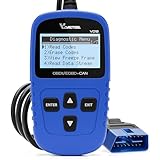
2. VDIAGTOOL VD10 OBD2 Scanner Code Reader Car Diagnostic Tool Engine Fault Code Reader for Turn Off CEL with Freeze Frame/I/M Readiness for All OBDII Protocol Cars, OBD2 Scanner Diagnostic Tool
Overview:
The VDIAGTOOL VD10 is an entry-level OBD2 scanner engineered specifically for novice car owners and DIY beginners. This plug-and-play device handles essential diagnostic functions: reading and clearing engine codes, viewing freeze frame data, checking I/M readiness status, and displaying live sensor information. It works with all OBDII-compliant vehicles from 1996 onward.
What Makes It Stand Out:
The VD10’s primary differentiator is its absolute simplicity and built-in DTC database of over 3,000 trouble codes with definitions, eliminating time-consuming internet searches. Its straightforward operation requires no technical expertise—simply plug into the OBDII port and navigate using clearly labeled buttons. The freeze frame capability captures sensor data at the moment of failure.
Value for Money:
As one of the most affordable scanners available, the VD10 delivers exceptional value for car owners wanting basic diagnostic capabilities. It pays for itself by avoiding a single trip to the mechanic for a check engine light diagnosis, making it a smart purchase for budget-conscious users.
Strengths and Weaknesses:
Strengths include unbeatable ease of use, low price point, instant code definitions, and reliable basic functionality. Weaknesses are its limited code database compared to premium models, lack of advanced features like ABS/SRS diagnostics, and basic monochrome display. Professional mechanics will find it too simplistic.
Bottom Line:
For beginners seeking a no-fuss tool to understand check engine lights, the VD10 is unbeatable. While it won’t satisfy advanced users, its affordability and simplicity make it the perfect first scanner for any car owner.
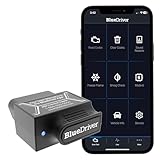
3. BlueDriver Bluetooth Pro OBDII Scan Tool for iPhone & Android - No Subscription Fee - OBD2 Car Scanner and Code Reader - Diagnose Check Engine, ABS, SRS, Airbag & 7000+ Issues on Vehicles 1996+
Overview:
The BlueDriver Bluetooth Pro revolutionizes vehicle diagnostics by transforming your smartphone into a professional-grade scan tool. This wireless OBDII adapter reads and clears codes not just for the engine, but also for ABS, SRS, airbag, and TPMS systems across vehicles from 1996 onward. The companion app provides real-time data and repair guidance.
What Makes It Stand Out:
BlueDriver’s wireless Bluetooth connectivity eliminates cumbersome cables, while its support for over 7,000 vehicle-specific issues far exceeds standard scanners. The standout feature is unlimited repair reports with verified fixes from a database of actual vehicle repairs. Live data monitoring while driving and an extensive library of repair videos provide unprecedented DIY support.
Value for Money:
Though priced higher than basic scanners, BlueDriver eliminates ongoing subscription fees common with professional tools. For users needing ABS and airbag diagnostics, it replaces multiple specialized tools, delivering professional capability at a fraction of shop scanner costs.
Strengths and Weaknesses:
Strengths include comprehensive system coverage, wireless convenience, robust app ecosystem, and no subscription model. Weaknesses are dependence on smartphone compatibility, higher initial investment, and potential Bluetooth connectivity issues in some vehicle environments.
Bottom Line:
BlueDriver is the premium choice for serious DIYers wanting dealership-level diagnostics. Its broad system support and innovative app integration justify the cost, making it the most capable consumer scanner available.
4. BluSon YM319 OBD2 Scanner Diagnostic Tool with Battery Tester, Check Engine Fault Code Reader with Live Data, Cloud Printing, DTC Lookup, Freeze Frame, Scan Tool for All OBDII Protocol Cars Since 1996

Overview:
The BluSon YM319 distinguishes itself as a technologically advanced OBD2 scanner with unique features uncommon in its price class. This diagnostic tool covers all standard OBDII functions while adding exclusive capabilities like battery health testing and cloud-based report printing. It supports vehicles from 1996+ with all major protocols.
What Makes It Stand Out:
The integrated one-click battery diagnostic sets the YM319 apart, continuously monitoring voltage and health to prevent unexpected failures. Its cloud printing feature allows generating professional diagnostic reports without a physical printer, ideal for sharing with remote technicians. With 63,000 DTCs in its database and customizable shortcut keys, it offers unprecedented convenience.
Value for Money:
Positioned in the upper mid-range, the YM319 justifies its price through innovative features that competitors lack. The battery tester alone saves the cost of a separate tool, while cloud printing adds professional workflow value for serious DIYers.
Strengths and Weaknesses:
Strengths include unique battery testing, massive code database, cloud printing, color display, and customizable function keys. Weaknesses involve a lesser-known brand reputation and cloud features that may seem unnecessary to casual users. The interface, while feature-rich, has a steeper learning curve.
Bottom Line:
The YM319 is perfect for tech-savvy users wanting cutting-edge features. Its battery diagnostics and cloud connectivity make it a standout choice for advanced DIYers who value innovation and comprehensive data.
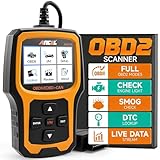
5. ANCEL AD410 Enhanced OBD2 Scanner, Vehicle Code Reader for Check Engine Light, Automotive OBD II Scanner Fault Diagnosis, OBDII Scan Tool for All OBDII Cars 1996+, Black/Yellow
Overview:
The ANCEL AD410 is a reputable mid-range OBD2 scanner backed by renowned mechanic Scotty Kilmer’s endorsement. This enhanced diagnostic tool focuses on engine systems, offering comprehensive OBDII functionality for vehicles from 1996 onward. It reads and clears codes, checks I/M readiness, and performs advanced EVAP and O2 sensor tests.
What Makes It Stand Out:
The AD410’s enhanced diagnostics include specialized EVAP leak testing and O2 sensor monitoring, features typically reserved for professional tools. Its 2.4-inch QVGA color display with intuitive UI design makes navigation effortless. The built-in database of 42,000 DTC definitions and multi-language support broadens its appeal to international users.
Value for Money:
The AD410 hits the sweet spot between basic code readers and professional scanners. Its specialized testing capabilities provide significant value for DIY mechanics wanting deeper diagnostic insight without paying premium prices.
Strengths and Weaknesses:
Strengths include trusted brand endorsement, EVAP/O2 testing, clear color display, user-friendly interface, and robust code database. Weaknesses are its limitation to engine codes only (no ABS/SRS support) and lack of live data graphing found in some competitors.
Bottom Line:
The ANCEL AD410 is a reliable, well-rounded scanner for DIY mechanics seeking more than basic functionality. Its specialized tests and credible endorsement make it a smart investment for serious home diagnosticians.
6. MOTOPOWER MP69033 Car OBD2 Scanner Code Reader Engine Fault Scanner CAN Diagnostic Scan Tool for All OBD II Protocol Cars Since 1996, Yellow

Overview: The MOTOPOWER MP69033 is a budget-friendly OBD2 scanner designed for basic engine diagnostics on vehicles manufactured from 1996 onward. This yellow-colored tool connects directly to your car’s OBDII port, drawing power without needing batteries. It targets DIYers and casual users who need to read and clear check engine lights.
What Makes It Stand Out: Its 2.8-inch LCD display with white backlight offers clear visibility, while the six-button interface simplifies navigation. The scanner supports nine OBDII protocols and six languages, making it versatile for various domestic and import vehicles. The 2.5-foot cable provides adequate reach without being cumbersome.
Value for Money: Priced under $30, this scanner delivers essential functionality at a fraction of professional tool costs. While it lacks advanced features, it covers basic code reading, freeze frame data, and I/M readiness—sufficient for most home mechanics. Alternatives with ABS support cost significantly more.
Strengths and Weaknesses: Pros include plug-and-play operation, no battery requirement, multi-language support, and compact design. The thick, flexible cable ensures durability. However, it cannot read ABS, airbag, or oil service codes, limiting its scope. The DTC library is basic compared to premium models, and the monochrome display feels dated.
Bottom Line: Ideal for beginners needing simple engine diagnostics, the MOTOPOWER MP69033 reliably handles check engine light issues. Skip it if you need ABS/airbag diagnostics or advanced features. For basic troubleshooting, it’s a solid, cost-effective choice.
7. VDIAGTOOL VD30 Pro Car Code Reader, OBD2 Scanner Diagnostic Tool for Cars and Trucks, Check Engine Code Reader, OBD2 Scanner with Reset, escaner automotriz I/M Readiness for All OBDII Vehicles

Overview: The VDIAGTOOL VD30 Pro positions itself as a professional-grade OBD2 scanner for serious DIYers and light commercial use. This enhanced diagnostic tool performs all ten essential OBD2 tests and directly competes with premium brands like FIXD, offering comprehensive engine diagnostics for cars and trucks from 1996 onward.
What Makes It Stand Out: Its standout feature is the built-in library of 98,000 DTC definitions with plain-English explanations. The one-click I/M readiness hotkey streamlines emissions testing, while data playback and printing capabilities allow for professional report generation. The 4-in-1 live data graphing provides visual diagnostics that basic scanners lack.
Value for Money: At approximately $60-70, it bridges the gap between basic readers and $200+ professional tools. Lifetime free updates via USB ensure long-term relevance, eliminating subscription fees. The rugged, drop-resistant housing promises years of reliable performance, justifying the investment over cheaper alternatives.
Strengths and Weaknesses: Pros include comprehensive test coverage, intuitive interface, voltage monitoring, and professional reporting features. The upgraded processing chip ensures fast operation. However, as a lesser-known brand, it lacks the community support of Innova or Autel. Casual users may find the feature set overwhelming.
Bottom Line: The VD30 Pro excels for enthusiasts and semi-professionals needing advanced diagnostics without the premium price tag. Its printing and playback functions are genuinely useful. Choose this over basic scanners if you regularly work on multiple vehicles.
8. Innova 5210 OBD2 Scanner & Engine Code Reader, Battery Tester, Live Data, Oil Reset, Car Diagnostic Tool for Most Vehicles, Bluetooth Compatible with America’s Top Car Repair App

Overview: The Innova 5210 combines OBD2 scanning with battery testing capabilities, targeting DIYers who want more than basic code reading. Compatible with most 1996+ vehicles, this tool integrates with Innova’s RepairSolutions2 app via Bluetooth, offering verified fixes from ASE-certified mechanics without subscription fees.
What Makes It Stand Out: Its unique battery and alternator testing function prevents unexpected breakdowns, while the oil reset feature adds maintenance capability rare in this price range. The Bluetooth connectivity and RepairSolutions2 app provide step-by-step repair guidance, parts suggestions, and cost estimates based on real-world data from 4 million users.
Value for Money: At around $100, it’s pricier than basic scanners but justifies the cost through multi-functionality. The free app access alone saves hundreds in diagnostic fees. While ABS coverage varies by vehicle, the combination of battery testing, oil reset, and expert guidance offers exceptional value compared to single-function tools.
Strengths and Weaknesses: Pros include dual battery/OBD2 functionality, live data streaming, drive cycle readiness for smog tests, and trusted brand reputation. The app integration is genuinely helpful. However, ABS support isn’t universal, requiring pre-purchase verification. The device relies on the app for full functionality, which may not suit everyone.
Bottom Line: The Innova 5210 is perfect for users wanting guided repairs and battery health monitoring. If you value expert-backed solutions and maintenance features, this is worth the premium. Verify ABS coverage for your vehicle before purchasing.
9. WEJOWE OBD2 Scanner Diagnostic Tool, Check Engine Code Reader OBD2 Scanner with Reset, Mode 6, Mode 8 & I/M Readiness, Auto Check Engine Light Car Diagnostic Scan Tool for All OBDII Car Since 1996
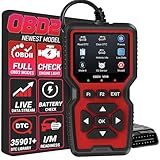
Overview: The WEJOWE OBD2 scanner targets users seeking professional-level diagnostics in a compact package. Supporting vehicles from 1996 onward, this tool features an extensive built-in DTC library of 35,901 codes—far exceeding typical entry-level scanners. It offers advanced modes including Mode 6 and Mode 8 for deeper system analysis.
What Makes It Stand Out: Its massive DTC database eliminates the need to manually look up codes online, providing detailed definitions instantly. The data printing capability via PC connection allows users to generate physical reports, helping avoid unnecessary repair shop charges. Lifetime free updates keep the device current with evolving vehicle protocols.
Value for Money: Priced competitively around $40-50, it delivers premium features at a mid-range price point. The extensive DTC library and printing functionality alone justify the cost over basic $20 scanners. Ten-language support and 98% vehicle compatibility make it suitable for diverse users and fleets.
Strengths and Weaknesses: Pros include the comprehensive code database, compact design with canvas storage bag, Type-C connectivity, and advanced diagnostic modes. The multi-language support is excellent. However, brand recognition lags behind Innova or Autel, and the interface may require a slight learning curve. Cable length isn’t specified, which could be an issue.
Bottom Line: The WEJOWE scanner is an excellent upgrade for users outgrowing basic code readers. Its extensive DTC library and printing features are genuinely useful for serious DIYers. Consider this if you want detailed diagnostics without professional-tool pricing.
10. Autel Professional OBD2 Scanner AL319 Code Reader, Enhanced Check and Reset Engine Fault Code, Live Data, Freeze Frame, CAN Car Diagnostic Scan Tools for All OBDII Vehicles After 1996, 2026 Upgraded
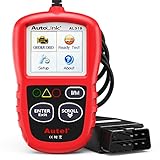
Overview: The Autel AL319 represents the entry point into Autel’s professional diagnostic ecosystem, now upgraded for 2026. Designed for DIYers and beginners, this plug-and-play scanner handles basic OBDII functions across most 1996+ vehicles. It focuses on simplicity while delivering reliable engine diagnostics from a trusted industry brand.
What Makes It Stand Out: Its patented one-click I/M readiness key provides instant emissions status, a feature typically found on more expensive tools. The TFT color display enhances readability over monochrome competitors, while the built-in speaker provides audible alerts. Autel’s reputation for quality and lifetime free updates adds long-term value.
Value for Money: At $30-40, it competes directly with budget scanners while offering brand credibility and color display. The 12-month warranty and lifetime updates provide peace of mind absent in no-name brands. While basic in functionality, the Autel badge ensures reliable performance and support.
Strengths and Weaknesses: Pros include user-friendly operation, color screen, durable construction, and excellent customer support. The LED indicators and intuitive button layout simplify diagnostics. However, it only covers OBDII systems—no ABS, airbag, or advanced resets. The feature set is limited compared to the Innova 5210 or VD30 Pro.
Bottom Line: The Autel AL319 is the ideal first scanner for those prioritizing brand trust and simplicity. It reliably handles check engine lights and emissions testing. Choose this for straightforward diagnostics; look elsewhere if you need advanced systems coverage or battery testing.
Understanding OBD2 Technology Basics
What OBD2 Means for Home Mechanics
OBD2 (On-Board Diagnostics II) represents the universal standard that allows external devices to communicate with your vehicle’s computer systems. Since 1996, all vehicles sold in the United States have been required to include this standardized port, typically located under the dashboard. For home mechanics, this means having a direct window into how your engine and emissions systems are performing, with access to thousands of data points that can pinpoint issues before they become expensive failures.
The Evolution from OBD1 to OBD2
The transition from OBD1 to OBD2 marked a revolution in diagnostic capabilities. While OBD1 systems were manufacturer-specific and provided limited information, OBD2 created a universal language across all makes and models. Modern readers can interpret this standardized data while also accessing manufacturer-specific codes, giving you both broad compatibility and deep diagnostic insight that wasn’t possible with earlier systems.
How OBD2 Readers Communicate with Your Vehicle
Your vehicle constantly monitors sensors and systems, storing this information in various modules throughout the car. When you plug in an OBD2 reader, it acts as a translator, converting complex computer language into understandable information. The connection happens through several possible protocols including CAN, ISO, and PWM systems, with quality readers automatically detecting and adapting to whichever protocol your vehicle uses.
Key Features That Define Value in 2026
Live Data Streaming Capabilities
The ability to view real-time sensor data transforms guesswork into precise diagnosis. Value-focused readers now commonly offer live data streaming for critical parameters like engine RPM, coolant temperature, oxygen sensor readings, and fuel trim percentages. This feature lets you observe how systems respond during test drives or while revving the engine in your garage, revealing intermittent issues that static code reading might miss.
Code Reading vs. Code Clearing Functions
All OBD2 readers can read diagnostic trouble codes, but the real value lies in understanding the full scope of capabilities. Basic units simply display codes, while more sophisticated readers provide code definitions, potential causes, and even repair suggestions. Code clearing functions are equally important, but beware of units that can erase codes without addressing underlying issues—this can mask problems and lead to failed emissions tests.
Bi-Directional Control and Active Tests
Once a premium-only feature, bi-directional control is becoming more accessible in value-tier scanners. This capability allows you to send commands to vehicle systems—activating fuel pumps, cycling ABS solenoids, or rolling windows up and down during diagnostics. For home garages, even basic active tests can save hours of troubleshooting by confirming whether components respond to computer commands.
Wireless Connectivity Options
Bluetooth and Wi-Fi connectivity have revolutionized how we interact with diagnostic data. Wireless readers pair with smartphones or tablets, leveraging larger screens and more intuitive interfaces than built-in displays can offer. This connectivity also enables easier software updates and data sharing, though you’ll want to verify the stability of the connection and whether the companion app requires ongoing subscription fees.
Software Update Policies
A reader that’s current today may struggle with next year’s models without proper software support. Value-conscious buyers should look for units with free lifetime updates or at least several years of included support. Some manufacturers charge annual fees for updates, which can quickly erode the initial savings on a budget unit. Check whether updates require complicated procedures or if they install automatically through connected apps.
Display and User Interface Considerations
Screen Size and Readability Factors
The display can make or break your diagnostic experience. Monochrome LCD screens suffice for basic code reading but become frustrating when navigating menus or viewing live data graphs. Color displays with adjustable backlighting prove invaluable when working in dim garage conditions. Consider screen resolution and font size—what looks clear in product photos may be difficult to read at arm’s length under a dashboard.
Button Layout vs. Touchscreen Navigation
Physical buttons offer reliable operation with greasy hands and don’t crack like touchscreens can. However, modern touch interfaces provide smoother navigation through complex menus. The sweet spot often involves a hybrid approach: touchscreen for menu navigation with backup physical buttons for common functions. Think about your typical garage environment—if you’re often working with gloves or dirty hands, button durability becomes paramount.
Mobile App Integration Benefits
Smartphone apps transform basic wireless readers into powerful diagnostic platforms. Quality apps offer graphing capabilities, repair databases, and community forums where other users share fixes for specific codes. Look for apps with offline functionality, as garage Wi-Fi may be spotty. The best integrations allow you to save vehicle histories, track repairs over time, and even order parts directly through the app interface.
Vehicle Compatibility Essentials
Domestic vs. Import Vehicle Support
While OBD2 provides a universal foundation, manufacturer-specific implementations vary significantly. A reader that excels with Ford and GM vehicles might struggle with the proprietary systems in Toyota or VW models. Value-focused shoppers should prioritize readers known for broad protocol support, especially if your garage houses multiple vehicle brands. Some units offer enhanced diagnostics for certain manufacturers while providing basic OBD2 functions for others.
Understanding Protocol Differences
Modern vehicles use several communication protocols, with CAN (Controller Area Network) being most common since 2008. However, older vehicles may use ISO, PWM, or VPW protocols. A truly valuable reader automatically detects and switches between these protocols without manual configuration. This “plug and play” capability saves frustration and ensures you won’t need multiple readers for different vehicles in your collection.
Future-Proofing for Newer Model Years
As manufacturers add more computer modules and encrypted systems, older readers lose effectiveness. 2026 model vehicles may require readers with enhanced security protocols or updated hardware. Look for readers that explicitly mention support for the current model year and have a track record of providing timely updates. USB-C connectivity and modern Bluetooth standards indicate manufacturers are investing in current technology rather than selling outdated inventory.
Price Tiers and What to Expect
Budget-Friendly Options Under $50
Entry-level readers in this range reliably read and clear basic engine codes but typically lack advanced features. Expect simple two-line displays, limited live data, and minimal manufacturer-specific coverage. These units serve well as code-checking tools for single-vehicle owners but may frustrate those wanting deeper diagnostics. Build quality varies dramatically, with some budget gems offering surprising durability while others fail within months.
Mid-Range Value Segments ($50-$150)
This sweet spot delivers the best bang for your buck in 2026. Readers in this bracket often include color displays, comprehensive live data, freeze frame analysis, and readiness monitor status. Many offer enhanced diagnostics for popular vehicle brands and include features like ABS and airbag code reading. Wireless connectivity becomes standard, and build quality improves significantly with better cables and connectors.
Premium Features Without Premium Prices
The line between mid-range and professional-grade continues to blur. Some readers under $200 now offer bi-directional control, advanced graphing, and module coding capabilities that cost twice as much just a few years ago. These units appeal to serious DIYers who want professional capabilities without four-figure price tags. The key is identifying which premium features you’ll actually use versus those that sound impressive but rarely get touched.
Essential Functions for Home Garages
Reading Diagnostic Trouble Codes
Every OBD2 reader performs this core function, but execution varies widely. Quality units display both generic (P0xxx) and manufacturer-specific (P1xxx) codes with detailed descriptions. Some translate codes into plain English explanations of the problem and list common causes. This educational approach helps home mechanics learn as they diagnose, building knowledge for future repairs.
Emissions System Readiness Monitors
Smog checks and emissions testing require all system monitors to show “ready” status. A valuable reader displays the status of each monitor—catalyst, evaporative system, oxygen sensors, EGR—and indicates whether they’ve completed their self-tests. This feature proves crucial after clearing codes or disconnecting the battery, letting you know when it’s safe to head for an emissions test without risking a failure.
Freeze Frame Data Analysis
When a code triggers, freeze frame captures a snapshot of operating conditions at that exact moment—engine temperature, vehicle speed, RPM, and fuel trim values. This contextual data transforms vague codes into specific diagnostic paths. For example, a misfire code with freeze frame showing high engine load helps differentiate between spark plug issues and fuel delivery problems.
Basic Reset and Relearn Procedures
Modern vehicles require various resets after maintenance—oil change lights, battery registration, steering angle sensors. Value-oriented readers increasingly include these functions, saving separate trips to the shop or dealership. However, confirm which resets the unit actually performs, as marketing claims sometimes overstate capabilities. Battery registration, in particular, requires specific protocols that cheaper readers may not support.
Advanced Capabilities Worth Considering
Graphing and Data Logging Features
Visualizing live data through graphs reveals patterns invisible in raw numbers. Graphing multiple sensors simultaneously shows correlations—like how oxygen sensor voltage relates to short-term fuel trim. Data logging allows recording during test drives for later analysis, essential for diagnosing intermittent issues that only occur under specific driving conditions. Export capabilities let you share logs with online forums for expert interpretation.
ABS and Airbag System Access
Engine codes represent just one facet of modern diagnostics. ABS (Anti-lock Braking System) and SRS (Supplemental Restraint System) codes require more sophisticated communication protocols. Readers offering this access provide far greater value, especially when troubleshooting brake or airbag warning lights. Be aware that some units read these codes but cannot clear them, limiting their usefulness.
Battery and Alternator Testing
Integrated battery testing functionality adds another layer of value, allowing voltage checks under load and alternator output assessment. Some readers can even detect battery drain issues by monitoring current draw during shutdown sequences. This feature helps determine whether that no-start condition stems from a bad battery, failing alternator, or parasitic drain—saving money on unnecessary parts replacement.
Oil Light and Maintenance Reset Functions
Modern vehicles track oil life through complex algorithms considering driving habits, temperatures, and engine hours. Quality readers reset these systems after oil changes, ensuring accurate future monitoring. Some also reset maintenance reminders for brake pad wear, filter changes, and service intervals. Verify compatibility with your specific vehicle, as these functions vary significantly between manufacturers.
Build Quality and Durability Factors
Cable Length and Connector Quality
Nothing frustrates like a cable that won’t reach your OBD2 port or breaks after a few uses. Quality readers offer 4-6 foot cables with reinforced connections and strain relief. The OBD2 connector should fit snugly without excessive force, and pins must be properly aligned to avoid damaging your vehicle’s port. Replaceable cables add long-term value, as the cord typically fails before the main unit.
Housing Materials and Drop Protection
Garage environments are harsh—drops, chemical spills, temperature extremes. Ruggedized housings with rubber bumpers protect internal components from impact. IP ratings indicate dust and moisture resistance; even basic IP54 protection helps against common garage hazards like water drips and sawdust. Solid construction often correlates with internal component quality, suggesting better long-term reliability.
Storage Case and Portability
A protective case extends a reader’s lifespan significantly, preventing cable damage and screen scratches during storage. Quality cases include compartments for cables and connectors, keeping everything organized. For mobile mechanics or those with multiple garage locations, compact designs with reliable cable management become particularly valuable. Some cases even include quick reference cards for common codes.
Where to Shop and What to Avoid
Authorized Retailers vs. Marketplace Sellers
Buying from authorized dealers ensures genuine products with valid warranties. Marketplace sellers sometimes offer lower prices but may ship counterfeit units or devices with altered firmware that lacks promised features. Authorized channels also provide better support and legitimate update paths. The few dollars saved on gray-market purchases often cost more in frustration and lack of manufacturer support.
Warranty and Return Policy Red Flags
Reputable manufacturers stand behind their products with at least a one-year warranty and 30-day return policies. Be wary of units with extremely limited warranties or “final sale” policies, which often indicate low confidence in product quality. Check whether warranty service requires shipping internationally, as this can turn a simple claim into a costly ordeal.
Spotting Counterfeit and Clone Units
The OBD2 market suffers from numerous cloned products that mimic popular designs but use inferior components. Red flags include prices significantly below market average, generic packaging, misspelled labels, and sellers with short operating histories. Authentic readers include proper certification markings and serial numbers for warranty registration. When in doubt, contact the manufacturer directly to verify a seller’s authorization.
Making Your Final Decision
Assessing Your Actual Needs
Before purchasing, honestly evaluate your mechanical skills and typical projects. If you only check codes occasionally, a basic reader suffices. However, if you’re diving into major repairs or own multiple vehicles, investing in more capabilities pays dividends. Consider your vehicles’ ages and systems—older cars need fewer advanced features, while newer models benefit from enhanced diagnostics.
Balancing Features Against Budget
The “best value” doesn’t mean cheapest—it means optimal features for your specific situation. A $150 reader you’ll use weekly delivers better value than a $30 unit that frustrates you into never using it. Prioritize must-have features over nice-to-have capabilities. Create a checklist of your essential functions, then find the most affordable reader that meets all those requirements.
Planning for Long-Term Value
Consider the total cost of ownership, not just the purchase price. Readers requiring paid updates or subscriptions may cost more over time than pricier units with free lifetime support. Think about scalability—some basic readers can be upgraded through software purchases, growing with your skills. Choosing a slightly more capable unit than you currently need prevents premature obsolescence as you tackle more complex repairs.
Frequently Asked Questions
What is the difference between a code reader and a scan tool?
A code reader primarily reads and clears diagnostic trouble codes, while a scan tool offers more advanced functions like live data streaming, bi-directional control, and access to multiple vehicle systems. For most home garage needs, a quality scan tool provides better long-term value despite higher initial cost.
Can OBD2 readers damage my vehicle’s computer?
Quality readers from reputable manufacturers cannot damage your vehicle when used correctly. They only read data and send approved commands. However, counterfeit or poorly designed units with electrical faults could potentially cause issues. Always purchase from authorized dealers and ensure the device has proper certifications.
Do I need a different reader for each vehicle brand?
No, OBD2 is a universal standard. One quality reader works across all 1996 and newer vehicles for basic functions. However, manufacturer-specific advanced features may require readers with enhanced diagnostics for particular brands. Most home mechanics find a single multi-brand reader sufficient.
How often should I update my OBD2 reader’s software?
Check for updates quarterly or whenever you acquire a newer vehicle. Most manufacturers release updates annually to support new models and fix bugs. Readers with automatic update notifications through companion apps make this process effortless. Avoid units requiring manual update file downloads and complex installation procedures.
Can I use an OBD2 reader to pass emissions testing?
Readers help ensure readiness monitors are set before testing, but cannot make a failing vehicle pass. They identify issues causing failures so you can repair them. Some states allow temporary code clearing, but monitors must show “ready” status, which readers can verify. Always fix underlying problems rather than trying to cheat the system.
Are wireless readers better than wired ones?
Wireless readers offer convenience and larger display options through smartphone apps, but wired units provide more stable connections for extended diagnostics. For quick code checks, wireless excels. For intensive data logging or bi-directional tests, wired connections prove more reliable. Many home mechanics eventually own both types for different scenarios.
What does “bi-directional control” mean for home use?
Bi-directional control lets you activate components through the scanner—running fuel pump tests, cycling ABS valves, or commanding window operations. For home mechanics, this helps isolate whether problems stem from components themselves or their control circuits. It’s invaluable for confident diagnosis but requires understanding what commands are safe to execute.
How do I know if a reader supports my specific vehicle?
Reputable manufacturers publish vehicle coverage lists on their websites. Check these before purchasing, especially for enhanced functions beyond basic OBD2. For unique vehicles (hybrids, diesels, exotic brands), contact the manufacturer directly. Most sellers offer 30-day returns, allowing you to test compatibility risk-free.
Can OBD2 readers predict future problems?
Readers cannot predict failures, but they reveal early warning signs. Monitoring long-term fuel trim trends or oxygen sensor response times shows degrading performance before codes trigger. Regular scanning catches pending codes—issues the computer detected but haven’t yet reached failure thresholds. This allows proactive maintenance before breakdowns occur.
Is it worth buying a used OBD2 reader?
Generally avoid used diagnostic equipment. Software licenses may be non-transferable, and older hardware might lack support for newer vehicles. Without warranty coverage, you risk purchasing a defective unit. The small savings rarely justify these risks when new value-tier readers offer full warranties and current software at reasonable prices.
See Also
- 10 Best Value OBD2 Code Readers for Multiple Vehicles in 2026
- Top 10 Best OBD2 Code Readers for Home Mechanics in 2026
- 10 Best Value OBD2 Code Readers for Reliable Fault Detection in 2026
- 10 Best Value OBD2 Code Readers for Reliable Daily Use in 2026
- 10 Best Value OBD2 Code Readers for Reliable Diagnostics in 2026