Table of Contents
Navigating the world of automotive diagnostics has never been more accessible, yet choosing the right OBD2 code reader for multiple vehicles in 2026 can feel overwhelming. Whether you’re a DIY enthusiast maintaining a household fleet, a mobile mechanic serving diverse clients, or simply someone who wants to understand what that check engine light actually means, finding a tool that delivers maximum versatility without breaking the bank is the ultimate goal. The landscape has evolved dramatically, with modern scanners offering capabilities that were once exclusive to dealership-grade equipment costing thousands.
The key to making a smart purchase isn’t just about grabbing the cheapest option or the one with the most features—it’s about understanding which capabilities genuinely matter for your specific mix of vehicles and how to spot true value in a crowded market. This comprehensive guide cuts through the marketing noise to help you identify the essential features, compatibility factors, and performance benchmarks that separate genuinely useful multi-vehicle scanners from overpriced gadgets. We’ll explore what “value” means in 2026’s automotive diagnostic space and arm you with the knowledge to choose a tool that grows with your needs.
Top 10 OBD2 Code Readers for Multiple Vehicles
Detailed Product Reviews
1. ANCEL AD310 Classic Enhanced Universal OBD II Scanner Car Engine Fault Code Reader CAN Diagnostic Scan Tool, Read and Clear Error Codes for 1996 or Newer OBD2 Protocol Vehicle (Black)
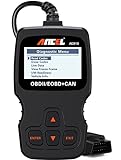
Overview: The ANCEL AD310 is a bestselling entry-level OBD2 scanner endorsed by popular YouTuber Scotty Kilmer. This handheld diagnostic tool helps DIY mechanics and car owners quickly identify and clear check engine light codes without professional assistance. Powered directly from your vehicle’s OBDII port, it eliminates battery concerns and provides instant access to emission system diagnostics, freeze frame data, and I/M monitor readiness for 1996+ vehicles.
What Makes It Stand Out: Its reputation as a mechanic-recommended tool sets it apart in the crowded entry-level market. The AD310 features a robust 2.5-foot thickly insulated cable and durable construction designed to withstand garage drops. The large, clear display and plainly labeled buttons create an intuitive experience for users of all skill levels, delivering exceptionally fast and accurate results across all major OBDII protocols.
Value for Money: Priced competitively for beginners, this scanner offers professional-grade code reading at a fraction of the cost. While limited to engine/emission systems, it performs essential functions that would cost $75-150 at a shop, paying for itself after a single use. It outperforms cheaper alternatives that often lack full protocol support or reliable connectivity.
Strengths and Weaknesses: Strengths include wide vehicle compatibility, sturdy build quality, instant power-on via OBDII port, and user-friendly operation. The compact, lightweight design makes it highly portable. Weaknesses are its basic functionality—no live data streaming, ABS/SRS support, or advanced diagnostics. The screen, while clear, is monochrome and smaller than premium models.
Bottom Line: The AD310 is an essential home garage tool for anyone wanting reliable, no-fuss engine code diagnostics. Perfect for beginners and budget-conscious owners, it delivers core functionality without unnecessary complexity.
2. VDIAGTOOL VD10 OBD2 Scanner Code Reader Car Diagnostic Tool Engine Fault Code Reader for Turn Off CEL with Freeze Frame/I/M Readiness for All OBDII Protocol Cars, OBD2 Scanner Diagnostic Tool
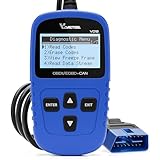
Overview: The VDIAGTOOL VD10 positions itself as the ultimate DIY companion for car owners intimidated by vehicle diagnostics. This plug-and-play OBD2 scanner requires zero mechanical expertise—simply connect to your vehicle’s port and diagnose problems in seconds. It handles all essential functions for 1996+ OBDII vehicles: reading and clearing codes, viewing freeze frame data, checking I/M readiness, and monitoring live sensor data to keep your engine in optimal condition.
What Makes It Stand Out: Its built-in database of over 3,000 trouble code definitions eliminates time-consuming online searches, displaying plain-English explanations directly on the TFT screen. The VD10 mirrors the convenience of subscription-based tools like FIXD but as a one-time purchase, making complex diagnostics accessible to novices while still valuable for experienced hobbyists.
Value for Money: This scanner hits the sweet spot between ultra-basic readers and expensive professional units. For a modest investment, you get capabilities that typically require multiple tools or paid services. The time saved from instant DTC lookup and clear menu navigation justifies the price, especially for owners of older vehicles requiring frequent monitoring.
Strengths and Weaknesses: Strengths include exceptional ease of use, comprehensive code definitions, quick boot-up, and reliable performance across all OBDII protocols. The I/M readiness function is crucial for smog check preparation. Weaknesses include limited to engine/emission systems only, smaller DTC library compared to premium scanners, and basic display resolution. It lacks advanced features like component bi-directional control.
Bottom Line: The VD10 is a must-have for any car owner wanting immediate answers without complexity. It democratizes vehicle diagnostics, making it ideal for beginners while remaining useful for seasoned DIYers.
3. ANCEL AD410 Enhanced OBD2 Scanner, Vehicle Code Reader for Check Engine Light, Automotive OBD II Scanner Fault Diagnosis, OBDII Scan Tool for All OBDII Cars 1996+, Black/Yellow
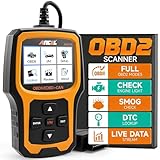
Overview: The ANCEL AD410 represents a significant upgrade from the AD310, offering enhanced diagnostics for serious DIY enthusiasts. This OBD2 scanner maintains the brand’s reputation for reliability while adding advanced features like EVAP system testing, O2 sensor monitoring, and an impressive database of 42,000 DTC definitions. The 2.4-inch QVGA true-color display and redesigned interface make navigating complex diagnostics intuitive for users at any skill level.
What Makes It Stand Out: The AD410’s ability to perform leak tests on EVAP systems and monitor O2 sensor performance sets it apart from entry-level scanners. These features help fine-tune air/fuel mixture, improving fuel economy and reducing emissions. Multilingual support broadens its appeal internationally, while the enhanced diagnostics provide insights typically reserved for professional-grade tools costing significantly more.
Value for Money: Positioned in the mid-range segment, the AD410 delivers exceptional value by bridging the gap between basic code readers and expensive shop scanners. The comprehensive DTC library alone saves hours of research, while advanced tests like EVAP and O2 monitoring can prevent costly misdiagnoses. For the price, it offers capabilities that rival units twice its cost.
Strengths and Weaknesses: Strengths include the vibrant color display, extensive DTC database, EVAP and O2 sensor testing, broad vehicle compatibility, and multilingual interface. The direct OBDII power eliminates battery hassles. Weaknesses remain system limitations—it only reads engine codes, not ABS, SRS, or transmission systems. The USB cable is for updates only, which may disappoint users expecting PC connectivity.
Bottom Line: The AD410 is the perfect step-up tool for DIYers ready to move beyond basic code reading. It provides professional-level engine diagnostics without the professional price tag.
4. BlueDriver Bluetooth Pro OBDII Scan Tool for iPhone & Android - No Subscription Fee - OBD2 Car Scanner and Code Reader - Diagnose Check Engine, ABS, SRS, Airbag & 7000+ Issues on Vehicles 1996+
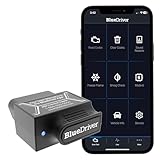
Overview: BlueDriver revolutionizes OBD2 diagnostics by transforming your smartphone into a professional-grade scan tool. This Bluetooth-enabled device connects wirelessly to iOS and Android devices, delivering comprehensive diagnostics for 1996+ vehicles. Unlike traditional handheld scanners, BlueDriver reads not just engine codes but also ABS, SRS, airbag, and TPMS systems, providing access to over 7,000 potential issues through a sleek, modern interface.
What Makes It Stand Out: The wireless design eliminates cable clutter while the companion app provides unlimited repair reports with verified fixes, possible causes, and step-by-step repair videos. This combination of hardware and software creates an ecosystem that grows with updates, offering real-time health monitoring and live data streaming that traditional scanners can’t match. The no-subscription model is refreshing in an era of recurring fees.
Value for Money: While priced higher than basic handheld units, BlueDriver justifies its cost through expanded system coverage and continuous app updates. The repair database and video library effectively provide free consulting that would cost hundreds at a shop. For tech-savvy users, it’s a one-time investment that rivals $500+ professional scanners.
Strengths and Weaknesses: Strengths include wireless convenience, comprehensive system coverage, intuitive app interface, unlimited repair reports, and live data monitoring. The lack of subscription fees is a major plus. Weaknesses include smartphone dependency—if your phone dies, you’re stuck. The higher initial cost may deter budget buyers, and some users report occasional Bluetooth connectivity issues.
Bottom Line: BlueDriver is the best choice for modern car owners who want maximum capability with minimal hardware. It’s ideal for tech enthusiasts and those needing full-system diagnostics on the go.
5. VDIAGTOOL VD30 Pro Car Code Reader, OBD2 Scanner Diagnostic Tool for Cars and Trucks, Check Engine Code Reader, OBD2 Scanner with Reset, escaner automotriz I/M Readiness for All OBDII Vehicles

Overview: The VDIAGTOOL VD30 Pro is a professional-grade OBD2 scanner engineered for serious DIY mechanics and semi-professional use. This powerhouse performs all 10 essential OBD2 tests, including reading/clearing codes, live data graphing, freeze frame analysis, component testing, and one-click I/M readiness checks. With a built-in library of 98,000 DTC definitions, voltage testing, and data playback/printing capabilities, it’s a comprehensive diagnostic solution for all OBDII vehicles.
What Makes It Stand Out: The VD30 Pro’s 4-in-1 live data graphing and one-click smog check hotkey deliver immediate visual insights that basic scanners can’t provide. Its rugged, drop-resistant housing and upgraded processing chip ensure reliable performance in harsh conditions. The ability to print diagnostic reports and review playback data elevates it beyond consumer-grade tools, making it suitable for documenting repairs and sharing information with professional mechanics.
Value for Money: Though priced at the premium end of consumer scanners, the VD30 Pro offers features found in equipment costing $800+. The extensive DTC library, professional reporting capabilities, and lifetime free updates provide exceptional long-term value. For users regularly diagnosing multiple vehicles, it quickly pays for itself by avoiding dealership diagnostic fees.
Strengths and Weaknesses: Strengths include the massive DTC database, professional reporting features, robust construction, instant boot-up, and comprehensive test coverage. The voltage test function prevents no-start surprises. Weaknesses include a steeper learning curve for absolute beginners and a higher price point that may be overkill for casual users. The display, while functional, isn’t as vibrant as some competitors.
Bottom Line: The VD30 Pro is the ultimate diagnostic tool for dedicated DIYers and mobile mechanics. It combines professional capabilities with consumer accessibility, making it a worthy investment for serious automotive enthusiasts.
6. MOTOPOWER MP69033 Car OBD2 Scanner Code Reader Engine Fault Scanner CAN Diagnostic Scan Tool for All OBD II Protocol Cars Since 1996, Yellow

Overview: The MOTOPOWER MP69033 is a no-nonsense OBD2 scanner built for DIY mechanics seeking core diagnostic capabilities. This yellow diagnostic tool covers all essential OBDII functions for vehicles manufactured from 1996 onward, including reading and clearing trouble codes, viewing freeze frame data, and monitoring I/M readiness status. Its straightforward design prioritizes function over frills, delivering reliable engine diagnostics without complexity.
What Makes It Stand Out: The scanner’s real-time curve display sets it apart from budget competitors, allowing users to visualize live data streams graphically rather than just numerically. The 2.8" LCD with white backlight offers excellent visibility in dim garage conditions, while the 2.5-foot thick-insulated cable provides durability and flexibility. Supporting nine protocols across six languages makes it genuinely universal for OBDII-compliant vehicles.
Value for Money: Priced in the entry-level segment, this tool offers exceptional ROI for home mechanics. It delivers professional-grade code reading and live data capabilities that would cost triple at a shop for a single diagnostic session. While it lacks advanced features, its reliability and comprehensive DTC library make it a smart investment compared to ultra-cheap scanners that often fail with CAN protocols.
Strengths and Weaknesses: Strengths include robust cable construction, intuitive six-button navigation, graphical data display, and broad protocol support. The compact design fits easily in glove compartments. Weaknesses are significant: no ABS or airbag support, monochrome screen, and inability to reset oil service lights. The lack of battery power means it can’t function when the vehicle’s OBD port is damaged.
Bottom Line: Ideal for DIYers focused solely on engine diagnostics. If you need ABS or SRS capabilities, look elsewhere. For basic check engine light troubleshooting and smog test preparation, it’s a reliable, cost-effective choice that punches above its weight class.
7. ZMOON ZM201 Professional OBD2 Scanner Diagnostic Tool, Enhanced Check Engine Code Reader with Reset OBDII/EOBD Car Diagnostic Scan Tools for All Vehicles After 1996, 2026 Upgraded

Overview: The ZMOON ZM201 positions itself as a professional-grade OBD2 scanner for serious DIY enthusiasts and mobile mechanics. This 2026-upgraded diagnostic tool goes beyond basic code reading with a robust feature set focused exclusively on engine diagnostics. Compatible with vehicles from 1996 (US), 2002 (EU), and 2008 (Asia), it covers all standard OBDII protocols through a simple plug-and-play interface powered directly from the vehicle’s port.
What Makes It Stand Out: Its 50,000+ built-in DTC database dwarfs many competitors, providing detailed explanations that help users understand issues before visiting a mechanic. The 2.8-inch color display with adjustable brightness and dark mode offers superior visibility compared to monochrome alternatives. Unique among mid-range scanners, it supports PC connectivity for data printing and deeper analysis, while lifetime free software updates ensure long-term relevance.
Value for Money: This scanner hits the sweet spot between budget basic readers and expensive professional tools. For under $100, you get capabilities typically found in $200+ units, including live data graphing, O2 sensor testing, and EVAP system checks. The permanent code distinction feature alone can save hundreds by identifying issues requiring actual repair versus simple resets.
Strengths and Weaknesses: Strengths include the vibrant color screen, extensive code library, EVAP testing, freeze frame analysis, and excellent user interface with shortcut keys. Weaknesses include no ABS/SRS/transmission support, PC software limited to Windows, and no battery backup. Some users report slower boot times compared to premium brands.
Bottom Line: A top-tier choice for engine-specific diagnostics. The ZM201 offers professional capabilities without the professional price tag, making it perfect for DIYers who want more than basic code reading but don’t need full-system coverage.
8. 2025 New OBD2 Scanner Diagnostic Tool - Check Engine Light Code Reader with Reset, Battery Voltage Tester, Modes 6 & 8, Suitable for All OBD II Protocol Car & Truck Since 1996

Overview: The 2025 V519 OBD2 scanner emerges as a forward-looking diagnostic tool claiming compatibility with 98% of post-1996 OBDII vehicles. This versatile code reader handles both engine and transmission diagnostics—a rare capability in this price range—while offering live data streaming, freeze frame analysis, and check engine light reset functionality. Its plug-and-play design targets both professional mechanics and dedicated DIY enthusiasts seeking comprehensive yet portable diagnostics.
What Makes It Stand Out: The transmission diagnostics capability distinguishes it from most competitors that only handle engine codes. Modes 6 and 8 support provides advanced onboard monitoring and EVAP system testing typically reserved for premium scanners. The large LCD display with one-click I/M readiness makes smog check preparation effortless, while the rugged construction withstands heavy workshop use.
Value for Money: Offering engine AND transmission diagnostics at a sub-$100 price point represents remarkable value. The inclusion of battery voltage testing and advanced diagnostic modes creates a feature set that rivals $150+ scanners. However, the 98% compatibility claim should be verified, as hybrid vehicle exclusions may affect some users. For gasoline-powered vehicles, it’s a budget-friendly powerhouse.
Strengths and Weaknesses: Strengths include dual-system diagnostics (engine/transmission), durable build quality, intuitive one-click operations, and comprehensive mode support. Weaknesses are significant: no ABS/SRS coverage, incompatibility with hybrids and electric vehicles, and a less-established brand reputation compared to Innova or Autel. The lack of Bluetooth connectivity limits data sharing options.
Bottom Line: An excellent value for owners of gasoline vehicles needing beyond-basic diagnostics. The transmission code capability makes it uniquely appealing, but verify compatibility first. For hybrids or those wanting ABS/SRS, consider alternatives.
9. Innova 5210 OBD2 Scanner & Engine Code Reader, Battery Tester, Live Data, Oil Reset, Car Diagnostic Tool for Most Vehicles, Bluetooth Compatible with America’s Top Car Repair App

Overview: The Innova 5210 represents the intersection of traditional OBD2 scanning and modern connectivity, combining comprehensive diagnostics with integrated battery testing capabilities. This versatile tool reads engine and ABS codes (coverage varies) while offering live data monitoring, oil reset functionality, and I/M readiness checks. Its Bluetooth integration with the RepairSolutions2 app provides access to verified fixes from ASE-certified mechanics, serving a community of four million users.
What Makes It Stand Out: The battery and alternator testing feature eliminates the need for a separate multimeter, providing voltage, current, and ripple analysis through the OBDII port. The RepairSolutions2 app’s verified repair database, based on real-world mechanic experiences, offers step-by-step guidance, parts suggestions, and cost estimates without subscription fees—a game-changer for DIYers facing unfamiliar codes.
Value for Money: While priced higher than basic scanners, the 5210 justifies its cost through ABS support, battery testing, and the invaluable app integration. The oil reset feature saves $50+ per service, while the app’s guidance can prevent hundreds in misdiagnosis. Compared to professional-grade tools costing $300+, it delivers exceptional value for home mechanics and small shops.
Strengths and Weaknesses: Strengths include ABS code reading, comprehensive battery testing, oil reset capability, robust app ecosystem, and proven brand reliability. Weaknesses involve variable ABS coverage requiring pre-purchase verification, no SRS/transmission support, and app dependency for maximum value. The Bluetooth connection can occasionally be finicky with older smartphones.
Bottom Line: The best choice for DIYers wanting guidance beyond codes. The app integration transforms it from a scanner into a complete diagnostic solution. Verify ABS coverage for your vehicle, but for most users, it’s worth the premium.
10. UJS 2026 Enhanced Universal OBD2 Scanner, Check Engine Code Reader - 45000+ Fault Codes, Live Data, I/M Readiness, Battery Voltage Check, Read & Clear Error Codes for All OBDII Protocol Car 1996+

Overview: The UJS 2026 SAFESCAN positions itself as an expert-endorsed diagnostic tool packing 45,000+ fault codes into a compact, travel-friendly design. This universal OBD2 scanner supports all nine OBDII protocols for vehicles from 1996 onward, offering live data streaming, I/M readiness checks, and battery voltage monitoring. Weighing just 8 ounces with a 2.8-inch color display, it targets both novice users and professionals needing portable diagnostics.
What Makes It Stand Out: The printer compatibility feature is rare in this size and price class, enabling professional report generation for customer documentation. Its advanced I/M readiness function provides clear visual indicators for emission system status, simplifying smog check preparation. The patented design houses new chips promising diagnostic speeds that complete full scans in under one minute, while supporting over 10 languages for international use.
Value for Money: Offering professional features like printer output and rapid scanning at a competitive price point creates strong value. The 45,000-code database matches premium competitors, and the compact durability makes it ideal for mobile mechanics. However, the “expert-endorsed” claim lacks specific attribution compared to Innova’s ASE-certified database. Still, for portable, comprehensive OBDII scanning, it delivers impressive capability per dollar.
Strengths and Weaknesses: Strengths include ultra-portable design, printer connectivity, multi-language support, rapid scanning, and clear visual indicators. Weaknesses include no ABS/SRS/advanced system coverage, brand recognition still building, and no Bluetooth/app integration. The compact size may feel less substantial to users preferring heavier professional tools.
Bottom Line: Perfect for mobile mechanics and DIYers prioritizing portability without sacrificing core capabilities. The printer feature adds professional credibility, making it a smart choice for those needing on-the-go diagnostics with documentation capabilities.
Understanding OBD2 Technology and Multi-Vehicle Compatibility
What is OBD2 and Why It Matters for Modern Vehicles
OBD2 (On-Board Diagnostics II) represents the standardized system that allows external devices to communicate with your vehicle’s computer networks. Since its universal implementation in 1996 for passenger vehicles, this technology has become the universal language between cars and diagnostic tools. For multi-vehicle use, OBD2 compliance means a single device can theoretically interface with any car built after 1996, though the reality involves much more nuance. Modern vehicles contain multiple electronic control units (ECUs) managing everything from engine performance to advanced driver-assistance systems, making comprehensive scanning far more complex than simply reading a generic trouble code.
The Evolution of OBD2 Standards Across Vehicle Manufacturers
While OBD2 created a baseline standard, manufacturers quickly developed proprietary enhancements that complicate multi-vehicle compatibility. European brands adopted EOBD (European OBD) with additional manufacturer-specific codes, while Asian automakers implemented their own variations. By 2026, we’re seeing fifth-generation protocols that support cybersecurity features and encrypted communications in newer vehicles. A truly valuable scanner must navigate these variations seamlessly, automatically detecting protocols and translating manufacturer-specific codes into actionable information without requiring manual configuration for each vehicle.
How Multi-Vehicle Scanners Differ from Basic Code Readers
Basic code readers perform a single function: reading and clearing generic powertrain codes. Multi-vehicle scanners, however, function as comprehensive diagnostic platforms. They interface with multiple ECUs across different systems—transmission, ABS, airbag, climate control, and even infotainment modules. The distinction becomes critical when diagnosing issues that trigger warning lights but don’t store powertrain codes. A quality multi-vehicle tool should access all available modules, not just the engine computer, making it indispensable for troubleshooting modern interconnected vehicle systems.
Key Features That Define Value in 2026
Diagnostic Depth: Code Reading vs. Full System Diagnostics
Value in 2026 increasingly depends on diagnostic depth rather than just breadth. A scanner that reads codes from 20 modules but provides only generic descriptions offers less real-world utility than one that accesses fewer systems but delivers detailed troubleshooting guidance, freeze frame data, and code-specific repair procedures. Look for tools that offer enhanced code definitions, probable cause analysis, and documented fixes. The best value scanners provide “guided diagnostics” that walk you through testing procedures, potentially saving hours of research and guesswork.
Live Data Streaming Capabilities
Real-time data streaming transforms a scanner from a simple code reader into a powerful diagnostic tool. Modern vehicles generate hundreds of parameters—fuel trims, oxygen sensor voltages, transmission fluid temperatures, wheel speed sensor data—that paint a complete picture of system health. Value scanners display multiple parameters simultaneously with customizable graphs and gauges. The ability to record and playback data streams while test-driving helps identify intermittent issues that never trigger codes. In 2026, look for sampling rates of at least 10Hz (10 samples per second) for accurate diagnosis of rapidly changing conditions.
Bidirectional Control and Active Testing
Bidirectional functionality allows the scanner to send commands to vehicle systems, not just receive data. This capability lets you activate components, run system tests, and perform calibrations that would otherwise require expensive dealer equipment. Examples include cycling ABS solenoids, running EVAP system leak tests, or commanding throttle body relearn procedures. While this feature typically appears in higher-priced units, it’s become more accessible in mid-range scanners. For multi-vehicle applications, verify that bidirectional functions work across your specific vehicle makes rather than being limited to certain brands.
Wireless Connectivity Options: Bluetooth vs. Wi-Fi vs. Dedicated Apps
Connection method significantly impacts user experience and versatility. Bluetooth offers convenience and broad device compatibility but may have range limitations and slower data transfer. Wi-Fi provides faster speeds and longer range but can interfere with your phone’s internet connection. Some scanners use proprietary radio frequencies with dedicated display units, eliminating smartphone dependency. The most valuable approach in 2026 combines multiple connectivity options, allowing you to switch between a smartphone app for quick checks and a dedicated tablet for in-depth diagnostics. Consider whether the scanner works offline or requires constant cloud connectivity, as shop environments may have poor internet access.
Compatibility Considerations for Multiple Vehicles
Domestic vs. Import Vehicle Protocols
American, European, and Asian manufacturers implement OBD2 protocols differently, even when using the same underlying standard. Domestic trucks often use different communication speeds than compact imports. German vehicles may require special initialization sequences. Japanese hybrids frequently use unique hybrid battery monitoring protocols. A valuable multi-vehicle scanner automatically detects these differences and adjusts its communication strategy. Before purchasing, research whether the tool supports all vehicle types in your fleet, paying special attention to any European diesels, hybrid systems, or performance variants that might use non-standard implementations.
Supporting Different OBD2 Protocols (CAN, ISO, etc.)
Five primary OBD2 protocols exist: ISO9141-2, KWP2000, J1850 PWM, J1850 VPW, and CAN (Controller Area Network). Since 2008, all vehicles sold in the US use CAN, but older vehicles in a multi-vehicle fleet require legacy protocol support. The most versatile scanners automatically detect and switch between protocols without user intervention. Some premium models even support proprietary manufacturer protocols that run parallel to standard OBD2, accessing hidden modules and advanced functions. For 2026, ensure any scanner you consider supports the latest CAN FD (Flexible Data-rate) protocol found in newer vehicles, as this enables faster communication and more detailed diagnostics.
Heavy-Duty Vehicle Compatibility
If your multi-vehicle needs include diesel trucks, buses, or commercial equipment, standard passenger-vehicle OBD2 scanners won’t suffice. Heavy-duty vehicles use different connectors (often 9-pin Deutsch connectors) and protocols like J1939 or J1708. Some versatile scanners offer optional heavy-duty adapters and software modules that expand compatibility. The value proposition here depends on whether you need true heavy-duty capability or just occasional light truck diagnostics. True HD support adds cost but eliminates the need for separate expensive commercial-grade tools.
Hybrid and Electric Vehicle Support in 2026
As electrified vehicles dominate 2026’s market, multi-vehicle scanners must evolve beyond traditional engine diagnostics. EVs and hybrids require access to battery management systems, inverter diagnostics, and high-voltage component testing. The most valuable scanners provide safe, isolated access to these systems with appropriate warnings and safety information. Look for tools that can read state-of-charge data, cell balance information, and regenerative braking system status. Some advanced units even offer battery health degradation analysis, crucial for evaluating used hybrid or electric vehicles.
User Interface and Experience Factors
Screen Size and Display Quality Considerations
A scanner’s display determines how effectively you can interpret complex data. Small, monochrome screens suffice for reading codes but struggle with graphing multiple data streams. Color TFT or OLED displays with at least 4.5-inch diagonal measurement make a significant difference in usability. Touchscreen interfaces have become standard in 2026, but responsiveness varies widely. Consider display brightness for outdoor use and viewing angles for shop environments. Some scanners offer remote display capabilities, allowing you to project the interface onto a tablet or shop computer for easier viewing during complex repairs.
Mobile App Integration vs. Standalone Units
The smartphone app revolution has transformed OBD2 scanners into powerful diagnostic platforms. App-based scanners typically cost less while offering frequent software updates and intuitive interfaces. However, standalone units provide reliability without dependency on phone batteries or OS updates. The sweet spot for multi-vehicle use often involves a hybrid approach: a hardware module that works with both a dedicated display unit and mobile apps. This flexibility ensures you always have a backup interface method and can choose the most appropriate screen size for each diagnostic task.
Software Update Policies and Longevity
A scanner is only as good as its software database. In 2026, update policies range from lifetime free updates to annual subscriptions costing $100+. Evaluate the total cost of ownership over five years. Some manufacturers provide free updates for a limited period, then charge for continued access to new vehicle coverage. The most valuable scanners include lifetime updates in the purchase price, ensuring your tool remains relevant as new models release. Check update frequency—monthly updates indicate active development, while annual updates suggest a stagnant product.
Language and Unit Customization Options
For multi-vehicle applications, especially in diverse geographic regions, language support becomes crucial. Professional-grade scanners offer 15+ languages with full localization of code definitions and repair information. Unit customization—switching between metric and imperial, Fahrenheit and Celsius, or different currency symbols—enhances usability. Some advanced scanners allow custom parameter creation, letting you define and monitor calculations specific to your common diagnostic procedures. This flexibility transforms a generic tool into a personalized diagnostic assistant.
Advanced Features Worth Paying For
Reset and Service Functions
Beyond clearing codes, modern vehicles require electronic resets after routine maintenance. Oil service reset, brake pad replacement registration, steering angle sensor calibration, and battery registration (critical for modern start-stop systems) are essential functions. For multi-vehicle use, verify these functions cover your specific makes rather than offering generic procedures. The value proposition lies in the scanner’s ability to perform these resets without dealer intervention, saving $100+ per service at the dealership.
Key Programming Capabilities
While dedicated key programmers remain the gold standard, some advanced multi-vehicle scanners include basic key programming for adding spare keys or replacing lost ones. This feature typically works with vehicles using simple transponder systems but may not support encrypted smart keys. For multi-vehicle applications, even limited key programming capability adds tremendous value, especially when dealing with older vehicles that frequently need key replacements. Understand the limitations—most scanner-based programming can add keys but not program new ones from scratch when all keys are lost.
Vehicle-Specific Code Libraries
Generic code definitions provide limited insight. Vehicle-specific libraries translate manufacturer codes into detailed descriptions, including known fixes and technical service bulletins. The most valuable scanners integrate this information directly into the diagnostic workflow, suggesting common solutions based on the specific code, vehicle mileage, and model year. In 2026, some scanners incorporate community-sourced fixes and video tutorials, creating a dynamic knowledge base that improves over time. This feature alone can justify a higher price point by dramatically reducing diagnostic time.
Graphing and Data Logging Functions
Visualizing data relationships reveals problems that raw numbers hide. Graphing multiple parameters simultaneously—like short-term fuel trim, oxygen sensor voltage, and engine load—helps pinpoint vacuum leaks, faulty sensors, or catalytic converter efficiency issues. Professional-grade scanners offer customizable graphing with cursors, zoom functions, and the ability to overlay known-good waveforms. Data logging to internal memory or SD cards allows extended monitoring for intermittent issues. For multi-vehicle diagnostics, look for tools that can save and recall vehicle-specific baseline data for comparison during future visits.
Build Quality and Hardware Considerations
Cable Durability and Connector Types
The OBD2 connector endures constant plugging and unplugging in shop environments. Molded strain reliefs, reinforced cable entries, and thick-gauge wiring prevent failures. Some scanners offer detachable cables, allowing replacement of just the cable rather than the entire unit. For multi-vehicle use, consider the connector’s physical size—bulky connectors may not fit in tight spaces near pedals or center consoles. Angled connectors provide better access in cramped under-dash locations. Premium cables include LED illumination to help locate the OBD2 port in dark interiors.
Internal Memory and Storage Capacity
Internal memory stores diagnostic reports, freeze frame data, and custom configurations. While 8GB suffices for basic use, 32GB+ becomes valuable when storing extensive data logs or video tutorials. Some scanners support expandable storage via SD cards or USB drives, allowing unlimited data retention. For mobile mechanics serving multiple clients, ample storage means keeping detailed service histories for each vehicle. Cloud backup integration provides additional security, ensuring critical diagnostic data isn’t lost if the device fails.
Battery Life for Portable Units
Wireless scanners rely on internal batteries or vehicle power. Battery-powered units offer true portability but may die during extended diagnostics. The most practical designs use vehicle power for operation while maintaining a small internal battery for memory retention and brief wireless use. For multi-vehicle applications, consider units that can charge via USB-C, allowing power bank backup in mobile situations. Battery life specifications of 8+ hours for wireless operation indicate quality components and efficient power management.
Warranty and Support Infrastructure
A scanner’s warranty reveals manufacturer confidence. One-year warranties are standard, but three-year or lifetime warranties indicate robust build quality. More important than warranty length is support availability—24/7 phone support, live chat, and email ticket systems ensure you won’t be stranded mid-diagnosis. Community forums, video tutorials, and detailed knowledge bases provide self-service support. For multi-vehicle use where downtime costs money, prioritize manufacturers with proven track records of responsive support and rapid warranty replacements.
Price Tiers and What to Expect at Each Level
Budget-Friendly Options Under $50
Entry-level scanners in this range provide basic code reading and clearing across most 1996+ vehicles. Expect monochrome or small color screens, limited live data viewing, and generic code definitions only. Multi-vehicle compatibility exists but often requires manual protocol selection. These tools work well for simple check engine light diagnosis but lack advanced functions. The value proposition lies in their simplicity and reliability for basic tasks. However, be wary of units that promise “professional features” at this price—they often deliver incomplete or unreliable functionality.
Mid-Range Value Picks ($50-$150)
This sweet spot delivers the best balance of features and affordability for most multi-vehicle users. Expect full-color displays, comprehensive live data graphing, enhanced code definitions, and basic service functions like oil reset and steering angle calibration. Bluetooth connectivity with robust mobile apps becomes standard. Many units in this range offer lifetime updates and support 5-10 vehicle protocols. The key differentiator is software quality—better manufacturers invest in continuously updated vehicle databases and intuitive user interfaces that reduce diagnostic time.
Premium Features Without Premium Prices ($150+)
Higher-priced scanners justify their cost through speed, depth, and durability. Expect instant vehicle identification, guided diagnostics with repair suggestions, extensive bidirectional controls, and heavy-duty vehicle support. Touchscreen interfaces rival smartphones in responsiveness. Internal hardware uses faster processors for smooth graphing and quicker scans. Build quality includes metal housings and military-grade connectors. For multi-vehicle professionals, the time saved per diagnosis quickly offsets the higher initial cost. These units often include advanced features like oscilloscope integration and component-level testing.
Subscription Models vs. One-Time Purchase
The 2026 market increasingly features subscription-based models where the hardware is inexpensive or free, but functionality requires ongoing payments. While this lowers initial investment, five-year costs often exceed one-time purchases. Evaluate subscription benefits—some include continuous new model coverage, cloud data storage, and AI-powered diagnostic suggestions. For multi-vehicle use with diverse fleets, subscriptions ensure you never face compatibility gaps with new releases. However, for stable fleets of older vehicles, a one-time purchase with lifetime updates typically offers better long-term value.
Making Your Final Decision
Assessing Your Actual Vehicle Fleet Needs
Create a detailed inventory of vehicles you’ll service: makes, models, years, and specific systems you diagnose most frequently. A family with three 2015+ Japanese sedans has different needs than a shop servicing European luxury vehicles. Prioritize scanners that excel with your specific vehicle mix rather than chasing maximum compatibility you’ll never use. Consider future purchases—if you plan to buy an EV within two years, prioritize hybrid/EV support now. This targeted approach prevents overpaying for capabilities you won’t utilize.
Calculating Total Cost of Ownership
Price tags deceive. Calculate five-year total cost: purchase price + subscription fees + update costs + accessories (adapters, cases). Factor in time savings—a $200 scanner that diagnoses issues 50% faster than a $50 unit pays for itself within months for active users. Consider durability—a scanner that lasts five years costs less annually than one replaced every two years. Include potential revenue generation if you’re a mobile mechanic—professional-grade tools enable services that justify higher rates.
Where to Buy and Avoiding Counterfeits
Purchase from authorized dealers or directly from manufacturers to ensure warranty coverage and legitimate software updates. Online marketplaces host numerous counterfeit scanners with cloned hardware but no update support—these become useless paperweights within months. Verify seller ratings and look for “authorized reseller” badges. Professional tool distributors often bundle training and extended warranties. For multi-vehicle use, buying from a local distributor provides immediate support and potential loaner units during warranty repairs.
Future-Proofing Your Investment
2026’s vehicles feature increasingly complex electronics, and 2030’s models will be more sophisticated. Choose scanners with hardware capable of handling future protocol updates—fast processors, ample memory, and modular software architectures. Manufacturers committed to backward compatibility ensure your tool remains useful as vehicle technology evolves. Look for companies with 10+ year track records of supporting legacy products with new software. USB-C connectivity, replaceable batteries, and open API access for third-party app integration indicate forward-thinking design that adapts to changing needs.
Frequently Asked Questions
What vehicles will a multi-vehicle OBD2 scanner work with?
Most multi-vehicle scanners support all 1996 and newer passenger vehicles sold in the United States, including cars, light trucks, SUVs, and minivans. Many also support select 1994-1995 OBD2-compliant models. For vehicles outside the US market, compatibility varies by manufacturer and regional regulations. Always verify specific support for European, Asian, and Australian models before purchasing, especially for vehicles manufactured before 2000 or after 2024 when new cybersecurity protocols were introduced.
Can one scanner really handle both my gasoline and diesel vehicles?
Yes, many modern scanners support both gasoline and light-duty diesel vehicles using the same OBD2 connector and protocols. However, heavy-duty diesel trucks (Class 4 and above) typically require different connectors and protocols. If you need to diagnose both passenger vehicles and commercial diesel equipment, look for scanners with optional heavy-duty modules or adapters. Some advanced units automatically detect fuel type and adjust diagnostic procedures accordingly, providing enhanced diesel-specific tests like glow plug monitoring and DPF regeneration status.
How often should I update my scanner’s software?
Update your scanner monthly if you regularly work on vehicles less than five years old. Manufacturers release updates to add new model coverage, fix bugs, and expand code libraries. For fleets of older vehicles, quarterly updates suffice. Always update before diagnosing a new model year vehicle. Scanners with lifetime free updates provide the best value, eliminating the cost barrier to staying current. Some modern scanners update automatically when connected to Wi-Fi, ensuring you never miss critical coverage additions.
Do I need a bidirectional scanner for basic check engine light diagnosis?
For simply reading and clearing codes, bidirectional control isn’t necessary. However, bidirectional functions become invaluable for root cause analysis and component testing. If you regularly diagnose drivability issues, ABS problems, or transmission faults, bidirectional capability saves hours of manual testing. It allows you to command specific components, run system tests, and verify repairs without dealership equipment. For multi-vehicle use, even basic bidirectional functions like EVAP system leak tests or cooling fan activation justify the modest price increase.
What’s the difference between Bluetooth and Wi-Fi scanner connectivity?
Bluetooth connections use less power, pair quickly with smartphones, and maintain stable connections within 30 feet. Wi-Fi offers faster data transfer rates, longer range (up to 100 feet), and supports more simultaneous connections but consumes more battery. Some scanners use Bluetooth for basic diagnostics and Wi-Fi for firmware updates or large data transfers. For shop environments, Wi-Fi provides flexibility to move around the vehicle while monitoring live data. For quick code checks, Bluetooth offers convenience and simplicity.
Can OBD2 scanners damage my vehicle’s computer?
Properly designed scanners cannot damage vehicle computers—they only read data or send approved commands. However, using bidirectional functions without understanding the procedures can trigger unintended consequences, like calibrating sensors incorrectly or resetting adaptive learning values. Always follow on-screen instructions precisely. Avoid ultra-cheap scanners with poor circuit isolation, as electrical faults in the adapter could theoretically cause issues. Stick with reputable manufacturers who certify their products meet SAE J2534 communication standards.
How do I know if a scanner supports my specific vehicle’s advanced systems?
Check the manufacturer’s vehicle coverage list, which details supported systems by year, make, and model. Look for specifics like “ABS support for 2018+ Toyota models” or “Airbag codes for BMW F-series.” Reputable manufacturers provide detailed PDF coverage charts. For multi-vehicle use, prioritize scanners that offer free vehicle coverage lookups on their website. User forums and professional mechanic communities also provide real-world feedback about which scanners truly deliver on advanced system access versus just listing compatibility on paper.
Are smartphone app-based scanners as good as standalone units?
Modern app-based scanners rival standalone units in diagnostic capability, often at lower cost. Apps receive frequent updates, offer intuitive interfaces, and leverage your phone’s processing power for advanced graphing. However, standalone units provide reliability without phone battery concerns, OS compatibility issues, or app crashes. The best value often comes from modular systems that work with both dedicated displays and mobile apps. For professional use, standalone units project professionalism to customers, while apps excel for personal use and quick diagnostics.
What should I do if my scanner can’t connect to a vehicle?
First, verify the vehicle’s OBD2 port isn’t damaged and has power—use a phone charger to test the port’s power pins. Ensure the scanner supports the vehicle’s protocol and that the ignition is in the correct position (some vehicles require engine running, others just key-on). Try a manual protocol selection if auto-detection fails. Check for firmware updates that might add compatibility. If problems persist, contact manufacturer support with the vehicle’s VIN and specific symptoms. Some vehicles require special initialization sequences that only premium scanners support.
Can I use one scanner for both my personal vehicles and my small business fleet?
Absolutely, and this is where multi-vehicle scanners deliver maximum value. Choose a scanner that supports both passenger vehicles and any light-duty commercial equipment. Look for features like multiple vehicle profiles, cloud storage for service records, and report generation for fleet documentation. Some scanners offer business-oriented features like technician time tracking, parts list generation, and customer report printing. Ensure the software licensing allows commercial use, as some consumer-grade scanners prohibit professional applications in their terms of service. Professional-grade units with fleet management capabilities typically cost more but provide ROI through improved efficiency and documentation.
See Also
- 10 Best OBD2 Code Readers for Multiple Vehicles in 2026
- The 10 Ultimate Best OBD2 Code Readers for Multiple Vehicles in 2026
- 10 Best Value OBD2 Code Readers for Reliable Fault Detection in 2026
- 10 Best Value OBD2 Code Readers for Reliable Daily Use in 2026
- 10 Best Value OBD2 Code Readers for Home Garages in 2026