Table of Contents
Ever found yourself stranded with a confusing check engine light, only to realize your trusty OBD2 scanner has mysteriously stopped communicating with your car? It’s a frustratingly common scenario that turns a simple diagnostic task into a costly trip to the mechanic. Many drivers make the mistake of grabbing the cheapest scanner off the shelf, lured by the low price tag, only to discover it lacks the durability, accuracy, or features needed for reliable use beyond a few months. That initial savings vanishes when you’re forced to replace a flimsy tool that couldn’t withstand the rigors of regular garage use or failed to interpret newer vehicle protocols correctly.
True value in an OBD2 scanner isn’t just about the sticker price; it’s about finding a tool that delivers consistent, accurate diagnostics for years, saving you time, money, and repeated headaches. Investing in a scanner built for longevity means prioritizing robust construction, comprehensive software support, and the ability to evolve alongside your vehicle’s technology. This guide cuts through the marketing hype to focus solely on the critical features that separate disposable gadgets from genuinely reliable, long-term diagnostic companions – ensuring your investment pays off every time you plug it in, whether you’re troubleshooting a minor glitch or preparing for major maintenance down the road.
Top 10 OBD2 Scanners
Detailed Product Reviews
1. ANCEL AD310 Classic Enhanced Universal OBD II Scanner Car Engine Fault Code Reader CAN Diagnostic Scan Tool, Read and Clear Error Codes for 1996 or Newer OBD2 Protocol Vehicle (Black)

Overview: The ANCEL AD310 is a widely trusted entry-level OBD2 scanner designed for DIYers and occasional users to diagnose check engine lights on 1996+ vehicles. It focuses on core engine diagnostics without advanced system support.
What Makes It Stand Out: Endorsed by automotive expert Scotty Kilmer, it excels in durability with a thick-cable design and clear 2.5-inch display. Its universal OBD2 protocol compatibility (including CAN) covers nearly all post-1996 U.S./EU/Asian vehicles, and it draws power directly from the car—no batteries needed.
Value for Money: Priced affordably under $50, it outperforms cheaper scanners in reliability and accuracy. While lacking ABS/SRS functionality, it delivers essential code reading/clearing, freeze frame data, and I/M readiness checks, making it a cost-effective alternative to subscription-based tools.
Strengths and Weaknesses:
Pros: Exceptionally sturdy build; intuitive button layout; fast code clearing; broad vehicle compatibility; compact for storage.
Cons: No ABS/SRS diagnostics; limited live data depth; no multilingual support; requires manual vehicle compatibility checks.
Bottom Line: A reliable, no-frills diagnostic tool ideal for beginners seeking to tackle check engine lights confidently. Its durability and Scotty Kilmer’s endorsement justify the price for basic maintenance.
2. MOTOPOWER MP69033 Car OBD2 Scanner Code Reader Engine Fault Scanner CAN Diagnostic Scan Tool for All OBD II Protocol Cars Since 1996, Yellow

Overview: The MOTOPOWER MP69033 is a budget-friendly OBD2 scanner targeting DIYers needing essential engine diagnostics for 1996+ vehicles, emphasizing simplicity and portability in a vibrant yellow design.
What Makes It Stand Out: Its standout feature is a 2.8-inch adjustable LCD with white backlight, enhancing readability in any lighting. It includes a built-in DTC lookup library (3,000+ codes) and supports six languages—uncommon at this price point—alongside core functions like freeze frame and live data streaming.
Value for Money: At under $40, it’s one of the most affordable scanners offering multilingual support and a large display. Though basic, it covers all critical OBD2 protocols without hidden fees, outperforming no-name brands in accuracy and user-friendliness.
Strengths and Weaknesses:
Pros: Bright, clear display; multilingual interface; compact with 2.5-ft cable; instant VIN/DTC lookup; no power requirements.
Cons: Excludes ABS/Airbag diagnostics; limited data logging; plastic casing feels less durable; no advanced graphing.
Bottom Line: An excellent value pick for beginners prioritizing readability and language options. Avoid if you need non-engine system diagnostics, but perfect for straightforward check engine light resolution.
3. FOXWELL NT301 OBD2 Scanner Live Data Professional Mechanic OBDII Diagnostic Code Reader Tool for Check Engine Light

Overview: The FOXWELL NT301 is a no-nonsense diagnostic tool for mechanics and serious DIYers, specializing in engine fault code management and live sensor data for 1996+ OBD2-compliant vehicles.
What Makes It Stand Out: Its live data graphing feature visually tracks sensor trends (e.g., coolant temperature, RPM), aiding in diagnosing intermittent issues. The red-yellow-green LED system simplifies I/M readiness checks for smog tests, and its protocol coverage (including CAN) ensures broad compatibility.
Value for Money: Priced mid-range (~$60), it justifies cost with professional-grade live data visualization absent in budget scanners. However, it lacks ABS/SRS support, so it’s best for engine-focused users unwilling to pay for unnecessary extras.
Strengths and Weaknesses:
Pros: Intuitive live data graphing; clear LED readiness indicators; robust protocol support; durable construction; accurate code clearing.
Cons: No ABS/SRS or transmission scanning; no built-in DTC definitions; basic monochrome display; limited to 12V gasoline engines.
Bottom Line: A specialist’s tool for engine diagnostics, ideal for users needing actionable live data. Skip if you require comprehensive system coverage, but highly recommended for smog-test prep and sensor analysis.
4. VDIAGTOOL VD10 OBD2 Scanner Code Reader Car Diagnostic Tool Engine Fault Code Reader for Turn Off CEL with Freeze Frame/I/M Readiness for All OBDII Protocol Cars, OBD2 Scanner Diagnostic Tool
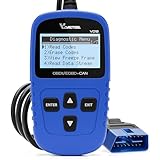
Overview: The VDIAGTOOL VD10 is a user-friendly OBD2 scanner tailored for beginners, offering plug-and-play diagnostics to read/clear codes and monitor engine health on 1996+ vehicles.
What Makes It Stand Out: It features a built-in database of 3,000+ DTC definitions displayed instantly on its TFT screen—eliminating online searches. The freeze frame retrieval and I/M readiness functions are optimized for smog-test success, while its compact size fits easily in glove compartments.
Value for Money: At ~$45, it outshines competitors with its comprehensive DTC library and smog-test focus. Though not wireless, its DIY-centric design (similar to Fixd) delivers exceptional clarity for the price, avoiding subscription traps.
Strengths and Weaknesses:
Pros: Instant DTC code explanations; smog-test readiness tracking; vivid TFT screen; freeze frame storage; lightweight and portable.
Cons: No ABS/SRS support; cable feels thin; live data lacks graphing; limited to basic systems.
Bottom Line: The top choice for novice owners wanting immediate, jargon-free diagnostics. Its smog-test readiness and code explanations make it indispensable for annual inspections at a budget-friendly cost.
5. BlueDriver Bluetooth Pro OBDII Scan Tool for iPhone & Android - No Subscription Fee - OBD2 Car Scanner and Code Reader - Diagnose Check Engine, ABS, SRS, Airbag & 7000+ Issues on Vehicles 1996+

Overview: BlueDriver redefines OBD2 scanning with a wireless Bluetooth sensor and app-based interface, enabling deep diagnostics for engine, ABS, SRS, and 7,000+ vehicle-specific issues across 1996+ models.
What Makes It Stand Out: It uniquely supports ABS/SRS/Airbag diagnostics—unheard of in sub-$100 scanners—and provides unlimited repair reports with video guides. The wireless design eliminates cable clutter, while live data streaming during drives offers real-time health monitoring via smartphone.
Value for Money: At ~$100, it’s pricier than basic tools but unmatched for comprehensive diagnostics without subscriptions. Competing pro tools cost $200+, making BlueDriver a steal for multi-system coverage and repair intelligence.
Strengths and Weaknesses:
Pros: Full ABS/SRS support; repair reports with videos; wireless convenience; extensive issue database; real-time driving analytics.
Cons: Requires smartphone; Android app lags behind iOS; no physical buttons; struggles with older car models.
Bottom Line: A game-changer for advanced DIYers. If you own a modern vehicle and want mechanic-level insights without recurring fees, this premium tool is worth every penny.
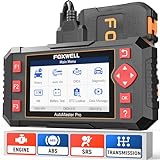
6. FOXWELL Car Scanner NT604 Elite OBD2 Scanner ABS SRS Transmission, Check Engine Code Reader for Cars and Trucks, Diagnostic Scan Tool with SRS Airbag, Automotive Diagnostic Tool with Live Data
Overview:
The FOXWELL NT604 Elite is a 2026-updated OBD2 scanner designed for car owners tackling ABS, SRS, transmission, and engine issues. Preloaded with the latest software, it works immediately upon unboxing—no downloads required—making it ideal for diagnosing warning lights without dealership visits.
What Makes It Stand Out:
This 5-in-1 tool uniquely combines OBDII, ABS, SRS, transmission, and check engine diagnostics in one device. Its AUTOVIN feature instantly retrieves vehicle data, supports 60+ global makes, and includes live data streaming, DTC libraries, and data playback. The included hard-shell case (uncommon at this price) and lifetime free updates add exceptional durability and longevity.
Value for Money:
Priced competitively against basic $50–$100 OBDII scanners, it delivers comprehensive multi-system diagnostics without recurring software fees. While it can’t reset maintenance functions, its ability to pinpoint root causes (e.g., ABS/SRS faults) saves costly misdiagnoses, justifying the investment for frequent users.
Strengths and Weaknesses:
Strengths: Intuitive out-of-box use; robust global coverage; protective case included; no hidden costs; live data and VIN lookup streamline diagnostics. Weaknesses: Lacks maintenance reset capabilities (e.g., oil light); fault codes require physical repairs before clearing; limited to diagnostics, not repairs.
Bottom Line:
A top-tier diagnostic companion for DIYers seeking reliable, multi-system insights without subscription fees. Its durability and breadth of features make it a standout value for proactive vehicle health management.
7. ANCEL AD410 Enhanced OBD2 Scanner, Vehicle Code Reader for Check Engine Light, Automotive OBD II Scanner Fault Diagnosis, OBDII Scan Tool for All OBDII Cars 1996+, Black/Yellow

Overview:
The ANCEL AD410 is a streamlined OBD2 scanner focused on engine diagnostics for 1996+ OBDII-compliant vehicles. Powered directly via the OBD port, it reads/clears fault codes, checks emissions readiness, and features a color display for accessible diagnostics—ideal for beginners and intermediates.
What Makes It Stand Out:
Its 42,000+ built-in DTC library eliminates online searches for code definitions, while EVAP and O2 sensor testing provide actionable insights for fuel efficiency. The 2.4" QVGA display and intuitive UI require zero manual navigation, and multilingual support (5 languages) broadens accessibility.
Value for Money:
At a mid-range price, it outperforms budget scanners with advanced diagnostics like EVAP leak tests—typically found in pricier tools. However, its engine-only focus (no ABS/SRS) limits versatility, making it best for users prioritizing emissions and engine health over full-system checks.
Strengths and Weaknesses:
Strengths: No batteries needed; rapid code reading/clearing; user-friendly interface; EVAP/O2 diagnostics; smog-test readiness checks. Weaknesses: Exclusively for engine systems (no ABS/SRS/transmission); limited compatibility with pre-1996 vehicles; requires physical repair before code clearing.
Bottom Line:
An excellent, no-fuss choice for engine-specific diagnostics and smog prep. While not a full-vehicle solution, its clarity and specialized features deliver strong value for targeted troubleshooting.
8. Innova 5210 OBD2 Scanner & Engine Code Reader, Battery Tester, Live Data, Oil Reset, Car Diagnostic Tool for Most Vehicles, Bluetooth Compatible with America’s Top Car Repair App

Overview:
The Innova 5210 merges OBD2 diagnostics with battery testing and oil reset capabilities. Compatible with most post-1996 vehicles, it reads ABS/engine codes, live data, and integrates with a free repair app—catering to DIYers seeking actionable fix guidance.
What Makes It Stand Out:
Its dual role as a battery/alternator tester prevents surprise breakdowns, while the RepairSolutions2 app (4M+ users) provides ASE-certified repair steps, part estimates, and oil reset functions—all subscription-free. Bluetooth connectivity enables smartphone data logging, a rarity in this tier.
Value for Money:
Priced above basic scanners, it justifies cost with app-powered verified fixes and battery diagnostics—savings from avoiding misrepairs offset the premium. The oil reset feature adds garage-level utility, though ABS coverage varies by model, slightly limiting universality.
Strengths and Weaknesses:
Strengths: Battery health monitoring; free repair app with real-world fixes; oil reset; smog-test readiness; broad vehicle coverage. Weaknesses: Inconsistent ABS support; app dependency for advanced guidance; no SRS/transmission diagnostics.
Bottom Line:
A versatile, app-enhanced tool for comprehensive maintenance. Best for users wanting repair confidence and battery insights, though ABS limitations warrant pre-purchase coverage checks.
9. OBD2 Scanner Diagnostic Tool, Check Engine Code Reader OBD2 Scanner with Reset, Mode 6, Mode 8 & I/M Readiness, Auto Check Engine Light Car Diagnostic Scan Tool for All OBDII Car Since 1996

Overview:
This compact OBD2 scanner offers extensive diagnostics for 1996+ vehicles, featuring a massive 35,901-code DTC library, live data, and printing capabilities. Designed for global use, it supports 10 languages and prioritizes affordability without sacrificing core functionality.
What Makes It Stand Out:
Its industry-leading DTC database (tripling typical scanners) ensures precise fault identification, while data printing combats repair-shop overcharging. The canvas bag and Type-C cable enhance portability, and lifetime free updates future-proof the device—uncommon in budget tools.
Value for Money:
Budget-friendly yet robust, it rivals mid-tier scanners with Mode 6/8 diagnostics and VIN retrieval. The printing feature adds tangible value for dispute resolution, though Bluetooth/app integration is absent, placing it below smart-scanner competitors.
Strengths and Weaknesses:
Strengths: Huge DTC library; multi-language support; data printing; compact design; lifetime updates. Weaknesses: No wireless connectivity; limited to OBDII (no ABS/SRS); printing requires PC connection; basic interface vs. app-based rivals.
Bottom Line:
A reliable, no-frills workhorse for code reading and data logging. Ideal for cost-conscious users needing deep diagnostics without smart features, though tech-forward buyers may prefer Bluetooth options.
10. OBD2 Scanner Reader Bluetooth Wireless Auto Diagnostic Scan Tool for iOS & Android for Performance Test Bluetooth 5.4 Car Check Engine Car Code Reader, Clear Error Code Live Data Reset Exclusive APP

Overview:
This wireless OBD2 scanner pairs with a dedicated app via Bluetooth 5.4, offering real-time performance analytics, live data charts, and repair guidance for 1996+ vehicles. Its focus on visual diagnostics makes complex data accessible to all skill levels.
What Makes It Stand Out:
Bluetooth 5.4 ensures stable, instant connections, while intuitive charts visualize sensor data (e.g., coolant temp, voltage). The app provides step-by-step repair guides, video tutorials, and smog-test readiness—transforming raw diagnostics into actionable insights without manual interpretation.
Value for Money:
Mid-priced yet feature-rich, it competes with wired scanners by eliminating cables and adding app-powered repair savings. Broad 96% vehicle compatibility and multilingual support maximize utility, though Apple users face specific connectivity steps that may frustrate novices.
Strengths and Weaknesses:
Strengths: Wireless convenience; visual data charts; comprehensive repair app; wide vehicle/language support; fast Bluetooth 5.4. Weaknesses: Requires app for full functionality; iPhone setup quirks; no physical display; fault clearing contingent on prior repairs.
Bottom Line:
A modern, app-centric solution for real-time performance tracking and DIY repairs. Highly recommended for tech-savvy users, though connectivity nuances may deter absolute beginners.
Understanding Core Value Beyond the Price Tag
When evaluating OBD2 scanners for lasting reliability, it’s crucial to move past the initial cost and assess the total cost of ownership. A slightly higher-priced unit that functions flawlessly for five years often represents far better value than a cheaper model needing replacement annually. True value encompasses the scanner’s ability to accurately read and clear codes across your specific vehicle models, its resistance to physical wear and tear, and the ongoing support structure surrounding it. Consider how often you anticipate using the tool; frequent users demand significantly more robust hardware and deeper feature sets than someone needing only occasional basic code reading. The most valuable scanners seamlessly integrate into your maintenance routine without becoming a source of frustration or doubt.
Prioritizing Build Quality and Physical Durability
The physical construction of your scanner is the first line of defense against long-term failure. Cheap plastic casings often crack under the pressure of being tossed in a glove compartment or garage drawer. Look for scanners featuring reinforced corners, rubberized bumpers, and high-impact housing materials designed to survive drops onto concrete floors – a common garage mishap. The quality of the cable and connectors is equally critical; flimsy, thin wires fray quickly, while poorly molded OBD2 plugs can break off inside your vehicle’s port. Opt for units with thick, braided cables and connectors that feel solid and secure when plugged in, ensuring reliable electrical contact session after session.
Evaluating Connector and Cable Longevity
Don’t underestimate the vulnerability of the cable and connector – they are the scanner’s lifeline to your vehicle. Repeated plugging and unplugging, especially in tight engine bays, puts immense strain on these components. Seek scanners with strain relief boots where the cable meets both the scanner body and the OBD2 connector. This reinforcement prevents internal wire breakage, a leading cause of scanner failure. Consider the connector design itself; some feature a more robust locking mechanism or a swivel head, reducing stress on the cable during use in awkward angles. A well-built cable isn’t just about current functionality; it’s about surviving hundreds of connections over many years.
Assessing Internal Component Reliability
Beyond the visible casing, the internal electronics dictate long-term performance. Scanners built with higher-grade circuit boards and components are less prone to failure from voltage spikes, temperature fluctuations, or simple wear-and-tear. While difficult to assess visually, reputation and warranty periods often signal internal quality. Units backed by longer manufacturer warranties (e.g., 2+ years) typically use more reliable components, as the manufacturer has greater confidence in their longevity. Research common failure points reported by long-term users; issues like intermittent Bluetooth connectivity or screen malfunctions often stem from subpar internal assembly or components not designed for sustained use.
Software Stability and Update Capability
A scanner is only as good as its software. The most durable hardware is rendered useless by buggy, outdated, or infrequently updated software. Consistent software stability – meaning it boots reliably, connects without constant timeouts, and processes data smoothly – is non-negotiable for long-term trust. Crucially, the scanner must receive regular, free firmware updates from the manufacturer. Vehicle manufacturers constantly refine their diagnostic protocols; without updates, even the best scanner will eventually fail to communicate with newer model years or interpret new types of fault codes correctly. Verify the manufacturer’s track record for timely updates and their commitment to supporting older hardware models.
Frequency and Accessibility of Firmware Updates
Don’t just assume updates are available; investigate how often they actually occur and how easy they are to install. The best value scanners receive updates quarterly or even monthly, addressing compatibility issues with the latest vehicles rolling off the lot. Equally important is the update process: is it a simple one-click operation via USB or wireless connection, or is it a cumbersome, technical nightmare requiring specific software on a computer? Scanners with seamless, over-the-air (OTA) update capabilities via Bluetooth or WiFi offer the most hassle-free long-term experience, ensuring your tool stays current with minimal effort on your part.
Compatibility with Evolving Vehicle Protocols
Modern vehicles utilize a complex mix of communication protocols (like CAN, ISO, KWP2000). A scanner built for longevity must support all current and legacy protocols used across a wide range of makes, models, and model years – typically from 1996 (OBD-II standardization) to the present day. Verify explicit support for the specific protocols required by your current and potential future vehicles. Scanners that only support the most common modern protocols (like CAN) will become obsolete faster, especially if you own older classics or drive multiple vehicles. Future-proofing your investment requires comprehensive protocol coverage out of the box, sustained by those critical firmware updates.
User Interface Design for Long-Term Usability
A confusing or poorly designed interface leads to frustration and errors, making even a physically durable scanner feel unreliable over time. Prioritize scanners with intuitive menus, clear labeling, logical navigation, and responsive controls (whether physical buttons or touchscreen). Consider the learning curve; a tool you struggle to use consistently is less likely to be used effectively. Long-term value is enhanced by an interface that remains easy to navigate even after months of non-use. Look for customizable screens or the ability to save frequently accessed functions, streamlining your workflow and reducing the chance of misinterpretation during critical diagnostics.
Critical Diagnostic Capabilities for Trustworthy Results
Accurate and comprehensive diagnostics are the core function. A scanner that misreads codes or provides incomplete data is worse than useless – it can lead to incorrect repairs and wasted money. Ensure the scanner reliably reads and clears all types of diagnostic trouble codes (DTCs), including generic Powertrain (P-codes), Body (B-codes), Chassis (C-codes), and Network (U-codes). Basic code readers often miss manufacturer-specific codes, which are essential for accurate diagnosis on many vehicles. For true long-term value, especially if you perform any maintenance beyond simple code clearing, live data streaming capability is vital. This allows you to monitor real-time sensor readings and system performance, crucial for verifying repairs and diagnosing intermittent issues.
Live Data Streaming Depth and Reliability
Not all live data is created equal. Superficial access to a handful of parameters offers limited value. Scanners built for long-term reliability provide deep access to a wide array of PIDs (Parameter IDs), allowing you to monitor critical engine functions like fuel trims, oxygen sensor voltages, throttle position, coolant temperature trends, and more. Crucially, the data must refresh smoothly and accurately; laggy or erratic readings undermine confidence in the tool. Testimonials or reviews mentioning consistent, real-time data flow are strong indicators of a scanner’s underlying software and hardware stability, directly contributing to its multi-year usefulness for thorough diagnostics.
Actuation Tests and Advanced Functionality
For users tackling more complex diagnostics or component verification, the ability to perform actuation tests (e.g., turning on the fuel pump, cycling solenoids, or operating the purge valve) adds significant long-term utility. While not essential for everyone, scanners offering these features reliably provide greater versatility as your skills or needs evolve. Similarly, features like graphing live data for trend analysis or storing scan data for later review enhance the tool’s value for ongoing vehicle health monitoring. Ensure these advanced functions are well-documented and consistently functional, not just listed as features that rarely work as intended.
Code Definition Clarity and Diagnostic Guidance
A scanner that spits out a cryptic code like “P0171” without explanation is of limited use. Long-term value is significantly boosted by scanners that provide clear, accurate definitions of fault codes, often including potential causes and common fixes. The best tools go further, offering basic troubleshooting steps or highlighting related live data parameters to check. This built-in guidance reduces reliance on external sources, speeds up diagnosis, and builds user confidence – especially important for infrequent users who need a refresher each time. Verify that the code definitions are comprehensive and vehicle-specific where necessary.
Connectivity Options and Real-World Reliability
How your scanner connects to your vehicle (and potentially your phone/tablet) impacts daily usability and longevity. Wired USB scanners offer the most direct, interference-free connection but tether you to the OBD2 port. Bluetooth scanners provide welcome freedom of movement but introduce potential points of failure: pairing issues, signal dropouts in electrically noisy engine bays, or battery drain on your mobile device. WiFi scanners offer faster data transfer but can be more complex to set up. Evaluate which connectivity method aligns best with your workflow and environment. Crucially, assess real-world reliability reports; a Bluetooth scanner that constantly disconnects is less valuable than a slightly less convenient but rock-solid wired unit.
Wireless Range and Signal Stability
For Bluetooth or WiFi scanners, effective range and signal penetration are critical for usability. You need reliable connectivity not just right next to the port, but also when standing at the driver’s seat to observe dash lights or under the hood to listen for actuator sounds. Look for scanners specifically noted for strong signal stability within the typical confines of a vehicle cabin and engine bay. Weak or intermittent wireless connections lead to aborted scans, corrupted data, and immense frustration, directly undermining the tool’s perceived reliability and long-term value. Reviews mentioning consistent wireless performance in various vehicle types are invaluable indicators.
Mobile App Integration and Dependence
Many modern scanners rely heavily on companion smartphone or tablet apps. While apps can offer superior displays and data logging, consider the implications for longevity. Is the scanner only usable with the app, or does it have a functional standalone screen? If app-dependent, how stable and frequently updated is the app itself? App stores are littered with tools abandoned by developers; if the app stops working with new phone OS updates, your expensive scanner becomes a paperweight. Prioritize scanners with either robust standalone functionality or a proven track record of the manufacturer actively maintaining and updating their mobile application for years.
Support Infrastructure and Community Resources
Manufacturer support is a cornerstone of long-term scanner reliability. What happens when you encounter a problem months or years down the line? Investigate the reputation and responsiveness of the company’s customer service. Are they accessible via multiple channels (email, phone, chat)? Do they have a history of helping users with genuine issues, even on older models? A comprehensive, well-organized online knowledge base, detailed user manuals, and active video tutorials significantly enhance the tool’s usability and lifespan, reducing the need for direct support but making it more effective when required.
Warranty Coverage and Real-World Claims
The warranty period is a tangible indicator of the manufacturer’s confidence in their product’s durability. While one year is standard, scanners backed by 2, 3, or even lifetime warranties often signal superior build quality and component selection. However, the ease of making a warranty claim is equally important. Research user experiences – does the company honor claims promptly for legitimate hardware failures, or do they employ restrictive terms and lengthy processes? A long warranty that’s difficult to utilize offers little practical value. Look for evidence of hassle-free replacements or repairs when defects emerge.
Active User Community and Third-Party Resources
A thriving user community is an invaluable, often overlooked, asset for long-term scanner viability. Forums, dedicated Facebook groups, or Reddit communities where experienced users share tips, troubleshoot issues, and develop workarounds can extend your scanner’s useful life far beyond official support. These communities often provide solutions for quirks or limitations not covered in manuals and can be a goldmine for discovering advanced uses. Scanners with large, active user bases generally indicate a reliable product and provide an extra layer of support that manufacturer channels alone cannot match.
Making the Smart Long-Term Investment Decision
Choosing an OBD2 scanner for reliable, long-term use requires shifting focus from the lowest upfront cost to the highest sustained value. Carefully weigh the build quality indicators, the certainty of ongoing software support, the depth and accuracy of diagnostic capabilities, and the strength of the manufacturer’s commitment to their product. Read reviews critically, prioritizing long-term user experiences (6+ months) over initial impressions. Consider your specific vehicle(s), usage frequency, and technical comfort level. The scanner that perfectly balances robust construction, essential features, and proven longevity for your needs is the one that will deliver genuine value, becoming a trusted partner in your vehicle’s maintenance journey for many miles to come.
Frequently Asked Questions
How can I tell if a scanner has genuinely good build quality before buying?
Look for detailed product photos/videos showing the materials (rubberized grips, metal components?), cable thickness, and connector strain relief. Read reviews specifically mentioning durability after months of use, drops, or garage storage. Longer warranty periods often correlate with better build quality.
Are Bluetooth scanners reliable enough for long-term use compared to wired ones?
Yes, many modern Bluetooth scanners are very reliable, but signal stability varies. Check reviews for mentions of consistent connectivity within the vehicle cabin without dropouts. Ensure the scanner has its own battery (not reliant on the car’s port) for stable connection. Wired remains the most universally stable option.
Why are firmware updates so critical for a scanner’s lifespan?
Vehicle manufacturers constantly update diagnostic protocols. Without firmware updates, your scanner will eventually fail to communicate with newer cars or misinterpret new fault codes, rendering it obsolete even if the hardware is fine. Regular free updates are essential for multi-year relevance.
Do I really need live data streaming for basic maintenance?
For simply reading and clearing check engine lights, basic code reading might suffice. However, live data is crucial for verifying why a light came on, confirming a repair fixed the issue, and diagnosing intermittent problems. It significantly increases the scanner’s long-term utility and diagnostic accuracy.
Can a cheap scanner under $30 last several years?
It’s highly unlikely. Scanners in this range typically use very low-grade components, lack robust build quality, and rarely receive meaningful firmware updates. They often fail within a year or become incompatible with newer vehicles, making them a false economy for long-term needs.
What’s the biggest indicator a scanner will become obsolete quickly?
Lack of a clear, recent history of free firmware updates from the manufacturer. If a scanner hasn’t received updates in over a year, especially as new model year vehicles are released, it’s a strong sign it won’t stay compatible with your car long-term.
Is a color screen important for reliability?
The screen type itself (color vs. monochrome) doesn’t directly impact hardware reliability. However, a clear, readable screen (adequate size, brightness, resolution) is crucial for usability over time. A screen that’s hard to read leads to user error and frustration, diminishing the tool’s perceived value.
How important is compatibility with my specific car brand?
Extremely important. While OBD2 is a standard, manufacturers use unique protocols and codes beyond basic Powertrain. Ensure the scanner explicitly lists compatibility with your vehicle’s make and model year range, particularly for accessing manufacturer-specific codes and systems (like ABS or airbags if needed).
Should I prioritize a scanner with a built-in screen or rely solely on a phone app?
A built-in screen offers independence from your phone, works in areas with poor signal, and often provides more reliable core functionality. App-dependent scanners risk obsolescence if the app stops being updated. For true long-term reliability, a unit with a functional standalone screen is generally the safer bet.
What’s the most common reason long-term scanner users replace their tool?
The most frequent reason isn’t hardware failure, but software obsolescence – the scanner stops receiving updates and can no longer communicate properly with newer vehicles the user acquires, or fails to interpret newer fault codes correctly on their existing car. Consistent firmware support is paramount.
See Also
- How to Choose the 10 Best OBD2 Code Readers for Long-Term Use in 2026
- 10 Best Value OBD2 Scanners for Reliable Performance in 2026
- 10 Best Value OBD2 Code Readers for Reliable Daily Use in 2026
- 10 Best Value OBD2 Scanners for Reliable Vehicle Insights in 2026
- 10 Best Value OBD2 Scanners for Reliable Diagnostics in 2026