Table of Contents
Choosing the right oil filter might seem like a minor detail in the grand scheme of vehicle maintenance, especially when you’re investing in premium synthetic motor oil. But here’s the hard truth: even the most advanced synthetic oil can’t perform optimally if trapped behind a subpar filter. Many drivers assume all filters are created equal or that the cheapest option at the auto parts store is “good enough,” not realizing they’re potentially sabotaging their engine’s protection and the very investment they made in high-quality oil. Synthetic oils are engineered for longevity and superior performance under extreme conditions, yet they can become contaminated just as quickly as conventional oils if the filtration system isn’t up to the task. Neglecting this critical component can lead to accelerated wear, reduced fuel efficiency, and ultimately, expensive repairs that far outweigh the pennies saved on a bargain-bin filter.
Understanding what constitutes true “value” in an oil filter for synthetic oil users is essential. Value isn’t merely about the lowest sticker price; it’s about the long-term cost per mile of reliable engine protection. A slightly more expensive filter that effectively captures harmful contaminants, maintains flow under all conditions, and lasts the full recommended interval delivers far greater value than a cheap filter that clogs prematurely, bypasses too early, or fails to trap the microscopic wear particles that synthetic oils are designed to keep suspended. For drivers committed to using synthetic oil – whether for extended drain intervals, extreme temperature performance, or maximizing engine life – selecting a filter that complements these goals is non-negotiable. It’s the unsung hero ensuring your synthetic oil delivers on its promises, mile after mile.
Top 10 Oil Filters for Synthetic Oil
Detailed Product Reviews
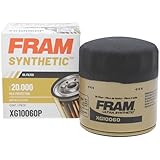
1. FRAM Synthetic XG10060P 20K Mile Change Automotive Replacement Engine Oil Filter for Synthetic Oil Changes, Premium Vehicle Engine Protection Oil Filter for Select Vehicle Model Years
Overview:
The FRAM Synthetic XG10060P is engineered for drivers using full synthetic oil, promising extended 20,000-mile protection for both newer and older engines. It targets cost-conscious consumers seeking to maximize their synthetic oil investment without frequent filter changes.
What Makes It Stand Out:
Its dual-layer synthetic media delivers exceptional contaminant capture, while the silicone non-drain back valve ensures robust hot-oil resistance (3X standard filters) for critical startup protection. The SureGrip exterior eliminates slippage during messy DIY installations, a standout for home mechanics.
Value for Money:
Priced competitively against mid-tier filters, it justifies its cost through longevity—reducing annual filter purchases by half compared to conventional 10K-mile options. While pricier than basic filters, the 20K-mile capability offers tangible savings for synthetic oil users.
Strengths and Weaknesses:
Strengths: Reliable 20K-mile performance with synthetic oil; easy SureGrip installation; superior startup protection via silicone valve; broad engine compatibility. Weaknesses: Mileage claims assume ideal driving conditions; not recommended for severe-duty use (towing/extreme climates); slight premium over standard FRAM filters.
Bottom Line:
A smart buy for routine drivers using synthetic oil, balancing longevity, protection, and DIY-friendly design. Opt for this if your vehicle’s maintenance schedule aligns with 20K-mile intervals and you prioritize hassle-free changes.
2. FRAM Synthetic XG9688P 20K Mile Change Automotive Replacement Engine Oil Filter for Synthetic Oil Changes, Premium Vehicle Engine Protection Oil Filter for Select Vehicle Model Years

Overview:
The FRAM Synthetic XG9688P (marketed as “Ultra Synthetic”) delivers 20,000-mile protection for synthetic oil users, emphasizing durability for high-mileage drivers. It’s tailored for DIYers needing reliable, long-interval filtration without compromising engine safety.
What Makes It Stand Out:
Boasting 99%+ filtration efficiency via pleated dual-layer media, it traps microscopic debris better than standard filters. The silicone anti-drainback valve and high-nitrile gasket provide exceptional heat resistance, while SureGrip ensures secure handling during oil changes.
Value for Money:
Though priced slightly above economy filters, its 20K-mile lifespan cuts long-term costs by reducing replacement frequency. It outperforms cheaper alternatives in durability and filtration, making it cost-effective for drivers who log heavy annual mileage.
Strengths and Weaknesses:
Strengths: Industry-leading 99%+ filtration; robust heat-resistant construction; easy SureGrip installation; proven 20K-mile reliability for highway driving. Weaknesses: Limited real-world mileage in stop-and-go traffic; “Ultra” branding may overpromise for older engines; gasket durability unverified beyond 20K miles.
Bottom Line:
Ideal for highway commuters seeking dependable, long-life filtration. Choose this if you prioritize consistent protection between oil changes and value DIY-friendly features over ultra-premium pricing.
3. FRAM Synthetic XG4967P 20K Mile Change Automotive Replacement Engine Oil Filter for Synthetic Oil Changes, Premium Vehicle Engine Protection Oil Filter for Select Vehicle Model Years

Overview:
This FRAM Synthetic XG4967P offers extended 20,000-mile service life for synthetic oil users, focusing on engine protection across diverse vehicle ages. It’s a practical solution for owners wanting to simplify maintenance without sacrificing performance.
What Makes It Stand Out:
The dual-layer synthetic media provides comprehensive contaminant defense, paired with a silicone non-drain back valve that triples hot-oil resistance for smooth cold starts. SureGrip technology remains a key differentiator, preventing slips during installation—a boon for novice mechanics.
Value for Money:
Competitively priced for its tier, it delivers excellent value by halving filter replacement needs versus 10K-mile options. While not the cheapest, its longevity offsets the initial cost, especially for drivers adhering strictly to synthetic oil schedules.
Strengths and Weaknesses:
Strengths: Effective dual-media filtration; reliable startup protection; user-friendly SureGrip surface; versatile compatibility. Weaknesses: 20K-mile claim applies only under optimal conditions; lacks advanced features like reinforced poppets; minimal edge over identical FRAM models (e.g., XG10060P).
Bottom Line:
A solid, no-frills choice for standard synthetic oil changes. Recommend for budget-aware drivers whose vehicles match FRAM’s specifications, though model parity with #1 warrants cross-shopping.
4. FRAM Synthetic Automotive Replacement Oil Filter, Designed for Synthetic Oil Changes Lasting up to 20k Miles, XG6607P with SureGrip (Pack of 1)

Overview:
The FRAM Synthetic XG6607P is a single-unit oil filter designed for 20K-mile synthetic oil intervals, emphasizing ease of use and durability. It caters to DIY enthusiasts seeking reliable, long-life protection without complex installations.
What Makes It Stand Out:
Beyond standard dual-layer media (99%+ efficiency), it features a precision coil spring with glass-fiber-reinforced nylon poppet for consistent pressure management. The high-nitrile gasket and silicone anti-drainback valve enhance heat resistance—critical for sustained high-mileage performance.
Value for Money:
As a standalone purchase, it’s slightly costlier per unit than multipacks but justifies pricing through specialized engineering. The added poppet mechanism offers marginal longevity gains over basic 20K filters, appealing to detail-oriented users.
Strengths and Weaknesses:
Strengths: Enhanced poppet design for pressure stability; excellent SureGrip handling; strong heat tolerance; compact single-pack convenience. Weaknesses: Premium pricing for minor technical upgrades; no multipack discount; filtration specs mirror less expensive FRAM models.
Bottom Line:
Worth considering if you prioritize incremental engineering refinements and need a single filter. Otherwise, identical models in bulk packs offer better value for fleet maintenance.
5. FRAM Ultra Synthetic Automotive Replacement Oil Filter, Designed for Synthetic Oil Changes Lasting up to 20k Miles, XG10575 with SureGrip (Pack of 1)

Overview:
The FRAM Ultra Synthetic XG10575 targets drivers committed to synthetic oil, promising 20,000-mile protection with premium durability. It’s positioned as a top-tier solution for those prioritizing engine longevity and consistent performance.
What Makes It Stand Out:
Combining 99%+ filtration efficiency with a reinforced silicone anti-drainback valve, it excels in extreme heat resistance (3X standard filters). The high-nitrile gasket and SureGrip surface ensure leak-proof installation and user safety during changes.
Value for Money:
Priced at the upper mid-range, it competes well against pricier brands by delivering comparable protection at lower cost. The 20K-mile interval reduces annual expenses, though severe-duty drivers may still require more frequent changes.
Strengths and Weaknesses:
Strengths: Superior heat and pressure resilience; reliable long-interval performance; effortless DIY installation; broad vehicle compatibility. Weaknesses: “Ultra” label may mislead—performance nears premium filters but doesn’t surpass them; single-pack pricing inflates cost per unit.
Bottom Line:
A dependable premium pick for highway-focused drivers using synthetic oil. Opt for this if you value proven mileage claims and ease of use, but verify vehicle compatibility to avoid fitment issues.
6. FRAM Ultra Synthetic XG11665 20K Mile Change Automotive Replacement Engine Oil Filter for Synthetic Oil Changes, Premium Vehicle Engine Protection Oil Filter for Select Vehicle Model Years

Overview: The FRAM Ultra Synthetic XG11665 is a premium oil filter engineered specifically for vehicles using full synthetic oil, targeting drivers seeking extended protection intervals up to 20,000 miles for select newer and older engines. What Makes It Stand Out: Its standout feature is the Ultimate Dual-Layer Synthetic Media, designed to handle all oil types while delivering the claimed 20K-mile protection. The silicone non-drain back valve is a significant differentiator, offering superior hot oil resistance (up to 3X) for critical start-up engine protection, minimizing dry starts. Value for Money: Positioned as a premium filter, its price aligns with extended oil change intervals using costly synthetic oil. While slightly pricier than standard filters, the potential for fewer changes and enhanced engine longevity justifies the cost for synthetic oil users, outperforming basic alternatives in longevity claims. Strengths and Weaknesses: Strengths: Excellent start-up protection via silicone valve; Dual-layer media for extended life; SureGrip feature simplifies installation; Optimized for synthetic oil benefits. Weaknesses: 20K-mile claim is highly dependent on driving conditions and vehicle; Specific vehicle/year compatibility limits universal use; Premium price point. Bottom Line: A strong choice for owners of compatible vehicles using full synthetic oil who prioritize maximum engine protection and extended intervals; verify fitment carefully before purchase.
7. WIX 57060XP WIX XP Oil Filter Replacement, Built for Synthetic Oil - Compatible With Various Buick, Chevrolet, GM, Hummer, Saturn, Saab, Dodge, Chrysler, Jeep (07-15)

Overview: The WIX 57060XP XP filter is a high-performance option designed for synthetic oil users in specific GM, Chrysler, and related brand vehicles (2007-2015), emphasizing severe-condition protection and extended drain intervals. What Makes It Stand Out: It features advanced synthetic-blended media with natural fibers (no wire backing), achieving 99% efficiency at 23 microns for superior contaminant capture. Engineered specifically for synthetic oil’s demands in severe conditions like towing or heavy traffic, it supports up to 20,000-mile changes while ensuring precise fitment for its target vehicles. Value for Money: Offering OE-plus filtration efficiency at a competitive premium filter price, it delivers excellent value by potentially maximizing synthetic oil life and protecting expensive modern engines. It’s cost-effective compared to potential engine repairs from inadequate filtration. Strengths and Weaknesses: Strengths: Exceptional 23-micron filtration efficiency; Wire-backing eliminated for better flow; Ideal for severe driving; Perfect fit for listed GM/Chrysler models; Supports 20K-mile intervals. Weaknesses: Strict vehicle compatibility requires verification; Premium cost over standard filters; 20K-mile claim is conditional on driving habits. Bottom Line: Highly recommended for owners of compatible GM, Chrysler, and related vehicles using synthetic oil who demand top-tier filtration and extended change intervals; always confirm fitment first.
8. WIX 57356XP WIX XP Oil Filter Replacement, Built for Synthetic Oil - Compatible With Acura, Honda (01-18), Hyundai (07-09), Mazda (10-11), Infiniti, Nissan (96-18)

Overview: Targeting popular Japanese and Korean imports (Acura, Honda, Nissan, etc., from 1996-2018), the WIX 57356XP XP filter delivers high-performance filtration specifically for synthetic oil users in these makes, promising protection up to 20,000 miles. What Makes It Stand Out: Leveraging WIX’s XP technology, it uses next-gen synthetic-blended media without wire backing, achieving 99% efficiency at capturing particles as small as 23 microns. This is crucial for modern engines, especially under severe conditions like stop-and-go traffic, while supporting extended synthetic oil drain intervals. Value for Money: Given the high cost of engines in these reliable vehicles, the filter’s premium price is justified by its superior contaminant capture and potential to extend expensive synthetic oil life. It offers better long-term value than cheaper filters risking inadequate protection. Strengths and Weaknesses: Strengths: Outstanding 23-micron filtration; Wire-backing eliminated for optimal flow; Tailored fit for listed Asian imports; Excellent for severe/synthetic oil use; Supports 20K-mile intervals. Weaknesses: Compatibility is very specific (verify model/year); Premium price; Real-world 20K-mile intervals depend heavily on driving style. Bottom Line: An excellent investment for owners of compatible Acura, Honda, Nissan, and related vehicles using synthetic oil, providing top-tier engine protection; mandatory fitment verification is essential.
9. FRAM Synthetic XG3614P 20K Mile Change Automotive Replacement Engine Oil Filter for Synthetic Oil Changes, Premium Vehicle Engine Protection Oil Filter for Select Vehicle Model Years
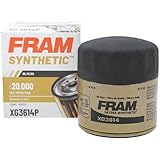
Overview: The FRAM Synthetic XG3614P is a high-mileage oil filter designed to maximize the benefits of full synthetic oil in compatible vehicles, offering engine protection claims extending up to 20,000 miles for both newer and older engines. What Makes It Stand Out: Its core innovation is the Ultimate Dual-Layer Synthetic Media, engineered to provide the extended 20K-mile protection interval while handling all oil types. The reinforced silicone non-drain back valve is key, delivering up to 3X the hot oil resistance for significantly improved lubrication during critical cold starts. Value for Money: While priced above standard filters, its value lies in potentially reducing the number of oil changes needed when paired with synthetic oil, offsetting the initial cost. It provides robust protection that can help avoid costly engine wear, making it cost-effective for diligent synthetic oil users. Strengths and Weaknesses: Strengths: Dual-layer media for long life; Superior silicone valve for start-up protection; SureGrip texture eases installation; Optimized for synthetic oil performance; Good value for extended intervals. Weaknesses: 20K-mile claim is optimistic for most real-world conditions; Vehicle compatibility is selective; Premium cost vs. conventional filters. Bottom Line: A reliable option for owners of compatible vehicles using full synthetic oil who want extended change intervals and enhanced start-up protection; ensure your vehicle model is supported.
10. WIX 51348XP WIX XP Oil Filter Replacement, Built for Synthetic Oil - Compatible With Various Chrysler/Dodge/Jeep, GM, Saturn Lexus, Saab, Suzuki, Toyota, Ford, Lincoln, Mercury, Land Rover, Mazda, VW

Overview: The WIX 51348XP XP filter is a versatile high-performance option built for synthetic oil in a wide range of domestic, Asian, and European vehicles (including Chrysler, GM, Toyota, Ford, VW), promising extended protection up to 20,000 miles. What Makes It Stand Out: It boasts advanced synthetic-blended media with natural fibers (no wire backing), achieving 99% efficiency at 23 microns for exceptional contaminant removal. Designed explicitly for synthetic oil’s demands in severe conditions, it ensures precise fitment across a broad vehicle spectrum while supporting extended drain intervals. Value for Money: Its broad compatibility and premium filtration offer strong value. The ability to potentially maximize synthetic oil life across many brands justifies the price, providing superior engine protection compared to standard filters without excessive cost for such wide applicability. Strengths and Weaknesses: Strengths: Very wide vehicle compatibility; Excellent 23-micron filtration; Wire-backing eliminated; Ideal for severe driving/synthetic oil; Supports 20K-mile intervals; Easy installation. Weaknesses: Must verify exact fit for your vehicle; Premium price; 20K-mile interval is manufacturer’s best-case scenario. Bottom Line: A top recommendation for synthetic oil users across numerous brands seeking a single, high-quality filter offering superior filtration and extended interval potential; always double-check compatibility for your specific model.
Understanding Synthetic Oil and Its Filtration Demands
Why Synthetic Oil Changes the Filtration Game
Synthetic motor oils operate differently than conventional oils. They maintain viscosity more consistently across a wider temperature range, resist thermal breakdown better, and often contain advanced additive packages designed for longevity. This means they can stay effective for significantly longer drain intervals. However, this also places unique demands on the oil filter. Unlike conventional oil, which can thicken and gel as it degrades, synthetic oil tends to stay fluid, potentially allowing smaller, more abrasive contaminants to circulate longer if not effectively captured. The filter must handle a higher concentration of contaminants accumulated over extended periods without restricting oil flow.
Extended Drain Intervals: The Filter’s Crucial Role
One of the primary reasons drivers choose synthetic oil is to extend the time between oil changes. But this benefit vanishes if the filter isn’t designed to last the full interval. A filter that reaches its contaminant-holding capacity too soon will either force oil through bypass (unclean oil circulating) or restrict flow, starving the engine of lubrication. Filters suitable for synthetic oil use must possess significantly higher dirt-holding capacity and robust construction to withstand the full duration of extended oil change schedules recommended by vehicle manufacturers or oil producers.
Contaminant Types Synthetic Oils Carry
While synthetic oils resist sludge formation better, they still suspend wear metals (iron, copper, aluminum from engine components), soot (especially in diesels or turbocharged gasoline engines), dust that gets past the air filter, and combustion byproducts. Crucially, synthetic oils often keep smaller particles suspended longer. A high-quality filter must capture these fine particles – often down to 20 microns or less – without becoming clogged prematurely. The filter media and design must be optimized for this specific contaminant profile over longer durations.
Defining True Value in an Oil Filter
Beyond the Price Tag: The Cost Per Mile Calculation
True value requires looking past the initial purchase price. Divide the filter’s cost by the number of miles it reliably protects your engine (aligned with your synthetic oil’s drain interval). A $7 filter changed every 5,000 miles costs $0.0014 per mile. A $12 filter lasting 10,000 miles costs only $0.0012 per mile – cheaper protection long-term. Factor in the potential cost of engine damage from inadequate filtration (thousands of dollars), and the value equation shifts dramatically towards the higher-capacity, longer-lasting filter. Value is measured in reliable protection per dollar spent over time.
Reliability and Consistency: Non-Negotiables
A filter might be cheap, but if its performance varies wildly from batch to batch, or if it fails catastrophically (like a ruptured gasket or broken anti-drainback valve), it offers zero value. Consistent manufacturing quality, adherence to industry standards (like SAE or ISO certifications), and proven reliability in real-world testing are fundamental aspects of value. You need absolute confidence that every filter you install performs exactly as expected, mile after mile, regardless of temperature or driving conditions.
Warranty and Manufacturer Backing
Reputable filter manufacturers stand behind their products with strong warranties. This isn’t just about replacing a faulty filter; it’s a signal of confidence in their engineering and quality control. A comprehensive warranty covering engine damage potentially caused by filter failure (though rare with quality filters) adds significant value and peace of mind. It demonstrates the manufacturer’s commitment to your engine’s safety, reinforcing the filter’s overall value proposition.
Critical Features to Evaluate for Synthetic Oil Use
Micron Rating and Efficiency: Capturing the Invisible
The micron rating indicates the smallest particle size a filter can capture with a certain efficiency (e.g., 20 microns at 98% efficiency). For synthetic oil users, especially with extended drains, look for filters rated to capture particles down to 20-25 microns at high efficiency (95%+). Don’t be fooled by nominal micron ratings; demand absolute or beta ratio ratings (like Beta 20≥75, meaning 75% efficient at 20 microns) for a true picture of contaminant capture capability. This is vital for trapping the fine wear particles synthetics keep suspended.
Dirt Holding Capacity: Endurance for Extended Drains
This is arguably the most critical feature for synthetic oil value. Measured in grams, it indicates how much contaminant the filter media can hold before restricting flow or forcing bypass. Filters designed for synthetic oil use and extended intervals feature significantly higher capacity – often 30-50% more than standard filters. Look for manufacturer specifications; higher capacity directly translates to the filter lasting the full oil change interval without performance degradation, maximizing your synthetic oil investment.
Bypass Valve Pressure: Avoiding Oil Starvation
The bypass valve opens when the filter is clogged or the oil is too thick (cold start), allowing unfiltered oil to reach the engine to prevent catastrophic failure. However, the pressure at which it opens is crucial. A valve set too low might bypass prematurely, circulating dirty oil unnecessarily. One set too high risks engine damage during cold starts or if the filter clogs. Optimal bypass pressure (typically 8-15 PSI for passenger vehicles) ensures protection during cold starts while allowing the filter to do its job fully under normal operating conditions. Consistency in valve opening pressure matters.
Anti-Drainback Valve Quality: Instant Protection at Startup
This valve (usually a rubber or silicone flap) prevents oil from draining out of the filter and back into the oil pan when the engine is off. A high-quality, durable anti-drainback valve ensures oil is immediately available to critical engine components upon startup, reducing harmful dry-start wear – a leading cause of engine wear. Cheap valves can harden, crack, or fail to seal properly over time, especially with synthetic oils that may have different chemical compatibilities. Look for robust materials and design.
Gasket Integrity and Seal Design
The rubber gasket creates the seal between the filter and the engine block. It must withstand high temperatures, pressure fluctuations, and exposure to various oil types without degrading, hardening, or leaking. A premium gasket made from high-quality, oil-resistant rubber (like nitrile) ensures a leak-free seal for the life of the filter. Poor gaskets lead to messy, expensive oil leaks and potential engine damage from low oil levels. The seal design should also prevent “blow-off” under high pressure.
Canister Strength and Construction
The metal canister must resist denting during handling and installation, and crucially, withstand high oil pressure without rupturing. Thin, flimsy cans can deform, potentially collapsing the filter media or causing leaks. Look for robust construction with adequate wall thickness. Weld integrity where the canister meets the base plate is also vital – a weak weld is a failure point. Durability here ensures the filter performs reliably under all operating stresses.
Navigating Compatibility and Specifications
Matching Filter to Your Vehicle’s Requirements
Never assume a filter fits just because the thread size is close. Consult your vehicle owner’s manual or a reliable application guide for the exact filter specification recommended by the manufacturer. Using an incorrect filter can lead to improper fitment (leaks, inability to seal), incorrect flow rates, or insufficient capacity for your engine’s needs. Vehicle-specific filters are engineered to meet the precise flow, capacity, and dimensional requirements of your oiling system.
Understanding OEM vs. Aftermarket Standards
Original Equipment Manufacturer (OEM) filters meet the specific criteria set by your car company. Many premium aftermarket filters are engineered to meet or exceed these OEM specifications. Look for filters that explicitly state compliance with OEM specifications (e.g., “Meets or Exceeds Ford WSS-M2C157-A1”) or relevant industry standards (like SAE HS-389, ISO 4548). This ensures the filter is designed for the performance demands of your specific engine, especially critical when using synthetic oil.
Decoding Filter Specifications and Labels
Don’t be intimidated by technical jargon on the box. Key specs to look for include:
- Absolute Micron Rating / Beta Ratio: Indicates filtration efficiency (e.g., Beta 20 = 75).
- Dirt Holding Capacity: Listed in grams (higher is better for synthetics/extended drains).
- Bypass Valve Opening Pressure: Usually in PSI (e.g., 12 PSI).
- Flow Rate: Should match engine requirements (often implied by correct application).
- Certifications: Look for SAE, ISO, or specific OEM approvals. Understanding these specs moves you beyond marketing hype to informed value assessment.
The Value of Proper Installation and Maintenance
Correct Torque: Preventing Leaks and Damage
Overtightening is a common mistake that can crush the gasket, distort the canister, or even damage the filter mounting boss on the engine, leading to leaks or difficult removal next time. Undertightening causes immediate leaks. Always follow the manufacturer’s specified torque (usually 15-25 ft-lbs for passenger cars) or the “hand-tight plus one full turn” rule commonly recommended. Using a new gasket (always included with a new filter) and applying a light coat of clean oil to the gasket surface ensures a proper seal without binding.
The Imperative of Regular Changes
Even the highest-capacity filter has limits. Sticking rigidly to the oil change interval recommended for your synthetic oil (which may be longer than conventional, but is still finite) is essential. Pushing intervals beyond the oil’s or filter’s capability negates any value proposition. The filter becomes saturated, bypassing occurs, and contaminated oil circulates, accelerating wear. Value is realized by changing both oil and filter on schedule.
Checking for Leaks After Installation
After installing a new filter and adding oil, start the engine and let it run for a minute. Carefully inspect the filter and drain plug area for any signs of leakage. Catching a minor leak immediately prevents messy spills, low oil levels, and potential engine damage. It’s a quick, crucial step that protects your investment in both the oil and the filter.
Debunking Common Oil Filter Myths
Myth: “Synthetic Oil Doesn’t Need Special Filters”
This is dangerously incorrect. While synthetic oil doesn’t chemically require a different filter, its use for extended drain intervals operationally demands a filter with higher capacity and sustained efficiency. Standard filters designed for conventional oil’s shorter intervals simply aren’t engineered to handle the contaminant load over 7,500, 10,000, or 15,000 miles. Using a standard filter with synthetic oil negates the extended drain benefit and risks engine wear.
Myth: “More Media = Better Filtration”
While adequate media is necessary for capacity, simply packing more media into a canister isn’t a guarantee of superior performance. Poorly arranged media can create channeling (oil finding paths of least resistance, bypassing filtration) or excessive flow restriction. The quality of the media (pleat count, depth, material), the engineering of the flow path, and the overall design are far more important than sheer volume. A well-engineered filter with slightly less media can outperform a poorly designed “high capacity” filter.
Myth: “Cheap Filters Are Fine for Older Cars”
Engine wear is incremental and cumulative, regardless of vehicle age. An older engine often produces more wear metals and contaminants. Using a subpar filter accelerates this wear, potentially shortening the engine’s remaining lifespan significantly. Protecting an older engine with reliable filtration is arguably more critical for maintaining its usability and value. Value isn’t about the car’s age; it’s about preserving what you have.
Frequently Asked Questions
Frequently Asked Questions
Is there really a difference between oil filters for synthetic and conventional oil? The oil itself doesn’t chemically interact differently with the filter media. The key difference lies in the usage. Synthetic oil enables longer drain intervals, so the filter must have significantly higher dirt-holding capacity and maintain efficiency over that extended period to prevent bypassing dirty oil. A filter designed for conventional oil’s shorter intervals often lacks this capacity.
How do I know if a filter has enough dirt-holding capacity for synthetic oil? Check the manufacturer’s specifications for “Dirt Holding Capacity” measured in grams. Filters marketed for extended drain intervals or synthetic oil use will typically list a capacity 30-50% higher than standard filters for the same engine. Compare specs directly where possible; higher numbers indicate greater capacity for extended protection.
Does a higher micron rating always mean a better filter? Not necessarily. A lower micron rating (e.g., 20 microns) indicates the filter captures smaller particles, which is generally good. However, the efficiency at that rating is crucial (e.g., 98% efficient at 20 microns is better than 70%). Also, filters capturing very small particles can clog faster if capacity is low. Look for a balance: low micron rating combined with high efficiency and high dirt-holding capacity.
Can using a cheap oil filter void my engine warranty? While unlikely to void the entire warranty directly, damage caused by a failed cheap filter (like catastrophic engine wear from bypassed dirty oil or a ruptured canister) might not be covered if the manufacturer determines improper maintenance or parts were the cause. Using filters that meet OEM specifications is always the safest route for warranty protection.
Do I need to change the oil filter every time I change synthetic oil? Absolutely yes. The filter accumulates contaminants throughout the oil change interval. Reusing an old filter with new oil immediately introduces a significant amount of trapped debris back into the clean oil, drastically reducing its effectiveness and protection. Always replace the filter with every oil change.
What does the bypass valve pressure rating mean for my engine? This is the pressure (in PSI) at which the valve opens to allow unfiltered oil to flow when the filter is clogged or the oil is extremely viscous (like a cold start). Too low, and it bypasses dirty oil unnecessarily; too high, and it risks oil starvation during cold starts. The correct pressure (usually 8-15 PSI) ensures protection during startup while maximizing filtration during normal operation.
Are OEM (dealer) filters always the best value? Not always, but they are guaranteed to meet the vehicle manufacturer’s exact specifications. Premium aftermarket filters often meet or exceed these same OEM specs at a lower price point, offering excellent value. The key is verifying the aftermarket filter’s specifications match or surpass the OEM requirements for your specific engine and synthetic oil usage.
How important is the anti-drainback valve for synthetic oil users? It’s critically important for all oil types, but especially relevant for synthetic users who may have longer periods between starts (e.g., weekend drivers). A quality valve ensures immediate oil pressure at startup, reducing dry-start wear – a major cause of engine wear. Synthetic oil’s superior cold-flow properties are negated if the oil has drained back; the valve keeps oil primed in the filter.
Can a high-quality oil filter extend my synthetic oil change interval beyond recommendations? No. The oil change interval is determined by the oil’s ability to resist breakdown, maintain viscosity, and keep contaminants suspended – factors the filter doesn’t directly control. While a high-capacity filter enables you to safely reach the manufacturer-recommended extended interval for your synthetic oil, it does not allow you to exceed it. The oil itself degrades over time and use.
What’s the single biggest mistake people make when choosing an oil filter for synthetic oil? Focusing solely on the lowest price and ignoring dirt-holding capacity. Choosing a cheap filter with insufficient capacity for extended drain intervals leads to premature bypassing, circulating dirty oil, and negating the benefits of synthetic oil. Investing in a filter with proven high capacity delivers the true value and protection you expect from your synthetic oil investment.
See Also
- 10 Best Car Oil Filters for Synthetic Oil in 2026
- Solving Oil Contamination Issues with Synthetic Oil Filters: A Mechanic’s Deep Dive
- 10 Game-Changing Synthetic Oil Filters for Modern Engines in 2026
- 10 Premium Synthetic Oil Filters for Luxury Cars (Worth the Investment)
- 10 Best Value Oil Filters for Everyday Drivers in 2026