Table of Contents
Ever stared at your dashboard while listening to that faint, unfamiliar tick coming from under the hood? That uneasy feeling when you wonder if your engine’s health might be quietly slipping away? Most drivers focus solely on oil changes and tire rotations, yet the invisible buildup inside the engine—sludge, varnish, carbon deposits—can silently sabotage performance, fuel efficiency, and longevity. Ignoring these internal contaminants is like skipping dental cleanings; the problems might not scream for attention today, but they’ll demand costly fixes tomorrow. Proactive engine care isn’t just about avoiding breakdowns—it’s about preserving the heart of your vehicle for smoother rides, better mileage, and genuine peace of mind over the long haul.
Enter the concept of preventative engine maintenance beyond the basics. While regular oil changes are non-negotiable, they often can’t tackle the stubborn residues that accumulate over time, especially in stop-and-go traffic, short-trip driving, or high-mileage engines. This is where understanding engine flush solutions becomes crucial. Think of it as a deep cleanse for your motor—a targeted approach to dissolve and suspend gunk that standard oil changes miss. But navigating the world of engine flush kits isn’t as simple as grabbing the first bottle off the shelf. Choosing the wrong type, misapplying it, or using it unnecessarily can do more harm than good. This guide cuts through the confusion, focusing purely on how to make informed decisions about preventative engine flushing, tailored to your specific vehicle’s needs and history, without pushing any particular brand or product.
Top 10 Engine Flush Kits
Detailed Product Reviews
1. BG Dynamic Platinum Engine Restoration Service Kit

Overview: This comprehensive 2-part kit targets deep engine restoration. It combines BG Dynamic Engine Cleaner to dissolve sludge and deposits throughout the lubrication system, followed by Dynamic Rinse Oil to remove contaminants and suspended residue. Completing the system is BG Platinum 44K, a professional-grade fuel system cleaner addressing injectors, filters, and combustion chambers.
What Makes It Stand Out: Its multi-stage approach is unique, tackling both oil and fuel systems comprehensively. The rinse oil acts as a fortifier, preventing ring sticking, stabilizing viscosity, and reducing emissions—features uncommon in single-step flushes. Platinum 44K adds significant value by cleaning the entire fuel path.
Value for Money: Priced higher than basic flushes, it justifies cost through its dual-system restoration capability and inclusion of a premium fuel treatment. It’s a professional solution for neglected engines, offering more holistic benefits than standalone oil flushes, though overkill for routine maintenance.
Strengths and Weaknesses:
Strengths: Deep-cleaning capability; addresses oil sludge and fuel deposits; rinse oil provides ongoing protection; reduces emissions and wear.
Weaknesses: Complex multi-step process; higher cost; Platinum 44K may be unnecessary if only oil system cleaning is needed; requires two separate services.
Bottom Line: Highly recommended for high-mileage vehicles or those with known sludge issues seeking thorough restoration, but likely excessive for preventative maintenance on well-maintained engines. Invest for serious cleaning needs.
2. Liqui Moly Pro-Line Engine Flush | 500 ml | Oil additive | SKU: 2037
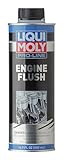
Overview: This single-step 500ml engine flush is designed for straightforward cleaning of gasoline and diesel engine oil systems. It’s added to warm engine oil, idled for 10-15 minutes, then drained along with old oil and contaminants before an oil change.
What Makes It Stand Out: Liqui Moly emphasizes its gentle yet rapid action, specifically highlighting seal and material compatibility and catalytic converter safety—key concerns for users wary of damaging modern engines. Its simplicity (one product, one step) is a major user-friendly advantage.
Value for Money: Positioned as a mid-range professional-grade flush, it offers good value for its reliability and brand trust. While not the cheapest, its safety profile and ease of use justify the price for DIYers seeking a no-fuss, effective solution without complex multi-part systems.
Strengths and Weaknesses:
Strengths: Simple application; proven gentle on seals and converters; rapid results; widely trusted brand; suitable for routine maintenance.
Weaknesses: Less aggressive on heavy sludge than specialized kits; single-use bottle; lacks additional protective additives during the flush process.
Bottom Line: An excellent, safe choice for routine oil system cleaning during standard oil changes. Highly recommended for preventative maintenance on well-maintained engines, but may struggle with severe deposits.
3. TRIAX Pro Engine Flush Oil-Based Deep Clean Motor Oil Flush Removes Sludge & Carbon | Non-Solvent | Safe for Engine, Seals, Injectors | Professional Shop Grade (16 oz - 473 ml)

Overview: TRIAX Pro is a professional-grade, oil-based engine flush formulated for deep sludge and carbon removal. It’s added to existing oil, idled for 10-15 minutes, then drained. It emphasizes safety for modern engines and components like HEUI injectors.
What Makes It Stand Out: Its standout feature is preloaded ZDDP anti-wear protection, actively preventing metal-to-metal contact during the flush—a rarity. The 100% synthetic, non-solvent formula with polar esters and PIB Succinimide targets deep deposits while conditioning seals and suspending debris, promising restored compression and power.
Value for Money: Priced competitively for its professional claims and unique ZDDP protection, it offers strong value for those needing aggressive cleaning without engine risk. The shop-grade formulation justifies the cost for tackling neglected engines where basic flushes might fail.
Strengths and Weaknesses:
Strengths: ZDDP protection during flush prevents wear; effectively dissolves heavy sludge; restores power/compression; safe for seals, turbos, and modern engines; versatile for all oil types.
Weaknesses: Smaller volume (16oz) vs some competitors; “restores power” claims may be overstated for severely damaged engines; brand less ubiquitous than Liqui Moly.
Bottom Line: Highly recommended for DIYers and shops needing a powerful, protective flush for engines with known sludge issues or prior to major services. Its anti-wear focus makes it a safer bet for critical cleaning.
4. Liquii Moly Pro-Line Engine Flush (500 ML) - 3 PACK
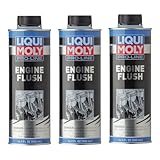
Overview: This offering is simply a 3-pack bundle of Liqui Moly’s standard 500ml Pro-Line Engine Flush (Product #2). It provides the same gentle, rapid oil system cleaning solution for gasoline and diesel engines, intended for use during regular oil changes.
What Makes It Stand Out: The sole differentiator is the multi-pack format. It leverages the trusted Pro-Line formula’s core strengths—seal/converter safety and ease of use—but offers no functional upgrades. Its appeal lies purely in cost savings for frequent users or shops stocking up.
Value for Money: The per-unit cost is significantly lower than buying single bottles, making it excellent value for mechanics, fleet managers, or DIY enthusiasts performing regular maintenance. It’s the most economical way to access this reliable flush if multiple applications are planned.
Strengths and Weaknesses:
Strengths: Same safety and efficacy as single Pro-Line; substantial cost savings per use; bulk convenience; consistent quality.
Weaknesses: No enhanced formula; identical limitations as single bottle (mild for heavy sludge); potential overstocking for infrequent users; larger upfront cost.
Bottom Line: The ideal purchase for professionals or dedicated DIYers who regularly use engine flushes. If you rely on the Pro-Line formula, buying the 3-pack is a smart, cost-effective move. Not recommended for one-time or rare use.
5. Liqui Moly Engine Flush Plus 300ml

Overview: Liqui Moly’s Engine Flush Plus is a compact 300ml concentrate designed for oil system cleaning in gasoline and diesel engines. Marketed as an enhanced version (“Plus”), it follows the standard flush process: add to warm oil, idle 10-15 mins, drain, change oil/filter.
What Makes It Stand Out: The “Plus” designation implies formulation improvements over their standard flush, though specifics are absent. Likely enhancements target faster action, better deposit suspension, or broader compatibility. Its smaller size offers convenience for smaller engines or precise dosing.
Value for Money: Priced slightly above the standard 500ml flush despite less volume, its value hinges on the unconfirmed “Plus” benefits. It’s convenient for smaller applications but offers questionable cost efficiency per ml compared to the standard bottle or 3-pack unless the upgrades are significant.
Strengths and Weaknesses:
Strengths: Compact size for easier handling/storage; likely inherits Liqui Moly’s seal/converter safety; simple application; trusted brand base.
Weaknesses: Lack of published features creates uncertainty; higher cost per ml than standard Liqui Moly flush; smaller volume may not suit larger engines; unverified “Plus” claims.
Bottom Line: A convenient option for smaller engines if the “Plus” formula delivers tangible improvements, but the lack of transparency makes the standard Pro-Line (single or 3-pack) a more justifiable buy for most users. Approach with caution without specs.
6. Dorman 47016 Coolant Service Kit Universal Fit

Overview: The Dorman 47016 is a universal coolant service kit designed for DIYers and mechanics to perform coolant flushes and refills across diverse vehicle makes and models. It provides essential components to access and service the cooling system without specialized tools.
What Makes It Stand Out: Its universal fit covers a broad spectrum of vehicles, eliminating the need for model-specific kits. The inclusion of a garden hose adapter, multiple tees, clamps, an elbow, and cap streamlines the flushing process, while ASE Blue Seal Certified technical support adds reliable post-purchase assurance.
Value for Money: Priced accessibly, it outperforms single-component purchases and rivals premium kits costing significantly more. The comprehensive toolset justifies its cost by preventing potential cooling system damage, making it economical for routine maintenance.
Strengths and Weaknesses:
Strengths: Universal compatibility; all-in-one solution; durable components; expert technical support.
Weaknesses: May not suit modern vehicles with complex cooling architectures; hose adapter requires standard garden hose access.
Bottom Line: An exceptionally practical and cost-effective kit for basic coolant servicing. Highly recommended for general maintenance, though verify fitment for newer or high-performance vehicles.
7. HINGTAI 2Pcs Engine Flush Kit, Quick Connect Flush Tools Long Service Life, Size Science Not Easy to Damage Jet Boat Cleaning Accessories Tools, Good Compatibility

Overview: This HINGTAI kit provides marine-specific quick-connect flushing tools for jet boats, focusing on simplicity and compatibility with Sea-Doo and Kawasaki models. It targets boat owners needing efficient engine cooling system maintenance.
What Makes It Stand Out: The scientifically sized plastic components ensure precise fitment without tools, and the two-step connection process (hose to female connector, then engine start) prioritizes user-friendliness. Its compact design saves storage space onboard—critical for marine use.
Value for Money: Affordable for a dual-component kit, it delivers specialized functionality often pricier in marine contexts. While not universally compatible (excludes some Sea-Doo models), it offers solid ROI for applicable boats versus professional servicing fees.
Strengths and Weaknesses:
Strengths: Tool-free installation; compact marine-specific design; clear usage instructions; good value for targeted applications.
Weaknesses: Limited to specific jet boat models; plastic durability unproven under extreme conditions; “premium material” claims lack verification.
Bottom Line: A convenient, budget-friendly solution for compatible jet boat owners. Ideal for DIY flushing but confirm model compatibility first; not recommended for heavy commercial use.
8. HI-GEAR ENERGY RELEASE Motor Flush 15 fl. oz. | Cleans and Conditions Internal Components
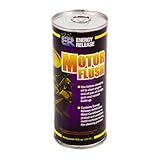
Overview: HI-GEAR’s aerosol motor flush targets exposed mechanical components like chains, gears, and chassis parts. Its pressurized format enables precise application in hard-to-reach areas, differentiating it from traditional liquid engine flushes.
What Makes It Stand Out: The aerosol delivery ensures mess-free, controlled spraying on external systems—uncommon in flush products. Its hydrophobic formula actively repels moisture and resists dust, while friction-reducing properties extend component life across bikes, ATVs, and industrial gearboxes.
Value for Money: Priced moderately for a 15oz aerosol, it outperforms generic lubricants in wet/dirty environments. Though not a substitute for internal engine flushes, it’s cost-efficient for preventive maintenance on vulnerable external parts.
Strengths and Weaknesses:
Strengths: Aerosol precision; moisture resistance; versatile multi-surface use; reduces friction effectively.
Weaknesses: Unsuitable for internal engine flushing; limited capacity per can; aerosol propellants may degrade certain plastics.
Bottom Line: An excellent specialized tool for external component care. Worth buying for ATV/bike owners but avoid using as a primary engine flush—complements, rather than replaces, full-system maintenance.
9. Motor Flush 5 Min 32 fl oz (3 Pack)

Overview: This three-pack of 32 fl oz motor flush promises rapid 5-minute engine cleaning before oil changes. Marketed for speed and convenience, it targets consumers seeking quick maintenance solutions without disassembly.
What Makes It Stand Out: The rapid 5-minute dwell time is its key differentiator, significantly faster than many competitors requiring 10–15 minutes. The bulk 3-pack offers extended use for multiple services, appealing to frequent DIYers or small workshops.
Value for Money: Cost-per-use is competitive due to the multipack, though price per ounce may exceed single-bottle alternatives. Effectiveness versus slower flushes is debatable, but time savings justify it for users prioritizing efficiency over maximum sludge removal.
Strengths and Weaknesses:
Strengths: Extremely fast application; economical multipack; simple pour-and-run process; widely compatible.
Weaknesses: Limited dwell time may reduce cleaning efficacy on heavy deposits; lacks specific additive details; no independent performance data.
Bottom Line: A practical choice for time-pressed users needing routine maintenance, but not ideal for neglected engines. Best paired with regular oil changes—prioritize thoroughness if significant sludge is suspected.
10. Liqui Moly motorspulung 500ML (2427) PRO LINE Engine Flush

Overview: Liqui Moly’s PRO LINE Engine Flush is a professional-grade solution for deep-cleaning petrol and diesel engine oil systems. Used pre-oil change, it targets internal deposits to restore efficiency and reduce wear.
What Makes It Stand Out: Its concentrated formula cleans critical areas like piston rings and oil screens without disassembly. One 500ml can treats up to 5L of oil, and it’s proven to reduce engine noise and oil consumption—key metrics for longevity-focused users.
Value for Money: Premium-priced but highly cost-effective per use due to concentration. Outperforms cheaper flushes in deposit removal and engine protection, aligning with Liqui Moly’s reputation for high-quality automotive chemistry.
Strengths and Weaknesses:
Strengths: Deep-cleaning capability; reduces noise/oil consumption; broad petrol/diesel compatibility; trusted brand efficacy.
Weaknesses: Higher upfront cost; single-use bottle generates packaging waste; overuse risks thinning oil temporarily.
Bottom Line: A top-tier engine flush for optimal maintenance. Strongly recommended for preventative care or pre-remedy for aging engines, justifying its price through measurable performance benefits.
Understanding Engine Flush Fundamentals
What Exactly Does an Engine Flush Do?
An engine flush is designed to clean internal engine components by loosening and suspending sludge, varnish, and carbon deposits that accumulate in oil galleries, piston rings, and valve train areas. Unlike your regular motor oil, which primarily lubricates and cools, a flush solution contains specialized detergents and solvents formulated to break down stubborn residues without damaging engine seals or bearings. It works by circulating through the engine’s oil system while the engine is running (or sometimes during an oil change), allowing these contaminants to be captured by the oil filter or drained out with the old oil. The goal isn’t to replace oil changes but to enhance their effectiveness during preventative maintenance intervals.
The Science Behind Solvents and Detergents
Not all flush solutions are created equal, primarily due to their chemical composition. Some rely on potent solvents that aggressively dissolve deposits, which can be effective but risk loosening large chunks of sludge that might clog oil passages in neglected engines. Others use milder detergents that work gradually to emulsify contaminants, keeping them suspended safely until the oil is changed. Understanding this balance is key: aggressive formulas might promise dramatic results but carry higher risks for high-mileage or older engines with existing wear, while gentler formulations offer safer, incremental cleaning suitable for regular preventative use. The right choice depends heavily on your engine’s condition and maintenance history.
When Is Flushing Actually Necessary?
Contrary to popular belief, engine flushing isn’t a routine step for every oil change. It’s most beneficial as a preventative measure in specific scenarios: before switching to a different oil viscosity, when addressing symptoms like reduced oil pressure or excessive oil consumption, or as part of preparing an older vehicle for extended service life. Modern engines with consistent maintenance using high-quality synthetic oils may rarely need aggressive flushing. However, vehicles subjected to frequent short trips, extreme temperatures, or extended oil change intervals often develop deposits faster, making periodic flushing a wise preventative strategy. Ignoring your engine’s specific usage patterns can lead to unnecessary treatments—or worse, missed opportunities to prevent damage.
Key Factors in Selecting the Right Flush Solution
Evaluating Your Engine’s Age and Mileage
The age and mileage of your engine are critical starting points. Newer engines (under 50,000 miles) with documented regular maintenance typically have minimal sludge buildup; a mild flush might suffice for preventative upkeep. High-mileage engines (over 100,000 miles), especially those with inconsistent service records, often harbor significant deposits. Here, aggressive solvents could dislodge material too quickly, risking clogs. Instead, opt for a gentler, detergent-based formula designed for older engines, potentially applied over multiple oil changes. Never assume a “stronger” flush is better—prioritize compatibility with your engine’s current state to avoid unintended consequences.
Synthetic vs. Conventional Oil Compatibility
Your current motor oil type directly influences flush selection. Formulas designed for synthetic oils often have different solvent profiles than those intended for conventional oils, as synthetics already contain robust detergents. Using a flush incompatible with your oil can cause foaming, reduced lubricity, or even chemical reactions that degrade oil performance. Always verify that the flush solution explicitly states compatibility with your existing oil type. If you’re planning to switch from conventional to synthetic oil, a compatible flush can help ensure a cleaner transition, removing residues that might not fully dissolve in the new synthetic blend.
Assessing Deposit Types and Severity
Different contaminants require different approaches. Sludge—a thick, tar-like substance—often needs stronger solvents, while varnish (a hard, lacquer-like film) responds better to specific detergents. Carbon deposits around piston rings might require a different formulation than gunk in oil pump screens. If you’ve noticed symptoms like reduced acceleration, increased oil consumption, or darker-than-normal exhaust, these clues hint at the deposit type you’re facing. Mild preventative flushes work well for early-stage buildup, but severe cases may warrant professional assessment before DIY treatment. Knowing what you’re up against guides your choice toward effectiveness and safety.
Temperature and Climate Considerations
Where and how you drive impacts flush effectiveness. Cold climates can cause moisture and fuel dilution to thicken into sludge more readily, potentially requiring a flush with cold-temperature efficacy. In hot, dusty environments, thermal breakdown of oil creates more varnish and carbon, so a heat-stable formula is essential. Some solutions are engineered to activate optimally within specific temperature ranges—using one outside its designed range reduces cleaning power. Factor in your typical driving conditions to select a flush that performs reliably where you live, ensuring it works when and where you need it most.
Mastering the Application Process Safely
Pre-Flush Engine Preparation Steps
Never skip preparation—it’s your safety net. Start with a visual inspection: check for existing oil leaks, unusual noises, or warning lights. A severely worn engine might not tolerate the agitation of a flush. Warm up the engine to normal operating temperature before beginning; cold oil holds contaminants more tightly, reducing the flush’s effectiveness. Ensure you have all necessary supplies ready: fresh oil, a new filter, proper drain pans, and gloves. Crucially, consult your vehicle’s service manual for any manufacturer warnings about flushing—it’s explicitly discouraged for some engines. This groundwork minimizes risks and sets the stage for a successful, safe procedure.
Step-by-Step Flushing Procedure
Begin by adding the recommended amount of flush solution to your existing oil while the engine is off. Follow the product’s dosage instructions precisely—overfilling can dilute oil excessively, compromising lubrication. Start the engine and let it idle for the specified duration (typically 5-15 minutes), monitoring closely for abnormal sounds or smoke. Never rev the engine; idle speed ensures safe circulation. Afterward, turn off the engine, drain both the old oil and the flush solution completely, replace the oil filter immediately (as it now contains suspended gunk), and refill with fresh oil. Skipping the filter change traps contaminants, negating the entire process.
Critical Timing and Duration Guidelines
Timing isn’t just about the flush application—it’s about the entire maintenance cycle. Performing a flush too close to your next scheduled oil change wastes the solution’s active ingredients. Ideally, flush 1,000–1,500 miles before your regular oil change interval, giving the solution time to work but ensuring contaminants are removed promptly. The idle time during flushing is equally vital: too short (under 5 minutes) and deposits won’t fully suspend; too long (over 20 minutes) risks the solution breaking down and losing effectiveness. Stick rigidly to the product’s timing guidance—this precision maximizes cleaning while protecting your engine.
Recognizing and Avoiding Common Application Errors
Mistakes during application can turn preventative care into preventative damage. One frequent error is using a flush on an engine with known mechanical issues, like worn valve seals, which can worsen leaks. Another is neglecting to change the oil immediately after flushing, leaving suspended contaminants circulating. Some users mistakenly add flush to a cold engine, reducing efficacy, or overfill the crankcase, causing foaming. Perhaps the biggest pitfall is treating flushing as a cure-all for underlying problems like faulty PCV systems, which will just regenerate sludge. Awareness of these traps ensures you apply the solution correctly and only when truly appropriate.
Maximizing Long-Term Engine Health Benefits
Integrating Flushing into Your Preventative Maintenance Schedule
Engine flushing shouldn’t be random—it’s a strategic tool within your broader maintenance plan. For most well-maintained vehicles, incorporating a mild flush every 20,000–30,000 miles, or every other oil change, helps prevent gradual buildup. Vehicles in severe service conditions (towing, extreme temps, frequent idling) might benefit from more frequent use, perhaps every 15,000 miles. Track your usage patterns and symptoms in a maintenance log; if oil appears consistently darker early in the change interval or pressure readings dip slightly, it’s a signal to schedule a flush. Consistency here is about prevention, not crisis management.
Complementary Maintenance Practices for Cleaner Engines
A flush works best alongside other smart habits. Always use motor oil that meets or exceeds your manufacturer’s specifications—premium synthetics contain detergents that reduce deposit formation between flushes. Fix minor issues promptly, like coolant leaks or faulty thermostats, which accelerate sludge creation. Ensure your Positive Crankcase Ventilation (PCV) system is clean and functional; a clogged PCV valve traps moisture and contaminants in the oil. Even driving style matters: occasional extended highway drives help engines reach optimal temperature, burning off moisture and preventing condensation-related sludge. Think of flushing as one layer in a multi-layered defense strategy.
Monitoring Engine Performance Post-Flush
After a flush, pay close attention to subtle changes. Improved oil pressure readings, smoother idle, quieter operation, or a slight bump in fuel economy can indicate successful cleaning. Check your new oil’s color after 500 miles; if it’s significantly darker than usual, it might mean heavy deposits were mobilized—schedule an early oil change to remove them. Conversely, if you notice new leaks or increased oil consumption, stop using flushes immediately; this could signal that cleaning exposed pre-existing wear. Tracking these metrics helps you gauge effectiveness and decide if future flushes are worthwhile for your specific engine.
Potential Risks and Responsible Usage
Situations Where Flushing Should Be Avoided
Blindly applying a flush can be disastrous in certain scenarios. Never use one on an engine with known internal damage, such as knocking rods or excessive blow-by, as it might dislodge critical debris into oil passages. Engines that have gone extremely long between oil changes (e.g., 10,000+ miles overdue) often have thick, hardened sludge; a sudden flush could cause catastrophic blockage. Avoid flushing if you’re experiencing active oil leaks—the process might worsen them by softening old, brittle seals. When in doubt, consult a trusted mechanic; preventative care shouldn’t introduce new risks.
Understanding the Limits of DIY Engine Flushing
While convenient, DIY flushing has inherent limitations. You lack the diagnostic tools of a professional shop, like oil analysis or borescope inspections, to assess internal condition beforehand. Severe buildup might require mechanical cleaning (e.g., oil pan removal), which a chemical flush can’t address. Additionally, improper disposal of oil/flush mixtures poses environmental hazards if not handled at a certified facility. If symptoms persist after flushing—like persistent low oil pressure or unusual noises—professional intervention is non-negotiable. Recognize when the job exceeds safe DIY boundaries to protect your engine and wallet.
Frequently Asked Questions
Frequently Asked Questions
Is engine flushing safe for high-mileage vehicles?
Flushing can be safe for high-mileage engines if you use a mild, detergent-based formula specifically designed for older vehicles and avoid aggressive solvents. However, if the engine has pre-existing leaks or significant wear, the flush might worsen issues by dislodging sludge that was acting as a temporary seal. Always assess your engine’s health first and consider consulting a mechanic.
How often should I use an engine flush as preventative maintenance?
For most well-maintained vehicles, using a flush every 20,000–30,000 miles or every other oil change is sufficient for prevention. Vehicles subjected to severe conditions like frequent short trips, towing, or extreme temperatures might benefit from every 15,000 miles. Never exceed the product’s recommended frequency.
Can engine flushing fix low oil pressure?
Flushing may improve oil pressure if low readings are caused by sludge restricting oil flow. However, if low pressure stems from mechanical wear (like worn bearings or a failing oil pump), flushing won’t resolve it and could even highlight the underlying issue. Diagnose the cause of low pressure before attempting a flush.
Will engine flush damage seals or gaskets?
Modern, quality flush solutions are generally safe for seals when used correctly. However, aggressive solvents in some products can swell or degrade old, brittle seals in high-mileage engines. Always choose a product labeled safe for your engine’s age and avoid overfilling or extended idle times during application.
Should I change my oil immediately after flushing?
Yes, changing the oil and filter immediately after flushing is non-negotiable. The old oil now contains suspended contaminants; leaving it in circulates debris through your engine, potentially causing wear. Drain everything completely and install fresh oil and a new filter right away.
Can I use engine flush with synthetic oil?
Most modern flush solutions are compatible with synthetic oils, but always verify this on the product label. Some older or specialized formulas might not be designed for synthetics. Using an incompatible flush can reduce lubrication or cause foaming, so check specifications before adding it to synthetic oil.
Does engine flushing remove carbon deposits from piston rings?
Flushing can help loosen light carbon deposits on piston rings, potentially restoring some lost compression and reducing oil consumption. However, severe carbon buildup often requires mechanical cleaning or specialized fuel additives, as flush solutions primarily target oil-wetted components rather than combustion chambers.
Is engine flush necessary before switching oil brands?
It’s generally not required when switching between high-quality oils of the same specification. Modern oils are designed to be compatible. However, if switching from conventional to full synthetic after long-term conventional use, a flush can help remove residues that might not fully dissolve in synthetic oil, ensuring a cleaner transition.
Can engine flush cause overheating?
A properly applied flush shouldn’t cause overheating. However, if the flush dislodges large debris that blocks the oil cooler or restricts oil flow, it could indirectly lead to overheating due to reduced lubrication and cooling. Always follow dosage and timing instructions precisely to minimize this risk.
What are the signs that my engine needs a flush?
Indicators include consistently dark, gritty oil soon after changes, reduced fuel efficiency, rough idling, increased oil consumption, or lower-than-normal oil pressure readings. These suggest deposits may be interfering with optimal engine function, making a flush a potential preventative step—but confirm with a mechanic if symptoms are severe.
See Also
- The 10 Ultimate Best Engine Bay Lights for Showroom-Level Detailing in 2026
- How to Choose the 10 Best Universal TPMS Kits for Your Fleet in 2026
- The 10 Best Universal TPMS Kits for Multi-Vehicle Households in 2026
- How to Choose the 10 Best Universal TPMS Kits for Your Shop in 2026
- 10 Top-Rated Universal TPMS Kits According to Experts in 2026