Table of Contents
When you’re elbow-deep in an engine bay, fighting with a stubborn hose clamp or trying to reach a clip that’s hiding in the darkest corner of your vehicle’s undercarriage, the right pair of pliers can mean the difference between a smooth repair and a frustrating afternoon. Automotive work demands tools that can withstand constant exposure to grease, oil, heat, and the kind of torque that would send lesser implements to an early grave. Pliers aren’t just an accessory in your toolbox—they’re the workhorses that translate your effort into precision, grip, and control where it matters most.
This comprehensive guide walks you through everything you need to know about selecting the perfect pliers set for automotive applications. Whether you’re a weekend warrior tackling routine maintenance or building a professional-grade collection for daily shop use, understanding the nuances of construction quality, ergonomic design, and specialized functionality will help you make an informed investment. We’ll explore the essential types of pliers, the materials that ensure longevity, and the features that separate mediocre tools from those that become extensions of your own hands.
Top 10 Pliers Sets for Automotive Use
Detailed Product Reviews
1. 7-piece WORKPRO Pliers Set with Groove Joint, Long Nose, Slip Joint, Linesman, and Diagonal Pliers for DIY & Home Use

Overview:
The WORKPRO 7-piece pliers set delivers essential gripping and cutting tools for home maintenance and DIY projects. This collection includes an 8-inch groove joint, 8-inch and 6-inch slip joint, 7-inch linesman, 6-inch and 4.5-inch long nose, and 6-inch diagonal pliers. Each tool features drop-forged polished steel construction with heat treatment for durability, while hardened cutting edges ensure long-lasting performance. The double-dipped comfort grip handles provide secure, non-slip handling during extended use.
What Makes It Stand Out:
This set covers the most frequently needed pliers sizes and types in one convenient package. The inclusion of both 8-inch and 6-inch slip joint pliers adds versatility for various tasks. The rust-protective slushing oil coating demonstrates thoughtful manufacturing, though it requires wiping before first use. The double-dipped handle design offers better grip security than single-dip alternatives, particularly in oily or wet conditions.
Value for Money:
Positioned as a mid-range option, this set costs significantly less than purchasing each plier individually from premium brands. While not professional-grade, the quality exceeds dollar-store alternatives, making it ideal for homeowners who need reliable tools for occasional use. The rust protection extends lifespan, improving long-term value.
Strengths and Weaknesses:
Pros include comprehensive size variety, effective rust prevention, comfortable grips, and solid construction for DIY tasks. Cons involve the initial oil coating requiring cleanup, basic steel quality that may not withstand daily professional abuse, and limited specialty pliers. The 4.5-inch long nose plier is somewhat redundant for most users.
Bottom Line:
An excellent starter set for homeowners and casual DIYers who want quality tools without premium prices. The variety covers 95% of household tasks, making it a smart investment for toolboxes that need reliable basics.
2. 4 Pieces Electrical Disconnect Pliers for Cars, Automotive Electrical Plug Connector Disconnect Tool and Connector Separator and Hose Clamp Pliers
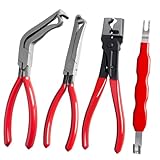
Overview:
This 4-piece automotive electrical disconnect pliers set addresses a specific but critical need for vehicle maintenance. The kit includes straight and 60-degree angle disconnect pliers, a double-ended connector separator tool, and hose clamp pliers. Constructed from high-carbon steel with plastic-coated anti-slip handles, these tools are designed to safely remove locking push-tab electrical connectors from mass air flow sensors, fuel injectors, ignition coils, and other automotive components.
What Makes It Stand Out:
The angled design of the 60-degree plier enables single-handed operation in tight engine bay spaces where traditional pliers cannot reach. The separator tool’s double-ended configuration provides multiple access angles for different connector orientations. This specialized focus prevents connector damage that often occurs when using standard pliers or screwdrivers for disconnection.
Value for Money:
For automotive DIYers and professional mechanics, this set pays for itself by preventing damage to expensive electrical connectors. The time saved during repairs justifies the moderate price point. While limited to automotive electrical work, the durability ensures years of reliable service, making it more economical than repeatedly replacing damaged connectors.
Strengths and Weaknesses:
Pros include specialized design for automotive connectors, high-carbon steel durability, comfortable grip, compact portability, and prevention of costly damage. Cons are limited application scope beyond automotive electrical work, lack of general-purpose pliers, and plastic handles that may degrade with prolonged exposure to automotive chemicals.
Bottom Line:
An indispensable addition for anyone working on modern vehicles. This set solves a frustrating problem efficiently and prevents expensive mistakes, making it essential for automotive tool collections.
3. WORKPRO Pliers Set, Premium Cr-V Construction, Includes 6 Inch Slip Joint, Long Nose, Diagonal Cutting, 8 Inch Groove Joint, 7 Inch Linesman and Storage Pouch, for Basic Repair
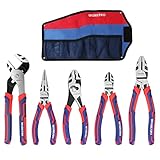
Overview:
WORKPRO’s premium 6-piece pliers set upgrades the basic collection with chrome vanadium (Cr-V) steel construction for enhanced durability. The set includes 6-inch slip joint, long nose, and diagonal pliers, plus 8-inch groove joint and 7-inch linesman pliers, all stored in a convenient pouch. The heat-treated, blackened Cr-V steel offers improved hardness and toughness over standard carbon steel, while a transparent electrophoretic coating provides superior rust protection.
What Makes It Stand Out:
The bi-material handles with three-color finish deliver both aesthetic appeal and functional anti-slip performance. The included storage pouch adds organization value rarely found in sets this size. The Cr-V steel construction positions this set a tier above basic DIY tools, offering near-professional grade performance for demanding users who prioritize material quality.
Value for Money:
This set commands a slightly higher price than entry-level alternatives but delivers significantly better materials and corrosion resistance. The storage pouch eliminates the need for separate tool organization purchases. For serious DIYers who use tools regularly, the Cr-V construction justifies the modest price increase through extended lifespan and reliability.
Strengths and Weaknesses:
Pros include superior Cr-V steel construction, excellent corrosion protection, comfortable bi-material grips, included storage pouch, and hardened cutting edges. Cons involve the initial grease coating requiring cleaning, fewer pieces than the 7-piece WORKPRO set, and handles that may be slightly bulky for users with small hands.
Bottom Line:
A smart upgrade for dedicated DIY enthusiasts who demand better materials and organization. The Cr-V construction and thoughtful extras make this worth the premium over basic sets.
4. DISEN Pliers Set, 21 Pieces Full Assortment of Plier with EVA, Versatile Pliers Tool Set for Plyers Ideal as Home Use, Holiday, Fathers’ Day Gift

Overview:
The DISEN 21-piece pliers set represents a comprehensive solution for serious DIYers and professionals. This extensive collection includes locking pliers, C-clamps, groove joint pliers in two sizes, four circlip pliers, wire strippers, an adjustable oil filter plier, multiple long nose and diagonal options, and an 8-inch linesman plier. The strategic use of Cr-V steel jaws and carbon steel bodies maximizes durability while absorbing impact forces.
What Makes It Stand Out:
The EVA foam modular tray system enables rapid tool deployment in under 10 seconds, eliminating time wasted searching through cluttered toolboxes. The ergonomic TPR grips absorb 70% of vibration shock and maintain aggressive texture even in greasy conditions. This set includes specialty tools like circlip pliers and oil filter pliers that typically require separate purchases.
Value for Money:
While priced at the premium end, this set replaces dozens of individual tool purchases. The professional-grade materials and organized storage justify the investment for users who regularly tackle automotive, plumbing, and mechanical repairs. For casual users, the extensive coverage may be overkill, but enthusiasts gain exceptional utility.
Strengths and Weaknesses:
Pros include unparalleled variety, professional-grade materials, superior grip comfort, excellent organization, and inclusion of specialty pliers. Cons involve higher price point, significant storage space requirements, and potential redundancy for users who already own basic pliers.
Bottom Line:
The ultimate pliers collection for committed DIYers and professionals. If you demand comprehensive coverage and premium quality in one organized package, this set delivers exceptional long-term value.
5. Vivicreate 7-Piece Pliers Set Heavy Duty Multipurpose Tools for Home Repair DIY Auto Electrical Work Includes Long Nose Slip Joint Linesman and Diagonal Pliers Alicates de Corte Herramientas

Overview:
The Vivicreate 7-piece heavy-duty pliers set targets DIYers and professionals seeking versatile gripping and cutting tools. This collection includes long nose, slip joint, linesman, diagonal, and groove joint pliers designed for home repair, automotive, and electrical work. The groove joint design promises smooth operation with reduced hand fatigue, while precision-machined jaws deliver strong cutting performance and secure gripping on wires, cables, and fasteners. The Spanish-language subtitle indicates broader market appeal.
What Makes It Stand Out:
The marketing emphasizes heavy-duty construction and enhanced cutting power, positioning this as a robust alternative to budget brands. The ergonomic non-slip handles provide comfortable control during extended projects. The inclusion of groove joint technology across the set suggests attention to mechanical advantage and user comfort, distinguishing it from basic hinge designs.
Value for Money:
This set competes directly with mid-range offerings from established brands, typically priced affordably for the claimed heavy-duty quality. While material specifications lack the detail of premium brands, the performance-to-price ratio appears favorable for users needing reliable tools without paying for brand premiums. The seven-piece configuration covers essential needs without unnecessary redundancy.
Strengths and Weaknesses:
Pros include versatile 7-piece selection, ergonomic grip design, groove joint smooth operation, and competitive pricing. Cons involve vague material specifications, limited brand recognition for warranty support, and unclear corrosion protection details compared to competitors’ explicit coatings. The packaging may provide less protection during storage.
Bottom Line:
A solid contender for budget-conscious buyers wanting more than entry-level quality. If brand name isn’t paramount, this set delivers functional versatility for most DIY applications.
6. 9PCS Hose Clamp Pliers Set, Hose Clamp Removal Tool for Automotive, Flexible Removing Clamps Pliers Automotive for Coolant Radiator Heater and Water Hose

Overview: The 9PCS Hose Clamp Pliers Set is a comprehensive automotive toolkit designed specifically for removing and installing various types of hose clamps found in coolant, radiator, heater, and water systems. This versatile collection provides mechanics and DIY enthusiasts with specialized tools to tackle hard-to-reach clamps that standard pliers simply cannot access effectively. Each piece serves a distinct purpose, making engine repairs on cars, trucks, and motorcycles significantly more efficient.
What Makes It Stand Out: This set’s standout feature is its remarkable diversity—nine different tools including cross clamp pliers, bend throat clamp pliers, tiger clamp pliers, and flexible radiator cable-type pliers. The inclusion of both standard and long-reach designs demonstrates thoughtful engineering for automotive applications. The steel construction ensures these tools withstand harsh garage conditions while maintaining precision, and the rubber handles reduce hand fatigue during extended maintenance sessions.
Value for Money: For under $50, this nine-piece collection delivers exceptional value compared to purchasing individual specialty pliers that could cost $10-15 each. The durable steel construction means these tools will last through years of regular use, eliminating the need for replacements. While budget options exist, they typically lack the specialized designs and comfortable grips that make this set genuinely practical for serious automotive work.
Strengths and Weaknesses: Strengths include comprehensive coverage of hose clamp types, comfortable ergonomic handles, robust steel construction, and versatility across vehicle types. The long-reach designs access confined spaces effectively. However, the set lacks a storage case or bag, which would help keep tools organized. Casual DIYers may find some specialized pliers rarely used, and the initial learning curve for identifying the right tool can be steep for beginners.
Bottom Line: This set is an excellent investment for home mechanics who regularly work on cooling systems or perform engine repairs. Professionals will appreciate the quality and variety, while serious DIYers will find it pays for itself after a few uses. If you frequently battle stubborn hose clamps, this toolkit deserves a spot in your garage.
7. DISEN 13PCS Electrical Disconnect Pliers & Fuel Line Disconnect Tool Set, Automotive Electrical Terminal Connector Separator Removal Tool Kit with Storage Bags, Blue

Overview: The DISEN 13PCS Electrical Disconnect Pliers & Fuel Line Disconnect Tool Set is a comprehensive automotive toolkit that addresses three critical areas: electrical connectors, fuel system maintenance, and interior panel removal. This all-in-one solution equips users with specialized tools for safely removing terminals, separating fuel lines, and prying trim without damage. The inclusion of storage bags keeps everything organized, making it ideal for both mobile mechanics and garage-based DIYers.
What Makes It Stand Out: This set’s versatility is unmatched—it combines electrical disconnect pliers, a fuel line separator, relay puller, and interior trim tools in one package. The dual-head electrical separator accommodates various connector angles, while the dedicated relay puller prevents costly damage to sensitive components. The 30° push pin remover and panel clip plier demonstrate thoughtful inclusion for modern vehicle interiors where plastic fasteners are ubiquitous.
Value for Money: With thirteen specialized tools typically retailing for $8-20 individually, this set offers substantial savings while eliminating the guesswork of tool selection. The high-carbon steel construction and non-slip coated handles match professional-grade quality at a fraction of the cost of premium brands. For DIYers tackling electrical diagnostics or fuel pump replacements, this set eliminates multiple trips to the parts store and pays dividends in prevented damage.
Strengths and Weaknesses: Strengths include exceptional versatility across electrical and fuel systems, durable high-carbon steel build, comfortable grips, and included storage organization. The variety of pliers angles increases accessibility in tight engine bays. However, the broad scope means some tools may see infrequent use, and the quality consistency across all thirteen pieces may not match single-purpose premium tools. Beginners might feel overwhelmed by the selection.
Bottom Line: Perfect for intermediate to advanced DIY mechanics who regularly work on electrical systems and fuel components. The comprehensive nature makes it an excellent starter kit for those building their automotive tool collection, though professionals might supplement it with higher-grade individual tools for frequently-used items.
8. VOURTM Electrical Disconnect Pliers for Cars 4-Piece - Electrical Connector Disconnect Tool Set, Automotive Plug Connector Separator Removal Tool & Hose Clamp Pliers (Straight+60 Degree)

Overview: The VOURTM 4-Piece Electrical Disconnect Pliers Set delivers a focused selection of high-quality tools designed specifically for automotive electrical connector removal. This compact kit includes straight and 60-degree angled pliers, a double-ended separator, and a hose clamp plier, covering the most common electrical disconnection tasks. Crafted from high-carbon steel with rust-resistant properties, these tools prioritize durability and precision over quantity.
What Makes It Stand Out: The premium material quality sets this apart—high-carbon steel construction ensures these pliers won’t bend or deform even when tackling stubborn, long-neglected connectors. The plastic-coated handles provide excellent grip security while remaining comfortable during prolonged use. The dual-angle approach (straight + 60°) solves accessibility challenges in cramped engine compartments, and the double-ended separator adds versatility for various terminal sizes without adding bulk.
Value for Money: While offering fewer pieces than competitor sets, the superior material quality and thoughtful design justify the price point. These tools represent a “buy once, cry once” investment that outlasts cheaper alternatives. The compact nature means you’re paying for functionality rather than filler tools, making it cost-effective for users who prioritize quality over comprehensive but potentially lower-grade collections.
Strengths and Weaknesses: Strengths include exceptional build quality with rust-resistant finish, comfortable non-slip handles, intelligent dual-angle design, and compact storage footprint. The tools handle everything from MAF sensors to ignition coils effectively. However, the limited four-piece count means you’ll need separate purchases for fuel line or interior trim work. The set lacks a storage case, and the premium price may deter budget-conscious buyers.
Bottom Line: An excellent choice for DIYers and professionals who primarily tackle electrical connector work and want reliable, long-lasting tools. If your automotive projects center on sensor replacement and electrical diagnostics, this quality-focused set outperforms larger, cheaper alternatives. Consider your specific needs before purchasing.
9. 4 Pcs Electrical Disconnect Pliers Professional Set - Electrical Connector Pliers for Cars,Fuel Line Petrol Clip Pipe & Automotive Hose Trucks Repair with Rapid Disconnecto Electrical Tools (Red)

Overview: This 4-Piece Electrical Disconnect Pliers Professional Set targets car owners and DIY enthusiasts seeking a straightforward solution for electrical connector and fuel line maintenance. The kit promises durable performance for automotive electrical tasks while emphasizing user comfort and portability. With an ergonomic grip design and lightweight construction, these tools aim to reduce hand strain during vehicle repairs, making them accessible to users of all skill levels.
What Makes It Stand Out: The set’s primary differentiator is its strong focus on user experience—ergonomic handles minimize fatigue, while the lightweight design enhances portability for roadside emergencies. The satisfaction guarantee and dedicated customer support provide peace of mind rarely found with tool sets in this price range. The intuitive design allows one-handed operation in many situations, simplifying what can be a frustrating task with improper tools.
Value for Money: Positioned in the mid-range price bracket, this set offers fair value for casual DIYers who prioritize comfort and support over professional-grade durability. While the material specifications lack the detail of premium competitors, the satisfaction guarantee mitigates purchase risk. For occasional use—perhaps a few times per year—the cost-per-use remains reasonable, though heavy users would benefit from investing in higher-spec alternatives.
Strengths and Weaknesses: Strengths include ergonomic comfort, lightweight portability, user-friendly operation, and reliable customer support. The set handles basic electrical and fuel line disconnections adequately. However, vague material descriptions raise durability concerns, and the four-piece limitation restricts versatility. The tools may not withstand the demands of professional daily use, and the lack of angled options reduces accessibility in tight spaces compared to competitor sets.
Bottom Line: Ideal for occasional DIYers and car owners who want a comfortable, no-fuss toolkit for basic electrical work. The satisfaction guarantee makes it a low-risk purchase for those unsure of their long-term needs. However, serious enthusiasts should consider more robust alternatives with defined material specifications.
10. Aufisi Electrical Disconnect Pliers, 7 pcs Electrical Disconnect Pliers for Cars, Connector Removal Tool for Push Tab Style Plugs
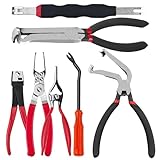
Overview: The Aufisi 7-Piece Electrical Disconnect Pliers Set provides a well-rounded collection of automotive electrical tools designed for efficient connector removal across various applications. This kit includes angled pliers, separator tools, relay pullers, and hose clamp pliers, offering versatility for tasks ranging from MAF sensor disconnection to fuel injector replacement. The high-carbon steel construction with oxidation treatment ensures durability in demanding garage environments.
What Makes It Stand Out: The set excels in angular versatility—offering both 60° and right-angle options alongside straight pliers, ensuring access to connectors in virtually any engine bay location. The oxidation treatment enhances corrosion resistance beyond standard finishes, while the unique tip design with rounded grooves and serrated edges provides superior grip on locking connectors. The ergonomic, plastic-coated handles feature anti-slip textures that maintain comfort during extended two-handed use.
Value for Money: This seven-piece set strikes an excellent balance between comprehensive coverage and quality construction at a competitive price point. You’re getting specialized angles and treatments typically found in premium sets without the premium cost. For DIYers regularly working on varied vehicle makes and models, the angular diversity eliminates the need for multiple separate purchases, delivering strong return on investment through time savings and prevented connector damage.
Strengths and Weaknesses: Strengths include versatile angle options, robust oxidation-treated steel, comfortable ergonomic handles, and one-handed usability. The set covers most common electrical and some fuel/hose applications effectively. However, quality control can be inconsistent across all seven pieces, and the set lacks interior trim removal tools found in more comprehensive kits. Some users may find certain specialized pliers redundant for their typical workflow.
Bottom Line: A smart purchase for dedicated DIY mechanics who need reliable electrical tools with excellent reach versatility. The angular options solve real accessibility problems, making it superior to basic four-piece sets. While not as exhaustive as 13+ piece collections, it provides the most commonly needed tools with professional-grade features at a reasonable price.
Why Pliers Are Essential for Automotive Work
The Versatility Factor in Vehicle Maintenance
Automotive repair involves countless tasks where fingers alone simply can’t apply the necessary force or reach confined spaces. Pliers provide the mechanical advantage needed to grip, twist, pull, and cut components that are often coated in corrosion, secured with thread-locking compounds, or positioned where human hands cannot fit. From pulling cotter pins to crimping electrical connectors, these tools adapt to situations where wrenches and screwdrivers fall short. The beauty of a well-curated pliers set lies in its ability to handle unexpected challenges—because every mechanic knows that vehicles have a way of throwing curveballs that aren’t covered in the service manual.
Common Automotive Tasks Requiring Pliers
Your daily automotive workflow likely includes removing and installing hose clamps, manipulating retaining clips, cutting zip ties and wiring, straightening bent brackets, and extracting broken fasteners. Transmission cooler lines, fuel system components, and vacuum hoses all demand precise gripping power without crushing delicate parts. Electrical work requires clean wire stripping and connector crimping, while exhaust system repairs often involve pulling rusted hangers and manipulating heat shields. Each of these tasks requires a specific jaw configuration and leverage ratio that general-purpose tools simply cannot provide efficiently.
Types of Pliers Every Automotive Set Should Include
Needle Nose Pliers for Precision Work
Long, tapered jaws make needle nose pliers indispensable for reaching into tight engine compartments and grasping small components. In automotive applications, you’ll use these for pulling fuses, positioning washers in hard-to-reach locations, bending safety wire, and retrieving dropped hardware from seemingly inaccessible crevices. Look for versions with serrated jaws that provide secure grip without marring surfaces, and consider both straight and bent-nose configurations—the angled variety proves particularly useful when working around obstructions like intake manifolds or suspension components.
Slip Joint Pliers for Adjustable Gripping
The adjustable nature of slip joint pliers makes them the automotive equivalent of a utility player. The dual-position pivot point allows you to toggle between different jaw openings, effectively giving you two tools in one. These excel at removing stubborn oil filters when you don’t have a dedicated wrench, gripping rounded bolt heads in a pinch, and holding components steady while you work on adjacent parts. The key is finding a pair with precisely machined teeth that interlock cleanly—sloppy machining results in poor grip and damaged fasteners.
Locking Pliers for Hands-Free Operation
Locking pliers, often recognized by their adjustable screw mechanism, clamp down and hold pressure without continuous hand force. This feature proves invaluable when you need to maintain tension on a component while freeing both hands to operate other tools. Automotive applications include holding tension on timing belt idlers, clamping off coolant hoses during radiator replacement, and securing parts during welding operations. The best sets include multiple sizes and jaw configurations, from curved to straight to C-clamp styles, giving you options for different clamping scenarios.
Diagonal Cutting Pliers for Wire Management
Sharp, angled jaws allow diagonal cutters to slice through copper wire, plastic zip ties, and small-gauge metal with minimal effort. In automotive electrical work, clean cuts prevent frayed conductors that can cause voltage drop or intermittent connections. These pliers also make quick work of removing old hose clamps, cutting safety wire, and trimming vacuum hose ends square for proper sealing. The cutting edges should meet perfectly at the tip and along the entire blade length—any gaps or misalignment result in incomplete cuts and prematurely dulled edges.
Snap Ring Pliers for Retaining Rings
Circlips and snap rings secure everything from axle shafts to transmission components, and removing them without the proper tool is nearly impossible. Snap ring pliers feature small, interchangeable tips that fit into the holes of retaining rings, allowing you to compress or expand them safely. Automotive-grade sets should include both internal and external configurations, with multiple tip sizes to match different ring diameters. The tips must lock securely into the pliers body—nothing’s more frustrating than a tip breaking off inside a transmission case.
Material Quality and Construction Standards
Steel Grades and Durability
Automotive pliers face constant exposure to harsh conditions that accelerate wear and corrosion. High-carbon steel alloys with chrome vanadium or chrome molybdenum additives provide the optimal balance of strength, toughness, and edge retention. These materials resist chipping when you apply maximum leverage and maintain their jaw alignment under stress. Avoid tools made from mystery metal or low-grade steel that bends under pressure—these not only fail when you need them most but can also create safety hazards if they slip unexpectedly.
Corrosion Resistance for Longevity
Look for pliers with protective finishes that go beyond basic chrome plating. Nickel-chrome plating offers superior rust resistance, while black oxide coatings provide a non-reflective surface that reduces glare in bright shop environments. Some premium tools feature phosphate coatings that actually bond with the steel, creating a matte finish that holds oil and resists moisture penetration. Remember that even the best coating will eventually wear at contact points, so the underlying steel quality remains paramount for long-term durability.
Handle Construction and Insulation
The best pliers feature handles that are either forged as part of the main tool body or attached with mechanical fasteners that won’t loosen over time. Plastic-dipped handles provide basic comfort and minimal electrical insulation, while dual-component handles with soft rubber over a hard plastic core offer superior grip and vibration dampening. For electrical work, look for handles rated to 1000V, but understand that most automotive applications involve low-voltage DC circuits where mechanical grip and comfort trump high-voltage insulation ratings.
Ergonomics and User Comfort
Handle Design and Grip Materials
Hours spent gripping pliers during repetitive tasks can lead to hand fatigue and even repetitive strain injuries. Ergonomic handles with contoured shapes that match your hand’s natural closing position reduce muscle strain significantly. Textured grip surfaces prevent slippage when your hands become oily, while slightly oversized handles distribute pressure across more of your palm. Some advanced designs incorporate anti-vibration technology that absorbs impact when you’re cutting through hardened materials or snapping off rusted components.
Weight Balance and Fatigue Reduction
A well-balanced pair of pliers feels like a natural extension of your hand rather than a clumsy appendage. The pivot point should be positioned to maximize mechanical advantage while minimizing the effort required to maintain grip. Heavier isn’t always better—excess weight in the jaws creates torque that tires your wrist during extended use. The best automotive pliers achieve a sweet spot where the weight distribution allows the tool to pivot naturally in your hand, reducing the constant muscle adjustments that lead to fatigue.
Size Variations for Different Hands
Pliers sets that include multiple sizes of the same style aren’t just about reaching different spaces—they’re also about fitting different users. A mechanic with large hands may find 8-inch needle nose pliers comfortable for detail work, while someone with smaller hands might prefer 6-inch versions for the same tasks. The handles should allow full closure without your fingers overlapping uncomfortably, and the spring tension (if equipped) should be light enough that you’re not fighting the tool’s return mechanism with every squeeze.
Specialty Automotive Pliers
Hose Clamp Pliers for Fluid System Work
Traditional pliers often crush or deform spring-style hose clamps, making them difficult to reinstall. Dedicated hose clamp pliers feature cable-operated mechanisms or swivel jaws that apply pressure evenly across the clamp’s ears, allowing one-handed operation while you manipulate the hose with your free hand. Some designs include locking features that hold the clamp open, invaluable when you’re working in cramped engine bays where three hands would be useful. The cable versions deserve particular attention—the cable should be steel-jacketed and the mechanism should operate smoothly without binding after exposure to coolant and oil.
Spark Plug Pliers for Ignition Systems
While spark plug sockets handle installation and removal, specialized spark plug pliers safely extract boots from deep spark plug wells without damaging the ignition wires. These pliers feature insulated, curved jaws that grip the boot firmly without tearing the rubber or compromising the wire’s connection to the terminal. The insulation prevents accidental arcing if you’re working on a running engine (for diagnostic purposes), and the curved design provides the necessary angle to reach plugs hidden under intake runners or against firewalls.
Battery Pliers for Electrical Connections
Battery terminal bolts and cable clamps require significant force to loosen when corroded, yet the components themselves are relatively soft lead that damages easily. Battery pliers feature wide, flat jaws that distribute pressure evenly across terminal clamps, preventing the distortion that makes reassembly difficult. The best versions include a built-in wire brush in the handle for cleaning terminal posts, and some incorporate a cable cutter for resizing battery cables. The pivot mechanism should be exceptionally robust—corrosion-fighting torque can be substantial, and weaker pliers will develop play that makes them useless for precision work.
Set Composition and Variety
Determining the Right Number of Pieces
A comprehensive automotive pliers set typically includes 5-7 core tools, but the sweet spot depends on your specific needs. A basic set might cover 80% of common tasks with just needle nose, slip joint, diagonal cutters, and locking pliers. Expanding to 10-12 pieces adds specialty tools like snap ring pliers, hose clamp pliers, and multiple sizes of the basics. Beyond 15 pieces, you’re often getting redundant sizes or niche tools that see infrequent use. Consider starting with a quality core set and adding specialty pliers individually as specific automotive projects demand them.
Assessing Your Specific Automotive Needs
Your vehicle type and maintenance habits should drive your purchasing decisions. If you work primarily on modern vehicles with extensive plastic fasteners, you’ll need pliers with gentler grip and padded jaws. Classic car restoration demands tools that can handle decades of rust and corrosion without damaging irreplaceable hardware. Diesel truck maintenance requires larger, heavier-duty pliers for the substantial components found in heavy-duty applications. Take inventory of your most frequent repairs and let those tasks guide your set selection—there’s no point buying aviation-style safety wire pliers if you never work on aircraft engines.
Quality Over Quantity Approach
A five-piece set from a reputable manufacturer will serve you better than a twenty-piece collection of bargain-bin tools. High-quality pliers maintain their alignment, keep their cutting edges sharp through hundreds of uses, and develop a patina of reliability that cheap tools never achieve. The pivot rivets in quality pliers are precisely peened and often adjustable, allowing you to maintain smooth operation as the tool wears. Cheap pliers develop wobble at the pivot that makes precision work impossible and creates safety hazards when you’re applying significant force near sensitive components.
Storage Solutions and Organization
Roll-Up Pouches vs. Hard Cases
Roll-up canvas pouches keep pliers organized while taking minimal space in your toolbox, and they allow you to see all your options at a glance. The individual pockets prevent tools from knocking against each other, which protects precision-ground jaws and cutting edges. Hard cases offer superior protection during transport and keep dust and moisture away from the tools, but they consume more space and can make quick access more cumbersome. For shop use, consider a wall-mounted pegboard system that displays your pliers prominently—this not only keeps them accessible but also makes it immediately obvious when a tool hasn’t been returned to its proper place.
Keeping Your Tools Accessible
The best storage system is the one that puts the right tool in your hand within seconds. Magnetic tool holders near your workbench keep frequently used pliers within arm’s reach. Drawer organizers with custom-cut foam inserts protect your investment while allowing you to identify missing tools quickly. Some mechanics prefer to keep their most-used pair of needle nose pliers in a dedicated holster on their belt—when you’re constantly moving around a vehicle, this saves countless trips back to the toolbox. Whatever system you choose, consistency is key; returning each tool to its designated spot becomes second nature and prevents the frantic searching that interrupts workflow.
Preventing Rust and Damage
Even the most corrosion-resistant pliers benefit from proper storage. Silica gel packets in your tool case absorb moisture that leads to rust, especially in humid climates. A light coat of tool oil on pivot points and jaws before storage prevents oxidation and ensures smooth operation next time you reach for them. Avoid storing pliers in direct contact with other steel tools—use the provided storage solution or create dividers to prevent the micro-scratches that become starting points for corrosion. For pliers used on brake fluid or battery acid, a quick wipe-down with a baking soda solution neutralizes corrosive residues before storage.
Price Points and Value Assessment
Budget-Friendly Options
Entry-level pliers sets priced under $50 can handle basic DIY maintenance if you choose wisely. Focus on sets where the core tools—needle nose, slip joint, and diagonal cutters—show signs of decent manufacturing like cleanly machined teeth and smooth pivot action. At this price point, you’ll typically find tools made from adequate steel with basic chrome plating and simple dipped handles. The compromise comes in longevity; these tools may develop play at the pivot after a year of heavy use and cutting edges dull faster, requiring more frequent sharpening or replacement.
Mid-Range Professional Sets
The $75-150 range represents the sweet spot for serious automotive enthusiasts and entry-level professionals. Here you’ll find chrome vanadium steel construction, more precise machining, and ergonomic handle designs that reduce fatigue during all-day use. These sets often include a broader range of specialty automotive pliers and typically back their quality with limited lifetime warranties. The difference in daily use is noticeable—cutting edges stay sharp through countless wire cuts, jaws maintain alignment even when you’re applying maximum leverage, and the overall feel inspires confidence when working on expensive components.
Premium Investment Tools
Professional-grade sets exceeding $200 utilize advanced materials like chrome molybdenum alloy steel and feature innovations like induction-hardened cutting edges that maintain sharpness through thousands of cycles. These tools often include replaceable jaw inserts and adjustable pivot tension, allowing you to maintain peak performance throughout a decades-long career. The handles incorporate multi-layer vibration dampening and are shaped using anthropometric data for maximum comfort. While the initial cost seems steep, the per-use cost over a 20-year career makes these the most economical choice for daily professional use, and they become trusted companions that you reach for without hesitation.
Maintenance and Care Best Practices
Cleaning After Use
Automotive fluids and grime accelerate wear and corrosion far more than general shop dust. After each use, wipe pliers with a shop towel to remove oil, coolant, and brake fluid residues. For stubborn grime, a quick spray with brake cleaner dissolves grease without leaving a film, followed by a light oil coating on moving parts. Pay special attention to the teeth and cutting edges—packed-in debris reduces effectiveness and can transfer contaminants to your next project. A brass-bristle brush cleans jaw serrations without damaging the steel underneath, preserving the grip that makes the tool effective.
Lubrication and Rust Prevention
The pivot point is the heart of any pliers, and keeping it properly lubricated ensures smooth operation and prevents the wear that leads to slop. A single drop of light machine oil at the rivet, worked in by opening and closing the jaws several times, maintains the precise action that quality tools are known for. For long-term storage, particularly in coastal or humid environments, consider a light coat of rust-preventative oil on the entire tool. Avoid heavy greases that attract dust and grime; instead, use dry-film lubricants on the jaws themselves if you’re concerned about corrosion in storage.
Proper Storage Techniques
Never leave pliers lying loose in a toolbox drawer where they’ll clang against other tools. This not only dulls cutting edges but can also knock the jaws out of alignment. If you must store them in a drawer, use drawer liners with individual compartments or create custom dividers from wood or plastic. For roll-up pouches, ensure each tool has its own pocket and that the pouch is rolled tightly enough to prevent shifting but not so tight that you’re forcing the tools into place. Wall-mounted storage keeps pliers visible and accessible while allowing air circulation that prevents moisture buildup.
Safety Considerations
Insulated vs. Non-Insulated Pliers
While most automotive electrical systems operate at 12-14 volts DC—well below dangerous levels—hybrid and electric vehicles introduce high-voltage circuits that can be lethal. Even on conventional vehicles, battery cables can deliver hundreds of amps, creating arc flash hazards if shorted. Insulated pliers provide a safety margin, but check that the insulation is rated and tested rather than just dipped handles. The insulation should extend over the full length of the handles and show no cracks or damage. For hybrid work, invest in pliers specifically rated for 1000V and have them tested periodically as recommended by the manufacturer.
Proper Usage Techniques
Using pliers as hammers, pry bars, or cheaters on wrench handles is a recipe for broken tools and potential injury. Pliers are designed for gripping and cutting—period. Applying sideways force can fracture the jaws or snap the pivot rivet, sending sharp metal flying. When cutting hardened materials like safety wire or small bolts, position the material as far back in the jaws as possible to avoid stressing the tip. Never exceed the manufacturer’s recommended cutting capacity; forcing the tool damages the edges and compromises future performance. If a component won’t budge with reasonable force, switch to a different tool rather than risking a catastrophic failure.
When to Replace Worn Tools
Pliers showing visible cracks in the jaws or handles belong in the scrap bin immediately—catastrophic failure under load can cause serious injury. Cutting edges that have rounded over or developed chips won’t perform effectively and require excessive force, increasing your risk of slipping. Test the pivot by holding the pliers vertically; if the jaws flop open under their own weight, the rivet is worn and the tool has lost its precision. Jaws that no longer meet evenly along their entire length indicate either wear or damage that will result in poor grip and potential fastener rounding. Quality pliers can last decades with proper care, but even the best tools eventually reach the end of their service life.
Frequently Asked Questions
What size pliers set is best for a beginner automotive enthusiast? A 5-7 piece core set covering needle nose, slip joint, diagonal cutters, and locking pliers in two sizes handles most basic maintenance tasks. Add specialty pliers individually as specific projects demand them rather than investing in a large set with tools you’ll rarely use.
How do I know if pliers are made from quality steel? Quality steel feels substantial and rings with a clear tone when tapped. The jaws should show precise machining with clean, sharp teeth that interlock perfectly. Reputable manufacturers specify the steel alloy (like chrome vanadium) and back their tools with warranties. Avoid pliers that feel lightweight or have sloppy machining visible in the jaw patterns.
Can I use regular household pliers for automotive work? While possible for very light tasks, household pliers lack the strength, precision, and corrosion resistance needed for automotive applications. The forces involved in removing rusted fasteners and the exposure to harsh chemicals quickly degrade consumer-grade tools, making automotive-specific pliers a worthwhile investment.
What’s the difference between internal and external snap ring pliers? Internal snap ring pliers compress the ring to fit inside a bore, while external versions expand the ring to fit over a shaft. The tips point inward on internal pliers and outward on external pliers. Most automotive work requires both types, as vehicles use retaining rings in both configurations throughout drivetrain and suspension components.
Should I buy pliers with or without spring assistance? Spring-assisted pliers reduce hand fatigue during repetitive operations but can be annoying for precision work where you need the jaws to stay closed until you apply force. For automotive use, consider springs on needle nose and specialty pliers used frequently, but choose non-spring versions for heavy-duty applications where control is paramount.
How often should I sharpen the cutting edges on my pliers? Diagonal cutters and similar pliers should be sharpened when you notice crushing rather than clean cutting of wire, or when you need to apply noticeably more force. Use a fine diamond file, maintaining the original bevel angle. Most quality pliers need sharpening only once or twice a year with regular use, while cheap pliers may require frequent touch-ups.
Are expensive pliers really worth the investment for DIY use? If you perform automotive maintenance monthly or more frequently, mid-range pliers ($75-150) offer excellent value with durability that lasts years. Premium tools become worthwhile when you’re using them weekly or daily. Budget options suffice for occasional use but will need replacement sooner, potentially costing more long-term than buying quality once.
What’s the best way to remove a rusted snap ring? Soak the area with penetrating oil and allow time for it to work. Use snap ring pliers that fit the ring holes precisely to avoid spreading. If the ring is severely corroded, try rotating it in its groove to break the rust bond before removal. For truly stubborn rings, heat the surrounding area carefully with a torch to expand the metal, then remove quickly before it cools and contracts.
Can pliers be repaired if the pivot becomes loose? Some high-end pliers feature adjustable pivot screws that can be tightened to remove play. For riveted pivots, a professional tool repair service can sometimes re-peen the rivet, but this is often not cost-effective. Loose pivots usually indicate wear throughout the tool, and replacement is typically the safest option, especially for tools used under heavy load.
How do I prevent my pliers from rusting in a humid garage? Control humidity with a dehumidifier if possible. Store tools with silica gel packets or rust-inhibiting vapor capsules in enclosed spaces. Apply a light coat of tool oil before storage, and avoid storing pliers in direct contact with concrete floors which transmit moisture. Regular use actually prevents rust, so tools that sit unused for months benefit from periodic cleaning and oiling.
See Also
- We Tested 50 Pliers Sets - Here are the 10 Best for Automotive Use
- 10 Expert-Recommended Pliers Sets for Automotive Electrical Work in 2026
- 10 Must-Have Hand Tool Sets for Complete Automotive Maintenance in 2026
- We Tested 50 Hex Key Sets - Here are the 10 Best for Automotive Use
- We Tested 50 Mechanic Socket Sets - Here are the 10 Best for Real-World Use