Table of Contents
Owning a diesel truck in 2026 means navigating a landscape where engine technology is more sophisticated, emissions standards are tighter, and fuel quality can be surprisingly inconsistent. Your powertrain isn’t just a relic of brute force; it’s a precision instrument demanding respect and proactive care. Neglecting the fuel system, the very lifeblood of your truck, can lead to catastrophic failures, plummeting performance, and repair bills that sting far more than any preventative treatment ever could. As ultra-low sulfur diesel (ULSD) remains the standard and biofuel blends become more common, the inherent lubricity and stability of the fuel itself are often compromised, placing even greater importance on what you add to the tank.
Think of fuel system treatments not as optional extras, but as essential insurance and performance enhancers for your significant investment. Modern common rail injection systems operate at mind-boggling pressures, with tolerances measured in microns. A single micron of contamination or a slight drop in lubricity can cause premature wear or failure. Water contamination, waxing in cold weather, and carbon buildup on injectors are constant threats lurking in every gallon. Understanding the right treatments and how to use them effectively isn’t just about fixing problems; it’s about preventing them before they rob you of power, efficiency, and reliability on the road or job site. Let’s dive deep into the critical treatments every discerning diesel owner should prioritize.
Top 10 Fuel System Treatments
Detailed Product Reviews
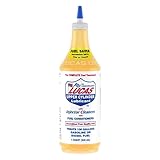
1. Lucas Oil 10003 Fuel Treatment - 1 Quart
Overview:
This 1-quart gasoline and diesel fuel additive positions itself as a universal “tune-up in a bottle,” targeting improved engine performance and efficiency for all fuel types. It promises comprehensive cleaning and lubrication across the entire fuel system.
What Makes It Stand Out:
Lucas Oil’s reputation as the “world’s #1 fuel additive” is its core differentiator. It uniquely combines deposit removal (injectors, carburetors, combustion chambers) with fuel lubrication – a critical feature for high-pressure diesel systems prone to wear. Its dual-fuel compatibility and MPG claims set it apart from single-application competitors.
Value for Money:
Priced moderately for a quart, it offers strong value for routine maintenance. While concentrates like Red Line may require less volume per tank, Lucas’s larger size provides better long-term cost efficiency for frequent users or diesel owners needing higher treatment doses, justifying its premium over smaller single-use bottles.
Strengths and Weaknesses:
Strengths: Excellent lubrication for diesel pumps, versatile gasoline/diesel use, proven deposit reduction, and reliable MPG gains. Weaknesses: Requires higher dosage per tank than some concentrates (e.g., 3 oz per 10 gal), lacks explicit corrosion inhibitors found in newer formulas, and the quart size may be excessive for occasional users.
Bottom Line:
Ideal for diesel owners or those seeking a reliable, lubricating treatment for regular maintenance. Its proven efficacy and dual-fuel capability make it a worthwhile investment despite slightly higher per-use costs, earning a solid recommendation for preventative care.
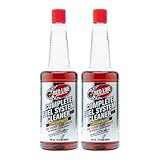
2. Red Line 60103 SI-1 Complete Fuel System Cleaner, Cleans and Prevents Corrosion in Fuel Systems, Cleans Injectors, Carburetors, Valve and Combustion Chamber Deposits - 15 Ounce (2 Pack)
Overview:
This 2-pack of 15oz Red Line SI-1 cleaners delivers a potent, corrosion-inhibiting formula designed for thorough fuel system restoration in gasoline engines, emphasizing one-tank effectiveness.
What Makes It Stand Out:
Red Line’s concentrated blend of high/low-temp detergents tackles deposits across the entire system – from injectors to combustion chambers – while actively preventing corrosion. Its standout claim is “nearly 100% efficiency in one treatment,” targeting severe buildup that cheaper additives often miss, especially in older engines.
Value for Money:
The 2-pack offers significant savings over single bottles, making deep cleaning affordable. Though pricier upfront than basic treatments, its concentrated formula (1 bottle per 15+ gallons) and one-treatment efficacy provide superior long-term value for resolving stubborn performance issues compared to multi-dose alternatives.
Strengths and Weaknesses:
Strengths: Exceptional deposit removal in one use, robust corrosion prevention, enhanced fuel stability, and versatile application (injectors, valves, carburetors). Weaknesses: Gasoline-only (not for diesel), smaller bottle size necessitates frequent repurchasing for large fleets, and lacks explicit MPG claims backed by real-world data.
Bottom Line:
A top choice for gasoline engine owners battling severe carbon buildup or corrosion concerns. The 2-pack’s cost efficiency and powerful cleaning justify its price, making it highly recommended for restorative treatments despite diesel incompatibility.
3. Red Line 60103 SI-1 Complete Fuel System Cleaner - 15 Ounce- Fuel Injector Cleaner and Carburetor Cleaner for Corrosion Prevention and Injector, Valve, and Combustion Chamber Deposit Removal

Overview:
This single 15oz bottle of Red Line SI-1 focuses on delivering premium, corrosion-preventing fuel system cleaning for gasoline engines, highlighting performance and efficiency gains through deposit removal.
What Makes It Stand Out:
Beyond standard cleaning, it emphasizes enhanced engine efficiency with explicit claims of improved fuel economy and power output. Its dual detergent system targets both high-temp (combustion chamber) and low-temp (injector) deposits aggressively, while the corrosion prevention is more prominently featured than in many competitors.
Value for Money:
Priced competitively for a single bottle, it’s cost-effective for one-off treatments. However, it’s less economical than the 2-pack version (Product 2) for recurring use. Still, its concentrated formula delivers better per-ounce value than budget multi-ounce treatments requiring larger doses per tank.
Strengths and Weaknesses:
Strengths: Powerful one-treatment results, strong corrosion inhibition, demonstrable smoothness/power improvements, and gasoline stability enhancement. Weaknesses: Gasoline-only limitation, small volume for high-mileage users, no diesel compatibility, and the single bottle offers no bulk discount.
Bottom Line:
An excellent standalone solution for gasoline engine maintenance when facing performance dips. While the 2-pack is better for value, this single bottle is highly recommended for targeted cleaning with its proven deposit removal and corrosion defense.
4. Gumout 510011 Multi-System Tune-Up, Fuel Stabilizer Injector Cleaner & Gas Treatment, 16 oz, Full Fuel System Cleaner - Improves Engine Performance, Cleans & Removes Deposits and Residue

Overview:
Gumout’s 16oz Multi-System Tune-Up is a versatile PEA-based treatment targeting the entire fuel system and beyond, compatible with gasoline, diesel, and ethanol blends for engines from cars to lawn equipment.
What Makes It Stand Out:
Its multi-system versatility is unmatched – usable in fuel tanks, crankcases, and via induction – and it uniquely combines injector/carburetor cleaning with fuel stabilization and catalytic converter protection. The PEA formula is highly effective on GDI engines, while ethanol/water corrosion fighting addresses modern fuel challenges.
Value for Money:
The 16oz size offers good value for its broad application range. Though slightly pricier than niche treatments, its ability to replace multiple products (stabilizer, injector cleaner, corrosion inhibitor) makes it economical for diverse engine fleets or seasonal storage needs.
Strengths and Weaknesses:
Strengths: Exceptional versatility (fuel/crankcase/induction), strong GDI injector cleaning, effective ethanol corrosion resistance, and fuel stabilization. Weaknesses: Less potent on severe diesel deposits than dedicated diesel additives, vague “maximize engine life” claims lack specificity, and PEA can sometimes dislodge large deposits causing temporary clogs.
Bottom Line:
A must-have for owners with mixed gasoline/diesel/ethanol engines or seasonal equipment. Its all-in-one functionality and modern fuel compatibility make it a top recommendation for comprehensive, preventative maintenance.
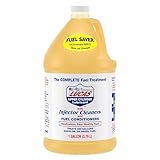
5. Lucas Oil 10013 Fuel Treatment - 1 Gallon
Overview:
This 1-gallon Lucas Oil treatment scales up their popular quart formula, offering bulk savings for gasoline and diesel engines with the same core promises of cleaning, lubrication, and MPG improvement.
What Makes It Stand Out:
The massive gallon size is its defining feature, catering to fleet operators, diesel truck owners, or frequent users needing extended treatment cycles. It retains Lucas’s signature dual-fuel lubrication – crucial for diesel fuel pump longevity – and emphasizes sustained MPG gains over time.
Value for Money:
Outstanding long-term value. Per-ounce cost is significantly lower than the quart (Product 1) or competitors’ concentrates. For high-mileage vehicles or multiple engines, the upfront cost pays off rapidly through reduced purchase frequency and consistent performance benefits.
Strengths and Weaknesses:
Strengths: Exceptional cost efficiency for heavy users, superior diesel lubrication, proven deposit reduction, and reliable fuel economy improvements. Weaknesses: Overkill for casual users with one small-engine vehicle, requires substantial storage space, and lacks advanced corrosion inhibitors found in Red Line.
Bottom Line:
The definitive choice for diesel owners, fleet managers, or anyone treating large volumes regularly. Its unbeatable bulk pricing and dependable performance make it an essential buy, highly recommended where volume justifies the initial investment.
6. ATS Chemical 505 CRF Fuel System Treatment - 16 oz Powerful Carbon & Injector Cleaner for Gasoline & Diesel Engines - Help Boost MPG, Restore Power, & Reduce Emissions - Easy Pour Bottle

Overview: The ATS Chemical 505 CRF is a versatile 16 oz fuel system treatment targeting carbon deposits in both gasoline and diesel engines. It promises to restore fuel economy, power, and reduce emissions by cleaning injectors, induction ports, and valves across a broad 5-20 gallon treatment range per bottle. Its dual-fuel compatibility sets it apart in a crowded market.
What Makes It Stand Out: Its standout feature is proven efficacy on both gasoline and diesel systems—a rarity among consumer treatments. The formula tackles tough carbon on direct and port injectors, plus induction components, in one application. The easy-pour bottle and wide treatment range (5-20 gal) add practical convenience for diverse vehicle tanks.
Value for Money: Priced competitively, the 505 CRF delivers strong value due to its dual-fuel capability and broad application scope. While similar single-fuel treatments cost comparably, needing separate products for diesel makes this a cost-effective solution for multi-vehicle households or diesel owners, avoiding redundant purchases.
Strengths and Weaknesses: Strengths: Dual-fuel compatibility; effective on direct/port injectors; easy-pour bottle; restores MPG/power; reduces emissions. Weaknesses: Shorter shelf life than some competitors; lacks explicit friction modifiers; less brand recognition than industry giants like Techron.
Bottom Line: An excellent choice for owners of gasoline or diesel vehicles seeking a single, potent carbon cleaner. Its versatility and proven deposit removal justify the price, making it a top recommendation for multi-fuel garages despite modest brand visibility.
7. Chevron Techron Concentrate Plus Fuel System Cleaner, 20 oz., Pack of 1

Overview: Chevron Techron Concentrate Plus is a trusted 20 oz professional-grade fuel system cleaner designed to resolve common drivability issues. Backed by Chevron’s refinery expertise, it targets carbon buildup to improve cold starts, stabilize fuel, and eliminate symptoms like rough idling or hesitation in gasoline engines.
What Makes It Stand Out: Techron leverages Chevron’s proprietary detergent technology, developed alongside their gasoline formulations. It uniquely combats fuel degradation for up to one year, making it ideal for seasonal vehicles or storage. Its focus on resolving specific performance issues (surge, fouling) rather than just “cleaning” adds targeted utility.
Value for Money: While pricier per ounce than some alternatives, its refinery-grade formula and year-long fuel stabilization offer superior long-term value. For classic cars or infrequently driven vehicles, the extended fuel shelf life justifies the cost, outperforming basic cleaners in storage scenarios.
Strengths and Weaknesses: Strengths: Industry-leading fuel stabilization (1 year); resolves cold-start issues; reduces spark plug fouling; trusted brand with R&D pedigree. Weaknesses: Higher cost; no diesel compatibility; limited friction-reduction claims compared to newer competitors.
Bottom Line: Highly recommended for gasoline vehicle owners needing reliable storage protection or resolving persistent drivability problems. Its unmatched fuel stability and refinery-backed formula make it worth the premium for specific use cases.
8. BG 44K Fuel System Cleaner

Overview: BG 44K is a professional-strength fuel system cleaner in a single-can format, treating 20 gallons of gasoline. Marketed to mechanics and enthusiasts, it aggressively targets injectors, valves, and combustion chambers to restore power, mileage, and combustion efficiency without harming fuel system materials.
What Makes It Stand Out: 44K’s standout trait is its rapid, intensive cleaning action—often used in dealer service departments for severe carbon buildup. Its compatibility with alcohol blends (E10/E15) and all fuel system materials ensures safety across modern engines. The focus on combustion quality (not just flow) differentiates it from basic injector cleaners.
Value for Money: Positioned as a premium professional product, its cost is justified by its efficacy on stubborn deposits. While pricier than consumer brands, one can delivers results comparable to multiple treatments of weaker formulas, offering strong value for severe cases or preventative maintenance.
Strengths and Weaknesses: Strengths: Proven severe-deposit removal; safe for flex-fuel systems; boosts power/output; widely trusted by mechanics. Weaknesses: Higher price point; limited retail availability; no diesel version; minimal shelf-life extension claims.
Bottom Line: A top-tier choice for serious carbon buildup or performance restoration in gasoline engines. Worth the investment for noticeable power gains and mileage recovery, especially for high-mileage vehicles, despite its professional pricing.
9. STP Ultra 5 In 1 Fuel System Cleaner and Stabilizer, Deep Cleans Fuel System and Fights Engine Friction, 12 FlOz

Overview: STP Ultra 5-In-1 is a compact 12 oz treatment emphasizing comprehensive fuel system care. It combines PEA/PIBA detergents to clean injectors, fight friction, stabilize fuel, and improve mileage in gasoline engines, requiring only a half-full tank for optimal mixing.
What Makes It Stand Out: Its “5-in-1” claim centers on friction reduction—a feature rare in competitors. The dual-detergent (PEA/PIBA) blend targets varied deposit types, while STP asserts it contains 3x the cleaning agents of premium gas. The small bottle size (12 oz) suits frequent, preventative use.
Value for Money: Cost-effective for regular maintenance due to high detergent concentration. Though treatment capacity (15-20 gal) is lower than some, the friction-fighting additives provide added longevity benefits, making it economical for routine top-ups versus intensive cleans.
Strengths and Weaknesses: Strengths: Unique friction reduction; high detergent concentration; easy half-tank use; stabilizes fuel; prevents future deposits. Weaknesses: Smaller treatment volume (vs. BG 44K/K&N); no diesel compatibility; limited real-world MPG claims verification.
Bottom Line: Ideal for preventative maintenance in gasoline engines. Its friction-fighting edge and concentrated formula offer solid value for frequent use, though severe buildup may require heavier-duty solutions like BG 44K.
10. K&N Performance+ Fuel System Cleaner: Restores Performance and Acceleration, 16 Ounce Bottle Treats up to 21 Gallons, 99-2050 , Black
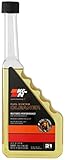
Overview: K&N Performance+ is a 16 oz gasoline-specific cleaner targeting acceleration loss and carbon deposits. It treats up to 21 gallons, claiming to restore throttle response and power across direct-injected and traditional fuel systems with a single application.
What Makes It Stand Out: Its highest treatment capacity (21 gal) among reviewed products offers exceptional convenience for larger tanks. K&N emphasizes acceleration restoration—a driver-focused metric—and universal compatibility with modern direct-injection engines, which are prone to carbon issues.
Value for Money: Excellent value per treated gallon due to the high capacity (21 gal). While priced near mid-range competitors, it treats more fuel per ounce than most, making it economical for full-size trucks/SUVs. The focus on throttle response addresses a common real-world complaint.
Strengths and Weaknesses: Strengths: Highest treatment capacity (21 gal); restores acceleration/throttle response; safe for direct injection; easy single-application use. Weaknesses: Gasoline-only; no fuel stabilization; less aggressive on severe carbon than BG 44K; limited emission-reduction data.
Bottom Line: A smart buy for owners of larger gasoline vehicles seeking responsive acceleration recovery. Its tank-filling convenience and DI compatibility deliver strong value, though severe cases may need supplemental treatment.
Understanding Modern Diesel Fuel Challenges
The fuel powering your truck today faces unique hurdles that weren’t as pronounced even a decade ago. Recognizing these challenges is the first step toward effective protection.
The Lubricity Deficit of Ultra-Low Sulfur Diesel
Removing sulfur to meet emissions regulations also stripped diesel fuel of its natural lubricating properties. This creates significant friction within high-pressure fuel pumps and injectors, accelerating wear. Without supplemental lubricity agents, critical components can suffer premature failure, leading to expensive repairs. The absence of this natural lubrication makes dedicated lubricity-enhancing treatments non-negotiable for long-term engine health.
Biofuel Blends and Their Hidden Complications
Increased adoption of biodiesel blends (like B5, B20, and beyond) introduces new variables. While beneficial for emissions, biofuels can attract more water, degrade faster (leading to sludge and sediment), and sometimes lack sufficient lubricity on their own. They also have different cold flow properties, potentially worsening gelling issues in winter. Treatments designed to stabilize biofuels and counteract their specific drawbacks are becoming increasingly essential.
Water Contamination: The Silent Killer
Water is diesel fuel’s constant enemy, entering through condensation, imperfect storage, or even the fueling process itself. Free water promotes microbial growth (diesel bug), causes corrosion, and can lead to catastrophic injector failure, especially in high-pressure systems. It also significantly lowers the effective cetane number. Effective water management – either through displacement or emulsification – is a fundamental requirement for any robust fuel treatment strategy.
Core Categories of Essential Fuel System Treatments
Not all additives are created equal. Understanding the distinct roles different treatment types play is crucial for building a comprehensive fuel care regimen tailored to your needs and environment.
Cetane Improvers: Ignition Catalysts
Cetane number measures how readily diesel fuel ignites under compression. Higher cetane means smoother, quieter starts, reduced white smoke, and more complete combustion. Many ULSD fuels fall below optimal cetane levels. Cetane improvers accelerate ignition timing, leading to better cold starts, improved power delivery, and reduced emissions. This is particularly vital in colder climates or for older engines designed for higher cetane fuel.
Detergent Packages: Injector Lifesavers
This is arguably the most critical category for modern diesels. High-detergency formulations actively clean existing deposits from injectors, intake valves, and combustion chambers while preventing new ones from forming. Coked injectors disrupt the precise fuel spray pattern, causing loss of power, increased fuel consumption, rough idling, and higher emissions. A strong, continuous-use detergent is fundamental for maintaining peak injector performance and engine efficiency over time.
Lubricity Enhancers: Protecting Precision Components
Directly addressing the ULSD lubricity problem, these additives form a protective film on metal surfaces within the fuel pump and injectors. This vital layer reduces friction and wear, preventing scuffing and scoring that can lead to costly component replacement. Look for treatments meeting stringent industry standards (like ASTM D6079) to ensure genuine protection for your high-pressure fuel system.
Cold Flow Improvers: Defeating Winter Woes
As temperatures drop, diesel fuel’s paraffin wax crystals can form and grow, eventually clogging filters and starving the engine of fuel – a condition known as gelling. Cold flow improvers modify the size and shape of these wax crystals, allowing them to pass through filters and preventing blockages at much lower temperatures than untreated fuel. This is indispensable for reliable operation in freezing conditions.
Advanced Protection for Specific Threats
Beyond the core categories, targeted treatments address emerging or persistent issues that can compromise your fuel system’s integrity and performance.
Fuel Stabilizers: Long-Term Storage Guardians
If your truck sits for extended periods, fuel degradation becomes a major concern. Oxidation creates gums and varnishes, while biofuels can separate or support microbial growth. Stabilizers slow oxidation, prevent phase separation in bio-blends, and inhibit microbial activity, keeping fuel viable for months or even years. This is essential for seasonal vehicles, emergency generators, or fleets with infrequent use.
Water Removers and Conditioners
Beyond basic water displacement, advanced treatments offer more sophisticated solutions. Some emulsify tiny amounts of water, allowing it to safely pass through the combustion process. Others contain powerful biocides to kill existing diesel bug and corrosion inhibitors to protect tanks and lines. Choosing the right water management approach depends on the severity of the problem and your storage conditions.
Metal Deactivators: Corrosion Prevention
Trace metals (like copper from fuel system components) can act as catalysts, accelerating fuel oxidation and gum formation. Metal deactivators chelate these metals, rendering them inert and significantly slowing down the degradation process. This is especially important for long-term fuel storage stability and maintaining fuel quality in the tank.
Anti-Foam Agents: Ensuring Accurate Metering
Excessive foaming in the fuel tank, often caused by aggressive pumping or certain additive interactions, can disrupt fuel pickup and lead to air ingestion in the fuel system. Anti-foam agents reduce surface tension, allowing bubbles to collapse quickly. This ensures consistent fuel delivery, particularly important during high-demand driving or refueling.
Selecting the Right Treatment Strategy
Choosing effective treatments requires careful consideration of your specific usage patterns, environment, and vehicle requirements. A one-size-fits-all approach rarely delivers optimal results.
Matching Treatment to Driving Patterns
Your driving habits heavily influence your needs. Frequent short trips and stop-and-go traffic generate more moisture and incomplete combustion byproducts, demanding stronger detergents and water management. Long highway haulers benefit significantly from cetane boosters and lubricity enhancers for sustained performance. Occasional drivers absolutely require robust stabilizers. Be honest about how you use your truck.
Climate Considerations are Non-Negotiable
Where you operate dictates critical treatment choices. Cold climates demand potent cold flow improvers as a seasonal necessity. Hot, humid environments increase the risk of water contamination and microbial growth, requiring vigilant water management and biocides. Arid regions might focus more on lubricity and detergency. Ignoring your local climate is a recipe for preventable problems.
Understanding Fuel Quality Variability
Fuel quality varies significantly by region and even by station. Some areas have notoriously poor ULSD or high bio-blend usage. If you frequently encounter rough running, excessive smoke, or filter plugging, it’s a clear sign your base fuel needs more robust support. Treatments with comprehensive formulations (detergent + lubricity + stabilizer) are often the best defense against inconsistent fuel quality.
Reading Labels and Understanding Claims
Not all product labels are created equal. Look for specific, verifiable claims: “Meets ASTM D975 lubricity standards,” “Contains X% active detergent,” “Lowers Cold Filter Plugging Point by Y degrees.” Be wary of vague terms like “super concentrated” or “maximum performance” without supporting data. Reputable brands often publish technical data sheets – seek them out. Understand the difference between “treats up to” capacity claims and actual concentration.
The Critical Importance of Regular Usage
Treatments are most effective when used consistently, before problems arise. Adding a treatment only when you have a known issue (like gelling) is often too late; prevention is the key strategy. Follow the manufacturer’s recommended dosage rates per tank for continuous protection. Skipping treatments intermittently undermines their preventative benefits and leaves your system vulnerable.
Implementing an Effective Fuel Treatment Regimen
Knowing what to use is only half the battle; knowing how and when to use it ensures you get the maximum benefit and avoid potential pitfalls.
Dosage Precision: More Isn’t Always Better
Over-treating can be just as harmful as under-treating. Excessive detergent can sometimes cause filter plugging as it loosens large amounts of deposits all at once. Too much cetane improver can lead to premature ignition (knock). Always adhere strictly to the dosage instructions based on your tank size. Using a measuring device designed for the product is highly recommended for accuracy.
Timing Your Treatments Correctly
The optimal time to add treatment is before filling the tank. This allows the additive to mix thoroughly with the incoming fuel as it enters the tank, ensuring even distribution. Adding it to an empty or nearly empty tank is ideal. Avoid adding treatments after the tank is full, as incomplete mixing can lead to localized concentrations or reduced effectiveness.
Avoiding Treatment Conflicts
Mixing multiple treatments from different brands, especially those with overlapping functions (e.g., two strong detergents or two cetane boosters), can sometimes cause chemical interactions that reduce effectiveness or create unintended byproducts. If using multiple treatments is necessary (e.g., a dedicated stabilizer plus a winter blend), ensure they are compatible or space their application (e.g., add stabilizer before storage, use winter blend during cold months). When in doubt, consult the manufacturers.
Monitoring Your Results
Pay attention to how your truck performs. Signs of an effective regimen include smoother cold starts, consistent power delivery, cleaner exhaust (less sooty smoke), improved fuel economy over time, and fewer injector-related issues. Conversely, persistent rough running, increased fuel consumption, or frequent filter changes despite treatment indicate it’s time to reevaluate your choices or dosage. Your truck provides the best feedback.
Future-Proofing Your Fuel Strategy for 2026 and Beyond
The diesel landscape continues to evolve. Staying ahead of trends ensures your fuel care practices remain effective against emerging challenges.
Anticipating Stricter Emissions and Fuel Standards
Regulatory pressures will only increase. Future fuels might have even lower sulfur content, higher bio-blend mandates, or novel synthetic components. Treatments will need to adapt to provide necessary lubricity, stability, and combustion efficiency without interfering with advanced after-treatment systems (like sophisticated DPFs and SCR). Prioritize brands demonstrating a commitment to R&D for next-generation fuels.
The Rise of Advanced Biofuels and Synthetics
Hydrotreated Vegetable Oil (HVO) and other renewable diesel fuels are gaining traction. While often cleaner burning, they may have different additive compatibility requirements or stability profiles compared to traditional diesel or biodiesel. Research treatments specifically formulated or verified for compatibility with these emerging fuel types as their adoption grows.
Integration with Onboard Diagnostics
Future trucks may leverage sophisticated sensors to monitor fuel quality and system health. Treatments designed to work synergistically with these systems, potentially providing data on additive effectiveness or early warning signs of fuel degradation, could become valuable. Look for innovation in how treatments interact with modern vehicle electronics.
Frequently Asked Questions
Frequently Asked Questions
How often should I add fuel treatment to my diesel truck? For optimal preventative maintenance, treat every tank of fuel. Consistent, regular use is far more effective than sporadic treatment only when problems arise, as it continuously protects injectors, lubricates the pump, and combats fuel degradation.
Can using fuel treatments void my diesel truck’s warranty? Reputable treatments used according to the manufacturer’s instructions for the specific application generally will not void a warranty. However, using off-spec additives or incorrect dosages could potentially cause issues. Always check your vehicle warranty terms and choose treatments meeting recognized industry standards.
Are “complete” fuel treatments better than single-purpose additives? Comprehensive treatments offering detergent, lubricity, cetane boost, and stabilizer in one formula are often ideal for routine maintenance, providing balanced protection. Single-purpose additives (like heavy-duty winter blends) are valuable for addressing specific, acute needs but shouldn’t replace a solid baseline regimen.
Do I still need lubricity treatment if I use premium diesel? While some premium diesel fuels include additional lubricity agents, the levels can vary significantly and may not meet the stringent requirements of modern high-pressure fuel systems, especially over time. Using a dedicated lubricity enhancer as part of your regular treatment provides consistent, guaranteed protection.
Can fuel treatments clean a severely clogged diesel particulate filter (DPF)? No. Fuel treatments primarily work within the fuel system (tank, lines, pump, injectors). They do not clean the DPF, which requires specific regeneration processes. Some treatments might help prevent excessive soot loading by improving combustion, but they cannot unclog an already blocked filter.
What’s the difference between a fuel stabilizer and a regular treatment? Stabilizers are specifically formulated to combat fuel degradation during storage (oxidation, gum formation, microbial growth) and are used at higher concentrations for that purpose. Regular maintenance treatments focus on combustion enhancement, lubricity, and detergency during active use and are dosed per tank for ongoing protection.
Is it safe to mix different brands of fuel treatment? Mixing different brands is generally not recommended unless explicitly stated as compatible by the manufacturers. Different chemical formulations can interact unpredictably, potentially reducing effectiveness or causing issues. Stick to one comprehensive brand or carefully research compatibility if using multiple specific treatments.
Do fuel treatments help improve fuel economy in diesel trucks? Yes, indirectly and over time. By keeping injectors clean for optimal spray patterns, improving combustion efficiency (via cetane boost), and reducing friction (via lubricity), treatments can help restore and maintain the engine’s designed fuel economy. Significant immediate MPG jumps are unlikely, but consistent use prevents the gradual decline caused by deposit buildup.
Can I use gasoline fuel additives in my diesel truck? Absolutely not. Gasoline and diesel fuel systems and combustion processes are fundamentally different. Gasoline additives are not formulated for diesel and can cause severe damage to diesel fuel systems, injectors, and emissions components. Always use additives specifically labeled for diesel engines.
How do I know if my fuel treatment is actually working? Look for gradual improvements: smoother cold starts, reduced exhaust smoke (especially white or black smoke on acceleration), more consistent power delivery, and potentially stabilized or slightly improved fuel economy over several tanks. Lack of new injector-related problems (like misfires or loss of power) is also a strong indicator of preventative success.
See Also
- 10 Affordable Fuel System Treatments That Don’t Sacrifice Quality in 2026
- 2026’s Top 10 Fuel System Treatments for High-Performance Engines
- 10 Essential Paint Correction Machines Every Pro Detailer Needs in 2026
- 10 Best Diesel Fuel Cleaners for Cold Weather Performance in 2026
- 10 Essential Car Detailing Vacuums Every Professional Detailer Needs in 2026