Table of Contents
There’s nothing quite like the sinking feeling of seeing your check engine light illuminate during a late-night drive, casting an ominous glow on dark, deserted roads. When automotive troubles strike after sunset, you’re immediately at a disadvantage—limited visibility makes everything more complicated, from locating your OBD2 port to interpreting diagnostic codes while balancing a flashlight. This is where modern OBD2 scanners equipped with sophisticated diagnostic lights transform from convenient gadgets into essential tools, turning what could be a stressful roadside emergency into a manageable situation.
As we look toward 2026, the evolution of these diagnostic devices has accelerated dramatically, integrating cutting-edge illumination technology with increasingly powerful diagnostic capabilities. The latest generation of scanners doesn’t just read codes—they provide comprehensive diagnostic ecosystems designed specifically for low-light environments. Understanding what makes these tools truly game-changing requires looking beyond simple LED additions to examine the holistic design philosophy that prioritizes nighttime usability without compromising diagnostic depth.
Top 10 OBD2 Scanners with Diagnostic Lights
Detailed Product Reviews
1. FOXWELL NT301 OBD2 Scanner Live Data Professional Mechanic OBDII Diagnostic Code Reader Tool for Check Engine Light

Overview:
The FOXWELL NT301 positions itself as a professional-grade OBD2 scanner designed for mechanics and serious DIY enthusiasts. This handheld device delivers core diagnostic functions including reading and clearing diagnostic trouble codes, accessing live sensor data, checking emissions readiness status, and retrieving vehicle identification numbers. Compatible with most 1996+ US and 2000+ EU/Asian vehicles, it supports all major OBDII protocols including KWP2000, J1850 VPW, ISO9141, J1850 PWM, and CAN.
What Makes It Stand Out:
Unlike basic code readers, the NT301 offers live data graphing and logging capabilities, allowing users to monitor sensor trends and capture intermittent issues. The dedicated I/M readiness hotkeys with red-yellow-green LED indicators and built-in speaker provide immediate visual and audible feedback for smog checks, making it exceptionally useful for emissions testing preparation. This combination of data visualization and intuitive readiness status sets it apart from entry-level competitors.
Value for Money:
Priced in the mid-range category, the NT301 strikes a balance between professional features and affordability. While more expensive than entry-level readers, its data logging and graphing functions justify the premium for users who need more than basic code clearing. Professional mechanics will appreciate its robustness, while serious DIYers gain capabilities typically found in more expensive equipment.
Strengths and Weaknesses:
Strengths include robust live data visualization, comprehensive protocol support, and intuitive emissions readiness indicators. The device reads codes accurately and quickly with minimal boot time. However, significant weaknesses include lack of ABS, SRS, and transmission system support, plus no advanced functions like bi-directional control or battery registration. It’s strictly an engine/PCM diagnostic tool, limiting its scope for modern vehicle troubleshooting.
Bottom Line:
The FOXWELL NT301 suits automotive enthusiasts and semi-professional mechanics requiring live data analysis. If you need graphing capabilities and smog check assistance without breaking the bank, it’s a solid choice, but those needing ABS/SRS diagnostics should look elsewhere.
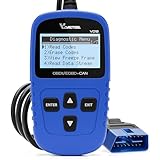
2. VDIAGTOOL VD10 OBD2 Scanner Code Reader Car Diagnostic Tool Engine Fault Code Reader for Turn Off CEL with Freeze Frame/I/M Readiness for All OBDII Protocol Cars, OBD2 Scanner Diagnostic Tool
Overview:
The VDIAGTOOL VD10 targets entry-level users seeking simplicity in vehicle diagnostics. This compact OBD2 scanner handles essential functions: reading and clearing codes, viewing live data, accessing freeze frame information, checking I/M readiness, and retrieving vehicle details. Marketed as a “must-have tool for DIYers,” it promises straightforward operation for those intimidated by complex diagnostic equipment, requiring only connection to the OBDII port to function.
What Makes It Stand Out:
The VD10’s primary distinction is its FIXD-like simplicity and built-in database of over 3,000 trouble codes with definitions displayed directly on screen. This eliminates time-consuming online searches, making it genuinely beginner-friendly. The instant DTC lookup feature saves novices from interpreting cryptic alphanumeric codes manually, while the straightforward menu structure ensures minimal learning curve for basic troubleshooting tasks.
Value for Money:
As a budget-tier scanner, the VD10 delivers exceptional affordability for basic diagnostics. It provides core functionality without unnecessary complexity, making it ideal for occasional use. For drivers wanting to check engine lights before visiting a mechanic, it pays for itself quickly by providing preliminary diagnostic information. The cost-benefit ratio is excellent for first-time scanner owners.
Strengths and Weaknesses:
Strengths include extreme ease of use, fast operation, and the convenient integrated code library. The device connects reliably to most OBDII-compliant vehicles without compatibility issues. However, weaknesses are notable: the limited DTC database pales against competitors offering 30,000+ codes, and it lacks advanced features like O2 sensor testing, EVAP diagnostics, or enhanced system support (ABS/SRS). The basic monochrome display feels dated compared to newer color screen models.
Bottom Line:
The VDIAGTOOL VD10 serves as an excellent gateway scanner for first-time users. It reliably handles check engine light issues but won’t satisfy advanced DIYers. Purchase this for simplicity and value, not comprehensive diagnostics.
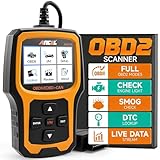
3. ANCEL AD410 Enhanced OBD2 Scanner, Vehicle Code Reader for Check Engine Light, Automotive OBD II Scanner Fault Diagnosis, OBDII Scan Tool for All OBDII Cars 1996+, Black/Yellow
Overview:
The ANCEL AD410 earns credibility through its endorsement by popular automotive YouTuber Scotty Kilmer, positioning itself as a trustworthy enhanced OBD2 scanner. This tool supports all OBDII protocols across 1996+ US vehicles and 2000+ EU/Asian models. It delivers critical functions including reading/clearing codes, I/M readiness checks, and an impressive built-in library of 42,000+ DTC definitions, all powered directly from the vehicle’s OBDII connector without requiring batteries.
What Makes It Stand Out:
The AD410 distinguishes itself with advanced diagnostic capabilities uncommon in this price range, specifically O2 sensor testing and EVAP system leak detection. These features help users optimize fuel efficiency and verify emissions system integrity. The 2.4-inch TFT true-color display (262K colors) with an intuitive redesigned UI enhances readability and user experience significantly over basic LCD models, making navigation effortless for all skill levels.
Value for Money:
Positioned in the mid-range segment, the AD410 offers compelling value through its enhanced diagnostics and large color screen. The extensive DTC database and specialized tests justify the modest premium over entry-level scanners, delivering professional insights without professional pricing. For DIYers wanting more than basic code reading, the feature set punches above its weight class.
Strengths and Weaknesses:
Strengths include the vibrant color display, comprehensive O2 and EVAP testing, multilingual support, and Scotty Kilmer’s endorsement lending credibility. The 42,000-code library is class-leading. The device boots quickly and interfaces smoothly. Weaknesses include the same limitation as most scanners in this category: no support for ABS, SRS, or transmission systems. It’s engine-focused only, which may disappoint users needing full-system diagnostics.
Bottom Line:
The ANCEL AD410 excels for DIYers wanting beyond-basic diagnostics without complexity. Its enhanced testing features and superior display make it a top mid-range choice, provided you don’t need ABS/SRS coverage.
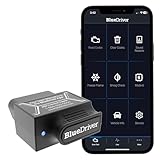
4. BlueDriver Bluetooth Pro OBDII Scan Tool for iPhone & Android - No Subscription Fee - OBD2 Car Scanner and Code Reader - Diagnose Check Engine, ABS, SRS, Airbag & 7000+ Issues on Vehicles 1996+
Overview:
The BlueDriver Bluetooth Pro revolutionizes OBD2 scanning by eliminating cables and leveraging smartphone technology. This compact adapter plugs into your OBDII port and connects wirelessly to iOS or Android devices via Bluetooth. Unlike basic readers, it diagnoses not just engine codes but also ABS, SRS, airbag, and TPMS issues across 7,000+ vehicle-specific problems, making it a comprehensive diagnostic solution that transforms your phone into a professional scan tool.
What Makes It Stand Out:
BlueDriver’s standout feature is its unlimited free repair reports generated from a database of actual mechanic fixes, providing specific possible causes and solutions rather than generic code definitions. The accompanying app includes step-by-step repair videos, transforming your phone into a powerful diagnostic and learning platform. Live data streaming while driving offers real-time health monitoring, and the wireless design eliminates cumbersome cables entirely.
Value for Money:
While priced higher than handheld scanners, BlueDriver justifies its cost through wireless convenience, enhanced system coverage, and zero subscription fees. Comparable professional scan tools with similar capabilities cost significantly more and often require annual fees. The one-time purchase includes lifetime app updates and database enhancements, making it economical long-term for serious users.
Strengths and Weaknesses:
Strengths include comprehensive system diagnostics (ABS/SRS/Airbag), wireless connectivity, excellent app interface, repair videos, and lifetime free updates. The live data feature is robust and customizable. Weaknesses include dependence on smartphone battery and compatibility, occasional Bluetooth connectivity hiccups in areas with interference, and a higher upfront investment. Some users prefer physical buttons over touchscreen controls for garage environments.
Bottom Line:
BlueDriver suits tech-savvy users wanting maximum capability without subscription costs. If you own a smartphone and need ABS/SRS diagnostics, it’s the best wireless option available, delivering professional-grade features in a consumer-friendly package.
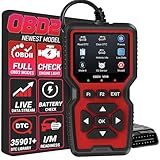
5. WEJOWE OBD2 Scanner Diagnostic Tool, Check Engine Code Reader OBD2 Scanner with Reset, Mode 6, Mode 8 & I/M Readiness, Auto Check Engine Light Car Diagnostic Scan Tool for All OBDII Car Since 1996
Overview:
The WEJOWE OBD2 Scanner emerges as a surprisingly feature-rich budget diagnostic tool packing premium capabilities into an affordable package. Supporting 98% of post-1996 vehicles across multiple protocols, this scanner offers an extensive 35,901 DTC lookup library—far exceeding typical budget models. It handles all essential functions: reading/clearing codes, live data streaming, freeze frame, I/M readiness, VIN retrieval, battery voltage testing, and component testing, plus unique data printing capabilities.
What Makes It Stand Out:
WEJOWE’s unique selling proposition is its data printing capability, allowing users to connect via Type-C cable to a computer and print diagnostic reports—ideal for avoiding mechanic overcharges. Additionally, Mode 6 and Mode 8 support provide advanced onboard monitoring and component testing typically found in professional-grade tools. Lifetime free updates ensure the device stays current with evolving vehicle technology, a rarity in this price bracket.
Value for Money:
Offering an exceptional price-to-feature ratio, WEJOWE delivers professional-level diagnostics at entry-level pricing. The massive DTC library, printing functionality, and lifetime updates create outstanding value that competitors struggle to match. For budget-conscious buyers wanting advanced features, it’s difficult to find a better return on investment.
Strengths and Weaknesses:
Strengths include the enormous 35,901-code database, convenient data printing, compact design with canvas storage bag, Mode 6/8 support, and lifetime updates. Multilingual support covers 10 languages. The scanner boots quickly and provides accurate readings. Weaknesses involve a lesser-known brand reputation, potentially less refined user interface than established competitors, and documentation that may not be as comprehensive. The device is engine-system only, lacking ABS/SRS support.
Bottom Line:
The WEJOWE scanner represents a bargain for advanced DIYers wanting premium features on a budget. If you value comprehensive code definitions, report printing, and future-proof updates, this underdog delivers remarkable capability for the price.
6. OBD2 Scanner Diagnostic Tool - Check Engine Light Code Scanner Tool with Reset, DTC, Data Stream, I/M Readiness, Car & Truck Scan Tool for All Vehicles Since 1996, escaner automotriz

Overview: This universal OBD2 scanner delivers comprehensive diagnostic capabilities for virtually any vehicle manufactured after 1996. The tool provides essential functions including check engine light reset, real-time data streaming, I/M readiness monitoring, and freeze frame data retrieval. Its garage-grade chip and 2.8-inch color display position it as a professional-grade yet accessible solution for DIY enthusiasts and independent mechanics working across diverse vehicle makes.
What Makes It Stand Out: The scanner’s standout feature is its exceptional 98% vehicle compatibility coverage, spanning American vehicles from 1996, Japanese from 2002, and European from 2008 onward. The proprietary garage-level chip processes diagnostics 50% faster than conventional tools, while multilingual support (including English and Spanish) serves North and Latin American markets specifically. The I/M readiness pre-inspection function helps users pass emissions tests on the first attempt, potentially saving costly retest fees.
Value for Money: Priced competitively in the $50-70 range, this tool eliminates $75-150 diagnostic fees per dealership visit. The comprehensive feature set—including advanced CAN bus protocol support—matches capabilities of scanners costing twice as much. For owners of multiple vehicles or those performing their own maintenance, the return on investment occurs within 1-2 uses, making it a financially sound purchase for long-term savings.
Strengths and Weaknesses: Strengths:
- Exceptional 98% vehicle compatibility across global manufacturers
- 50% faster processing with professional-grade chip
- Multilingual interface with HD color screen
- One-click check engine light reset functionality
- Comprehensive I/M readiness emissions pre-testing
Weaknesses:
- Brand name recognition is limited compared to established manufacturers
- No battery testing capability included
- Cable length may be restrictive for some truck applications
- Software updates mechanism is unclear in documentation
Bottom Line: This scanner represents outstanding value for DIY mechanics seeking professional capabilities without premium pricing. While lacking some advanced features of top-tier brands, its core diagnostic functions, speed, and compatibility make it highly recommended for home garages and mobile mechanics needing reliable, everyday diagnostic access.
7. VEHLIVE OBD2 Scanner Diagnostic Tool, Check Engine Light Car Code Reader with Reset, Battery Tester, Live Data, Freeze Frame, I/M Readiness, Car Scanner Diagnostic Tool for All OBDII Car After 1996

Overview: The VEHLIVE V880 combines traditional OBD2 diagnostics with integrated 12V battery testing in one compact unit. Supporting all OBDII protocols and vehicles from 1996 onward, this scanner reads and clears codes, monitors I/M readiness, and retrieves freeze frame data. Its most distinguishing characteristic is the massive built-in DTC library, making it a versatile dual-function tool for comprehensive vehicle health assessment beyond standard engine diagnostics.
What Makes It Stand Out: The V880’s 98,963 DTC definitions dwarf the 3,000-10,000 codes typical in competing scanners, providing instant on-screen explanations without internet searches. The integrated battery testing system offers real-time voltage assessment, while live data monitoring tracks over 50 parameters including fuel trim and oxygen sensor readings. Unique PC connectivity enables data playback and printing for detailed analysis, a feature rarely found in this price category. The one-click I/M readiness hotkey streamlines emissions testing preparation.
Value for Money: Positioned in the $60-80 segment, the V880 essentially bundles two tools—OBD2 scanner and battery tester—typically costing $40-50 each when purchased separately. The extensive DTC library eliminates time-consuming manual research, translating to measurable labor savings. For used car buyers or multi-vehicle households, the battery testing function alone justifies the modest price premium over basic scanners, delivering exceptional utility per dollar.
Strengths and Weaknesses: Strengths:
- Massive 98,963 DTC library with detailed definitions
- Integrated battery and alternator health testing
- Real-time monitoring of 50+ parameters with waveform graphs
- PC connectivity for data playback and printing
- One-click I/M readiness and EVAP leak testing
- Eight-language support for international users
Weaknesses:
- Interface navigation can be less intuitive than premium brands
- Battery test probes could be more robust
- No protective case included
- Software update process requires manual verification
Bottom Line: The VEHLIVE V880 is a feature-rich powerhouse that punches above its weight class. The combination of extensive diagnostic capabilities and battery testing makes it ideal for DIYers, small shops, and used vehicle inspectors. Despite minor ergonomic shortcomings, its comprehensive feature set and extensive DTC library make it a top recommendation in the under-$100 category.
8. MOTOPOWER MP69033 Pro OBD2 Scanner Code Reader Check Engine Fault Light Diagnostic Scan Tool with Battery Tester

Overview: MOTOPOWER’s MP69033 Pro elevates the standard code reader into a professional diagnostic instrument with integrated battery and alternator testing. Compatible with all OBDII protocols and vehicles from 1996, this scanner provides full code reading/erasing, freeze frame data, I/M readiness, and real-time parameter monitoring. The 2.8-inch TFT color display and latest industrial chip deliver six times faster processing than competitors, positioning it as a serious tool for both DIY enthusiasts and professional technicians.
What Makes It Stand Out: The Pro version’s battery testing capability extends beyond simple voltage checks to include alternator output analysis and live ripple detection for diagnosing diode failures—features typically found in dedicated $100+ battery analyzers. The ultra-fast processing chip dramatically reduces wait times during vehicle scans, while the real-time curve display visualizes data trends for intermittent fault diagnosis. The extended cable length improves accessibility in cramped engine bays, and eight-language support broadens its professional applicability.
Value for Money: Retailing around $70-90, the MP69033 Pro competes directly with single-function OBD2 scanners while adding $50-75 worth of battery testing functionality. The six-fold speed increase translates to measurable time savings in busy shops, effectively increasing technician productivity. For home users, the alternator ripple analysis can prevent catastrophic charging system failures, potentially saving $200-400 in towing and emergency repairs. The value proposition is compelling for anyone needing both diagnostic and electrical system assessment.
Strengths and Weaknesses: Strengths:
- Integrated advanced battery, alternator, and ripple testing
- Six times faster processing than competing scanners
- Real-time data curve visualization
- Extended cable for hard-to-reach OBDII ports
- Comprehensive DTC lookup library included
- Eight-language support for international markets
Weaknesses:
- No protective carrying case provided
- Screen viewing angles could be improved
- Battery test leads are somewhat short
- Menu system has learning curve for novice users
Bottom Line: The MOTOPOWER MP69033 Pro is a standout hybrid tool that merges fast, accurate OBD2 diagnostics with professional-grade battery testing. While the interface could be more user-friendly, its speed, comprehensive capabilities, and build quality make it an excellent investment for serious DIY mechanics and small repair shops needing dual functionality without purchasing separate equipment.
9. MOTOPOWER MP69033 Car OBD2 Scanner Code Reader Engine Fault Scanner CAN Diagnostic Scan Tool for All OBD II Protocol Cars Since 1996, Yellow

Overview: This compact MOTOPOWER MP69033 offers essential OBD2 diagnostic functions in a budget-friendly package. The yellow handheld unit reads and clears check engine codes, retrieves freeze frame data, monitors I/M readiness status, and displays real-time vehicle parameters including speed, coolant temperature, and calculated load values. Supporting nine OBDII protocols and six languages, it draws power directly from the vehicle’s diagnostic port, eliminating the need for batteries or external chargers for basic operation.
What Makes It Stand Out: The scanner’s compact design with a 2.5-foot thick, flexible cable provides durability in tight spaces while maintaining portability. The six-button interface includes dedicated quick-access keys for VIN retrieval and DTC fault codes, streamlining common tasks. The 2.8-inch LCD with white backlight offers clear visibility in various lighting conditions. Its straightforward plug-and-play operation requires no app downloads or wireless configuration, making it immediately usable for technophobic users or quick roadside checks.
Value for Money: Priced aggressively in the $30-45 range, this is among the most affordable legitimate OBD2 scanners available. It delivers core diagnostic functions that resolve 90% of check engine light issues without premium features that inflate costs. For owners of older vehicles (1996-2010) or those needing a backup scanner, the value is undeniable. However, the absence of battery testing means users must purchase a separate multimeter or battery tester, potentially negating initial savings for those needing comprehensive diagnostics.
Strengths and Weaknesses: Strengths:
- Extremely affordable entry-level pricing
- Compact, durable design with thick insulation cable
- Dedicated quick-access function buttons
- No batteries required; powered via OBDII port
- Supports nine OBDII protocols for broad compatibility
- Simple, intuitive six-button navigation
Weaknesses:
- Cannot read ABS, airbag, or oil service codes (critical limitation)
- No battery or alternator testing capability
- Monochrome LCD less vibrant than color displays
- Slower processing than Pro version
- Lacks advanced data graphing features
Bottom Line: This scanner serves as an excellent entry-level tool for basic engine diagnostics and code clearing. While its ABS/airbag limitation is significant for modern vehicles, the price and simplicity make it ideal for owners of older cars, first-time DIYers, or as a secondary backup tool. Recommend for those needing fundamental OBD2 functions without electrical system testing requirements.
10. Autel OBD2 Scanner MS309 Universal Car Engine Fault Code Reader, Check Engine Light and Emission Monitor Status, OBDII CAN Diagnostic Scan Tool
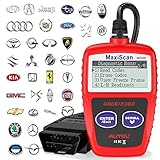
Overview: The Autel MS309 leverages the brand’s reputation for quality diagnostics in a basic, affordable package. This scanner reads and clears generic, manufacturer-specific, and pending codes across all standard OBDII vehicles from 1996 onward. It retrieves freeze frame data, I/M readiness status, and essential vehicle information including VIN and calibration IDs. The built-in database provides on-screen definitions for over 1,000 DTCs, eliminating manual code lookup for common faults.
What Makes It Stand Out: Autel’s primary distinction is brand reliability and customer support infrastructure, offering PDF manuals and responsive technical assistance. The on-screen DTC definitions save time compared to basic scanners requiring external reference. The tool’s simplicity—true plug-and-play operation without registration or apps—appeals to users wanting immediate functionality. For buyers prioritizing manufacturer reputation over features, the Autel name provides confidence in accuracy and update support.
Value for Money: At $40-55, the MS309 commands a 20-30% premium over generic scanners while offering fewer features than comparably priced alternatives. The value proposition is compromised by significant limitations: it cannot clear codes on 2017+ FCA vehicles (Chrysler, Dodge, Jeep) due to Secure Gateway modules, and offers no TPMS or service functions. For owners of non-FCA vehicles seeking brand-name reliability for basic diagnostics, the price is justifiable, but feature-conscious buyers find better value elsewhere.
Strengths and Weaknesses: Strengths:
- Reputable Autel brand with customer support
- On-screen DTC definitions for 1,000+ codes
- True plug-and-play, no registration required
- Retrieves comprehensive vehicle identification data
- Freeze frame and I/M readiness monitoring included
- Clear PDF documentation readily available
Weaknesses:
- Cannot clear codes on 2017+ FCA vehicles (Chrysler, Dodge, Jeep)
- No battery testing or advanced diagnostics
- Only 1,000 DTC definitions vs competitors’ 10,000+
- Not listed on Autel US distributor website
- No TPMS or service reset capabilities
- Slower processing than newer competitors
Bottom Line: The MS309 is a reliable but limited basic scanner best suited for owners of pre-2017 non-FCA vehicles who value brand reputation. Its FCA limitation is a deal-breaker for many, and feature set lags behind similarly priced alternatives. Recommend only if brand trust outweighs functional limitations and your vehicle fleet excludes newer FCA models. Otherwise, competitors offer superior capabilities at this price point.
Why Nighttime Diagnostic Lights Matter for OBD2 Scanners
When you’re peering into a dimly lit engine bay at 11 PM, the value of integrated lighting becomes immediately apparent. Diagnostic lights on OBD2 scanners serve multiple critical functions that extend far beyond simple convenience.
Illuminating the OBD2 Port Location
The OBD2 port’s standardized location varies significantly between vehicle makes and models, often hiding beneath dashboards in shadowy recesses. Integrated diagnostic lights eliminate the frustrating fumbling and awkward positioning that comes with using a separate flashlight, allowing you to quickly locate and connect to the port without contorting your body or dropping your tools.
Reading Codes in Complete Darkness
Once connected, you’re still faced with interpreting diagnostic information on the scanner’s display. Backlit screens alone aren’t enough when you’re working in a pitch-black garage or roadside setting. Scanners with comprehensive diagnostic lighting systems ensure you can read both the device screen and any printed reference materials without additional light sources.
Safety Considerations for Nighttime Repairs
Working on vehicles in low-light conditions presents genuine safety hazards. Proper illumination helps you avoid hot components, moving belts, and other dangers lurking in the darkness. The right diagnostic lighting system creates a safer working environment while keeping your hands free to actually perform the diagnostic work.
Key Features That Define Game-Changing OBD2 Scanners in 2026
The most innovative scanners arriving in 2026 share several revolutionary features that distinguish them from previous generations. These aren’t incremental improvements but fundamental rethinking of how diagnostic tools function in real-world conditions.
Adaptive Brightness Control Technology
Advanced models now incorporate ambient light sensors that automatically adjust screen brightness and diagnostic LED intensity based on your environment. This prevents the blinding effect of overly bright displays in near-darkness while ensuring readability when ambient light increases. The technology extends battery life and reduces eye strain during extended diagnostic sessions.
Multi-Directional LED Arrays
Rather than a single forward-facing light, premium scanners feature multiple LED arrays positioned to illuminate the connection port, the device interface, and the surrounding work area simultaneously. This three-point lighting system eliminates shadows and provides comprehensive visibility without harsh glare that can reflect off chrome engine components.
Color-Coded Diagnostic Indicators
Next-generation scanners utilize colored LED systems that communicate diagnostic status at a glance. Green might indicate a successful connection, blue for data transmission, red for critical codes, and amber for pending issues. This visual language allows experienced technicians to assess situations without constantly reading the screen.
Understanding Different Types of Diagnostic Lighting Systems
Not all diagnostic lights are created equal, and understanding the various technologies helps you select the right tool for your specific needs and working style.
Adjustable Spot vs. Flood Light Modes
Some scanners offer dual-mode lighting systems, allowing you to switch between focused spotlighting for precise port location and wide flood lighting for general engine bay illumination. This versatility proves invaluable when you need to inspect components after receiving your diagnostic codes.
Warm vs. Cool Light Temperature Options
The color temperature of diagnostic lights significantly impacts visibility and eye comfort during prolonged use. Cool white LEDs (5000K-6500K) provide crisp detail recognition but can cause eye fatigue. Warm white options (2700K-3000K) are gentler on the eyes but may not reveal fine details as clearly. Advanced units offer selectable temperature ranges.
Emergency Flashing Modes
Many 2026 models incorporate emergency signaling capabilities, with strobing or SOS light patterns that can alert other motorists to your presence during roadside repairs. This safety feature transforms your diagnostic tool into a multi-purpose emergency device, providing peace of mind during nighttime breakdowns.
Screen Technology for Optimal Nighttime Visibility
The display is your primary interface with diagnostic data, and its performance in low-light conditions can make or break your experience.
OLED vs. LCD Display Advantages
OLED screens have become increasingly prevalent in premium OBD2 scanners because they produce true blacks and exceptional contrast ratios. Each pixel generates its own light, eliminating the need for backlights that can create uneven illumination. LCD displays with advanced local dimming zones offer a more affordable alternative while still providing excellent nighttime readability.
Anti-Glare and Anti-Reflective Coatings
High-quality scanners feature specialized screen coatings that minimize reflections from your diagnostic lights and ambient sources. This technology ensures that the information you need remains visible regardless of your viewing angle or lighting position, preventing the frustrating mirror effect that can render screens unreadable.
Large Font and High Contrast Modes
Accessibility features have become standard, with scanners offering dedicated high-contrast modes that use large, bold fonts and simplified color schemes. These modes prioritize legibility over graphical flourishes, ensuring you can quickly read codes and definitions without squinting or bringing the device uncomfortably close to your face.
Power Management for Extended Nighttime Use
Diagnostic sessions often run longer than expected, especially when troubleshooting intermittent issues that only manifest under specific conditions. Power efficiency becomes paramount.
Battery Life Optimization Strategies
Modern scanners employ intelligent power management systems that dim non-essential lights when not in use and enter low-power states while maintaining connection readiness. Some units can operate for 20+ hours on a single charge with lights active, while others offer quick-charge capabilities that restore hours of use in just 15 minutes.
Power Bank Integration Capabilities
The most versatile scanners include bidirectional USB-C ports that allow them to function as emergency power banks for your phone or other devices. Conversely, they can receive power from external battery packs, ensuring uninterrupted operation during marathon diagnostic sessions far from electrical outlets.
Vehicle Power Tap Options
Professional-grade units offer direct connection to the vehicle’s battery through auxiliary ports, providing unlimited runtime when working in garage settings. This feature eliminates battery anxiety entirely, allowing you to focus on thorough diagnostics rather than conservation.
Physical Design Considerations for Low-Light Repairs
Ergonomics and build quality take on new importance when you’re working in awkward positions under poor lighting conditions.
Grips and Textures for Secure Handling
Premium scanners feature overmolded rubber grips with textured patterns designed for secure handling, even with oily or gloved hands. The tactile feedback allows you to operate buttons and navigate menus by feel, reducing your dependence on visual confirmation for basic operations.
Magnetic Mounting and Hands-Free Options
Integrated magnets and mounting points enable you to attach the scanner to metal surfaces, keeping it visible and accessible while freeing both hands for repairs. Some models include flexible neck mounts or clamp systems that position the device at optimal viewing angles regardless of your working position.
Durability and Weather Resistance
Nighttime repairs often occur in less-than-ideal weather conditions. IP67-rated scanners withstand rain, dust, and brief immersion, while shock-resistant housings protect against drops on hard pavement. These durability features ensure your investment survives real-world use scenarios.
Advanced Diagnostic Capabilities Worth Considering
While lighting gets you connected, the diagnostic depth determines whether you can actually solve the problem. The 2026 scanner generation offers unprecedented analytical power.
Bi-Directional Control Functions
The ability to send commands to vehicle systems transforms your scanner from a passive code reader into an active diagnostic tool. You can activate individual components, run system tests, and verify repairs in real-time, all while monitoring results on your illuminated display.
Live Data Streaming with Graphical Displays
Watching sensor data stream in real-time helps identify intermittent issues that static code reading misses. Advanced graphical displays plot multiple data points simultaneously, with customizable alerts that trigger your diagnostic lights when parameters exceed normal ranges.
Advanced Coding and Programming Features
For experienced users, the latest scanners offer module coding and adaptation capabilities, allowing you to configure replacement parts, update software, and customize vehicle behavior. These professional features require robust processing power and comprehensive vehicle databases.
Connectivity Features That Enhance Nighttime Workflows
Modern scanners integrate seamlessly with other devices and platforms, expanding their utility beyond standalone operation.
Wireless Connectivity Options
Bluetooth 5.3 and Wi-Fi 6E connectivity provide stable, high-speed connections to smartphones and tablets, allowing you to use larger screens for complex diagnostics while the scanner itself serves as a wireless data bridge. This setup lets you position lights and the scanner optimally while viewing results on a more convenient device.
Cloud-Based Diagnostic Support
Some platforms offer real-time connection to cloud databases that provide updated repair information, technical service bulletins, and even AI-driven diagnostic suggestions. This connectivity proves invaluable when facing unfamiliar codes or vehicle systems in the middle of the night.
Multi-Device Synchronization
Advanced systems allow multiple technicians to connect to the same scanner simultaneously, enabling collaborative diagnostics where one person operates the scanner while another performs physical tests. The diagnostic lights serve as status indicators visible to all team members.
Software and App Integration for Comprehensive Diagnostics
The hardware is only half the equation. The software ecosystem determines how effectively you can interpret and act on the data you collect.
Regular Update Policies and Vehicle Coverage
Manufacturers committed to long-term support provide quarterly database updates that include new vehicle models, expanded code definitions, and improved diagnostic procedures. This ongoing support ensures your scanner remains relevant as vehicles become increasingly complex.
User Interface Design for Low-Light Use
Thoughtful software design incorporates dark mode interfaces that reduce eye strain, logical menu structures that minimize navigation time, and voice output capabilities that read codes and definitions aloud, allowing you to keep your eyes on the vehicle rather than the screen.
Integration with Repair Manuals and Forums
The most comprehensive platforms integrate directly with digital repair manuals, wiring diagrams, and community forums. This ecosystem approach provides context for your diagnostic findings, offering step-by-step repair procedures and real-world insights from other technicians who’ve faced similar issues.
Price vs. Performance: Making the Right Investment
Diagnostic scanners span a wide price range, and understanding the value proposition at each tier helps you make an informed decision based on your actual needs.
Entry-Level Options with Essential Lighting
Budget-friendly scanners in the $50-$150 range now include basic but effective LED lighting and can read and clear generic codes from most OBD2-compliant vehicles. While lacking advanced bi-directional controls, they provide reliable core functionality for DIY enthusiasts and occasional nighttime use.
Mid-Range Balanced Solutions
The $150-$400 segment offers the best value for most users, combining robust lighting systems, comprehensive code libraries, live data streaming, and durable construction. These scanners typically include advanced display technology and extended battery life without requiring professional-level investment.
Professional-Grade Investment Considerations
Premium scanners exceeding $400 deliver bi-directional control, advanced coding capabilities, exceptional build quality, and extensive vehicle coverage. For professional technicians or serious DIYers who regularly work on diverse vehicle fleets, this investment pays dividends through time savings and diagnostic capabilities.
Frequently Asked Questions
How bright should diagnostic lights be on an OBD2 scanner?
The ideal brightness ranges from 100-300 lumens for port illumination, with adjustable settings being essential. Lights that are too bright can cause glare and eye fatigue, while insufficient lighting leaves you squinting. Look for scanners with at least three brightness levels and automatic adjustment capabilities.
Can I use my OBD2 scanner in the rain at night?
Only scanners with IP67 or higher weather resistance ratings are suitable for wet conditions. Even then, you should minimize direct water exposure. Many manufacturers offer protective silicone cases that provide additional weather sealing while maintaining access to ports and buttons.
Do all OBD2 scanners work with every vehicle make and model?
While OBD2 is a standardized protocol, manufacturers implement proprietary codes and systems beyond the basic requirements. Most scanners cover generic codes across all OBD2 vehicles (1996 and newer in the US), but brand-specific features require updated software databases. Always verify coverage for your particular vehicles before purchasing.
How long do batteries typically last with lights active?
Battery life varies dramatically based on light brightness, screen technology, and usage patterns. Entry-level models may provide 4-6 hours with lights on, while premium scanners can exceed 20 hours. Using lower brightness settings and enabling auto-dim features can extend runtime by 30-50%.
Are wireless scanners better for nighttime use?
Wireless connectivity offers significant advantages for nighttime repairs, allowing you to position the scanner optimally for lighting while viewing results on a separate device. However, they require stable connections and may have slightly slower data refresh rates than wired connections. For most users, the convenience outweighs these minor drawbacks.
What maintenance do diagnostic lights require?
LED diagnostic lights are extremely durable, typically lasting 50,000+ hours. The primary maintenance involves keeping lenses clean from oil and debris, which can reduce effectiveness. Use a microfiber cloth and isopropyl alcohol for cleaning. Avoid harsh chemicals that can damage lens coatings or rubber seals.
Can diagnostic lights interfere with sensor readings?
Quality scanners are designed to prevent electromagnetic interference, and diagnostic LEDs operate at frequencies that don’t affect vehicle electronics. However, positioning the scanner too close to certain sensors (like MAF or oxygen sensors) during active testing could theoretically impact readings. Maintain reasonable distance during sensitive diagnostic procedures.
How important is screen size for nighttime visibility?
Larger screens (4.5+ inches) significantly improve nighttime usability by allowing larger fonts and more information display without excessive scrolling. However, they consume more power and increase device size. A 5-inch screen represents the sweet spot for most users, balancing visibility with portability.
Should I prioritize lighting or diagnostic capabilities?
Ideally, you shouldn’t have to choose. Modern scanners integrate both features seamlessly. However, if budget constraints force a decision, prioritize diagnostic capabilities that match your technical skill level. You can always supplement with a headlamp, but you can’t compensate for insufficient code coverage or inaccurate readings.
Will my scanner become obsolete as vehicles evolve?
Reputable manufacturers provide regular software updates that expand vehicle coverage and add new diagnostic capabilities. Choosing a scanner from a company with a proven track record of long-term support is crucial. Some platforms offer subscription-based update models that ensure continuous relevance, while others include lifetime updates with the initial purchase.
See Also
- 10 Game-Changing OBD2 Scanners with Diagnostic Lights for Night Repairs in 2026
- 10 OBD2 Scanners with Diagnostic Lights That Solve No-Power Issues in 2026
- 10 Essential OBD2 Scanners with Diagnostic Lights Every Home Mechanic Needs in 2026
- 10 Game-Changing Touchscreen OBD2 Scanners for Modern Vehicles in 2026
- 10 Game-Changing Universal OBD2 Scanners for Multi-Vehicle Use in 2026