Table of Contents
Ever felt that subtle hesitation when you press the accelerator, or noticed your fuel gauge dropping faster than it used to? Often, the culprit isn’t a major engine overhaul but something surprisingly small and often overlooked: your spark plugs. These tiny components are the unsung heroes of your engine’s combustion process, responsible for igniting the air-fuel mixture with a perfectly timed electrical spark. When they’re performing optimally, you get smooth acceleration, maximum fuel efficiency, and reliable starts. But when they’re worn, mismatched, or simply the wrong type, your entire driving experience suffers, leading to frustrating performance issues and potentially costly repairs down the line. Choosing the right spark plug isn’t about finding the shiniest or most expensive option on the shelf; it’s about understanding the intricate dance between your specific engine and the demands you place on it.
The world of spark plugs can seem bewildering, filled with technical jargon, conflicting marketing claims, and a dizzying array of choices. It’s easy to grab the first set that fits your vehicle’s make and model, assuming all plugs labeled for your car are created equal. However, modern engine technology has advanced significantly, and so have spark plug designs. Using a plug that doesn’t precisely match your engine’s requirements – whether it’s the wrong heat range, electrode configuration, or material composition – can lead to poor idling, reduced power, increased emissions, and even severe engine damage like pre-ignition or piston melting. Making an informed choice isn’t just about maintenance; it’s a critical investment in your vehicle’s longevity, performance, and your wallet. Let’s cut through the confusion and focus on the essential factors that truly matter for selecting the ideal spark plug for your unique driving needs in today’s complex automotive landscape.
Top 10 Spark Plugs
Detailed Product Reviews
1. ACDelco 41-962 Professional Platinum Spark Plug, (8)

Overview:
This 8-pack of ACDelco Professional Platinum spark plugs targets GM vehicle owners seeking reliable, long-lasting ignition components. Engineered as a direct replacement for many General Motors models, it emphasizes durability and consistent performance under demanding conditions.
What Makes It Stand Out:
The one-piece fired-in suppressor seal—blending three glass types—creates a gas-tight barrier that minimizes radio interference and withstands high compression. Dual platinum electrodes on both center and ground tips ensure stable voltage demands and exceptional wear resistance, while the pure copper core maintains cooler operating temperatures to combat fouling.
Value for Money:
Priced competitively against premium platinum plugs, it offers superior longevity over standard copper alternatives. Though not as advanced as iridium options, its focus on robust ignition system protection justifies the cost for GM owners prioritizing OEM-equivalent reliability without iridium’s premium price.
Strengths and Weaknesses:
Strengths: Excellent durability from double platinum construction; copper core reduces overheating; suppressor seal prevents gas leakage; ideal for GM-specific applications.
Weaknesses: Shorter lifespan than iridium plugs; may not optimize performance in high-output modern engines.
Bottom Line:
A dependable, cost-effective choice for GM vehicles needing durable platinum plugs, though iridium variants may better suit high-performance or longevity-focused drivers.
2. NGK 6619 Iridium Spark Plugs LFR6AIX-11-6 Pack

Overview:
NGK’s 6-pack of LFR6AIX iridium spark plugs delivers high-performance ignition for a wide range of vehicles, leveraging iridium’s superior properties for enhanced efficiency and reliability in modern engines.
What Makes It Stand Out:
Its ultra-fine iridium center electrode (0.6mm) enables a wider heat range than conventional plugs, resisting carbon buildup and pre-ignition. The patented triple-gasket sealing process guarantees zero combustion gas leakage, while the design ensures consistent spark delivery even under extreme thermal stress.
Value for Money:
Though pricier than copper or basic platinum plugs, the extended service life (up to 3x longer) and fuel-efficiency gains offset the initial cost. It outperforms budget alternatives in preventing misfires, making it a smart investment for maintaining engine health.
Strengths and Weaknesses:
Strengths: Exceptional longevity and fouling resistance; triple-seal prevents gas leaks; wider heat range suits diverse driving conditions; boosts throttle response.
Weaknesses: Higher upfront cost; overkill for very low-mileage or older economy cars.
Bottom Line:
A top-tier upgrade for drivers seeking maximum reliability, efficiency, and longevity—ideal for modern engines where iridium’s benefits shine.
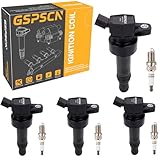
3. GSPSCN Set of 4 Ignition Coil Pack UF652 and Iridium Spark Plug Compatible with 2012-2019 Hyundai Accent Veloster丨Kia Soul Rio 1.6L 14,Replaces# C1803,5C1860,273012B100,GN10634
Overview:
This integrated kit pairs four ignition coils (UF652) with iridium spark plugs, specifically engineered for 2012–2019 Hyundai Accent/Veloster and Kia Soul/Rio 1.6L engines to resolve misfires and restore performance.
What Makes It Stand Out:
The kit uniquely combines high-output coils (60–100 mJ energy) with iridium plugs for 100% spark boost, targeting common issues like rough idling and check-engine lights. Coils feature RF interference shielding and extreme-temperature resilience (–40°C to 150°C), while plugs promise triple the lifespan of standard units.
Value for Money:
Solving misfires and improving fuel economy in one purchase delivers strong value. Priced below dealer parts but exceeding OEM specs, it’s cost-effective for owners facing coil/plug failures—though verify fitment via part numbers first.
Strengths and Weaknesses:
Strengths: Fixes misfires comprehensively; iridium plugs enhance longevity/fuel efficiency; coils built for extreme durability; quick throttle response.
Weaknesses: Vehicle-specific (no universal fit); requires confirming exact part compatibility.
Bottom Line:
A targeted, high-impact solution for Hyundai/Kia 1.6L owners plagued by ignition issues—prioritize fitment checks but expect significant performance restoration.
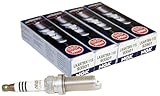
4. NGK LKAR7BIX-11S Iridium IX Spark Plug (93501 Iridium Ix), 4 Pack
Overview:
Designed for performance enthusiasts, this 4-pack of NGK Iridium IX plugs optimizes high-output engines with extreme ignitability, reduced emissions, and superior anti-fouling properties.
What Makes It Stand Out:
The 0.6mm laser-welded iridium tip ensures pinpoint ignition accuracy, while the tapered ground electrode minimizes electrical quenching. Extended insulator noses prevent fouling, corrugated ribs eliminate flashover, and triple-gasket sealing blocks gas leaks—enhancing throttle response and combustion efficiency.
Value for Money:
Premium-priced but justified for performance applications. Outlasts standard plugs significantly and improves fuel economy, making it economical long-term versus frequent replacements of cheaper alternatives.
Strengths and Weaknesses:
Strengths: Exceptional ignitability for quicker starts; robust anti-fouling design; trivalent plating prevents corrosion/seizing; ideal for turbo/supercharged engines.
Weaknesses: Costly for daily drivers; over-engineered for non-performance vehicles.
Bottom Line:
A must-have for tuners and performance drivers seeking maximum power and reliability—less critical for stock commuter cars.
5. NGK 3951 Spark Plugs TR55 (8 Pack)

Overview:
NGK’s TR55 copper-core plugs (8-pack) serve as reliable OEM-standard replacements for numerous vehicles, emphasizing consistent performance and broad compatibility across mainstream models.
What Makes It Stand Out:
As the world’s largest OEM spark plug supplier, NGK leverages proven engineering for dependable ignition. The copper core ensures excellent conductivity for stable combustion, while ribbed insulators prevent flashover—prioritizing fundamental reliability over cutting-edge materials.
Value for Money:
Budget-friendly yet backed by NGK’s OEM reputation. Cheaper than platinum/iridium but requires more frequent replacement. Ideal for cost-conscious owners of older vehicles where advanced plugs offer minimal ROI.
Strengths and Weaknesses:
Strengths: Trusted OEM quality; excellent conductivity; affordable upfront cost; widely compatible.
Weaknesses: Shorter lifespan (20k–30k miles); less efficient than iridium in modern engines; higher long-term replacement cost.
Bottom Line:
A sensible, economical choice for older or low-mileage vehicles—prioritize fitment research, but skip if seeking longevity or performance gains.
6. NGK # 3186 G-Power Platinum Spark Plugs TR5GP - 8 PCSNEW

Overview:
The NGK #3186 G-Power Platinum Spark Plugs offer a reliable upgrade for vehicles requiring platinum-tipped plugs. Designed as direct replacements, these 8-pack plugs leverage NGK’s engineering to enhance ignition efficiency and engine longevity across compatible applications.
What Makes It Stand Out:
Featuring a platinum center electrode, these plugs operate over a significantly wider heat range than standard copper plugs, reducing carbon buildup and preventing pre-ignition. The patented triple gasket sealing process is critical, eliminating combustion gas leakage—a common failure point in lesser plugs—ensuring consistent performance and cylinder integrity.
Value for Money:
Priced moderately above basic copper plugs but below premium iridium options, the G-Power Platinum delivers exceptional durability for its cost. The extended service life (typically 30k–50k miles) and reduced risk of engine issues justify the investment, outperforming budget plugs that require frequent replacement.
Strengths and Weaknesses:
Strengths: Superior heat range versatility, excellent carbon resistance, leak-proof sealing, and OEM-level reliability. Weaknesses: Shorter lifespan than iridium plugs; not ideal for high-performance or turbocharged engines demanding maximum efficiency.
Bottom Line:
A dependable, cost-effective solution for everyday drivers seeking reliable ignition and longevity. Ideal for standard engines where platinum’s balance of performance and value shines. Highly recommended for maintenance-focused owners.
7. GSPSCN Set of 4 Ignition Coil Pack UF582 and Iridium Spark Plug Compatible with 2006 2007 2008 2009 2010 2011 Honda Civic 1.8L L4,Replaces# 5C1637,C1580,GN10324,30520RNAA01

Overview:
This GSPSCN kit combines 4 ignition coils and iridium spark plugs specifically engineered for 2006–2011 Honda Civic 1.8L engines. It targets common ignition failures with a complete, plug-and-play solution promising smoother operation and restored performance.
What Makes It Stand Out:
The iridium spark plugs boast a 0.6mm fine-wire electrode for 3x longer life and optimal combustion, while the coils use high-temp epoxy and pure copper windings to deliver 60–100 mJ energy. Key innovations include RF interference shielding, extreme-temperature resilience (–40°C to 150°C), and compatibility verified against 15+ OEM part numbers.
Value for Money:
At a mid-range price, this kit offers exceptional value by solving multiple failure points simultaneously. Replacing both coils and plugs prevents mismatched components, reducing misfires and fuel waste. It’s cheaper than dealer parts but exceeds factory specs for spark intensity and durability.
Strengths and Weaknesses:
Strengths: Comprehensive fix for rough idling/check-engine lights, significant fuel efficiency gains, robust coil construction, and precise Honda fitment. Weaknesses: Limited to specific Civic years; iridium plug lifespan may vary under aggressive driving.
Bottom Line:
A highly recommended upgrade for aging Civics plagued by ignition issues. Delivers OEM-plus reliability and tangible performance improvements, making it a smart, cost-efficient investment for Honda owners.
8. NGK ILZKAR8J8SY Laser Iridium Spark Plug (95660 Laser Iridium), 4 Pack

Overview:
NGK’s Laser Iridium plugs (part #95660) are OEM-specified iridium-tipped spark plugs designed for precision-engineered vehicles. This 4-pack caters to drivers seeking factory-grade performance and extended service life in modern engines.
What Makes It Stand Out:
As the world’s largest OEM spark plug supplier, NGK integrates laser-welded 0.6mm iridium center electrodes for exceptional ignitability and durability. The ultra-fine wire design ensures optimal fuel burn, while the tapered ground electrode minimizes quenching. Trusted by automakers, these plugs deliver consistent cold starts and emissions compliance.
Value for Money:
Priced at a premium, these justify cost through 25%–40% longer lifespan than standard plugs and superior fuel economy. While pricier than platinum alternatives, the performance gains and reduced long-term replacement frequency make them economical for high-mileage drivers.
Strengths and Weaknesses:
Strengths: Industry-leading longevity, OEM reliability, enhanced throttle response, and precise fitment for designated vehicles. Weaknesses: Requires exact model verification; overkill for older engines; higher upfront cost.
Bottom Line:
The definitive choice for vehicles originally equipped with Laser Iridium plugs. Prioritize meticulous fitment research, but if compatible, these offer unmatched OEM-backed performance and longevity.
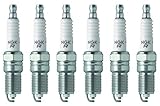
9. NGK 3951 Spark Plugs TR55 (6 Pack)
Overview:
The NGK TR55 (part #3951) is a 6-pack of standard copper-core spark plugs built for durability in everyday vehicles. As a staple in NGK’s lineup, it emphasizes proven reliability for routine maintenance.
What Makes It Stand Out:
Though lacking exotic materials, the TR55 leverages NGK’s patented triple gasket seal to prevent gas leakage—a rarity in budget plugs. Its broad heat range resists carbon fouling and pre-ignition, while the solid copper core ensures consistent conductivity for stable combustion in non-demanding engines.
Value for Money:
Exceptionally affordable, these plugs deliver OEM-level quality at entry-tier pricing. Ideal for older vehicles or high-mileage commuters where frequent replacement is expected, they outperform no-name brands while costing less than platinum/iridium options.
Strengths and Weaknesses:
Strengths: Budget-friendly, excellent sealing technology, reliable performance in standard engines, and wide compatibility. Weaknesses: Shorter lifespan (20k–30k miles); not suited for performance or modern direct-injection engines.
Bottom Line:
A no-nonsense, dependable choice for cost-conscious owners maintaining older or basic vehicles. Stick with NGK’s reputation for reliability without overspending on unnecessary upgrades.
10. Iridium Platinum Spark Plugs 4 Pack 91970 ILNAR8B7G Compatible with Chevrolet Chevy Cruze Equinox Malibu Trax & Buick Encore Cascada & GMC Terrain 2016 2017 2018 2019 2020 L4 1.4 1.5 Bujías

Overview:
This 4-pack of iridium spark plugs (91970 ILNAR8B7G) targets 2016–2024 GM/Buick/GMC 1.4L–1.6L engines. Marketed as a direct-fit solution, it promises improved efficiency and reduced emissions for popular compact SUVs and sedans.
What Makes It Stand Out:
The 0.6mm laser-welded iridium center electrode maximizes fuel burn efficiency, while the platinum-ground electrode enhances durability. Rigorous QC targets common issues like misfires and rough idling. Compatibility spans 30+ models (e.g., Cruze, Equinox, Terrain), with a 12-month warranty adding peace of mind.
Value for Money:
Competitively priced against OEM plugs, it offers iridium benefits—longevity, fuel savings, and smooth operation—at a fraction of dealer costs. The comprehensive fitment list and warranty bolster value, especially for owners facing recurring ignition problems.
Strengths and Weaknesses:
Strengths: Broad GM compatibility, tangible fuel economy gains, robust warranty, and effective misfire reduction. Weaknesses: Fitment requires double-checking VIN; slight variance in longevity claims vs. NGK; packaging lacks anti-corrosion coating.
Bottom Line:
A strong aftermarket alternative for GM owners seeking reliable, efficient ignition. Verify your exact model, but if compatible, it delivers excellent performance and value for money. Highly recommended for troubleshooting common engine issues.
Understanding Spark Plug Fundamentals
The Critical Role of Ignition Timing
Your engine’s power relies entirely on precise ignition timing. The spark plug must fire at the exact millisecond the piston reaches the top of its compression stroke, igniting the compressed air-fuel mixture. Even a slight deviation caused by a failing or incompatible plug disrupts this critical timing, leading to misfires, rough running, and a noticeable loss of power. Consistent, reliable sparking is non-negotiable for smooth operation.
Decoding the Basic Spark Plug Structure
Every spark plug, regardless of brand or type, shares core components: a central electrode, a ground electrode, an insulator separating them, a metal shell that threads into the cylinder head, and an internal seal. The gap between the central and ground electrode is where the spark jumps. Understanding how variations in these parts – like electrode shape, material, and gap size – impact performance is the first step toward making a smart selection.
Why Material Science Matters: Electrode Composition
The material used for the electrodes directly influences durability, conductivity, and required voltage. Copper cores offer excellent conductivity but wear faster. Platinum tips significantly extend lifespan and maintain a consistent spark. Iridium, the most advanced common material, is incredibly hard and wear-resistant, allowing for finer electrode tips that require less voltage to spark and can be precisely engineered for optimal ignition. The electrode material is a primary indicator of a plug’s expected service life and performance characteristics.
Matching the Plug to Your Engine’s Specifics
The Paramount Importance of Heat Range
Heat range is arguably the most critical factor often misunderstood. It refers to the plug’s ability to dissipate heat from the tip into the cylinder head, not how hot it runs. A “cold” plug transfers heat quickly, preventing overheating in high-performance or turbocharged engines. A “hot” plug retains more heat, helping to burn off deposits in slower, lower-temperature engines like older cruisers. Using the wrong heat range can cause pre-ignition (detonation) with a plug that’s too hot, or fouling (carbon buildup) with a plug that’s too cold. Always adhere strictly to the manufacturer’s specified heat range.
Precise Dimensions: Reach, Thread Size, and Seat Type
Spark plugs are not one-size-fits-all, even for the same vehicle model year. The reach (length of the threaded portion) must match the cylinder head depth to ensure the plug seats correctly without protruding too far into the combustion chamber (risking piston contact) or not far enough (causing poor sealing). Thread size (diameter and pitch) and seat type (conical taper or gasket seat) must also be exact matches for proper installation and sealing. Using the wrong dimensions can lead to catastrophic engine damage.
Gap Specifications: Why You Shouldn’t Guess
The gap between the center and ground electrode is meticulously calibrated by the vehicle manufacturer. This gap directly affects the voltage required to create a spark and the size/shape of the flame kernel. While some plugs are pre-gapped, handling or shipping can alter it. Always measure the gap with a proper wire gauge before installation and adjust only if necessary using the correct tool, following the vehicle’s exact specification. An incorrect gap is a common cause of misfires and poor performance.
Evaluating Modern Spark Plug Technologies
Single vs. Multiple Ground Electrodes: Pros and Cons
Traditional plugs feature one ground electrode. Some designs incorporate two or four, claiming improved “spark exposure” as the piston moves. However, multiple electrodes can increase the voltage required to jump the gap and potentially shield the spark. Single-electrode designs, especially with fine-wire iridium or platinum tips, often provide a more focused, reliable spark with lower voltage demands, which is beneficial for modern ignition systems. Consider your engine’s specific needs rather than assuming more electrodes are inherently better.
Fine-Wire Electrode Advantages
Advanced plugs utilize extremely fine-wire center electrodes made from iridium or platinum. This fine wire concentrates the electrical field, requiring significantly less voltage to initiate the spark. This reduces strain on the ignition coil, promotes more reliable ignition (especially in lean-burn or high-compression engines), and allows for a more precise spark kernel. The inherent strength of iridium/platinum also enables this fine-wire design without rapid erosion.
Surface Air Gap and Projected Nose Designs
Some plugs feature a “projected nose” insulator that extends further into the combustion chamber, positioning the spark closer to the optimal ignition point. Others utilize “surface air gap” designs where the spark jumps across the insulator surface rather than directly to a traditional ground electrode. These specialized designs aim to improve ignition efficiency and resistance to fouling in specific engine configurations, but their effectiveness is highly dependent on matching the exact engine requirements.
Considering Your Driving Conditions and Usage
Daily Commuting vs. Performance Driving Demands
Your typical driving pattern heavily influences the ideal spark plug choice. Stop-and-go city commuting with frequent short trips creates conditions prone to carbon fouling; plugs designed for efficient self-cleaning (often related to correct heat range) are crucial. Conversely, high-speed highway driving or performance applications generate extreme heat and stress; plugs built for superior heat dissipation and resistance to electrode wear (like premium iridium) become essential for longevity and preventing pre-ignition.
Impact of Modifications on Spark Plug Selection
If you’ve modified your engine – adding forced induction (turbocharger/supercharger), increasing compression, or tuning for higher performance – the stock spark plug specifications are almost certainly inadequate. These modifications dramatically increase cylinder pressures and temperatures. You will likely need a significantly colder heat range plug, potentially with upgraded electrode materials and construction, to prevent destructive pre-ignition and withstand the harsher environment. Consult a tuning specialist for the correct specifications.
Fuel Quality and Its Interaction with Plug Choice
The quality and type of fuel you use (regular unleaded, premium, ethanol blends) can impact plug performance and longevity. Lower-octane fuels or high-ethanol blends (like E15 or E85) may run leaner or have different combustion characteristics, potentially increasing the risk of pre-ignition or requiring a different heat range strategy. While modern engines have sophisticated knock sensors, the spark plug’s heat range and design still play a role in managing these conditions.
Installation and Maintenance Best Practices
The Non-Negotiable: Torque Specifications
Over-tightening a spark plug can crack the insulator or damage the cylinder head threads. Under-tightening can lead to poor heat transfer, causing the plug to overheat and potentially blow out of the head, or allow combustion gases to leak and erode the seat. Always use a torque wrench and adhere strictly to the manufacturer’s specified torque value. This simple step prevents costly damage and ensures optimal heat transfer.
When to Replace Associated Components
Replacing spark plugs is the perfect time to inspect and potentially replace related items. Worn or cracked spark plug wires (on distributor-based systems) or failing ignition coils (in coil-on-plug systems) can mimic spark plug problems or cause new plugs to fail prematurely. Check boots, connectors, and the condition of wires/coils. Replacing them concurrently often saves labor costs and ensures the entire ignition system is operating optimally.
Debunking the Gap Widening Myth
A common misconception is that you should “widen the gap” for more power. This is generally false and dangerous. Widening the gap significantly increases the voltage required to create a spark. Modern ignition systems are designed for the factory-specified gap. Exceeding this can cause the system to fail to fire consistently (misfires), strain the ignition coils, and ultimately reduce performance and efficiency, not improve it. Stick to the specified gap.
Navigating Purchasing Decisions
Interpreting Packaging Claims Critically
Packaging is filled with terms like “ultra,” “max,” “racing,” “fuel-saving,” or “long-life.” While some claims are valid (e.g., iridium does typically last longer than copper), many are marketing hyperbole. Focus on the core specifications: the correct part number for your vehicle, the electrode material (copper, platinum, iridium), the heat range, and the exact gap. Don’t be swayed by flashy promises unrelated to your engine’s actual requirements.
The Value of OEM vs. Quality Aftermarket
Original Equipment Manufacturer (OEM) plugs are designed specifically for your vehicle and meet all factory specifications. Reputable aftermarket brands also produce plugs engineered to meet or exceed OEM specifications for specific applications. The key is ensuring the aftermarket plug is explicitly listed as compatible for your exact year, make, model, and engine. Avoid ultra-cheap, no-name plugs; they often use inferior materials and inconsistent manufacturing, leading to premature failure.
Where to Find Reliable Compatibility Information
The safest sources are your vehicle’s owner’s manual (which lists the factory specification) or reputable auto parts store websites/apps that require your specific VIN for accurate part lookup. While generic fitment guides exist, VIN-specific lookup eliminates confusion, especially for vehicles with multiple engine options. Don’t rely solely on year/make/model; the exact engine code is critical.
Frequently Asked Questions
Frequently Asked Questions
How often should I replace my spark plugs? Replacement intervals vary significantly based on plug material and engine design. Copper plugs typically need replacement every 20,000-30,000 miles. Platinum plugs often last 60,000 miles. Premium iridium plugs can frequently reach 100,000 miles or more. Always consult your vehicle’s specific owner’s manual for the recommended interval, as it’s the definitive guide for your engine.
Can using the wrong spark plug damage my engine? Yes, absolutely. The wrong heat range is the most dangerous mismatch. A plug that’s too hot can cause pre-ignition (detonation), leading to melted pistons or valves. A plug that’s too cold can foul easily, causing misfires and potential catalytic converter damage. Incorrect dimensions can cause physical damage to pistons or cylinder heads. Always use the correct plug.
Do expensive iridium spark plugs really make a difference? For many modern vehicles, yes, but the difference is primarily in longevity and maintaining peak performance over a longer period, not necessarily a sudden power boost. Their fine-wire design and durability offer reliable ignition under demanding conditions and meet the extended service intervals required by manufacturers. They are often the correct OEM specification for newer cars.
Should I clean old spark plugs instead of replacing them? Generally, no. Cleaning (e.g., sandblasting) can damage the delicate electrode surfaces and insulator, compromising performance and safety. Fouled plugs indicate an underlying issue (like oil consumption or rich fuel mixture) that needs diagnosis. Replacement is the safe, reliable, and usually cost-effective solution.
How do I know if my spark plugs are causing a misfire? Common symptoms include rough idling, hesitation or stumbling during acceleration, reduced fuel economy, a noticeable loss of power, and the check engine light illuminating (often with misfire codes like P0300-P0308). However, these symptoms can also be caused by other ignition or fuel system problems; proper diagnosis is essential.
Is it okay to mix different spark plug brands in the same engine? While technically possible if all plugs meet the exact same specifications (heat range, gap, dimensions) for your engine, it’s not recommended. Consistency is key for balanced engine performance. Using identical plugs ensures uniform ignition characteristics across all cylinders. Stick to one brand and model specified for your vehicle.
Do I need to “break in” new spark plugs? No, modern spark plugs are designed to perform optimally immediately after correct installation. There’s no need for special driving procedures. Just ensure they are gapped correctly (if necessary) and torqued to spec before starting the engine.
Can I just buy the cheapest spark plugs that fit my car? While they might physically fit, cheap, no-name plugs often use inferior materials (softer electrodes, lower-grade insulators) and lack precise manufacturing tolerances. This can lead to inconsistent sparking, rapid wear, fouling, and significantly shorter lifespan, potentially causing misfires and costing more in the long run due to premature replacement or related damage.
Why do some spark plugs have multiple ground electrodes? Manufacturers claim multiple ground electrodes increase the chance the spark will find an unobstructed path as the piston moves, theoretically improving ignition reliability. However, they can require more voltage and potentially shield the spark. Single fine-wire electrode designs often provide superior performance in modern engines; the “best” design depends entirely on the specific engine’s combustion chamber dynamics.
How tight should I make the spark plugs by hand before using a torque wrench? Hand-tighten the plug only until the threads engage fully and the gasket or taper seat just contacts the cylinder head (usually about 1/8 to 1/4 turn past finger-tight). Then, and only then, use the torque wrench to apply the final specified torque. Forcing it by hand risks cross-threading or damaging the plug/cylinder head.
See Also
- How to Choose the 10 Best Lawn Mower Spark Plugs for Small Engines in 2026
- How to Choose the 10 Best Spark Plugs for Fuel-Injected Engines in 2026
- How to Choose the 10 Best Lawn Mower Spark Plugs for Peak Summer Performance in 2026
- 10 Best Value Surface Discharge Spark Plugs for Small Engines in 2026
- 10 Most Durable Hot Plug Spark Plugs Based on Real User Reviews in 2026