Table of Contents
Gone are the days when a simple xenon flash and a greasy timing mark were all you needed to dial in an engine. Today’s powerplants—packed with variable valve timing, direct injection, and coil-on-plug ignitions—demand precision that traditional timing lights simply can’t deliver. As we roll through 2026, digital timing lights have evolved from niche specialty tools into essential diagnostic equipment that can reveal insights about engine health far beyond basic ignition timing.
Whether you’re a professional technician wrestling with the latest GDI turbocharged engines or a serious hobbyist maintaining modern classic cars, understanding what makes a digital timing light truly “must-have” will transform your diagnostic capabilities. This guide cuts through the marketing noise to explore the critical features, emerging technologies, and practical considerations that separate professional-grade tools from the gadgets that’ll leave you stranded in your own garage.
Top 10 Digital Timing Lights
Detailed Product Reviews
1. KZYEE KT60 Digital Timing Light with Tachometer & Advance Angle, Automotive 12V Inductive Ignition Timing Light Gun for Distributor-Equipped Gasoline Engines

Overview: The KZYEE KT60 Digital Timing Light brings modern diagnostics to classic engine tuning, combining a xenon strobe with an LCD display that shows real-time RPM and advance angle readings for 12V gasoline engines.
What Makes It Stand Out: Unlike basic analog lights, the KT60 displays actual RPM and 0-90° advance angle digitally, eliminating guesswork. Its high-sensitivity inductive pickup maintains stable signals up to 10,000 RPM, while the bright xenon strobe ensures visible timing marks even in cramped, poorly lit engine bays. The unit supports two and four-stroke engines across classic cars, motorcycles, ATVs, and marine applications.
Value for Money: Positioned in the mid-range segment, the KT60 costs less than premium brands like Innova while delivering comparable digital functionality. It outclasses entry-level timing lights that lack RPM readouts, making it a smart investment for enthusiasts who tune beyond idle speeds.
Strengths and Weaknesses: Strengths include accurate digital readouts, advance angle adjustment, stable high-RPM performance, and rugged construction with overload protection. The clear display reduces eye strain during prolonged use. Weaknesses are limited brand recognition and incompatibility with diesel, hybrid, or electric vehicles. Some users may find the interface less refined than established competitors.
Bottom Line: The KT60 is an excellent choice for DIY mechanics and classic car enthusiasts seeking digital precision without paying premium prices. It delivers professional-grade features for distributor-equipped gasoline engines, making it ideal for those who regularly perform ignition timing adjustments.
2. Innova 3568 Digital Timing Light
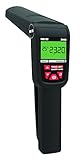
Overview: The Innova 3568 represents a top-tier digital timing light from one of automotive diagnostics’ most trusted brands, offering direct-reading advance measurements from 0-90 degrees for domestic and import vehicles.
What Makes It Stand Out: Innova’s patented Skip Circuitry Test enables reliable operation up to 9,990 RPM across conventional, electronic, and computer-controlled ignition systems. The slim, rotating barrel design improves aiming at timing marks in tight engine compartments. Its split-screen LCD simultaneously displays tachometer and advance readings, streamlining the tuning process.
Value for Money: As a premium product, the 3568 commands a higher price than generic alternatives but delivers proven reliability and brand-backed support. For professional mechanics and serious enthusiasts, the investment translates to consistent performance and durability that budget options cannot match.
Strengths and Weaknesses: Strengths include exceptional brand reputation, patented high-RPM circuitry, broad ignition system compatibility, and ergonomic design. The rotating barrel is genuinely useful in modern engine bays. Weaknesses center on cost—casual DIYers may find it overpriced for occasional use. The display, while functional, uses older LCD technology rather than modern LEDs.
Bottom Line: The Innova 3568 is ideal for professional technicians and committed hobbyists who prioritize reliability and brand support. While expensive for casual use, its proven performance and durability justify the premium for those who depend on accurate ignition timing regularly.
3. Innova 5568 Pro Digital Timing Light Tool with Digital Advance, LED Display, Ignition Timing for 2 and 4 Cycle Engines, Automotive Diagnostic Tool for Cars and Trucks

Overview: The Innova 5568 Pro Digital Timing Light combines professional-grade functionality with user-friendly operation, allowing mechanics to measure base and total advance without distributor rotation on 2 and 4-cycle gasoline engines.
What Makes It Stand Out: The standout feature is digital advance timing up to 90 degrees, enabling faster, more accurate tuning by eliminating manual distributor adjustments. Its bright LED display remains visible in low-light shop environments, while the tool works with most domestic and import ignition systems, including carbureted and fuel-injected setups. Setup takes minutes with simple battery and spark plug wire connections.
Value for Money: This professional tool sits at the higher end of the pricing spectrum, reflecting Innova’s 30-year diagnostic expertise and build quality. DIYers gain access to pro-level features, while professionals receive reliable daily-use equipment with implicit brand backing.
Strengths and Weaknesses: Strengths include rapid setup, clear LED display, broad vehicle compatibility, and the convenience of digital advance measurement. Innova’s reputation provides peace of mind. Weaknesses include premium pricing that may deter occasional users and limited advanced features compared to some competitors offering higher RPM ranges or data logging.
Bottom Line: The Innova 5568 Pro suits serious DIY mechanics and professional technicians seeking trusted brand reliability with modern digital convenience. It’s a worthwhile investment for frequent users who value time-saving features and clear readings over budget alternatives.
4. Automotive Timing Light 12V, Inductive Ignition Timing Light Gun for 2&4 Stroke Petrol Engine for Old Classical Car Motorcycle
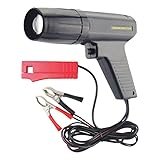
Overview: This generic 12V inductive timing light offers fundamental ignition timing capabilities for two and four-stroke gasoline engines in classic cars, motorcycles, and marine applications at an entry-level price point.
What Makes It Stand Out: The pistol-grip design prioritizes ergonomics with comfortable press keys for extended use. Color-coded red and black sensor clips simplify polarity identification, reducing connection errors. The sliding clamp-on inductive pickup ensures safe, straightforward hookup to spark plug wires.
Value for Money: As the most budget-friendly option, this timing light costs significantly less than digital alternatives while performing essential timing mark illumination adequately. For occasional users or those maintaining older vehicles, it provides acceptable functionality without financial strain.
Strengths and Weaknesses: Strengths include low cost, ergonomic design, simple operation, and adequate performance for basic timing tasks. The tool handles advance function testing for knock suppression and vacuum control systems. Weaknesses are substantial: no digital display, no RPM readout, limited brand support, unknown long-term durability, and basic features that require more user interpretation than digital models.
Bottom Line: This timing light serves beginners and budget-conscious DIYers needing occasional ignition checks. While lacking modern conveniences, its affordability and simplicity make it a reasonable starting tool. Serious enthusiasts should invest in digital alternatives for greater precision and efficiency.
5. Digital Automotive Timing Light 12V, Inductive Ignition Timing Light Gun with Tachometer for 2&4 Stroke Petrol Engine for Classical Car Motorcycle Marine

Overview: This digital timing light delivers premium features—including tachometer and adjustable advance angle—in a competitively priced package for 12V gasoline engines, from classic cars to marine applications.
What Makes It Stand Out: Real-time monitoring of ignition advance (0-90°) and RPM (249-9,990) provides professional-level diagnostics without premium brand pricing. The bright xenon flash tube ensures visibility even in daylight, while the ergonomic design offers comfortable operation. It supports DIS, traditional, electronic, and computer-controlled systems with switchable 2/4-stroke modes.
Value for Money: Offering features comparable to $200+ professional units at a mid-range price, this tool represents exceptional value. The combination of digital display, wide compatibility, and durable construction makes it a cost-effective alternative to established brands.
Strengths and Weaknesses: Strengths include comprehensive digital readouts, broad system compatibility, overload protection, impact-resistant housing, and clear operating instructions. The xenon flash performs well in various lighting conditions. Weaknesses involve unknown brand longevity, potentially less refined firmware than premium competitors, and limited customer support infrastructure. Users must carefully follow polarity and positioning instructions to avoid errors.
Bottom Line: This digital timing light is an outstanding value for DIY enthusiasts and semi-professional mechanics seeking advanced features without brand premiums. While lacking the proven track record of Innova or KZYEE, its specifications and performance make it a compelling, budget-conscious choice for regular use.
6. ANCEL LT70 Digital Timing Light Automotive with Tachometer (RPM), Advance, Dwell & Voltage Test, Self-Powered Inductive Ignition LED Timing Gun with Type-C Charging & 12V Backup for Gas Engines

Overview: The ANCEL LT70 transforms the traditional timing light into a 4-in-1 diagnostic powerhouse, combining ignition timing, RPM measurement (200–9,999), dwell angle testing (0–99.9%), and voltmeter functionality (0–35V) in one self-powered unit. Its Type-C rechargeable battery provides true cordless freedom, while a 12V backup ensures uninterrupted shop sessions. The industrial-grade LED strobe delivers over one million cool, consistent flashes without the heat degradation of xenon tubes.
What Makes It Stand Out: Cordless operation eliminates tangled leads and outlet dependency, a rare feature in professional timing lights. The integrated voltmeter and dwell angle detection prevent ignition failures and diagnose electrical issues without separate tools. A 60° adjustable head and 150cm heavy-duty leads demonstrate practical engineering for tight engine bays.
Value for Money: Though premium-priced, the LT70 replaces four separate diagnostic tools, saving hundreds of dollars and valuable toolbox space. Professional mechanics gain efficiency that pays for itself, while serious DIYers access shop-grade capability that prevents misdiagnosis. The million-flash LED lifespan ensures years of reliable service, making it cheaper long-term than replacing xenon lights.
Strengths and Weaknesses: Strengths: 4-in-1 versatility; cordless convenience; durable LED strobe; comprehensive diagnostics; rugged construction Weaknesses: Higher cost; complexity for novices; battery life limits extended cordless use
Bottom Line: The ANCEL LT70 is the ultimate timing light for professionals and committed enthusiasts. Its integration, cordless design, and durability justify every penny, delivering diagnostic capabilities that single-purpose tools simply cannot match.
7. Innova 3555 Advance Timing Light
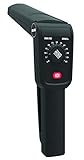
Overview: The Innova 3555 is a straightforward, reliable timing light designed for mechanics who value simplicity and proven performance. This inductive timing gun features a direct-reading advance dial that adjusts from 0–60 degrees, making it easy to check base timing, mechanical advance, and electronic retard without digital complexity. It works with conventional, electronic, and computer-controlled ignition systems across domestic and import vehicles.
What Makes It Stand Out: The patented Skip Circuitry allows stable RPM readings up to 9,990, outperforming many basic lights that struggle with high-performance engines. The slim, rotating barrel provides exceptional aim in cramped engine bays, a detail that shows Innova understands real-world garage frustrations. Its universal compatibility eliminates guesswork about whether it will work on a particular vehicle.
Value for Money: Positioned as a mid-range professional tool, the 3555 offers excellent value for DIYers and semi-pro mechanics. It lacks digital displays and multi-function features, but this simplicity translates to reliability and lower cost. Compared to premium digital models, you get solid timing capability at about half the price, making it ideal for those who primarily need advance checking rather than full diagnostic suites.
Strengths and Weaknesses: Strengths: Simple operation; reliable skip circuitry; rotating barrel for tight spaces; broad compatibility; durable construction Weaknesses: No RPM display; analog advance dial less precise than digital; requires battery clips for power; no dwell or voltage testing
Bottom Line: The Innova 3555 is a workhorse timing light that delivers reliable advance checking without frills. Perfect for budget-conscious mechanics and DIYers who need dependable performance for timing adjustments but don’t require integrated diagnostics.
8. Digital Timing Light with Tachometer, 12V Ignition Timing Gun with 0–90° Advance Angle BTDC, RPM Display, Xenon Strobe, Inductive Clamp for 2/4-Stroke Gasoline Engines – Car, Motorcycle, ATV, Boat

Overview: This digital timing light offers professional-grade features at an accessible price point, delivering real-time RPM and advance angle readings on a high-visibility LED screen. The xenon strobe provides sharp, bright flashes for clear timing mark visibility in any lighting condition, while the 0–90° BTDC advance range covers virtually any gasoline engine tuning scenario. Designed for 12V gasoline engines, it works with classic cars, motorcycles, ATVs, and marine applications.
What Makes It Stand Out: The 0–90° advance range exceeds most competitors’ 60° limit, making it particularly valuable for performance builds and motorcycles. The combination of xenon brightness and digital display clarity ensures accurate tuning without eye strain. Built-in reverse-polarity detection and overload protection safeguard both the tool and vehicle, features often missing in budget alternatives.
Value for Money: This tool strikes an impressive balance between cost and capability, offering digital precision and RPM display typically found in premium units. While xenon tubes have shorter lifespans than LEDs, the lower purchase price makes replacement economical. For hobbyists and occasional tuners, it provides professional functionality without the professional price tag, backed by a one-year warranty.
Strengths and Weaknesses: Strengths: Wide 90° advance range; clear digital display; bright xenon strobe; comprehensive protection circuits; excellent compatibility Weaknesses: Xenon tube longevity inferior to LED; requires battery connection; no dwell angle or voltage testing; generic brand support uncertain
Bottom Line: An excellent choice for enthusiasts seeking digital accuracy and wide advance range on a budget. The xenon strobe and robust protection make it a reliable garage companion, though professionals may prefer LED longevity and integrated diagnostics.
9. OBDMONSTER N300 Pro Digital Timing Light with Voltage Test & Dwell Angle, and Advance Angle & RPM, 2.6" LCD High-Definition Backlit Display, Works on 12V Gasoline Engines (2/4 Stroke)
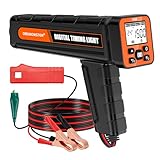
Overview: The OBDMONSTER N300 Pro packs comprehensive diagnostic capability into an ergonomic, water-gun-style housing. This 4-in-1 tool measures advance angle (0–90°), dwell angle (0–90°), RPM (200–9,999), and voltage (9–16V) on its 2.6-inch high-definition backlit LCD. The upgraded xenon flashlight delivers ten times the industry standard lifespan, while the 6-foot cable and lightweight 1.57-pound design reduce fatigue during extended timing sessions.
What Makes It Stand Out: The dual-screen display simultaneously shows advance angle and RPM, eliminating the need to toggle between readings. Dwell angle mode displays individual cylinder values for pinpoint ignition diagnostics across 2- to 12-cylinder engines. The ergonomic water-gun grip enables true one-handed operation, and environmental testing ensures reliable startup in extreme temperatures—details that demonstrate real-world usability focus.
Value for Money: The N300 Pro competes directly with premium digital timing lights at a mid-range price. Its 4-in-1 functionality eliminates separate dwell meters and voltmeters, while the extended-life xenon tube reduces replacement costs. For mechanics who prioritize ergonomics and comprehensive data display, it offers professional features without the top-tier price, though the xenon tube still falls short of LED longevity.
Strengths and Weaknesses: Strengths: 4-in-1 measurements; dual-screen display; ergonomic design; extended xenon lifespan; wide cylinder compatibility; environmental durability Weaknesses: Xenon tube still limited vs LED; no cordless option; display may be overkill for basic needs; brand recognition weaker than Innova
Bottom Line: The N300 Pro excels for tuners who need comprehensive data and ergonomic comfort. Its intelligent display and dwell diagnostics make it ideal for multi-cylinder performance work, though professionals may prefer LED durability and established brand support.
10. Innova 3551 Inductive Timing Light
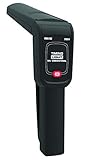
Overview: The Innova 3551 is a no-nonsense, entry-level timing light that focuses on core functionality without digital distractions. This inductive timing gun checks base timing, diagnoses no-spark conditions, and verifies electronic advance/retard across DIS, conventional, and computer-controlled systems. The patented Skip Circuitry maintains accurate readings up to 9,990 RPM, while the slim, rotating barrel helps aim at timing marks in crowded engine bays.
What Makes It Stand Out: The protective hand guard is a standout safety feature rarely seen on budget timing lights, enabling secure one-hand operation while protecting against hot engine components. Innova’s patented Skip Circuitry delivers stability at high RPMs that entry-level competitors cannot match. The universal compatibility with domestic and import systems eliminates compatibility concerns for DIYers working on multiple vehicles.
Value for Money: As one of the most affordable professional-branded timing lights available, the 3551 offers exceptional value for beginners and occasional users. It lacks digital displays and advanced diagnostics, but this simplicity ensures reliability and ease of use. For mechanics who only need basic timing verification, it provides trusted Innova quality at a fraction of the cost of feature-rich alternatives.
Strengths and Weaknesses: Strengths: Budget-friendly; reliable skip circuitry; protective hand guard; simple operation; broad compatibility; rotating barrel Weaknesses: No RPM or advance display; analog operation only; no dwell or voltage testing; requires battery connection
Bottom Line: The Innova 3551 is the perfect starter timing light for DIYers and budget-conscious mechanics. It delivers reliable core functionality without unnecessary complexity, making it an excellent value for those who need dependable timing checks rather than full diagnostic suites.
Understanding Digital Timing Lights in Modern Engine Diagnostics
What Makes Digital Timing Lights Different from Traditional Models
Traditional timing lights functioned as simple stroboscopic tools—flash, freeze, adjust, repeat. Digital timing lights, by contrast, capture and process ignition signals through microprocessors, delivering numerical readouts, storing data, and often communicating with other diagnostic equipment. The transformation isn’t merely cosmetic; it’s a fundamental shift from visual estimation to quantitative measurement.
These modern tools interpret complex ignition waveforms, compensate for electrical noise, and provide accuracy within fractions of a degree. Where old-school lights struggled with distributorless ignition systems, digital units can isolate individual cylinders, detect misfires, and even calculate timing advance curves across RPM ranges. This computational power turns a once-simple timing check into a comprehensive ignition system analysis.
The Evolution of Timing Light Technology Through 2026
The progression toward 2026 has seen timing lights incorporate technologies borrowed from oscilloscopes, scan tools, and even smartphones. Early digital models simply added LCD screens to conventional designs. Current generation tools feature ARM processors, Bluetooth connectivity, and cloud-based data storage. The most advanced units now offer firmware updates that expand functionality long after purchase—a concept unheard of five years ago.
Looking ahead, manufacturers are integrating AI-driven diagnostic suggestions, augmented reality displays that overlay timing information directly onto the engine through smart glasses, and predictive maintenance algorithms that flag potential ignition component failures before they trigger check engine lights. The tool you buy today should ideally grow with your diagnostic needs for the next decade.
Key Features That Define Must-Have Models
Advanced Display Technologies for Clear Readouts
The display is your window into engine performance, and 2026 standards demand more than basic seven-segment LEDs. High-contrast OLED screens with adjustable brightness ensure visibility whether you’re working in direct sunlight or under a dim hood. Look for units offering at least 200 nits of brightness with anti-glare coatings.
Backlit monochrome displays remain viable for budget-conscious buyers, but color screens that graphically represent timing advance curves provide immediate visual feedback that speeds diagnosis. Some premium models now feature heads-up displays that project timing information onto a small transparent screen, letting you keep eyes on the timing marks while monitoring digital data simultaneously. The key is readability at a glance—fumbling with buttons while an engine runs is both inefficient and potentially dangerous.
Wireless Connectivity and Smart Device Integration
Bluetooth and Wi-Fi connectivity have shifted from luxury features to practical necessities. Wireless data streaming allows you to mount your phone or tablet as a secondary display, capturing screenshots of timing curves for customer reports or technical documentation. More importantly, this connectivity enables firmware updates that add compatibility with new engine platforms as they’re released.
The best implementations include dedicated apps that transform your mobile device into a full diagnostic interface, offering features like data logging, timing curve analysis, and even video recording synchronized with timing measurements. However, ensure the tool functions as a standalone unit—relying entirely on a smartphone app creates a single point of failure when batteries die or screens crack in workshop environments.
Multi-Function Capabilities Beyond Basic Timing
Modern digital timing lights increasingly serve as multi-tools. Many now include tachometer functions, dwell angle measurement for classic vehicles, and even basic multimeter capabilities for checking coil primary resistance or battery voltage. Some advanced models incorporate secondary ignition waveform analysis, essentially providing a simplified ignition scope function.
This convergence means one tool can replace several older devices, saving both money and toolbox space. However, beware of “feature creep” that compromises core timing light functionality. A tool that does everything adequately often does nothing excellently. Prioritize units where additional functions enhance rather than distract from precise timing measurement.
Data Logging and Diagnostic Memory Functions
The ability to record and review timing data revolutionizes how technicians approach intermittent problems. Quality digital timing lights store multiple timing advance curves that can be overlaid for comparison—ideal for diagnosing issues that only appear under specific conditions like cold starts or heavy load.
Look for models offering at least 10 memory slots with time-stamped recordings. Export capabilities via USB-C or microSD cards prove invaluable when you need to share data with other technicians or include measurements in detailed repair invoices. The most sophisticated units automatically flag deviations from manufacturer specifications, highlighting potential problems before you even realize what you’re seeing.
Battery Life and Power Management Systems
Power management separates professional tools from hobbyist gadgets. Lithium-ion batteries now dominate the market, offering 8-12 hours of continuous use versus the 2-3 hours typical of older NiMH packs. Quick-charge capabilities that restore 80% capacity in under an hour minimize downtime between jobs.
Intelligent power management systems automatically adjust display brightness based on ambient light and put the unit into sleep mode when the engine stops running. Some models even harvest minimal power from the ignition signal itself, extending battery life indefinitely during active use. For shop environments, consider units with optional AC adapters or charging docks that keep the tool ready between uses.
Essential Specifications for 2026 Applications
Clamp Quality and Inductive Pickup Sensitivity
The inductive clamp is the timing light’s ear to the engine, and its quality directly impacts measurement accuracy. Premium clamps feature shielded cables that reject electromagnetic interference from alternators, ignition coils, and nearby power tools. The clamp mechanism itself should open wide enough to grip coil-on-plug boots while maintaining a secure connection on traditional plug wires.
Sensitivity matters enormously when working with low-energy ignition systems found in hybrid vehicles or high-efficiency engines. Look for clamps rated to detect signals as low as 5kV with adjustable sensitivity settings. Spring-loaded jaws with non-slip inner surfaces prevent the clamp from sliding off at critical moments, while reinforced strain relief where the cable meets the clamp prevents the most common failure point in timing lights.
Timing Advance Range and Resolution Requirements
Modern engines can require timing advance measurements from -10 degrees (retarded) to +60 degrees or more at high RPM. Your timing light must cover this entire range without switching modes or losing accuracy at extremes. Resolution of 0.1 degrees is the current standard for professional work, though some high-end models now offer 0.05-degree resolution for racing applications where minute timing changes translate to measurable performance gains.
The display should update at least 10 times per second to provide real-time feedback during RPM changes. Slower refresh rates make it difficult to catch timing fluctuations that indicate worn timing chains, stretched belts, or failing variable valve timing actuators. Always verify the specified timing range includes both advance and retard measurements, as many budget units only display positive advance values.
Compatibility with Modern Ignition Systems
The shift to coil-on-plug and coil-near-plug ignition systems demands timing lights that can trigger from extremely short, high-energy pulses. Compatibility lists should explicitly mention support for ion-sensing ignition systems, multi-spark strategies, and cylinder deactivation modes where some cylinders intentionally stop firing.
For hybrid and electric vehicle work, consider units that can measure timing on engines that start and stop frequently, sometimes mid-crankshaft revolution. The tool must handle these unusual patterns without losing sync or displaying erratic readings. Forward-looking compatibility with 48-volt mild hybrid systems and upcoming solid-state ignition technologies ensures your investment remains relevant as vehicle electrification continues.
Build Quality and Workshop Durability Standards
Professional timing lights survive drops, fluid exposure, and temperature extremes that would destroy consumer-grade electronics. Look for IP54 or higher ratings ensuring protection against dust and water spray. Housing materials should be high-impact ABS or polycarbonate with rubber overmolding at corners and grip areas.
Internal construction matters too—circuit boards coated with conformal protection resist moisture and chemical vapors. Strain relief at all cable entry points prevents wire fatigue, while replaceable cables extend tool life beyond typical warranty periods. Some manufacturers now offer “no questions asked” replacement warranties for the first year, reflecting confidence in their durability testing.
How to Choose the Right Digital Timing Light
Assessing Your Diagnostic Needs and Frequency
A weekend warrior maintaining personal vehicles needs different capabilities than a dealership technician specializing in performance diagnostics. Start by honestly evaluating how often you’ll use the tool and for what purposes. Occasional timing checks on classic cars require far less sophistication than daily diagnosis of variable valve timing faults on modern turbocharged engines.
Consider your current customer base or project vehicles. Do you work primarily on domestic V8s, import four-cylinders, or European luxury vehicles? Each category presents unique challenges that influence feature priorities. A tool perfect for carbureted muscle cars might struggle with BMW’s Valvetronic systems. Create a prioritized feature list based on actual work rather than aspirational projects.
Balancing Budget with Professional Features
Digital timing lights span from under $100 to over $800, with genuine capability differences at each price tier. Sub-$150 units typically offer basic digital readouts and limited compatibility. The $200-400 range represents the professional sweet spot, providing robust construction, broad vehicle coverage, and essential features like data logging. Premium models above $500 add specialized functions that justify their cost only for specific applications.
Remember that accuracy has value—a timing light that’s off by 2 degrees can cause detonation that destroys an engine, costing far more than the tool’s price difference. Consider the cost of one misdiagnosis versus the investment in a more accurate tool. Many professional technicians amortize tool costs across jobs, making a $500 timing light a minor expense when it prevents one comeback repair.
Warranty and Manufacturer Support Considerations
A timing light’s warranty reveals much about its expected lifespan and manufacturer confidence. Standard warranties run 1-2 years, but leading brands now offer 3-5 year coverage on professional-grade units. More importantly, investigate support policies—does the manufacturer provide free firmware updates, technical hotlines staffed by actual technicians, and rapid repair turnaround?
Check online forums and professional networks for real-world support experiences. A company that quickly replaces a faulty clamp or updates software to support a new engine family demonstrates commitment to the professional market. Some manufacturers maintain active user communities where technicians share tips and troubleshooting advice, effectively extending the tool’s value through collective knowledge.
Calibration and Accuracy Certification Importance
Professional timing lights should include calibration certificates traceable to NIST or equivalent standards bodies. This documentation proves the tool’s accuracy at the time of manufacture and provides a baseline for future recalibration. Some manufacturers offer annual recalibration services, essential for shops that must meet ISO quality standards or manufacturer certification requirements.
Field calibration capabilities represent a significant advantage. Units that allow zero-point adjustment using a known reference signal let you verify accuracy before critical jobs. While not necessary for most users, this feature provides peace of mind when diagnosing expensive high-performance engines where timing accuracy directly impacts warranty coverage and liability.
Proper Usage Techniques for Accurate Results
Step-by-Step Connection Procedures
Proper connection sequence prevents damage and ensures accurate readings. Always connect the inductive clamp first, ensuring it’s fully seated on the spark plug wire or coil boot. Next, attach the power leads to a clean battery connection—avoid tapping into fuse panels or auxiliary power points that may introduce electrical noise. Finally, connect any ground leads directly to the engine block, not painted brackets or accessory mounts.
Before starting the engine, verify the timing light displays zero RPM when cranking but not running. This confirms proper signal detection. With the engine running, compare the digital readout to a known-good reference if available. Many modern engines display timing data through the OBD-II port, providing a cross-reference to validate your timing light’s accuracy.
Interpreting Digital Readouts and Error Codes
Digital timing lights often display more than just advance degrees. Understanding secondary indicators like RPM stability, signal quality percentage, and cylinder-to-cylinder variation unlocks the tool’s full diagnostic potential. A fluctuating RPM reading with a steady actual engine speed suggests ignition interference or a weak coil. Low signal quality percentages indicate clamp placement issues or deteriorating plug wires.
Error codes deserve particular attention. “No signal” errors might mean incompatible ignition systems or simply a dead cylinder. “Out of range” errors often occur during rapid acceleration when timing advance exceeds the display’s limits—this is normal, but the tool should quickly recover. Consult the manual for specific error code meanings; manufacturers increasingly use these codes to guide troubleshooting beyond simple timing issues.
Safety Protocols for High-Energy Ignition Systems
Modern coil-on-plug systems generate 40,000+ volts that can damage equipment and injure technicians. Never route timing light cables near hot exhaust components or moving belts. Keep the inductive clamp away from direct contact with metal engine parts that could provide an alternate ground path for high voltage.
Wear insulated gloves when working on running engines, and keep one hand in your pocket when making adjustments near ignition components—this prevents current from crossing your chest if you accidentally create a circuit. Always disconnect the timing light before welding on the vehicle or using high-current battery chargers, as voltage spikes can fry sensitive electronics. These precautions seem excessive until you’ve experienced a coil discharge through a poorly insulated tool.
Troubleshooting Common Reading Inconsistencies
Erratic timing readings often stem from electromagnetic interference rather than actual engine problems. If readings jump wildly, try rerouting the inductive clamp cable away from alternator output wires and coil primary leads. Adding a ferrite choke to the cable near the timing light body can suppress RF noise from powerful ignition systems.
Consistently retarded or advanced readings across all RPMs usually indicate a base timing issue or stretched timing components. However, if only certain RPM ranges show problems, suspect variable valve timing actuator faults or timing belt/chain wear. Comparing timing advance curves between cylinders can isolate individual coil or spark plug issues—one cylinder showing different advance characteristics often points to a failing coil rather than a global timing problem.
Maintaining Your Digital Timing Light Investment
Storage Best Practices for Longevity
Extreme temperatures kill electronics. Store your timing light in a climate-controlled environment, avoiding unheated garages or direct sunlight through workshop windows. The glove box of a service truck might seem convenient, but summer heat can degrade LCD screens and battery capacity permanently.
Use the original case or a padded drawer to protect the unit from impact. Wrap cables loosely rather than tightly coiling them, which stresses internal conductors. Keep the inductive clamp in a position where its jaws remain slightly open—constant compression weakens the spring and degrades clamping force over time. Desiccant packets in the storage case absorb moisture that could corrode contacts during humid months.
Battery Care and Replacement Guidelines
Lithium-ion batteries prefer partial discharge cycles to deep drains. Recharge when the battery indicator drops to 20-30% rather than waiting for complete depletion. If storing the tool for extended periods, leave the battery at approximately 50% charge—this minimizes capacity loss during storage.
Most timing light batteries last 3-5 years with regular use. When runtime drops below 70% of original capacity, it’s time for replacement. Some manufacturers sell user-replaceable battery packs, while others require factory service. Consider this when purchasing—sealed units may be more water-resistant but become expensive paperweights when batteries inevitably fail. Third-party battery rebuild services exist for popular professional models, often at half the cost of manufacturer replacement.
Software Updates and Firmware Management
Check for firmware updates quarterly, especially if you frequently encounter new vehicle models. Manufacturers release updates that improve compatibility, fix bugs, and occasionally add entirely new features. Update procedures typically involve connecting the timing light to a computer via USB or pairing with a mobile app that handles the process automatically.
Never interrupt a firmware update—bricked tools result from incomplete installations. Ensure adequate battery charge or connect to AC power before starting. Some advanced units allow rolling back to previous firmware versions if an update causes issues, a valuable safety net when experimenting with beta releases. Keep a log of installed firmware versions to track changes and correlate them with any new problems or improvements you observe.
When to Recalibrate or Service Your Tool
Annual calibration checks ensure ongoing accuracy, but professional shops might schedule this quarterly due to heavy use. Many manufacturers offer mail-in calibration services that return the unit with a fresh certificate. Some high-end models include self-test routines that compare internal references and flag when recalibration is needed.
Physical servicing becomes necessary when clamps no longer grip securely, buttons become unresponsive, or cables show wear. Replace cables at the first sign of cracked insulation—ignition voltage finding a path through damaged insulation destroys timing lights instantly. Professional technicians often keep spare inductive clamps on hand since they’re the most frequently damaged component and relatively inexpensive compared to the main unit.
The Future of Engine Timing Diagnostics
Emerging Technologies on the Horizon
Solid-state ignition systems using silicon carbide components promise even faster rise times and higher voltages, requiring timing lights with gigahertz-level sampling rates. Quantum magnetic field sensors under development could eliminate inductive clamps entirely, measuring spark events through proximity alone. These non-contact sensors would revolutionize how we access timing information on tightly packaged modern engines.
Artificial intelligence integration is the next frontier. Imagine a timing light that learns normal patterns for specific engine families and automatically highlights anomalies. These smart tools could cross-reference timing data with OBD-II parameters, suggesting probable causes for deviations and even ordering likely replacement parts. While this sounds like science fiction, prototype systems already exist in research labs and should reach the professional market by 2027.
Integration with Comprehensive Diagnostic Platforms
The standalone timing light is evolving toward ecosystem integration. Leading diagnostic equipment manufacturers now design timing lights that communicate directly with their scan tools, creating unified diagnostic reports that correlate timing measurements with fuel trim, oxygen sensor feedback, and knock sensor activity. This holistic view transforms timing from an isolated adjustment into one data point within a comprehensive engine health assessment.
Cloud connectivity enables fleet-wide timing analysis, where patterns across hundreds of similar vehicles identify emerging issues before they become widespread failures. A municipality monitoring its police interceptor fleet, for instance, could detect timing chain stretch trends across specific engine builds, scheduling proactive maintenance before catastrophic failures occur. This predictive capability represents the ultimate value proposition for digital timing technology.
Frequently Asked Questions
How do digital timing lights handle cylinder deactivation systems?
Quality digital timing lights detect the firing pattern change when cylinders deactivate and automatically adjust their sampling to maintain accurate readings on active cylinders. They’ll typically show a brief sync loss indicator when the transition occurs, then stabilize. For diagnostic purposes, you can often disable cylinder deactivation through the ECM using a scan tool to obtain steady-state readings.
Can I use a digital timing light on hybrid vehicles with start-stop systems?
Yes, but you need a model specifically rated for hybrid applications. These units feature faster signal acquisition to catch the first spark event when the engine restarts, and they filter out electrical noise from the high-voltage traction systems. Connect the timing light before initiating a restart sequence, as some models require several spark events to establish synchronization.
What’s the difference between inductive and capacitive pickup timing lights?
Inductive clamps detect the magnetic field around a spark plug wire, while capacitive pickups sense voltage changes through the wire’s insulation. Inductive clamps are more common in professional tools because they’re less susceptible to interference and work on a broader range of ignition systems. Capacitive models can be useful for hard-to-reach coils but generally offer lower accuracy.
How often should I recalibrate my digital timing light?
For professional use, annual recalibration is recommended. Heavy-use shops may benefit from quarterly checks. Home users can extend this to every 2-3 years unless the tool experiences physical damage or shows questionable readings. Always recalibrate after dropping the unit or exposing it to extreme temperatures, as these events can affect internal references.
Why does my timing light show different readings on different cylinders?
Minor variations (1-2 degrees) between cylinders are normal due to manufacturing tolerances and wire routing differences. Larger discrepancies indicate problems—typically a weak coil, worn spark plug, or damaged wire on the cylinder showing delayed timing. Some advanced timing lights can display all cylinder timings simultaneously, making these issues immediately apparent.
Can digital timing lights damage modern engine control modules?
Properly designed units include optical isolation and voltage clamping that prevent any possibility of ECM damage. However, cheap, uncertified models lacking these protections can potentially feed high voltage back into sensitive circuits. Always purchase tools with CE, FCC, and automotive-specific certifications. Never connect timing light power leads to ECM-controlled circuits—use direct battery connections only.
What RPM range should a professional timing light cover?
Look for units rated from at least 200 to 9,999 RPM. Racing applications may require extension to 15,000+ RPM. More important than the maximum is stable accuracy throughout the range, particularly at low idle speeds where many timing lights become erratic. The tool should maintain sync below 500 RPM for diesel pilot injection and hybrid engine diagnostics.
How do I know if my timing light is compatible with coil-on-plug ignitions?
Check the manufacturer’s compatibility list for your specific vehicle year, make, and model. General compatibility statements like “works with COP systems” are insufficient because signal characteristics vary between manufacturers. Premium models include adjustable sensitivity and multiple triggering modes specifically for different COP designs. When in doubt, contact the manufacturer with your vehicle’s VIN for confirmation.
What’s the advantage of a timing light with advance dial functionality?
The advance dial lets you offset the strobe flash by a specified number of degrees, allowing you to physically align the timing mark with a fixed pointer rather than estimating its position on a scale. This improves accuracy and makes timing adjustments easier, especially on engines with poorly marked harmonic balancers. Digital advance dials are more precise than mechanical ones and can store preset values for common engines.
Can timing lights diagnose problems other than ignition timing?
Absolutely. Modern digital timing lights reveal vacuum leaks (through unstable timing at idle), worn timing chains (through inconsistent advance curves), weak valve springs (through timing scatter at high RPM), and even fuel delivery issues (through timing fluctuations under load). Learning to interpret these secondary indicators transforms the timing light from a single-purpose tool into a versatile diagnostic instrument that punches far above its weight class.
See Also
- 10 Must-Have Digital Timing Lights for Modern Engine Calibration in 2026
- 10 Must-Have Digital Timing Lights for Modern Fuel-Injected Engines in 2026
- 10 Expert-Recommended Digital Timing Lights for Modern Vehicles in 2026
- 10 Must-Have Wireless Exhaust Gas Temperature Gauges for Modern Tuning in 2026
- 10 Best Engine Timing Lights for High-Performance Tuning in 2026