Table of Contents
Tire pressure isn’t just a number on a gauge; for fleet managers, it’s a direct line to operational efficiency, safety compliance, and the bottom line. Underinflated tires are silent budget killers, increasing fuel consumption by significant percentages and accelerating uneven wear that forces premature replacements. For fleets navigating thousands of miles daily, these small inefficiencies multiply into massive, avoidable costs and heightened safety risks. Ignoring this critical maintenance point isn’t an option when every dollar and every mile matters.
The shift from analog to digital pressure measurement isn’t merely about modern convenience; it’s a strategic upgrade essential for professional fleet operations. Digital gauges offer the precision and reliability that analog dials simply cannot match consistently, especially under demanding field conditions. They provide the accurate, actionable data fleet managers need to enforce proactive maintenance protocols, reduce downtime, and ensure vehicles operate at peak efficiency. Investing in the right digital tool isn’t an expense—it’s foundational to a sustainable, safe, and cost-effective fleet strategy.
Top 10 Digital Tire Pressure Gauges for Fleet Maintenance
Detailed Product Reviews
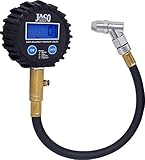
1. JACO ElitePro Digital Tire Pressure Gauge - Professional Accuracy - 100 PSI
Overview:
The JACO ElitePro is a high-precision digital tire pressure gauge engineered for automotive enthusiasts and professionals. Certified to ANSI 2A standards with ±0.50% FS accuracy (0.50 PSI), it delivers shop-grade reliability for tires up to 100 PSI. Its robust construction and advanced features position it as a top-tier maintenance tool.
What Makes It Stand Out:
Dual pressure sensors ensure exceptional accuracy down to 0.10 PSI resolution, while the solid brass/steel build and shock-resistant guard guarantee durability. The 10" HybridFlex hose with 360° swivel chuck and integrated air bleeder valve allow real-time pressure adjustments without resetting. The 2.5" backlit LCD with auto-shutoff (150 seconds) enhances usability in low light.
Value for Money:
Priced competitively for its professional calibration and lifetime warranty, it outperforms cheaper analog gauges and budget digitals. Though slightly pricier than entry models, its precision, ruggedness, and JACO’s 35-year industry reputation justify the investment for serious vehicle maintenance.
Strengths and Weaknesses:
Strengths: Unmatched accuracy for 100 PSI range; lifetime warranty; bleed valve eliminates guesswork; comfortable rotational hose; includes batteries. Weaknesses: Limited to 100 PSI (unsuitable for heavy trucks); no Presta valve adapter included; bulkier than ultra-compact models.
Bottom Line:
An exceptional choice for car/truck owners prioritizing precision and longevity. Ideal for maximizing tire life and fuel efficiency, though heavy-duty vehicle users may need higher PSI capacity.
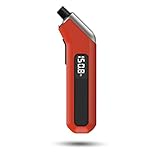
2. ETENWOLF T300 Digital Tire Pressure Gauge 3-200 PSI, Industrial Tire Gauge Calibrated to ANSI B40.7 Grade 2A(Plus-Minus 0.5%), Replaceable AAA Batteries (Vivid Orange)
Overview:
The ETENWOLF T300 is an industrial-grade digital gauge offering an expansive 3-200 PSI range, calibrated to ANSI B40.7 Grade 2A (±0.5% or 1 PSI). Designed for extreme versatility, it handles everything from bicycles to large trucks with thermal compensation for harsh climates.
What Makes It Stand Out:
Its standout features include accuracy across extreme pressures (below 12 PSI or above 140 PSI) and temperatures (-4°F to 130°F), enabled by an AI thermal chip. The vivid orange casing improves visibility, while the replaceable AAA batteries and integrated LED light enhance practicality in dark conditions.
Value for Money:
Competitively priced for its industrial calibration and wide 200 PSI capacity, it offers better value than single-range gauges for multi-vehicle households. However, the lack of a Presta adapter (sold separately) adds minor cost for cyclists.
Strengths and Weaknesses:
Strengths: Broad 3-200 PSI range; reliable in extreme temps/weather; replaceable batteries extend lifespan; bright LED light; durable industrial build. Weaknesses: Presta adapter not included; no bleed valve for pressure adjustment; screen resolution not specified below 1 PSI.
Bottom Line:
A highly capable, rugged gauge for drivers with diverse vehicles—especially trucks/RVs—but cyclists should budget extra for the Presta adapter.
3. ETENWOLF Digital Tire Pressure Gauge 2 Pack, Industrial Tire Gauge 3-200 PSI, Calibrated to ANSI B40.7 Grade 2A(Plus-Minus 0.5%), Air Pressure Gauge with Replaceable AAA Batteries (Vivid Orange)

Overview:
This ETENWOLF 2-pack delivers identical industrial-grade performance to the T300 model but doubles the value. Each unit covers 3-200 PSI with ANSI B40.7 Grade 2A calibration (±0.5% accuracy) and extreme-condition resilience, making it ideal for households with multiple vehicles or as backups.
What Makes It Stand Out:
The dual-unit bundle is the defining advantage, offering unmatched convenience for sharing between garage, car, or family members. Like the T300, it features thermal compensation for -4°F–130°F operation, replaceable AAA batteries, and an LED light—all in high-visibility orange casing.
Value for Money:
Exceptional value: buying two individually costs significantly more. At nearly the price of a single premium gauge, it’s economical for fleets, road trips, or ensuring constant accessibility without hunting for one tool.
Strengths and Weaknesses:
Strengths: Two gauges for broad coverage; 200 PSI range suits all vehicles; works reliably in cold/heat; easy battery replacement; bright LED. Weaknesses: Still lacks Presta adapter; no bleed valve; identical accuracy limitations as single-unit version.
Bottom Line:
The smartest buy for multi-car households or professionals needing redundancy. Sacrifices no T300 features while doubling utility at minimal extra cost.
4. AstroAI Digital Tire Pressure Gauge 0-150PSI, Accurate in 0.1 Increments, Backlit LCD and Presta Valve Adaptor Included, 4 Units of Measurement for Car Truck Bicycle, Black

Overview:
The AstroAI gauge targets everyday users with its 0-150 PSI range, 0.1 PSI precision, and included Presta adapter—making it uniquely suited for cars, trucks, and bicycles out of the box. Its ergonomic design and intuitive operation prioritize user-friendliness.
What Makes It Stand Out:
The inclusion of a Presta valve adapter (rare at this price) and support for four measurement units (PSI, Bar, Kgf/cm², KPA) cater to cyclists and international users. The non-slip texture, 20-second auto-shutoff, and AAA batteries (longer life than coin cells) enhance daily usability.
Value for Money:
Excellent value for casual users and cyclists. At a mid-range price, it beats competitors missing Presta adapters (like ETENWOLF) and offers better ergonomics than basic models. The battery longevity reduces long-term costs.
Strengths and Weaknesses:
Strengths: Presta adapter included; accurate 0.1 increments; comfortable grip; 4 measurement units; clear backlit display; affordable. Weaknesses: Max 150 PSI limits heavy-truck use; no bleed valve; plastic build less rugged than brass alternatives.
Bottom Line:
The top recommendation for car/bike owners seeking hassle-free accuracy without professional-grade pricing. Skip if you own large commercial vehicles.
5. DigitPro Digital Tire Pressure Gauge with Inflator, 3-250 PSI Air Compressor Accessories with Air Chuck Quick Connect Coupler, Car Attachments with Rubber Hose for Car, Truck, SUV, Cycle, RV

Overview:
The DigitPro merges a digital pressure gauge with a functional inflator, creating a 3-in-1 tool (check, inflate, deflate) for 3-250 PSI. Designed as an air compressor accessory, it suits users needing on-the-spot tire adjustments during inflation.
What Makes It Stand Out:
Its triple functionality is unique: connect to any ¼” NPT compressor to inflate, use the built-in valve to deflate, or check pressure instantly. Stainless steel/brass construction ensures durability, while the 250 PSI range covers even large RVs and trailers.
Value for Money:
High value if you own an air compressor, eliminating the need for separate gauges/inflators. The 250 PSI capacity justifies the premium for RV/truck owners, though casual users may find it overkill.
Strengths and Weaknesses:
Strengths: All-in-one inflation/deflation/pressure checking; massive 250 PSI range; durable metal build; 4 measurement units; enhances compressor utility. Weaknesses: Bulky for pocket storage; requires compressor (not standalone); lacks replaceable batteries; no Presta-specific features.
Bottom Line:
Essential for RV/truck owners with compressors seeking integrated tire management—but over-engineered for basic car maintenance.
6. JACO Superior Products ElitePro Digital Tire Pressure Gauge - Professional Accuracy - 200 PSI

Overview:
This professional-grade digital tire pressure gauge delivers shop-caliber precision for home or mobile use, engineered for accuracy up to 200 PSI with a resolution of 0.10 PSI. Designed for mechanics and enthusiasts, it ensures optimal tire maintenance for vehicles ranging from cars to RVs.
What Makes It Stand Out:
Dual pressure sensors certified to ±0.50% FS (1 PSI) meet ANSI 2A standards, rivaling commercial tools. Its rugged brass-and-steel construction features a shock-resistant guard, a 10" leak-proof HybridFlex hose with 360° swivel chuck, and a unique air bleeder valve for real-time pressure adjustment without resetting. The 2.5-inch LCD with LED backlight ensures readability in darkness.
Value for Money:
Priced higher than basic models, it justifies cost through professional calibration, durable materials, and a lifetime warranty backed by JACO’s 35-year reputation. It outperforms cheaper alternatives in longevity and accuracy, potentially saving money via improved fuel efficiency and tire lifespan.
Strengths and Weaknesses:
- Strengths: Unmatched ANSI 2A accuracy; rugged brass/steel build; real-time bleeder valve; bright, large display; lifetime warranty.
- Weaknesses: Premium price; hose length slightly shorter than competitors; requires AAA batteries (included).
Bottom Line:
A top-tier investment for accuracy-focused users seeking professional reliability. Ideal for frequent travelers or performance drivers, though casual users may prefer budget options. Highly recommended for its precision and durability.
7. JACO FlowPro Digital Tire Inflator with Pressure Gauge - 200 PSI

Overview:
This hybrid tool combines a digital pressure gauge with an inflator function, designed for seamless tire inflation and monitoring. Targeting drivers with air compressors, it streamlines the process of achieving precise PSI levels for cars, trucks, and RVs up to 200 PSI.
What Makes It Stand Out:
Its patented “Lightning Chuck” self-locks onto valve stems to prevent leaks, while ANSI 1A accuracy (±1% FS) ensures reliable readings. The solid steel body, 18" steel-braided hose, and integrated bleeder valve enable efficient inflation/deflation. The push-to-inflate trigger adds ergonomic convenience.
Value for Money:
Slightly pricier than standalone gauges, but the inflator functionality adds significant utility. Replaces multiple tools, reducing long-term costs. The lifetime warranty and industrial build justify the investment for regular users of air compressors.
Strengths and Weaknesses:
- Strengths: Leak-proof Lightning Chuck; precise ANSI 1A calibration; robust steel construction; built-in bleeder; quick-release compatibility.
- Weaknesses: Requires an external air compressor; bulkier than pure gauges; limited to Schrader valves without adapters.
Bottom Line:
Essential for compressor owners seeking efficiency. It excels in speed and reliability during inflation tasks, making it a smart upgrade over basic gauges. Recommended for frequent inflation needs.
8. AstroAI Digital Tire Pressure Gauge 0-150PSI Calibrated to ANSI B40.7 +/-1PSI, Accurate in 0.1 Increments, 4 Units for Car Truck Bicycle with Backlight LCD, Silver

Overview:
A compact, multi-unit digital gauge calibrated to ANSI B40.7 standards, offering 0.1 PSI resolution for cars, trucks, and bicycles up to 150 PSI. Its portability and user-friendly design cater to everyday drivers and cyclists.
What Makes It Stand Out:
The 4-unit toggle (PSI, Bar, Kgf/cm², KPA) accommodates global users, while the illuminated nozzle and backlit LCD simplify nighttime use. Its ergonomic, pocket-sized build fits easily in glove compartments, and auto-shutoff after 30 seconds maximizes battery life from three included LR44 cells.
Value for Money:
Affordably priced under $20, it delivers exceptional value with professional calibration, multi-unit support, and solid accuracy (±1 PSI). Outperforms similarly priced analog gauges in readability and convenience, though it lacks heavy-duty durability.
Strengths and Weaknesses:
- Strengths: Ultra-portable; 4 pressure units; bright backlight; energy-efficient; budget-friendly.
- Weaknesses: Max 150 PSI (unsuitable for heavy trucks); plastic build less rugged; no bleeder valve.
Bottom Line:
Perfect for casual users prioritizing convenience and affordability. Its simplicity and multi-vehicle compatibility make it a standout daily driver tool, though not for commercial use. Highly recommended for most households.
9. ETENWOLF T300 Digital Tire Pressure Gauge 3-200 PSI, Industrial Tire Gauge Calibrated to ANSI B40.7 Grade 2A(Plus-Minus 0.5%), Replaceable AAA Batteries, Dark Cyan

Overview:
An industrial-strength digital gauge covering 3–200 PSI, calibrated to ANSI B40.7 Grade 2A (±0.5%) for accuracy across all vehicles. Built for extreme conditions, it targets professionals and off-road enthusiasts needing reliability in harsh environments.
What Makes It Stand Out:
AI-driven thermal compensation ensures accuracy from -4°F to 130°F, a rare feature. The wide 3–200 PSI range handles everything from bicycles to semi-trucks, while replaceable AAA batteries extend lifespan. The LED light aids low-light readings, and sea-level pressure calibration enhances precision.
Value for Money:
Mid-priced but justifies cost with extreme-weather resilience and broad pressure range. The replaceable batteries and rugged design reduce long-term replacement needs, offering better value than disposable-gauge alternatives.
Strengths and Weaknesses:
- Strengths: Exceptional temperature tolerance; wide 3–200 PSI range; replaceable batteries; sea-level calibration; LED light.
- Weaknesses: Presta adapter sold separately; no bleeder valve; basic ergonomics.
Bottom Line:
A specialist tool for extreme climates or diverse vehicle fleets. While lacking some user-friendly features, its environmental resilience makes it indispensable for RVers or winter drivers. Recommended for demanding scenarios.
10. Tire Pressure Gauge Digital 200 PSI, HYVOHEX Tire Gauges for Tire Pressure with AAA Batteries, Visual LED Display Tire Gauge with Backlight, Digital Tire Gauge for Car Truck Motorcycle Bicycle

Overview:
A versatile digital gauge with a focus on visual clarity and ease of use, supporting 0–200 PSI for all vehicles. Its large LED display and intuitive operation target users prioritizing readability, including seniors or those with visual impairments.
What Makes It Stand Out:
The oversized LED screen with bold, backlit digits eliminates guesswork, while the valveless “aim-and-measure” design and 360° rotating chuck simplify use. Aviation-grade aluminum and a rubberized shell ensure durability, and Schrader/Presta compatibility (with adapter) covers all tire types.
Value for Money:
Competitively priced, it offers premium readability and universal fit without premium costs. The tool-free battery replacement and ergonomic design enhance longevity, outperforming cheaper gauges in user experience and build quality.
Strengths and Weaknesses:
- Strengths: Superb display visibility; universal valve compatibility; durable aluminum/rubber build; intuitive one-click operation; compact size.
- Weaknesses: Slightly less precise (±0.1 PSI claim lacks ANSI citation); no bleeder valve; adapter needed for Presta.
Bottom Line:
Ideal for families or accessibility-focused users needing foolproof operation. Its clarity and durability make it a practical daily companion, though pros may prefer calibrated alternatives. Highly recommended for hassle-free home use.
Understanding the Critical Role of Tire Pressure in Fleet Management
Maintaining optimal tire pressure is non-negotiable for commercial fleets. It directly impacts fuel economy, tire longevity, vehicle handling, and crucially, driver safety. Consistently underinflated tires create excessive heat buildup, significantly increasing the risk of catastrophic failures like blowouts, especially under heavy loads or high-speed conditions. The financial repercussions extend far beyond the immediate cost of a tire replacement, encompassing potential roadside assistance, vehicle downtime, delayed deliveries, and even liability in accident scenarios.
The Direct Link Between Pressure and Fuel Efficiency
Every pound per square inch (PSI) below the manufacturer’s recommended pressure increases rolling resistance. This forces the engine to work harder, consuming more fuel. For a large fleet, even a consistent 5 PSI deficit across all vehicles can translate to thousands of dollars wasted annually on unnecessary diesel or gasoline. Precise pressure monitoring is one of the most cost-effective fuel-saving measures available.
Impact on Tire Wear and Replacement Costs
Underinflation causes tires to wear unevenly, primarily on the outer edges of the tread. Overinflation wears the center tread faster. Both scenarios drastically shorten tire life. Given the high cost of commercial truck or bus tires, maximizing usable tread through accurate pressure management represents substantial savings. Consistent, correct pressure ensures even wear patterns and extends the service life of every tire investment.
Safety Implications for Drivers and the Public
Properly inflated tires are fundamental to vehicle stability, braking performance, and resistance to hydroplaning. In fleet operations involving large vehicles carrying heavy loads, the margin for error is slim. Inaccurate pressure readings compromise these critical safety factors, putting drivers, other road users, and cargo at unnecessary risk. Reliable pressure data is a core component of a robust fleet safety program.
Essential Features for Fleet-Grade Digital Pressure Gauges
Not all digital gauges are created equal, especially when subjected to the rigors of daily fleet use. Selecting the right tool requires focusing on features that deliver durability, accuracy, and workflow integration specific to commercial vehicle maintenance environments.
Accuracy and Measurement Range Requirements
Fleet vehicles operate under vastly different pressure specifications – from light-duty vans to heavy-duty tractor-trailers. The gauge must offer high accuracy (typically within +/- 1% is ideal for professional use) across the full pressure range needed for your specific fleet composition. Verify the stated accuracy covers the entire scale, not just a portion of it. Inaccurate readings defeat the entire purpose of monitoring.
Durability and Environmental Resistance
These tools will live in toolboxes, endure drops onto concrete, exposure to extreme temperatures, rain, mud, and grease. Look for robust construction: high-impact plastics or metal housings, reinforced hose connections, and seals protecting internal electronics. IP (Ingress Protection) ratings indicating resistance to dust and water (e.g., IP65 or higher) are crucial for longevity in harsh shop or roadside conditions.
Display Clarity and Readability
Readability under all lighting conditions is non-negotiable. Backlit LCD or OLED displays are essential for working in dimly lit truck bays, during early mornings, or late evenings. Large, high-contrast digits prevent misreading critical PSI or BAR values. Consider viewing angles – can the display be read clearly when crouched beside a tire?
Advanced Capabilities Enhancing Fleet Maintenance Workflows
Beyond basic pressure reading, modern digital gauges offer features that streamline maintenance routines, improve data integrity, and support broader fleet management systems, moving beyond simple spot checks.
Data Logging and Connectivity Options
The ability to automatically record pressure readings, timestamps, and potentially vehicle IDs (via QR codes or manual entry) transforms sporadic checks into actionable maintenance history. Bluetooth or USB connectivity allows seamless transfer of this data to fleet management software (FMS) or CMMS platforms. This eliminates manual logging errors and provides verifiable records for compliance audits.
Calibration Tracking and Alerts
Professional-grade gauges often include internal memory tracking calibration dates. Some models provide visual or audible alerts when the gauge approaches its next required calibration interval. This ensures measurement reliability isn’t compromised over time and simplifies compliance with internal quality control procedures or regulatory standards demanding calibrated tools.
Auto-Off and Battery Management
Extended battery life is vital for tools used frequently across multiple vehicles. Gauges with intelligent auto-off features (e.g., 30-60 seconds of inactivity) preserve battery power without interrupting workflow. Low-battery indicators prevent reliance on potentially inaccurate readings during critical checks. Consider models using standard replaceable batteries for maximum uptime.
Implementing Effective Tire Pressure Monitoring Protocols
Simply having digital gauges isn’t enough. Success hinges on integrating them into clear, consistent, and enforceable maintenance routines that become second nature for drivers and technicians.
Establishing Standard Operating Procedures (SOPs)
Define exactly when and how pressure checks occur: pre-trip inspections, during routine maintenance intervals, after significant temperature drops. Specify the correct procedure (checking cold tires, using valve cap depressors correctly, allowing gauge stabilization). Document these SOPs and ensure every relevant personnel is trained and understands the why behind the process.
Training Drivers and Technicians
Empower drivers to perform basic pre-trip pressure checks using standardized digital gauges. Provide comprehensive training on proper technique, recognizing potential issues (like slow leaks), and accurately reporting readings. Technicians need deeper training on calibration verification, interpreting logged data, and understanding the gauge’s role within the broader maintenance ecosystem.
Integrating with Preventative Maintenance Schedules
Link tire pressure data directly to your preventative maintenance (PM) calendar. Use trends identified through logged data (e.g., consistent underinflation on specific axles) to trigger deeper inspections for potential suspension issues, alignment problems, or faulty TPMS sensors. Pressure data should inform, not exist in isolation from, other maintenance activities.
Ensuring Long-Term Reliability and Accuracy
Digital gauges are precision instruments. Their value diminishes rapidly if accuracy drifts or they fail prematurely due to neglect. A proactive approach to maintenance and verification is essential.
The Non-Negotiable Need for Regular Calibration
Manufacturers specify calibration intervals (often annually). Adhere to this religiously. Calibration against a master standard verifies the gauge’s accuracy and provides traceable documentation. Skipping calibration renders all collected data suspect and undermines the entire pressure management program. Factor calibration costs and downtime into the initial tool selection.
Proper Storage and Handling Practices
Store gauges in protective cases away from extreme temperatures, direct sunlight, and moisture when not in use. Avoid kinking or crushing the hose. Train staff to handle them carefully, understanding that drops can damage sensitive internal sensors even if the casing appears intact. Treat them as the valuable measurement tools they are, not disposable items.
Verifying Performance in the Field
Implement simple daily or weekly checks. Compare readings against a known, recently calibrated reference gauge on a stable tire. Significant discrepancies (beyond the stated accuracy tolerance) signal the need for immediate calibration or replacement. Don’t wait for an annual check to discover a gauge has been providing faulty data for months.
Maximizing Return on Investment Through Strategic Selection
Choosing the right digital pressure gauge involves balancing upfront cost with long-term value derived from durability, features, and integration potential. The cheapest option often becomes the most expensive due to frequent replacement or inaccurate data.
Total Cost of Ownership Analysis
Look beyond the purchase price. Factor in expected lifespan (impacted by build quality), calibration costs, battery replacement frequency, potential downtime from tool failure, and the value of data integration features. A slightly more expensive gauge that lasts twice as long and integrates with your FMS often delivers superior ROI.
Scalability for Fleet Growth
Consider whether the chosen gauge model and its associated ecosystem (like data management software) can scale with your fleet. If you add 50 vehicles next year, can your current solution handle the increased data volume and user base without significant retooling or additional costs? Future-proofing is key.
Vendor Support and Service Infrastructure
Evaluate the manufacturer’s reputation for customer support, availability of replacement parts (hoses, adapters), calibration services, and warranty terms. Reliable vendor support minimizes downtime when issues inevitably arise and ensures long-term tool viability. Check if local service centers are available.
Frequently Asked Questions
How often should fleet digital pressure gauges be professionally calibrated?
Most manufacturers recommend annual calibration as a baseline. However, frequency should increase based on usage intensity (daily heavy use vs. occasional), exposure to harsh conditions (extreme temps, impacts), and the criticality of the measurements. Gauges used for compliance-critical tasks may require semi-annual calibration. Always follow the manufacturer’s specific guidance and internal quality protocols.
Can digital gauges be used reliably in very cold temperatures?
High-quality fleet-grade gauges are designed to operate within a wide temperature range (often -20°F to +140°F or better). However, extreme cold can temporarily affect LCD display response and battery performance. Allow the gauge to acclimate to the ambient temperature before use for the most accurate readings, and store it properly when not in use. Check the specific operating range of your model.
Why is checking “cold” tire pressure so important?
Tire pressure increases as the tire and air inside heat up during driving. “Cold” pressure (measured after the vehicle has been parked for at least 3 hours or driven less than 1 mile) represents the baseline pressure set by the manufacturer for optimal performance, wear, and safety. Checking hot tires leads to inaccurate readings and potential underinflation once the tires cool down.
Do digital gauges require special adapters for different valve stems?
Most quality digital gauges come with standard Schrader valve connectors (used on almost all cars, trucks, and trailers). Adapters for Presta valves (common on bicycles) are usually unnecessary for fleets. Ensure the gauge has a secure, leak-proof connection to the Schrader valve; some include angled heads or extension hoses for hard-to-reach valves.
How can I verify my digital gauge is accurate without professional calibration?
Perform a comparative check: Use your gauge and a second, recently calibrated reference gauge (ideally a high-accuracy analog or another trusted digital) on the same tire at the same time, ensuring the tire is cold. Significant differences (more than the stated accuracy tolerance, e.g., +/- 1 PSI) indicate a potential problem. Never rely solely on this for critical compliance; professional calibration is essential.
Is Bluetooth connectivity worth the extra cost for fleet gauges?
For fleets beyond a very small size, Bluetooth connectivity is highly valuable. It eliminates manual data entry errors, ensures timely recording, provides timestamped verification for compliance audits, and allows integration with fleet management software for trend analysis. The efficiency gains and data integrity benefits typically justify the investment.
What causes inconsistent readings between multiple digital gauges?
Common culprits include lack of recent calibration (gauges drifting out of spec), improper technique (not seating the gauge firmly on the valve, causing air leaks during measurement), damaged valve stems, or internal sensor issues due to impact or moisture ingress. Always verify technique and valve condition before assuming a gauge is faulty.
How long should the battery last in a typical fleet digital pressure gauge?
Battery life varies significantly by model, display type (backlit vs. non-backlit), and usage frequency. Quality gauges with standard AAA or AA batteries often last 6-12 months with regular daily use. Gauges with frequent Bluetooth use or constant backlighting will have shorter lifespans. Look for models with low-battery indicators.
Can a digital pressure gauge detect slow leaks?
While a gauge measures pressure at the moment of use, it cannot actively monitor for leaks over time like a TPMS sensor. However, consistently lower readings during routine checks on the same tire (when cold) are a strong indicator of a slow leak, prompting further investigation (soapy water test, visual inspection).
What’s the biggest mistake fleets make with tire pressure management?
The most common and costly error is inconsistency – not checking pressures frequently enough, not checking them cold, using inaccurate or uncalibrated tools, or failing to record and act on the data collected. Treating tire pressure as an afterthought rather than an integrated, data-driven component of the maintenance program undermines safety and efficiency.
See Also
- 10 Expert-Recommended Digital Tire Pressure Gauges for Fleet Maintenance in 2026
- Why a Tire Inflator with Pressure Gauge is a Must-Have for Every Driver in 2026
- 10 Most Durable Digital Tire Pressure Gauges Based on Real User Reviews in 2026
- 10 Best Digital Tire Pressure Gauges for Accurate Inflation in 2026
- 10 Best Digital Tire Pressure Gauges for Accurate Readings in 2026