Table of Contents
For car enthusiasts diving into the world of DIY diagnostics, there’s nothing quite like the empowerment of watching your vehicle’s vital signs stream in real-time. As we roll into 2026, OBD2 code readers with live data capabilities have evolved from simple check-engine light reset tools into sophisticated automotive command centers that put professional-grade insights directly into your hands. Whether you’re fine-tuning performance modifications, monitoring engine health during spirited drives, or simply wanting to understand what makes your machine tick, these devices transform the relationship between driver and vehicle.
The landscape of automotive diagnostics has shifted dramatically, with modern vehicles generating thousands of data points per second across complex network architectures. Today’s OBD2 scanners don’t just tell you what’s wrong—they provide a continuous stream of information about everything from air-fuel ratios and ignition timing to transmission fluid temperature and boost pressure. For the modern car enthusiast, this means being able to catch potential issues before they become expensive problems, validate performance upgrades with hard data, and develop a deeper mechanical intuition that only comes from watching your car’s systems interact in real-time.
Top 10 OBD2 Code Readers with Live Data
Detailed Product Reviews
1. FOXWELL NT301 OBD2 Scanner Live Data Professional Mechanic OBDII Diagnostic Code Reader Tool for Check Engine Light

Overview: The FOXWELL NT301 positions itself as a professional-grade OBD2 scanner designed for serious DIY mechanics and home technicians. This wired diagnostic tool focuses primarily on engine and emissions-related diagnostics, offering live data streaming and code reading capabilities for most OBDII-compliant vehicles manufactured after 1996.
What Makes It Stand Out: The NT301’s live data graphing and logging functionality sets it apart from basic code readers, allowing users to visualize sensor trends and identify intermittent issues. Its dedicated I/M readiness hotkeys and color-coded LED indicators provide instant feedback for smog checks, making it invaluable for states with strict emissions testing. The scanner supports all major OBDII protocols and delivers professional-level data accuracy at a fraction of shop scanner costs.
Value for Money: Priced in the mid-range category, the NT301 offers excellent value for enthusiasts who need more than basic code clearing. While it lacks advanced system coverage, its robust live data capabilities and build quality rival more expensive professional tools, making it a smart investment for those focused on engine diagnostics.
Strengths and Weaknesses: Strengths:
- Real-time live data graphing for advanced diagnostics
- Intuitive smog check readiness indicators
- Professional-grade build quality and accuracy
- Supports all major OBDII protocols
Weaknesses:
- No ABS, SRS, or transmission system support
- Wired connection limits convenience
- Requires careful menu navigation for accurate results
- Cannot perform special functions like battery registration
Bottom Line: The FOXWELL NT301 is an excellent choice for serious DIY mechanics who prioritize engine diagnostics and emissions testing. Its live data capabilities and professional features justify the investment, though those needing multi-system coverage should look elsewhere.
2. OBD2 Scanner Reader Bluetooth Wireless Auto Diagnostic Scan Tool for iOS & Android for Performance Test Bluetooth 5.4 Car Check Engine Car Code Reader, Clear Error Code Live Data Reset Exclusive APP

Overview: This V011 Bluetooth OBD2 scanner represents the modern approach to vehicle diagnostics, leveraging smartphone technology to deliver comprehensive scanning capabilities. Compatible with both iOS and Android devices, this compact adapter transforms your phone into a powerful diagnostic tool for vehicles from 1996 to present.
What Makes It Stand Out: The upgraded Bluetooth 5.4 connectivity ensures stable, fast connections without the clutter of wires. Its exclusive app provides intuitive data visualization through charts and graphs, making complex sensor data accessible to beginners. The scanner supports an impressive 96% of vehicle makes and includes performance testing features that go beyond basic code reading.
Value for Money: As one of the most affordable options in the market, this scanner delivers exceptional value. The wireless convenience eliminates cable costs, while the comprehensive app with tutorial videos helps users avoid expensive diagnostic fees. For casual users and enthusiasts, it pays for itself after a single use.
Strengths and Weaknesses: Strengths:
- Wireless Bluetooth 5.4 connectivity
- Extensive vehicle compatibility (96% coverage)
- User-friendly app with visual data charts
- Includes helpful tutorials and guides
Weaknesses:
- Requires smartphone and app dependency
- May lack advanced professional features
- Connectivity can vary by vehicle and phone
- App quality determines overall experience
Bottom Line: Perfect for tech-savvy car owners seeking wireless convenience, this Bluetooth scanner offers impressive compatibility and ease of use at an unbeatable price point, though professional mechanics may prefer dedicated hardware.
3. Autel Professional OBD2 Scanner AL319 Code Reader, Enhanced Check and Reset Engine Fault Code, Live Data, Freeze Frame, CAN Car Diagnostic Scan Tools for All OBDII Vehicles After 1996, 2026 Upgraded
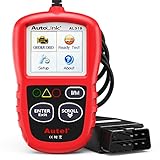
Overview: The Autel AL319 is a straightforward, no-nonsense OBD2 scanner from one of the industry’s most trusted manufacturers. This wired code reader focuses on delivering essential diagnostic functions with reliability and simplicity, making it ideal for DIYers who want professional-grade accuracy without complexity.
What Makes It Stand Out: Autel’s patented one-click I/M readiness key simplifies emissions testing, while the color TFT display and built-in speaker provide clear, multi-sensory feedback. The 2026 upgraded model includes lifetime free software updates—a rare benefit in this price range—backed by a 12-month warranty and Autel’s renowned customer support network.
Value for Money: Positioned as an entry-level professional tool, the AL319 offers outstanding value through its brand reputation and ongoing support. The lifetime update policy ensures compatibility with newer vehicles, protecting your investment long-term. It’s slightly pricier than generic scanners but worth the premium for proven reliability and peace of mind.
Strengths and Weaknesses: Strengths:
- Reputable Autel brand and build quality
- Lifetime free software updates
- One-click emissions readiness test
- Plug-and-play simplicity for beginners
Weaknesses:
- No wireless connectivity
- Limited to engine/OBDII systems only
- Basic feature set compared to advanced scanners
- Wired cable may be inconvenient
Bottom Line: The Autel AL319 is a dependable workhorse for DIY mechanics prioritizing reliability and long-term support. Its lifetime updates and brand backing make it a wise choice, though users wanting wireless convenience or multi-system coverage should consider alternatives.
4. BlueDriver Bluetooth Pro OBDII Scan Tool for iPhone & Android - No Subscription Fee - OBD2 Car Scanner and Code Reader - Diagnose Check Engine, ABS, SRS, Airbag & 7000+ Issues on Vehicles 1996+
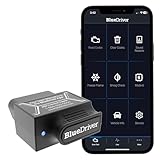
Overview: The BlueDriver Bluetooth Pro stands as a premium wireless diagnostic solution that bridges the gap between consumer scanners and professional shop equipment. This app-based tool delivers comprehensive system coverage beyond standard OBDII codes, making it a favorite among serious enthusiasts and professional mechanics alike.
What Makes It Stand Out: Unlike most scanners in its class, BlueDriver reads and clears ABS, SRS, airbag, and TPMS codes—systems typically reserved for expensive professional tools. Its crowning feature is the unlimited repair reports database, which provides verified fixes based on actual mechanic repairs, along with step-by-step repair videos accessible directly through the user-friendly app.
Value for Money: While priced higher than basic scanners, BlueDriver justifies its cost through multi-system coverage and the absence of subscription fees. Competitors often charge recurring fees for advanced features, making BlueDriver a cost-effective long-term investment for users who need more than engine diagnostics.
Strengths and Weaknesses: Strengths:
- Comprehensive ABS, SRS, airbag, and TPMS support
- Unlimited repair reports with verified fixes
- No subscription fees or hidden costs
- Extensive repair video library
Weaknesses:
- Premium price point
- Requires smartphone/tablet for operation
- App interface may overwhelm beginners
- Some advanced functions limited by vehicle
Bottom Line: The BlueDriver Bluetooth Pro is the top choice for users demanding professional-level multi-system diagnostics without ongoing fees. Its repair database and comprehensive coverage justify the premium price for serious car owners and mechanics.
5. Innova 5210 OBD2 Scanner & Engine Code Reader, Battery Tester, Live Data, Oil Reset, Car Diagnostic Tool for Most Vehicles, Bluetooth Compatible with America’s Top Car Repair App

Overview: The Innova 5210 redefines versatility by combining OBD2 scanning with battery and alternator testing in a single device. This Bluetooth-enabled tool integrates with Innova’s RepairSolutions2 app, offering comprehensive diagnostics and maintenance functions for most 1996 and newer US, Asian, and European vehicles.
What Makes It Stand Out: The built-in battery tester sets the 5210 apart, allowing users to check alternator health and prevent breakdowns without purchasing separate equipment. Its oil reset functionality and drive cycle readiness features provide complete maintenance support. The RepairSolutions2 app delivers verified fixes from ASE-certified mechanics, offering professional guidance backed by 4 million users’ trust.
Value for Money: This multi-function tool eliminates the need for separate battery testers and oil reset tools, consolidating three devices into one. The free app with verified fixes adds tremendous value, providing repair guidance that would otherwise require expensive shop visits or costly subscription services.
Strengths and Weaknesses: Strengths:
- Integrated battery and alternator testing
- Oil light reset capability
- ABS code reading (coverage varies)
- RepairSolutions2 app with verified fixes
Weaknesses:
- ABS coverage limited by vehicle model
- More complex than single-function scanners
- App dependency for full functionality
- Higher price than basic code readers
Bottom Line: The Innova 5210 is an exceptional all-in-one tool for DIYers who want comprehensive vehicle maintenance capabilities. Its battery testing and verified repair database make it worth the premium for users seeking more than basic code reading functionality.
6. BluSon YM319 OBD2 Scanner Diagnostic Tool with Battery Tester, Check Engine Fault Code Reader with Live Data, Cloud Printing, DTC Lookup, Freeze Frame, Scan Tool for All OBDII Protocol Cars Since 1996

Overview: The BluSon YM319 positions itself as a comprehensive diagnostic companion for vehicle owners, combining traditional OBD2 scanning with innovative cloud printing capabilities and integrated battery testing. This tool targets DIY enthusiasts who want professional-grade insights without recurring mechanic fees.
What Makes It Stand Out: The YM319’s cloud printing functionality sets it apart from competitors, allowing users to generate and share diagnostic reports remotely without physical printer connections. Its one-click BAT battery diagnostic feature provides continuous voltage monitoring with visual risk assessment, while the massive 63,000+ DTC database ensures accurate fault identification across virtually all vehicle makes. Customizable F1 and F2 shortcut keys streamline frequently used functions, saving valuable diagnostic time.
Value for Money: Priced competitively against entry-level professional scanners, the YM319 delivers exceptional value by bundling battery testing, EVAP system diagnostics, and cloud connectivity—features typically found in units costing twice as much. For home mechanics managing multiple vehicles, it pays for itself after just two avoided shop visits.
Strengths and Weaknesses: Strengths: Cloud printing for remote technician collaboration; comprehensive battery health monitoring; massive fault code database; 13-language support; customizable shortcut keys; 2.4" HD color screen with brightness adjustment. Weaknesses: No Bluetooth connectivity for smartphone integration; 2.4" screen smaller than some rivals; cloud features require internet access; limited advanced system coverage beyond engine diagnostics.
Bottom Line: The BluSon YM319 is an excellent choice for serious DIY mechanics seeking advanced features like cloud reporting and battery testing. While it lacks wireless connectivity, its robust feature set and extensive vehicle compatibility make it a worthwhile investment for comprehensive vehicle maintenance.
7. BLCKTEC 440 Bluetooth OBD2 Scanner Diagnostic Tool - Car Code Reader and Scanner for Car - Comes with Live Data - Battery/Charging System Test - Works for All OBD Compliant Cars 1996 & Newer
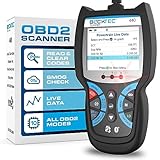
Overview: The BLCKTEC 440 brings Bluetooth connectivity to the OBD2 scanning arena, offering wireless diagnostics for modern DIY mechanics. This tool combines professional-grade features with user-friendly operation, emphasizing emissions readiness and real-time performance monitoring across a broad vehicle spectrum.
What Makes It Stand Out: Bluetooth integration distinguishes the 440 from wired alternatives, enabling cable-free operation and potential smartphone app connectivity. Its patented design features a vibrant 2.8" color display—larger than many competitors—complemented by color-coded LEDs for instant system status assessment. The inclusion of free lifetime updates and expert support ensures the device remains current with evolving vehicle protocols, while printer compatibility facilitates professional report generation.
Value for Money: While priced slightly higher than basic scanners, the 440 justifies its cost through wireless convenience, continuous software updates, and robust build quality. The lifetime support eliminates future upgrade expenses, making it economical for long-term ownership. Comparable professional tools with Bluetooth often command premium prices exceeding $200.
Strengths and Weaknesses: Strengths: Wireless Bluetooth operation; large 2.8" color screen; free lifetime updates; hotkey-enabled I/M readiness checks; battery and charging system testing; color-coded LED indicators; printer-compatible reporting. Weaknesses: Bluetooth may introduce connectivity stability issues; potential reliance on companion apps for full functionality; limited advanced module access beyond engine codes; higher price point than entry-level wired scanners.
Bottom Line: The BLCKTEC 440 excels for users prioritizing wireless convenience and future-proofing. Its Bluetooth capability and lifetime updates make it ideal for tech-savvy DIYers, though those seeking absolute reliability may prefer wired alternatives.
8. OBD2 Scanner, CGSULIT SC103 Car Code Reader Diagnose Check Engine Light Smog Check DTCs Scan Tool Live Data Stream Voltage Test for Vehicles Since 1996

Overview: The CGSULIT SC103 gains immediate credibility through its endorsement by renowned mechanic Scotty Kilmer. This diagnostic tool targets both professional shops and home garages, delivering robust engine diagnostics with a focus on clear data visualization and reliable performance across compatible vehicles.
What Makes It Stand Out: The SC103’s dual text and graphical data display provides enhanced diagnostic insight, allowing users to visualize parameter trends alongside numeric values. Its industrial-grade chip ensures rapid, accurate performance that withstands frequent use in demanding environments. The endorsement from a trusted automotive authority lends confidence to its capabilities, while the 2.8" TFT color screen offers superior clarity compared to budget alternatives.
Value for Money: Positioned in the mid-range segment, the SC103 offers compelling value through its professional-grade components and expert validation. The combination of robust hardware and trusted endorsement makes it a safer purchase than generic competitors. It covers essential functions without premium pricing, representing solid investment for serious DIY mechanics.
Strengths and Weaknesses: Strengths: Scotty Kilmer endorsement; industrial-grade chip for durability; dual text/graphical data display; compact portable design; 2.8" vibrant color screen; voltage testing capability; comprehensive DTC library. Weaknesses: Limited EU/Asian vehicle coverage (2003/2008+) compared to competitors; no Bluetooth or wireless features; lacks advanced system diagnostics; no mention of update policy.
Bottom Line: The CGSULIT SC103 is a trustworthy workhorse for engine diagnostics, particularly appealing to those who value expert recommendations. While its compatibility limitations require verification, its robust construction and clear data presentation make it a reliable choice for most American vehicles.
9. EYPINS OBD2 Scanner Diagnostic Tool, Code Reader with Live Data, Check Engine Fault, Battery Tester, I/M Readiness for All OBDII Protocol Cars Since 2006

Overview: The EYPINS scanner emphasizes speed and simplicity, promising check engine light diagnosis in just 60 seconds. Designed for anxiety-prone drivers, it translates complex diagnostic codes into plain English explanations, making vehicle troubleshooting accessible to complete novices without technical backgrounds.
What Makes It Stand Out: The EYPINS distinguishes itself through immediate code translation into actionable plain English—transforming “P0420” into “efficiency low = replace O2 sensor” without requiring external research. Its battery forecasting feature proactively identifies weak batteries before failure, preventing winter stranding scenarios. Monitoring 88+ real-time metrics provides comprehensive insight beyond basic code reading, while the 60-second diagnostic claim addresses user impatience effectively.
Value for Money: As one of the more affordable options in this category, EYPINS delivers remarkable value for casual users intimidated by traditional scanners. The combination of speed, simplicity, and battery monitoring typically commands higher prices. For drivers prioritizing convenience over advanced features, it represents an economical path to basic vehicle diagnostics.
Strengths and Weaknesses: Strengths: Ultra-fast 60-second diagnostics; plain English code explanations; proactive battery forecasting; monitors 88+ parameters; multi-language support; extremely user-friendly operation. Weaknesses: Compatibility starts from 2006, missing older vehicles; smaller DTC database than premium competitors; unknown brand longevity; lacks advanced graphing or printing features; no Bluetooth connectivity.
Bottom Line: The EYPINS scanner is perfect for beginners seeking immediate answers without technical complexity. Its plain-language approach and battery forecasting make it ideal for everyday drivers, though enthusiasts requiring older vehicle support or advanced diagnostics should consider alternatives.
10. UJS 2026 Enhanced Universal OBD2 Scanner, Check Engine Code Reader - 45000+ Fault Codes, Live Data, I/M Readiness, Battery Voltage Check, Read & Clear Error Codes for All OBDII Protocol Car 1996+

Overview: The UJS 2026 SAFESCAN prioritizes portability and speed in a compact 8-ounce package. This scanner targets mobile mechanics and space-conscious DIYers who need comprehensive diagnostics without bulky equipment, offering universal compatibility back to 1996 vehicles.
What Makes It Stand Out: Weighing merely 8 ounces, the SAFESCAN is exceptionally portable while maintaining a vibrant 2.8" color screen—rarely seen in such lightweight designs. Its 45,000+ DTC database provides extensive coverage, while the claimed one-minute complete health scan addresses efficiency concerns. The patented design incorporates printer compatibility for report sharing, bridging the gap between portable convenience and professional documentation needs.
Value for Money: The UJS 2026 offers strong value for users prioritizing portability without sacrificing core functionality. Its feature set rivals heavier competitors at a similar price point, making it economical for mobile applications. While not the cheapest option, its compact engineering and broad protocol support justify the investment for users needing garage-to-garage flexibility.
Strengths and Weaknesses: Strengths: Ultra-compact 8-ounce design; large 2.8" color display; 45,000+ fault code database; one-minute scan capability; universal 1996+ compatibility; printer-compatible reporting; multi-language support. Weaknesses: Fewer codes than premium 60,000+ databases; no Bluetooth connectivity; unknown long-term update support; limited advanced system diagnostics; newer brand with unproven track record.
Bottom Line: The UJS 2026 SAFESCAN is ideal for mobile mechanics and users valuing portability. Its compact design and quick operation make it perfect for on-the-go diagnostics, though those needing maximum code coverage or wireless features should explore alternatives.
Understanding OBD2 Technology and Live Data Streaming
What Makes OBD2 Code Readers Essential for Modern Vehicles
Modern vehicles operate through intricate networks of control modules that constantly communicate with each other. An OBD2 code reader with live data acts as your window into this conversation, translating complex hexadecimal codes into actionable information. Unlike basic code readers that simply retrieve stored trouble codes, live data scanners tap into the continuous stream of sensor information flowing through your vehicle’s CAN bus system. This capability proves invaluable when diagnosing intermittent issues that don’t trigger permanent codes or when monitoring system performance under various driving conditions.
The Evolution from Basic Code Reading to Real-Time Monitoring
The progression from simple code clearing to comprehensive data streaming represents one of the most significant leaps in automotive DIY technology. Early OBD2 tools provided static snapshots—single data points captured when a fault occurred. Contemporary live data scanners offer dynamic visualization, allowing you to watch parameters fluctuate as you manipulate throttle input, engine load, and environmental conditions. This evolution mirrors the automotive industry’s shift toward predictive maintenance and performance optimization, giving enthusiasts access to the same diagnostic depth once reserved for dealership technicians.
How Live Data Transforms Your Diagnostic Experience
Imagine watching your oxygen sensor voltages dance in response to subtle changes in air-fuel mixture, or seeing your knock retard values spike under heavy load, indicating timing adjustments happening in milliseconds. Live data transforms abstract mechanical concepts into tangible, visual information. You can identify vacuum leaks by monitoring fuel trim values, detect misfires through crankshaft position sensor variations, and verify that your new cold air intake actually improves mass airflow readings. This real-time feedback loop accelerates your learning curve and builds diagnostic confidence.
Key Features That Define Professional-Grade OBD2 Scanners
Display Quality and User Interface Considerations
The display serves as your primary interface with your vehicle’s nervous system, making screen quality a non-negotiable feature. High-resolution color displays with customizable gauge layouts allow you to prioritize the parameters most relevant to your current task. Touchscreen interfaces with intuitive menu structures reduce the learning curve, while the ability to create multiple dashboard configurations lets you switch between monitoring setups for daily driving, track days, or emissions testing. Look for units offering graphing capabilities that plot multiple data points simultaneously, revealing correlations that raw numbers alone might obscure.
Data Refresh Rates and Sampling Frequency
Not all live data is created equal—the speed at which your scanner updates parameters directly impacts its diagnostic usefulness. Entry-level devices might refresh once per second, adequate for monitoring coolant temperature but inadequate for catching transient misfires or rapid throttle changes. Professional-grade scanners offer sampling rates of 50-100 milliseconds per parameter, capturing the subtle fluctuations that indicate developing problems. This becomes particularly crucial when diagnosing drivability issues that manifest only under specific conditions or during brief moments of high engine load.
Wireless Connectivity Options Explained
The connection method between scanner and display device significantly influences convenience and capability. Bluetooth-enabled scanners pair with smartphones or tablets, offering portability and leveraging your device’s processing power for advanced graphing and data logging. WiFi connections provide faster data transfer rates, essential when monitoring dozens of parameters simultaneously. Some advanced units feature dual-mode connectivity, allowing you to maintain a stable connection while offering the flexibility to share data across multiple devices or even stream diagnostic sessions to remote experts.
Storage Capacity and Data Logging Capabilities
The ability to record extended diagnostic sessions transforms your scanner from a simple monitor into a powerful analysis tool. Internal storage capacities ranging from gigabytes to expandable SD card slots allow you to log hours of driving data. This proves invaluable when diagnosing intermittent issues that only occur during specific driving cycles. Look for devices that allow you to set trigger conditions—automatically starting a log when certain parameters exceed thresholds or when specific codes appear. The ability to export data in standard formats like CSV enables further analysis on desktop applications.
Advanced Sensor Support and Parameter IDs
Modern vehicles expose hundreds of parameter IDs (PIDs) beyond the standard OBD2 set. Advanced scanners manufacturer-specific codes and enhanced PIDs that reveal transmission temperature, oil pressure, cylinder misfire counts for individual cylinders, and turbo boost pressure. The best scanners allow you to input custom PID formulas, unlocking hidden parameters for modified vehicles or accessing proprietary data streams. This capability becomes essential for enthusiasts working with heavily modified engines or monitoring parameters critical to forced induction setups.
Types of OBD2 Code Readers for Different Enthusiast Levels
Entry-Level Options for DIY Beginners
If you’re just beginning your diagnostic journey, prioritize simplicity without sacrificing core functionality. These scanners typically feature smaller display screens but still provide essential live data like engine RPM, coolant temperature, oxygen sensor readings, and fuel trims. They excel at teaching fundamental diagnostic concepts without overwhelming you with obscure parameters. The key is finding a unit that offers upgradeable firmware, ensuring your initial investment grows with your skills rather than becoming obsolete as you tackle more complex issues.
Mid-Range Tools for Serious Hobbyists
For enthusiasts who regularly modify their vehicles or maintain multiple cars, mid-range scanners strike the optimal balance between capability and cost. These units typically support enhanced manufacturer-specific codes, offer faster refresh rates, and include data logging features. You’ll find advanced graphing capabilities, the ability to monitor 6-8 parameters simultaneously, and often include service functions like oil reset, EPB calibration, and battery registration. This category represents the sweet spot for most car enthusiasts, providing professional-level insights without the professional-level price tag.
Professional-Grade Equipment for Advanced Users
When every horsepower matters and you’re pushing engines to their performance limits, professional scanners deliver the precision and speed required. These devices offer sampling rates fast enough to catch individual misfire events, support hundreds of simultaneous PIDs, and include advanced features like cylinder power balance tests, component activation commands, and bi-directional control. They often feature ruggedized construction for shop environments and include comprehensive software packages for deep data analysis. While overkill for casual users, they become indispensable tools for serious tuners and race teams.
Smartphone-Integrated Solutions vs. Standalone Units
The choice between app-based scanners and dedicated hardware involves trade-offs between convenience and capability. Smartphone apps leverage your device’s processing power, touchscreen, and internet connectivity for cloud-based diagnostics and community-shared repair information. They update frequently and often cost less initially. Standalone units, however, offer reliability without dependence on phone battery life, provide instant-on operation without app loading times, and typically include more robust hardware designed specifically for the harsh automotive environment. Your decision should factor in how and where you primarily perform diagnostics.
Critical Specifications to Evaluate Before Buying
Protocol Support and Vehicle Compatibility
Beyond basic OBD2 compliance, verify support for all five communication protocols: ISO9141-2, KWP2000, J1850 PWM, J1850 VPW, and CAN. Modern vehicles predominantly use CAN bus, but older cars in your collection might rely on legacy protocols. If you work on European vehicles, ensure the scanner supports KW1281 for pre-CAN models. For Asian imports, verify compatibility with Toyota’s proprietary enhancements. The most versatile scanners auto-detect protocols and switch seamlessly between them, making them future-proof as you add different vehicles to your garage.
Update Frequency and Software Support
A scanner’s longevity depends entirely on its software support. Manufacturers who commit to regular updates ensure your device remains compatible with new vehicle models and gains additional features over time. Evaluate the update policy—some offer lifetime free updates while others require annual subscriptions. Consider the historical update frequency of the manufacturer and community feedback about their support responsiveness. A scanner that receives quarterly updates will serve you far better than one abandoned shortly after purchase, especially as 2026 model vehicles introduce new systems.
Power Consumption and Battery Life
Diagnostic sessions can extend for hours, particularly when monitoring for intermittent issues. Standalone units with internal batteries should last 8-10 hours of continuous operation. Bluetooth adapters that draw power from the OBD2 port must have ultra-low sleep current to avoid draining your vehicle’s battery when left plugged in overnight. Some advanced units include automatic sleep modes that activate when the ignition turns off, preventing parasitic drain while remaining ready for instant reconnection.
Build Quality and Durability Factors
Your scanner will inevitably be dropped, exposed to extreme temperatures, and subjected to garage chemicals. Professional-grade units feature impact-resistant housings, sealed connectors, and operating temperature ranges from -20°C to 60°C. The OBD2 connector itself should feel robust, with secure pin retention and strain relief on the cable. Check for IP ratings indicating dust and moisture resistance. A well-built scanner might cost more initially but will outlast several cheaper alternatives, proving more economical over time.
Live Data Parameters Every Car Enthusiast Should Monitor
Engine Performance Metrics in Real-Time
Focus on the holy trinity of performance monitoring: ignition timing advance, air-fuel ratio (or commanded equivalence ratio), and mass airflow sensor readings. Watch how timing retards under knock conditions, observe fuel trims correcting for vacuum leaks, and monitor MAF values to verify intake modifications. Add coolant temperature and intake air temperature to understand heat soak effects. For forced induction vehicles, include manifold absolute pressure to track boost levels and watch for boost leaks that manifest as pressure drops under load.
Transmission and Drivetrain Data Points
Many enthusiasts overlook transmission data, yet it reveals crucial information about power delivery and component health. Monitor transmission fluid temperature to prevent overheating during track sessions. Watch gear ratio monitoring PIDs to verify shift timing and detect slipping clutches. For all-wheel-drive vehicles, transfer case and differential temperature data helps identify excessive loads. These parameters often require manufacturer-specific enhancements but provide invaluable insights when optimizing launch control or diagnosing drivability complaints.
Fuel System Analytics and Efficiency Tracking
Live fuel pressure readings reveal pump health and filter restrictions before they cause lean conditions. Monitor injector pulse width to understand duty cycle and identify clogged injectors. Long-term and short-term fuel trims tell the complete story of how your engine management compensates for modifications—ideal fuel trims should remain within ±10%. Watch oxygen sensor cross-counts to verify catalyst efficiency, and monitor evaporative system pressure to catch small leaks that trigger emissions codes.
Emissions Readiness and Environmental Monitoring
Even performance enthusiasts must contend with emissions testing. Live data shows catalyst temperature, oxygen sensor heater operation, and secondary air system function. Monitor EGR valve position and flow rates to ensure proper operation without triggering codes. For diesel enthusiasts, watch DPF soot load and regeneration status. Understanding these parameters allows you to maintain compliance while maximizing performance, catching failing components before they prevent registration renewal.
Integration with Modern Automotive Technology
Electric and Hybrid Vehicle Compatibility
As electrification accelerates in 2026, your scanner must evolve beyond internal combustion parameters. Look for high-voltage battery pack voltage monitoring, cell balancing status, and state-of-charge calculations. Hybrid-specific PIDs include motor-generator RPM, inverter temperature, and battery coolant flow rates. These vehicles use enhanced diagnostics that often require manufacturer-specific software, making compatibility research crucial before purchase. The ability to monitor battery health becomes as important as checking engine oil in traditional vehicles.
CAN Bus Systems and Network Architecture
Modern vehicles contain multiple CAN networks—powertrain CAN, chassis CAN, infotainment CAN, and diagnostic CAN. Advanced scanners can gateway between these networks, retrieving data from modules like ABS, airbag systems, and body control modules. Understanding which modules communicate on which networks helps diagnose communication faults and verify that performance modifications haven’t disrupted critical safety systems. Some scanners display network topology maps, visually showing which modules respond and their communication status.
ADAS System Monitoring Capabilities
Advanced Driver Assistance Systems introduce new diagnostic challenges. Scanners with ADAS support can calibrate sensors after suspension modifications, monitor camera alignment, and verify radar operation. Live data from these systems includes steering angle sensor readings, wheel speed sensor inputs, and longitudinal acceleration data. For enthusiasts installing lift kits or lowering springs, the ability to recalibrate these systems prevents warning lights and ensures safety features function correctly with changed vehicle geometry.
Cloud Connectivity and Remote Diagnostics
The latest generation of scanners uploads logged data to cloud platforms, enabling comparison against similar vehicles and access to expert analysis. Some systems allow remote technicians to view your live data stream, providing guidance during complex diagnostics. Cloud storage creates a maintenance history that follows the vehicle, valuable when selling or tracking long-term performance trends. Consider data privacy policies and whether the cloud service requires ongoing subscriptions when evaluating these features.
Making the Right Choice for Your Specific Needs
Matching Features to Your Vehicle Portfolio
Create a prioritized list of the vehicles you’ll diagnose most frequently. A single OBD2 scanner might not optimally serve both your classic 1996 OBD2-compliant project car and your brand-new electric daily driver. Evaluate which enhanced PIDs each manufacturer requires and whether the scanner supports them. If you work primarily on one brand, consider brand-specific tools that unlock proprietary functions. For a diverse collection, prioritize universal scanners with broad manufacturer coverage and active development communities.
Budget Allocation Strategies
Divide your budget into three components: the scanner hardware, software updates for the first two years, and any required accessories like extension cables or protective cases. A $200 scanner requiring $50 annual updates costs more over five years than a $300 scanner with lifetime updates. Consider the cost-per-use—if you’ll diagnose weekly, investing in professional-grade equipment makes economic sense. For occasional use, mid-range options provide better value. Remember that the cheapest scanner often becomes the most expensive when it misses a diagnosis or lacks critical features.
Future-Proofing Your Investment
2026 vehicles increasingly rely on ethernet-based diagnostics and cybersecurity gateways that may restrict traditional OBD2 access. Look for scanners with firmware-upgradeable hardware capable of supporting new protocols. Some manufacturers offer modular designs where you can add functionality through software licenses rather than buying new hardware. Consider the company’s roadmap—are they investing in electric vehicle support? Do they have solutions for manufacturer security measures? A scanner that adapts to industry changes protects your investment for years.
Warranty and Support Considerations
Diagnostic equipment fails at critical moments, making warranty coverage crucial. Premium scanners often include 2-3 year warranties with expedited replacement programs. Evaluate technical support availability—does the manufacturer offer phone support from actual technicians or just email tickets? Active user forums and comprehensive video libraries indicate strong community support. Some companies provide diagnostic assistance, helping interpret data and suggesting tests, effectively extending your own expertise. This support network proves invaluable when tackling unfamiliar systems or intermittent gremlins.
Frequently Asked Questions
What exactly is live data in an OBD2 scanner?
Live data refers to real-time streaming of sensor information directly from your vehicle’s engine control module and other systems. Unlike stored trouble codes that only show historical faults, live data displays current values that update multiple times per second, allowing you to see exactly what’s happening in your engine at any moment. This includes parameters like engine RPM, coolant temperature, oxygen sensor voltages, and fuel trims as they fluctuate during operation.
How many parameters can I monitor simultaneously?
This depends entirely on your scanner’s capability and your vehicle’s network speed. Basic units might show 1-4 parameters, while professional scanners can display 20+ simultaneously. However, monitoring too many parameters can slow refresh rates. Most enthusiasts find that 6-8 carefully selected parameters provide optimal diagnostic insight without overwhelming the display or reducing data update speed.
Will an OBD2 scanner with live data work on my 2026 vehicle?
Most likely, yes, but verify specific compatibility. While OBD2 remains federally mandated, some 2026 models implement cybersecurity gateways that may limit access to certain modules. Check manufacturer compatibility lists for your specific make and model. Electric and hybrid vehicles often require enhanced software support beyond standard OBD2 protocols.
Can live data help me improve my vehicle’s performance?
Absolutely. By monitoring air-fuel ratios, ignition timing, and mass airflow readings, you can validate performance modifications and optimize tuning. Live data reveals whether your engine is running rich or lean under various conditions, helps identify restrictions in intake or exhaust systems, and allows you to verify that performance upgrades are delivering their claimed benefits through before-and-after data comparisons.
What’s the difference between generic and enhanced PIDs?
Generic PIDs are standardized parameters defined by OBD2 regulations that all vehicles must support—things like engine RPM and coolant temperature. Enhanced PIDs are manufacturer-specific parameters that provide deeper access to proprietary systems like transmission temperature, cylinder misfire counts, or turbo boost pressure. Advanced scanners support both, but enhanced PIDs often require manufacturer-specific software licenses.
How do I interpret fuel trim values in live data?
Fuel trims indicate how much your engine computer is adjusting fuel delivery to maintain the proper air-fuel ratio. Short-term fuel trim reflects immediate corrections, while long-term fuel trim shows permanent adjustments. Values within ±10% are normal. Positive values indicate the computer is adding fuel (possibly due to a vacuum leak or weak fuel pump), while negative values show it’s reducing fuel. Consistently high trims suggest underlying issues requiring attention.
Can I damage my vehicle using an OBD2 scanner?
No, OBD2 scanners are read-only devices that cannot modify your vehicle’s programming or cause mechanical damage. They simply request data from your vehicle’s computers. However, some advanced scanners include bi-directional controls that can activate components for testing. While these functions are generally safe when used as directed, they should be used with caution and proper understanding of the system being tested.
What refresh rate do I need for effective diagnostics?
For general monitoring, 500ms to 1-second updates suffice. For diagnosing drivability issues or monitoring rapid changes during acceleration, look for scanners offering 50-100ms refresh rates. Misfire detection and boost monitoring require faster sampling to catch transient events. Professional-grade scanners allow you to prioritize certain parameters for faster updates while slowing others.
Are smartphone app-based scanners as good as dedicated units?
Smartphone apps offer convenience and frequent updates at lower cost, leveraging your phone’s display and processing power. However, dedicated units provide reliability, instant-on operation, and ruggedness for shop environments. For casual diagnostics, quality app-based solutions work well. For regular, heavy-duty use, standalone scanners typically offer faster refresh rates, more robust hardware, and better long-term support.
How often should I check live data on my daily driver?
Establish a baseline by monitoring key parameters during normal operation, then check monthly or when you notice performance changes. Log data before and after any modifications to document changes. For track cars or heavily modified vehicles, monitoring during every drive helps catch issues before they cause damage. Many enthusiasts keep a scanner permanently connected, glancing at critical parameters during their commute to stay attuned to their vehicle’s health.
See Also
- The 10 Ultimate Best OBD2 Code Readers with Live Data for Performance Tuning in 2026
- 10 Essential OBD2 Code Readers with Battery Test Every Car Owner Needs in 2026
- 10 Must-Have Handheld OBD2 Scanners for Quick Code Reading in 2026
- 10 Best OBD2 Code Readers for Classic Car Owners in 2026
- 10 Essential OBD2 Code Readers Every DIY Car Enthusiast Needs in 2026