Table of Contents
Keeping your heavy-duty diesel engine running at optimal temperatures isn’t just about performance—it’s about protecting a significant investment. Exhaust Gas Temperature (EGT) gauges serve as your engine’s early warning system, alerting you to dangerous heat levels before they translate into catastrophic damage. For truck owners and fleet managers who depend on their vehicles for livelihood, understanding what separates a basic temperature reader from a truly premium monitoring solution can mean the difference between profitable operations and costly downtime.
The world of premium EGT gauges has evolved far beyond simple needle displays. Today’s advanced systems offer precision engineering, rapid response times, and integration capabilities that transform raw data into actionable intelligence. While standard gauges might tell you temperature, premium solutions provide the accuracy, durability, and features necessary for the demanding environment of heavy-duty trucking. This guide explores what makes these instruments worth the investment and how to evaluate options that deliver genuine value rather than just flashy specifications.
Top 10 Diesel Exhaust Gas Temperature Gauges




Detailed Product Reviews
1. GlowShift Black 7 Color 1500F Pyrometer Exhaust Gas Temp Gauge Kit - Includes 1/8-27 NPT Type K EGT Probe & Wiring - Multi-Color Display - Black Dial - Clear Lens - for Diesel Trucks - 2-1/16" 52mm
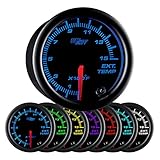
Overview: The GlowShift Black 7 Color Series Pyrometer delivers reliable exhaust gas temperature monitoring for diesel truck owners seeking both functionality and aesthetic integration. This 2-1/16" (52mm) analog gauge reads 0-1500°F with a classic illuminated red needle against a black dial, offering a traditional instrument cluster appearance. The kit includes a complete installation package with Type K probe, wiring harnesses, mounting hardware, and detailed instructions, making it accessible for DIY enthusiasts.
What Makes It Stand Out: Seven solid color modes and two color cycle options allow precise matching to factory dashboard lighting or custom interior themes (blue, red, green, teal, purple, white, yellow). The innovative 30% dimmer function activates with headlights to reduce nighttime glare. GlowShift’s established reputation since 2004 provides confidence, backed by a one-year limited warranty, lifetime technical support, and 30-day hassle-free returns—support rarely matched by competitors.
Value for Money: Positioned in the mid-range price bracket, this gauge justifies its cost through comprehensive accessories and exceptional post-purchase support. While digital alternatives offer higher temperature ranges, the analog design provides intuitive at-a-glance monitoring that many diesel purists prefer. The included probe and harnesses eliminate hidden costs, representing solid value against budget options lacking such completeness.
Strengths and Weaknesses: Strengths include versatile color customization, proven brand reliability, complete installation kit, and intuitive analog display. The dimmer feature enhances nighttime drivability. Weaknesses center on the 1500°F maximum range, which may limit heavily modified performance applications, and analog format lacks digital precision for fine-tuning. The sensor wire length may require extensions on larger trucks.
Bottom Line: Ideal for diesel truck owners wanting reliable EGT monitoring with OEM-plus aesthetics. The GlowShift excels in user-friendly installation and dashboard integration, making it perfect for daily drivers and moderately modified vehicles. While performance racers might need higher ranges, most users will appreciate its balance of functionality, support, and customization.
2. JJCOCO Exhaust Gas Temperature EGT Gauge 1832 ℉ Pyrometer Kit - LED Digital Display with EGT Sensor for Diesel Car Motorcycle ATV

Overview: The JJCOCO 1832°F Pyrometer Kit targets performance enthusiasts and professional tuners requiring precision digital monitoring across diverse applications. This compact LED display unit delivers laboratory-grade accuracy (±0.5%) from 32-1832°F, accommodating everything from stock diesel trucks to high-performance racing applications. The universal design supports installation in cars, trucks, ATVs, and marine systems operating on 12V power, making it exceptionally versatile for multi-vehicle owners.
What Makes It Stand Out: The sunlight-readable LED display ensures visibility in all lighting conditions, while programmable high/low temperature warnings provide proactive engine protection. Its water-resistant housing and vibration-resistant construction withstand extreme environments from off-road trails to industrial settings. The compact 2×1.3×0.5-inch footprint fits tight dashboard spaces where traditional gauges cannot, and the Type K probe design offers universal sensor flexibility.
Value for Money: This digital gauge delivers professional-grade features at an enthusiast-friendly price point. The ±0.5% accuracy rivals equipment costing significantly more, while the inclusive kit eliminates additional purchases. Compared to analog alternatives, the expanded 1832°F range and programmable alarms add substantial value for tuned engines. The robust build quality ensures longevity, making it a cost-effective long-term investment for serious users.
Strengths and Weaknesses: Strengths include exceptional accuracy, wide temperature range, compact form factor, and versatile compatibility. The programmable warnings and water-resistant design enhance real-world usability. Weaknesses include limited brand recognition compared to established names, and the digital display may not suit traditional interior aesthetics. Installation requires careful wiring for optimal performance, potentially challenging novices.
Bottom Line: A top choice for performance tuning, emissions diagnostics, and harsh environment applications. The JJCOCO digital gauge excels where precision and durability matter most, making it ideal for modified diesels, race vehicles, and industrial equipment. Traditionalists may prefer analog styling, but functionality-driven users will find exceptional value.
3. JJCOCO 1800°F Pyrometer Exhaust Gas Temp Gauge Kit with 1/8NPT Type K EGT Sensor & Bracket LED Digital Display Exhaust Gas Temperature Meter for Car & Truck 2-1/16" (52mm)

Overview: The JJCOCO 1800°F Pyrometer combines digital precision with analog familiarity, featuring a hybrid LED display and sweeping needle for comprehensive exhaust temperature monitoring. Designed for proactive engine protection, this kit includes a rugged 90° bend sensor specifically engineered for turbo-downpipe and pre-cat installations where space is constrained. The 2-1/16" (52mm) gauge provides real-time readings with one-touch peak recall, catering to both daily drivers and performance enthusiasts.
What Makes It Stand Out: Multi-stage alarm system triggers flashing displays, audible buzzer, and red needle warning when temperatures exceed programmable thresholds—offering triple-redundancy alerts that prevent catastrophic engine damage. The 90° bend sensor design resists vibration failure common in straight-probe installations, while heat-shielded wiring and included anti-seize paste ensure reliable operation in extreme heat zones. The hybrid display allows quick-glance trend monitoring via needle while precise digital readout enables accurate tuning.
Value for Money: This kit positions itself as a safety-focused premium option, justifying its price through advanced warning systems and durable sensor engineering. The lab-grade ±1.5% accuracy supports professional tuning applications, while the comprehensive mounting hardware eliminates additional purchases. Compared to basic gauges, the alarm functionality alone can prevent engine rebuilds, delivering substantial return on investment.
Strengths and Weaknesses: Strengths include robust alarm system, vibration-resistant 90° sensor, hybrid display versatility, and peak recall functionality. The comprehensive installation kit and heat-resistant components enhance reliability. Weaknesses include potentially excessive features for casual users, and the audible alarm may annoy some drivers. The sensor’s 90° design, while durable, requires specific installation clearances.
Bottom Line: Perfect for turbocharged and heavily modified vehicles where EGT spikes can cause immediate damage. The JJCOCO’s alarm system provides peace of mind that basic gauges cannot match, making it invaluable for tuned diesels and performance gas engines. While overkill for stock trucks, it’s an essential tool for serious enthusiasts pushing their engines to the limit.
4. JJCOCO Exhaust Gas Temperature EGT Gauge 1832 ℉ Pyrometer Kit - LED Digital Display with EGT Sensor for Diesel Car Motorcycle ATV

Overview: The JJCOCO 1832°F Digital Pyrometer serves the motorsport and commercial marine markets with its ultra-bright LED display and industrial-grade construction. Engineered for 12V systems, this compact gauge monitors exhaust temperatures from 32-1832°F with exceptional ±0.5% accuracy, making it suitable for everything from diesel pickup trucks to competition ATVs and watercraft. The minimalist design prioritizes function over form, delivering raw data visibility in demanding environments.
What Makes It Stand Out: The unit’s water-resistant housing and shock-resistant construction meet IP67 standards, protecting against dust, moisture, and vibration that destroy lesser gauges. Customizable warning thresholds for both overheating and low-temp conditions enable sophisticated engine management strategies, particularly useful in marine applications where cooling system failures are critical. The universal Type K probe interface allows compatibility with existing sensors, reducing installation costs for upgrades.
Value for Money: This gauge delivers motorsport-grade durability at a fraction of professional telemetry system costs. The wide temperature range eliminates the need for multiple gauges across different vehicle platforms, creating value for multi-vehicle owners. While digital displays require a learning curve, the precision and programmable features justify the investment over basic analog units. The compact size reduces dashboard real estate costs in custom installations.
Strengths and Weaknesses: Strengths include extreme environmental resistance, universal probe compatibility, and professional calibration accuracy. The wide operational temperature range (-4°F to 176°F) ensures reliability in all climates. Weaknesses include the sterile digital aesthetic that may clash with vintage interiors, and the compact size makes wiring connections tight for large hands. Limited included harness lengths may require extensions in larger vehicles.
Bottom Line: An excellent choice for off-road racers, marine enthusiasts, and industrial equipment operators who prioritize function and durability. The JJCOCO digital gauge thrives where environmental protection and accuracy are paramount. For users needing reliable data in harsh conditions, this kit outperforms traditional gauges while maintaining reasonable cost.
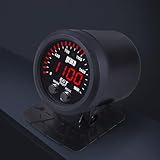
5. ZHSYMX Exhaust Gas Temperature EGT Gauge Kit 2‑1/16in 52mm Ultra Thin 0‑1800℉ Red LED with Sensor and Dashboard Pod

Overview: The ZHSYMX Ultra-Thin Pyrometer targets budget-conscious enthusiasts seeking maximum installation flexibility in space-constrained dashboards. This 2-1/16" (52mm) gauge monitors 0-1800°F with a bright red LED display set against a white background, providing clear visibility without overwhelming cockpit aesthetics. The kit distinguishes itself by including a dashboard pod and sensor in one package, delivering a complete solution for quick installations in cars, trucks, and SUVs.
What Makes It Stand Out: The ultra-thin profile enables mounting in shallow dash panels where traditional deep-bodied gauges cannot fit, opening options for modern vehicles with limited behind-dash clearance. The two-button interface simplifies programming for peak memory and threshold warnings, making advanced features accessible to novices. The included dashboard pod eliminates separate purchasing decisions, while the high-hardness ABS plastic housing offers adequate thermal stability for most climates without premium metal costs.
Value for Money: This kit represents exceptional entry-level value by bundling sensor, gauge, and mounting pod at a price point below competitors selling components separately. While ABS construction sacrifices some durability versus aluminum housings, the cost savings enable EGT monitoring for budget builds and daily drivers where extreme conditions aren’t expected. The 1800°F range covers most modified street applications, delivering performance adequate for the majority of users.
Strengths and Weaknesses: Strengths include ultra-compact design, included mounting pod, simple two-button programming, and comprehensive kit packaging. The red LED display offers good visibility without color customization complexity. Weaknesses include ABS plastic housing that may degrade under sustained high heat, limited display color options, and basic sensor design lacking vibration-resistant features. The brand lacks established support infrastructure.
Bottom Line: Ideal for first-time gauge installers and street performance enthusiasts with space limitations. The ZHSYMX kit removes barriers to EGT monitoring through its all-in-one packaging and slim design. While not suited for extreme racing environments, it provides reliable temperature oversight for modified daily drivers at an accessible price point. Consider this for practical functionality without premium costs.
Why EGT Gauges Are Critical for Heavy-Duty Diesel Engines
Heavy-duty diesel engines operate under extreme conditions, with exhaust temperatures that can exceed 1,200°F during normal operation and spike even higher under load. Without accurate monitoring, these temperatures can silently destroy turbochargers, melt pistons, or crack cylinder heads. Premium EGT gauges function as your engine’s guardian, providing real-time feedback that helps prevent thermal overload during mountain climbs, heavy towing, or regeneration cycles.
The relationship between EGT and engine health is direct and unforgiving. When temperatures climb beyond safe thresholds, you’re not just risking immediate failure—you’re accelerating wear on every high-temperature component in your exhaust system. A quality gauge gives you the data needed to adjust driving habits, identify fuel system issues, and optimize performance parameters before minor heat issues become major repair bills.
What Makes a Gauge “Premium” vs Standard
The distinction between premium and standard EGT gauges extends far beyond price tags. Premium instruments are engineered for commercial-duty cycles, offering precision within ±1% of reading rather than the ±5% tolerance common in consumer-grade units. This accuracy becomes critical when you’re making operational decisions based on temperature readings that could affect a $30,000 engine rebuild.
Standard gauges typically use slower-responding sensors and basic display technology that may wash out in bright sunlight or fade over time. Premium alternatives incorporate aerospace-grade thermocouples, sapphire-coated lenses, and circuitry designed to filter electrical noise from alternators and ignition systems. The difference manifests in reliability during 100,000-mile service intervals and consistent performance across temperature extremes from -40°F to 185°F ambient conditions.
Display Clarity and Visibility
Premium gauges utilize high-contrast displays with anti-reflective coatings and adjustable backlighting that remains visible during both midnight hauls and noonday sun. LED technology has largely replaced incandescent bulbs, offering 50,000+ hour lifespans and consistent color temperature. Some advanced units feature auto-dimming capabilities that adjust to ambient light conditions, preventing night blindness while maintaining readability.
Response Time and Refresh Rates
The time between temperature change and display update separates adequate from exceptional gauges. Premium models refresh data every 100-200 milliseconds, providing near-instantaneous feedback during critical moments like turbo spool-up or regeneration events. This rapid response allows drivers to react before temperatures spike into the danger zone, whereas slower gauges might lag by several seconds—long enough to cause damage.
Key Features That Define Premium Quality
When evaluating premium EGT gauges, several non-negotiable features indicate true quality. Look for units with programmable high-temperature alarms that trigger both visual and audible warnings. The best systems allow multiple alarm points for different operating conditions, such as a lower threshold for sustained cruising and a higher limit for brief, high-load situations.
Data logging capability transforms a simple gauge into a diagnostic tool. Premium units can record temperature profiles over time, storing this information for later analysis. This feature proves invaluable for identifying intermittent issues, optimizing fuel maps, or documenting performance for warranty claims. Storage capacity of 100+ hours of data at 1-second intervals represents current premium standards.
Build Quality and Materials
The physical construction of premium gauges reflects their heavy-duty intentions. Machined aluminum or stainless steel bezels resist corrosion and vibration better than plastic alternatives. Faceplates should feature etched markings rather than printed labels that fade. Internal components must be potted or conformally coated to protect against moisture and road salt intrusion.
Analog vs Digital Displays: Which Premium Option Suits Your Needs
Both analog and digital displays offer premium solutions, each excelling in different scenarios. Analog gauges provide at-a-glance interpretation through needle position, allowing experienced drivers to process information peripherally without taking eyes off the road. The mechanical nature of analog movements also means fewer electronic components that could fail.
Digital displays offer precise numerical readouts, often to single-digit resolution, eliminating interpretation errors. Advanced digital units can display multiple parameters simultaneously, show temperature trends through bar graphs, and change color based on operating zones. For fleet managers who need exact data for maintenance records, digital provides undeniable advantages.
When Analog Gauges Make Sense
Analog instruments shine in applications where quick visual reference matters more than exact numbers. The sweep of a needle across a marked face allows drivers to establish muscle memory for normal operating ranges. Premium analog gauges feature jeweled movements with damping mechanisms that prevent needle flutter while maintaining responsiveness.
Advantages of Digital Displays
Digital gauges eliminate parallax errors and provide unambiguous readings regardless of viewing angle. Premium digital units incorporate redundant sensor inputs, allowing them to cross-verify readings and alert users to sensor failures. Many offer customizable screens that can display peak temperature recall, average temperatures over time, or rate-of-change indicators.
Probe and Sensor Technology: The Heart of Accuracy
The thermocouple probe represents the most critical component in any EGT system. Premium gauges exclusively use Type K thermocouples rated for continuous exposure to 2,300°F, with mineral-insulated construction that prevents contamination and drift. The sheath material—typically Inconel 600 or similar high-nickel alloy—resists oxidation and chemical attack from exhaust constituents.
Probe response time depends on sheath thickness and tip design. Premium units employ exposed-junction or reduced-diameter tips that respond to temperature changes within 2-3 seconds, compared to 8-10 seconds for standard ground-junction probes. This speed proves crucial during transient conditions like gear changes or turbo boost spikes.
Thermocouple Types Explained
While Type K dominates heavy-duty applications, understanding the alternatives helps evaluate claims. Type J thermocouples offer slightly better accuracy below 1,000°F but deteriorate rapidly at higher temperatures. Type N provides superior stability but costs significantly more. Premium systems stick with proven Type K but use special-grade wire and calibration techniques to achieve laboratory-grade accuracy.
Probe Placement Strategies
Proper installation location dramatically affects reading accuracy and component life. Pre-turbo placement provides the most critical data for engine protection but subjects probes to maximum temperature and vibration. Post-turbo locations are easier on equipment but show delayed responses. Premium installations often use multiple probes for comprehensive monitoring, with primary protection probes placed 1-2 inches from the turbo inlet.
Temperature Range Considerations for Heavy-Duty Applications
Heavy-duty diesel applications demand gauges with appropriate full-scale ranges. For most turbocharged engines, a 0-1,600°F range provides adequate coverage without sacrificing resolution. Some performance applications may require 2,000°F or higher ranges, but these reduce granularity in the critical 1,000-1,400°F operating zone.
Premium gauges offer linear scaling across their entire range, meaning a 100°F change reads the same whether occurring at 600°F or 1,400°F. Lesser quality units may compress the high end of the scale, making it difficult to distinguish between 1,350°F and 1,400°F—a critical difference when approaching alarm thresholds.
Installation Best Practices for Professional Results
Proper installation determines whether a premium gauge delivers on its potential. The probe must be installed in a location that provides representative exhaust gas readings without creating flow restrictions or weak points in the exhaust manifold. Premium kits include properly sized weld bungs and fittings that maintain exhaust system integrity.
Probe depth is critical—too shallow and you measure pipe wall temperature; too deep and the probe creates a restriction or fails from vibration fatigue. The sweet spot positions the probe tip at the center third of the exhaust stream, typically 1/4 to 1/3 of the pipe diameter. Premium installation guides provide specific measurements for common engine configurations.
Mounting Location Options
Gauge placement affects both functionality and safety. Mounting within the driver’s primary field of view ensures readings are checked regularly without distraction. Premium installations position gauges in instrument clusters, A-pillar pods, or dash panels where they can be monitored with minimal eye movement. Avoid locations that require looking down or away from the road.
Professional vs DIY Installation
While many truck owners possess the skills for installation, professional mounting ensures warranty compliance and optimal performance. Certified installers understand the nuances of thermocouple extension wire routing—keeping it away from ignition sources and using only the specified type to prevent calibration drift. They also verify sensor placement and perform initial calibration checks.
Wiring and Electrical Integration
Premium EGT gauges require clean, stable power and proper grounding to deliver accurate readings. They should connect to ignition-switched power to prevent battery drain and include inline fuses rated appropriately for the gauge’s draw. The electrical system in heavy-duty trucks generates significant electromagnetic interference, requiring shielded cables and proper grounding techniques.
The thermocouple generates a tiny voltage signal measured in millivolts, making it susceptible to interference. Premium systems use twisted-pair extension wire with specific alloy conductors matching the thermocouple type. Joining sections requires special connectors or terminal blocks—never splice with standard copper wire, which creates a new junction and introduces measurement errors.
Power Requirements
Most premium EGT gauges operate on 12V or 24V systems common in heavy-duty trucks, with internal voltage regulation maintaining consistent performance across alternator output fluctuations. Current draw typically runs 100-300mA for digital displays, less for analog units. Premium designs incorporate reverse polarity protection and surge suppression to survive electrical system faults.
Signal Interference Prevention
Routing thermocouple wire away from high-current cables—starter leads, alternator output, and trailer power feeds—prevents induced voltage errors. Premium installations maintain at least 6 inches of separation from these noise sources and cross them at 90-degree angles when avoidance isn’t possible. Some advanced gauges include digital filtering algorithms that recognize and reject intermittent interference patterns.
Calibration and Accuracy Standards
Premium EGT gauges arrive factory-calibrated against NIST-traceable standards, with documentation certifying accuracy. This calibration accounts for both the gauge electronics and the specific thermocouple characteristics. The best units maintain ±0.5% accuracy across the entire operating range, compared to ±2% for standard units.
Field calibration verification should be possible without returning the unit to the manufacturer. Premium gauges include calibration check functions that compare readings against known reference points. Some advanced models allow two-point calibration adjustments to compensate for probe aging or replacement, ensuring long-term accuracy throughout the gauge’s service life.
Durability Factors for Long-Haul Operations
Heavy-duty trucks subject instrumentation to continuous vibration, temperature cycling, and environmental contamination. Premium gauges undergo testing to SAE J1455 standards for vehicular environments, surviving 10G vibration profiles and thermal shock from -40°F to 185°F. Internal components are secured with staking compounds and shock mounts rather than relying on solder joints alone.
Waterproofing represents another durability divider. Premium units carry IP67 ratings, meaning they withstand temporary immersion and high-pressure washdowns. Connector seals use fluorosilicone compounds that resist degradation from engine oils, coolant, and road chemicals. Display windows feature laminated construction that prevents fogging and resists scratching from cleaning operations.
Vibration Resistance
The constant pounding from diesel engines and road irregularities can destroy delicate electronics. Premium gauges use floating circuit board mounts, potted components, and ruggedized connectors. Analog movements feature jewel bearings and hair springs designed for vehicular use, not adapted clock mechanisms.
Waterproofing and Environmental Sealing
Beyond the gauge itself, premium installation kits include sealed connectors and grommets that maintain integrity where wires pass through firewalls or cab floors. Breather vents with hydrophobic membranes prevent pressure buildup from altitude changes while blocking moisture ingress. These details separate systems that last a decade from those that fail after one winter.
Cost vs Value: Justifying the Investment
A premium EGT gauge system typically costs 3-5 times more than basic units, with professional installation adding to the expense. However, this investment must be weighed against potential engine damage costs. A single turbocharger replacement can exceed $5,000, while piston or cylinder head damage runs $15,000-$30,000. When viewed as insurance, premium gauges pay for themselves by preventing just one overheating incident.
Value also emerges through operational optimization. Accurate temperature data allows fine-tuning of driving techniques, potentially improving fuel economy by 2-5% through better shift point selection and load management. For a truck covering 100,000 miles annually, this efficiency gain translates to thousands of dollars in fuel savings.
Long-Term ROI Calculation
Consider a $400 premium gauge system protecting a $25,000 engine. If it prevents premature wear that reduces engine life by even 10%, you’ve saved $2,500. Add fuel savings from optimized operation, and the return on investment typically occurs within 12-18 months for high-mileage operators. Fleet managers should factor reduced diagnostic time and warranty claim documentation into ROI calculations.
Warranty Considerations
Premium gauge manufacturers stand behind their products with 3-5 year warranties, reflecting confidence in durability. Some engine builders even require documented EGT monitoring as a condition of performance warranties, making quality gauges a necessity rather than an option. The warranty value extends beyond replacement to include technical support and calibration services.
Common Mistakes to Avoid When Selecting EGT Gauges
Many buyers focus solely on display aesthetics while neglecting sensor quality. A beautiful gauge with an inaccurate or slow-responding probe provides false confidence. Always evaluate the complete system, including thermocouple specifications, extension wire quality, and connector durability.
Another frequent error involves selecting inappropriate temperature ranges. A 0-2,000°F gauge may seem impressive, but it sacrifices resolution in the critical 1,000-1,500°F zone where most damage occurs. Conversely, undersized ranges that max out at 1,200°F leave you blind during regeneration events or heavy loading.
Overspending on Unnecessary Features
While data logging and multiple alarm points add value, not every application needs these capabilities. Local haul operators with consistent routes may not benefit from extensive logging features that long-haul trucks use for route analysis. Evaluate your actual operational needs rather than being swayed by specification sheets.
Ignoring Installation Complexity
Some premium gauges require specialized tools or knowledge for proper installation. Probe installation in particular demands precision—improper welding can crack manifolds, and incorrect probe depth creates inaccurate readings. Factor installation requirements into your selection, considering whether professional service fits your budget.
Maintenance and Troubleshooting
Premium EGT systems require minimal maintenance but benefit from periodic verification. Annual calibration checks ensure continued accuracy, especially after probe replacement or major engine work. Inspect wiring for chafing where it passes through metal openings, and verify connector tightness, as thermocouple connections can loosen from vibration.
Common failure modes include probe contamination from oil or coolant leaks, wire fatigue at flex points, and connector corrosion from road salt. Premium systems often include diagnostic modes that display sensor health, showing impedance values that indicate probe deterioration before complete failure occurs.
Integration with Other Monitoring Systems
Modern heavy-duty trucks increasingly feature integrated monitoring systems that display multiple parameters on single screens. Premium EGT gauges offer outputs compatible with these systems, transmitting data via CAN bus or analog voltage signals. This integration allows EGT data to influence engine control strategies, automatically derating power when temperatures approach limits.
Standalone premium gauges still have their place, providing redundancy and dedicated displays that don’t require navigating through menu screens. The best installations use both—integrated sensors for engine management and independent gauges for driver awareness and backup monitoring.
Future-Proofing Your Investment
Technology evolution means today’s premium features become tomorrow’s standard equipment. When selecting an EGT gauge, consider upgrade paths and compatibility with emerging standards. Units with firmware update capabilities can gain new features or improved algorithms without hardware replacement.
Modular designs that separate display from sensor electronics allow display upgrades while retaining proven sensor installations. Some premium systems use standardized connectors and protocols, ensuring replacement parts remain available years after purchase. Investing in a system with documented longevity and manufacturer support protects against premature obsolescence.
Frequently Asked Questions
How often should I replace my EGT probe?
With proper installation, premium probes last 3-5 years or 300,000+ miles. Replace probes showing response time degradation, erratic readings, or physical damage. Annual impedance testing can predict failure before it occurs.
Can I install an EGT gauge myself?
Experienced DIYers can install EGT gauges, but probe installation requires precision welding and proper thermocouple wire handling. Mistakes create inaccurate readings or exhaust leaks. Professional installation ensures warranty coverage and optimal performance.
What’s the difference between pre-turbo and post-turbo probe locations?
Pre-turbo readings provide immediate engine protection data but subject probes to maximum stress. Post-turbo locations are gentler on equipment but show delayed, cooler readings. Premium installations use pre-turbo placement for primary monitoring.
How accurate do I really need my EGT gauge to be?
For engine protection, ±1% accuracy ensures you’re actually at 1,400°F when the gauge reads 1,400°F. Lesser accuracy could mean a 70°F error, enough to miss critical thresholds. Premium accuracy pays dividends in engine longevity.
Will an EGT gauge improve my fuel economy?
Indirectly, yes. By providing feedback on efficient operating temperatures, drivers learn to avoid over-fueling conditions that raise EGTs and waste fuel. Most operators see 2-5% improvements through better driving habits informed by gauge data.
Can EGT gauges prevent turbo failure?
Turbochargers fail from excessive heat and oil coking. EGT gauges alert you to overheating conditions before they damage turbine wheels or oil seals. Combined with proper shutdown procedures, they significantly extend turbo life.
What temperature should I set my alarm at?
Set alarms 100-150°F below your engine manufacturer’s maximum sustained temperature rating. For most heavy-duty diesels, 1,350°F provides a safe buffer. Program a higher “critical” alarm 50°F below absolute maximum for emergency situations.
Do I need separate gauges for each cylinder?
For most applications, a single probe in the hottest cylinder’s runner suffices. Competition or extreme performance engines may benefit from individual cylinder monitoring, but this adds complexity and cost beyond what most commercial operators need.
How do I know if my gauge is reading correctly?
Compare readings against a known-accurate infrared thermometer at idle when exhaust is accessible. Premium gauges include self-diagnostic modes that check circuit integrity. Significant deviations from expected temperatures during normal operation indicate problems.
Can EGT data help with emissions compliance?
Yes. EGT patterns indicate combustion efficiency and after-treatment system health. Unusual temperature profiles can predict DPF clogging or SCR system issues before they trigger fault codes, helping maintain compliance and avoid penalties.
See Also
- 10 Premium Waterproof Exhaust Gas Temperature Gauges for Off-Road Vehicles (Worth the Investment)
- 10 Premium Universal Exhaust Gas Temperature Gauges for Custom Installations (Worth the Investment)
- 10 Premium Universal Exhaust Gas Temperature Gauges for Enthusiasts (Worth the Investment)
- 10 Exhaust Gas Temperature Gauges Recommendations for Turbo Diesel Trucks in 2026
- Top 10 Best Exhaust Gas Temperature Gauges for Diesel Performance Tuning in 2026