Table of Contents
Imagine being stranded at a remote rest stop in -20°F weather, your massive diesel engine utterly silent, and the next truck stop hundreds of miles away. For long haul drivers, a dead battery isn’t just an inconvenience—it’s a potential days-long operational and financial nightmare. The sheer size and complexity of modern commercial truck electrical systems demand jump-starting solutions far beyond what works for a passenger car. Relying on another driver’s goodwill or waiting hours for roadside assistance eats into tight schedules and erodes hard-earned profits. This isn’t about convenience; it’s about maintaining your livelihood on the open road.
The jump starter market is flooded with options, but most are dangerously underpowered for Class 8 trucks with dual batteries, glow plugs, and extensive electronics. Investing in a truly premium unit designed for heavy-duty applications isn’t an expense—it’s a critical insurance policy against costly downtime. Today’s advanced models offer far more than just brute cranking power; they integrate intelligent safety systems, ruggedized construction for extreme conditions, and versatile power delivery that can keep your entire cab ecosystem running during an emergency. Choosing wisely means understanding the specific, non-negotiable demands of professional trucking, not just grabbing the biggest box off the shelf.
Top 10 Truck Jump Starters for Long Haul
Detailed Product Reviews
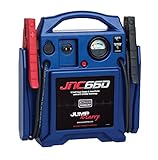
1. Clore Automotive Jump-N-Carry JNC660 1700 Peak Amp 12 Volt Jump Starter , Blue
Overview:
This industrial-grade lead-acid jump starter targets mechanics and fleet operators needing reliable starting power for standard 12V vehicles. Built around a robust 22Ah battery, it prioritizes durability over portability.
What Makes It Stand Out:
Its heavy-duty #2 AWG cables (46" long) and industrial hot-jaw clamps ensure secure connections on corroded terminals, while the integrated voltmeter provides instant charge status. The 1,700-peak-amp output reliably starts engines up to 6.5L gas or 3L diesel, even in cold conditions, without complex electronics.
Value for Money:
Priced competitively against lithium units, it offers exceptional longevity for frequent professional use. The replaceable battery and rugged construction justify the cost for workshops, though casual users may prefer lighter alternatives.
Strengths and Weaknesses:
Strengths: Unmatched cable durability, simple operation, no standby drain, supports 12V accessories via DC outlet. Weaknesses: Heavy (25+ lbs), slower recharge than lithium, bulkier design limits personal vehicle storage.
Bottom Line:
Ideal for garages or commercial fleets prioritizing ruggedness over portability. Not suited for emergency roadside use in passenger cars due to weight, but delivers unmatched reliability for daily professional jumps.
2. Portable 10-in-1 Car Battery Jump Starter with Air Compressor 8000A 160PSI 45W Charger, Jump Starter Jump Box (All Gas 14L Diesel), Car Battery Jumper Starter Portable Jumper Cables, Gloves, Lights

Overview:
A versatile lithium-powered emergency unit combining jump-starting, tire inflation, and safety tools. Advertised for all gas (up to 14L) and diesel engines, it targets road-trippers needing an all-in-one roadside solution.
What Makes It Stand Out:
The 8,000A peak output with “Force Start” handles dead batteries in extreme temps (-20°C to 60°C). The integrated 160PSI air compressor features a smart display with auto-shutoff, while PD45W charging powers laptops. Added gloves, 800LM lights, and a retractable handle enhance usability.
Value for Money:
Packs exceptional functionality at a mid-range price. Replaces separate jump boxes, inflators, and power banks, though the 8000A claim may be overstated for real-world diesel starts. Savings come from consolidating tools for frequent travelers.
Strengths and Weaknesses:
Strengths: Comprehensive 10-in-1 utility, rapid PD45W charging, intuitive compressor, bright emergency lights. Weaknesses: Peak amp rating likely inflated, compressor slower than dedicated units, bulkier than minimalist jump starters.
Bottom Line:
A top pick for adventurers needing maximum versatility. While not the most powerful for large diesels, its all-weather reliability and multi-tool design deliver outstanding value for most passenger vehicles and light trucks.
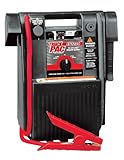
3. Clore Automotive Truck PAC ES1224 3000/1500 Peak Amp 12/24V Jump Starter
Overview:
A professional 12/24V jump starter engineered for commercial trucks, buses, and heavy equipment. This lead-acid unit focuses on industrial reliability with dual-voltage capability.
What Makes It Stand Out:
Delivers 3,000 peak amps (12V) or 1,500 amps (24V), making it suitable for large diesel engines. The 60" #2-gauge cables and industrial hot-jaw clamps ensure secure connections on distant or corroded terminals common in fleet vehicles.
Value for Money:
Priced higher than consumer models but cost-effective for fleet managers. Its repairable design, long cable reach, and tolerance for daily professional use justify investment where lithium units might lack durability.
Strengths and Weaknesses:
Strengths: True 24V compatibility, exceptional cable reach/strength, rugged construction, no battery degradation from frequent use. Weaknesses: Very heavy (35+ lbs), slow recharge, requires garage storage—impractical for personal vehicle emergencies.
Bottom Line:
Essential for commercial garages servicing trucks or equipment. Avoid for personal use due to weight, but unmatched for professionals needing dependable 24V starting power in harsh worksite conditions.
4. GOOLOO A3 Jump Starter with Air Compressor, 3000A Portable Car Battery Booster (9.0 Gas/6.5L Diesel) with 150PSI Auto-Shutoff Tire Inflator, 12V Supersafe Lithium Jump Box Car Battery Jumper Starter

Overview:
A balanced 7-in-1 lithium jump starter targeting everyday drivers with moderate power needs (up to 9.0L gas engines). Combines jump-starting, tire inflation, and safety features in a compact form.
What Makes It Stand Out:
The 3,000A peak output includes a “BOOST” button for low-voltage starts, while the intelligent 150PSI inflator auto-stops at target pressure. A sunlight-readable display, 10-layer BMS safety, and extreme temp tolerance (-20°F to 140°F) enhance reliability.
Value for Money:
Offers the best price-to-utility ratio for passenger vehicles. Its inflator outperforms competitors on small tires (e.g., Tesla), and the 1,000+ charge cycles ensure longevity, though peak amps are lower than heavy-duty models.
Strengths and Weaknesses:
Strengths: Accurate pressure display, rapid inflation (35L/min), comprehensive safety protections, compact size. Weaknesses: Limited to smaller diesels (6.5L), inflator slows for larger tires, no PD fast-charging for laptops.
Bottom Line:
Perfect for sedan/SUV owners seeking a reliable, all-in-one emergency kit. Avoid for large trucks, but excels as a daily-driver companion with best-in-class inflation precision and safety.
5. Primedura DM1264 Heavy Duty Truck Jump Starter, 30000A Peak 12V Lithium Battery Booster Pack for Semi Trucks,Starts All Gasoline Engines and Diesel Engines up to 50L in 1 Second at -40°F.

Overview:
A premium lithium jump starter engineered for extreme heavy-duty applications, claiming to start 50L diesel engines (e.g., semi-trucks) from dead batteries at -40°F.
What Makes It Stand Out:
The advertised 30,000A peak output (3,000A rated) and -40°F operation target commercial fleets. Features include 4AWG cables, 12-layer BMS protection, a 64,000mAh power bank (45W USB-C), and a 2,000-lumen emergency light with warning strobes.
Value for Money:
High upfront cost is justified for trucking professionals. The 3-year standby time, 4-hour recharge, and industrial durability offset frequent replacements of cheaper units, though overkill for standard vehicles.
Strengths and Weaknesses:
Strengths: Unrivaled cold-weather performance, comprehensive diagnostics display, versatile power bank, extreme durability. Weaknesses: Very expensive, excessive power for non-commercial use, weight (10+ lbs) limits casual portability.
Bottom Line:
A must-have for semi-truck operators or off-road contractors facing extreme conditions. While impractical for daily commuters, it’s a lifesaver for heavy machinery where failure isn’t an option—delivering professional-grade reliability.
6. YESPER 78,000mAh Heavy Duty Jump Starters - 6000A Car Jump Starter Pack for All 12V Diesel & Gas (Trucks, SUVs, RVs, etc.) SuperSafe Jump Box, Powerful Force Start Jumper Pack (-40°F to 140°F)

Overview:
This industrial-strength jump starter targets heavy-duty vehicle owners, delivering 6,000A peak current to revive large 12V diesel and gas engines—from semi-trucks to RVs—even with fully depleted batteries. Its rugged design prioritizes extreme-weather reliability and multifunctionality for roadside emergencies.
What Makes It Stand Out:
The exceptional 78,000mAh capacity enables 152 jumps per charge and extensive device charging (15+ phone cycles). Unmatched temperature resilience (-40°F to 140°F) and Arctic-to-desert readiness make it ideal for harsh climates. At just 8.4 lbs, it’s significantly lighter than lead-acid alternatives, while the 3-mode LED light adds critical safety visibility.
Value for Money:
Priced premium but justified for commercial users. The massive capacity, extreme-temperature operation, and portability outperform cheaper units that lack cold-cranking reliability for large vehicles. Dual USB ports and prolonged jump cycles enhance utility versus single-purpose jumpers.
Strengths and Weaknesses:
Strengths: Unrivaled cold-weather performance; exceptional portability for its power; high jump count per charge; versatile USB charging. Weaknesses: Overkill (and costly) for standard sedans; bulky size may challenge compact storage despite weight claims.
Bottom Line:
Essential for truckers, RV owners, and off-grid professionals needing assured starts in brutal conditions. Its capacity and temperature range justify the investment where reliability is non-negotiable.
7. Clore Automotive Jump-N-Carry JNC770R 1700 Peak Amp Premium 12 Volt Jump Starter - Red

Overview:
A professional-grade, garage-focused jump starter built for consistent performance on 12V gas vehicles. Featuring Clore’s PROFORMER technology, it emphasizes durability and ease of use for mechanics or fleet operators handling routine jump starts.
What Makes It Stand Out:
Robust 68" 2 AWG welding cables and Heavy Duty Powerjaw Clamps ensure secure connections and high current delivery. The integrated 3A automatic charger maintains readiness, while the industrial build withstands workshop abuse better than consumer lithium units.
Value for Money:
Priced fairly for commercial use. Though less portable than lithium alternatives, its cable quality, clamp durability, and maintenance-free charging offer long-term reliability. Ideal where portability is secondary to daily heavy use.
Strengths and Weaknesses:
Strengths: Superb cable/clamp durability; reliable automatic charging; workshop-ready construction. Weaknesses: Heavy and non-portable; lower peak amps (1,700A) limit use on large diesel engines; no USB/power bank features.
Bottom Line:
A workshop staple for garages prioritizing cable robustness and maintenance-free operation over portability. Best suited for standard gas vehicles in professional settings.
8. Clore Automotive Jump-N-Carry JNC1224 3400/1700 Peak Amp 12/24V Jump Starter

Overview:
A versatile dual-voltage jump starter engineered for commercial 12V/24V fleets (trucks, buses, heavy equipment). Its industrial design focuses on universal compatibility across diverse vehicle electrical systems.
What Makes It Stand Out:
Unique dual-voltage capability (3,400A @ 12V, 1,700A @ 24V) sets it apart for mixed fleets. Industrial Hot Jaw Clamps and #2 AWG cables handle high amperage safely, while the built-in charger ensures constant readiness in fleet yards.
Value for Money:
Higher upfront cost pays off for 24V fleet operators. Eliminates needing separate units for different vehicles, and superior cable/clamp durability reduces replacement costs versus consumer models.
Strengths and Weaknesses:
Strengths: Essential 24V compatibility; exceptional cable/clamp quality; automatic charging; built for daily commercial use. Weaknesses: Very heavy and immobile; no portability or device-charging features; overpriced for personal 12V use.
Bottom Line:
Indispensable for fleet managers maintaining 24V diesel vehicles. Its specialized voltage support and ruggedness justify the investment where dual-system compatibility is critical.
9. OXILAM Jump Starter 6000A for All Gas/12L Diesel, Car Battery Jumper Starter Portable, 12V Lithium Jump Box with Jumper Cables, LED Display, LED Light, Power Bank with USB, Type C Port

Overview:
A balanced consumer/prosumer jump starter offering strong 6,000A power for gas and smaller diesel engines (up to 12L), wrapped in a portable package with smart safety features and device-charging utility.
What Makes It Stand Out:
Ten safety protections (reverse polarity, short-circuit, etc.) enhance user confidence. The intuitive LED display shows battery status, while Type-C fast charging, dual USB ports, and 800-lumen light modes provide versatile emergency support beyond jump-starting.
Value for Money:
Competitively priced for its feature set. The safety suite, display, and charging capabilities offer better all-in-one value than basic jumpers, though capacity (unspecified mAh) lags behind premium models like Product 6.
Strengths and Weaknesses:
Strengths: Comprehensive safety features; clear battery display; compact design; multifunctional (power bank/light). Weaknesses: Capacity likely insufficient for large trucks after repeated use; unclear jump count claims; no extreme-temp specs.
Bottom Line:
A reliable, safety-focused choice for everyday drivers and light commercial users needing a do-it-all roadside companion for sedans, SUVs, and smaller trucks.
10. OXILAM 24000mAh Jump Starter for All Gas & Diesel Engines, 10000A Battery Jumper Starter Portable, 12V Jump Box with Quick Charger, Extended Jumper Cable, LED Display, USB, DC, Type C Port & LED Light

Overview:
OXILAM’s high-capacity flagship targets serious adventurers and heavy-vehicle owners with 10,000A peak power and 24,000mAh capacity. It merges extreme jump performance with robust power-bank functionality and certified safety.
What Makes It Stand Out:
10,000A surge and 8 AWG extended cables handle large diesel engines reliably. UL/FCC/CE certifications validate its 10-layer safety system. The 30W charging hub (Type-C/DC/USB) and 1,600-lumen light outperform competitors, while the LCD provides real-time diagnostics.
Value for Money:
Premium pricing is warranted by certified safety, high capacity, and superior cable quality. It outperforms similarly priced units in power delivery and device-charging versatility, especially for off-grid users needing reliable auxiliary power.
Strengths and Weaknesses:
Strengths: Industry-leading safety certifications; powerful multi-device charging; bright light; precise LCD display; rugged waterproof design. Weaknesses: Heavier than smaller models; 10,000A is marketing-focused (actual cranking amps lower); premium cost may deter casual users.
Bottom Line:
The top choice for RVers, overlanders, and diesel owners prioritizing certified safety and multi-role capability. Justifies its cost as a comprehensive emergency power solution.
Understanding Heavy-Duty Power Requirements
Decoding Cranking Amps for Large Engines
Passenger car jump starters often boast peak amperage figures that are meaningless for diesel trucks. You need substantial Cold Cranking Amps (CCA) ratings specifically validated for engines displacing 10 liters or more. Look for units delivering sustained high-current output (3,000+ CCA) capable of overcoming the immense compression resistance in large diesels, especially when cold soaked. Peak amperage claims without duration specifications are marketing fluff; real-world performance hinges on consistent power delivery over several critical seconds.
The Critical Role of Dual Battery Systems
Most modern semi-trucks utilize dual 12V battery banks wired in parallel. A viable jump starter must not only crank the engine but also effectively replenish both batteries simultaneously to prevent immediate re-failure. Units designed for single-battery passenger vehicles lack the capacity and intelligent charging circuits to handle this dual-load scenario safely and efficiently, risking incomplete charging or damage to sensitive truck electronics.
Voltage Stability Under Extreme Load
Large diesel starters draw enormous current, causing significant voltage sag in weak systems. Premium heavy-duty jump starters incorporate robust voltage regulation technology. This ensures the output voltage remains stable during the cranking attempt, preventing sensitive engine control modules (ECMs) and dashboard electronics from experiencing damaging brownouts or resets that could complicate restarts or trigger error codes.
Surviving the Elements: Weatherproofing Essentials
Extreme Cold Weather Performance
Standard lithium batteries suffer catastrophic capacity loss below freezing. True truck-grade units utilize specialized lithium-iron phosphate (LiFePO4) chemistry or advanced thermal management systems. These maintain usable power output reliably down to -40°F, a non-negotiable feature for drivers navigating northern routes or winter storms where a failed jump start has severe consequences.
Sealing Against Moisture and Contaminants
Constant exposure to road spray, dust storms, and washing down the cab demands exceptional ingress protection. Look for units rated IP67 or higher, meaning they are fully dust-tight and can withstand temporary immersion in water. This level of sealing protects internal electronics from corrosion and short circuits caused by the harsh, wet environments common in trucking.
Heat Resistance for Engine Bay Storage
Storing your jump starter in the engine compartment (a common practice for quick access) exposes it to extreme heat. Premium units feature high-temperature resistant casings and internal components that won’t degrade or become a fire hazard when ambient temperatures soar above 140°F inside a parked truck on a summer day.
Safety and Smart Technology Integration
Reverse Polarity Protection That Actually Works
Accidentally reversing the clamps on a large truck battery can cause catastrophic damage. Top-tier jump starters employ multi-stage protection: physical clamp design preventing incorrect connection, audible/visual warnings before power is applied, and robust internal circuitry that instantly cuts off current if a reversal is detected, even under high-load conditions. Don’t settle for basic fuse-only protection.
Spark-Proof and Short-Circuit Safeguards
Connecting clamps to a dead battery in a flammable environment (like diesel fumes) demands absolute spark prevention. Advanced units utilize intelligent sensing that only delivers power after secure, correct connection is confirmed. They also incorporate instant short-circuit shutdown, crucial when working around metal surfaces and complex wiring harnesses under the hood.
Engineered for High-Voltage Truck Systems
Many commercial trucks operate auxiliary systems (like refrigeration units) on 24V. While the starting system is typically 12V, premium jump starters include circuitry specifically hardened to handle voltage spikes and fluctuations common in large vehicle electrical systems, preventing damage to the jump starter itself during use.
Portability vs. Power: The Truck Driver’s Balance
Optimizing Weight for Cab Storage
While raw power is essential, a unit too heavy to easily carry from cab to engine compartment defeats its purpose. The best designs achieve a critical balance, using high-density lithium cells to deliver massive cranking amps in packages under 20 pounds. Consider ergonomics—comfortable handles and non-slip surfaces are vital when hauling it across icy ground.
Compact Design for Tight Engine Compartments
Truck engine bays are notoriously cramped. A jump starter with a streamlined, rectangular profile (avoiding bulky protrusions) fits more easily into storage nooks and allows safer maneuvering of clamps around complex engine components without snagging hoses or wiring.
Integrated Storage Solutions
Look for units featuring mounting brackets, ruggedized carrying cases with tool pockets, or even straps designed to secure them within the cab or sleeper. Having a dedicated, accessible spot ensures it’s always ready when needed and doesn’t become a dangerous projectile during sudden stops.
Beyond Jump Starting: Essential Multi-Functionality
Built-In Air Compressors for Roadside Emergencies
A premium unit with a powerful, fast-fill air compressor is invaluable. It addresses the second most common roadside delay after dead batteries: flat tires. Integrated compressors eliminate the need for a separate, bulky unit, saving space and providing immediate tire inflation capability—critical for maintaining tire pressure safety standards during long hauls.
High-Wattage Power Inverters for Cab Electronics
When the main batteries die, your entire cab ecosystem (comms, refrigeration, heating/cooling) goes down. Units with robust pure sine wave inverters (300W+) can power CPAP machines, laptops, small heaters, or medical devices directly from the jump starter’s battery, maintaining essential functions during extended waits or while troubleshooting.
Emergency Lighting for Night Operations
Integrated, ultra-bright LED work lights or scene lights are non-negotiable for safety. High-lumen, multi-mode lighting (steady, strobe, SOS) illuminates the engine bay during dark, stormy nights, enhances visibility for safety during roadside repairs, and serves as a critical emergency beacon if stranded.
Battery Technology and Longevity
Why LiFePO4 Outperforms Standard Lithium
While consumer units often use cheaper lithium-ion (Li-ion), professional truck applications demand lithium iron phosphate (LiFePO4). It offers significantly longer cycle life (2,000+ cycles vs. 500-1000), superior thermal stability (reducing fire risk), consistent power output until fully depleted, and much better performance in extreme temperatures – all vital for infrequent but critical use.
Self-Discharge Rate and Long-Term Reliability
A jump starter that slowly dies while sitting in your cab for weeks is useless. Premium LiFePO4 units exhibit extremely low self-discharge rates (1-3% per month), ensuring they retain a usable charge for 12+ months. This reliability is paramount; you can’t afford to discover a dead jump starter when you need it most.
Calendric Aging vs. Cycle Life
Even without use, batteries degrade over time. High-quality units utilize cells with superior calendric aging characteristics, maintaining 80%+ capacity after 5-7 years. Check manufacturer specs on expected lifespan under storage conditions, not just cycle count. This longevity justifies the higher initial investment.
Charging and Maintenance Simplicity
Rapid Recharging for Minimal Downtime
After use, you need the unit ready again quickly. Look for models supporting fast charging via AC wall adapters (recharging in 1-2 hours) and crucially, 12V DC charging from the truck’s auxiliary port while driving. This ensures it’s always topped up after a jump event without requiring access to shore power.
Clear State-of-Charge Indicators
Ambiguous LED bars are insufficient. Premium units feature precise digital voltage displays or multi-stage indicators showing exact remaining capacity (e.g., 100%, 75%, 50%). This eliminates guesswork, ensuring you know definitively if the unit has sufficient charge for a critical jump when you need it.
Maintenance-Free Operation
True premium units require zero user maintenance. Sealed construction means no fluid checks or terminal cleaning. Smart battery management systems automatically handle optimal charging and storage states, preventing over-discharge during storage – a common killer of lesser units left unused for months.
Real-World Usability Factors
Clamp Design and Cable Length
Bulky, stiff cables with flimsy clamps are frustrating and dangerous on large trucks. Prioritize units with extra-long (3+ feet), highly flexible cables and massive, insulated, spring-loaded clamps featuring serrated jaws that bite through corrosion. Proper clamp design ensures secure connection on often dirty or corroded truck battery terminals.
Intuitive Control Interface
During a stressful roadside emergency, complex menus are the enemy. The best units feature simple, large-button operation: one button for jump starting, clear mode indicators, and minimal steps to activate auxiliary functions. Backlit controls are essential for nighttime use.
Noise Levels During Operation
Some compressors and charging circuits generate distracting noise. While some sound is inevitable, premium units incorporate noise-dampening features, making them significantly quieter during air compression or inverter operation – a small comfort during a stressful situation.
Investment Justification and Cost Analysis
Calculating True Cost of Downtime
Consider the real financial impact: lost pay for a day (or more), potential detention fees, hotel costs, and the logistical nightmare of waiting for help. A $400 jump starter preventing just one 24-hour delay often pays for itself many times over. Frame the cost against the tangible risk of operational paralysis.
Durability Equals Long-Term Value
Cheaper units often fail prematurely under heavy-duty use or harsh conditions. Investing in a rugged, well-engineered model built with commercial-grade components means it will reliably perform for 5+ years, offering far lower cost-per-use than repeatedly replacing inferior units that die after a couple of jumps.
Warranty and Support Matters
Look for comprehensive warranties (3+ years) covering both battery and electronics, offered by companies with a proven track record in the commercial vehicle sector. Responsive technical support for professional drivers is a hallmark of a truly premium product designed for serious business use, not just occasional consumer use.
Frequently Asked Questions
Frequently Asked Questions
Will standard car jump starters work on my semi-truck? No. Most car jump starters lack the sustained cranking power (3,000+ CCA), voltage stability, and dual-battery charging capability required for large diesel engines. Attempting to use one can damage the unit, your truck’s electronics, or fail entirely when you need it most.
How often should I recharge my truck jump starter? Even high-quality units with low self-discharge should be checked every 3-6 months. Recharge it if the indicator shows below 50% capacity. Models with auto-maintenance charging via the truck’s DC port are ideal for ensuring constant readiness during regular operation.
Can I leave my jump starter connected to my truck’s battery for trickle charging? Only if the unit explicitly states it has a safe, maintained “float” or “trickle” charging mode designed for continuous connection. Most standard jump starters are not designed for this and could overcharge or drain your truck batteries.
Why do I need such a high CCA rating compared to my car? Large diesel engines have significantly higher compression ratios and often require glow plugs to pre-heat. Cranking them demands substantially more current (often 3-5x) than a gasoline engine, especially in cold weather. Sustained high CCA is critical to overcome this resistance.
Is LiFePO4 really safer than standard lithium-ion? Yes. LiFePO4 chemistry is inherently more stable, has a much higher thermal runaway threshold, and is far less prone to fire if damaged or exposed to extreme conditions compared to standard lithium-ion cells commonly found in cheaper units.
Can the built-in air compressor fill a semi-truck tire from flat? While powerful, most integrated compressors are designed for topping up pressure or slow inflation, not filling a large, completely flat semi tire quickly. They are best used for maintaining pressure or minor adjustments, not as a replacement for a dedicated heavy-duty compressor.
How important is the IP rating really? Crucial. An IP67 rating (dust-tight and water immersion resistant) ensures the unit survives constant exposure to road grime, rain, snow, and washing down, preventing internal corrosion and electrical failure – common failure points in lesser units on the road.
Will using the inverter drain my jump starter too fast? High-wattage devices (like heaters) will deplete it quickly. However, for essential low-power electronics (CPAP, comms, small fan), a quality pure sine wave inverter provides vital runtime (often several hours). Always match the device’s wattage to the inverter’s continuous rating.
Can extreme cold permanently damage the jump starter battery? Quality LiFePO4 units are designed to operate in extreme cold without damage, though capacity is temporarily reduced. The real risk is attempting to charge a standard lithium-ion battery below freezing, which can cause permanent damage. Premium truck units often have low-temp charging protection.
What’s the single most overlooked feature for truckers? Precise state-of-charge indication. Vague LED bars lead to uncertainty. A clear digital display showing exact remaining capacity (e.g., 85%) is essential to know, with absolute certainty, that the unit has enough power for a critical jump when stranded.
See Also
- 10 Premium Truck Jump Starters for Fleet Operators (Worth the Investment)
- 10 Premium Truck Jump Starters for Off-Road Adventures (Worth the Investment)
- 10 Best Value Truck Jump Starters for Long-Haul Drivers in 2026
- 10 Premium Jump Starters for Luxury Vehicles (Worth the Investment) in 2026
- 10 Premium Jump Starters with Diagnostic Features for Luxury Vehicles (Worth the Investment)