Table of Contents
Nothing diminishes the appearance and safety of your vehicle quite like foggy, yellowed headlights. Beyond the aesthetic impact, oxidized headlight lenses can reduce light output by up to 80%, creating a dangerous situation for nighttime driving. The good news? You don’t need to replace expensive headlight assemblies to restore crystal-clear clarity.
Headlight rejuvenation kits have revolutionized DIY automotive care, offering professional-level results at a fraction of the cost of new headlights. Whether you’re dealing with minor hazing or severe yellowing, understanding how these systems work and what features matter most will help you achieve lasting results. This comprehensive guide walks you through everything you need to know about selecting and using the right restoration approach for your specific situation.
Top 10 Headlight Rejuvenation Kits
Detailed Product Reviews
1. CERAKOTE® Ceramic Headlight Restoration Kit – Guaranteed To Last As Long As You Own Your Vehicle – Brings Headlights Back to Like New Condition - No Power Tools Required - 10 Wipe Kit

Overview:
The CERAKOTE Ceramic Headlight Restoration Kit offers a sophisticated three-step solution that chemically bonds a durable ceramic coating to your headlights. This comprehensive kit includes eight oxidation-removing wipes, a sanding kit for deeper restoration, and two ceramic coating wipes. Designed as a tool-free system, it promises to restore headlights to like-new condition in approximately 30 minutes while providing permanent UV protection.
What Makes It Stand Out:
The lifetime guarantee truly distinguishes this kit. Unlike conventional sealants that degrade over time, Cerakote’s ceramic technology forms a permanent chemical bond with the lens surface, offering protection that lasts as long as you own the vehicle. The no-power-tools approach eliminates risk of paint damage from overspray or errant sanding, making it accessible to novices. The UV-blocking capabilities are built into the ceramic matrix itself rather than being a separate topcoat.
Value for Money:
While priced at a premium compared to basic kits, the one-time application eliminates recurring costs. Professional headlight restoration services typically cost $100-150 per vehicle, making this kit a bargain at under $50. The permanent nature of the ceramic coating means you won’t need to reapply annually, delivering exceptional long-term value.
Strengths and Weaknesses:
Strengths include the permanent ceramic protection, straightforward three-step process, and comprehensive kit contents. The lifetime UV protection guarantee provides peace of mind. Weaknesses involve the manual sanding requirement for heavily oxidized lights, which demands significant elbow grease. The ceramic application requires careful technique to avoid streaking, and results depend heavily on proper prep work.
Bottom Line:
For drivers seeking a permanent, professional-grade solution without power tools, this kit justifies its premium price. The lifetime protection guarantee makes it ideal for long-term vehicle ownership.
2. 3M Ultra Headlight Restoration Kit, Contains Masking Tape, Light Sanding Discs, Wax Protectant and More, Use on Plastic Lenses Headlights, Taillights and More, Easy Heavy-Duty Restoration (39195)

Overview:
The 3M Ultra Headlight Restoration Kit represents professional-grade restoration technology in a consumer package. This comprehensive kit includes a disc pad holder, six 500-grit sanding discs, four 800-grit finishing discs, one 3000-grit Trizact refining disc, and two Quick Headlight Clear Coat wipes. Designed for use with or without a common household drill, it effectively tackles yellowing, oxidation, and buildup on plastic lenses.
What Makes It Stand Out:
The multi-stage abrasive system is exceptional, progressing from aggressive 500-grit removal to ultra-fine 3000-grit polishing. 3M’s proprietary Trizact technology ensures consistent cutting action without damaging the underlying plastic. The versatility to use manually or with power tools accommodates different skill levels and time constraints. The kit also includes masking tape and wax protectant for complete job preparation.
Value for Money:
Positioned in the mid-range price segment, this kit delivers professional results at a fraction of replacement costs. With enough materials for multiple applications, it effectively restores headlights, taillights, fog lights, and directional signals. Compared to professional services charging $100+ per vehicle, this kit offers substantial savings for the capable DIYer.
Strengths and Weaknesses:
Strengths include the trusted 3M brand reputation, progressive abrasive system, and flexible application methods. The Trizact disc produces exceptional clarity. Weaknesses include the steeper learning curve for drill users and the time-intensive nature of the multi-step process. Incomplete sanding between grits can leave visible scratches, and the final clear coat may require reapplication within 1-2 years.
Bottom Line:
Perfect for automotive enthusiasts comfortable with power tools who demand showroom-quality results. The comprehensive abrasive sequence justifies the effort for severely degraded headlights.
3. SYLVANIA Headlight Restoration Kit - Long-Lasting Headlight Repair Kit for Restoring to Like-New Condition - Surface Activator, Exclusive UV Coating, Clarifying Compound & More - No Tools Required

Overview:
Leveraging over a century of lighting expertise, the SYLVANIA Headlight Restoration Kit provides a complete no-tools solution for restoring headlight clarity. This all-in-one system includes surface activator, premium sandpaper, clarifying compound, and an exclusive UV block clear coat. Designed to repair two headlight lenses, it eliminates haze and yellowing while improving night driving visibility through a straightforward application process.
What Makes It Stand Out:
SYLVANIA’s lighting heritage brings unique credibility to headlight restoration. The surface activator chemically prepares the lens for optimal bonding, while the clarifying compound removes micro-scratches. The exclusive UV block clear coat is specifically formulated for automotive lighting applications, providing durable protection against future degradation. The truly tool-free design makes it accessible to all skill levels.
Value for Money:
Competitively priced against other premium kits, SYLVANIA’s offering delivers brand-specific expertise. The inclusion of specialized chemicals justifies the cost over basic sanding kits. With materials for two complete headlight restorations, it provides good value per application. The UV coating’s durability reduces frequency of reapplication compared to budget alternatives.
Strengths and Weaknesses:
Strengths include the trusted brand reputation, truly tool-free operation, and specialized chemical formulations. The surface activator improves coating adhesion significantly. Weaknesses include limited effectiveness on severely oxidized lenses without additional sanding. The manual application requires patience and proper technique. Some users report the UV coating may yellow slightly after extended sun exposure.
Bottom Line:
An excellent choice for vehicle owners seeking a reputable, chemical-based solution for moderate headlight degradation. SYLVANIA’s expertise in lighting technology provides confidence in the results.
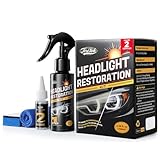
4. Car Headlight Restoration Kit, No Power Tools Required, Restoring to Like-New Condition, Covers 2-3 Vehicle Headlight Treatments, Headlight Cleaner and Restorer Kit, Headlight Restoration Spray
Overview:
This Car Headlight Restoration Kit promises revolutionary simplicity with its spray-and-wipe ceramic coating formula. Marketed as requiring no grinding, sanding, or thinning, it claims to preserve your headlight’s protective layer while permanently bonding a crystal-clear ceramic armor. The kit covers 2-3 vehicle treatments and addresses yellowing, oxidation, and blurring through a straightforward chemical application.
What Makes It Stand Out:
The aggressive “no sanding” claim fundamentally challenges conventional restoration wisdom. By eliminating abrasive steps, it theoretically reduces restoration time to minutes rather than hours. The permanent ceramic bonding technology supposedly integrates with damaged plastic, creating a hard shell that prevents future scratches and abrasions. The spray application removes technique barriers associated with wipe-on coatings.
Value for Money:
Positioned as a budget-friendly option, the multi-vehicle coverage offers attractive per-use cost. If the permanent bonding claims hold true, it would eliminate annual reapplication expenses common with silicone-based dressings. However, the generic branding and bold claims warrant healthy skepticism compared to established manufacturers with proven track records.
Strengths and Weaknesses:
Strengths include the unprecedented ease of use, rapid application time, and multi-vehicle coverage. The no-sanding approach appeals to those wary of damaging lenses. Weaknesses involve questionable effectiveness on severe oxidation, potentially exaggerated durability claims, and lack of brand reputation. Without mechanical abrasion, heavily degraded lenses may not achieve true clarity.
Bottom Line:
Suitable for lightly oxidized headlights where convenience trumps absolute perfection. Approach with realistic expectations—it’s likely a temporary dressing rather than permanent restoration for moderate to severe damage.
5. 3M Auto Restore and Protect Headlight Restoration Kit, Use On Plastic Lenses, Headlights, Taillight, Fog Lights and More, Includes Sanding Discs, Headlight Clear Coat Wipes, Foam Pad and Glove (39194)

Overview:
The 3M Auto Restore and Protect Headlight Restoration Kit delivers professional results through a streamlined abrasive and coating system. This kit includes 1000-grit and 3000-grit Trizact refining discs, two Quick Headlight Clear Coat wipes, a foam pad with Hookit attachment, and a disposable glove. Designed for plastic lenses including headlights, taillights, and fog lights, it removes yellowing while preserving the lens surface integrity.
What Makes It Stand Out:
The focused two-stage sanding process simplifies restoration without sacrificing quality. 3M’s Trizact technology ensures uniform abrasive action, while the included foam pad provides professional application of the clear coat. The 1000-grit starting point is less aggressive than some kits, reducing the risk of over-sanding. The clear coat wipes offer convenient, mess-free application of UV protection.
Value for Money:
This kit represents excellent middle-ground value in the 3M lineup. It provides enough materials for multiple applications while maintaining the brand’s quality standards. The cost savings versus professional replacement or restoration services are substantial. The included foam pad extends the kit’s utility for future polishing tasks.
Strengths and Weaknesses:
Strengths include the trusted 3M brand, efficient two-step sanding process, and high-quality clear coat application system. The Trizact discs deliver consistent results. Weaknesses include the limited grit progression which may struggle with heavily oxidized lenses. The kit requires a drill for optimal results, and the single glove seems like a minor oversight for a two-handed job.
Bottom Line:
A balanced choice for DIYers wanting 3M quality with simplified steps. Ideal for moderately degraded headlights where time efficiency matters without compromising on protection.
6. CUTEBEY Advanced Car Headlight Restoration Kit: Erase Yellowing & Oxidation Restores Clarity with Long-Lasting UV & Hydrophobic Ceramic Shield - Restoration Fluid Kit for Cars, Trucks and SUVs
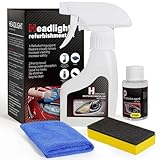
Overview: This chemical-based restoration kit promises to eliminate yellowing and oxidation without sanding. The formula dissolves years of haze while leaving a UV-resistant ceramic coating. Marketed as a professional-grade solution for cars, trucks, SUVs, and motorcycles, it aims to deliver crystal-clear clarity in minutes with minimal effort and no disassembly required.
What Makes It Stand Out: The no-sanding approach is the key differentiator—just spray and wipe with the included microfiber towel. The dual-action UV and hydrophobic ceramic shield offers protection beyond typical sealants, actively repelling water and road grime for months. Universal compatibility with all plastic and polycarbonate lens types makes it highly accessible for DIYers of any skill level who want fast, safe results.
Value for Money: Compared to $100+ professional headlight restoration services, this kit offers multiple applications at a fraction of the cost. The all-in-one approach eliminates need for separate purchases of compounds, sealants, and tools. While premium-priced among DIY kits, the significant time saved and durable protective coating justify the investment, especially for those uncomfortable with power tools or sanding techniques.
Strengths and Weaknesses: Pros: Extremely easy application; no risk of sanding scratches; durable ceramic protection; works on all lens types; fast results. Cons: May struggle with severe, deep oxidation; durability claims unverified by long-term users; chemical smell reported; requires completely dry surface.
Bottom Line: Ideal for DIY beginners tackling moderate oxidation. The no-sanding convenience and protective coating make it worth the premium, though heavily damaged lights may need mechanical restoration first.
7. Meguiar’s Ultimate Headlight Restoration Kit - The Perfect Headlight Repair Kit to Remove Yellowing and Cloudiness from Headlights - Easy to Use and Seals Headlights with 18 Plus Months of Protection

Overview: Meguiar’s offers a comprehensive sanding-based kit designed for moderate to heavily oxidized headlights. This kit uses a two-stage sanding process followed by protective sealant wipes, delivering professional results without requiring power tools. The trusted brand promises 18+ months of UV protection and enhanced nighttime visibility.
What Makes It Stand Out: The two-grade sandpaper system (1000 and 3000 grit) allows progressive refinement, tackling everything from mild yellowing to severe cloudiness. The pre-saturated sealant wipes simplify the final step, ensuring even application of UV protection. Meguiar’s reputation for quality automotive care products provides confidence in the results and long-term durability of the restoration.
Value for Money: At a mid-range price point, this kit offers exceptional value considering the brand heritage and long-lasting protection. The 18-month guarantee exceeds many competitors, potentially saving future restoration costs. While requiring more effort than chemical kits, the thoroughness justifies the price for severely damaged headlights that need mechanical abrasion to restore clarity.
Strengths and Weaknesses: Pros: Effective on heavy oxidation; trusted brand reputation; long 18-month protection; no power tools needed; comprehensive instructions included. Cons: Labor-intensive sanding process; risk of scratching if done improperly; single-use sealant wipes; generates plastic dust during sanding.
Bottom Line: Perfect for those willing to invest elbow grease for durable, professional results. The sanding approach handles severe damage that chemical kits cannot, making it a smart choice for neglected headlights.
8. Chemical Guys Headlight Restoration & Ceramic Kit, Complete DIY Kit for Removing Yellowing & Oxidation, Includes Restoration Compound, HydroCharge With Microfiber & Applicator

Overview: Chemical Guys provides a versatile restoration kit featuring a specialized compound and HydroCharge ceramic coating. Designed for application by hand or machine polisher, this kit removes oxidation while leaving a protective layer against future yellowing. It’s positioned as a must-have for detailing enthusiasts seeking professional-grade results.
What Makes It Stand Out: The flexibility to apply by hand or machine sets this kit apart, accommodating both beginners and professional detailers. The HydroCharge ceramic technology offers advanced protection against UV rays and environmental contaminants. The brand’s detailing focus ensures compatibility with broader car care routines, making it ideal for regular maintenance schedules.
Value for Money: Chemical Guys products typically command premium pricing, but the dual-application method and ceramic technology offer solid value. The kit provides enough product for multiple treatments, making it economical for maintaining several vehicles. Compared to separate compound and ceramic purchases, it’s reasonably priced for the quality delivered and brand reputation.
Strengths and Weaknesses: Pros: Versatile application methods; quality ceramic protection; reputable brand; works on all plastic trim; multiple uses per kit. Cons: May require polishing machine for best results; less effective on severe oxidation; minimal included accessories; instructions could be clearer for novices.
Bottom Line: An excellent choice for car detailing enthusiasts who want flexibility. While not the simplest option, the quality results and protective finish make it worthwhile for those serious about maintenance.
9. Meguiar’s Two Step Headlight Restoration Kit, Headlight Cleaner Restores Clear Car Plastic and Protects from Re-Oxidation, Includes Headlight Coating and Cleaning Solution - 4 Count (1 Pack)

Overview: Meguiar’s simplified kit offers a two-step process to restore headlight clarity without sanding or power tools. The kit includes cleaning solution with abrasive pads and a protective coating, targeting light to moderate oxidation with a 12-month protection guarantee. It’s designed for quick, hassle-free application.
What Makes It Stand Out: The no-drill, no-sanding approach makes this exceptionally user-friendly for absolute beginners. The included abrasive pads provide just enough mechanical action to remove surface oxidation without risking lens damage. The two-step simplicity appeals to those intimidated by multi-stage processes, while the Meguiar’s brand ensures reliable performance.
Value for Money: This is one of the most affordable kits from a major brand, offering excellent value for those with mildly to moderately oxidized headlights. The 12-month protection period is respectable for the price point, and the minimal time investment maximizes value. It’s a cost-effective alternative to professional services for basic restoration needs and routine maintenance.
Strengths and Weaknesses: Pros: Extremely simple two-step process; no power tools required; affordable; trusted brand; safe for beginners. Cons: Limited effectiveness on severe oxidation; abrasive pads wear out quickly; shorter protection period than premium kits; requires significant manual effort.
Bottom Line: The perfect entry-level solution for minor headlight cloudiness. If your headlights aren’t severely damaged, this kit delivers impressive results with minimal effort and risk.
10. ZMHUM Headlight Restoration Kit - Coating Headlight Cleaner for Cars Trucks Motorcycles & RVs - Restore Yellowing Cloudy & Foggy Lenses Enhance Night Driving Safety for Commuters No Sanding UV Shield

Overview: ZMHUM offers a chemical-reaction based kit that dissolves oxidation without sanding. The advanced formula creates a rapid reaction to lift yellowing and haze, followed by a professional-grade ceramic coating for UV protection. The kit promises 8+ full treatments from its 180ml bottle, making it economical for multiple vehicles or regular maintenance.
What Makes It Stand Out: The concentrated formula provides exceptional value with eight applications per kit. The “wipe-on” technology eliminates any risk of sanding scratches, making it foolproof for absolute beginners. The rapid chemical reaction approach works in minutes without manual scrubbing, setting it apart from labor-intensive alternatives that require significant elbow grease and time investment.
Value for Money: With enough product for eight treatments, this kit offers outstanding value for families with multiple vehicles or weekend detailers. The per-use cost is among the lowest available. While the brand lacks Meguiar’s recognition, the quantity and included accessories (sponge applicator, microfiber towel, UV protective agent) provide comprehensive value that competitors can’t match.
Strengths and Weaknesses: Pros: Excellent value with 8+ treatments; no sanding required; rapid results; includes ceramic coating; complete kit included. Cons: Unknown brand with limited reviews; chemical effectiveness may vary; durability claims unproven; potential for uneven application on curved lenses.
Bottom Line: A budget-friendly powerhouse for those comfortable with lesser-known brands. The multi-treatment value and simplicity make it ideal for maintaining several vehicles, though results may vary.
Understanding the Foggy Headlight Problem
What Causes Headlight Fogging and Yellowing?
Modern headlights use polycarbonate plastic lenses that provide excellent impact resistance but are vulnerable to UV radiation and environmental damage. Over time, constant exposure to sunlight breaks down the factory UV coating, allowing the plastic to oxidize. Road debris, chemicals, and temperature fluctuations accelerate this process, creating microscopic cracks and pits that diffuse light. This isn’t just surface dirt—it’s actual physical degradation of the lens material that requires mechanical restoration.
Why Headlight Clarity Matters for Safety
Cloudy headlights dramatically reduce nighttime visibility, decreasing your reaction time to road hazards. The diffused light pattern fails to properly illuminate the road ahead, while also creating glare for oncoming drivers. Insurance studies indicate that vehicles with degraded headlights are involved in more nighttime accidents. Restoring clarity isn’t merely cosmetic—it’s a critical safety maintenance item that directly impacts your ability to see and be seen after dark.
How Headlight Rejuvenation Kits Work
The Science Behind Restoration
Effective kits use a multi-stage process that mirrors professional body shop techniques. First, abrasive sanding removes the oxidized layer and smooths surface imperfections. Next, polishing compounds refine the lens to optical clarity. Finally, a protective coating seals the surface against future UV damage. Quality systems progressively step down from coarse to fine abrasives, ensuring you don’t create new scratches while removing old damage. The final UV sealant is crucial—without it, your hard work will begin deteriorating within weeks.
Wet Sanding Systems: The Professional Approach
Premium restoration kits incorporate wet sanding because it prevents heat buildup and creates smoother finishes. Water acts as a lubricant, carrying away debris and reducing the risk of gouging the lens. These systems typically include multiple sandpaper grits—usually 800, 1000, and 2000 or 3000—to progressively refine the surface. While more labor-intensive, wet sanding produces the most durable, longest-lasting results, especially for severely damaged headlights.
Types of Restoration Kits Available
Drill-Mounted Polishing Kits: Power and Efficiency
These systems attach foam polishing pads to a standard cordless drill, dramatically reducing manual effort. The mechanical action provides consistent pressure and speed, often achieving better results in less time. However, they require careful technique to avoid burning the plastic or creating uneven surfaces. Look for kits with variable speed recommendations and multiple pad densities to control the aggression level based on your headlights’ condition.
Hand-Polishing Kits: Simplicity and Control
Manual application kits offer maximum control and are virtually foolproof for beginners. They typically include polishing cloths, applicator pads, and compound pastes that you work by hand. While more physically demanding and time-consuming, hand-polishing eliminates the risk of power tool damage. These kits excel for moderate oxidation and are ideal if you only plan to restore one vehicle. The tactile feedback helps prevent over-polishing in any single area.
Wipe-On Restoration Solutions: Quick Fixes
For minor clouding, wipe-on products provide the simplest application. These typically combine a mild abrasive cleaner with a temporary sealant in a single step. While convenient, they rarely address deep oxidation and the results may last only a few months. Consider these maintenance products rather than true restoration solutions. They’re best suited for newer vehicles showing early signs of hazing or as a follow-up treatment after a full restoration.
Spray-On Coatings: Alternative Application Methods
Some advanced systems use spray-on UV blockers that create a more uniform protective layer than wipe-on sealants. These require careful masking of surrounding paint and trim but can provide superior coverage, especially on complex headlight shapes. The application technique is critical—multiple thin coats work better than one heavy application. These coatings often cure harder and last longer than traditional wipe-on sealants.
Key Features to Evaluate
Abrasive Quality and Grit Progression
The foundation of any restoration is the abrasive system. Quality kits provide clearly labeled sandpaper grits that progress logically from coarse to fine. Avoid kits with only one or two grit levels—they force you to make too large a jump, leaving visible scratches. Look for waterproof sandpaper with durable backing that won’t tear during wet sanding. The best systems include at least three grit stages and specify the exact purpose of each.
Polish and Compound Formulations
After sanding, polishing compounds remove fine scratches and restore optical clarity. Professional-grade kits contain diminishing abrasives that break down into smaller particles as you work, creating increasingly finer finishes. Cheap compounds may contain fillers that temporarily hide scratches but wash away quickly. Quality formulations use actual polishing agents like aluminum oxide or cerium oxide that physically smooth the surface rather than masking it.
Sealing and Coating Durability
The UV sealant is your defense against rapid re-oxidation. Premium kits include ceramic-infused coatings or true automotive-grade clear coats that bond chemically to the plastic. These can last 1-2 years or more with proper care. Budget options often use silicone-based dressings that degrade within months. Look for kits that specify the expected longevity of their sealant and provide enough product for multiple applications or future touch-ups.
Practical Considerations
Kit Completeness: Essential Components
A truly complete kit should include everything needed from start to finish. This means sandpaper, polishing pads, compound, sealant, masking tape, and detailed instructions. Some premium kits add microfiber cloths, spray bottles for wet sanding, and even protective gloves. Incomplete kits force you to hunt down additional supplies, potentially mismatching products and compromising results. Always check the component list before purchasing.
Skill Level Requirements
Be honest about your DIY comfort level. Complex multi-stage systems deliver superior results but demand patience and attention to detail. If you’re new to automotive detailing, start with a simpler hand-polishing kit. Many manufacturers indicate difficulty levels on packaging. Remember that headlight plastic is relatively soft—mistakes are easy to make but difficult to correct. When in doubt, practice on an inconspicuous area or seek a less aggressive kit.
Time Investment Expectations
Restoration isn’t a five-minute job. Quality results require 30-90 minutes per headlight depending on severity. Drill-mounted systems are faster but still need careful progression through each stage. Hand-polishing severely oxidized lights can take several hours. Factor in curing time for the final sealant—some require 24 hours before washing or waxing. Plan your project for a cool, shaded day with no rain forecast for at least a day after completion.
Long-Term Value and Performance
Longevity of Results
How long your restoration lasts depends on three factors: the quality of the sealant, your local climate, and ongoing maintenance. In harsh sun states, even premium sealants may need reapplication annually. Garage-kept vehicles in moderate climates can see 2-3 years of clarity. The best kits provide enough sealant for multiple applications, allowing you to re-treat annually as preventive maintenance. This dramatically extends the value of your initial investment.
Cost-Benefit Analysis
Quality restoration kits range from $15 to $60—far less than the $200-$600 cost of replacing headlight assemblies. Even premium kits pay for themselves after one use. Consider the kit’s capacity: can it restore multiple vehicles? Does it include enough sealant for future touch-ups? The cheapest option isn’t always the most economical if results fade quickly. Calculate cost-per-year of clarity rather than just upfront price.
Environmental Considerations
Professional headlight replacement generates plastic waste and requires energy-intensive manufacturing. Restoration is inherently eco-friendly, extending the life of existing parts. Some kits now feature water-based compounds and low-VOC sealants. Look for products with minimal packaging and reusable applicators. Proper disposal of used sandpaper and chemicals matters—never rinse compounds down storm drains where they can affect waterways.
Execution and Maintenance
Common Mistakes to Avoid
Rushing the sanding process is the top error. Each grit must completely remove scratches from the previous stage before progressing. Skipping grits leaves visible swirl marks. Insufficient masking tape allows sandpaper to damage paint. Applying sealant to unclean lenses traps debris. Working in direct sun causes compounds to dry too quickly. Perhaps most critically, failing to remove all oxidation before sealing guarantees rapid failure—if the lens looks yellow when wet, you haven’t sanded enough.
Maintenance After Restoration
Post-restoration care determines how long results last. Wash headlights regularly with car shampoo, never harsh household cleaners. Apply a UV-protectant spray wax every few months as added insurance. Park in shade whenever possible. For maximum longevity, apply a ceramic coating or paint protection film over the restored lens. Some enthusiasts reapply the kit’s sealant annually as preventive maintenance, essentially “waxing” their headlights.
When to Seek Professional Help
Recognizing Beyond-DIY Damage
Some headlights are too far gone for DIY restoration. Deep cracks penetrating the plastic, internal moisture condensation, or severe pitting from road debris may require professional intervention or replacement. If sanding reveals yellow plastic throughout the entire lens thickness (not just the surface), the UV damage is too extensive. Professionals have access to specialized equipment like paint booth curing systems and industrial-grade coatings that exceed DIY capabilities.
Frequently Asked Questions
How long does a typical headlight restoration last?
Results typically last 1-3 years depending on the sealant quality, local UV exposure, and whether the vehicle is garage-kept. Premium ceramic-infused coatings last longest, while basic silicone dressings may fade within 6-12 months. Annual application of UV protectant spray can extend clarity significantly.
Can I use household items like toothpaste or baking soda?
While abrasive enough to temporarily improve appearance, household products lack the progressive grit system and UV sealant necessary for lasting results. They often create uneven surfaces and remove the factory coating, accelerating future oxidation. Dedicated kits are engineered specifically for polycarbonate and provide protective finishes.
Is wet sanding absolutely necessary?
For severe oxidation, yes. Wet sanding removes the damaged layer efficiently while preventing heat buildup that can melt the plastic. For very mild hazing, some polish-only kits may suffice. However, skipping sanding on moderate damage means you’re just polishing a deteriorated surface that will re-oxidize quickly.
Will restoration work on all headlight colors and types?
The process works on all clear polycarbonate lenses, which covers most vehicles from the 1990s onward. Colored turn signal lenses can also be restored using the same technique. Glass headlights (found on older vehicles) don’t oxidize and require different cleaning methods. Always verify your headlights are plastic before starting.
How do I know when I’ve sanded enough?
The lens should appear uniformly white and matte after the final fine grit sanding, with no yellow patches visible even when wet. Run your fingernail across the surface—if it catches in pits or rough spots, continue sanding. The goal is completely uniform texture before moving to polishing.
Can I restore headlights in cold weather?
Temperatures below 60°F (15°C) slow chemical reactions and make sealants cure improperly. Most products specify ideal application conditions between 65-80°F. If you must work in cooler weather, use a heated garage and allow extra curing time. Never apply sealants when condensation is present.
What if my headlights look good when dry but yellow when wet?
This indicates deep oxidation that hasn’t been fully removed. Water temporarily fills microscopic pits, creating the illusion of clarity. You need to return to sanding, likely with a coarser grit, until the lens appears clear even when wet. Only then should you proceed to polishing.
Are drill-mounted kits safe for beginners?
They can be if you follow instructions carefully. Use the lowest effective speed, keep the pad moving constantly, and apply light pressure. Practice on a small area first. The main risk is creating uneven surfaces or heat spots. Hand-polishing kits eliminate these risks but require more physical effort.
How many vehicles can I restore with one kit?
Most comprehensive kits contain enough material for 2-4 vehicles, depending on headlight size and damage severity. The sealant is usually the limiting factor. Premium kits often provide larger quantities of consumables, making them more economical for multiple cars or annual reapplication.
Does restoration affect headlight alignment or moisture seals?
Proper restoration only treats the external lens surface and shouldn’t impact alignment or internal seals. However, aggressive sanding around edges can damage the seal between lens and housing. Always mask carefully and avoid sanding the perimeter where the lens meets the housing. If you notice internal moisture after restoration, the housing seal was likely already compromised.
See Also
- How to Solve Faded Headlights with the 10 Best Headlight Restoration Kits in 2026
- Stop Yellowed Headlights with the 10 Best DIY Headlight Restoration Kits This Year
- 10 Game-Changing Headlight Rejuvenation Kits for Daily Drivers in 2026
- 10 Premium Headlight Rejuvenation Kits for Luxury Cars (Worth the Investment)
- How to Solve Yellowed Headlights with the 10 Best Restoration Kits in 2026