Table of Contents
Few things are more frustrating than a check engine light accompanied by that unmistakable engine stumble. Misfire codes rank among the most common diagnostic trouble codes (DTCs) that vehicle owners encounter, yet they remain some of the most challenging to resolve without proper tools. Understanding how to effectively diagnose these issues using modern OBD2 technology can save you hundreds in diagnostic fees and prevent unnecessary parts replacement.
Today’s diagnostic scanners have evolved far beyond simple code readers, offering capabilities that rival professional shop equipment from just a decade ago. Whether you’re a DIY enthusiast looking to tackle persistent misfire issues or simply want to understand what your mechanic is telling you, knowing which features matter most in an OBD2 scanner for misfire diagnosis is essential. Let’s explore the technology, techniques, and capabilities that separate basic code readers from powerful diagnostic allies in solving misfire problems.
Top 10 OBD2 Code Readers with Live Data
Detailed Product Reviews
1. FOXWELL NT301 OBD2 Scanner Live Data Professional Mechanic OBDII Diagnostic Code Reader Tool for Check Engine Light

Overview: The FOXWELL NT301 is a professional-grade wired OBD2 scanner designed for mechanics and serious DIY enthusiasts. This handheld diagnostic tool reads and clears trouble codes, displays live data streams, checks I/M readiness status, and retrieves VIN information from compatible vehicles. Supporting five major OBDII protocols, it works with most 1996+ US and 2000+ EU/Asian vehicles. The device features a straightforward interface with dedicated hotkeys for common functions, making it efficient for garage use.
What Makes It Stand Out: Unlike basic code readers, the NT301 offers live data graphing and logging capabilities, allowing users to monitor sensor trends and identify intermittent issues. The integrated Red-Yellow-Green LED indicators and built-in speaker provide immediate visual and audible feedback for emissions readiness status, streamlining smog check preparations. Its professional focus is evident in the ability to capture and review data streams, a feature rarely found in this price tier. The device emphasizes accuracy with proper menu navigation and clear instructions for ignition states.
Value for Money: Priced in the mid-range for wired scanners, the NT301 delivers exceptional value for those who prioritize data logging and professional features. While it lacks wireless connectivity, it compensates with rock-solid reliability and no subscription fees. Compared to entry-level readers, the graphing functionality alone justifies the premium. However, users needing ABS or SRS diagnostics will need to invest in a more expensive tool.
Strengths and Weaknesses: Strengths include robust live data graphing, reliable wired connection, clear LED indicators, comprehensive protocol support, and professional-grade logging. Weaknesses are the absence of ABS/SRS/Transmission diagnostics, no wireless capability, and limited special functions like battery registration or bi-directional control.
Bottom Line: The FOXWELL NT301 is an excellent choice for home mechanics and small shops needing reliable code reading with advanced data logging. Its graphing capabilities set it apart from budget options, though those requiring comprehensive system diagnostics should look elsewhere.
2. OBD2 Scanner Reader Bluetooth Wireless Auto Diagnostic Scan Tool for iOS & Android for Performance Test Bluetooth 5.4 Car Check Engine Car Code Reader, Clear Error Code Live Data Reset Exclusive APP

Overview: The V011 OBD2 Scanner is a modern Bluetooth 5.4 diagnostic tool that transforms your smartphone into a comprehensive vehicle diagnostic center. Compatible with both iOS and Android, this wireless adapter supports nine OBDII protocols and claims compatibility with over 96% of vehicles from 1996 to present. It handles essential functions including reading/clearing codes, checking emissions readiness, viewing freeze frame data, and retrieving VIN information through its proprietary OBD Home app.
What Makes It Stand Out: The scanner’s upgraded Bluetooth 5.4 connectivity ensures faster, more stable connections than older wireless models. Its companion app excels with intuitive data visualization, converting complex sensor readings into clear charts for engine coolant temperature, RPM, and vehicle speed. The inclusion of how-to guides and video tutorials directly within the app empowers novices to interpret codes and perform basic repairs themselves. The multi-language support spanning nine languages makes it accessible to a global audience.
Value for Money: This adapter offers tremendous value for tech-savvy users who already own smartphones. Eliminating the cost of a dedicated screen, it provides premium features like data streaming and diagnostic reports at a fraction of the price of standalone units. While app-dependent, the lack of subscription fees and continuous software updates enhance its long-term value proposition compared to cheaper Bluetooth adapters with limited app support.
Strengths and Weaknesses: Strengths include wireless convenience, excellent app interface, comprehensive tutorials, broad vehicle compatibility, and multi-language support. Weaknesses involve potential Bluetooth connectivity issues, complete reliance on smartphone/app, and the learning curve for less tech-comfortable users.
Bottom Line: The V011 is ideal for DIYers comfortable with smartphone technology who want wireless convenience without sacrificing functionality. Its superior app experience makes it a standout in the crowded Bluetooth scanner market.
3. Autel Professional OBD2 Scanner AL319 Code Reader, Enhanced Check and Reset Engine Fault Code, Live Data, Freeze Frame, CAN Car Diagnostic Scan Tools for All OBDII Vehicles After 1996, 2026 Upgraded
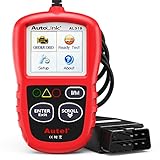
Overview: The Autel AL319 is an entry-level wired OBD2 scanner from one of the most trusted names in automotive diagnostics. This plug-and-play code reader supports all standard OBDII protocols for vehicles manufactured after 1996, providing essential functions like reading and clearing DTCs, viewing live data, checking freeze frame information, and assessing I/M emissions readiness. Its compact design features a TFT color display and requires no batteries, drawing power directly from the vehicle’s OBDII port.
What Makes It Stand Out: Autel’s reputation for reliability and accuracy gives the AL319 immediate credibility in a market flooded with generic readers. The patented One-Click I/M Readiness feature simplifies emissions testing preparation, while the built-in speaker and LED indicators provide clear status notifications. Unlike many budget scanners, Autel offers lifetime free software updates and a 12-month warranty, ensuring the device stays current with evolving vehicle protocols. The seven-language support accommodates international users.
Value for Money: As one of the most affordable scanners from a premium brand, the AL319 delivers exceptional value for casual users and beginners. It provides core diagnostic functions without the complexity or cost of professional tools. While it lacks advanced features like ABS diagnostics or data graphing, its reliability and update policy make it a smarter long-term investment than similarly priced no-name alternatives.
Strengths and Weaknesses: Strengths include trusted brand reputation, lifetime free updates, color display, one-click emissions check, multi-language support, and straightforward operation. Weaknesses are the absence of wireless connectivity, no ABS/SRS support, basic live data display without graphing, and limited advanced diagnostic capabilities.
Bottom Line: The Autel AL319 is the perfect starting point for vehicle owners wanting a reliable, no-fuss code reader from a reputable manufacturer. It’s ideal for basic troubleshooting and emissions preparation, though serious enthusiasts will quickly outgrow its capabilities.
4. BlueDriver Bluetooth Pro OBDII Scan Tool for iPhone & Android - No Subscription Fee - OBD2 Car Scanner and Code Reader - Diagnose Check Engine, ABS, SRS, Airbag & 7000+ Issues on Vehicles 1996+
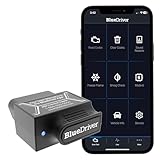
Overview: The BlueDriver Bluetooth Pro is a premium wireless OBD2 scanner that elevates smartphone-based diagnostics to professional levels. This Bluetooth-enabled adapter connects to iOS and Android devices, offering comprehensive diagnostics for check engine lights plus access to enhanced codes including ABS, SRS, Airbag, and TPMS systems across most vehicles from 1996 onward. The system covers over 7,000 specific issues, making it one of the most thorough consumer diagnostic tools available.
What Makes It Stand Out: BlueDriver’s most compelling feature is its unlimited free repair reports, which provide detailed possible causes and suggested fixes for detected codes—functionality typically reserved for professional scan tools with expensive subscriptions. The live data monitoring works while driving, offering real-time health tracking. The app includes a vast database of repair videos with step-by-step instructions, bridging the gap between code reading and actual repair. Unlike many competitors, there are absolutely no subscription fees or hidden costs.
Value for Money: While priced higher than basic Bluetooth adapters, BlueDriver justifies its cost through enhanced system coverage and professional-grade repair guidance. The absence of recurring fees means the total cost of ownership remains low over time. For DIYers facing complex issues beyond simple engine codes, this tool can save hundreds in diagnostic fees, paying for itself with a single use.
Strengths and Weaknesses: Strengths include ABS/SRS/Airbag/TPMS diagnostics, unlimited repair reports, extensive repair video library, no subscription fees, and real-time live data monitoring. Weaknesses are the higher upfront cost, smartphone dependency, and occasional app updates that may temporarily affect functionality.
Bottom Line: BlueDriver is the best choice for serious DIY mechanics wanting professional-level diagnostics without ongoing costs. Its enhanced code coverage and repair guidance make it worth the premium price for those tackling more than basic engine issues.
5. BluSon YM319 OBD2 Scanner Diagnostic Tool with Battery Tester, Check Engine Fault Code Reader with Live Data, Cloud Printing, DTC Lookup, Freeze Frame, Scan Tool for All OBDII Protocol Cars Since 1996

Overview: The BluSon YM319 is a versatile wired OBD2 scanner that distinguishes itself with integrated battery testing and innovative cloud printing capabilities. This diagnostic tool supports all OBDII protocols for vehicles from 1996 onward, offering standard functions like reading/clearing codes, live data streaming, freeze frame analysis, and I/M readiness checks. Its built-in database contains over 63,000 fault codes, while the unique BAT feature provides one-click battery health diagnostics, monitoring voltage and predicting potential failures.
What Makes It Stand Out: The YM319’s exclusive battery testing function sets it apart from competitors, offering continuous voltage monitoring and health visualization that prevents unexpected breakdowns. Its cloud printing feature generates professional diagnostic reports that can be stored or shared remotely without printer connections—ideal for maintaining service records or consulting with technicians. The 2.4-inch HD color screen with adjustable brightness ensures visibility in any garage environment. Customizable F1 and F2 shortcut keys provide one-touch access to frequently used functions, significantly improving diagnostic efficiency.
Value for Money: Positioned in the mid-range price segment, the YM319 offers unique value through its battery diagnostics and cloud printing—features typically requiring separate tools. The extensive code database and efficiency-enhancing shortcuts justify the cost for users who regularly perform maintenance. While wired, its specialized functions make it more versatile than similarly priced basic scanners.
Strengths and Weaknesses: Strengths include integrated battery testing, cloud printing, massive code database, customizable shortcut keys, HD color display, and multi-language support. Weaknesses are the lack of wireless connectivity, potential complexity for absolute beginners, and no ABS/SRS diagnostic capabilities.
Bottom Line: The BluSon YM319 excels for users wanting more than basic code reading, particularly those prioritizing battery health monitoring and professional report generation. It’s an excellent tool for proactive vehicle maintenance.
6. Innova 5210 OBD2 Scanner & Engine Code Reader, Battery Tester, Live Data, Oil Reset, Car Diagnostic Tool for Most Vehicles, Bluetooth Compatible with America’s Top Car Repair App

Overview:
The Innova 5210 is a feature-rich OBD2 scanner that integrates battery testing with comprehensive diagnostic capabilities. Compatible with most vehicles from 1996 onward, this tool reads and clears engine and ABS codes while monitoring live data streams including RPM, temperature, and oxygen sensors. The Bluetooth connectivity pairs with Innova’s RepairSolutions2 app for enhanced functionality.
What Makes It Stand Out:
The dual-purpose design as both a code reader and battery/alternator tester eliminates the need for separate tools. Its most compelling feature is the free RepairSolutions2 app, which provides verified repair solutions from ASE-certified mechanics based on actual fix data—no subscription required. The built-in oil reset and I/M readiness features further distinguish it from entry-level scanners.
Value for Money:
While priced above basic scanners, the 5210 delivers exceptional value by consolidating multiple diagnostic functions. The lifetime access to professional-grade repair guidance typically costs extra with competitors, making this a cost-effective long-term investment for DIY enthusiasts who want dealership-level insights without recurring fees.
Strengths and Weaknesses:
Strengths include integrated battery testing, comprehensive live data, free expert repair guidance, oil reset capability, and broad vehicle compatibility. Weaknesses involve inconsistent ABS coverage across vehicles, requiring users to check Innova’s Coverage Checker beforehand. Full feature utilization depends on smartphone app connectivity.
Bottom Line:
The Innova 5210 is ideal for serious DIYers wanting professional diagnostic depth. Its battery testing and subscription-free expert guidance provide outstanding value, though prospective buyers should confirm ABS support for their specific make and model.
7. EYPINS OBD2 Scanner Diagnostic Tool, Code Reader with Live Data, Check Engine Fault, Battery Tester, I/M Readiness for All OBDII Protocol Cars Since 2006

Overview:
The EYPINS OBD2 Scanner is an accessible diagnostic tool designed for quick troubleshooting across a wide range of vehicles. Supporting nine OBD2 protocols, it works with 99% of cars manufactured since 2006, providing instant code reading, live data monitoring, and battery voltage analysis in a user-friendly package.
What Makes It Stand Out:
Its multilingual support and plain-English code explanations democratize vehicle diagnostics for non-technical users. The device translates cryptic codes like P0420 into actionable advice (“replace O2 sensor”) without requiring internet searches. The ability to monitor 88+ real-time metrics and battery voltage provides professional-level insight in an intuitive interface.
Value for Money:
This scanner occupies the budget-friendly segment while offering capabilities typically found in pricier models. The combination of extensive protocol support, battery forecasting, and clear code definitions delivers remarkable value for occasional users and DIYers who want reliable diagnostics without significant investment.
Strengths and Weaknesses:
Strengths include broad protocol compatibility, multilingual interface, clear plain-English explanations, comprehensive live data, and proactive battery health monitoring. Weaknesses involve limited historical data storage, basic screen resolution compared to color displays, and no advanced functions like oil reset or ABS coverage. The plastic construction feels less durable than premium alternatives.
Bottom Line:
The EYPINS scanner excels for budget-conscious drivers wanting straightforward diagnostics. Its clear explanations and broad compatibility make it perfect for beginners, though professionals may miss advanced features and sturdier build quality.
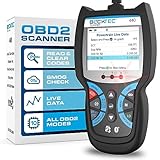
8. BLCKTEC 440 Bluetooth OBD2 Scanner Diagnostic Tool - Car Code Reader and Scanner for Car - Comes with Live Data - Battery/Charging System Test - Works for All OBD Compliant Cars 1996 & Newer
Overview:
The BLCKTEC 440 is a Bluetooth-enabled OBD2 scanner featuring a vibrant 2.8-inch color screen and live data graphing capabilities. Designed for both home mechanics and professionals, it offers comprehensive diagnostics for all OBD-compliant vehicles from 1996 onward, including emissions readiness testing and system resets.
What Makes It Stand Out:
The live data graphing function provides visual trend analysis that text-only displays cannot match, enabling deeper diagnostic insights. Its printer compatibility allows technicians to generate physical reports, while patented design elements and lifetime free updates ensure the tool remains current. The color-coded LED I/M readiness indicators offer at-a-glance emissions status.
Value for Money:
Positioned in the mid-range category, the 440 justifies its cost through professional-grade features like data graphing, printer support, and lifetime updates. These capabilities typically require premium scanners costing significantly more, making it an economical choice for serious DIYers and entry-level professionals seeking advanced functionality without premium pricing.
Strengths and Weaknesses:
Strengths include excellent color display, live data graphing, printer compatibility, lifetime updates, intuitive LED readiness indicators, and robust build quality. Weaknesses involve Bluetooth connectivity that may occasionally lag, no battery testing capability, and a learning curve for users unfamiliar with graphical data interpretation. The protective case costs extra.
Bottom Line:
The BLCKTEC 440 suits enthusiasts wanting visual diagnostic data and report generation. Its graphing capabilities and lifetime updates make it a smart investment for those who prioritize in-depth analysis over basic code reading.
9. OBD2 Scanner, CGSULIT SC103 Car Code Reader Diagnose Check Engine Light Smog Check DTCs Scan Tool Live Data Stream Voltage Test for Vehicles Since 1996

Overview:
The CGSULIT SC103 is a professional-grade OBD2 scanner featuring a 2.8-inch TFT color screen and the ability to display data in both text and graphical formats. Endorsed by renowned mechanic Scotty Kilmer, this tool diagnoses check engine lights, performs smog checks, and monitors live data streams for vehicles manufactured since 1996.
What Makes It Stand Out:
The dual-mode data display sets it apart, allowing users to toggle between numerical text and visual graphs for optimal analysis. The industrial-grade chip ensures rapid processing, while the built-in DTC library provides comprehensive code definitions without external references. The Scotty Kilmer endorsement signals credibility among automotive enthusiasts.
Value for Money:
Offering color display and graphical capabilities at a budget-to-mid-range price point, the SC103 delivers exceptional value. Features like voltage testing, freeze frame analysis, and I/M readiness typically require more expensive units, making this an attractive option for cost-conscious users seeking professional presentation.
Strengths and Weaknesses:
Strengths include vibrant color screen, dual text/graphical display, industrial-grade performance, comprehensive DTC library, voltage testing, and strong brand credibility. Weaknesses include no Bluetooth connectivity, limited advanced functions beyond engine diagnostics, and no battery health testing. The interface, while improved, still requires some technical familiarity.
Bottom Line:
The CGSULIT SC103 is perfect for DIYers wanting color display versatility without premium cost. Its dual display modes and credible endorsement make it a reliable choice, though users needing wireless connectivity or battery testing should look elsewhere.
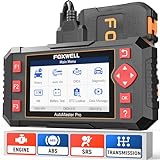
10. FOXWELL Car Scanner NT604 Elite OBD2 Scanner ABS SRS Transmission, Check Engine Code Reader for Cars and Trucks, Diagnostic Scan Tool with SRS Airbag, Automotive Diagnostic Tool with Live Data
Overview:
The FOXWELL NT604 Elite is a comprehensive 5-in-1 diagnostic scanner that evaluates ABS, SRS, transmission, and engine systems alongside standard OBD2 functions. The 2026 new version comes pre-loaded with software and includes a solid protective case, offering professional multi-system diagnostics for over 60 vehicle makes.
What Makes It Stand Out:
Unlike single-system scanners, the NT604 Elite provides deep diagnostics across critical safety and performance systems including airbags and ABS. The AUTOVIN function automatically identifies vehicles, saving time and eliminating manual entry errors. The inclusion of a durable protective case at no extra cost demonstrates exceptional value consideration.
Value for Money:
While priced higher than basic code readers, the NT604 Elite justifies every dollar through multi-system coverage that would otherwise require dealership visits or multiple specialized tools. The free lifetime updates, protective case, and comprehensive vehicle support make it a cost-effective solution for serious DIYers and independent mechanics.
Strengths and Weaknesses:
Strengths include comprehensive 5-in-1 system coverage, AUTOVIN functionality, lifetime free updates, solid protective case, live data streaming, and broad 60+ make compatibility. Weaknesses involve no oil reset or maintenance functions, steeper learning curve for beginners, and higher price point. Some users report occasional lag when scanning all systems simultaneously.
Bottom Line:
The FOXWELL NT604 Elite is ideal for car owners wanting dealership-level diagnostics across multiple systems. Its comprehensive coverage and protective case make it a worthwhile investment for those serious about vehicle maintenance, despite the premium price.
Understanding Misfire Codes and OBD2 Technology
What Are Misfire Codes?
Misfire codes, typically ranging from P0300 to P0312, represent the onboard diagnostic system’s detection of incomplete combustion in one or more cylinders. The Powertrain Control Module (PCM) monitors crankshaft speed variations using the crankshaft position sensor, identifying when a cylinder fails to contribute its expected power stroke. When the misfire rate exceeds a predetermined threshold, the system triggers a diagnostic trouble code and illuminates the check engine light. These codes don’t just indicate a problem—they provide a starting point for a systematic diagnostic approach.
Why Misfires Occur in Modern Engines
Modern engines face unique challenges that contribute to misfire conditions. Direct injection systems, while efficient, are prone to carbon buildup on intake valves. Turbocharged engines operate under higher pressures and temperatures, stressing ignition components. Variable valve timing systems add complexity to the combustion process. Additionally, ethanol-blended fuels can affect injector flow rates and combustion characteristics over time. Understanding these underlying causes helps you interpret OBD2 data more accurately and avoid misdiagnosis.
The Role of OBD2 Systems in Detection
The OBD2 protocol mandates specific monitoring capabilities that make misfire detection possible. The system continuously evaluates crankshaft acceleration patterns, comparing them against an expected profile stored in the PCM’s memory. This monitoring occurs during various engine operating conditions, including idle, cruise, and acceleration. The technology can distinguish between random misfires (P0300) and cylinder-specific issues (P0301-P0312), providing critical direction for your diagnostic process. Advanced systems can even detect misfires within a single engine cycle.
Essential Features for Misfire Diagnosis
Live Data Streaming Capabilities
Real-time data streaming stands as perhaps the most valuable feature for diagnosing misfire issues. Look for scanners that display engine RPM, ignition timing advance, fuel trim values, and oxygen sensor voltages simultaneously. The ability to view misfire counts per cylinder in real-time transforms your diagnostic approach from guesswork to precision. Quality scanners update these parameters multiple times per second, revealing intermittent issues that snapshot data might miss. This capability helps you identify whether a misfire occurs at specific RPM ranges, engine loads, or temperatures.
Freeze Frame Data Analysis
When a misfire code triggers, the PCM captures a snapshot of critical engine parameters at the moment of failure. This freeze frame data includes engine coolant temperature, vehicle speed, RPM, load percentage, and fuel trim values. Analyzing this information provides context that raw codes cannot. For instance, a misfire occurring at high engine load with lean fuel trims points toward a fuel delivery issue, while one at idle with normal parameters suggests an ignition or compression problem. Your OBD2 tool should display all freeze frame parameters clearly and allow you to compare them against live data.
Mode 6 Diagnostic Access
Mode 6 represents the hidden gem of OBD2 diagnostics, providing access to non-continuous monitor test results and raw misfire counts. This mode shows actual misfire data before it reaches the threshold that triggers a code. You can see which cylinders are showing early signs of trouble, even when no check engine light is present. Advanced scanners present Mode 6 data in an intuitive format, showing test limits and actual values. This feature proves invaluable for diagnosing intermittent misfires that don’t set permanent codes or for verifying repairs before returning the vehicle to service.
Bi-Directional Control Functions
Professional-grade scanners offer bi-directional control, allowing you to command the PCM to perform specific tests. For misfire diagnosis, this includes cylinder cutout tests that can isolate problematic cylinders by temporarily disabling fuel injectors or ignition coils. You can also command the EVAP purge valve, EGR valve, and variable valve timing actuators to test their impact on misfire conditions. While this feature appears primarily on higher-end tools, it dramatically reduces diagnostic time by eliminating physical component swapping during troubleshooting.
Graphing and Data Logging
Visual representation of data trends reveals patterns that numbers alone cannot convey. Graphing capabilities allow you to plot multiple parameters simultaneously, showing correlations between misfire counts and variables like throttle position, mass airflow sensor readings, or ignition timing. Data logging enables you to record extended driving sessions, capturing intermittent misfires that occur under specific conditions. Look for tools that allow you to export this data for detailed analysis on a computer and overlay multiple parameters on a single graph for comprehensive troubleshooting.
How to Interpret Misfire Codes
P0300-P0312 Code Breakdown
The misfire code structure follows a logical pattern that provides immediate diagnostic direction. P0300 indicates random or multiple cylinder misfires, suggesting a systemic issue affecting the entire engine. Codes P0301 through P0312 specify individual cylinders (P0301 = cylinder 1, P0302 = cylinder 2, etc.). This distinction proves crucial—a single cylinder code points toward components affecting that cylinder only (spark plug, coil, injector, compression), while P0300 suggests problems with shared systems (fuel pressure, vacuum leaks, MAF sensor, timing chain). Your OBD2 tool should display both the code and its description clearly.
Cylinder-Specific vs Random Misfires
Understanding the difference between cylinder-specific and random misfires guides your entire diagnostic strategy. Single-cylinder misfires (P0301, P0302, etc.) typically result from isolated component failures. Swap components between cylinders using your scanner’s live data to track whether the misfire follows the component. Random misfires (P0300) require a holistic approach, examining factors that affect all cylinders equally. Fuel pressure, intake air leaks, and base engine timing become primary suspects. Advanced scanners help you distinguish between these patterns by displaying misfire counts for all cylinders simultaneously.
Associated Codes That Provide Context
Misfires rarely occur in isolation. Your OBD2 scanner may reveal accompanying codes that provide critical diagnostic context. Fuel system codes (P0171, P0174) suggest lean conditions contributing to misfires. Ignition coil primary/secondary circuit codes (P0350-P0362) point directly to coil failures. Oxygen sensor codes (P0130-P0167) may indicate exhaust leaks or sensor contamination affecting fuel trim calculations. Catalyst efficiency codes (P0420, P0430) can result from prolonged misfires allowing unburned fuel to damage the converter. A comprehensive scanner displays these related codes together, helping you identify root causes rather than symptoms.
Step-by-Step Misfire Diagnosis Process
Initial Code Reading and Documentation
Begin every misfire diagnosis by documenting all stored codes, pending codes, and freeze frame data. Clear the codes and perform a test drive that replicates the conditions shown in the freeze frame data. This approach verifies whether the misfire is current or historical. Use your scanner to record live data during the test drive, paying special attention to the parameters that were present when the code originally set. Proper documentation prevents you from chasing phantom issues and provides a baseline for evaluating repair effectiveness.
Analyzing Freeze Frame Information
Freeze frame data tells the story of what the engine was experiencing during the misfire event. Examine the engine load percentage—high load misfires often indicate fuel delivery or ignition strength issues. Check coolant temperature—cold engine misfires may point to temperature sensor inaccuracies or excessive fuel enrichment. Review vehicle speed and RPM data to determine if the misfire occurs during specific driving conditions. Compare short-term and long-term fuel trims—values beyond ±10% suggest fuel system problems contributing to misfire conditions.
Reviewing Long-Term Fuel Trim Data
Long-term fuel trim (LTFT) values reveal how the PCM is compensating for ongoing engine conditions. Positive LTFT values (adding fuel) indicate a lean condition potentially caused by vacuum leaks, low fuel pressure, or MAF sensor under-reporting. Negative values (removing fuel) suggest a rich condition from leaking injectors, high fuel pressure, or restricted airflow. Misfires accompanied by extreme fuel trim values direct you toward fuel system diagnosis rather than ignition or compression testing. Your scanner should display both bank-specific and combined fuel trim values for accurate assessment.
Examining Oxygen Sensor Behavior
Oxygen sensor waveforms provide real-time feedback about combustion efficiency. During a misfire, unburned oxygen passes through the exhaust, causing the O2 sensor to read lean (low voltage). However, if the misfire results from a rich condition, the sensor may show rich readings (high voltage). Look for erratic sensor behavior that doesn’t correlate with fuel trim commands. A stuck or slow-responding oxygen sensor can cause fuel trim errors that lead to misfires. Advanced scanners allow you to graph sensor voltages alongside misfire counts to identify correlations.
Checking Misfire Counts in Real-Time
The most powerful diagnostic feature for misfire issues is the ability to view misfire counts per cylinder while the engine runs. This data shows exactly which cylinders are misfiring and how frequently. A good scanner updates these counts continuously, allowing you to see immediate results when you make changes. You can identify whether misfires occur at idle, during acceleration, or under steady cruise. This real-time feedback helps you isolate the operating conditions that trigger the misfire, making intermittent problems much easier to diagnose.
Advanced Diagnostic Capabilities
Crankshaft and Camshaft Position Sensor Analysis
Misfire detection relies heavily on accurate crankshaft and camshaft position sensor signals. Your OBD2 scanner can display the correlation between these sensors, showing whether the PCM is receiving consistent timing information. Look for erratic RPM readings or correlation codes (P0016-P0019) that might indicate timing chain stretch or jumped timing. Some advanced tools can display the actual signal patterns, revealing damaged reluctor wheels or sensor degradation. Understanding these signals helps you differentiate between true misfires and false readings caused by sensor issues.
Ignition System Evaluation Through Data
Modern coil-on-plug ignition systems don’t provide traditional secondary ignition waveforms, but OBD2 data can still reveal ignition problems. Monitor ignition timing advance—erratic timing suggests crankshaft position sensor issues or PCM problems. Watch for ignition coil circuit codes that appear only under specific conditions. Some scanners can display coil dwell time and primary circuit voltage, indicating whether the coil is receiving adequate charging time. Compare ignition parameters between cylinders to identify weak coils without physical component swapping.
Fuel System Pressure Monitoring
While OBD2 scanners cannot directly measure fuel pressure without additional sensors, they can provide indirect indicators. Monitor fuel trim behavior during acceleration—if LTFT increases significantly under load, suspect low fuel pressure. Some vehicles provide fuel pressure data through the scanner if equipped with a pressure sensor. Watch for fuel pump control module codes and fuel pressure regulator performance. Advanced scanners can command the fuel pump relay, allowing you to verify pump operation and pressure buildup during key-on events.
Compression Testing Integration
Although compression testing requires physical tools, your OBD2 scanner plays a crucial role in interpreting results. Use the scanner to disable fuel and ignition during cranking compression tests. For running compression analysis, some advanced tools can calculate relative compression by monitoring starter current draw through the PCM. This non-invasive test identifies low compression cylinders without removing spark plugs. Compare these electronic compression tests with physical measurements to validate your findings and avoid unnecessary engine teardowns.
Professional vs Consumer-Grade Features
Code Reading Depth and Manufacturer Specificity
The difference between generic OBD2 codes and manufacturer-specific codes can be the difference between a quick fix and hours of diagnostic frustration. Professional-grade scanners access proprietary codes (P1xxx, P2xxx) that provide detailed information about component failures. For misfire diagnosis, these codes might identify specific coil driver circuits, injector circuits, or VVT solenoid malfunctions that generic readers miss. Look for tools that offer deep system scanning across all vehicle modules, not just the PCM, as misfires can originate from communication errors between modules.
Update Frequency and Vehicle Coverage
Automotive technology evolves rapidly, with new engine management strategies appearing yearly. Scanner update policies determine how long your tool remains useful. Professional tools typically offer annual updates covering new model years and bug fixes. Consumer-grade tools may provide limited updates or charge per-update fees. Consider tools that support automatic Wi-Fi updates and have a proven track record of supporting new technologies like 48-volt mild hybrid systems, cylinder deactivation, and direct injection. Vehicle coverage should include domestic, Asian, and European makes through at least the current model year minus two years.
Display Quality and User Interface
Misfire diagnosis requires viewing multiple data parameters simultaneously, making display quality critically important. Color screens with customizable layouts allow you to arrange data in ways that reveal patterns. Touchscreen interfaces speed up navigation between functions. Screen size affects readability—larger displays show more data without scrolling, but portability suffers. Look for scanners that allow you to save custom data screens for misfire diagnosis, displaying your most-used parameters in a single view. Backlit displays with adjustable brightness prove essential for under-hood testing in various lighting conditions.
Connectivity Options and App Integration
Modern scanners offer various connectivity options that extend their capabilities. Bluetooth and Wi-Fi connections allow you to use smartphone or tablet apps with larger displays and more powerful graphing tools. Some tools provide cloud-based data storage, enabling you to track vehicle history and share data with online communities or technical support. USB connectivity facilitates software updates and data export to computer analysis programs. Consider whether the tool requires proprietary apps or works with third-party software, as this affects long-term usability and feature expansion.
Practical Troubleshooting Strategies
When to Use Basic Code Readers vs Advanced Scanners
Basic code readers suffice for reading and clearing codes, but misfire diagnosis demands more sophisticated tools. If you’re only performing routine maintenance and occasional code checks, a mid-range scanner with live data may meet your needs. However, persistent or intermittent misfires justify investing in advanced features like Mode 6 access, bi-directional control, and data logging. Consider your typical diagnostic scenarios—single-vehicle owners may need less capability than multi-vehicle families or amateur racers. Renting professional-grade scanners from auto parts stores can bridge the gap for one-time complex diagnoses.
Combining OBD2 Data with Physical Inspections
The most effective diagnostics blend electronic data with hands-on testing. Use your scanner to identify the problematic cylinder, then perform physical inspections of that cylinder’s components. Swap ignition coils and spark plugs between cylinders, then use live misfire data to see if the problem moves with the component. Check for technical service bulletins (TSBs) related to misfire patterns on your specific vehicle. Use the scanner to verify repair effectiveness before reassembling components, saving time if further diagnosis is needed. This integrated approach prevents replacing good parts and ensures you address root causes rather than symptoms.
Understanding False Misfire Readings
Not all misfire codes indicate actual combustion failures. Erratic crankshaft position sensor signals, excessive engine mounts allowing abnormal movement, and even rough roads can trigger false misfire readings. Your scanner helps identify these scenarios by showing misfire counts across all cylinders simultaneously—false readings often appear on multiple cylinders simultaneously. Compare misfire data with actual engine vibration and sound. Use Mode 6 data to see if misfire counts reach the threshold that would illuminate the check engine light. Understanding these nuances prevents unnecessary component replacement.
Intermittent Misfire Tracking Techniques
Intermittent misfires present the greatest diagnostic challenge, as they may not act up during testing. Use your scanner’s data logging feature to record extended driving cycles, capturing the misfire when it occurs. Set up the scanner to alert you when misfire counts exceed normal values. Review the logged data, focusing on what changed immediately before the misfire event—did coolant temperature spike? Did fuel trims shift? Did a particular accessory activate? Some advanced scanners allow you to set triggers that start logging automatically when specific conditions occur, ensuring you capture data without manually starting the recording.
Investment Considerations
Balancing Cost and Capability
OBD2 scanners range from under $50 to over $3000, with capability scaling accordingly. For misfire diagnosis, expect to invest at least $150-$300 for a tool with adequate live data and Mode 6 access. Professional features like bi-directional control typically start around $500. Consider the cost of professional diagnostics—one dealer diagnostic fee often equals the price of a quality consumer scanner. If you’re diagnosing multiple vehicles or complex issues, professional-grade tools pay for themselves quickly. However, avoid overbuying features you’ll never use; focus on capabilities that directly address misfire diagnosis.
Future-Proofing Your Diagnostic Tool
Vehicle technology continues advancing rapidly, with new engine management strategies appearing yearly. When selecting a scanner, consider its ability to adapt to future technologies. Tools with regular software updates, expandable vehicle libraries, and hardware capable of handling increased data rates from newer vehicles provide longer useful life. Some manufacturers offer modular systems where you can add capabilities through software licenses rather than buying new hardware. Consider whether the tool supports emerging protocols like CAN-FD (Flexible Data-rate CAN) used in newer vehicles, ensuring compatibility with future purchases.
Warranty and Support Expectations
Quality diagnostic tools should include at least a one-year warranty covering manufacturing defects. Professional-grade tools often offer extended warranties and repair services. Evaluate the manufacturer’s technical support availability—phone support, online chat, and user forums can be invaluable when you encounter unfamiliar codes or diagnostic challenges. Some companies provide detailed vehicle-specific repair information and wiring diagrams, transforming your scanner from a code reader into a complete diagnostic solution. Check user reviews focusing on support responsiveness and update reliability before making your final decision.
Frequently Asked Questions
How do I know if my misfire code is serious enough to cause catalytic converter damage?
The PCM tracks misfire severity and frequency. When misfires occur at a rate that could overheat the catalytic converter, the system typically flashes the check engine light rather than keeping it steady. Your OBD2 scanner can show misfire counts per cylinder—if any cylinder shows consistent misfires above 2-3%, converter damage is likely occurring. Mode 6 data reveals whether misfire rates exceed manufacturer limits that would trigger catalyst protection strategies.
Can a bad oxygen sensor cause misfire codes?
Yes, oxygen sensors directly influence fuel trim calculations. A slow-responding or biased O2 sensor can cause the PCM to maintain incorrect air-fuel ratios, leading to lean or rich misfires. If your scanner shows misfire codes accompanied by O2 sensor codes or erratic O2 sensor voltages that don’t correlate with fuel trim commands, suspect the sensor. However, O2 sensors typically cause random misfires (P0300) rather than cylinder-specific codes.
Why does my scanner show misfire counts even when the engine runs smoothly?
Minor misfire counts are normal, especially during cold starts or rapid throttle changes. The PCM tolerates a certain misfire rate before setting codes. If your scanner shows low misfire counts (1-2 per cylinder) that don’t increase and no check engine light is present, this represents normal operation. However, consistent counts on one cylinder or counts that increase with engine load indicate developing problems requiring attention.
What’s the difference between pending codes and stored codes for misfires?
Pending codes indicate the PCM has detected a misfire condition but it hasn’t occurred consistently enough to illuminate the check engine light. Stored codes (active codes) mean the misfire has occurred sufficient times to trigger the light. Pending codes are valuable for diagnosing intermittent issues—if you see a pending misfire code, use your scanner’s data logging to capture the conditions that cause it to become a stored code.
How can I tell if a misfire is caused by ignition, fuel, or compression issues using only OBD2 data?
Ignition-related misfires often show up at higher RPMs and may be accompanied by coil circuit codes. Fuel-related misfires typically correlate with extreme fuel trim values and occur across multiple cylinders or under load. Compression issues usually cause consistent misfires at idle that don’t improve with RPM increase. Use your scanner to check Mode 6 data for misfire patterns, examine fuel trims, and look for correlation with engine temperature and load to narrow down the root cause.
Do I need a professional-grade scanner to diagnose misfires effectively?
Not necessarily. Many mid-range scanners ($150-$300) provide adequate live data, freeze frame, and Mode 6 access for most misfire diagnoses. Professional features like bi-directional control speed up diagnosis but aren’t always required. If you own multiple vehicles, plan to perform complex diagnostics regularly, or work on newer vehicles with sophisticated systems, professional-grade tools justify their cost. For occasional DIY use, a quality mid-range scanner with regular updates suffices.
Can I damage my vehicle by using an OBD2 scanner’s bi-directional functions?
Modern vehicles have safety protocols that prevent damage from most bi-directional commands. However, improper use of functions like cylinder cutout tests at high RPM or for extended periods can potentially cause catalyst damage or flooding. Always follow the scanner’s prompts and manufacturer warnings. Disable bi-directional functions immediately if the engine behaves unexpectedly. Sticking to manufacturer-recommended test procedures eliminates most risks.
How often should I update my OBD2 scanner’s software?
Update your scanner at least annually to maintain coverage for newer vehicles and benefit from bug fixes. If you work on recent model year vehicles, check for updates quarterly. Some manufacturers release updates when new vehicle platforms launch. Many modern scanners offer automatic Wi-Fi updates, simplifying this process. Remember that updates typically add vehicle coverage but don’t usually add new hardware-dependent features to existing tools.
What should I do if my scanner shows misfire codes but I can’t feel any engine roughness?
This situation often indicates early-stage misfires that haven’t progressed to noticeable levels. Use Mode 6 data to see actual misfire counts—these may be below the threshold that causes drivability issues. Check for pending codes that might become active soon. Some engines with active engine mounts or sophisticated vibration dampening can mask minor misfires. Investigate the cause now before it worsens, focusing on the specific cylinder indicated and common issues for your vehicle model.
Are wireless OBD2 adapters as reliable as wired scanners for misfire diagnosis?
Modern Bluetooth and Wi-Fi adapters provide data rates sufficient for misfire diagnosis, with quality adapters updating live data as quickly as wired units. The key difference lies in software capability—some apps lack advanced features like Mode 6 interpretation or bi-directional control. For basic misfire diagnosis using live data and freeze frame, quality wireless adapters work well. For advanced diagnostics requiring reliable connections during extended tests, wired scanners offer slightly better stability and don’t depend on smartphone battery life.
See Also
- 10 OBD2 Code Readers That Solve Intermittent Fault Codes in 2026
- How to Solve Misfire Issues with the 10 Best OBD2 Code Readers in 2026
- How to Solve Check Engine Light Woes with the 10 Best OBD2 Code Readers in 2026
- 10 OBD2 Code Readers That Solve Intermittent Error Issues in 2026
- How to Solve Check Engine Light Anxiety with the 10 Best OBD2 Code Readers in 2026