Table of Contents
Nothing ruins a detailing session faster than a polisher that overheats mid-job. You’re making progress on that perfect finish when suddenly your tool becomes too hot to handle, the motor smells burnt, or it shuts down completely. This frustration is exactly why understanding thermal management in polishing tools has become essential knowledge for both professionals and enthusiasts. The right corded polisher doesn’t just power through the job—it maintains consistent performance without turning into a hand-held furnace.
Corded polishers have long been the workhorses of the detailing world precisely because they sidestep the battery heat generation problem while delivering uninterrupted power. Unlike their cordless counterparts that generate substantial heat during cell discharge, quality corded models can run continuously when properly designed. But not all corded polishers are created equal when it comes to staying cool under pressure. Let’s explore what separates the reliable performers from the heat-prone disappointments.
Top 10 Corded Polishers
Detailed Product Reviews
1. DEWALT Buffer Polisher, 7-in-9-in, 12 amp, Variable Speed Dial 0-3,500 RPM’s, Soft Start Corded Car Buffer (DWP849X)

Overview: The DEWALT DWP849X is a professional-grade corded buffer polisher built for serious car detailing and heavy-duty applications. Featuring a robust 12-amp motor and variable speed control from 0-3,500 RPM, this 7-9 inch tool delivers consistent power for polishing, waxing, and compounding. Its all-ball bearing construction and precision-cut steel gears ensure durability under demanding conditions, making it a staple in many professional shops.
What Makes It Stand Out: This polisher distinguishes itself with dual speed control—both a variable speed trigger and a large variable speed dial—giving users unprecedented precision. The replaceable wool ingestion shield is a standout feature that extends tool life by preventing pad fibers from clogging the motor. The rubber overmoulded gearcase allows for multiple grip positions, reducing fatigue during extended sessions. DEWALT’s reputation for build quality shines through in every component.
Value for Money: Positioned at the premium end of the market, the DWP849X commands a higher price but delivers professional-grade durability and performance that justifies the investment. For weekend warriors, this might be overkill, but for professional detailers or enthusiasts who demand reliability, it’s more cost-effective than replacing cheaper models. Comparable professional polishers from other brands often cost significantly more while offering similar features.
Strengths and Weaknesses: Pros: Exceptional build quality and durability; precise dual speed control; comfortable ergonomic design; replaceable wool shield extends lifespan; powerful 12-amp motor handles heavy correction work. Cons: Premium pricing may deter casual users; corded design limits mobility; heavier weight (typical for professional models) can cause fatigue; limited accessories included.
Bottom Line: The DEWALT DWP849X is an outstanding choice for professional detailers and serious enthusiasts who prioritize durability and performance over price. While it requires a significant investment and isn’t the most portable option, its precision control and rugged construction make it a reliable workhorse that will deliver excellent results for years. Casual users should consider more affordable alternatives.
2. CRAFTSMAN Polisher, 10 inch, 2800 OPM, Corded (CMEE100)
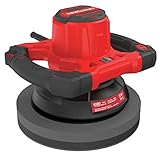
Overview: The CRAFTSMAN CMEE100 is a budget-friendly corded polisher designed for casual users seeking a no-frills solution for basic car care tasks. With its 10-inch pad and fixed 2800 OPM speed, this tool focuses on simplicity and coverage area rather than precision. It’s an entry-level option from a trusted brand, ideal for occasional waxing and light polishing without overwhelming users with complex features.
What Makes It Stand Out: The most notable feature is its oversized 10-inch pad, which covers more surface area than standard 6-7 inch models, making quick work of large vehicles. The Versatrack compatibility is a unique addition for those already invested in CRAFTSMAN’s storage system, though hooks are sold separately. Its straightforward variable-speed dial offers basic control, while the contoured overmolded grip provides reasonable comfort for short sessions.
Value for Money: This is one of the most affordable polishers from a major brand, making it accessible to beginners and DIYers. While it lacks advanced features, the price point reflects its basic nature. For users who only detail their vehicle a few times yearly, it offers better value than renting equipment. However, professionals or frequent users will quickly outgrow its capabilities and should invest in more capable tools.
Strengths and Weaknesses: Pros: Extremely affordable; large 10-inch pad for faster coverage; simple operation perfect for beginners; reputable brand backing; lightweight design. Cons: Limited speed settings; large pad size reduces maneuverability on curved panels; no dual-action motion increases swirl risk; minimal accessories; corded design restricts movement.
Bottom Line: The CRAFTSMAN CMEE100 serves its niche well as an entry-level polisher for budget-conscious users with basic needs. It’s perfect for applying wax or sealant to large, flat panels but lacks the sophistication for paint correction. If you’re new to detailing and want an inexpensive tool for occasional use, it’s a solid choice. Serious enthusiasts should look elsewhere.
3. TEKCHIC 110V Buffer Polisher, 5-7-Inch Brushless Dual Action Polisher, 6 Variable Speed Random Orbital Polisher Kit for Car Detailing, Waxing, Polishing, 25PCS Polishing Accessories, Corded

Overview: The TEKCHIC 110V Buffer Polisher is a versatile dual-action machine targeting DIY enthusiasts and intermediate detailers. This 5-7 inch brushless polisher features six variable speeds (0-600/3600 RPM) and comes packed with an impressive 25-piece accessory kit. Designed for multi-surface applications beyond automotive use, it offers a compelling package for those wanting comprehensive capabilities without professional-grade pricing.
What Makes It Stand Out: The extensive accessory bundle is the headline feature—three backing plates, multiple foam and wool pads, bonnets, sandpaper, and a storage box provide everything needed to start immediately. The brushless motor promises longer life and better efficiency than brushed alternatives. Its dual-handle configuration (side and D-handle) accommodates different preferences, while the precision six-speed dial allows fine-tuning for various materials and correction levels.
Value for Money: Exceptional value proposition. The kit’s breadth alone rivals collections costing twice as much when purchased separately. While TEKCHIC lacks the brand prestige of DEWALT or Makita, the feature set and included accessories make it a budget-friendly powerhouse. For hobbyists, it eliminates the need for separate purchases, though professionals might prefer investing in higher-grade individual components.
Strengths and Weaknesses: Pros: Comprehensive 25-piece accessory kit; brushless motor efficiency; dual-handle ergonomics; versatile speed range; multi-surface capability; includes storage case. Cons: Shorter 7-foot cord limits mobility; lesser-known brand raises long-term durability questions; less powerful than professional models; included pads are entry-level quality.
Bottom Line: The TEKCHIC polisher is an outstanding value for DIYers and intermediate detailers who want a complete starter package. While it won’t replace professional equipment for heavy correction work, its versatility and included accessories make it perfect for learning and regular maintenance tasks. If you want maximum bang for your buck and don’t mind a shorter cord, this kit is hard to beat.
4. ZOTA Buffer Polisher, 1600W 7 Inch/6 Inch Pure Copper Motor Car Buffers and Polishers Kit, 7 Variable Speeds 1000-3500 RPM Car Polishers and Buffers, Ultra-long Cord for Car Boat Polishing Waxing.

Overview: The ZOTA Buffer Polisher positions itself as a feature-rich alternative to premium brands, offering a potent 1600W pure copper motor with seven variable speeds (1000-3500 RPM). This 7-inch/6-inch dual-action machine targets users seeking professional capabilities without the premium price tag. With thoughtful design elements like a 13.1-foot cord and multiple handle configurations, it addresses common pain points found in competitors.
What Makes It Stand Out: The extended 13.1-foot power cord provides exceptional mobility, eliminating the constant need for extension cords. Three distinct handle options—detachable D-handle, side handle, and straight grip—cater to various user preferences and reduce fatigue. The safety switch lock is a thoughtful addition for extended sessions. The pure copper motor construction suggests durability, while seven speed settings offer granular control for everything from gentle waxing to aggressive paint correction.
Value for Money: ZOTA delivers impressive features at a mid-range price point, undercutting established brands while offering more versatility. The longer cord and multiple handles alone justify the cost compared to similarly priced competitors. However, the lesser-known brand name means resale value and long-term support remain uncertain. For budget-conscious buyers wanting premium features, it’s an attractive compromise.
Strengths and Weaknesses: Pros: Powerful 1600W motor; exceptionally long cord; three ergonomic handle options; seven-speed precision; safety lock feature; versatile pad selection. Cons: Brand recognition and reliability unproven; M14 thread size may limit pad compatibility; quality control inconsistencies reported; heavier than some competitors.
Bottom Line: The ZOTA polisher is a compelling choice for intermediate to advanced users wanting professional features on a budget. Its long cord and ergonomic flexibility are genuine advantages. While brand longevity remains a question mark, the performance and feature set make it worth considering for serious DIYers. Professionals should stick with proven brands, but enthusiasts will appreciate the value and thoughtful design.
5. Niusken Cordless Car Buffer Polisher kit [2X 2000mAh 21V Batteries & 18 PCS Attachments] 6-Speed Orbital Design, LED Display, Lightweight Detailing Tool for Waxing, Polishing & Scratch Removal-Yellow
![Niusken Cordless Car Buffer Polisher kit [2X 2000mAh 21V Batteries & 18 PCS Attachments] 6-Speed Orbital Design, LED Display, Lightweight Detailing Tool for Waxing, Polishing & Scratch Removal-Yellow](https://m.media-amazon.com/images/I/518umHrEySL._SL160_.jpg)
Overview: The Niusken Cordless Buffer Polisher revolutionizes detailing mobility with its battery-powered design and lightweight 3.3-pound construction. This orbital polisher runs on two 21V 2000mAh batteries, delivering six speeds from 2800-5800 RPM. Aimed at beginners and mobile detailers, it features an LED display showing speed and battery level, plus an 18-piece accessory kit for versatile applications beyond automotive use.
What Makes It Stand Out: True cordless freedom sets this apart, eliminating cord management hassles and allowing use anywhere. The integrated LED display provides real-time feedback on speed and remaining charge—a rarity in this price class. At just 3.3 pounds, it’s remarkably lightweight, reducing arm fatigue dramatically. The random orbital action ensures swirl-free results, while the overheating protection system prevents motor damage, though it imposes a 20-minute continuous-use limit.
Value for Money: The dual-battery setup and fast charger provide decent runtime for small to medium vehicles, making it competitive with corded models for mobile use. However, battery limitations mean it’s unsuitable for all-day professional work. For hobbyists without power access or those prioritizing convenience, the price is justified. Corded alternatives offer more power for less money, but can’t match the portability.
Strengths and Weaknesses: Pros: Complete cordless mobility; lightweight ergonomic design; informative LED display; beginner-friendly operation; comprehensive accessory kit; low noise. Cons: Limited battery runtime; 20-minute overheating shutdown restricts heavy correction; less power than corded equivalents; long-term battery replacement costs.
Bottom Line: The Niusken cordless polisher excels for mobile detailers, apartment dwellers, and beginners who prioritize convenience over raw power. It’s perfect for maintenance waxing and light polishing but struggles with heavy correction work. If you need portability and hate cords, it’s a solid investment. For serious paint correction, stick with corded models. Consider your usage patterns before committing.
6. Avhrit Cordless Car Buffer Polisher kit w/ 2x2000mAh 21V Batteries, 6 Inch Car buffer Waxer Kit w/ 6 Variable Speed & Extra Attachments, Polisher for Car Detailing,Boat Sanding,Scratch Removing

Overview: The Avhrit Cordless Car Buffer Polisher Kit delivers cord-free convenience for automotive enthusiasts seeking professional-grade results without the hassle of cables. This comprehensive package includes two 21V 2000mAh batteries, a rapid charger, and a 300W motor capable of reaching 6000 RPM. Weighing merely three pounds, this 6-inch random orbital polisher targets car detailing, boat maintenance, and scratch removal applications with impressive mobility.
What Makes It Stand Out: The dual-battery system eliminates downtime anxiety, allowing continuous work by alternating power sources. Its 8mm random orbit action ensures swirl-free finishes while the six-speed range (2500-6000 RPM) adapts to various tasks from gentle waxing to aggressive paint correction. The copper motor’s anti-interference design reduces noise significantly, making it comfortable for extended sessions. The cordless architecture truly shines when working on large vehicles or boats where cord management becomes cumbersome.
Value for Money: At its price point, receiving two batteries and a fast charger represents exceptional value. Comparable corded units may cost less initially, but the time saved avoiding cord wrestling and the freedom to polish anywhere justify the premium. For DIYers and weekend warriors, this kit eliminates professional detailing costs, paying for itself after 2-3 uses while delivering commercial-quality finishes.
Strengths and Weaknesses: Strengths include true cordless mobility, lightweight ergonomic design, dual battery convenience, quiet operation, and beginner-friendly controls. Weaknesses involve potential power limitations for heavy-duty correction compared to corded counterparts, finite runtime at maximum speed, and a lesser-known brand reputation that may raise durability questions for professional use.
Bottom Line: This Avhrit kit excels for hobbyists prioritizing portability and convenience over industrial power. It’s an intelligent investment for maintaining personal vehicles, delivering impressive results without the learning curve or physical strain of traditional polishers.
7. Cordless Car Buffer Polisher Compatible for Dewalt 20V Battery(Without Battery) Car Buffer Polishers with 6 Variable Speed Up to 5500RPM, for Car Detailing/Polishing/Waxing(Battery Not Included)

Overview: This Cordless Car Buffer Polisher offers a unique value proposition by leveraging existing Dewalt 20V battery ecosystems. Designed for compatibility with Dewalt 18V-21V batteries (DCB200-206 series), this tool-only option features a brushless motor and 6-inch random orbit design. With six variable speeds ranging from 2800-5500 RPM, it serves multiple surfaces beyond automotive paint, making it a versatile addition to any Dewalt collection.
What Makes It Stand Out: The brushless motor technology delivers superior efficiency and extended lifespan compared to brushed alternatives. Its centrifugal disc technology maximizes coverage area, reducing task completion time significantly. The true standout is battery compatibility—if you already own Dewalt tools, you avoid purchasing redundant power sources. This cross-platform utility extends from car polishing to furniture restoration, metal descaling, and even tile cleaning.
Value for Money: As a tool-only purchase, the price becomes attractive for Dewalt ecosystem users, essentially buying the motor and mechanism without battery premium, often 40-50% less than complete kits. For those starting fresh, however, requiring separate battery purchases diminishes value. It competes favorably with entry-level corded polishers while offering unmatched versatility across applications.
Strengths and Weaknesses: Strengths include brushless motor durability, Dewalt battery compatibility, multi-surface versatility, and efficient random orbit action. Weaknesses center on the no-battery inclusion (potentially misleading marketing), reliance on existing battery investment, and lower maximum RPM (5500) than some competitors, limiting heavy correction capability for severe defects.
Bottom Line: Ideal for Dewalt loyalists seeking a versatile polishing solution without expanding their battery inventory. It’s a smart, cost-effective choice for multi-purpose use, though dedicated automotive professionals might desire higher RPM ranges for severe defect removal.
8. DEWALT 20V MAX* XR Cordless Polisher, Rotary, Variable Speed, 7-Inch, 180 mm, Tool Only (DCM849B)
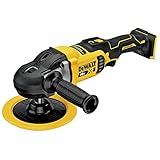
Overview: The DEWALT 20V MAX XR Cordless Polisher represents professional-grade engineering in a rotary configuration. This 7-inch tool-only unit features a brushless motor optimized for efficiency and runtime, with variable speeds from 800-2200 RPM. The rotary design differs from random orbit polishers, providing direct-drive power for serious paint correction and heavy-duty applications where cutting ability trounces swirl-free finishing.
What Makes It Stand Out: DEWALT’s legendary build quality ensures durability under demanding conditions. The dual variable speed control—both trigger and dial—offers precise modulation rarely seen in cordless tools, allowing technicians to fine-tune performance for each panel section. The rubber gear case overmold reduces surface imperfections while improving grip security during extended operation. The 7-inch backing plate covers substantial area efficiently for professional workflows.
Value for Money: As a bare tool from a premium brand, the investment assumes you already own DEWALT 20V batteries. For professionals, the price reflects commercial-grade construction and warranty support. Hobbyists may find better value in complete kits, but the XR line’s longevity justifies cost through years of reliable service. It eliminates generator needs for mobile detailers, creating immediate operational savings.
Strengths and Weaknesses: Strengths include superior build quality, dual speed controls, brushless efficiency, ergonomic overmold design, and professional brand backing. Weaknesses involve the rotary design’s steeper learning curve (risk of holograms/burn-through), lower RPM range limiting finishing capability, tool-only configuration requiring battery investment, and premium pricing over consumer alternatives.
Bottom Line: A top-tier choice for experienced detailers and professionals already invested in the DEWALT ecosystem. Its rotary power and precision controls excel at heavy correction, though beginners should practice extensively before tackling clear coat to avoid costly mistakes.
9. 565056-5 Power Cord for Makita Circular Saw Polisher Sander Portable Table Saw and Other Power Tool Replacement Heavy Duty Power Supply Cord

Overview: The 565056-5 Power Cord offers a practical solution for reviving Makita power tools with damaged or inadequate cables. This 8.2-foot, 120V heavy-duty replacement cord features three-wire construction and integrated strain relief sleeves. Compatible across Makita’s drill, saw, polisher, and sander lineup, it extends tool lifespan while improving operational reach and reducing electronic waste.
What Makes It Stand Out: In an era of disposable tools, this replacement cord champions sustainability and cost-effectiveness. The high-quality rubber construction withstands workshop abuse better than original equipment in many cases. The manufacturer-tested design includes proper strain relief—critical failure point in power tools. At 8.2 feet, it provides better mobility than standard 6-foot cords without creating excessive coiling issues that snag during work.
Value for Money: Priced significantly below professional repair services, this DIY solution saves both money and functional tools from landfills. For shops maintaining multiple Makita tools, bulk replacement creates immediate ROI. The cord pays for itself by salvaging one tool versus replacement costs, often exceeding $100. It’s an essential inventory item for maintenance departments and frugal professionals.
Strengths and Weaknesses: Strengths include durable rubber construction, proper strain relief engineering, extended length, broad Makita compatibility, and straightforward installation with basic skills. Weaknesses involve requiring technical competence for safe installation, lack of universal fitment (Makita-specific only), and potential warranty concerns on newer tools if self-repaired.
Bottom Line: An indispensable, economical fix for Makita tool owners comfortable with basic electrical work. It breathes new life into faithful tools while extending operational range. Professional shops should keep several in stock for quick repairs, though novices should seek assistance to ensure safe installation.
10. SPTA Cordless Mini Polisher, 12V Cordless Multi Polisher, Micro Cordless Scratches Killer Car Polisher RO/DA Mini Auto Machine Sets With Polishing Pad And Wool Pads for polishing, Sanding and Cleaning

Overview: The SPTA Cordless Mini Polisher addresses the challenge of detailing tight spaces where full-size polishers cannot reach. This 12V micro polisher kit includes two batteries, three backing plates (25mm, 50mm, 80mm), and an extensive pad collection. Operating at 2000-4500 OPM, it tackles emblems, body lines, and intricate trim with precision while maintaining the freedom of cordless operation for spot correction work.
What Makes It Stand Out: The comprehensive kit eliminates guesswork—21 pieces each of 25mm and 50mm pads plus 12 larger pads cover every conceivable application. The dual-action and rotary attachment options provide versatility unmatched in the mini polisher category. Its nimble 2000mAh battery recharges rapidly while the second battery maintains workflow. The lightweight, compact design allows single-hand operation in confined areas where standard tools simply cannot fit.
Value for Money: Considering the inclusive accessory package, this kit delivers remarkable value. Purchasing pads and backing plates separately would exceed the kit’s total cost. For detailers specializing in show cars or motorcycles, the precision capability justifies the investment immediately. Hobbyists gain professional-grade tight-space solutions without custom tool fabrication, making it accessible for all skill levels.
Strengths and Weaknesses: Strengths include incredible accessory bundle, dual-action/rotary flexibility, true cordless mini design, rapid battery swap capability, and beginner-friendly operation. Weaknesses involve limited power for large panel work (intended purpose, but noteworthy), 12V platform’s shorter runtime versus 18V/20V systems, and potential durability concerns with extensive professional use compared to industrial brands.
Bottom Line: The ultimate specialized tool for detailers obsessed with perfection in hard-to-reach areas. Its comprehensive kit and thoughtful design make it worthwhile for serious hobbyists and professionals alike, though it complements—not replaces—a full-size polisher for complete vehicle work.
Why Overheating Happens and How Corded Polishers Solve It
The Science Behind Polisher Overheating
Overheating in polishers stems from three primary sources: motor friction, electrical resistance, and pad friction against the paint surface. As electric current flows through motor windings, natural resistance creates heat. This effect amplifies under load—when you press the pad against a surface, the motor works harder, drawing more current and generating more heat. Without adequate cooling, this heat builds up in the housing, transferring to your hands and eventually triggering thermal shutdown protection.
Corded vs. Battery: Heat Generation Differences
Corded polishers draw steady current from wall power, maintaining consistent voltage that allows motors to operate at peak efficiency. Battery-powered models, while convenient, generate significant heat during rapid cell discharge, and that battery heat transfers directly into the tool body. Additionally, cordless tools often experience voltage sag as batteries deplete, forcing motors to work harder and generate even more heat. This fundamental difference makes corded polishers inherently better suited for extended, heat-intensive sessions.
Essential Features That Prevent Overheating
Motor Design and Cooling Systems
The heart of any cool-running polisher lies in its motor architecture. Look for models featuring fan-cooled motors where internal fans pull air through vents, drawing heat away from windings before it can saturate the housing. Some advanced designs use centrifugal fans integrated directly onto the motor shaft, ensuring cooling performance scales with speed. Open-frame motor designs also dissipate heat more effectively than sealed units, though they require better dust protection.
Variable Speed Controls and Heat Management
Precise speed control isn’t just about matching RPM to the task—it’s a critical heat management tool. Lower speeds generate substantially less heat, both in the motor and at the pad interface. Quality polishers offer electronic speed controls that maintain set RPM under load, preventing the motor from overworking and overheating. This consistency means you’re not accidentally pushing the tool into thermal overload by demanding more speed than necessary.
Duty Cycle Ratings: What They Mean
Professional-grade tools often specify duty cycle ratings—typically expressed as a percentage (e.g., 50% duty cycle means 30 minutes of use followed by 30 minutes of cooling). However, top-tier corded polishers designed for continuous operation may offer 100% duty cycles at moderate speeds. Understanding these ratings helps you select a tool that matches your workflow, whether you’re doing quick touch-ups or all-day correction jobs.
Housing Materials and Heat Dissipation
The material composition of a polisher’s body directly impacts its thermal performance. Nylon-reinforced polymers with heat-dispersing additives can draw heat away from internal components more effectively than basic plastics. Some premium designs incorporate aluminum gearbox housings or magnesium components that act as heat sinks, pulling thermal energy from the motor and radiating it outward where airflow can carry it away.
Cord Gauge and Power Flow Efficiency
That thick, heavy-duty power cord isn’t just for durability—it reduces electrical resistance that generates waste heat. Thicker gauge wires (lower AWG numbers) allow current to flow more freely, minimizing the voltage drop that forces motors to work harder. A properly sized cord also stays cooler during extended use, reducing heat transfer to the tool body where it enters the handle.
Understanding Polisher Types and Their Thermal Performance
Rotary Polishers: Power and Heat Considerations
Direct-drive rotary polishers generate significant heat due to their high-torque, single-action design. The motor directly drives the spindle, meaning any resistance at the pad translates directly back to motor load. While they cut aggressively, this design demands robust cooling systems. Look for rotary models with oversized cooling fans and thermal protection circuits if you plan extended heavy-cutting sessions.
Dual-Action (DA) Polishers: Balanced Heat Generation
Free-spinning DA polishers naturally generate less heat because their oscillating action reduces pad friction. The random orbital motion means the pad isn’t constantly fighting surface resistance, allowing the motor to operate more efficiently. This makes DA polishers inherently cooler-running for most applications, though they can still overheat during aggressive use or if bearings begin to fail.
Forced Rotation DA Polishers: The Middle Ground
These hybrid tools combine DA motion with forced rotation, meaning the pad continues spinning even under pressure. This design generates more heat than free-spinning DAs but less than rotary polishers. The key thermal advantage is more consistent heat distribution across the pad surface, preventing localized hotspots that can damage paint. However, the added mechanical complexity requires better internal cooling to protect gears and bearings.
Long-Throw DA Polishers: Heat Distribution Advantages
Long-throw polishers—those with 15mm, 21mm, or greater orbit throws—spread work over a larger area, naturally reducing concentrated friction and heat buildup. The wider orbital path means any given spot on the pad experiences less continuous contact, allowing brief cooling moments during each rotation. This design philosophy extends to motor heat as well, since the tool can achieve similar cutting performance at lower speeds compared to short-throw models.
Key Specifications to Evaluate
Amperage Draw and Thermal Load
A polisher’s amp rating reveals its power potential but also hints at heat generation. Higher amperage means more current flow and potentially more waste heat. However, efficient designs can deliver high power with managed thermal output. Compare amp ratings alongside weight and housing design—a 12-amp polisher in a lightweight, poorly ventilated body will overheat faster than a 10-amp model in a robust, well-cooled chassis.
RPM Range and Heat Buildup
Wider RPM ranges offer versatility but also present thermal challenges. Tools that claim 0-6,000+ RPM ranges must maintain cooling across all speeds. Some designs optimize cooling for mid-range operation but struggle at extremes. Consider your primary use case: if you mostly work at 2,000-4,000 RPM, ensure the cooling system is tuned for that range rather than being overbuilt for rarely-used high speeds.
Weight and Ergonomics for Extended Use
Heavier isn’t always better for heat management, but substantial tools often include more metal components that dissipate heat. The sweet spot lies in balanced weight distribution that keeps heat-generating components away from your hands. Look for designs with insulated grip zones and heat barriers between the motor housing and handle, allowing you to work comfortably even when internal temperatures rise.
Electronic Feedback Systems
Modern polishers increasingly feature electronic feedback that monitors motor load and temperature in real-time. These systems automatically adjust power delivery to prevent thermal overload, sometimes before you even notice heat building. While this technology adds cost, it provides invaluable protection for both the tool and your workpiece, especially during learning curves when technique might otherwise push a basic polisher past its thermal limits.
Overload Protection Mechanisms
Thermal cutoff switches are the last line of defense, shutting down power when internal temperatures reach dangerous levels. While this prevents permanent damage, it also interrupts your workflow. Better designs incorporate progressive protection—first reducing power, then pulsing warnings, and only cutting power as a final resort. This graduated response keeps you working while protecting the investment.
Practical Buying Considerations
Matching Polisher to Your Application
Your specific needs dictate thermal requirements. Heavy paint correction with aggressive compounds generates far more heat than light polishing with finishing glazes. If you’re tackling severely neglected finishes, prioritize maximum cooling capacity. For maintenance detailing, a moderately cooled DA polisher suffices. Consider pad size too—larger pads spread heat but also increase motor load, creating a complex thermal equation.
Pad Size and Heat Generation
Pad diameter directly influences heat dynamics. Larger pads (6-7 inches) cover more area but require more torque, increasing motor heat. Smaller pads (3-5 inches) concentrate heat in a tighter area but let the motor work easier. The thermal solution often lies in using the smallest pad that efficiently completes the task, balancing motor cooling with surface heat management. Some polishers accommodate multiple backing plate sizes, offering flexibility.
Warranty and Manufacturer Support
A robust warranty often indicates confidence in thermal management. Manufacturers know overheating kills tools, so those offering 2-3 year warranties typically engineer better cooling. Check warranty terms specifically for commercial vs. residential use—commercial warranties usually demand superior duty cycle performance. Good support also means access to replacement parts like cooling fans and motor brushes, extending tool life beyond its thermal limits.
Price vs. Performance Trade-offs
Budget polishers often cut costs by using smaller motors, basic cooling, and minimal thermal protection. While tempting, these tools may overheat during your first major correction job, costing more in frustration than you saved. Mid-range models typically offer the best thermal value, incorporating professional cooling features without premium pricing. True professional tools justify their cost through all-day reliability and repairability when thermal components eventually wear.
Frequently Asked Questions
How long can I run a corded polisher before it overheats?
Quality corded polishers with 100% duty cycle ratings can run continuously at moderate speeds (2,000-3,500 RPM) for hours without overheating. However, aggressive use at maximum speed with heavy pressure may trigger thermal protection after 20-30 minutes. Always check manufacturer specifications and allow brief cool-down periods between panels for optimal performance.
Does a hotter polisher mean it’s working harder and better?
No—excessive heat indicates inefficiency. While some warmth is normal, a properly designed polisher converts most electrical energy into mechanical motion, not waste heat. If your tool becomes uncomfortably hot, you’re likely pushing it beyond its design limits, using incorrect speed settings, or working with worn bearings that create friction.
Can I modify my polisher to improve cooling?
Modifications risk voiding warranties and creating safety hazards. Instead of DIY fixes, ensure existing vents stay clean and unobstructed. Some users add external cooling fans pointed at the tool body during breaks, but the best solution is purchasing a tool with adequate factory cooling for your needs.
Why does my polisher smell hot but still work?
That “hot” smell typically indicates overheating motor windings or melting insulation. Continuing to operate can cause permanent damage. Immediately reduce speed and pressure, and allow thorough cooling. If the smell persists during light use, the tool likely needs professional service to replace damaged components before catastrophic failure occurs.
Are brushless motors cooler than brushed motors?
Generally yes. Brushless motors eliminate friction from carbon brushes and commutators, reducing primary heat sources. They also offer better efficiency, converting more electricity into useful work. However, brushless designs still require adequate cooling for the electronic speed controllers that manage them, so overall thermal design matters more than motor type alone.
Does ambient temperature affect polisher overheating?
Absolutely. Working in 90°F garage heat versus 70°F shop conditions dramatically impacts cooling efficiency. Hot environments reduce the temperature differential that drives heat dissipation. In summer months, work in shade, use fans for airflow, and take more frequent breaks. Cold weather actually improves thermal performance but may stiffen lubricants until the tool warms up.
Should I remove the polisher’s dust cover for better cooling?
Never remove manufacturer covers or vents. They’re engineered as part of the cooling system, directing airflow across specific components. Removing them disrupts designed air paths, potentially causing hotspots. Instead, regularly clean vents with compressed air to maintain intended airflow patterns.
Do extension cords cause polishers to overheat?
Undersized or excessively long extension cords create voltage drop, forcing motors to draw more current and generate extra heat. Use 12-gauge cords for runs up to 50 feet, and 10-gauge for longer distances. Keep cords as short as practical and fully uncoiled during use to prevent inductive heating in coiled sections.
Can polishing pads contribute to tool overheating?
Yes. Worn pads with matted fibers increase friction, transferring more heat to both the paint and the tool. Using overly aggressive pads for the task creates unnecessary resistance. Keep pads clean, replace them when worn, and match pad aggressiveness to your actual correction needs rather than defaulting to the most abrasive option.
What maintenance helps prevent overheating?
Clean air vents weekly with compressed air, especially after heavy use. Check carbon brushes every 50 hours and replace when worn to prevent arcing that generates excess heat. Lubricate bearings annually with manufacturer-specified grease. Store tools in clean, dry environments to prevent dust buildup inside the housing that insulates components and traps heat.
See Also
- Stop Overheating Paint with the 10 Best Heat-Resistant Polishers This Year
- Stop Overheating Paint with the 10 Best Handheld Polishers This Year
- Stop Holograms with the 10 Best Variable Speed Polishers This Year
- Stop Clutter Build-Up with the 10 Best Car Vacuum Cleaners with Attachments This Year
- 10 Premium Corded Polishers for Consistent Performance (Worth the Investment)