Table of Contents
Modern vehicles are essentially computers on wheels, packed with sensors and electronic control modules that monitor everything from engine performance to emissions systems. When something goes wrong, your car communicates through that dreaded check engine light, leaving most drivers wondering whether it’s a loose gas cap or a catastrophic engine failure. This is where OBD2 code readers become indispensable tools, transforming cryptic error codes into actionable information that can save you hundreds or even thousands in diagnostic fees.
But not all OBD2 scanners are created equal. The difference between a basic code reader and a professional-grade diagnostic tool can be staggering, affecting everything from the accuracy of readings to the depth of information provided. Whether you’re a weekend warrior who enjoys wrenching in the garage or simply want to avoid getting ripped off at the repair shop, understanding what makes these devices accurate and reliable is crucial. Let’s dive into everything you need to know about selecting the right diagnostic tool for your specific needs.
Top 10 OBD2 Code Readers
Detailed Product Reviews
1. ANCEL AD310 Classic Enhanced Universal OBD II Scanner Car Engine Fault Code Reader CAN Diagnostic Scan Tool, Read and Clear Error Codes for 1996 or Newer OBD2 Protocol Vehicle (Black)

Overview: The ANCEL AD310 is a best-selling OBD2 scanner that has earned its reputation through consistent performance and durability. This compact diagnostic tool handles essential functions—reading and clearing check engine light codes, viewing freeze frame data, and monitoring I/M readiness—across virtually all 1996+ US and 2000+ European/Asian vehicles. Endorsed by automotive personality Scotty Kilmer, it delivers professional reliability in a package suitable for home garages.
What Makes It Stand Out: The AD310’s exceptional build quality distinguishes it from budget competitors. Its 2.5-foot cable features thick, flexible insulation designed to survive repeated drops and harsh garage conditions. Supporting all five OBD2 protocols (KWP2000, J1850 VPW/PWM, ISO9141, and CAN), it ensures universal compatibility. The scanner delivers remarkably fast results—reading and clearing codes within seconds of connection—while drawing power directly from the OBD port, eliminating battery concerns.
Value for Money: Positioned in the entry-level segment, the AD310 offers professional-grade construction that outlasts cheaper plastic alternatives costing $15-20 less. While lacking advanced bi-directional controls, it covers 90% of diagnostic scenarios home mechanics encounter. This represents significant savings over $200+ professional scanners without sacrificing core functionality or reliability.
Strengths and Weaknesses: Pros include rugged construction, lightning-fast operation, true universal protocol support, and plug-and-play simplicity. The compact 12-ounce design enhances portability between vehicles. Cons are limited to basic OBD2 functions only—no ABS, SRS, or transmission diagnostics—and a monochrome display without graphing capabilities. The interface is functional but basic compared to newer models.
Bottom Line: The ANCEL AD310 is the ideal choice for DIY mechanics seeking reliable, no-frills diagnostics. Its durability and speed make it a worthwhile long-term investment for most home garages.
2. VDIAGTOOL VD10 OBD2 Scanner Code Reader Car Diagnostic Tool Engine Fault Code Reader for Turn Off CEL with Freeze Frame/I/M Readiness for All OBDII Protocol Cars, OBD2 Scanner Diagnostic Tool
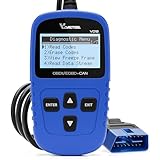
Overview: The VDIAGTOOL VD10 positions itself as the perfect entry point into automotive diagnostics for complete beginners. This scanner demystifies the check engine light by providing straightforward code reading and clearing capabilities across all OBD2-compliant vehicles. Its user-friendly approach makes vehicle diagnostics accessible to those with minimal mechanical knowledge, functioning as a personal “CEL doctor” for everyday drivers.
What Makes It Stand Out: The VD10’s standout feature is its built-in database of over 3,000 trouble code definitions, eliminating time-consuming online searches. The I/M readiness monitoring function proves invaluable for pre-smog check preparation, potentially saving users from failed inspections. Its FIXD-like simplicity means users can simply plug into the OBDII port and receive clear diagnostic information within seconds, with all functions accessible through an intuitive menu system.
Value for Money: This scanner sits at the budget-friendly end of the spectrum while delivering core functionality that rivals more expensive units. For drivers primarily concerned with understanding why their check engine light activated and verifying repair success, the VD10 provides excellent ROI. It avoids the cost premium of professional features most DIYers never utilize, focusing resources where casual users need them most.
Strengths and Weaknesses: Strengths include exceptional ease of use, comprehensive DTC lookup library, freeze frame data capture, and focused smog-check readiness features. The tool reads live sensor data effectively, displaying engine RPM, temperature, and fuel trim information. Weaknesses involve limited brand recognition compared to ANCEL or FOXWELL, lack of advanced diagnostics like oxygen sensor testing, and no data graphing capabilities. The display is functional but basic.
Bottom Line: The VD10 is perfect for novice users wanting immediate answers without complexity. It’s a cost-effective solution for basic troubleshooting and emissions preparation.
3. FOXWELL NT301 OBD2 Scanner Live Data Professional Mechanic OBDII Diagnostic Code Reader Tool for Check Engine Light

Overview: The FOXWELL NT301 bridges the gap between consumer-grade scanners and professional diagnostic equipment. This tool delivers enhanced data visualization capabilities while maintaining user-friendly operation for serious DIY mechanics and independent technicians who need more than basic code reading. It focuses on providing actionable intelligence rather than just raw data, making it a “CEL doctor” with clinical precision.
What Makes It Stand Out: The NT301’s live data graphing and logging function sets it apart from entry-level scanners, allowing users to identify intermittent issues through visual trend analysis. The integrated Red-Yellow-Green LED indicators and built-in speaker provide immediate I/M readiness status—particularly useful for smog check preparation. Its ability to display multiple data streams simultaneously aids in complex diagnostics like diagnosing lean conditions or misfire patterns.
Value for Money: Positioned in the mid-range category, the NT301 justifies its premium over basic scanners through professional features like data graphing and freeze frame analysis. For shade-tree mechanics performing regular diagnostics, this capability accelerates troubleshooting and reduces guesswork, effectively paying for itself through time savings. It offers 70% of professional scanner functionality at 30% of the cost.
Strengths and Weaknesses: Pros include advanced live data graphing, robust vehicle compatibility, clear LED readiness indicators, and relatively fast processing. The VIN retrieval function simplifies vehicle identification. Cons are significant: no support for ABS, SRS, or transmission systems; steeper learning curve for graphing features; and a higher price point than basic code readers. Documentation could be more comprehensive for novice users.
Bottom Line: The NT301 suits semi-professional users who need data visualization for complex diagnoses. It’s overkill for casual users but indispensable for serious enthusiasts.
4. MOTOPOWER MP69033 Car OBD2 Scanner Code Reader Engine Fault Scanner CAN Diagnostic Scan Tool for All OBD II Protocol Cars Since 1996, Yellow

Overview: The MOTOPOWER MP69033 offers an impressive feature set at a budget-conscious price point, making OBD2 diagnostics accessible to cost-sensitive consumers. This scanner covers all essential functions for check engine light diagnostics across post-1996 vehicles while adding unexpected niceties typically found in pricier units. Its bright yellow casing ensures it won’t get lost in a cluttered toolbox.
What Makes It Stand Out: The standout 2.8-inch LCD display with white backlight and contrast adjustment provides superior readability compared to competitors’ smaller screens. Supporting nine OBD2 protocols and six languages, it serves a diverse user base. The real-time curve display for data streams is remarkable at this price tier, offering visual analysis without the premium cost. Dedicated quick-access buttons for VIN and DTC lookup streamline common tasks.
Value for Money: This scanner delivers arguably the best bang-for-buck ratio in its class. Features like multilingual support, larger display, and real-time graphing typically command 50% higher prices. For users needing fundamental diagnostics plus data visualization on a tight budget, it’s nearly unbeatable. The inclusion of nine protocols ensures compatibility with even obscure vehicle makes.
Strengths and Weaknesses: Strengths include the large, clear display, extensive language options, 2.5-foot durable cable, intuitive six-button interface, and surprising data graphing capability. It handles all basic OBD2 functions competently. The primary weakness is the limitation to engine codes only—ABS, airbag, and service lights are explicitly unsupported. Build quality, while adequate, doesn’t match the ruggedness of ANCEL tools. Brand support resources are limited compared to market leaders.
Bottom Line: The MP69033 is the top choice for budget-minded buyers wanting maximum features per dollar. It sacrifices some durability for capability.
5. ANCEL AD410 Enhanced OBD2 Scanner, Vehicle Code Reader for Check Engine Light, Automotive OBD II Scanner Fault Diagnosis, OBDII Scan Tool for All OBDII Cars 1996+, Black/Yellow
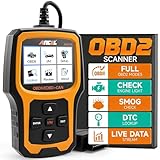
Overview: The ANCEL AD410 represents a significant step up from basic scanners, offering enhanced diagnostic capabilities while maintaining the brand’s reputation for reliability. This tool targets serious DIY mechanics who need deeper insights into vehicle emissions systems beyond simple code reading. The black and yellow color scheme reflects its professional aspirations while remaining approachable for advanced enthusiasts.
What Makes It Stand Out: The AD410’s 42,000-code DTC database dwarfs competitors’ libraries, providing instant definitions for obscure manufacturer-specific codes that often require extensive online research. Advanced O2 sensor testing and EVAP system leak tests deliver professional-level diagnostics that typically require $300+ tools. The 2.4-inch QVGA true-color display presents data clearly through an intuitive redesigned interface that eliminates manual consultation.
Value for Money: While priced higher than entry-level scanners, the AD410 offers features found in professional equipment costing significantly more. The EVAP and oxygen sensor tests alone can save users hundreds in diagnostic fees at repair shops. For those regularly working on multiple vehicles or troubleshooting emissions failures, the investment quickly justifies itself through both diagnostic depth and time efficiency.
Strengths and Weaknesses: Pros include massive DTC database, advanced system testing (O2/EVAP), excellent color display, user-friendly UI, and robust protocol support including all five major standards. The tool remains compact and draws power directly from the OBD port. Cons include the premium price point relative to basic scanners, continued lack of ABS/SRS/Transmission support despite “enhanced” branding, and the USB cable being update-only (not charging). It’s overkill for users who only occasionally check codes.
Bottom Line: The AD410 is ideal for dedicated enthusiasts and semi-pro mechanics needing advanced emissions diagnostics without professional scanner prices.
6. BlueDriver Bluetooth Pro OBDII Scan Tool for iPhone & Android - No Subscription Fee - OBD2 Car Scanner and Code Reader - Diagnose Check Engine, ABS, SRS, Airbag & 7000+ Issues on Vehicles 1996+
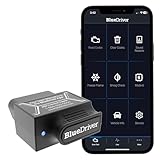
Overview: The BlueDriver Bluetooth Pro transforms your smartphone into a professional-grade diagnostic scanner. This wireless OBDII tool connects via Bluetooth to a dedicated sensor, eliminating cumbersome cables while delivering comprehensive vehicle diagnostics for cars manufactured from 1996 onward. The system reads and clears trouble codes beyond basic check engine lights, including ABS, SRS, airbag, and TPMS systems.
What Makes It Stand Out: True wireless freedom sets BlueDriver apart from traditional handheld scanners. The companion app provides unlimited repair reports with detailed possible causes and fixes, essentially putting a mechanic’s knowledge base in your pocket. Live data monitoring displays real-time vehicle health metrics while driving, and the integrated repair video library offers step-by-step guidance for common issues. Unlike many competitors, there’s no subscription fee—your purchase includes all features permanently.
Value for Money: Priced in the mid-range segment, BlueDriver offers exceptional value by combining professional capabilities typically found in $300+ scanners with the convenience of smartphone integration. The absence of recurring subscription fees makes it more economical than many app-based alternatives that nickel-and-dime users for premium features. For DIY enthusiasts, it pays for itself after just one avoided dealership visit.
Strengths and Weaknesses: Strengths include completely wireless operation, comprehensive system coverage beyond basic OBDII, intuitive app interface, extensive repair database, and lifetime free updates. The live data graphing is particularly useful for intermittent issues. Weaknesses include reliance on smartphone battery life, potential Bluetooth connectivity hiccups in areas with interference, and lack of standalone operation if your phone dies. Some users report occasional app crashes on older Android versions.
Bottom Line: The BlueDriver Bluetooth Pro is ideal for DIY mechanics seeking professional diagnostic capabilities without the professional price tag or cable clutter. Its smartphone integration and robust feature set make it a top contender for home garages, though those preferring traditional handheld devices should look elsewhere.
7. Y2 2.8’’ Color Graphing Screen OBD2 Scanner Diagnostic Tool,Enhanced PRO Check and Reset Engine Fault Code,DTC Lookup,O2 Sensor Test,Live Data,Freeze Frame,OBDII Code Reader Tool for All Cars

Overview: The Y2 OBD2 Scanner positions itself as a “vehicle repair butler” with its 2.8-inch HD color graphing screen and smartphone-like icon interface. This handheld diagnostic tool from SHRINLUCK aims to democratize vehicle diagnostics for beginners while offering enhanced functions that satisfy more experienced users. It supports all major OBDII protocols and covers 99% of global vehicles from US (1996+), Europe (2001+), and Asia (2005+).
What Makes It Stand Out: The vibrant color display with graphical data visualization is the star feature, transforming raw sensor data into intuitive charts and graphs. Dedicated hotkeys provide one-touch access to fault codes, VIN information, and I/M readiness status—elimating menu diving. Advanced functions like Mode 6 (component monitoring), Mode 8 (bi-directional control), freeze frame analysis, and integrated battery testing offer capabilities rarely seen at this price point. The nine-language support and screenshot capture function add professional polish.
Value for Money: This scanner delivers remarkable bang for your buck, packing premium features like live data graphing, EVAP leak detection, and comprehensive system tests into a budget-friendly package. Comparable handheld units from established brands cost 50-100% more while offering similar functionality. For home mechanics and small shops, it represents an accessible entry point to serious diagnostics without sacrificing capability.
Strengths and Weaknesses: Strengths include the excellent color display, intuitive icon-based navigation, comprehensive function set, wide vehicle compatibility, portability, and multi-language support. The hotkey design genuinely speeds up diagnostics. Weaknesses involve the lesser-known brand reputation, potentially shorter lifespan than premium alternatives, plastic construction that feels less durable, and limited advanced manufacturer-specific codes compared to professional-grade tools.
Bottom Line: The Y2 scanner hits a sweet spot for budget-conscious DIYers wanting more than basic code reading. Its color graphing display and enhanced functions make it feel like a premium tool at an entry-level price, though durability concerns suggest it’s best for moderate home use rather than daily professional shop abuse.
8. WEJOWE OBD2 Scanner Diagnostic Tool, Check Engine Code Reader OBD2 Scanner with Reset, Mode 6, Mode 8 & I/M Readiness, Auto Check Engine Light Car Diagnostic Scan Tool for All OBDII Car Since 1996
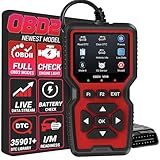
Overview: The WEJOWE OBD2 Scanner distinguishes itself through an enormous built-in DTC library and unique data printing capabilities. This compact handheld tool covers 98% of post-1996 US vehicles, 2000+ EU cars, and Asian models from 2008 onward. It handles all standard OBDII protocols while offering professional functions like live data streaming, freeze frame retrieval, component testing, and battery voltage monitoring in a pocket-sized form factor.
What Makes It Stand Out: The massive 35,901 DTC lookup library dwarfs competitors’ 3,000-10,000 code databases, providing detailed fault definitions without internet searches. The printing function allows connecting to a computer via included Type-C cable to document diagnostic results—a feature rarely found in this class. Lifetime free updates ensure the tool stays current with new vehicle models and codes. The canvas storage bag adds thoughtful portability for mobile mechanics.
Value for Money: Competitively priced against mid-tier scanners, WEJOWE justifies its cost through sheer code coverage and documentation features. The printing capability alone saves money by providing written records to challenge questionable shop diagnostics. While not the cheapest option, the extensive DTC library and perpetual updates eliminate future upgrade costs, making it financially sensible for long-term ownership.
Strengths and Weaknesses: Strengths include the unparalleled DTC database, convenient printing functionality, lifetime free updates, broad vehicle compatibility, ten-language support, and compact portability. The component testing and Mode 6/8 capabilities add depth. Weaknesses include a less intuitive menu structure compared to icon-based interfaces, requirement of a computer for printing, unknown brand longevity, and basic screen resolution that lacks color graphing. Some users report slower processing speeds with certain protocols.
Bottom Line: The WEJOWE scanner suits detail-oriented DIYers and small shop technicians who prioritize comprehensive code definitions and documentation. Its massive DTC library and printing features address real pain points, though interface quirks mean it’s better for methodical users than those wanting instant, intuitive operation.
9. OBD2 Scanner, CGSULIT SC103 Car Code Reader Diagnose Check Engine Light Smog Check DTCs Scan Tool Live Data Stream Voltage Test for Vehicles Since 1996

Overview: Endorsed by renowned YouTuber and mechanic Scotty Kilmer, the CGSULIT SC103 positions itself as a trusted check engine light specialist for vehicles since 1996. This handheld scanner supports all OBDII protocols and works with US vehicles from 1996, EU models from 2003, and Asian cars from 2008. The 2.8-inch TFT color screen displays both text and graphical live data, while the built-in DTC library helps diagnose issues without internet connectivity.
What Makes It Stand Out: The Scotty Kilmer endorsement lends credibility in a crowded market of unknown brands. The dual-mode data display—showing both numerical text and visual graphs—enhances diagnostic comprehension for all skill levels. I/M readiness monitoring with precise data retrieval helps users prepare for emissions testing confidently. The industrial-grade chip promises rapid, accurate performance, while the plug-and-play design requires no batteries or registration.
Value for Money: Priced aggressively for the feature set, the SC103 offers professional mechanic credibility at a DIY-friendly price point. It undercuts many established brands while delivering comparable core functionality. The voltage testing capability adds extra utility typically reserved for more expensive units. For budget-minded users wanting a proven tool, the Kilmer association provides peace of mind that marketing alone cannot.
Strengths and Weaknesses: Strengths include the trusted endorsement, clear TFT color display, fast performance, comprehensive DTC library, I/M readiness accuracy, and dual data visualization modes. The voltage test function is genuinely useful. Weaknesses include lack of support for new energy vehicles (hybrids/electric), no advanced service functions beyond basic diagnostics, limited brand-specific codes, and a plastic housing that may not withstand heavy shop use. The interface, while functional, lacks the polish of premium brands.
Bottom Line: The SC103 is a solid choice for traditional gasoline vehicle owners wanting reliable diagnostics without complexity. The Kilmer endorsement and clear display make it approachable for beginners, though its limitations on modern electrified vehicles mean hybrid owners should look elsewhere. It’s a trustworthy workhorse for mainstream diagnostics.
10. Autel OBD2 Scanner MS309 Universal Car Engine Fault Code Reader, Check Engine Light and Emission Monitor Status, OBDII CAN Diagnostic Scan Tool
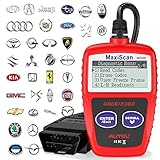
Overview: The Autel MS309 is a no-frills, entry-level OBDII scanner from one of the industry’s most reputable manufacturers. Designed for simplicity, this plug-and-play tool requires no registration or batteries—just connect to your vehicle’s standard 16-pin OBDII port with the ignition on. It retrieves and clears generic, manufacturer-specific, and pending codes for vehicles from 1996 onward, displaying DTC definitions directly on its built-in screen.
What Makes It Stand Out: Autel’s brand reputation for reliability and accuracy distinguishes the MS309 from fly-by-night competitors. The on-screen DTC definition feature eliminates code lookup frustration by showing meanings immediately beneath each code—something many basic scanners lack. Freeze frame data capture and VIN retrieval provide essential diagnostic context, while the tool’s simplicity makes it accessible to absolute beginners. The company provides responsive customer support and readily available PDF manuals.
Value for Money: As one of the most affordable scanners from a major brand, the MS309 delivers exceptional value for casual users. It costs less than a single diagnostic fee at most shops while providing the core functionality needed for basic troubleshooting. While lacking advanced features, its reliability and brand backing justify every penny for those wanting simple code reading without gambling on unknown manufacturers.
Strengths and Weaknesses: Strengths include Autel’s trusted brand name, straightforward plug-and-play operation, clear on-screen code definitions, freeze frame capability, reliable performance, and excellent customer support. The tool’s simplicity is its virtue—no learning curve. Weaknesses are significant: no advanced functions (ABS, SRS, TPMS), incompatibility with FCA vehicles post-2017 due to security gateways, basic monochrome display, no live data graphing, and inability to perform service resets. It’s strictly a check engine light tool.
Bottom Line: The Autel MS309 is perfect for first-time scanner buyers who prioritize reliability and simplicity over advanced features. It’s a “get what you pay for” tool that excels at basic code reading but quickly hits limitations for serious diagnostics. Purchase it if you need occasional check engine light help; avoid it if you require comprehensive system scanning or own a newer FCA vehicle.
What Is an OBD2 Code Reader and How Does It Work?
Understanding the OBD2 Protocol
OBD2 (On-Board Diagnostics II) is the standardized system that allows external electronics to interface with your vehicle’s computer network. Since 1996, all cars sold in the United States have been required to support this protocol, creating a universal language for vehicle diagnostics. The system continuously monitors engine performance, emissions controls, and other critical functions, storing fault codes when irregularities are detected.
The Evolution from OBD1 to Modern Systems
Before 1996, OBD1 systems varied wildly between manufacturers, making universal tools virtually impossible. The OBD2 standard revolutionized this landscape by mandating specific connector types, communication protocols, and diagnostic trouble code (DTC) formats. Modern implementations have evolved further, with CAN bus (Controller Area Network) systems enabling faster data transmission and more complex diagnostics across multiple vehicle modules.
Why Accuracy Matters in Diagnostic Tools
How Inaccurate Readings Can Cost You Money
A faulty or low-quality code reader might misinterpret data, leading you to replace perfectly good sensors or components. Imagine spending $400 on a new catalytic converter when the real issue was a $25 oxygen sensor—or worse, a loose connection. Professional technicians report that up to 30% of misdiagnosed issues stem from inadequate diagnostic equipment rather than mechanical complexity.
Real-World Consequences of Misdiagnosis
Beyond wasted money, inaccurate diagnostics can leave you stranded. A scanner that fails to detect intermittent issues or provides incomplete information might clear codes temporarily, giving false confidence before a major breakdown. In emissions-testing states, an inaccurate readiness monitor scan could cause a failed inspection, leading to unnecessary retests and frustration.
Key Features That Define Diagnostic Accuracy
Vehicle Compatibility and Protocol Support
The most accurate scanners support all five OBD2 protocols: CAN, ISO, KWP, PWM, and VPW. Premium tools also include manufacturer-specific codes beyond generic P-codes, which is crucial for European and Asian vehicles that often use proprietary systems. Always verify that a scanner explicitly supports your vehicle’s make, model, and year—not just “OBD2 compatible.”
Live Data Streaming Capabilities
Accuracy isn’t just about reading codes; it’s about interpreting real-time data. High-quality scanners stream live sensor data—oxygen levels, fuel trim, engine load, temperature—allowing you to spot trends and intermittent issues. Look for tools that can graph multiple data streams simultaneously and record snapshots for later analysis, as this reveals problems that static code reading misses.
Code Definition Database Quality
A scanner is only as good as its code library. Top-tier devices include detailed definitions, probable causes, and suggested repairs for each code. Some even offer technical service bulletins (TSBs) related to specific codes for your vehicle. Avoid scanners with generic definitions that simply restate the code name without actionable information.
Advanced Functions That Separate Good from Great
Bi-Directional Control and Active Tests
Professional-grade scanners can send commands to vehicle systems—activating fans, cycling ABS solenoids, or testing fuel injectors. This bi-directional communication verifies repairs and diagnoses problems that passive reading cannot. While more expensive, this feature eliminates guesswork and prevents unnecessary parts replacement.
Readiness Monitor and Emissions Testing
Accurate readiness monitor status is essential for passing emissions tests. Quality scanners show the exact status of all monitors (oxygen sensor, EGR, catalyst, etc.) and indicate whether they’ve completed their self-tests. This prevents the common mistake of testing too soon after clearing codes, which automatically fails most inspections.
ABS, SRS, and Transmission Diagnostics
Basic readers only scan engine codes. Accurate diagnostics require access to anti-lock brake systems, airbag modules, transmission controllers, and body control modules. If you’re serious about comprehensive diagnostics, ensure your tool can access these additional systems, as they often contain crucial fault information.
Types of OBD2 Scanners Compared
Handheld Standalone Units
These self-contained devices offer durability and dedicated functionality. They typically feature rugged construction, physical buttons for greasy hands, and bright screens for shop environments. The best units boot instantly and don’t rely on smartphones or internet connections, making them reliable for roadside diagnostics.
Bluetooth and Wi-Fi Adapter Dongles
Compact adapters pair with smartphone apps, offering incredible portability and frequent software updates. While convenient, accuracy depends heavily on app quality and your phone’s processing power. Premium adapters include enhanced data protocols and faster sampling rates that budget versions lack.
PC and Laptop-Based Diagnostic Systems
For maximum capability, PC-based systems provide the most detailed diagnostics and easiest data logging. These platforms excel at complex procedures like ECU programming and module coding. However, they require stable setups and aren’t practical for quick roadside checks.
Connectivity and Software Considerations
Wired vs. Wireless Connection Stability
Wireless scanners offer convenience but can suffer from interference in busy shops or when your phone is multitasking. Wired connections provide rock-solid reliability, crucial for lengthy diagnostic sessions or when performing software updates. The most versatile tools offer both options.
Update Frequency and Associated Costs
Vehicle manufacturers release new codes and parameters regularly. Scanners requiring expensive annual subscriptions quickly become outdated and inaccurate. Look for tools with lifetime updates or reasonable fees under $50/year. Some budget scanners can’t be updated at all, making them obsolete for newer vehicles.
Operating System and Device Compatibility
Ensure the scanner works with your preferred devices. iOS users face more limitations due to Apple’s strict Bluetooth protocols, while Android offers broader compatibility. Verify minimum OS requirements, as older phones may not support advanced features or security updates needed for proper functioning.
Build Quality and User Experience Factors
Durability for Workshop Environments
Professional scanners face drops, fluid spills, and extreme temperatures. Quality units feature rubberized armor, sealed ports, and reinforced screens. A tool that fails after one fall onto concrete is worthless regardless of its diagnostic capabilities.
Screen Quality and Readability
Bright, high-resolution screens with good viewing angles are non-negotiable for shop use. Color coding helps quickly identify critical codes, while touchscreen responsiveness matters when wearing gloves. Some premium units even work with styluses for precision.
Portability and Storage Solutions
Consider where you’ll use the scanner most. Compact dongles fit in glove boxes, while larger handheld units need protective cases. Professional kits often include organized storage for adapters and cables, preventing lost accessories that render the tool useless.
Price Tiers and Performance Expectations
Budget-Friendly Options Under $50
Entry-level scanners read and clear basic engine codes accurately but lack advanced features. They’re suitable for checking engine lights and monitoring readiness monitors but won’t diagnose complex issues. Expect limited vehicle coverage and no bi-directional controls.
Mid-Range Performance ($100-$300)
This sweet spot offers the best accuracy for most DIYers and semi-pro users. These scanners typically include ABS/SRS coverage, live data graphing, and decent update policies. They balance capability with affordability, often outperforming shop diagnostic fees after just two uses.
Premium Professional Tools ($500+)
Professional-grade scanners justify their cost through comprehensive vehicle coverage, lightning-fast processing, and advanced functions like ECU coding. These tools pay for themselves quickly in commercial settings but may be overkill for occasional home use. Accuracy in these units is typically flawless across supported vehicles.
Professional vs. DIY Diagnostic Needs
Home Mechanics and Enthusiasts
Hobbyists need reliable code reading, live data, and occasional bi-directional functions for component testing. Focus on tools with good community support and YouTube tutorials. Accuracy matters, but extreme speed and commercial vehicle coverage are less critical.
Mobile Technicians
Roadside service requires durable, portable scanners with broad vehicle coverage. Battery life, quick boot times, and offline code libraries are essential. Wireless connectivity to print invoices or order parts directly from the diagnostic app streamlines operations.
Professional Workshop Requirements
Shops need scanners that integrate with management systems, support multiple technicians, and offer detailed reporting. Accuracy must be absolute, as misdiagnosis leads to comebacks that damage reputation. Look for tools with excellent manufacturer support and training resources.
Common Mistakes When Choosing a Scanner
Overlooking Update and Support Policies
Many buyers focus on features while ignoring long-term support. A scanner without updates becomes inaccurate within 2-3 years as new vehicle models roll out. Check user forums for complaints about abandoned products before purchasing.
Ignoring Vehicle-Specific Features
That highly-rated scanner might work terribly with your specific vehicle. European cars often require specialized adapters for full access. Hybrid and electric vehicles need dedicated support for high-voltage systems. Always research make-specific performance.
Focusing Solely on Price
The cheapest scanner that gives one wrong diagnosis costs more than a quality unit. Conversely, the most expensive tool is wasteful if you only use 10% of its features. Match capabilities to your actual needs, not your aspirational ones.
Maximizing Your Diagnostic Tool’s Potential
Regular Software Maintenance
Set calendar reminders to check for updates quarterly. Keep backup codes and repair histories organized by vehicle. Many scanners export data to Excel for trend analysis, revealing patterns like recurring lean conditions that point to fuel delivery issues.
Learning Advanced Functions
Invest time in learning bi-directional controls and special functions. Watching manufacturer training videos unlocks capabilities you didn’t know existed. Join online communities where professionals share tips for specific vehicle quirks and scanner workarounds.
Keeping Detailed Diagnostic History
Maintain logs of every code scanned, repair performed, and outcome. This history becomes invaluable for intermittent issues, showing whether that P0420 code appears only during cold starts or long trips. Professional shops use this data to spot patterns; you should too.
The Future of Vehicle Diagnostics
Integration with Telematics and Cloud Services
Modern scanners are beginning to connect with cloud databases, comparing your vehicle’s data against thousands of similar models to predict failures before they happen. This crowdsourced accuracy helps identify rare issues that individual mechanics might never encounter.
AI-Powered Diagnostic Suggestions
Artificial intelligence is entering the diagnostic space, analyzing symptoms and live data to suggest probable causes with increasing accuracy. While not replacing human expertise, these systems reduce diagnostic time and help less experienced users make informed decisions.
Frequently Asked Questions
What makes one OBD2 scanner more accurate than another? Accuracy depends on processor speed, protocol support breadth, code database quality, and sampling rate. Premium scanners use faster processors that capture more data points per second, revealing intermittent glitches that slower units miss. Comprehensive protocol support ensures full access to manufacturer-specific modules beyond generic engine codes.
Can a cheap OBD2 scanner damage my vehicle? While extremely rare, poorly designed scanners with inadequate voltage protection could theoretically harm sensitive modules. More commonly, cheap scanners simply provide incorrect information that leads to unnecessary repairs. Reputable budget brands are electrically safe but may lack accuracy; avoid no-name clones with zero documentation.
Do I need internet connectivity for accurate diagnostics? Not for basic code reading—most scanners store code definitions locally. However, internet access provides real-time technical service bulletins, community-suggested fixes, and cloud-based pattern matching that dramatically improves diagnostic accuracy for complex issues. Professional tools often work offline but sync when connected.
How often should I update my OBD2 scanner? Check for updates quarterly, but update immediately if you purchase a new vehicle or encounter codes the scanner can’t identify. Most manufacturers release major updates annually with minor patches throughout the year. Letting updates lapse for more than a year significantly reduces accuracy on newer models.
Will any OBD2 scanner work on my hybrid or electric vehicle? Standard OBD2 scanners read basic codes from hybrids, but they often miss high-voltage system diagnostics and battery management data. Electric vehicles require specialized tools that can access their unique modules. Look for scanners explicitly rated for hybrid/EV use, as voltage safety becomes a concern.
What’s the difference between reading codes and bi-directional control? Reading codes is passive—the scanner receives what the vehicle reports. Bi-directional control actively commands vehicle systems, like running a fuel pump test or activating individual fuel injectors. This function is crucial for verifying repairs and diagnosing issues that don’t trigger fault codes.
Can I use one scanner for multiple vehicles in my household? Yes, most scanners support unlimited vehicles, though some budget models limit the number of cars you can store in memory simultaneously. Professional tools may charge per-vehicle fees for advanced functions. Always verify that the scanner covers all makes and years in your household before purchasing.
How do I know if a scanner supports my specific vehicle? Check the manufacturer’s vehicle coverage list, which details supported years, makes, and models. Search online forums for real-world feedback from owners of your specific vehicle. Reputable manufacturers offer free compatibility checks on their websites. When in doubt, contact their support with your VIN for confirmation.
Are smartphone app scanners as accurate as handheld units? It depends entirely on the app and adapter quality. Premium app-based systems match or exceed handheld accuracy, offering superior graphing and data logging. However, basic free apps with cheap adapters often provide incomplete data. The phone’s processing power and OS version also affect performance.
What should I do if my scanner shows a code but my car runs fine? Never ignore codes, even without symptoms. The issue may be intermittent or in early stages. Record the code, check freeze frame data for conditions when it triggered, and research common causes for your vehicle. Clear the code and monitor if it returns. Some codes require multiple drive cycles to reappear, indicating severity.
See Also
- We Tested 50 OBD2 Code Readers - Here are the 10 Best for Transmission Diagnostics
- We Tested 50 OBD2 Code Readers - Here are the 10 Best for Emissions Testing in 2026
- We Tested 50 OBD2 Code Readers - Here are the 10 Best for Multi-Vehicle Use
- 10 Game-Changing OBD2 Code Readers with Freeze Frame for Accurate Diagnostics in 2026
- 10 Expert-Recommended OBD2 Code Readers with ABS/SRS Support for Full Diagnostics in 2026