Table of Contents
Understanding your vehicle’s cooling system is non-negotiable for reliable performance and longevity. A single leak or weak point can escalate from a minor inconvenience into a costly engine meltdown, leaving you stranded and facing a massive repair bill. Coolant pressure testers aren’t just another tool gathering dust in the garage; they’re essential diagnostic instruments that empower both professional mechanics and savvy DIYers to proactively identify potential failures before they cause catastrophic damage. Think of them as the stethoscope for your car’s circulatory system – revealing hidden weaknesses through controlled, simulated operating pressure.
Ignoring the health of your cooling system is a gamble few can afford. Modern engines run hotter and tighter tolerances than ever, placing immense stress on hoses, seals, the radiator, water pump, and the thermostat housing. A small seep today might become a gusher tomorrow, especially when the engine reaches its normal operating temperature and pressure. Regular pressure testing provides peace of mind, confirms the integrity of recent repairs (like a new radiator or thermostat), and helps pinpoint elusive leaks that only manifest under pressure – leaks you’d never find with a simple visual inspection of a cold system. Investing in the right pressure tester is fundamentally about preventing far more expensive breakdowns and repairs down the road.
Top 10 Coolant Pressure Testers
Detailed Product Reviews
1. HZAUTOS 18PCS Radiator Pump Pressure Tester Kit, Pressure Leak Tester Tool Kit for Automotive Cooling System Water Tank Leakage Detection

Overview:
This 18-piece kit is designed for DIYers and technicians to diagnose cooling system leaks in vehicles. It features a hand pump with a large 3" dial gauge (0-35 psi), multiple adapters, and a thermometer, targeting radiator, head gasket, and coolant system integrity checks.
What Makes It Stand Out:
The kit includes 13 distinct cap adapters (10 anodized aluminum for cars, 3 chrome steel for trucks) with color/number coding for quick selection. The durable aluminum pump cylinder, 21" reinforced hose, and integrated relief valve on the quick coupler enhance usability. The thermometer (0-200°C) adds versatility beyond basic pressure testing.
Value for Money:
Priced competitively, it offers robust construction at a mid-range cost. The inclusion of 18 components (vs. smaller kits) justifies the investment for frequent users, though professionals might prefer kits with vacuum refill capabilities for comprehensive servicing.
Strengths and Weaknesses:
Strengths: Durable materials; clear pressure gauge; intuitive adapter organization; effective for basic leak detection in 10 minutes.
Weaknesses: Lacks vacuum refill functionality; incompatible with BMW e46 expansion tanks; plastic adapters may wear faster than metal alternatives.
Bottom Line:
Ideal for budget-conscious DIYers needing reliable leak detection. Its simplicity and sturdy build make it a solid entry-level choice, though those requiring advanced coolant servicing should consider more feature-rich kits.
2. HZAUTOS 14PCS Pressure Leak Tester Tool Kit, Radiator Pump Pressure Tester for Automotive Cooling System, Water Tank Leakage Detection Tool Set

Overview:
A streamlined 14-piece variant of HZAUTOS’ pressure tester, targeting efficient cooling system diagnostics. It shares core components with the 18PC kit but reduces adapter count, focusing on essential leak detection for cars and trucks.
What Makes It Stand Out:
The kit features 12 color-coded adapters (8 plastic for cars, 4 chrome steel for trucks) and a user-friendly thermometer. Its compact size, durable aluminum pump, and 3" dial gauge ensure quick setup. The chrome-plated coupler with relief valve simplifies connections and pressure release.
Value for Money:
Slightly more affordable than the 18PC version, it delivers identical core functionality at a lower price. Best for occasional users or those with limited vehicle types, though the reduced adapter count may limit versatility for multi-vehicle households.
Strengths and Weaknesses:
Strengths: Cost-effective; straightforward operation; durable gauge and hose; well-organized case.
Weaknesses: Fewer adapters than competing kits; no vacuum tools for coolant refilling; plastic components less robust than metal; BMW e46 incompatible.
Bottom Line:
A practical, no-frills solution for basic pressure testing. While lacking advanced features, it excels at its core purpose and suits DIYers prioritizing simplicity and value over extensive compatibility.
3. Orion Motor Tech Coolant Pressure Tester Kit, 33pc Master Coolant Vacuum Refill Kit with 23 Radiator Adapters, Radiator Cooling System Pressure Tester Kit with Vacuum Pump Vacuum Purge & Refill Tool

Overview:
This premium 33-piece kit combines pressure testing with vacuum-assisted coolant refilling, targeting comprehensive cooling system maintenance for both professionals and serious DIYers.
What Makes It Stand Out:
Its key differentiator is the integrated vacuum pump and purge/refill tool, eliminating air pockets during coolant changes—a critical feature missing in basic kits. With 23 adapters (including universal), it covers BMW, Mercedes, and other European brands, plus a robust aluminum alloy build.
Value for Money:
Higher priced but justified by the 3-in-1 functionality (testing, purging, refilling). The time saved avoiding airlocks and repeated coolant fills offsets the cost for frequent users, outperforming single-purpose kits long-term.
Strengths and Weaknesses:
Strengths: Vacuum refill capability; extensive 23-adapter compatibility; durable construction; organized case; supports complex European vehicles.
Weaknesses: Steeper learning curve for beginners; bulkier than basic testers; premium price may deter casual users.
Bottom Line:
The top recommendation for those needing professional-grade results. Essential for modern vehicles prone to airlocks, it delivers unmatched versatility and justifies its cost through efficiency and broad compatibility.
4. KOOPOOL 30PCS Radiator Pressure Tester Kit, Coolant Pressure Tester and Vacuum Refill Kit for Automotive Cooling System Water Tank Leakage Detection

Overview:
A versatile 30-piece kit blending pressure testing and vacuum-assisted coolant refilling, engineered for universal use across Japanese, European, and American vehicles with enhanced user-friendly features.
What Makes It Stand Out:
Features 17 color-coded test caps and 3 covers for unmatched adaptability, plus a dual-ring aluminum pump for superior airtightness. The upgraded metal vacuum refill valve with psi/bar gauges and -30 inHg suction power ensures precise, bubble-free coolant replacement.
Value for Money:
Balances affordability with professional features. The vacuum system rivals pricier kits, while the broad compatibility (covering most mainstream brands) reduces the need for additional tools, offering strong long-term savings.
Strengths and Weaknesses:
Strengths: Excellent universal fit; robust vacuum refill; clear dual-scale gauges; responsive customer support.
Weaknesses: Adapter organization less intuitive than Orion’s; no thermometer included; plastic components in refill tool may lack longevity.
Bottom Line:
An excellent mid-tier choice for DIYers wanting vacuum functionality without Orion’s premium cost. Its adaptability and reliable performance make it a smart investment for diverse vehicle fleets.
5. WNZ Coolant Pressure Tester Kit, 28PC Radiator Pressure Tester Kit, Radiator Cooling System Pressure Tester Kit with Vacuum Pump Vacuum Purge & Refill Tool

Overview:
This 28-piece kit emphasizes ease of use and portability, combining leak detection, coolant replacement, and air-purge functions in a travel-ready package for home garages and mobile technicians.
What Makes It Stand Out:
Its 3-in-1 design (test/replace/purge) simplifies complex tasks, while the impact-resistant blow-molded case with custom slots ensures tool security. The 22 universal caps claim 95%+ vehicle coverage, and beginner-friendly indicators lower the skill barrier.
Value for Money:
Offers professional functionality at a DIY-friendly price. The included gloves, wrench, and thermometer add practical value, and the durable case justifies the cost for users prioritizing organization and portability.
Strengths and Weaknesses:
Strengths: Intuitive for beginners; excellent storage solution; comprehensive accessory set; strong compatibility.
Weaknesses: Vacuum pump suction slightly weaker than Orion/KOOPOOL; gauge readability could improve; limited heavy-duty validation.
Bottom Line:
Perfect for novice enthusiasts and mobile mechanics. Its user-centric design and portability make routine cooling maintenance effortless, though professionals may prefer Orion for heavy usage.
6. Orion Motor Tech Coolant Pressure Tester Kit, 31pc Master Coolant Vacuum Refill Kit with 23 Radiator Adapters, Radiator Cooling System Pressure Tester Kit with Vacuum Pump Vacuum Purge & Refill Tool

Overview: This comprehensive 31-piece kit from Orion Motor Tech is designed for professional-grade cooling system diagnostics and maintenance, enabling precise leak detection and air-free coolant refilling across a wide range of vehicles. What Makes It Stand Out: The inclusion of a dedicated vacuum pump and vacuum purge & refill tool sets it apart, allowing mechanics to evacuate air pockets completely before refilling—a critical step modern cooling systems demand. Its 23 adapters (22 standard + 1 universal) ensure exceptional compatibility with European and Asian imports, while the color-coded organization and durable aluminum/brass construction enhance usability and longevity. Value for Money: Priced competitively for its scope, this kit justifies its cost by replacing multiple specialized tools. The vacuum functionality alone, often found only in pricier professional kits, adds significant value over basic pressure testers, making it ideal for serious DIYers and small shops needing thorough cooling system service capability. Strengths and Weaknesses: Strengths: Unmatched adapter count for broad compatibility; essential vacuum refill capability; robust build quality; excellent organized case. Weaknesses: Bulkier than simpler kits; vacuum process requires slightly more technical knowledge; potential overkill for basic domestic vehicle maintenance. Bottom Line: An outstanding investment for enthusiasts and professionals tackling complex or import vehicles, offering critical vacuum features and exceptional versatility that justify its price for comprehensive cooling system work.
7. Orion Motor Tech Coolant Pressure Tester Kit, 19pc Radiator Pressure Tester Kit with 15 Radiator Adapters & Wrench, Cooling System Pressure Tester Kit with Vacuum Pump & Probe Thermometer

Overview: Orion Motor Tech’s 19-piece kit provides a streamlined solution for cooling system pressure testing and basic vacuum-assisted refilling, targeting DIYers and technicians focused on common domestic and import vehicles without extreme complexity. What Makes It Stand Out: It features a clear, rubber-shrouded 2.5-inch gauge rated to 35 PSI for precise, damage-resistant readings during pressure tests. While it includes a manual vacuum pump for air-free refills, its key distinction is the focused 15-adapter set optimized for popular models, coupled with intuitive color-coding for rapid setup. Value for Money: This kit delivers excellent value for its targeted use case. It costs less than the 31pc master kit while retaining core vacuum functionality and sufficient adapters for most common cars (Ford, GM, Honda, Toyota, VW). It’s a smart buy if you don’t need the extensive adapter range of the larger Orion set. Strengths and Weaknesses: Strengths: Accurate, protected gauge; essential vacuum pump included; well-organized color-coded adapters; durable construction; ideal size for common vehicles. Weaknesses: Fewer adapters limit exotic/import coverage; vacuum pump requires manual effort; lacks the purge/refill tool specificity of the 31pc kit. Bottom Line: Highly recommended for DIYers and shops focused on mainstream vehicles; it provides reliable pressure testing, basic vacuum refilling, and solid value without the complexity or cost of ultra-large kits.
8. VAGNEUS 18 Pcs Universal Radiator Pressure Tester Kit,Coolant Pressure Tester kit with 13 Radiator Adapters,Precise Coolant Leak Detector for All Vehicle Cooling System

Overview: The VAGNEUS 18-piece kit offers a straightforward, universal approach to cooling system pressure testing and leak detection, prioritizing ease of use and broad compatibility for routine automotive maintenance. What Makes It Stand Out: Its simplicity is the highlight—featuring a clear 13-adapter set (color-coded for quick ID) covering most common vehicles and a very direct operating procedure (pump to 35 PSI, monitor for drops). The rust/corrosion-resistant aluminum adapters and high-tenacity rubber components ensure reliable performance in basic testing scenarios. Value for Money: Positioned as an affordable, no-frills solution, it provides solid value for infrequent users or those needing a reliable basic tester. While lacking vacuum refill capabilities, it effectively performs the core task of leak detection at a lower price point than kits with advanced features. Strengths and Weaknesses: Strengths: Simple, intuitive operation; good adapter coverage for common makes; corrosion-resistant materials; very cost-effective; compact case. Weaknesses: No vacuum pump/refill function (limits modern coolant service); basic gauge without notable features; adapters may not fit some newer European models perfectly. Bottom Line: A practical, budget-friendly choice for basic leak detection on everyday vehicles; ideal for home garages but insufficient for comprehensive cooling system servicing requiring air evacuation.
9. Astro Pneumatic Tool 7856 Universal Air Powered Cooling System Pressure Tester
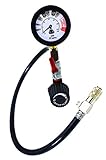
Overview: This specialized tool leverages shop air for rapid, high-volume cooling system pressure testing, designed explicitly for speed and efficiency in professional workshop environments where air compressors are standard. What Makes It Stand Out: Its air-powered operation is the defining feature, enabling near-instant pressurization of large cooling systems and maintaining constant pressure to pinpoint leaks effortlessly. The universal quick connector fits most standard caps/adapters, and the built-in 30 PSI regulator prevents over-pressurization damage. Value for Money: For busy shops, this tool pays for itself through time savings. It drastically outperforms manual pumps on large systems (like trucks or SUVs), making it highly cost-effective in high-volume settings despite a higher initial cost than manual kits. It’s a niche tool with unmatched speed for its specific purpose. Strengths and Weaknesses: Strengths: Extremely fast pressurization; constant pressure for leak tracing; robust regulator safety; universal connector; ideal for large systems/professional use. Weaknesses: Requires a shop air compressor (useless without one); no vacuum function; not suitable for DIYers without air tools; limited to pressure testing only (no refill capability). Bottom Line: An essential, time-saving workhorse for professional mechanics with air supply; not practical for home users but indispensable in workshops needing rapid, reliable pressure testing on diverse vehicles.
10. BILITOOLS Radiator Coolant Pressure Tester & Vacuum Refill Kit, 28-Piece Universal Cooling System Radiator Leak Tester & Refiller

Overview: BILITOOLS’ 28-piece kit combines pressure testing with vacuum-assisted coolant refilling, emphasizing durability and broad compatibility for thorough cooling system service across a vast array of domestic and import vehicles. What Makes It Stand Out: The upgraded metal valve (replacing common rubber valves) is a significant durability upgrade, ensuring reliable sealing and longevity. Its 17 color-coded test caps cover an exceptionally wide vehicle range (explicitly listing 30+ makes), and the dual-scale (psi/bar) gauge with included thermometer enhances diagnostic capability during refill. Value for Money: It offers strong value by merging robust construction (metal valve), extensive compatibility, and vacuum refill functionality at a competitive price. The focus on durability addresses a common failure point in cheaper kits, making it a cost-effective long-term solution compared to budget alternatives that may wear out faster. Strengths and Weaknesses: Strengths: Durable metal valve; extensive cap compatibility for global vehicles; clear dual-scale gauge + thermometer; effective vacuum refill; sturdy case. Weaknesses: “28-piece” claim is slightly misleading (17 caps + core tools); vacuum pump operation can be tiring manually; case organization less refined than Orion’s. Bottom Line: Highly recommended for technicians seeking a durable, versatile kit capable of full cooling system service (test + vacuum refill) on nearly any vehicle, offering excellent longevity and broad coverage for the price.
Understanding Coolant Pressure Testing Fundamentals
Before diving into tool selection, grasp why pressure testing is critical. Your cooling system is a sealed, pressurized environment. This pressure raises the boiling point of the coolant, preventing vapor lock and ensuring efficient heat transfer even at high engine temperatures. A loss of pressure indicates a leak, which compromises the system’s ability to regulate temperature effectively. Pressure testing simulates the system’s operational state, forcing coolant or air through potential failure points to reveal weaknesses invisible during normal visual checks.
The Science Behind System Pressure
Coolant systems operate under pressure for a fundamental reason: physics. Pure water boils at 212°F (100°C) at sea level. However, pressurizing the system significantly elevates this boiling point. A typical 15-16 psi radiator cap, for instance, raises the boiling point to approximately 250°F (121°C). This extra margin is crucial for preventing coolant from flashing into steam within the engine block or cylinder heads during demanding conditions, which would cause immediate and severe overheating. Testing verifies the system can maintain this critical pressure.
Identifying Common Leak Sources
Leaks rarely announce themselves politely. They can originate from numerous points: deteriorating radiator hoses (especially at clamps), cracked plastic radiator tanks, a failing water pump seal, a degraded thermostat gasket, a warped intake manifold, or even a microscopic crack in the cylinder head or engine block itself (a far more serious issue often indicated by coolant in the oil or exhaust). Pressure testing systematically stresses all these components, making the source of the leak evident through visible coolant seepage, bubbling, or a dropping gauge reading.
Key Features to Evaluate in a Pressure Tester
Selecting the right pressure tester involves understanding the specific demands of the vehicles you work on and the types of diagnostics you need to perform. It’s not just about applying pressure; it’s about doing so safely, accurately, and with the correct fittings for diverse applications. Prioritize features that enhance versatility, durability, and measurement precision to ensure reliable results every time.
Determining the Essential Pressure Range
The most critical specification is the pressure range the tester can generate and measure. This must exceed the pressure rating of the radiator cap on the vehicles you service. Common passenger car caps range from 13 psi to 18 psi, but performance vehicles, heavy-duty trucks, and some European models can require testers capable of 30 psi or higher. A tester with a maximum range of 25-30 psi is generally suitable for most consumer vehicles, but always verify cap ratings. Crucially, the gauge must have clear, precise markings within the common operating range (e.g., 0-20 psi) for accurate readings; a gauge spanning 0-100 psi will be too coarse for reliable low-pressure diagnostics.
Material Quality and Construction Durability
You’re dealing with pressurized systems containing potentially hot fluids. The tester body, pump mechanism, and hose connections must be robust. Look for testers constructed from high-impact plastics or, preferably, corrosion-resistant metals like aluminum or brass for critical components. Cheap, brittle plastics can crack under pressure or with temperature swings, leading to sudden failure and potential injury. The hand pump should feel solid, with a smooth action and a reliable seal. Inferior materials lead to inaccurate readings, leaks at the tester itself, and a significantly shortened tool lifespan.
The Critical Role of Adapter Kits
No single fitting connects to every radiator or expansion tank neck. A comprehensive, high-quality adapter kit is non-optional. Kits typically include multiple rubber seals and threaded adapters designed to fit various cap styles (screw-on, clip-on, different diameters) and common expansion tank filler necks. Ensure the kit includes adapters specifically for popular domestic, Asian, and European vehicle designs you encounter. Poorly fitting adapters won’t seal properly, preventing you from building pressure and yielding false negatives. Quality adapters use durable rubber compounds resistant to coolant and ozone degradation.
Gauge Accuracy and Readability
The gauge is your diagnostic window. Accuracy is paramount. A cheap, poorly calibrated gauge renders the entire tool useless. Look for gauges certified to relevant standards (like ASME Grade B) with a clear, easy-to-read dial. A large face (2.5 inches or more), distinct markings, a smooth-moving needle, and a mirrored scale to eliminate parallax error are significant advantages. Analog gauges are common, but ensure the scale resolution is fine enough (e.g., 1-2 psi increments in the 0-20 psi range). Digital gauges offer precise numerical readouts but require batteries and can be less durable in harsh shop environments.
Hose and Connection Integrity
The hose connecting the pump to the radiator cap adapter must be strong, flexible, and resistant to kinking, abrasion, and degradation from coolant exposure. Reinforced rubber or high-grade synthetic hoses are standard. Check the quality of the quick-connect or threaded fittings at both ends – they should lock securely without leaking and withstand repeated use. A weak hose or faulty connection is a common point of failure, leading to frustration and inaccurate tests.
Advanced Considerations for Effective Testing
Beyond the basic tool, successful pressure testing requires understanding the procedure, safety protocols, and interpreting results correctly. The tool is only as good as the person using it with knowledge and caution.
Safety Protocols: Never Skip This Step
Never attempt to pressure test a hot cooling system. Residual heat combined with added pressure can cause scalding hot coolant to erupt violently when the cap is removed or the tester is attached. Always allow the engine to cool completely until the radiator cap is cool to the touch. Wear safety glasses – pressurized fluid escaping under force can cause serious eye injury. Ensure the vehicle is parked on level ground, the parking brake is engaged, and the transmission is in park/gear. Double-check that all adapters are securely seated before pumping.
The Proper Testing Procedure
Correct technique ensures reliable results. Start with a completely cool engine. Remove the radiator cap (or expansion tank cap if specified by the manufacturer) only when cool. Attach the correct adapter securely to the filler neck. Connect the tester hose. Pump slowly to the pressure specified by the vehicle’s radiator cap rating (usually stamped on the cap itself), never exceeding it. Hold that pressure for the recommended duration (typically 10-15 minutes). Observe the gauge: a steady reading indicates no major leaks. A gradual or rapid drop signals a leak. Visually inspect the entire system – hoses, connections, radiator core, water pump weep hole, cylinder head/block – for the source of seepage or bubbles.
Interpreting Gauge Behavior
Understanding what the gauge tells you is crucial. A slow, steady drop often indicates a small, persistent leak (like a pinhole hose or minor gasket seep). A rapid drop usually points to a larger failure (split hose, major crack, or severely degraded cap seal). If you cannot build pressure at all, the issue is likely a gross leak (like a disconnected hose), a faulty cap seal on the tester adapter, or an incorrectly installed adapter. Note that some minor pressure loss over an extended period (30+ minutes) can be normal due to system permeability, but significant drops within the standard test window are problematic.
Cap Testing: An Often Overlooked Function
Many quality pressure testers include a dedicated cap testing feature. This small attachment allows you to check if the radiator cap itself is holding the correct pressure and venting properly. A faulty cap is a common cause of cooling system issues – it might not seal, might vent too early (causing boil-over), or vent too late (risking system damage). Testing the cap independently is a vital part of a comprehensive cooling system diagnosis.
Maximizing Tool Longevity and Reliability
Treat your pressure tester with care to ensure it delivers accurate results for years. Proper maintenance is simple but essential.
Post-Test Cleaning and Drying
After each use, especially if coolant was present, thoroughly flush the adapter, hose, and any parts that contacted the system with clean water. Residual coolant left inside can dry out, crystallize, or corrode internal components, leading to clogs or seal failure. Wipe down all parts and allow them to air dry completely before storage. Never store the tester with moisture trapped inside.
Proper Storage Practices
Store the tester and its adapters in a clean, dry place, protected from extreme temperatures, dust, and physical damage. A dedicated pouch or compartment within your toolbox is ideal. Coil the hose loosely; avoid tight kinks that can weaken it over time. Keep adapters organized to prevent loss or damage. Protect the gauge face from impacts.
Periodic Calibration Checks
For professional use or critical diagnostics, consider having the gauge checked for accuracy periodically against a known standard, especially if you suspect inconsistent results. While high-quality gauges are generally stable, significant impacts or age can affect calibration. Some shops have master gauges for quick verification.
Integrating Pressure Testing into Routine Maintenance
Make pressure testing a standard part of your cooling system service protocol, not just a reaction to overheating.
Proactive System Health Checks
Schedule pressure tests during routine maintenance intervals, such as when performing coolant flushes or replacing major components (thermostat, water pump). This verifies the integrity of new parts and seals immediately after installation, catching potential issues before the vehicle leaves the shop or your driveway. It’s far cheaper to fix a leak found during preventative testing than one discovered after an engine overheats.
Diagnosing Intermittent Overheating
When an engine overheats only under specific conditions (e.g., highway driving, heavy load), pressure loss is a prime suspect. A pressure test can confirm if the system cannot maintain pressure due to a leak that only opens under thermal expansion or vibration, which might not be visible when the engine is cold.
Verifying Repair Success
After fixing a leak (replacing a hose, radiator, water pump, etc.), always re-pressurize the system. This confirms the repair was successful and that no new leaks were inadvertently introduced during the work. It’s the final, essential step before declaring the cooling system service complete.
Frequently Asked Questions
Frequently Asked Questions
How often should I pressure test my cooling system? It’s wise to test whenever you perform cooling system service (like a coolant flush) or suspect a leak (coolant loss, overheating). For preventative maintenance, testing annually or every 15,000-20,000 miles is a prudent practice for many vehicles, especially as they age.
Can I pressure test an expansion tank instead of the radiator? Yes, absolutely. Most modern vehicles use pressurized expansion tanks instead of traditional radiators with caps. Quality testers include specific adapters designed to seal securely onto the expansion tank filler neck, allowing you to test the entire sealed system correctly.
What pressure should I pump the system up to? Always pump to the pressure rating specified by the vehicle’s radiator cap (or expansion tank cap), which is clearly stamped on the cap itself (e.g., “15 PSI”, “1.1 bar”). Never exceed this pressure. Pumping too high can damage components.
My gauge drops slowly during the test. Is this normal? A very slight drop over an extended period (like 30+ minutes) might be within normal system permeability. However, a noticeable drop within the standard 10-15 minute test window (e.g., losing 2+ psi) indicates a leak that needs investigation. The system should hold pressure steadily during the diagnostic test period.
Do I need to add coolant to the system before testing? No, pressure testing is typically done on a cool, but otherwise normally filled system. The existing coolant provides the fluid medium for the test. Only add coolant if the system is significantly low, but remember to burp air pockets afterwards if you do add fluid before testing.
Can a pressure test damage my cooling system? When performed correctly on a cool system and not exceeding the cap’s rated pressure, pressure testing is safe and standard practice. The risk comes from testing a hot system (causing eruptions) or applying excessive pressure, which can blow out weak hoses or seals that were already failing.
Why can’t I build any pressure with my tester? Common causes include: the engine isn’t cool enough (system still hot/pressurized), the adapter isn’t sealing properly on the filler neck (wrong adapter, debris, damaged seal), a major leak is present (like a disconnected hose), or the tester’s pump/seal is faulty. Double-check adapter fit and system coolness first.
Should I test with air or coolant in the system? Testing is done with the system containing its normal coolant level. The coolant acts as the incompressible fluid for the test. Testing with only air isn’t standard practice for leak detection in the cooling circuit itself, as air can compress and behave differently.
Is a digital pressure tester better than an analog one? Both can be accurate. Analog gauges are generally more robust in harsh shop environments and don’t require batteries. Digital gauges offer precise numerical readings but can be more fragile and susceptible to moisture damage. Prioritize certified accuracy and build quality over the display type.
Can a pressure test find a head gasket leak? While a pressure test primarily checks for external leaks, a severe internal head gasket leak (where combustion gases enter the cooling system) might prevent the system from holding pressure or cause unusual bubbling in the overflow tank during the test. However, a dedicated combustion leak test (block test) is the definitive method for diagnosing head gasket issues.
See Also
- 10 Top-Rated Coolant Drain Kits According to Automotive Experts in 2026
- 10 Top-Rated Coolant Flush Kits According to Automotive Experts in 2026
- 10 Top-Rated Coolant Drain Kits According to Auto Experts in 2026
- 10 Most Durable Coolant Pressure Testers Based on Real User Reviews in 2026
- The 10 Most Revolutionary Coolant Pressure Testers of 2026