Table of Contents
Modern vehicles are essentially computers on wheels, with complex networks of sensors and control modules monitoring everything from engine performance to passenger safety. When something goes wrong, these systems generate fault codes that can turn a simple dashboard light into a source of major anxiety. This is where advanced OBD2 scanners with ABS and SRS support transform from luxury gadgets into essential diagnostic companions, giving you the power to peer behind the curtain of your vehicle’s electronic brain.
Understanding which features truly matter in a diagnostic tool can mean the difference between making an informed investment and wasting money on capabilities you’ll never use. As automotive technology continues its rapid evolution toward 2026, the gap between basic code readers and professional-grade diagnostic equipment has never been wider. Whether you’re a weekend warrior tackling driveway repairs or a seasoned technician building your tool arsenal, knowing what separates exceptional scanners from mediocre ones will save you time, money, and countless headaches.
Top 10 OBD2 Code Readers with ABS/SRS Support
Detailed Product Reviews
1. OBDMATE OBD2 Scanner with ABS SRS Transmission, Reset Fault Lights | Check Engine Code Reader with Full OBDII Functions | DLC Pin Test | Battery Voltage Check, Car Diagnostic Tool

Overview:
The OBDMATE OM901 is a 2025-model handheld diagnostic scanner designed for intermediate DIY mechanics and budget-conscious professionals. It covers four critical vehicle systems—ABS, SRS, transmission, and engine—while offering complete OBDII functionality for emissions-related diagnostics. The 3.5-inch TFT color screen provides clear data visualization, and the package includes both a silicone protective sleeve and hard-shell carrying case for field durability.
What Makes It Stand Out:
Unlike basic code readers, the OM901 performs DLC 16-pin testing to verify port voltage on each pin—a feature rarely seen at this price point. The integrated battery voltage monitor allows real-time electrical system assessment without separate equipment. Its auto VIN recognition speeds up vehicle identification, while the colored I/M readiness display simplifies smog check preparation. The tool arrives fully updated with five language options and requires no subscription fees.
Value for Money:
Positioned between entry-level readers and professional scan tools, the OM901 justifies its mid-range price through multi-system capability that would typically require separate tools. Basic OBDII scanners cost $30-60 but only read engine codes. Professional-grade multi-system tools often exceed $300. The OM901 strikes a balance, offering 80% of professional functionality at roughly 40% of the cost, with free lifetime updates enhancing long-term value.
Strengths and Weaknesses:
Strengths: Comprehensive four-system diagnostics; durable dual-case protection; intuitive colored readiness indicators; no battery required; free updates; uncommon DLC pin testing feature.
Weaknesses: Limited to four major systems (no BCM, TPMS, or body control modules); 3.5-inch screen may feel small for extensive data logging; no Bluetooth connectivity for mobile app integration; manual vehicle selection required if auto VIN fails.
Bottom Line:
An excellent choice for home mechanics needing beyond-basic diagnostics without professional-tool pricing. The protective cases and pin-testing feature make it particularly valuable for mobile troubleshooters.
2. OBD2 Scanner Check Engine Light Car Code Reader Clear Error Codes ABS SRS SAS Etc Full Vehicle System Diagnostics Tool Compatible with Toyota Honda Ford

Overview:
The PX-801 is a targeted diagnostic solution optimized for Toyota (1996-2024), Honda/Acura (1996-2025), and Lincoln (2006-2018) vehicles, functioning as a full-system scanner for these brands while serving as a universal OBDII engine/emissions tool for all other makes. Its high-performance chip delivers dealer-level diagnostics including hidden fault detection and VIN history checks, packaged in a compact 2.8-inch handheld unit.
What Makes It Stand Out:
The standout feature is the satisfaction guarantee—if incompatible with your specific vehicle, you receive a full refund without returning the product, eliminating purchase risk. For supported brands, it accesses proprietary systems like SAS (steering angle sensor) and TPMS beyond standard ABS/SRS coverage. The built-in 100,000+ code database with cloud-based diagnostic report printing provides professional documentation capabilities uncommon in consumer-grade tools.
Value for Money:
At its price point, the PX-801 offers exceptional value for Toyota/Honda/Lincoln owners, delivering manufacturer-specific diagnostics that typically require $500+ dealer tools. For other vehicle owners, its value diminishes significantly since it only provides basic OBDII functions. The guarantee makes it risk-free for target-brand owners, essentially offering specialized capabilities at universal-scanner pricing.
Strengths and Weaknesses:
Strengths: Brand-specific deep diagnostics; risk-free purchase guarantee; extensive code database; cloud report printing; multi-language support (11 options); professional-grade chip performance.
Weaknesses: Severely limited full-system coverage for non-target brands; small 2.8-inch screen restricts data viewing; no mention of free updates; requires manual brand/model selection; no advanced service functions.
Bottom Line:
Ideal exclusively for Toyota, Honda, or Lincoln owners seeking dealer-level diagnostics. Others should consider universal multi-system scanners instead, as the PX-801’s advanced features remain locked without supported-brand compatibility.
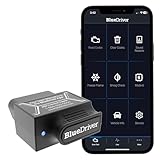
3. BlueDriver Bluetooth Pro OBDII Scan Tool for iPhone & Android - No Subscription Fee - OBD2 Car Scanner and Code Reader - Diagnose Check Engine, ABS, SRS, Airbag & 7000+ Issues on Vehicles 1996+
Overview:
BlueDriver revolutionizes vehicle diagnostics by transforming your smartphone into a professional-grade scan tool through Bluetooth connectivity. Compatible with all OBDII vehicles from 1996 onward, this compact dongle reads and clears codes across seven major systems including ABS, SRS, airbag, and TPMS. The free iOS/Android app provides unlimited repair reports with verified fixes, making complex diagnostics accessible to novice users without technical jargon.
What Makes It Stand Out:
The wireless design eliminates cable clutter while delivering capabilities exceeding most handheld scanners. Its standout feature is the integration of step-by-step repair videos directly within the app, guiding users through fixes. Real-time health monitoring during driving captures intermittent issues that static scanners miss. The absence of subscription fees is remarkable given the continuously updated repair database and software enhancements, making it a one-time investment.
Value for Money:
Priced competitively with mid-range handheld scanners, BlueDriver offers superior value through smartphone leverage—your phone provides the processing power, display, and internet connectivity. Comparable handheld units with live data graphing cost 30-50% more and lack video guidance. The unlimited repair reports and free lifetime updates eliminate ongoing costs that plague many “pro” tools, delivering professional insights at consumer prices.
Strengths and Weaknesses:
Strengths: Wireless convenience; smartphone-grade display and interface; integrated repair videos; unlimited free updates; no subscription fees; captures driving data; compact size; excellent for intermittent issues.
Weaknesses: Requires compatible smartphone; Bluetooth connectivity can occasionally drop; dependent on app updates and phone OS compatibility; no physical buttons for greasy-shop environments; limited offline functionality.
Bottom Line:
Perfect for tech-savvy DIYers and daily drivers wanting continuous vehicle monitoring. The repair video integration makes it uniquely educational, though professional mechanics may prefer traditional handheld units for shop durability.
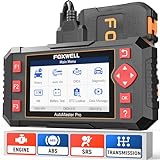
4. FOXWELL Car Scanner NT604 Elite OBD2 Scanner ABS SRS Transmission, Check Engine Code Reader for Cars and Trucks, Diagnostic Scan Tool with SRS Airbag, Automotive Diagnostic Tool with Live Data
Overview:
The FOXWELL NT604 Elite represents the 2026 updated generation of consumer-friendly diagnostic tools, functioning as a five-in-one scanner covering engine, ABS, SRS, transmission, and comprehensive OBDII systems. Designed for car owners seeking dealership-level insight before repairs, it arrives pre-loaded with software for immediate use across 60+ global vehicle makes. The tool emphasizes diagnostic depth over service functions, providing live data streaming and freeze frame analysis without maintenance resets.
What Makes It Stand Out:
The AUTOVIN rapid vehicle identification automatically retrieves VIN and specifications, saving manual input time—a feature often reserved for professional tools. Unlike competitors offering flimsy plastic bags, FOXWELL includes a solid protective case at no extra cost, reflecting genuine field-use consideration. Lifetime free updates ensure compatibility with new vehicle models without hidden fees. The 2026 hardware revision improves processing speed for live data graphing, making intermittent fault diagnosis more efficient.
Value for Money:
Positioned in the $100-150 range, the NT604 Elite undercuts similar multi-system scanners while including premium features like AUTOVIN and a hard case. Competing tools often charge $40-60 annually for updates or require separate case purchases. For DIYers needing reliable core-system diagnostics without advanced service functions (relearns, resets), it delivers 90% of professional capability at 25% of the cost, making it a pragmatic investment.
Strengths and Weaknesses:
Strengths: Five-system coverage; instant AUTOVIN recognition; durable included case; lifetime free updates; 60+ make compatibility; live data graphing; no batteries required; clear 2026 interface improvements.
Weaknesses: Explicitly lacks maintenance reset functions; no Bluetooth/app connectivity; screen size not specified but likely modest; requires manual vehicle selection if AUTOVIN fails; no mention of repair guidance database.
Bottom Line:
A robust, honest diagnostic tool that prioritizes essential functions over flashy extras. The protective case and lifetime updates make it a smart long-term purchase for serious DIY mechanics who don’t need service resets.
5. OBD2 Scanner Check Engine Light Car Code Reader Clear Error Codes ABS SRS SAS Etc Full Vehicle System Diagnostics Tool Compatible with Toyota Honda Ford

Overview:
This PX-801 variant expands its predecessor’s brand coverage to include Ford/Lincoln alongside Toyota and Honda/Acura, offering full-system diagnostics for these four manufacturers while providing universal OBDII engine/emissions scanning for all other vehicles. The tool targets owners of these specific brands with dealer-level capabilities including SAS (steering angle sensor) diagnostics, TPMS access, and hidden fault code detection. A high-performance chip processes real-time data through a 2.8-inch TFT display in eleven languages.
What Makes It Stand Out:
The expanded Ford/Lincoln compatibility distinguishes this from similar brand-specific scanners, covering a broader domestic vehicle base. Its professional-grade chip delivers VIN history checks—valuable when purchasing used vehicles. The plug-and-play operation requires no batteries or charging, drawing power directly from the OBDII port. The built-in 100,000+ code database eliminates manual lookup frustration, while cloud-based diagnostic report printing provides documentation for repair shops or warranty claims.
Value for Money:
For Toyota, Honda, or Ford family owners, this scanner offers tremendous value, accessing proprietary systems that universal tools cannot touch. The inclusion of Ford significantly broadens its market appeal compared to the Lincoln-only version. However, its value proposition remains brand-restricted—owners of other makes only receive basic OBDII functionality worth $30-50. The professional chip and full-system access justify the price for target-brand owners, effectively providing $600+ dealer tool capabilities at a fraction of the cost.
Strengths and Weaknesses:
Strengths: Expanded Ford/Lincoln coverage; dealer-level diagnostics for supported brands; extensive code database; cloud report printing; 11-language support; no power adapter needed; high-performance processor.
Weaknesses: Full-system diagnostics limited to four brands; small display hampers complex data review; no wireless connectivity; unclear update policy; lacks advanced service functions; manual model selection required.
Bottom Line:
An excellent specialized tool for Toyota, Honda, or Ford vehicle families. The expanded brand coverage makes it more versatile than brand-exclusive alternatives, but universal-scanner shoppers should look elsewhere for comprehensive multi-make support.
6. 2026 FOXWELL NT614 Elite OBD2 Scanner with 5 Resets ABS Bleeding, SAS Calibration, Oil, EPB, Throttle, Upgrade of NT604 Code Reader Scan Tools, ABS SRS Engine Transmission Battery Test Car Scanner
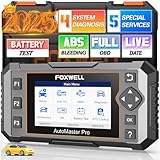
Overview: The FOXWELL NT614 Elite is a robust four-system diagnostic scanner targeting DIY mechanics and budget-conscious professionals. It delivers comprehensive coverage for engine, ABS, SRS, and transmission systems while packing five essential reset functions into a handheld unit that powers directly from the OBD-II port.
What Makes It Stand Out: This tool’s standout feature is its wireless convenience—lifetime WiFi updates eliminate SD card hassles, and pre-registration means instant out-of-box readiness. The dedicated ABS bleeding function is particularly impressive, allowing users to safely purge air from brake lines after maintenance without expensive shop visits. AutoVIN technology automatically identifies vehicles, streamlining the diagnostic process.
Value for Money: Positioned as a mid-range scanner, the NT614 Elite offers exceptional ROI by combining professional-level four-system diagnostics with five reset functions typically found in pricier units. The ability to perform ABS bleeding alone can offset the purchase price after one use, making it a smart investment compared to entry-level code readers.
Strengths and Weaknesses: Strengths include true wireless updating, intuitive operation, comprehensive four-system coverage, and practical reset functions. The direct OBD-II power eliminates cable clutter. However, it’s limited to four systems versus all-system scanners, lacks advanced graphing capabilities, and some users may find the screen smaller than premium alternatives. Vehicle compatibility, while broad, isn’t universal for all functions.
Bottom Line: The FOXWELL NT614 Elite is an excellent choice for DIY enthusiasts seeking professional-grade brake bleeding and four-system diagnostics without breaking the bank. While not a full-system scanner, its targeted feature set and wireless convenience deliver outstanding value for most home garages.
7. BLCKTEC 460T OBD2 Scanner Car Code Reader Engine ABS SRS Transmission Diagnostic Tool, 12 Reset Services, Oil/TPMS/EPB/BMS/SAS/DPF/Throttle Reset, ABS Bleeding, Battery Test, Auto VIN, Free Update
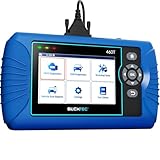
Overview: The BLCKTEC 460T positions itself as a professional-grade diagnostic powerhouse for serious DIYers and mechanics. Supporting all-system diagnostics across 10 OBD2 modes with 12+ reset functions, this scanner combines deep vehicle coverage with advanced data analysis capabilities in a feature-rich package.
What Makes It Stand Out: The 460T’s integration with RepairSolutions2 app provides master technician-verified fixes, OEM warranty data, and recall information—transforming it from a code reader into a complete repair guidance system. Its triple-automation (AutoVIN, AutoScan, AutoReLink) delivers three-times-faster diagnostics than competitors, while the ability to graph, record, and overlay four live data streams enables sophisticated troubleshooting.
Value for Money: Though priced higher than entry-level scanners, the 460T justifies its cost through true all-system coverage and 12+ dealer-level reset functions. The free RepairSolutions2 app access eliminates subscription fees that competitors charge, making it more economical long-term for users who regularly service multiple vehicle systems.
Strengths and Weaknesses: Major strengths include comprehensive system coverage, extensive reset capabilities, advanced data graphing, and intelligent automation features. The companion app adds tremendous value with verified repair solutions. However, function availability varies significantly by vehicle, requiring pre-purchase compatibility checks. The interface may overwhelm beginners, and the unit itself is more expensive than four-system scanners.
Bottom Line: For dedicated home mechanics and professionals needing all-system access with guided repair solutions, the BLCKTEC 460T is a compelling choice. Its app integration and extensive reset functions offer genuine workshop capabilities, but verify vehicle compatibility first to ensure you’re getting the features you need.
8. INNOVA 5310 OBD2 Scanner – ABS & SRS Code Reader, Check Engine Light Diagnostic Tool with Battery Test, Oil Reset, Live Data – Works with Most OBDII Vehicles 1996 & Newer
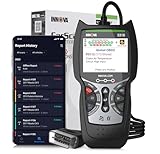
Overview: The INNOVA 5310 is a user-friendly diagnostic tool designed for North American vehicles, offering ABS, SRS, and engine diagnostics with battery testing capabilities. As a USA-designed product with domestic support, it targets home mechanics seeking reliable, straightforward troubleshooting with smartphone app integration.
What Makes It Stand Out: Its marriage of hardware reliability with the RepairSolutions2 app creates a seamless diagnostic ecosystem providing verified fixes, parts purchasing, and maintenance schedules. The inclusion of hybrid diagnostics and trip cycle procedures demonstrates forward-thinking design, while multilingual support broadens its accessibility for diverse users.
Value for Money: The 5310 sits in the sweet spot between basic code readers and professional scanners. While it lacks the extensive reset functions of premium models, its robust ABS/SRS coverage and battery testing deliver solid value. The free app integration and USA-based support add long-term worth without recurring fees.
Strengths and Weaknesses: Strengths include excellent domestic support, intuitive app pairing, reliable ABS/SRS diagnostics, and hybrid vehicle compatibility. The tool is well-built with clear menus. However, it’s limited to three primary systems, offers fewer reset functions than competitors, and requires smartphone reliance for advanced features. Coverage varies by vehicle, necessitating pre-purchase verification.
Bottom Line: The INNOVA 5310 is ideal for US-based DIYers prioritizing ease-of-use and reliable support over all-system coverage. It excels at diagnosing safety systems and battery issues but falls short for users needing advanced reset functions. Check compatibility for your specific vehicle before purchasing.
9. BLCKTEC 430 Bluetooth OBD2 Scanner for iPhone & Android, No Subscription Fee, OBDII Car Code Reader, Diagnose Check Engine, ABS, SRS, Airbag, Supports Vehicles 1996+

Overview: The BLCKTEC 430 is a compact Bluetooth OBD2 adapter that transforms smartphones into powerful diagnostic scanners. Designed for iPhone and Android users in the US and Canada, this dongle provides professional-grade code reading for engine, ABS, SRS, and TPMS systems without the bulk or cost of traditional handheld units.
What Makes It Stand Out: Its true wireless design eliminates cables entirely, drawing power directly from the OBD2 port while pairing seamlessly with the RepairSolutions2 app. The adapter’s ability to access safety system codes (ABS, SRS, airbag) alongside standard engine diagnostics distinguishes it from basic Bluetooth readers that only handle check engine lights.
Value for Money: At a fraction of the cost of standalone scanners, the 430 delivers exceptional value for smartphone-savvy users. The absence of subscription fees and inclusion of repair guidance through the app means ongoing value without hidden costs, making it an economical entry point into advanced diagnostics.
Strengths and Weaknesses: Strengths include ultra-portability, no battery requirements, comprehensive code coverage for safety systems, and robust app integration. The setup is straightforward for tech-comfortable users. However, it requires a smartphone, isn’t a standalone solution, and function availability varies by vehicle. The US/Canada limitation restricts international use, and some users report initial pairing challenges.
Bottom Line: The BLCKTEC 430 is perfect for DIYers comfortable with smartphone-based tools who need more than basic code reading. Its safety system coverage and repair guidance punch above its weight class, but verify vehicle compatibility and ensure you’re in the supported region before buying.
10. Professional OBD2 Scanner & Car Diagnostic Tool – Auto Code Reader for All Vehicles, Check Engine Light, ABS, SRS, Transmission, Battery & Emission Test, Live Data & Fix Suggestions

Overview: This professional-grade OBD2 scanner delivers comprehensive vehicle diagnostics in an accessible package designed for both DIY enthusiasts and shop mechanics. Supporting all OBDII protocols across 1996-present vehicles, it offers full-system scanning, live data streaming, and practical reset functions with a focus on user-friendly operation.
What Makes It Stand Out: The tool’s large color display and intuitive menu system make complex diagnostics approachable for non-professionals, while its durable rubberized construction with anti-slip grips suits demanding shop environments. The bundled carry case, lifetime USB updates, and exceptional 3-year warranty with 24/7 support demonstrate manufacturer confidence and user commitment.
Value for Money: Offering professional capabilities at a mid-market price point, this scanner represents strong value. The included accessories, free lifetime updates, and extensive warranty eliminate additional costs that competitors often hide. For users wanting standalone reliability without smartphone dependency, it undercuts premium brands while delivering comparable core functionality.
Strengths and Weaknesses: Strengths include comprehensive system coverage, robust physical design, multilingual support, EVAP monitoring, and outstanding warranty terms. The standalone operation appeals to users preferring dedicated hardware. However, USB updates are less convenient than wireless, the brand lacks name recognition of established competitors, and advanced data graphing capabilities aren’t explicitly mentioned. Vehicle compatibility still requires verification.
Bottom Line: This scanner is an excellent all-rounder for users seeking professional features with maximum support assurance. Its combination of comprehensive diagnostics, durable design, and industry-leading warranty makes it a smart choice for those prioritizing reliability and long-term value over brand prestige.
Understanding OBD2 Scanners with ABS/SRS Capabilities
What Makes ABS/SRS Support Essential in Modern Vehicles
Anti-lock Braking System (ABS) and Supplemental Restraint System (SRS) diagnostics go far beyond simple engine code reading. These safety-critical systems operate independently from your engine control module, requiring specialized communication protocols to access their data. When your ABS light illuminates, it could indicate anything from a faulty wheel speed sensor to a failing hydraulic pump—issues that basic scanners simply cannot detect. Similarly, SRS codes reveal problems with airbag sensors, seatbelt pretensioners, and crash detection modules that could compromise passenger safety.
The importance of accessing these systems cannot be overstated. A vehicle with an illuminated airbag light may have non-functional airbags during a collision, while ABS failures can dramatically increase stopping distances in emergency situations. Professional-grade scanners provide bidirectional communication with these modules, allowing you to not only read codes but also perform active tests and system bleed procedures that are essential for proper brake system maintenance.
The Evolution from Basic Code Readers to Advanced Diagnostic Tools
The journey from simple code readers to comprehensive diagnostic platforms reflects the automotive industry’s technological explosion. Early OBD2 scanners merely displayed numeric trouble codes, forcing mechanics to look up definitions in bulky manuals. Today’s advanced units feature graphical interfaces, real-time data streaming, and guided troubleshooting procedures that walk users through complex diagnostics step-by-step.
This evolution has democratized vehicle diagnostics, putting capabilities once reserved for dealership technicians into the hands of independent mechanics and serious DIYers. Modern scanners can graph multiple data parameters simultaneously, record intermittent faults that only appear under specific driving conditions, and even predict future failures by analyzing sensor behavior patterns. The integration of ABS and SRS diagnostics into these platforms represents a quantum leap from the “check engine” light-only tools that dominated the market just a decade ago.
Key Features That Define Top-Tier Diagnostic Scanners
Live Data Streaming and Freeze Frame Analysis
Live data streaming transforms diagnostic work from guesswork into precise science. Top-rated scanners display real-time sensor readings—oxygen sensor voltages, fuel trim percentages, wheel speed sensor data—allowing you to observe how systems behave under actual operating conditions. This capability proves invaluable when diagnosing intermittent issues that refuse to manifest in the repair bay. You can monitor engine parameters during a test drive, capturing the exact moment a sensor drops out or a circuit fails.
Freeze frame analysis captures a snapshot of all vehicle data parameters the instant a fault code is triggered. This forensic evidence reveals crucial context: Was the engine hot or cold? Was the vehicle accelerating or decelerating? What was the throttle position? Expert diagnosticians consider freeze frame data as important as the trouble code itself, often providing the clues needed to distinguish between a faulty sensor and a wiring problem that only appears under specific circumstances.
Bi-Directional Control and Active Testing
Bi-directional control represents the gold standard that separates premium scanners from basic code readers. This feature allows you to send commands directly to vehicle components, actively testing their operation rather than passively reading sensor data. You can command the ABS modulator to cycle individual valves, activate the EVAP purge solenoid, or command the cooling fan on and off—verifying component function without disassembly.
For ABS and SRS systems, bi-directional capabilities prove indispensable. Technicians can command the ABS pump to run, cycle individual wheel valves during brake fluid replacement, and perform automated bleed sequences that would otherwise require expensive dealership equipment. Airbag system testing benefits similarly, allowing you to trigger sensor calibrations and verify deployment circuit integrity safely. This active testing approach reduces diagnostic time dramatically while improving accuracy.
Wireless Connectivity Options
The elimination of cables through Bluetooth and Wi-Fi connectivity revolutionizes how technicians interact with vehicles. Wireless scanners pair with smartphones, tablets, or dedicated display units, freeing you from the constraints of cable length and connector durability. This flexibility proves particularly valuable when performing underhood diagnostics while monitoring live data inside the vehicle, or when working on multiple vehicles in a busy shop environment.
Advanced wireless systems maintain stable connections across impressive distances, allowing technicians to perform road tests while monitoring data on a passenger-held tablet. Cloud integration takes this further, enabling remote diagnostics where a senior technician can view live data from a junior mechanic’s scanner across the country. The best systems automatically sync diagnostic reports and code histories, creating comprehensive vehicle health records that track issues over time.
Software Update Policies and Longevity
A scanner’s hardware represents only half its value proposition—the software and update policy determine its useful lifespan. Leading manufacturers provide regular updates that add new vehicle coverage, improved diagnostics for existing models, and enhanced user interface features. These updates become critical as manufacturers release new models with modified communication protocols and additional control modules.
The most reputable companies offer free lifetime updates, viewing their scanners as platforms rather than disposable tools. Others structure updates as annual subscriptions, which can accumulate significant costs over the tool’s lifespan. Before investing, investigate the manufacturer’s track record for supporting discontinued models and their transparency about future update costs. A scanner that becomes obsolete after three years due to costly updates represents poor long-term value, regardless of its initial purchase price.
Decoding the Technical Specifications
Protocol Compatibility and Vehicle Coverage
Modern vehicles communicate through multiple protocols—CAN, ISO, KWP2000, PWM, and others—often within the same vehicle. Premium scanners automatically detect and switch between these protocols seamlessly, while inferior units may struggle with certain manufacturers or model years. True global coverage means supporting not just domestic and Asian vehicles, but also European luxury brands that often use proprietary extensions to standard protocols.
Vehicle coverage extends beyond protocol compatibility to include manufacturer-specific codes and procedures. Generic OBD2 codes represent only the tip of the diagnostic iceberg; manufacturer-specific powertrain, chassis, and body codes provide the granular detail needed for accurate diagnosis. The best scanners include these expanded code definitions without requiring additional paid modules, covering ABS, SRS, transmission, climate control, and other proprietary systems across dozens of manufacturers.
Screen Quality and User Interface Design
A scanner’s display quality directly impacts diagnostic efficiency in real-world shop conditions. Bright, high-resolution screens with good viewing angles remain readable in direct sunlight—a common scenario during road tests and outdoor diagnostics. Touchscreen interfaces should respond reliably even when the user wears mechanic’s gloves, while physical buttons provide reliable fallback control in dirty environments.
User interface design influences diagnostic speed more than many realize. Intuitive menu structures reduce the time spent hunting for functions, while customizable home screens allow technicians to place frequently used features at their fingertips. Graphical data displays should offer multiple viewing options—numeric readouts, gauge displays, line graphs—letting you choose the format that best reveals patterns in the data. The ability to record and playback data streams with frame-by-frame analysis transforms intermittent fault diagnosis from frustrating guesswork into systematic investigation.
Memory Storage and Data Management
Internal memory capacity determines how many diagnostic sessions you can store before offloading data. Professional technicians require substantial storage for recording extended road test data, storing multiple freeze frames, and maintaining customer vehicle histories. The best scanners include expandable storage via SD cards or USB drives, allowing essentially unlimited data retention.
Data management features separate professional tools from consumer gadgets. Robust file systems organize diagnostic data by vehicle, date, or fault type, making it easy to retrieve historical information. Export capabilities in standard formats allow integration with shop management software, while built-in report generators create professional documentation for customers. Some advanced units automatically tag recorded data with GPS location and timestamp information, invaluable when diagnosing intermittent issues that only occur on specific roads or driving conditions.
Price Tiers and What to Expect at Each Level
Entry-Level Options for Home Mechanics
Budget-friendly scanners in the sub-$150 range now offer surprising capabilities, often including basic ABS and SRS code reading that was premium-only just a few years ago. These units typically provide code reading and clearing, limited live data, and generic freeze frame information. While they lack bi-directional control and advanced graphing, they serve admirably for diagnosing common issues and verifying repair completion.
The compromises at this price point involve build quality, update policies, and vehicle coverage depth. Expect plastic housings that may not survive repeated drops, smaller displays with lower resolution, and potentially costly update subscriptions. Many entry-level scanners excel at engine diagnostics but provide only rudimentary ABS/SRS support—reading codes but offering limited live data or manufacturer-specific procedures. For owners of older vehicles or those tackling basic maintenance, these limitations rarely prove problematic.
Mid-Range Professional Tools
The $300-$800 price bracket represents the sweet spot for serious DIYers and entry-level professional technicians. Scanners in this range deliver robust ABS/SRS diagnostics with comprehensive live data, freeze frame analysis, and often some bi-directional capabilities. Build quality improves significantly with rubberized housings, larger color displays, and more reliable wireless connectivity.
These mid-tier tools typically include free lifetime updates from reputable manufacturers, ensuring the tool remains valuable as your vehicle fleet changes. Advanced graphing capabilities allow monitoring multiple parameters simultaneously, while enhanced data recording helps diagnose intermittent faults. Many units in this range offer module coding and adaptation functions for common maintenance procedures like battery registration, throttle adaptation, and steering angle sensor calibration—features that traditionally required dealership tools.
Premium Professional-Grade Equipment
Professional-grade scanners commanding $1,000+ prices deliver capabilities that approach or match dealership diagnostic equipment. These tools provide complete bi-directional control across all vehicle systems, guided diagnostic procedures with wiring diagrams, and integration with technical information systems. ABS/SRS diagnostics include automated test sequences, system bleed procedures, and sensor calibration functions that are essential for modern brake and safety system service.
The investment includes robust hardware designed for daily shop use, comprehensive vehicle coverage including exotic and heavy-duty applications, and sophisticated software with regular updates. Cloud integration, remote diagnostic support, and team management features cater to multi-bay shops. While overkill for casual DIY use, these tools pay for themselves quickly in professional environments by reducing diagnostic time and eliminating outsourcing to dealerships for advanced procedures.
Expert Evaluation Criteria for 2026
Build Quality and Durability Standards
Professional technicians evaluate scanner durability differently than casual users. The tool must survive daily exposure to shop environments—drops from lift heights, exposure to brake fluid and oil, temperature extremes from winter road tests to hot engine compartments. Premium housings use impact-resistant plastics with rubber overmold in critical areas, while connectors feature strain relief and gold-plated contacts that resist corrosion.
Internal component quality matters equally. Industrial-grade circuit boards, solid-state memory, and robust wireless modules ensure reliable operation years after purchase. Experts recommend examining warranty terms as a proxy for manufacturer confidence—tools with three or five-year warranties typically use higher-grade components than those with 90-day coverage. Repairability also factors into long-term value; modular designs that allow connector or screen replacement extend tool lifespan significantly.
Customer Support and Warranty Provisions
Even the best diagnostic tools encounter issues requiring manufacturer support. Leading companies provide multiple support channels—phone, email, live chat—with technicians who understand both their product and automotive diagnostics. Response time proves critical when a tool malfunction threatens shop productivity; same-day support separates premium brands from budget importers.
Warranty terms reveal much about product quality and company confidence. Look for warranties covering both hardware defects and software functionality, with clear procedures for repair or replacement. Some manufacturers offer advance replacement programs, shipping a replacement unit before you return the faulty one. Extended warranty options and accidental damage protection plans provide additional peace of mind for tools that represent significant investments.
Community and Technical Resources
The most valuable diagnostic tools connect users to knowledge ecosystems. Active online communities—official forums, Facebook groups, user-created YouTube channels—provide real-world troubleshooting tips, vehicle-specific procedures, and workarounds for common issues. Manufacturers that actively participate in these communities and incorporate user feedback into software updates demonstrate commitment to customer success.
Technical resource libraries separate professional-grade tools from consumer gadgets. Comprehensive code definition databases with real-world repair solutions, wiring diagrams integrated into diagnostic procedures, and video tutorials for complex tests transform a simple scanner into a complete diagnostic solution. Some manufacturers partner with technical information providers, offering discounted access to repair databases that would cost hundreds annually if purchased separately.
Common Buying Mistakes to Avoid
Overpaying for Unnecessary Features
Many buyers succumb to feature creep, purchasing scanners with capabilities far beyond their actual needs. A home mechanic working on two family vehicles doesn’t require heavy-duty truck diagnostics, oscilloscope functions, or programming capabilities for European luxury cars. These unused features inflate cost and complicate the user interface, making basic diagnostics more cumbersome.
Before shopping, honestly assess your needs: Which vehicles will you service? What types of repairs do you perform? Do you need professional documentation for customers? Match scanner capabilities to these requirements, not to an imaginary “best case scenario” where you suddenly start rebuilding transmissions. Many excellent mid-range scanners perfectly serve DIY needs without the complexity and cost of professional tools.
Overlooking Update Subscription Costs
That attractive $150 scanner becomes less appealing when you discover its $100 annual update subscription. Over five years, subscription costs can exceed the initial purchase price of a tool with free lifetime updates. Always factor long-term ownership costs into your decision, particularly if you plan to service newer vehicles that require regular coverage updates.
Investigate update policies thoroughly: Are updates truly free, or are they free only for a limited period? Does the manufacturer provide security updates for older models, or do they force obsolescence? Some companies charge separately for new vehicle coverage, bug fixes, and feature enhancements, creating a confusing and expensive update ecosystem. Transparent, straightforward update policies typically indicate customer-focused manufacturers.
Ignoring Vehicle-Specific Limitations
Universal scanners rarely provide truly universal coverage. European luxury vehicles often require manufacturer-specific adapters or software modules that cost extra. Hybrid and electric vehicles use entirely different diagnostic architectures that many scanners cannot access. Even within a single manufacturer, coverage varies by model year and trim level.
Before purchasing, verify coverage for your specific vehicles using the manufacturer’s online database or by contacting their support team. Pay particular attention to ABS and SRS coverage depth—some scanners read codes from these systems but cannot perform essential procedures like sensor calibration or system bleeding. Reading a glowing review about a scanner’s capabilities on Ford trucks means little if you primarily service Volkswagen vehicles.
How to Maximize Your Diagnostic Tool Investment
Learning Resources and Training Materials
Owning a powerful scanner without understanding how to interpret its data wastes potential. Premium manufacturers provide extensive training resources: video tutorials demonstrating advanced functions, webinars covering new vehicle technologies, and detailed user guides that explain not just button sequences but diagnostic strategies. Some offer certification programs that enhance your professional credentials while improving your diagnostic skills.
Third-party training resources complement manufacturer materials. Online courses in automotive diagnostics teach you to think like an engineer, understanding system interactions and failure patterns rather than just reading codes. Books on specific vehicle systems—ABS, airbags, CAN bus networks—provide foundational knowledge that transforms raw data into actionable repair procedures. The most successful scanner owners invest as much time in learning diagnostics as they do in selecting their tools.
Integration with Repair Databases
Modern diagnostics rarely end at code reading; they begin there. Leading scanners integrate seamlessly with online repair databases, allowing you to click a trouble code and access technical service bulletins, wiring diagrams, component locations, and step-by-step repair procedures. This integration eliminates time-consuming manual searches and reduces the risk of misdiagnosis from incomplete information.
Some scanner manufacturers partner with database providers to offer bundled subscriptions at reduced rates, while others include basic database access with tool purchase. Evaluate these partnerships carefully—a scanner that saves you $500 on annual database subscriptions effectively costs $500 less than its sticker price. The ability to access real-world repair experiences and factory technical information transforms diagnostic capabilities from guesswork into systematic problem-solving.
DIY vs Professional Use Cases
Scanner requirements diverge significantly between DIY and professional environments. Home mechanics prioritize ease of use, clear instructions, and reliable code definitions for common issues. They benefit from scanners that explain codes in plain English and suggest likely causes, even if this simplifies complex issues. Portability and battery life matter more than ruggedness, since the tool spends most of its time in a garage rather than bouncing between bays.
Professional technicians need speed, depth, and documentation capabilities. They require scanners that boot quickly, connect instantly, and provide rapid access to advanced functions without navigating through consumer-oriented menus. Integration with shop management software for billing and record-keeping becomes essential, as does the ability to create professional customer reports. Durability and update policies carry more weight than initial purchase price when the tool generates daily income.
The Future of Automotive Diagnostics
AI-Powered Diagnostic Assistance
Artificial intelligence is revolutionizing how scanners interpret vehicle data. Rather than simply displaying parameter values, AI-enhanced tools analyze patterns across hundreds of data points, identifying subtle anomalies that precede component failures. These systems learn from millions of diagnostic sessions, recognizing failure signatures specific to vehicle makes, models, and even production batches.
For ABS and SRS systems, AI assistance proves particularly valuable. These safety systems generate complex data patterns during normal operation, making it difficult for human technicians to identify early-stage failures. AI algorithms can detect wheel speed sensor degradation before it triggers a fault code, or identify airbag sensor drift that could cause improper deployment timing. As we approach 2026, expect AI diagnostic suggestions to become standard in mid-range and premium scanners.
Cloud-Based Data Sharing
Cloud connectivity transforms individual scanners into nodes of a global diagnostic network. Technicians can upload anonymized diagnostic data to manufacturer clouds, contributing to vast databases that improve AI accuracy and reveal emerging failure trends. When your scanner detects an unusual pattern, it can query the cloud for similar cases, potentially revealing a known issue with a specific vehicle production range.
This connectivity enables remote diagnostics where experts can view live data from anywhere, guiding less-experienced technicians through complex procedures via video call while seeing exactly what the scanner displays. Fleet operators benefit enormously, tracking vehicle health across hundreds of assets and predicting maintenance needs before failures occur. Privacy concerns remain important, but proper anonymization and opt-in policies make cloud features invaluable for professional users.
Electric Vehicle Compatibility
As electric vehicles dominate new car sales, diagnostic tools must evolve to service high-voltage systems safely. EVs eliminate traditional engine diagnostics but add complex battery management systems, motor controllers, and regenerative braking systems that require specialized knowledge and tools. Leading scanner manufacturers are expanding coverage to include these systems while adding safety features that protect technicians from high-voltage hazards.
EV diagnostics focus heavily on battery health, cell balancing, and thermal management—parameters unfamiliar to traditional mechanics. Scanners must display this data meaningfully, translating raw cell voltages and temperatures into actionable health assessments. Integration with manufacturer service procedures for battery pack maintenance and component replacement becomes as critical as engine diagnostics were for gasoline vehicles. Forward-thinking buyers in 2026 should prioritize EV-ready scanners, even if they currently own only gasoline vehicles.
Frequently Asked Questions
What is the difference between a basic OBD2 scanner and one with ABS/SRS support?
Basic OBD2 readers only communicate with the engine control module to read emissions-related codes. Scanners with ABS/SRS support access additional control modules for the anti-lock braking system and airbag system, reading manufacturer-specific codes, displaying live sensor data, and often performing active tests that are essential for proper diagnosis and repair of these safety-critical systems.
Can I clear ABS and SRS warning lights with any scanner that claims to support these systems?
Reading and clearing codes is just the first step. Quality scanners will clear the warning light, but if the underlying fault persists, the light will immediately return. More importantly, many ABS and SRS repairs require calibration procedures, sensor initialization, or system bleeding that basic scanners cannot perform. Professional-grade tools guide you through these necessary steps to ensure the repair is complete.
Do wireless OBD2 scanners perform as reliably as wired units?
Modern Bluetooth and Wi-Fi scanners from reputable manufacturers offer performance equal to wired units, with the added convenience of mobility. The key is choosing a scanner with robust wireless hardware and good software design that handles connection drops gracefully. Professional-grade wireless scanners maintain stable connections during road tests and offer automatic reconnection without data loss.
How important are software updates for diagnostic scanners?
Updates are crucial for maintaining vehicle coverage as new models are released and for fixing bugs that affect diagnostic accuracy. Manufacturers constantly improve code definitions, add new tests, and expand system coverage. Scanners without regular updates quickly lose value, especially if you service newer vehicles. Prioritize manufacturers with transparent, affordable update policies.
What should I look for in scanner display quality?
Choose a scanner with a bright, high-contrast display readable in direct sunlight. Screen size matters less than resolution and viewing angles. Touchscreens should respond accurately even when wearing gloves. Color displays help distinguish data streams and highlight abnormal values, while customizable layouts let you arrange information for maximum diagnostic efficiency.
Can one scanner truly work on all vehicle makes and models?
No scanner provides perfect universal coverage, though premium units come close. European luxury vehicles and certain Asian manufacturers often require specific adapters or software modules. Heavy-duty trucks, exotic sports cars, and electric vehicles may need specialized tools. Always verify coverage for your specific vehicles before purchasing, paying special attention to ABS and SRS system depth.
Is bi-directional control worth the extra cost for home mechanics?
For most DIY users, basic code reading and live data suffice. However, bi-directional control becomes valuable if you perform your own brake work, steering repairs, or component replacements. Functions like ABS system bleeding, throttle adaptation, and sensor calibration can save hundreds in shop fees. Consider your typical repair scope when deciding if the premium is justified.
How do I know if a scanner’s vehicle coverage claims are accurate?
Verify coverage through manufacturer-published vehicle lists and independent user forums. Search for your specific year, make, and model plus the scanner brand to find real-world user experiences. Reputable manufacturers offer trial periods or money-back guarantees, allowing you to test compatibility before committing. Be skeptical of vague “works on most vehicles” claims without specific documentation.
What are the hidden costs of owning a diagnostic scanner?
Beyond the purchase price, consider update subscriptions, required adapters for certain vehicles, repair database access fees, and potential hardware repairs. Some scanners require annual recalibration or battery replacements. Factor in the cost of protective cases and extended warranties. Calculate total cost of ownership over five years to compare tools accurately.
Will my scanner become obsolete as vehicles become more advanced?
Quality scanners with regular updates and robust hardware remain useful for many years. However, the shift to electric vehicles and advanced driver assistance systems may eventually require new diagnostic architectures. Manufacturers that embrace modular designs and software-defined functionality extend tool lifespan. Choose scanners from companies with strong track records of supporting legacy products while adapting to new technologies.
See Also
- 10 Expert-Recommended OBD2 Code Readers with ABS/SRS Support for Full Diagnostics in 2026
- 10 Top-Rated OBD2 Code Readers According to Experts in 2026
- 10 Premium OBD2 Code Readers with ABS/SRS Support (Worth the Investment)
- The 10 Most Revolutionary OBD2 Code Readers with ABS/SRS Support of 2026
- 10 Top-Rated Code Readers According to Automotive Experts in 2026