Table of Contents
Whether you’re a seasoned gearhead or a weekend warrior tackling your first engine tune-up, understanding ignition timing is crucial for optimal vehicle performance. A timing light is one of those essential tools that bridges the gap between guesswork and precision, allowing you to see exactly when your spark plugs fire in relation to piston position. As automotive technology evolves, these devices have become more sophisticated, offering features that would have seemed like science fiction to mechanics just a decade ago.
This comprehensive guide explores everything you need to know about selecting and using a timing light in 2026. We’ll walk you through the key features that separate professional-grade equipment from basic models, discuss which specifications actually matter for your specific needs, and help you navigate the complex landscape of modern ignition systems. By the end, you’ll be equipped with the knowledge to make an informed decision without getting lost in marketing hype or technical jargon.
Top 10 Timing Lights
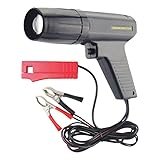

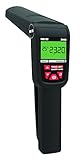


Detailed Product Reviews
6. Innova 3555 Advance Timing Light
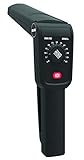
Overview: The Innova 3555 is a professional-grade timing light engineered for serious automotive enthusiasts and mechanics requiring precise ignition timing control. This inductive strobe light features an advance dial for checking base timing, mechanical and electronic advance/retard applications across conventional, electronic, and computer-controlled ignition systems. Its universal fit covers domestic and import vehicles, making it a versatile addition to any tool collection.
What Makes It Stand Out: The patented Skip Circuitry enables testing up to 9,990 RPM, accommodating high-performance engines. The direct-reading advance scale adjusts from 0-60 degrees, eliminating mental calculations and improving accuracy. Its slim, rotating barrel provides superior aiming capability at timing marks in cramped engine bays—a crucial feature for modern vehicles with tight clearances where visibility is limited.
Value for Money: Positioned in the mid-range professional category, the 3555 offers excellent value for serious DIY mechanics and professionals. While pricier than basic models, it eliminates the need for separate advance timing tools and works with virtually any ignition system. The durability and feature set justify the investment over cheaper alternatives that lack advance measurement capabilities.
Strengths and Weaknesses: Pros: Universal compatibility across ignition types; accurate advance dial (0-60°); high RPM capacity; rotating barrel for easy targeting; robust construction for shop use. Cons: Analog design lacks digital readout; may be overkill for casual users; requires 12V battery connection, limiting portability.
Bottom Line: The Innova 3555 is an exceptional timing light for those who regularly work on varied ignition systems. Its advance dial functionality and high RPM capacity make it worth the premium over basic models for serious automotive work.
7. OBDMONSTER Pro Ignition Timing Light, 12V Engine Strobe Lamp Inductive Petrol Engine Timing Gun with Strong Flash Strobe Automotive Tool for Car, Motorcycle, Marine

Overview: The OBDMONSTER Pro is a budget-friendly timing light designed for automotive enthusiasts seeking essential timing adjustment capabilities without professional-level investment. This 12V inductive strobe lamp works on petrol engines across automobiles, motorcycles, marine applications, and small equipment, covering two-stroke and four-stroke gasoline engines up to what appears to be 10,000 RPM (correcting the listed 1000rpm).
What Makes It Stand Out: This tool emphasizes practical improvements over entry-level models, featuring a 58% brightness enhancement for daylight visibility and 25% wire thickening for improved durability. The integrated line machine design strengthens connections, while the ergonomic pistol-grip handle ensures comfortable extended use. The sliding spark plug sensor clip provides secure, easy hookup to cylinder one.
Value for Money: Exceptional value for occasional mechanics and DIYers. Priced significantly below professional units, it delivers core functionality with meaningful durability upgrades. While lacking advanced features like advance measurement, it provides reliable timing checks for routine maintenance and performance tuning on a budget.
Strengths and Weaknesses: Pros: Enhanced brightness for outdoor use; reinforced wiring; ergonomic design; wide engine compatibility; simple operation. Cons: No advance angle measurement; basic analog functionality; build quality inferior to premium brands; limited diagnostic features.
Bottom Line: For home mechanics needing a straightforward, reliable timing light for periodic use, the OBDMONSTER Pro offers impressive brightness and durability upgrades at an entry-level price. It’s a practical choice that prioritizes essential functionality over advanced features.
8. ANCEL LT70 Digital Timing Light Automotive with Tachometer (RPM), Advance, Dwell & Voltage Test, Self-Powered Inductive Ignition LED Timing Gun with Type-C Charging & 12V Backup for Gas Engines

Overview: The ANCEL LT70 represents the next generation of timing lights, transforming a simple strobe tool into a comprehensive engine diagnostics device. This 4-in-1 digital unit combines ignition timing with RPM measurement, dwell angle testing, and voltmeter functionality. Its self-powered design with Type-C rechargeable battery and 12V backup offers unprecedented flexibility for modern mechanics.
What Makes It Stand Out: The industrial-grade LED strobe delivers over 1,000,000 flashes with minimal heat generation, far outlasting traditional xenon tubes. The integrated LCD screen provides real-time digital readings for all four functions, eliminating guesswork. The 60° adjustable head ensures clear sightlines in any engine bay, while the 0-35V voltmeter and dwell angle detection enable comprehensive ignition system health assessment.
Value for Money: Premium-priced but cost-effective for professionals, the LT70 replaces four separate diagnostic tools. For serious mechanics, this consolidation justifies the investment through workspace efficiency and reduced equipment costs. The rechargeable battery eliminates ongoing power supply expenses.
Strengths and Weaknesses: Pros: Four integrated functions; cordless operation; durable LED strobe; digital accuracy; heavy-duty construction; versatile power options. Cons: High price point; complexity may overwhelm beginners; learning curve for full feature utilization.
Bottom Line: The ANCEL LT70 is the ultimate timing light for professional mechanics and advanced enthusiasts. Its multi-function capability and cordless convenience make it worth every penny for those who demand comprehensive diagnostics in one rugged package.
9. ROADGIVE 12V Engine Timing Light Strobe Lamp Inductive Petrol Ignition Timing Light Automotive Tool with Spark Plug Tester for Car Motorcycle Marine Lawnmower

Overview: The ROADGIVE timing light is an entry-level automotive tool designed for budget-conscious DIYers needing basic ignition timing capabilities. Constructed with an impact-resistant ABS housing and featuring a high-brightness xenon lamp, this strobe light works on 12V gasoline engines across cars, motorcycles, marine vessels, and lawnmowers, covering two-stroke and four-stroke applications.
What Makes It Stand Out: This kit includes a bonus spark plug tester, adding diagnostic value at this price point. The pistol-grip handle offers ergonomic comfort during operation, while color-coded sensor clips (red and black) simplify safe connections. The sliding clamp design ensures secure attachment to cylinder one, and the strong xenon flash provides adequate visibility for timing marks.
Value for Money: Among the most affordable timing lights available, it delivers essential functionality for occasional users. The included spark plug tester enhances value, effectively providing two basic diagnostic tools for less than the price of one professional-grade timing light. Ideal for homeowners maintaining small engines and vehicles.
Strengths and Weaknesses: Pros: Extremely affordable; includes spark plug tester; simple operation; wide compatibility; ergonomic design. Cons: Basic xenon bulb less durable than LED; no advance measurement; limited RPM range; build quality reflects price point.
Bottom Line: The ROADGIVE timing light serves beginners and occasional mechanics well, offering basic timing adjustment capability plus a spark plug tester at an unbeatable price. It’s a sensible starter tool, though professionals will quickly outgrow its limited features.
10. Innova 3551 Inductive Timing Light
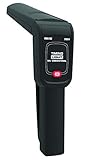
Overview: The Innova 3551 is a mid-range inductive timing light from a trusted automotive tool brand, offering reliable ignition timing diagnostics for DIY mechanics and professionals. This strobe light checks base timing, diagnoses no-spark conditions, and tests for electronic advance/retard across most ignition systems including DIS, conventional, electronic, and computer-controlled domestic and import vehicles.
What Makes It Stand Out: Featuring Innova’s patented Skip Circuitry, it tests up to 9,990 RPM, matching professional-grade units. The slim, rotating barrel allows precise aiming at timing marks in confined spaces, while the protective hand guard enables safe one-handed operation—a thoughtful safety feature. Its universal compatibility makes it versatile for multi-vehicle households or shops.
Value for Money: Priced between entry-level and premium models, the 3551 offers excellent brand reliability and core functionality without the cost of advance measurement dials. For mechanics who don’t require advance angle testing, it provides professional-grade RPM capacity and compatibility at a reasonable price point.
Strengths and Weaknesses: Pros: Trusted brand reputation; high RPM capacity; rotating barrel; safety hand guard; broad system compatibility; robust construction. Cons: Lacks advance dial functionality; analog display; requires 12V battery connection; fewer features than the 3555 model.
Bottom Line: The Innova 3551 is a solid, reliable timing light for serious DIY mechanics who prioritize brand quality and high-RPM capacity over advance measurement features. It strikes an excellent balance between performance and price for regular automotive maintenance.
Understanding Timing Lights: The Basics
What Is a Timing Light and How Does It Work?
A timing light is a stroboscopic device that flashes in sync with your engine’s spark plug firings, essentially freezing the motion of your crankshaft pulley at the exact moment of ignition. When you point it at the timing marks on your engine, the flashing effect makes the rotating marks appear stationary, revealing your ignition timing in real-time. The tool connects to your battery for power and uses an inductive clamp around the number one spark plug wire to detect each firing. This simple yet brilliant mechanism has remained fundamentally unchanged for decades, though modern versions have added significant enhancements in accuracy, visibility, and user-friendliness.
Why Ignition Timing Matters for Engine Performance
Ignition timing directly impacts your engine’s efficiency, power output, and longevity. If spark occurs too early (advanced), you risk detonation and engine damage. Too late (retarded), and you’re leaving horsepower on the table while increasing emissions. Proper timing ensures the air-fuel mixture ignites at the optimal moment for maximum pressure to build as the piston begins its power stroke. In older vehicles, this adjustment is mechanical and critical. Even in modern cars with computer-controlled timing, understanding these principles helps diagnose issues and verify that sensors are functioning correctly. A timing light becomes your window into this invisible but vital process.
The Evolution of Timing Light Technology
The transition from traditional xenon bulb timing lights to LED technology represents the biggest leap forward in recent years. LED models offer instant-on capability, brighter flashes, and significantly longer lifespan. They’ve also enabled digital displays that can show RPM, voltage, and advance curves without requiring additional equipment. Wireless connectivity and smartphone integration are emerging features in 2026, allowing you to log data and view timing curves on your device screen. However, the fundamental principle remains the same—flashing light synchronized with ignition events—proving that sometimes the best innovations refine rather than replace proven mechanics.
Key Features to Consider When Buying
Brightness and Visibility
The primary job of a timing light is to be seen clearly in harsh garage conditions. Brightness matters more than you might think, especially when working outdoors or in well-lit shops. LED models typically outperform older xenon bulbs in luminous intensity, producing crisp, sharp flashes that make timing marks pop even in daylight. Look for specifications mentioning lumens or candela ratings above 800 for professional use. The flash duration also affects visibility—shorter flashes freeze motion better but can appear dimmer, while longer flashes are brighter but may blur at high RPMs. Top-tier models balance these factors with adjustable flash intensity settings.
Compatibility with Different Ignition Systems
Not all timing lights work with all ignition types. Traditional inductive timing lights function perfectly with conventional distributor-based systems, but modern coil-on-plug (COP) and coil-near-plug (CNP) systems require specialized adapters or different technology entirely. Some advanced units include multiple modes that automatically detect the ignition type and adjust sensitivity accordingly. For 2026, ensure any model you consider explicitly states compatibility with both traditional and distributorless ignition systems (DIS). The clamp design matters too—flexible, well-insulated inductive pickups prevent false triggers and work around tight plug wire routing.
Durability and Build Quality
Your timing light will inevitably take a beating—dropped on concrete, exposed to hot engine components, and tossed in tool boxes. Professional-grade models feature reinforced housings made from impact-resistant polymers, often with rubber overmolding for grip and shock absorption. The trigger switch should feel solid with a positive click, not mushy or fragile. Check for strain relief where the power cord meets the housing, as this is a common failure point. Weather-resistant seals protect internal electronics from oil, coolant, and the occasional raindrop when working outdoors. A good warranty—three years or more—often indicates manufacturer confidence in durability.
Ease of Use and Ergonomics
You’ll be holding and aiming this tool at awkward angles while leaning over fenders, so weight distribution and grip design significantly impact user experience. The best models balance evenly in your hand, with the trigger naturally positioned under your index finger. Cable length matters—look for at least six feet of cord between the light and battery clips to reach across engine bays comfortably. Detachable or coiled cords offer flexibility. Controls should be intuitive and accessible without requiring two hands. Some premium models feature pistol-grip designs that reduce wrist strain during extended diagnostic sessions.
Power Source Options
Traditional timing lights draw power directly from the vehicle’s battery via alligator clips, ensuring consistent performance. However, battery-powered options offer freedom from cords and easier use in tight spaces. Rechargeable lithium-ion models are becoming standard in 2026, providing 8-12 hours of continuous use. The trade-off is that battery-powered units can lose brightness as charge depletes, while corded models maintain consistent output. Some hybrid designs offer both options, using battery power for convenience but allowing direct connection when maximum brightness is needed. Consider your typical work environment—cordless is great for mobile mechanics, while corded suits shop environments.
Types of Timing Lights Available Today
Xenon vs. LED Technology
The xenon vs. LED debate continues, but the tide has clearly shifted toward LED for most applications. Xenon bulbs produce an intense, natural-colored flash that some purists prefer, and replacement bulbs are cheap and widely available. However, they require warm-up time, consume more power, and burn out relatively quickly. LED timing lights offer instant operation, extreme durability (no filament to break), and can flash at much higher rates without overheating. They also enable features like variable flash patterns and integration with digital displays. For 2026, LED represents the modern standard, though a few specialty xenon models remain popular for specific vintage applications.
Inductive vs. Inline Designs
Inductive timing lights use a clamp that goes around the spark plug wire without breaking the connection, making them safe and convenient. They’re the modern standard and work with most ignition systems. Inline designs require you to disconnect the plug wire and route it through the timing light’s sensor, providing more accurate readings in some cases but increasing the risk of shock and being less convenient. For most users, inductive is the only sensible choice. However, inline designs still find use in racing applications where absolute precision is paramount and engines are frequently torn down anyway.
Professional-Grade vs. DIY Models
The distinction between professional and DIY timing lights has blurred, but key differences remain. Professional models typically feature higher build quality, brighter flashes, broader compatibility, and advanced features like advance timing measurement and RPM display. They’re built for daily use and can withstand shop abuse. DIY models focus on simplicity and affordability, often providing just basic timing functionality. They work perfectly well for occasional use but may lack the durability and precision for professional work. Consider your usage frequency—spending extra on professional-grade equipment makes sense if you’ll use it weekly, while a quality DIY model serves hobbyists perfectly.
Advanced Features Worth Considering
Digital Displays and Data Reading
Modern timing lights increasingly incorporate digital displays that show more than just timing. RPM readouts help you verify idle speed and check advance curves across the rev range. Some models display dwell angle on points-type ignitions or show voltage to diagnose charging system issues. The display should be backlit and positioned where you can read it without contorting your neck. In 2026, color LCD screens are becoming common, offering better visibility and the ability to show graphs or timing curves. However, ensure the display doesn’t compromise the primary function—a timing light must first and foremost produce a clear, bright flash.
Advance Timing Functions
Measuring total advance (initial plus centrifugal/vacuum) is crucial for performance tuning. Traditional methods required marking the balancer and using a separate tachometer, but modern timing lights can calculate and display advance directly. Look for models with an advance knob or digital setting that lets you dial in the desired timing—the flash will then occur at that advance point, making it easy to read on the balancer. Some units can plot advance curves automatically by sweeping through RPM ranges. This feature is invaluable for carbureted performance engines but less critical for stock fuel-injected vehicles with fixed timing maps.
Tachometer Integration
Built-in tachometers eliminate the need for a separate RPM measurement tool during timing adjustments. The timing light reads engine speed from the spark signal and displays it on an integrated screen. This is particularly useful when setting idle speed or checking for RPM-dependent timing issues. Accuracy typically ranges within ±50 RPM, sufficient for most applications. Some advanced models can even detect misfires by monitoring RPM fluctuations. While not essential for basic timing checks, integrated tach functionality streamlines the tuning process and reduces the tools you need to carry.
Price vs. Quality: Finding the Sweet Spot
Budget-Friendly Options Under $50
Entry-level timing lights in this range provide basic functionality for occasional use. They typically feature xenon bulbs, simple inductive clamps, and minimal extra features. Build quality is adequate for home mechanics who might use the tool a few times per year. Brightness is usually sufficient for garage use but may struggle in direct sunlight. These models often lack compatibility with distributorless ignition systems and won’t have digital displays or advance functions. For someone working on pre-1990s vehicles occasionally, a sub-$50 timing light performs adequately. Just don’t expect it to survive daily professional use or offer precision for high-performance tuning.
Mid-Range Models ($50-$150)
This price bracket represents the sweet spot for most enthusiasts and semi-professional users. You’ll find bright LED technology, durable construction with rubber overmolding, and features like digital RPM displays and advance timing functions. Compatibility extends to most coil-on-plug systems with appropriate adapters. Build quality approaches professional standards, with better strain relief and impact resistance. These timing lights handle weekly use comfortably and provide the accuracy needed for most performance work. The flash brightness and clarity significantly outperform budget options, making outdoor use practical. For the majority of users, a timing light in this range offers the best balance of features, durability, and value.
Professional Tools ($150+)
Professional-grade timing lights justify their premium price through exceptional durability, advanced features, and uncompromising performance. You’ll find the brightest LED flashes, comprehensive ignition system compatibility, and sophisticated functions like advance curve plotting and misfire detection. Build quality features metal-reinforced housings, heavy-duty cords, and components rated for continuous daily use. These tools often include extensive warranty coverage and repair services. The brightness advantage is significant—professional models remain clearly visible even in direct Arizona sunlight on polished aluminum balancers. For shop owners, race teams, or serious enthusiasts who demand absolute precision and reliability, the investment pays for itself in time saved and accuracy gained.
How to Use a Timing Light Safely
Pre-Use Safety Checks
Before connecting any timing light, inspect the entire length of the power leads for cracks, fraying, or exposed wire. Damaged insulation can lead to dangerous shorts or shocks. Test the alligator clips to ensure they open fully and grip securely—loose connections cause erratic flashing and potential arcing. Check that the inductive clamp’s hinge operates smoothly and that the internal sensor wire isn’t broken. If your timing light has a self-test feature, use it. Always verify the engine is off when making initial connections, and keep the timing light away from moving parts like fan blades and belts. A few minutes of inspection prevents accidents and ensures accurate readings.
Proper Connection Procedures
Connect the red lead to the positive battery terminal and black to negative first, before attaching the inductive pickup. This sequence prevents accidental shorts if the leads touch metal while you’re positioning them. Place the inductive clamp around the number one spark plug wire, ensuring the arrow (if present) points toward the spark plug. The clamp should close fully with the wire centered in the pickup area. Route cables away from hot exhaust components and moving parts. If using an advance feature, set it to zero before starting. Keep the timing light’s body away from the radiator fan—many mechanics have had their tool snatched and damaged by spinning fans.
Interpreting Results Accurately
Point the timing light at the timing marks on the harmonic balancer or flywheel, pulling the trigger smoothly rather than jerking it. The marks should appear as a single, stationary line when timing is correct. If the mark appears to drift or strobe, you may have a weak spark, loose connections, or a faulty timing light. Read the timing at idle with no accessories running, then check at higher RPMs if measuring advance. Always compare your readings to factory specifications for that exact engine configuration—timing marks vary between years and models. Take multiple readings to confirm consistency; erratic timing that jumps around often indicates a mechanical issue like a worn distributor shaft rather than an adjustment problem.
Common Mistakes to Avoid
Incorrect Clamp Placement
The inductive clamp must fully encircle the plug wire with proper orientation. Placing it backward can cause weak or missed triggers, resulting in erratic flashing. The clamp should be positioned away from other plug wires to prevent crossfire interference—keep at least two inches of separation. On coil-on-plug systems, using the wrong adapter or placing the clamp on the wrong coil leads to completely meaningless readings. Never place the clamp on the coil primary wire instead of the secondary plug wire; the voltage characteristics are different and won’t trigger the light correctly. Double-check you’re on cylinder number one—many engines have confusing firing orders.
Misreading Timing Marks
Timing marks can be deceptive, especially on dirty or greasy balancers. Clean the marks thoroughly with brake cleaner and a wire brush before attempting readings. Many balancers have multiple scales for different timing settings or emission standards—ensure you’re reading the correct one. The pointer or reference mark on the engine block must be clean and undamaged. On some engines, the timing mark is on the flywheel viewed through a small window; align your sight properly. Remember that some engines use “before top dead center” (BTDC) while others reference “after top dead center” (ATDC)—knowing which applies to your engine prevents 180-degree errors in interpretation.
Ignoring Environmental Factors
Bright sunlight can wash out even powerful timing light flashes, making marks invisible. Work in shade or use a piece of cardboard to cast shadow on the balancer area. Fluorescent shop lights can interfere with some digital timing light displays, causing flickering or false readings—incandescent or LED shop lighting works better. Extreme cold can make timing light cords stiff and brittle; warm them indoors before use in winter. High humidity can affect inductive pickup sensitivity and cause erratic flashing. If readings seem inconsistent, move to a different environment or wait for conditions to change. Electromagnetic interference from nearby welders or plasma cutters will render timing lights useless—always use them in clean electrical environments.
Maintaining Your Timing Light
Storage Best Practices
Never wrap the power cord tightly around the timing light body—this creates kinks and stress points that lead to internal wire breakage. Instead, loosely coil the cord and secure it with a Velcro strap. Store the timing light in its original case or a padded tool bag to protect it from impacts. Keep it in a climate-controlled environment; extreme temperature swings in unheated garages cause condensation inside the housing, leading to corrosion. Remove batteries from battery-powered models during long-term storage to prevent leakage. Keep the inductive clamp in the open position during storage to prevent the spring from taking a set and losing tension.
Battery and Power Management
For rechargeable models, avoid letting lithium batteries fully deplete before recharging—this reduces their lifespan. Top them off after each use. If your timing light uses replaceable batteries, use high-quality alkaline cells; cheap batteries can leak and destroy the electronics. For corded models, periodically clean the alligator clips with electrical contact cleaner to prevent corrosion from affecting performance. If the timing light begins to flash dimly or erratically, check power connections first before assuming the unit is faulty. Some models have internal fuses that can blow from voltage spikes; check your manual for fuse location and rating.
When to Replace Your Tool
Timing lights don’t last forever. Replace the unit if the flash becomes consistently dim even with fresh power sources, or if the inductive clamp fails to trigger reliably. Physical damage like cracked housings that expose internal components is an immediate replacement trigger—safety cannot be compromised. If repairs would cost more than half the price of a new unit, replacement makes more economic sense. Technology advances mean that after 5-7 years, newer models may offer significantly better features that justify upgrading even if your old light still works. For professional users, any timing light that causes you to second-guess readings due to inconsistency is costing you money in wasted time and should be replaced immediately.
When to Use a Timing Light in Modern Vehicles
Traditional Applications
Timing lights remain essential for any vehicle with a distributor, which includes most cars built before the mid-1990s and many marine, agricultural, and industrial engines still in service today. They’re indispensable for setting initial timing after distributor removal or replacement, verifying mechanical advance curves, and diagnosing timing chain stretch or slipped balancers. Even on modern engines, they help verify that crankshaft position sensors are properly synchronized during engine rebuilds. For classic car restoration and performance tuning, a timing light is as fundamental as a wrench. The tool’s relevance hasn’t diminished for these applications—if anything, precision has become more critical as fuel quality and engine tolerances have evolved.
Limitations with Computer-Controlled Systems
Most vehicles built after 1996 use computer-controlled ignition timing that isn’t adjustable in the traditional sense. The engine control module (ECM) calculates optimal timing based on sensor inputs and fires coils directly. You cannot “adjust” timing with a distributor on these systems. However, timing lights still serve diagnostic purposes—they can verify that the ECM is commanding spark at the expected moments, helping diagnose faulty crankshaft position sensors, timing belt/chain issues, or ECM problems. Some systems have adjustable camshaft timing that affects overall ignition timing; timing lights help verify these adjustments. Understanding these limitations prevents frustration when you discover your 2020 truck has no distributor to adjust.
Future-Proofing Your Purchase
Even if you primarily work on modern vehicles now, consider that project cars, classics, and powersports equipment still use traditional ignition systems. A quality timing light with broad compatibility ensures you’re prepared for whatever rolls into your garage. Look for models with both traditional inductive clamps and provisions for COP adapters. LED technology and digital features keep the tool relevant for years. As electric vehicles dominate new car sales, internal combustion engines in hobbyist and specialty applications will become more valuable—and maintaining them will require traditional tools like timing lights. Investing in a versatile, durable model now means you won’t need to rebuy when that classic car project inevitably appears in your driveway.
Frequently Asked Questions
1. Can I use a timing light on any type of engine?
Most timing lights work with gasoline engines using traditional ignition systems, but compatibility varies. Diesel engines don’t use spark plugs, so standard timing lights are useless. For modern coil-on-plug systems, you’ll need a timing light specifically designed for that ignition type or special adapters. Always verify compatibility with your specific ignition system before purchasing.
2. Why does my timing light flash erratically or dimly?
Erratic flashing usually indicates a poor connection—check your battery clips for corrosion and ensure the inductive clamp is fully closed around the plug wire. Dim flashes suggest insufficient power; try connecting directly to the battery rather than remote jump points. Interference from other plug wires or electrical noise can also cause inconsistent operation.
3. What’s the difference between initial timing and total advance?
Initial timing is the base setting at idle with no mechanical or vacuum advance active. Total advance includes initial timing plus additional advance from centrifugal weights and vacuum canisters as RPM increases. Performance tuning requires checking both values to ensure proper power delivery without detonation. Advanced timing lights can measure total advance directly.
4. Do I need an expensive timing light for basic maintenance?
For occasional use on older vehicles, a basic timing light in the $30-50 range performs adequately. However, spending $75-100 gets you significantly better brightness, durability, and often advance timing features that make the job easier. Professional mechanics should invest in premium models for reliability and accuracy.
5. How do timing lights work with coil-on-plug ignition systems?
Standard inductive clamps won’t work on COP systems because there’s no traditional plug wire. Specialized timing lights use adapters that connect to the coil’s signal wire or sense the coil’s electromagnetic field. Some advanced models have selectable modes that adjust sensitivity for COP compatibility. Always verify this feature before buying if you work on modern vehicles.
6. Can sunlight really make a timing light useless?
Yes, bright direct sunlight can wash out even powerful timing light flashes, making timing marks invisible. LED models perform better in daylight than xenon versions, but shade is still beneficial. Professional mechanics often use cardboard shields or work in shaded areas when outdoor timing adjustments are necessary.
7. How accurate are the digital RPM readings on timing lights?
Most integrated tachometers are accurate within ±50 RPM, which is sufficient for timing adjustments and basic diagnostics. However, they’re not as precise as dedicated diagnostic tachometers for critical applications like race engine tuning. Use them as a convenient reference, not for ultra-precise RPM measurement.
8. What’s the proper way to store a timing light long-term?
Store it in a cool, dry place with the cord loosely coiled, not tightly wrapped. Remove batteries from battery-powered models to prevent leakage. Keep the inductive clamp spring in the open position to maintain tension. Avoid extreme temperatures that cause condensation inside the housing.
9. Why do some timing lights have advance adjustment knobs?
The advance knob lets you dial in a specific timing value, causing the light to flash at that point in the cycle. This makes it easy to see if your engine is achieving the desired total advance without doing complex math or marking balancers. It’s an essential feature for performance tuning and diagnosing advance mechanism issues.
10. Is it worth buying a timing light if I only have modern cars?
Even if your daily drivers are computer-controlled, a timing light remains valuable for project cars, powersports equipment, marine engines, and helping friends with older vehicles. Modern timing lights with COP compatibility also serve diagnostic purposes on newer cars. For serious enthusiasts, it’s a tool that will eventually prove its worth.
See Also
- 10 Top-Rated Adjustable Timing Lights According to Experts in 2026
- 10 Top-Rated Remote Display Exhaust Gas Temperature Gauges According to Experts in 2026
- 10 Premium Timing Lights for Automotive Professionals (Worth the Investment)
- 10 Top-Rated Diesel Exhaust Gas Temperature Gauges According to Experts in 2026
- 10 Essential Professional Timing Lights Every Mechanic Needs in 2026