Table of Contents
Precision engine work demands tools that deliver accuracy you can trust, and few instruments in a garage technician’s arsenal prove more essential than a quality timing light. Whether you’re dialing in the ignition timing on a classic muscle car or diagnosing subtle performance issues on a modern performance vehicle, the stroboscopic flash of a timing light reveals secrets that electronic scanners alone cannot uncover. In an era where diagnostic technology increasingly hides behind touchscreens, the fundamental physics of timing lights remain irreplaceable for hands-on engine tuning.
This comprehensive guide explores everything garage technicians need to know about selecting and using timing lights effectively in 2026. We’ll dissect the critical features that separate professional-grade equipment from entry-level options, examine emerging technologies reshaping the market, and provide practical workflows that maximize diagnostic accuracy. By understanding the nuances of strobe technology, ignition system compatibility, and advanced functionality, you’ll be equipped to make an informed investment that serves your shop for years to come.
Top 10 Timing Lights



Detailed Product Reviews
6. Innova 3555 Advance Timing Light
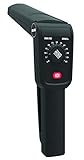
Overview: The Innova 3555 Advance Timing Light is a professional-grade diagnostic tool built for serious mechanics and automotive enthusiasts. This inductive timing light features an advance dial for checking base timing, mechanical advance/retard, and electronic advance applications across domestic and import vehicles. With universal compatibility for conventional, electronic, and computer-controlled ignition systems, it handles both modern and classic engines with precision.
What Makes It Stand Out: The patented Skip Circuitry tests up to 9,990 RPM, making it suitable for high-performance applications. The direct-reading advance scale adjusts from 0-60 degrees, providing instant measurements without calculations. Its slim, rotating barrel design offers superior aiming capability at timing marks in cramped engine bays, solving a common frustration with bulkier units. This combination of high-RPM capability and adjustable targeting sets it apart from standard timing lights.
Value for Money: Positioned in the mid-to-high price range, the 3555 justifies its cost through professional-grade durability and multi-system compatibility that eliminates the need for separate timing lights. Compared to basic models, the advanced functionality saves hours of diagnostic time, paying for itself after a few uses in professional settings. The robust construction ensures years of reliable service.
Strengths and Weaknesses: Strengths include exceptional RPM range, accurate advance dial, rotating barrel for accessibility, and broad ignition system compatibility. The slim profile enhances maneuverability. Weaknesses include a higher price point that may deter casual DIYers, and the lack of digital display features found in newer models. The learning curve for advance functions may challenge beginners.
Bottom Line: The Innova 3555 is an excellent investment for professional mechanics and serious enthusiasts working with diverse ignition systems. Its robust construction and advanced features deliver reliable performance that justifies the premium price. Casual users may find it over-spec’d for basic timing tasks.
7. OBDMONSTER Pro Ignition Timing Light, 12V Engine Strobe Lamp Inductive Petrol Engine Timing Gun with Strong Flash Strobe Automotive Tool for Car, Motorcycle, Marine

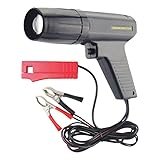
Overview: The OBDMONSTER Pro Ignition Timing Light is a versatile 12V strobe lamp designed for comprehensive engine timing across automobiles, motorcycles, ATVs, boats, and all two-stroke or four-stroke gasoline engines. This timing gun helps optimize ignition timing for peak performance, operating on 12V ignition systems up to 1,000 RPM. The inductive design ensures safe, straightforward connection for home mechanics.
What Makes It Stand Out: This model boasts a 58% brightness enhancement over standard timing lights, ensuring clear visibility even in daylight conditions. The 25% wire thickening and integrated line machine design significantly improve durability and longevity. The sliding clip sensor provides safe, secure hookup to the No.1 cylinder’s high-voltage line, while the ergonomic pistol-grip handle ensures comfortable operation during extended diagnostic sessions.
Value for Money: Offering solid mid-range pricing, the OBDMONSTER Pro delivers exceptional value through enhanced visibility features and reinforced construction. The multi-vehicle compatibility eliminates the need for separate timing tools, making it cost-effective for hobbyists with diverse equipment. While lacking digital features, its robust build quality rivals more expensive alternatives.
Strengths and Weaknesses: Strengths include superior daylight visibility, durable thickened wiring, comfortable ergonomic design, and broad gasoline engine compatibility. The sliding sensor clip ensures reliable connections. Weaknesses include the 1,000 RPM limitation (lower than professional models), lack of advance measurement capabilities, and potential confusion from the arrow direction requirement on sensor clips.
Bottom Line: Ideal for DIY enthusiasts and home mechanics working on various gasoline-powered equipment, the OBDMONSTER Pro offers reliable performance with enhanced visibility. It’s a practical choice for those prioritizing durability and ease of use over high-RPM professional features.
8. ANCEL LT70 Digital Timing Light Automotive with Tachometer (RPM), Advance, Dwell & Voltage Test, Self-Powered Inductive Ignition LED Timing Gun with Type-C Charging & 12V Backup for Gas Engines

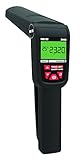
Overview: The ANCEL LT70 Digital Timing Light revolutionizes engine diagnostics by consolidating four critical functions into one handheld device. This advanced tool measures ignition timing, RPM (200-9999), dwell angle (0-99.9%), and voltage (0-35V), eliminating the need for multiple separate testers. Designed for modern and classic gas engines, it features a self-powered design with Type-C rechargeable lithium battery and 12V backup for uninterrupted operation.
What Makes It Stand Out: The industrial-grade LED strobe delivers over 1,000,000 flashes while running cooler and more stable than traditional xenon tubes. The integrated 0-35V voltmeter provides instant electrical system diagnostics, while dwell angle detection prevents costly ignition failures by identifying weak coils and grounding issues early. The 60° adjustable head and clear LCD display ensure easy readings in any engine bay configuration.
Value for Money: Though priced at a premium, the LT70 delivers outstanding value by replacing four separate diagnostic tools. The cordless operation and rugged ABS construction with heavy-duty leads justify the investment for professionals. For serious DIYers, it eliminates repetitive tool purchases and provides dealership-level diagnostics at a fraction of the cost.
Strengths and Weaknesses: Strengths include 4-in-1 functionality, self-powered cordless operation, million-flash LED longevity, comprehensive electrical diagnostics, and robust construction. The adjustable head improves accessibility. Weaknesses include premium pricing that may exceed casual user budgets, and potential complexity for beginners unfamiliar with dwell/voltage testing. Battery life management requires attention during extended use.
Bottom Line: The ANCEL LT70 is a game-changer for professional mechanics and advanced enthusiasts seeking comprehensive diagnostics in one tool. Its versatility and build quality justify the investment, making it the ultimate timing light for those who demand professional-grade functionality.
9. ROADGIVE 12V Engine Timing Light Strobe Lamp Inductive Petrol Ignition Timing Light Automotive Tool with Spark Plug Tester for Car Motorcycle Marine Lawnmower

Overview: The ROADGIVE 12V Engine Timing Light is an entry-level diagnostic tool designed for basic ignition timing tasks across automobiles, motorcycles, marine applications, and lawnmowers. Compatible with two-stroke and four-stroke gasoline engines operating on 12V ignition systems from 200-10,000 RPM, this inductive timing light features an ABS impact-resistant shell and xenon lamp construction for fundamental functionality.
What Makes It Stand Out: This budget-friendly unit includes an integrated spark plug tester, adding diagnostic value uncommon in its price class. The pistol-type ergonomic handle ensures comfortable operation, while the color-coded red and black sensor clips simplify polarity identification for safer connections. The blue-white xenon tube produces a strong flash for timing mark visibility, and the 4.5-foot sensor cable offers reasonable reach in most engine bays.
Value for Money: Positioned as one of the most affordable timing lights available, the ROADGIVE delivers exceptional value for casual DIYers and homeowners maintaining small engines. While lacking advanced features, its inclusion of a spark plug tester and broad compatibility make it more versatile than other budget options. The cost savings make it accessible for those who time ignition systems infrequently.
Strengths and Weaknesses: Strengths include affordability, spark plug tester integration, ergonomic handle design, color-coded safety clips, and wide gasoline engine compatibility. The impact-resistant shell provides adequate durability. Weaknesses include basic xenon bulb technology (shorter lifespan than LED), no advance measurement capability, limited features compared to mid-range models, and less robust construction for professional daily use.
Bottom Line: Perfect for budget-conscious DIYers and homeowners with occasional timing needs, the ROADGIVE offers solid basic functionality at an unbeatable price. It’s an ideal starter tool for those learning engine diagnostics, though professionals will require more advanced features for regular use.
10. Innova 3551 Inductive Timing Light
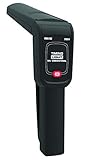
Overview: The Innova 3551 Inductive Timing Light is a compact, reliable diagnostic tool designed for essential ignition timing checks and basic troubleshooting. This professional-brand timing light works with most ignition systems including DIS, conventional, electronic, and computer-controlled domestic and import vehicles. It effectively diagnoses no-spark conditions while checking for electronic advance or retard, making it suitable for routine maintenance and preliminary diagnostics.
What Makes It Stand Out: The patented Skip Circuitry enables testing up to 9,990 RPM, matching higher-end models in rotational speed capability. The slim, rotating barrel design allows precise aiming at timing marks in confined spaces, while the protective hand guard facilitates safe one-handed operation—a thoughtful feature for mechanics working alone. Its inductive pickup eliminates the need for direct wire connections, simplifying setup.
Value for Money: As an entry-level offering from a premium brand, the 3551 strikes an excellent balance between cost and capability. It provides professional reliability and high-RPM testing at a price point accessible to serious DIYers. While lacking advance measurement features, its robust construction and brand reputation justify the modest investment over generic alternatives, delivering longevity that budget options cannot match.
Strengths and Weaknesses: Strengths include professional brand reliability, high 9,990 RPM range, rotating barrel for accessibility, protective hand guard for safety, and broad ignition system compatibility. The inductive design ensures easy connection. Weaknesses include absence of advance dial functionality, basic feature set compared to digital models, and no integrated tachometer or voltage testing. The price exceeds ultra-budget options.
Bottom Line: The Innova 3551 is an excellent choice for DIYers and entry-level technicians seeking professional brand reliability without premium pricing. It handles essential timing tasks with proven durability, making it a smart investment for those who prioritize brand trustworthiness over advanced digital features.
Understanding Timing Lights: Your Diagnostic Foundation
What Is a Timing Light and How Does It Work?
A timing light is a stroboscopic lamp that flashes in synchronization with a spark plug firing, effectively “freezing” the rotation of the engine’s harmonic balancer or timing marks. This allows technicians to visually inspect the relationship between piston position and spark delivery while the engine runs at various speeds. The device typically clamps onto the number one cylinder’s spark plug wire, detects the electrical pulse, and triggers a high-intensity flash precisely when that cylinder fires.
The Physics Behind the Strobe Effect
The magic lies in the persistence of vision phenomenon—when the bright flash illuminates the spinning timing marks dozens of times per second, your eye perceives them as stationary. This stroboscopic effect reveals the exact position of the crankshaft when the spark occurs, measured in degrees before top dead center (BTDC). Modern units achieve this through inductive pickup technology that senses the magnetic field collapse in the spark plug wire, eliminating the need for direct electrical connection that could load the ignition system.
Why Timing Accuracy Matters for Engine Performance
Ignition timing directly impacts combustion efficiency, power output, fuel economy, and engine longevity. Advanced timing can cause detonation and pre-ignition damage, while retarded timing leads to poor performance, overheating, and excessive emissions. A timing light provides the visual confirmation needed to verify that initial timing, mechanical advance, and vacuum advance (where applicable) all operate within specifications. This becomes critical when troubleshooting mysterious performance complaints that don’t trigger diagnostic trouble codes.
Why Garage Technicians Still Depend on Timing Lights
The Critical Role in Classic Car Restoration
Vintage vehicles lack the sophisticated engine management systems of modern cars, making timing lights absolutely essential for carbureted engines with distributors. Restoring proper timing on a classic V8 after rebuilding the distributor or changing camshafts requires the visual feedback only a strobe can provide. The ability to check total mechanical advance curves and vacuum advance function becomes a daily necessity in shops specializing in pre-OBD-II vehicles.
Performance Tuning Applications
Modern performance tuning extends far beyond stock specifications. When installing aftermarket camshafts, adjustable timing gears, or performance engine management systems, technicians must verify actual timing events against commanded values. A timing light confirms that the commanded 28 degrees of advance at wide-open throttle is actually occurring, revealing timing belt stretch, trigger wheel misalignment, or ECU mapping errors that would otherwise remain hidden.
Diagnostic Uses Beyond Basic Timing
Experienced technicians use timing lights as dynamic diagnostic tools. Watching the timing mark stability can reveal intermittent misfires, erratic ignition modules, or fluctuating crankshaft position sensor signals. The strobe can also identify harmonic balancer slip (where the outer ring shifts relative to the hub) by comparing TDC markings with piston stop measurements. These secondary diagnostic capabilities make timing lights valuable far beyond simple timing checks.
Key Features to Evaluate in Modern Timing Lights
Brightness and Visibility Factors
The most critical specification is strobe intensity. Professional-grade units deliver flashes bright enough to overcome direct sunlight streaming into a shop bay. Look for luminance ratings above 1 million candela for daylight visibility. Xenon flash tubes traditionally provide the brightest output, though advanced LED arrays now rival their performance with faster flash durations and longer lifespans. The beam pattern should concentrate light on the timing marks without creating excessive peripheral glare.
Advance Timing Readout Capabilities
Basic timing lights show only the static timing mark. Professional units feature digital advance readouts that measure and display the actual advance in real-time as engine RPM increases. This eliminates manual calculations and allows precise mapping of advance curves. The best implementations use microprocessor-controlled timing measurement with RPM compensation, providing accuracy within ±1 degree across the entire operating range.
Ignition System Compatibility
Modern ignitions present unique challenges. Traditional inductive pickups work fine with conventional coil-and-distributor systems, but coil-on-plug (COP) and coil-near-plug (CNP) systems require specialized adapters or capacitive pickup technology. The timing light must handle multi-spark ignition strategies without confusion, recognizing only the primary spark event. Verify compatibility with both inductive waste-spark systems and high-energy coil-per-cylinder architectures.
Build Quality and Durability Standards
Professional tools endure harsh shop environments. The housing should resist chemicals, impacts, and extreme temperatures. Look for reinforced strain reliefs where cables exit the body, heavy-duty alligator clips with insulated boots, and pickup clamps that maintain consistent pressure after thousands of uses. Internal components matter too—potted circuitry prevents vibration damage, while quality capacitors ensure consistent flash power over years of service.
Ergonomic Design Considerations
A timing light sees constant use throughout the day. The pistol-grip should fit comfortably in your hand with intuitive button placement. Weight distribution prevents fatigue during extended tuning sessions. A rotating head or adjustable flash tube angle allows optimal positioning without forcing awkward wrist angles. Cable length deserves consideration—12 to 14 feet provides reach across engine bays without excessive slack that creates trip hazards.
Types of Timing Lights Available Today
Basic Inductive Timing Lights
Entry-level inductive models provide simple strobe functionality for conventional ignition systems. They connect via an inductive clamp around the spark plug wire and draw power from the vehicle’s battery. While lacking advanced features, these units serve adequately for routine timing checks on older vehicles. Their simplicity translates to reliability—fewer features mean fewer failure points for technicians who only occasionally need timing verification.
Digital Advance Timing Lights
These represent the professional standard, incorporating microprocessors to calculate and display ignition advance digitally. Most feature backlit LCD screens showing advance degrees, engine RPM, and sometimes dwell angle. They can measure both initial timing and total advance, storing peak values for later reference. The digital approach eliminates interpretation errors and provides documentation for customer invoices or warranty work.
Self-Powered vs. Battery-Operated Models
Traditional timing lights connect to the vehicle’s 12V battery for power, ensuring consistent performance but requiring under-hood hookup. Self-powered units with internal rechargeable batteries offer cordless convenience, ideal for quick checks or when battery terminals are inaccessible. However, battery life and recharge times become considerations in busy shops. Hybrid designs that work both ways provide maximum flexibility.
Professional-Grade vs. Entry-Level Options
The divide isn’t just about price—professional units feature faster flash durations (critical for high-RPM engines), superior noise filtering, and higher voltage tolerance. They withstand accidental connection to 24V diesel systems without damage. Entry-level lights may produce dimmer flashes, slower response times, and lack the circuitry to handle modern multi-spark ignitions cleanly. For commercial shops, the premium investment typically pays for itself through accuracy and durability.
Advanced Features for 2026 and Beyond
Wireless Connectivity and App Integration
The newest generation includes Bluetooth or Wi-Fi connectivity, streaming timing data to tablets or smartphones. This allows technicians to view timing curves graphically, overlay them with sensor data from OBD-II scanners, and save reports for customers. Apps can calculate optimal timing based on fuel octane, boost levels, or camshaft specs. While not essential for every shop, this integration appeals to performance specialists documenting dyno tuning sessions.
Data Logging and Recording Functions
Built-in memory can record timing and RPM data over time, capturing intermittent issues that only occur under specific conditions. Some units log hours of data that technicians can review later, identifying momentary timing fluctuations that suggest loose crankshaft position sensors or failing ignition modules. This transforms the timing light from a real-time tool into a diagnostic recorder.
Multi-Spark Recognition Technology
High-performance ignitions fire multiple sparks per combustion event, confusing traditional timing lights. Advanced units use signal processing algorithms to identify and sync with only the primary spark, providing stable timing readings. This technology proves essential when working with modern performance ignitions that fire 3-4 sparks at idle to improve combustion stability.
LED vs. Xenon Strobe Technology
Xenon tubes deliver intense, single flashes but have finite lifespans and require high-voltage triggers. Modern LED arrays produce extremely fast flashes with instant-on capability and virtually unlimited lifespan. LED timing lights can flash at higher frequencies, making them better suited for high-RPM applications. The trade-off historically involved brightness, but 2026 LED technology now matches or exceeds Xenon output while consuming less power.
How to Choose the Right Timing Light for Your Needs
Assessing Your Garage’s Primary Service Mix
Shops focusing on classic car restoration should prioritize bright, durable units with simple operation. Performance tuning shops need digital advance readouts with data logging. General repair facilities benefit from versatile units compatible with both old and new ignition systems. Evaluate what percentage of your work involves timing adjustments versus diagnostic verification to determine necessary feature depth.
Budget Allocation Strategies
Professional-grade timing lights range from entry-level to premium prices. Consider the cost relative to your service revenue—a single timing-related diagnostic job might justify the premium model. For shops performing timing work weekly, invest in the best unit available. For occasional use, a mid-range digital advance light offers the best value. Remember that accuracy prevents costly comebacks that damage reputation.
Feature Prioritization Framework
Create a hierarchy of needs: brightness and visibility are non-negotiable, followed by ignition compatibility with your typical vehicle mix. Digital advance readout ranks next for professional use, then advanced features like data logging. Wireless connectivity sits at the top as a convenience feature. This framework prevents overspending on capabilities you’ll rarely use while ensuring core performance meets professional standards.
Warranty and Support Considerations
Professional tools should carry at least a one-year warranty, with premium brands offering two to three years of coverage. Evaluate manufacturer support—do they offer calibration services? How quickly do they repair units? Some companies provide loaner tools during repairs, minimizing downtime. Check online forums and technician communities for real-world durability feedback before committing to a purchase.
Proper Usage Techniques for Accurate Results
Pre-Inspection Checklist Before Use
Always inspect the harmonic balancer for TDC mark integrity and potential outer ring slip. Clean the timing marks with brake cleaner and mark them with white paint or chalk for visibility. Verify the timing pointer is straight and properly aligned. Check that the engine is at normal operating temperature, as timing specifications are temperature-dependent. Disable vacuum advance during initial timing checks per manufacturer procedures.
Correct Connection Procedures
Connect the inductive pickup to the number one spark plug wire, ensuring the arrow points toward the spark plug. Attach power leads to the battery—positive first, then negative—for traditional units. For COP systems, use the appropriate adapter that simulates a spark plug wire signal. Route cables away from hot exhaust components and moving belts. Ensure all connections are secure to prevent voltage drops that cause dim or erratic flashing.
Interpreting Timing Marks Under Strobe
Start with the engine at idle and the timing light triggered. The flash should illuminate a single, stable timing mark aligned with the pointer. If the mark appears blurry or dances around, suspect a misfire or weak ignition signal. Gradually increase RPM while observing the mark’s movement—smooth advancement indicates proper mechanical advance function. Jerky or erratic movement suggests distributor shaft wear or timing chain slack.
Adjusting for Advance and Retard Settings
With digital advance timing lights, switch to advance mode and rev the engine to specified RPM points (typically 2500-3000 RPM for total advance). The display should show smooth, predictable advance curves. If adjusting timing, always loosen the distributor hold-down bolt slightly, make small incremental changes, and recheck. Never force the distributor against resistance, as this indicates internal distributor gear binding.
Common Mistakes That Compromise Accuracy
Loose Connections and Voltage Drops
A weak power connection creates dim flashes and unstable triggering. Always clean battery terminals before connecting, and ensure clip teeth bite through corrosion. Inductive clamps must fully close around the plug wire—gaps reduce signal strength. Periodically squeeze clamp springs to maintain tension. Replace cables showing cracked insulation or corroded internal wires that increase resistance.
Incorrect Clamp Orientation
The inductive pickup’s arrow must point toward the spark plug, following electron flow from coil to ground. Reversed orientation weakens the trigger signal, especially with capacitive discharge ignitions. Some modern pickups work in either direction, but maintaining consistent orientation ensures reliable triggering across all vehicle types. When in doubt, check for a molded arrow or “+” symbol on the clamp body.
Ignoring Parallax Errors
Viewing timing marks from an angle creates optical illusions where the mark appears misaligned. Always position your eye directly perpendicular to the timing pointer and harmonic balancer. Some technicians use a small inspection mirror to achieve proper viewing angle in tight engine bays. Digital advance lights reduce parallax errors by displaying numeric values instead of requiring visual mark alignment.
Environmental Light Interference
Bright shop lights, especially LED overheads with high-frequency drivers, can interfere with timing light sensors and make marks difficult to see. Dim surrounding lights or use a cardboard shield to create shade over the timing area. For outdoor mobile work, choose a timing light with extra brightness to overcome sunlight. Some units include light shields that attach to the flash head to concentrate illumination.
Maintenance and Care Best Practices
Cleaning and Storage Protocols
After each use, wipe down the timing light body with a shop towel dampened with mild detergent. Remove grease and coolant residue that can attack plastic housings over time. Wrap cables in loose loops—never tight coils that stress internal conductors. Store in the provided case or hang from a hook to prevent cable damage. Keep the flash tube covered to protect against dust and impacts.
Cable and Clamp Inspection Routines
Monthly, flex each cable section while feeling for internal breaks that cause intermittent operation. Check inductive clamp springs for fatigue—weak springs cause poor signal pickup. Inspect alligator clip insulation for cracks that expose live conductors. Apply dielectric grease to battery clip jaws quarterly to prevent corrosion. Replace any component showing wear before it fails during a critical diagnostic.
Battery Maintenance for Self-Powered Units
For cordless timing lights, don’t leave batteries on continuous charge—this reduces lithium-ion cell lifespan. Instead, charge fully, then use until 20% capacity before recharging. Store batteries at 50% charge if the tool won’t be used for extended periods. Clean battery contacts monthly with isopropyl alcohol. Replace batteries every two to three years, or when run time drops below 80% of original capacity.
Calibration Verification Procedures
While timing lights don’t drift like torque wrenches, their internal clocks can shift slightly over years of vibration. Annually, test against a known good unit or engine with fixed timing. Some manufacturers offer calibration services that verify advance readings against precision timing discs. Document calibration checks for shops following ISO quality standards. If readings seem suspect, professional calibration costs less than a comeback due to incorrect timing.
Troubleshooting Timing Light Problems
When the Strobe Fails to Trigger
First, verify power supply voltage meets specifications (typically 12V ±2V). Test the inductive clamp on a different plug wire to isolate pickup versus engine issues. Check for broken wires at strain reliefs using a multimeter continuity test. Some units have internal fuses accessible through the battery compartment. If the flash tube never fires but the unit powers on, the trigger circuit or tube itself may have failed, requiring professional service.
Inconsistent Flash Patterns
Erratic flashing usually indicates weak signal pickup. Clean the plug wire insulation where the clamp attaches—oil and moisture reduce inductive coupling. Ensure the clamp fully closes; weak springs are a common culprit. For multi-spark ignitions, switch to a timing light with spark recognition technology. Interference from nearby plug wires can cause false triggers—route the pickup cable away from other ignition components.
Dealing with Electromagnetic Interference
High-energy ignitions create strong RF interference that can overwhelm timing light circuitry. Route the inductive cable perpendicular to spark plug wires rather than parallel. Keep the timing light body away from coil packs and ignition modules. Some units include ferrite choke cores on cables to filter noise. If interference persists, wrap the pickup cable around the plug wire twice to increase signal strength relative to noise.
Addressing Dim or Weak Flashes
Dim flashes make timing marks hard to see, especially in bright conditions. Verify full battery voltage at the clips—corroded terminals cause voltage drops. Xenon tubes dim with age; after several years of heavy use, tube replacement may be necessary. LED units should maintain consistent brightness throughout their lifespan. Check for dirty or oxidized reflectors behind the flash tube, which reduce light output significantly.
Integration with Modern Vehicle Systems
Working with Coil-On-Plug Ignitions
COP systems lack accessible spark plug wires, requiring special adapters. These devices plug into the coil harness and provide a simulated plug wire for the inductive clamp. Some advanced timing lights include a capacitive pickup that clips directly to the coil’s high-voltage terminal. Always verify adapter compatibility with specific coil designs, as some performance coils produce voltages beyond standard adapter ratings.
Hybrid and Alternative Fuel Considerations
Hybrid vehicles often run the gasoline engine only intermittently, making timing checks challenging. Use a timing light with stable low-RPM triggering for these applications. Flex-fuel vehicles may require timing adjustments based on ethanol content—document timing settings for different fuel blends. Compressed natural gas (CNG) conversions typically require retarded timing; ensure your timing light can measure the required ranges, sometimes up to 40+ degrees BTDC.
CAN Bus and OBD-II Complementary Diagnostics
While timing lights provide mechanical verification, modern diagnostics require correlation with electronic data. Use scan tools to monitor commanded timing versus actual timing measured with your light. Discrepancies indicate mechanical timing issues (belt/chain stretch) or sensor problems. Some advanced timing lights can receive RPM data via OBD-II, eliminating the need for separate tachometer connections and providing more stable readings.
Safety Protocols Every Technician Must Follow
High-Voltage Hazard Awareness
Spark plug wires carry 30,000+ volts. Never touch the inductive clamp while the engine runs, and keep body parts away from plug wire terminals. Use insulated tools when adjusting distributors on running engines. Some COP systems produce 50,000+ volts—capacitive pickups must be rated for these voltages. Treat all ignition components as energized until proven otherwise.
Moving Parts and Hot Engine Precautions
Timing checks require working around rotating fans, belts, and pulleys. Remove loose clothing and jewelry. Use fan guards when possible. Harmonic balancers, exhaust manifolds, and cylinder heads reach temperatures exceeding 200°F. Wear heat-resistant gloves when working near hot components. Position yourself to maintain balance—never lean over rotating parts. Keep a fire extinguisher rated for Class B (flammable liquids) and Class C (electrical) fires within reach.
Electrical System Protection Measures
Incorrectly connecting timing light power leads can damage sensitive electronics. Always connect positive first, then negative, and remove in reverse order. Never allow clips to touch each other during connection. For vehicles with sensitive PCM-controlled charging systems, use a timing light with built-in surge protection. Some luxury vehicles require memory savers when disconnecting battery power—verify procedures before connecting accessories.
Personal Protective Equipment Requirements
Safety glasses protect against unexpected fluid sprays and debris when working around running engines. Steel-toed boots guard against dropped tools or engine components. Consider hearing protection during extended high-RPM timing checks. Nitrile gloves prevent chemical exposure when cleaning timing marks, though they don’t provide thermal protection. Keep a first-aid kit stocked with burn treatment supplies readily accessible.
The Evolution of Timing Light Technology
From Analog to Digital: A Brief History
Early timing lights used neon bulbs triggered by direct connection to the plug wire, dim and dangerous by modern standards. The 1970s introduced Xenon flash tubes with inductive pickups, revolutionizing safety and brightness. The 1990s added digital displays for advance readings. Today’s microprocessor-controlled units integrate with smartphones and log data, representing a quantum leap in capability while maintaining the same fundamental stroboscopic principle.
Emerging Technologies on the Horizon
Laser timing lights using short-pulse lasers instead of flash tubes promise even brighter illumination with pinpoint accuracy. Machine learning algorithms may soon analyze timing mark stability patterns to predict component failures before they occur. Integrated high-speed cameras could capture timing mark images and overlay them with diagnostic data. While these technologies remain developmental in 2026, they hint at future capabilities that will further blur the line between mechanical and electronic diagnostics.
What 2026 Models Bring to the Table
Current generation timing lights feature improved electromagnetic shielding for reliable operation near high-energy coil packs. Advanced signal processing handles multi-spark and ion-sensing ignition strategies without confusion. Battery technology improvements extend cordless operation to full workdays. Enhanced app integration provides cloud-based timing curve libraries for thousands of engine configurations. These evolutionary improvements make modern units more versatile and reliable than ever before.
Cost-Value Analysis for Professional Shops
Entry-Level Investment vs. Premium Features
A basic inductive timing light might handle 60% of timing checks adequately. However, the remaining 40%—COP systems, performance tuning, diagnostic verification—require advanced features. Consider the labor cost of a single comeback due to incorrect timing. If a premium timing light prevents one comeback, it has paid for itself. Professional shops should view timing lights as revenue-generating diagnostic tools, not consumable expenses.
ROI Calculation for Commercial Use
Calculate ROI based on increased diagnostic efficiency. A digital advance light that checks timing in 5 minutes versus 15 minutes with a basic unit saves 10 minutes per job. At a shop rate of $100/hour, saving 10 minutes on just 60 jobs annually recovers a $1,000 tool investment. Factor in prevented comebacks, improved customer satisfaction, and the ability to take on complex tuning work that basic tools can’t handle. The math overwhelmingly favors professional-grade equipment in busy shops.
When to Upgrade Your Existing Equipment
Replace timing lights when repairs cost more than 50% of a new unit’s price. Upgrade when new vehicle models in your service area require features your current tool lacks—such as COP compatibility or multi-spark recognition. If you find yourself declining timing-related work because your tool can’t handle it, you’ve already lost more than the upgrade cost. Consider upgrading when warranty expires on older units, as newer models offer improved reliability and features at similar price points.
Building a Complete Timing and Ignition Toolkit
Essential Companion Tools
A quality timing light works best alongside a piston stop tool for finding true TDC when harmonic balancer marks are suspect. A dial-back timing light (or advance timing light) provides more accurate advance readings than relying on harmonic balancer markings. Keep a set of COP adapters specific to common makes in your service area. A remote starter switch allows solo timing adjustments. A non-marring dead-blow hammer helps loosen tight distributors without damage.
Organizational Systems for Efficiency
Store timing lights on dedicated hooks near your primary diagnostic bay, never buried in toolboxes. Use color-coded cable ties to quickly identify which accessories pair with which timing light. Create a laminated quick-reference card showing connection procedures for different ignition types. Keep spare batteries for self-powered units in a climate-controlled cabinet to maximize lifespan. A mobile cart with timing light, adapters, and companion tools increases efficiency for shops with multiple bays.
Training Resources for Mastery
Manufacturer training videos demonstrate proper techniques for specific features. Online forums like iATN (International Automotive Technicians Network) contain real-world timing diagnostic case studies. Performance tuning courses teach advanced timing light applications for horsepower optimization. Consider internal shop training sessions where experienced technicians demonstrate timing light techniques to newer staff. Mastery transforms a simple strobe light into a sophisticated diagnostic instrument.
Frequently Asked Questions
1. Can timing lights damage modern vehicle electronics?
Quality timing lights are designed with protection circuits that prevent back-feeding voltage into sensitive PCM systems. However, always connect power leads correctly—positive to positive, negative to negative—to avoid creating ground loops. Never use timing lights with damaged insulation that could short to chassis ground. For hybrid vehicles with high-voltage systems, use only timing lights rated for electromagnetic compatibility (EMC) to prevent interference with control modules.
2. How do I use a timing light on coil-on-plug systems without plug wires?
You need a COP adapter that plugs into the coil harness and provides a simulated spark plug wire for your inductive clamp. Alternatively, use a timing light with a capacitive pickup that clips directly to the coil’s high-voltage terminal. Some advanced units include a universal COP mode that works with a simple probe touching the coil boot. Always verify the adapter’s voltage rating matches your specific coil design.
3. Why does my timing light show unstable readings at high RPM?
Unstable high-RPM readings typically indicate insufficient flash rate or weak signal pickup. Professional timing lights flash at rates exceeding 300 Hz to maintain stable images at 6,000+ RPM. Check that your inductive clamp is fully closed and positioned away from other plug wires. For multi-spark ignitions, ensure your timing light has spark recognition technology. Weak ignition coils produce inconsistent signals that cause erratic flashing—this itself becomes a diagnostic clue.
4. What’s the difference between initial timing and total advance?
Initial timing is the base setting at idle with vacuum advance disconnected, typically 8-12 degrees BTDC. Total advance combines initial timing plus mechanical advance (centrifugal weights) plus vacuum advance, often reaching 32-38 degrees BTDC at cruise RPM. A timing light with advance readout measures total advance directly. For manual measurement, compare timing at idle versus 2500-3000 RPM with vacuum disconnected to isolate mechanical advance.
5. Can I use a timing light on diesel engines?
Standard timing lights won’t work on diesel engines because they lack spark plugs. Diesel timing requires specialized tools like diesel timing lights that detect injector pulses, or mechanical dial indicators that measure piston position. Some advanced timing lights offer diesel injector probe accessories, but these are specialty items. For most shops, diesel timing remains a separate tool category from gasoline engine timing lights.
6. How accurate are digital advance readings compared to manual calculations?
Quality digital advance timing lights provide accuracy within ±1 degree, superior to manual methods that rely on harmonic balancer markings which may be imprecise or worn. The microprocessor calculates timing based on actual spark events, eliminating human interpretation errors. However, accuracy depends on proper connection and adequate signal strength. Always verify digital readings make sense relative to manual observations as a sanity check.
7. Why won’t my timing light trigger on some vehicles?
Some modern ignitions use ion-sensing or very low-energy sparks that produce weak inductive signals. Try repositioning the clamp closer to the coil end of the plug wire. Ensure the engine is actually firing on that cylinder—a dead cylinder produces no signal. Certain European vehicles use “wasted spark” systems where the clamp may work better on the companion cylinder. COP systems definitely require adapters. As a last resort, some timing lights have sensitivity adjustments.
8. How long should a professional timing light last?
With proper care, a professional xenon timing light typically lasts 5-8 years in commercial use before the flash tube dims significantly. LED-based units should last indefinitely—20+ years—since LEDs don’t degrade like xenon tubes. The limiting factors become cable wear at strain reliefs and clamp spring fatigue. Replace cables every 3-4 years in heavy use. Quality units with replaceable cables and clamps extend overall tool life dramatically.
9. Can I check timing on a running engine without a timing mark on the harmonic balancer?
You must first establish true TDC using a piston stop tool, then create a reference mark on the balancer with paint or a temporary pointer. Some advanced timing lights include degree wheels that attach to the crankshaft pulley. Alternatively, use a dial-back timing light that electronically advances the flash until the mark aligns with a fixed pointer, reading the advance directly from the tool’s display without needing balancer markings.
10. What’s the best way to verify my timing light’s accuracy?
Test on a known good engine with fixed, locked timing (like a race engine with locked distributor). Compare readings between two timing lights—discrepancies suggest one unit needs service. Some manufacturers offer timing simulator boxes that produce precise spark signals at known advance curves. For shops requiring documented accuracy, send units for professional calibration annually. In practice, if your timing light produces stable, repeatable readings that make diagnostic sense, it’s likely functioning correctly.
See Also
- The 10 Ultimate Best AC-Powered Timing Lights for Garage Mechanics in 2026
- 10 Essential AC-Powered Timing Lights Every Garage Needs in 2026
- 10 Game-Changing Handheld Timing Lights for Mobile Auto Technicians in 2026
- The 10 Ultimate Best Electronic Timing Lights for Smooth Idle Tuning in 2026
- 10 Essential Professional Timing Lights Every Mechanic Needs in 2026